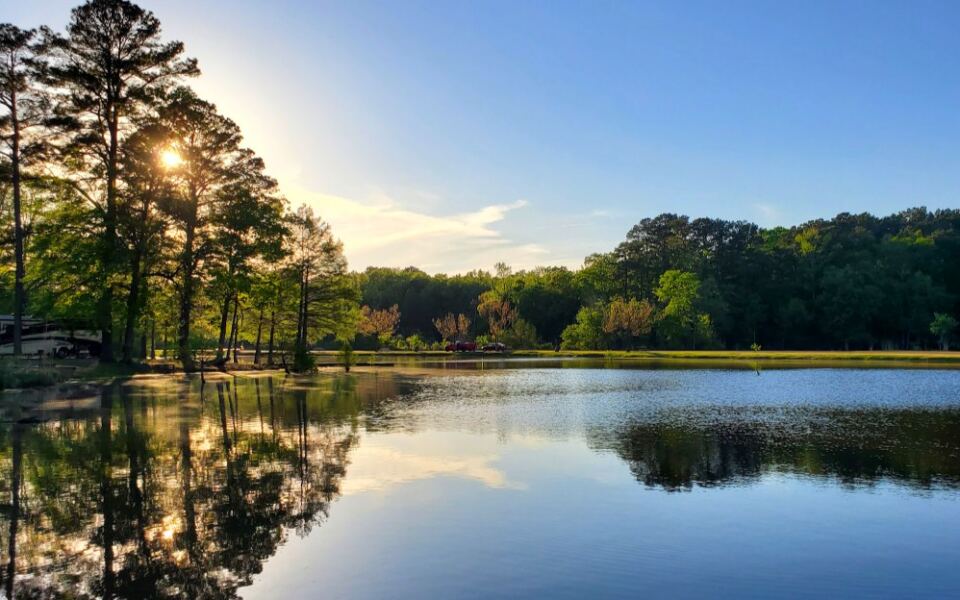
There is a state park tucked away in southwest Arkansas that has quietly built a reputation among anglers, hikers, birdwatchers, and campers who prefer their nature served without crowds or fanfare. The park sits on a lake so rich with fish and wildlife that locals treat it like a closely guarded neighborhood secret.
What makes this place truly special is how much it packs into one peaceful corner of the state, from ancient geological curiosities on the forest floor to a marina stocked with rentals and a campground that practically begs you to stay an extra night. Keep reading, because every section of this article reveals something new and worth knowing about this remarkable Arkansas retreat.
A Quiet Corner in Bluff City: Location and First Impressions
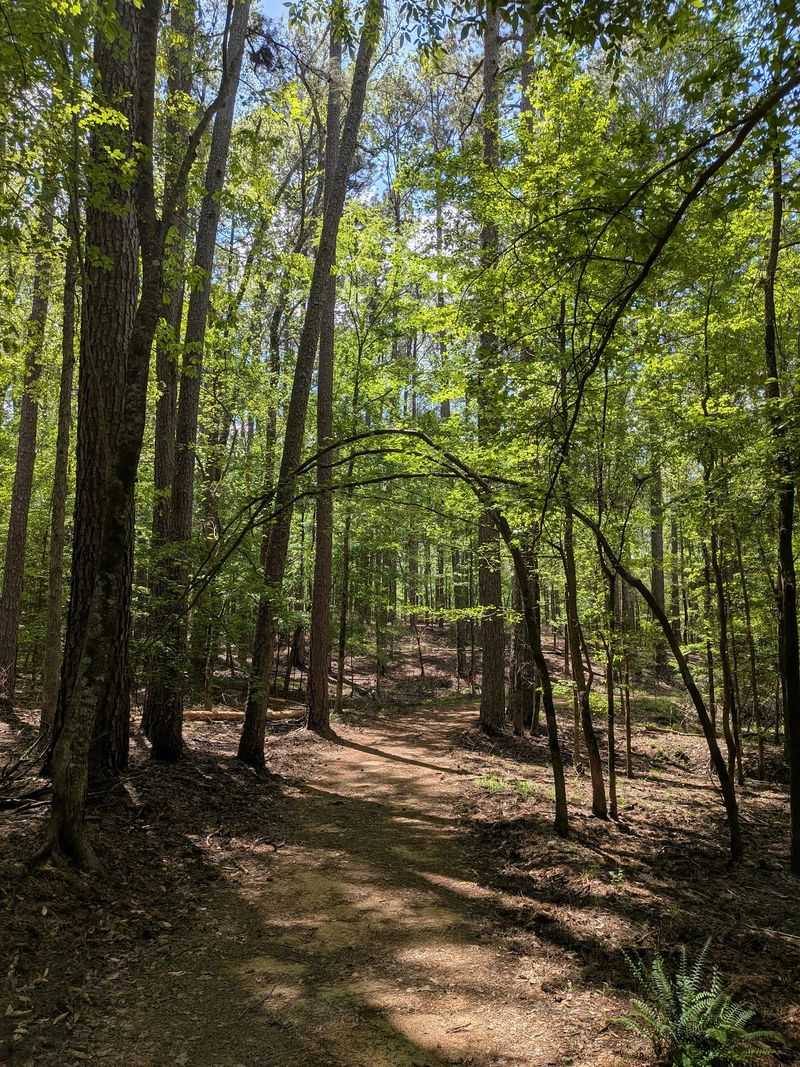
The moment you turn off the main road and follow the signs toward 563 State Hwy 387 in Bluff City, Arkansas, something shifts. The noise of everyday life fades, replaced by the rustling of pine branches and the faint call of birds overhead.
White Oak Lake State Park spans 725 acres in the West Gulf Coastal Plain region, shared between Ouachita and Nevada counties. The park wraps around the 1,656-acre White Oak Lake, which holds the distinction of being the second-largest lake ever built by the Arkansas Game and Fish Commission.
That is not a small claim for a place that feels this unhurried.
The drive in already sets the tone, with rolling forested hills, sandy soil peeking through the understory, and a general sense that you are arriving somewhere that has no interest in rushing you. First impressions here are genuinely calming, and that feeling only deepens the longer you stay.
The Lake Itself: A Manufactured Marvel With a Wild Soul
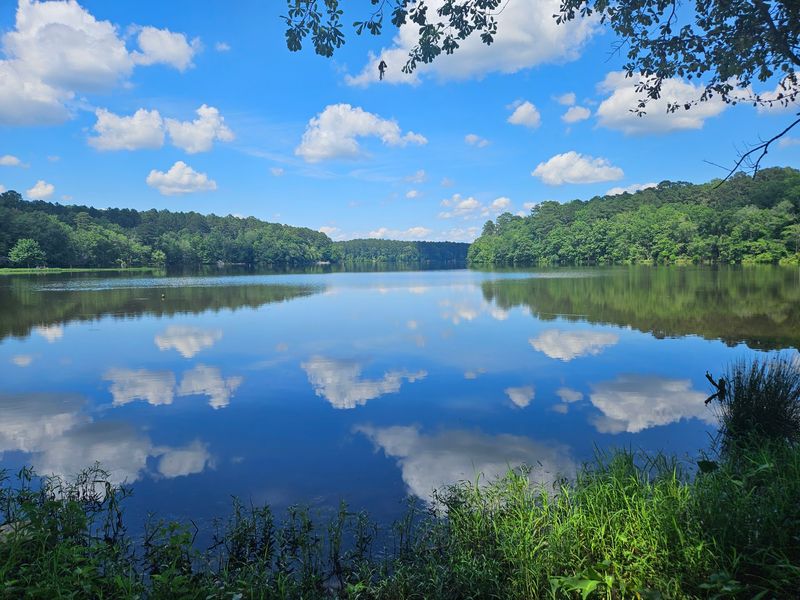
Most lakes you visit formed over thousands of years through glacial or geological processes. White Oak Lake took a more deliberate path.
The Arkansas Game and Fish Commission dammed White Oak Creek in 1961, flooding a forested bottomland and creating the expansive body of water that defines the park today.
The result is a lake with a fascinating personality. Dozens of submerged tree trunks still rise above the waterline or lurk just beneath the surface, creating an eerie and beautiful underwater landscape that fish absolutely love.
These ghost-forest snags provide cover, habitat, and structure that make the lake far more productive for fishing than a plain, featureless reservoir would be.
The upper and lower sections of the lake together cover a combined area that stretches well beyond what most visitors expect to find in a small state park setting. The scale of it surprises you the first time you see it from the shore, and that surprise is a good one.
Fishing at White Oak Lake: Why Anglers Keep Coming Back

With 52 mentions in visitor reviews, fishing is undeniably the heart of this park. The lake is stocked and managed to support Florida-strain largemouth bass, crappie, catfish, and multiple species of bream including bluegill, giving every angler something worth casting for regardless of skill level or preference.
The submerged timber throughout the lake creates natural fish-holding structure that keeps the population healthy and active. Early mornings on the fishing pier are particularly productive, with the water still and the light just beginning to filter through the pines.
The park marina offers fishing boat rentals, and the visitor center even provides free rod loans for anyone who shows up without gear. A bait shop on-site stocks essentials, and fishing licenses are available right there, so there is no reason to make a detour before your first cast.
Swimming is not permitted in the lake, which keeps the water calm and undisturbed for those focused on fishing. That single rule does a lot to preserve the atmosphere.
Birdwatching and Wildlife: More Wings Than You Can Count
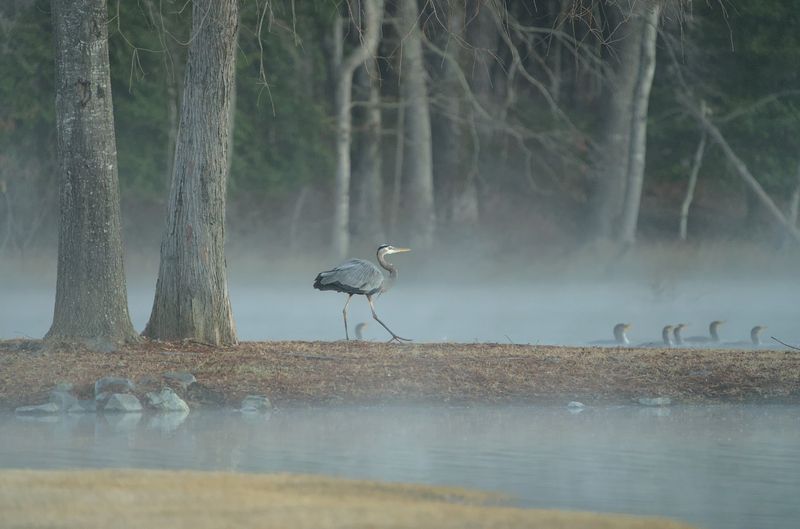
White Oak Lake State Park is a serious destination for birdwatchers, and not just because it looks pretty. The combination of open water, bottomland hardwood forest, pine uplands, and beech ridges creates a layered habitat that draws an impressive variety of species throughout the year.
Great blue herons are a near-constant presence along the shoreline, joined by egrets, green herons, and ospreys that dive for fish with startling precision. During winter months, bald eagles move in to take advantage of the lake’s abundant fish population, and spotting one from the trail is the kind of moment that stops you mid-step.
White-tailed deer appear regularly at dawn and dusk along forest edges, and beavers are active near the water. The park even has a resident alligator named Boots, kept in the visitor center aquarium, who draws his fair share of attention during feeding time.
The wildlife here is not background scenery; it is a genuine reason to visit.
Trails That Earn Their Reputation: Hiking Through the Forest
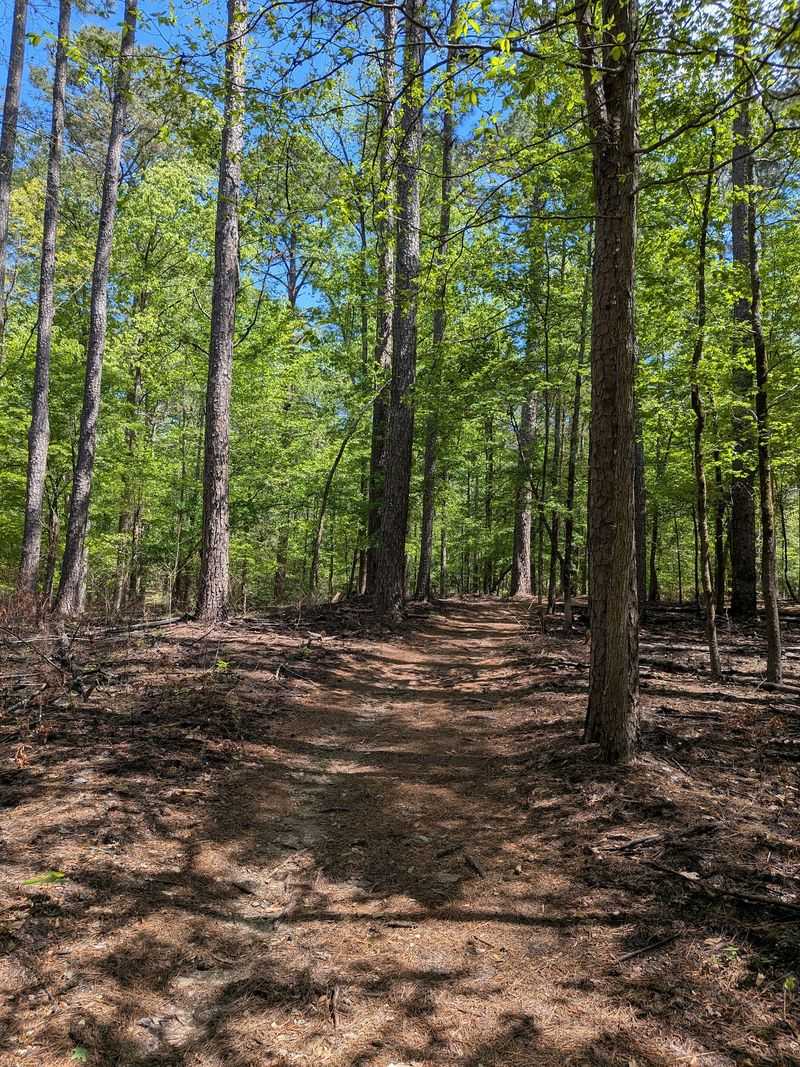
The trails at White Oak Lake State Park have a texture that regular hikers tend to mention with genuine enthusiasm. Soft sand and pine needles underfoot create a cushioned surface that makes even longer walks feel easy on the joints, and the canopy overhead keeps things shaded and cool during warmer months.
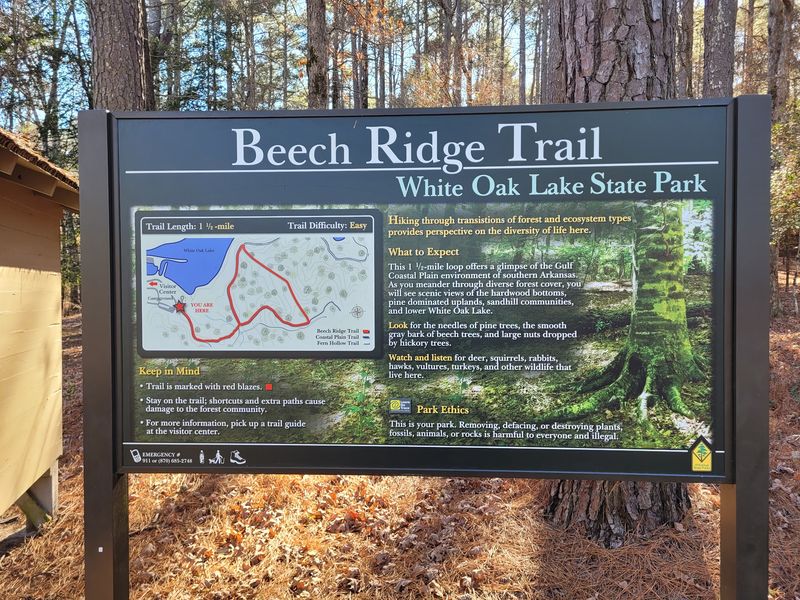
The park offers several clearly marked routes. The 1.5-mile White Oak Lake Trail loops along the water with consistent lake views.
The 3-mile Coastal Plain Trail takes you through sandhills, wetlands, and lakeshore terrain. The 2-mile Cypress Trail moves through quiet bottomland forest.
For a quick outing, the 0.3-mile Spring Branch Trail crosses wooden bridges through a hardwood grove.
The 8.7-mile Fern Hollow Trail is the longest option and is open to mountain bikers as well, offering a more immersive experience for those who want to spend half a day exploring. Self-guided brochures at the visitor center add helpful context to whatever route you choose, turning a simple walk into something more educational.
On the Water Without a Fishing Rod: Paddling and Boating
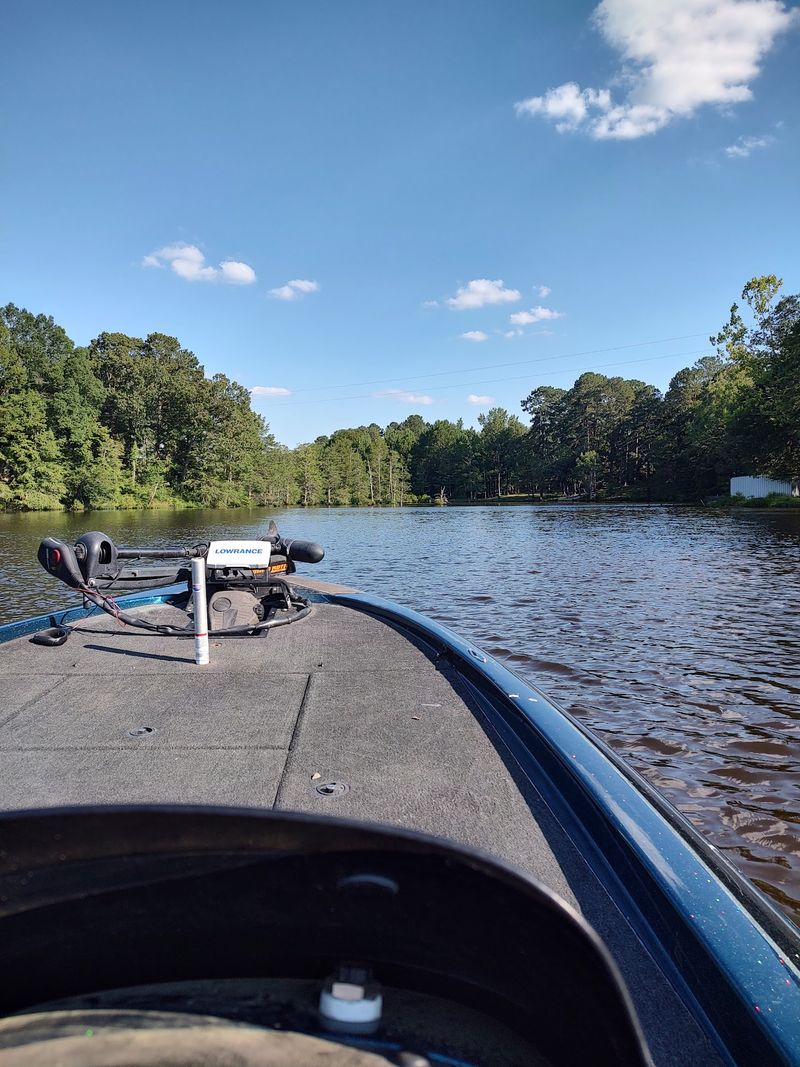
Fishing gets most of the attention at White Oak Lake, but the marina has plenty to offer visitors who prefer exploring the water at a slower pace. Kayak and canoe rentals are consistently popular, and for good reason.
The lake’s coves and shaded inlets reward paddlers who take their time and pay attention to what is moving in the trees above the waterline.
Pedal boats and party barges are also available for rent, making this a genuinely family-friendly water experience. Kids who are not quite ready to sit still with a fishing rod tend to love the pedal boats, and the lake is calm enough to make them feel perfectly manageable.
The marina also provides a boat launch ramp for visitors who bring their own watercraft. One practical note worth keeping in mind: the boat launch area sits near some of the popular fishing spots along the shore, so a little awareness and courtesy go a long way.
The water itself rewards those who explore it slowly and quietly.
Camping Under the Pines: What to Expect at the Campground
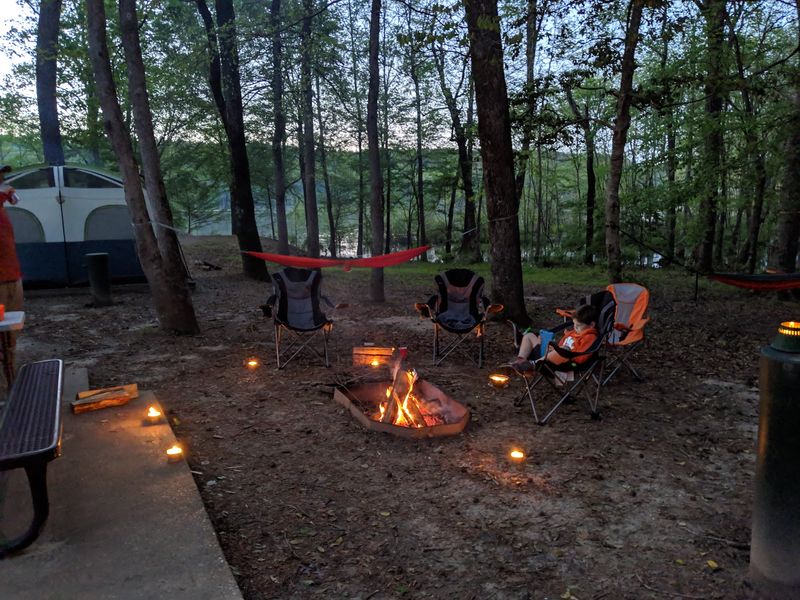
The campground at White Oak Lake State Park is one of its strongest selling points, particularly for tent campers who want a lakeside spot without fighting for space at a more crowded park. The 45 total sites include Class A and Class B options with electric and water hookups, plus dedicated tent sites that sit on a hill overlooking the lake with genuinely beautiful views.
Tent sites are separated from the RV area, which is a thoughtful layout that keeps the camping experience feeling distinct for each group. The renovated bathhouses are air-conditioned, consistently clean, and well-maintained, details that matter more than they might sound after a long day on the trail.
Each site comes with a fire ring and picnic table, and firewood is available for purchase at the visitor center. Reservations can be made up to a year in advance, which tells you something about how much repeat visitors value their spot here.
Admission to the park is free, making the campsite fee the only real cost of the whole experience.
Ancient Sands and a Geological Past Worth Knowing
One of the more unexpected discoveries at White Oak Lake State Park is something you notice underfoot rather than overhead. Scattered across the forest floor in certain areas are patches of bright white sand that look almost out of place among the pine needles and leaf litter.
These are not random deposits.
Geologists trace these sandy soils back 40 to 60 million years, to a time when the Gulf of Mexico extended far inland across what is now the southern United States. As the ancient sea retreated southward over millions of years, it left behind these sandy remnants, which now sit quietly beneath the forest canopy as a subtle but fascinating record of deep time.
Walking through these sections of the trail gives the experience an almost archaeological quality. You are not just hiking through a pretty forest; you are crossing a landscape shaped by forces that predate human history by an almost incomprehensible margin.
That kind of context changes how you look at the ground beneath your feet, and it makes the park feel genuinely layered in meaning.
The Little Grand Canyon: A Bonus Destination Just Outside the Park
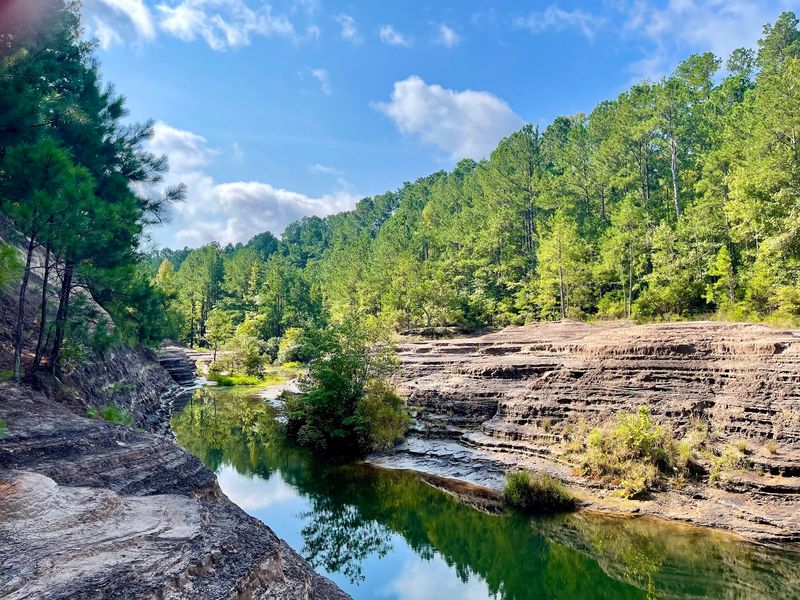
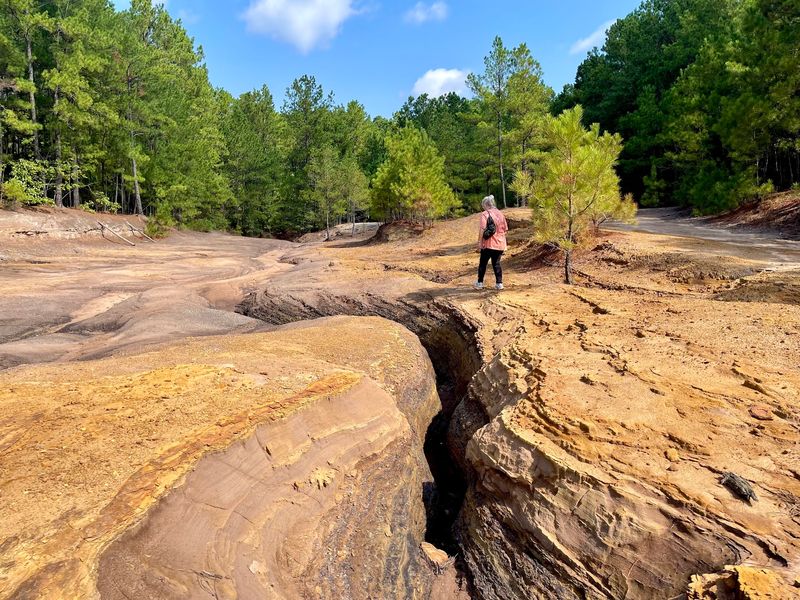
Just outside the official park boundary, on the backside of the lake, sits one of the more surprising natural features in the region. The Arkansas Little Grand Canyon, near Chidester, is a spillway formation where erosion has carved layered rock walls into a small but striking canyon structure that bears a passing resemblance to its famous namesake in the American Southwest.
You can reach it by paddling across the lake, heading toward the island and turning left, a trip that takes roughly 15 minutes by kayak. Alternatively, you can drive around the lake and approach it by road, which takes about the same amount of time.
The layered sediment walls reveal the geological history of the region in a visible, tangible way that photographs rarely do justice. This is the kind of side trip that regular visitors quietly mention as a favorite, the sort of detail that does not make the official brochure but absolutely should.
If you visit the park, carving out time for this short detour is well worth it.
History Carved Into the Landscape: The Park’s Civil War Connection
White Oak Lake State Park carries more history than its peaceful surface suggests. The visitor center houses interpretive exhibits focused on the Civil War’s Red River Campaign and the Camden Expedition, a significant series of military engagements that moved through this part of southwest Arkansas in 1864.
The park also serves as an interpretive center for the nearby Poison Spring Battleground State Park, located roughly 8 miles away. That site marks one of the most historically significant and sobering engagements of the Camden Expedition, and the exhibits at White Oak Lake provide important context for visitors who plan to make the short drive.
The land itself was acquired by the federal government under the Bankhead-Jones Farm Tenant Act of 1937, a Depression-era initiative designed to assist struggling farm families. The state of Arkansas took ownership in 1957, and the park officially opened to the public on April 1, 1967.
Understanding that layered history, from ancient geology to Depression-era land reform to Civil War battlegrounds, adds real depth to what might otherwise feel like a simple camping trip.
Planning Your Visit: Practical Tips for Getting the Most Out of the Park
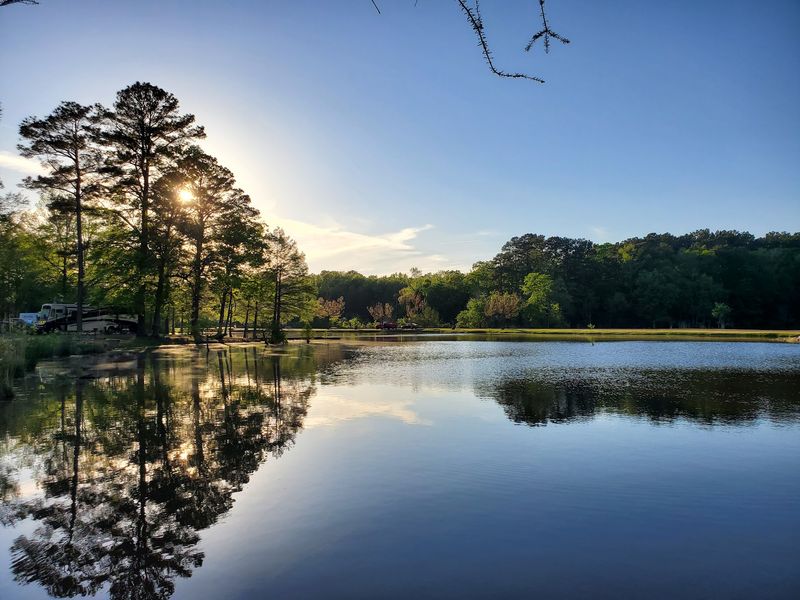
Spring and fall are the most comfortable times to visit White Oak Lake State Park. Mild temperatures make hiking, paddling, and fishing all genuinely pleasant, and the birdwatching during both seasons is especially rewarding.
Spring brings migratory activity and fresh green growth, while fall turns the surrounding hardwoods into a warm display of color that frames every lake view beautifully.
The park is open year-round, and admission is completely free. Camping fees apply for overnight stays, and reservations are strongly recommended, especially for weekends and holiday periods.
The phone number for the park is +1 870-685-2748, and the official website is arkansasstateparks.com, where you can check availability and make reservations in advance.
Pack insect repellent during warmer months, bring plenty of water since the nearest town is about 17 miles away, and arrive early on weekends to secure parking near your preferred trail or campsite. Cell service from Verizon and AT&T works reasonably well throughout the park, which is a welcome practical detail for anyone who needs to stay reachable during their stay.
Share this story