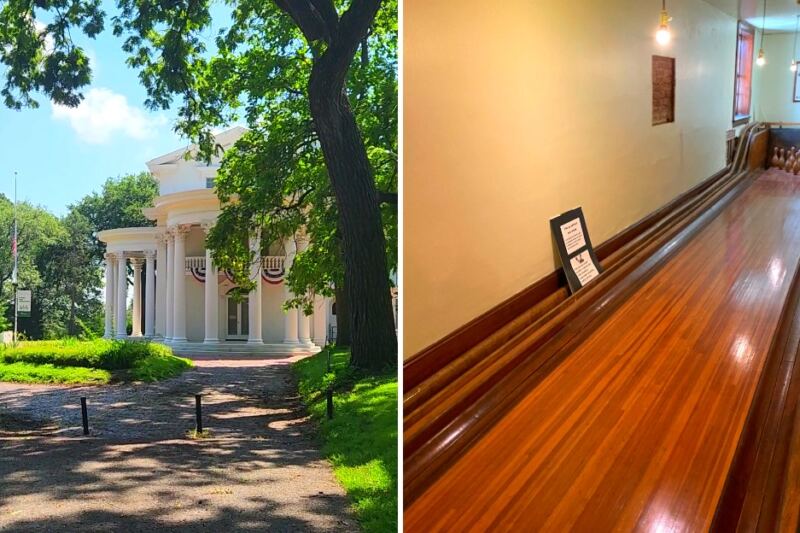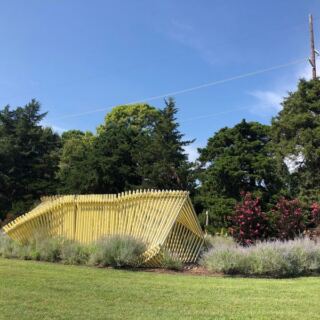
More than 1,000 trees and shrubs fill this free 26-acre arboretum in Omaha, along with walking paths, prairie plantings, a gazebo, and educational gardens. The surprising part is who created it.
The OPPD Arboretum was developed by Omaha Public Power District partly to demonstrate how choosing and planting the right trees can help prevent conflicts with power lines. Today, it doubles as an easy outdoor escape where visitors can walk, learn about plants, and explore a very different side of Omaha.
Discovering a Green Heart in Omaha
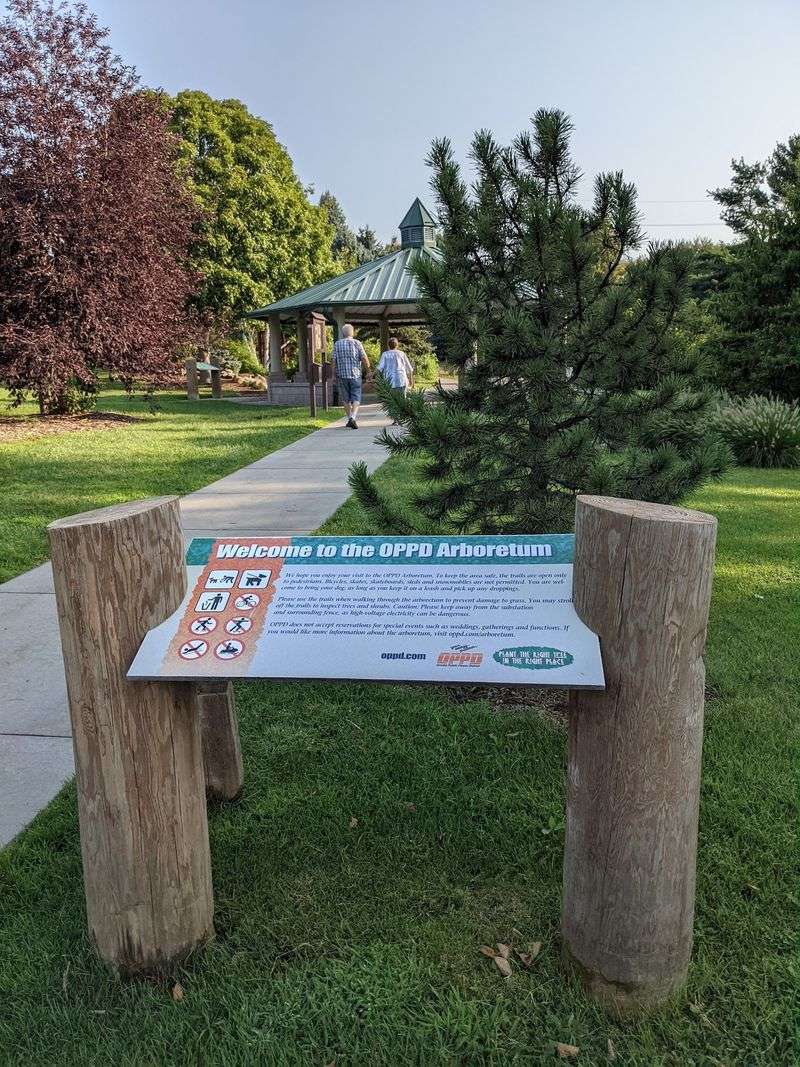
The OPPD Arboretum sits at 10600 Blondo Street, Omaha, NE 68164, tucked into the city’s northwest quadrant near the junction of I-680. Most people expect a park to announce itself with grand signage or dramatic gates, but this one greets you with a simple entrance and an immediate wall of green that shifts your mood the moment you step inside.
Twenty-six acres of carefully curated native trees, flowering shrubs, and restored prairie spread out across gently rolling terrain. The arboretum is owned and operated by the Omaha Public Power District, which gives the whole experience an unexpected twist: a utility company built one of the city’s most beloved natural spaces.
Free parking, no admission fee, and open hours from 8 AM to 9 PM every day of the week make this one of the most accessible outdoor destinations in Omaha. It rewards both the curious first-timer and the regular visitor who returns with every new season.
A Legacy Rooted in More Than Just Trees
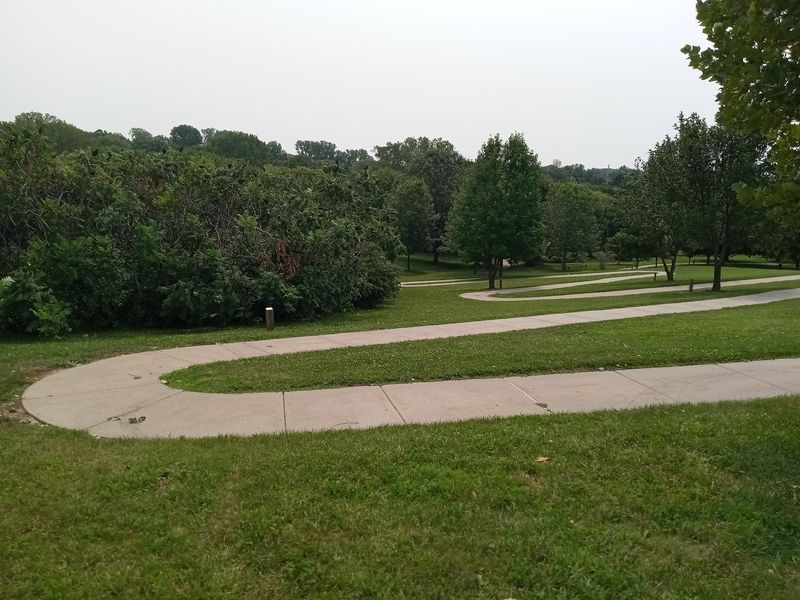
Back in 1989, the Omaha Public Power District made a decision that most utility companies never consider: they turned land adjacent to a working electrical substation into a public arboretum. The concept was genuinely novel, and the arboretum is widely recognized as the nation’s first large-scale arboretum owned and operated by a utility company.
The motivation was practical and forward-thinking at the same time. OPPD wanted to show the public which trees were safe to plant near power lines and which ones caused outages, equipment damage, and costly repairs.
Rather than handing out pamphlets, they built a living demonstration on 26 acres of real Nebraska soil.
By June 2024, the arboretum celebrated its official 20th anniversary as a fully developed public destination, though planting began decades earlier. That combination of utility mission and community generosity gives the arboretum a backstory that is genuinely hard to match anywhere else in the country.
The “Right Tree, Right Place” Philosophy in Action
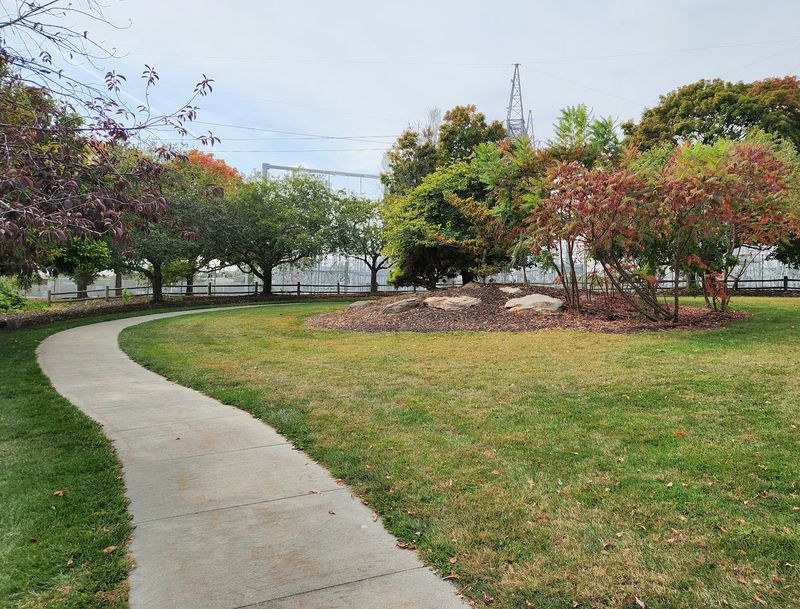
Every arboretum has a theme, but few have a theme this specific or this useful. The guiding principle here is placing the correct tree species in the correct location relative to utility infrastructure, a concept that sounds dry on paper but comes alive the moment you start reading the detailed labels posted throughout the grounds.
The Electrical Safety Education Area is one of the most eye-opening sections of the whole property. Here, you can observe firsthand how proper pruning techniques protect both trees and power lines, with real examples showing the outcomes of thoughtful versus careless planting decisions.
The Formal Planting Area takes the lesson further by displaying species specifically selected for their mature height and root behavior near utility corridors. New homeowners, landscapers, and curious walkers all tend to linger here longer than they expect.
The practical knowledge on offer is the kind that saves money, prevents outages, and protects trees from unnecessary removal down the road.
Over 1,000 Trees and 200 Species Waiting to Be Explored
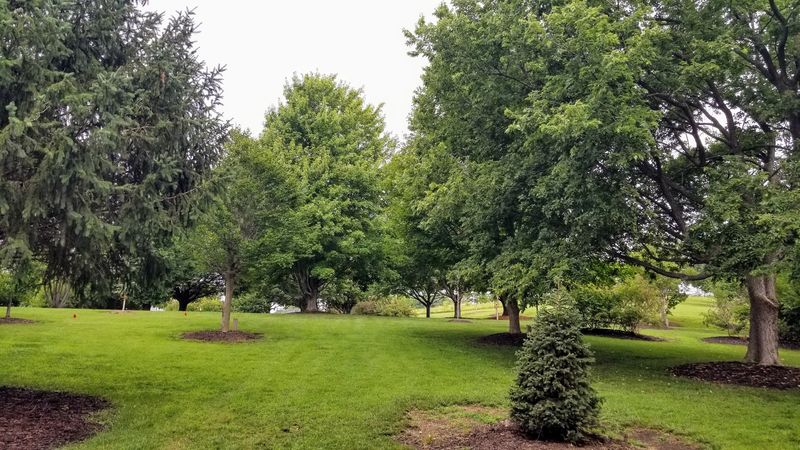
The sheer variety of plant life here is genuinely staggering for a free public space. More than 1,000 individual trees and shrubs representing over 200 distinct species grow across the arboretum’s 26 acres, making every visit feel like a new botanical expedition even for repeat visitors.
Identification labels are posted near most specimens, turning a casual stroll into an impromptu botany lesson. You might pass a Cornelian Cherry with its intricate bark texture, then stop to examine an Amur Corktree, then round a bend to find a row of white crabapples or fragrant magnolias in full spring bloom.
The Lowland Tree Collection showcases species adapted to wetter soils, while the Conifer Collection offers a fascinating study in evergreen diversity that holds visual interest even in the depths of a Nebraska winter. With this much variety packed into a walkable space, boredom is simply not a realistic outcome here.
Trails That Invite Every Kind of Walker
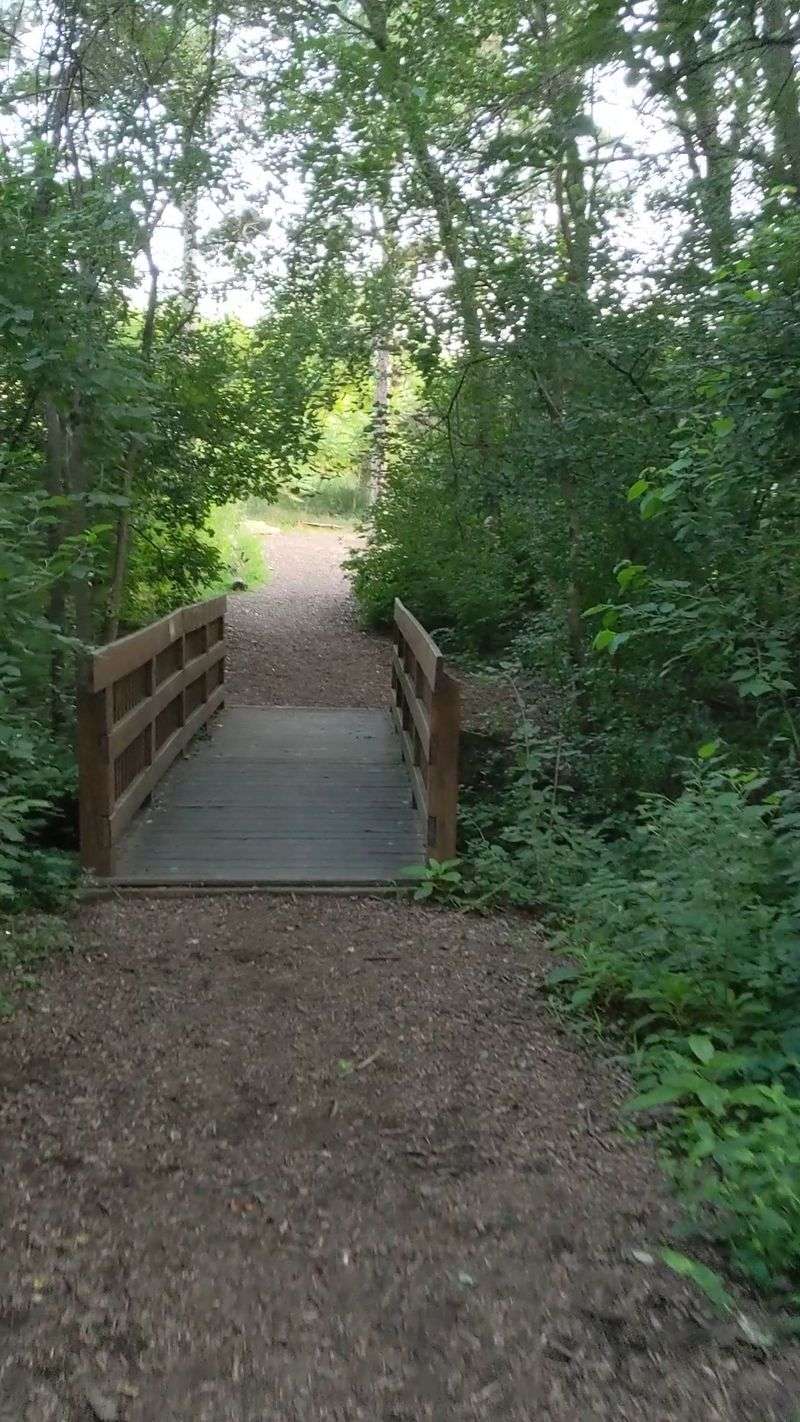
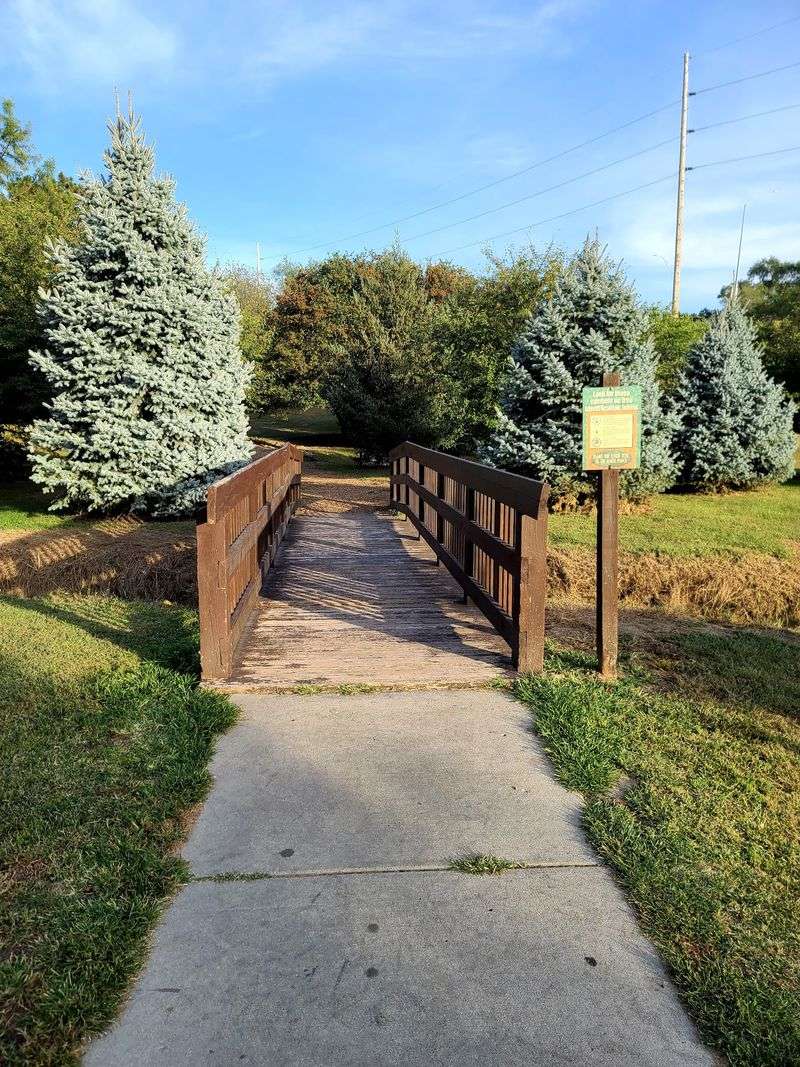
Not every nature trail is built for everyone, but the OPPD Arboretum makes a genuine effort to accommodate a wide range of visitors. The trail network covers roughly one to two miles and blends smooth paved paths with more rustic wood-chip surfaces, giving walkers a choice between a polished stroll and a more earthy, immersive experience.
Paved sections are stroller-friendly and suitable for those who prefer a steady surface, while the wood-chip trails add a softer, quieter quality underfoot that feels closer to a true forest walk. Some sections include gentle inclines that add just enough elevation change to keep the legs engaged without turning the outing into a workout.
Strategically placed benches appear at intervals throughout the grounds, offering natural pausing points for those who want to sit, observe, and simply breathe. Dogs on leashes are welcome, which means the arboretum regularly doubles as a favorite neighborhood spot for morning and evening dog walks.
A Gazebo, Water Feature, and the Art of Slowing Down
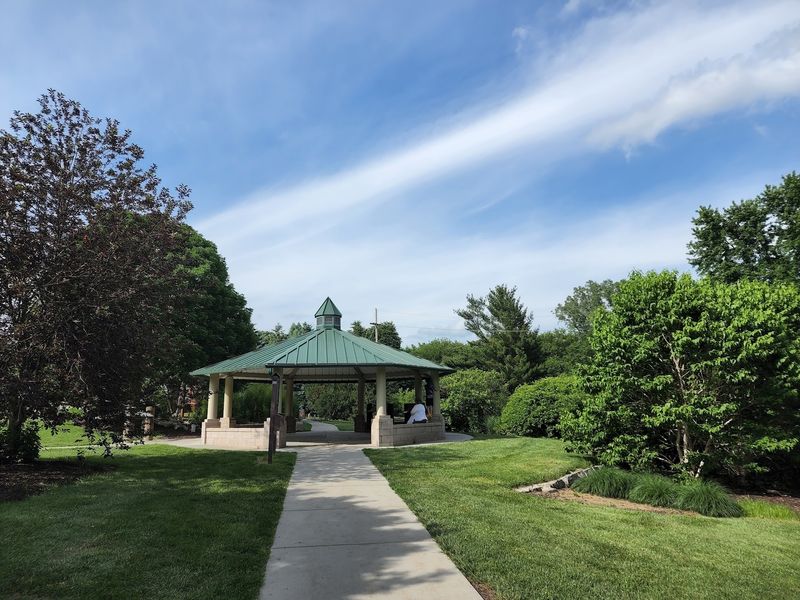
Among the many features tucked into the arboretum’s 26 acres, the gazebo stands out as a genuine focal point. Nestled among mature trees and flowering plantings, it offers a shaded, sheltered spot that draws photographers, families, and anyone who simply wants a beautiful place to sit for a while.
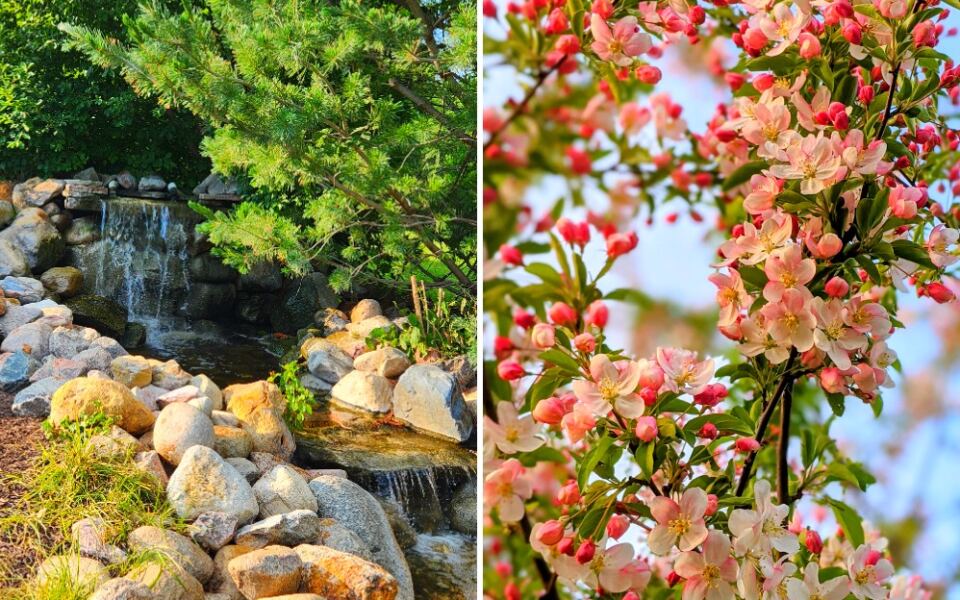
Nearby, a water feature adds another sensory layer to the experience. The soft sound of moving water creates a calming counterpoint to the distant hum of traffic, and the feature itself attracts birds and insects that add movement and life to the surrounding greenery.
Together, the gazebo and water feature form a natural gathering area that feels more like a curated garden than a utility company’s demonstration site. The arboretum accepts reservations for special events, and it is easy to understand why couples and families choose this spot for engagement photos, family portraits, and even small celebrations.
The setting does most of the work on its own.
Pollinators, Prairie, and a Commitment to Native Habitats
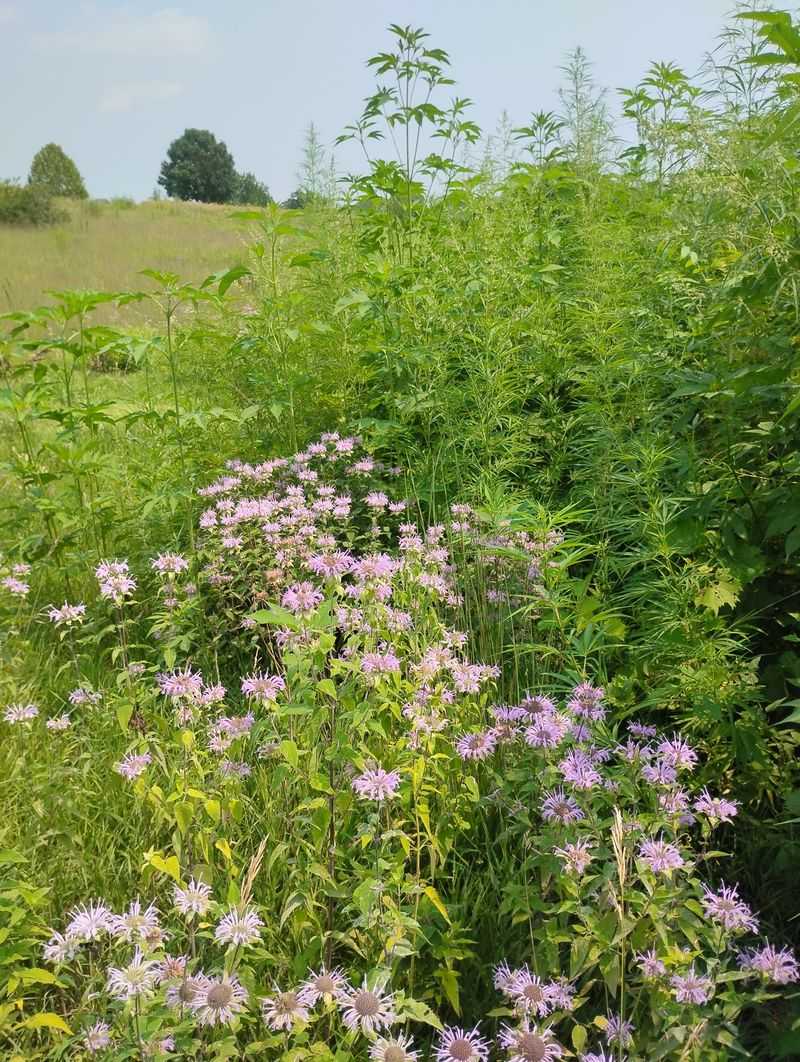
Beyond the curated tree collections, the arboretum dedicates significant space to restoring what Nebraska looked like long before suburban development arrived. The Prairie in Progress area is one of the most meaningful initiatives on the property, representing an active effort to bring back native grasses, wildflowers, and the pollinators that depend on them.
Milkweed plantings play a central role in this effort, providing the exclusive food source for monarch butterfly caterpillars as they make their seasonal migration through Nebraska. Watching a monarch drift through a patch of native wildflowers here is the kind of small, unhurried moment that stays with you long after the visit ends.
The dedicated pollinator garden buzzes with bees, butterflies, and other beneficial insects throughout the warmer months, offering a vivid reminder of how interconnected healthy ecosystems really are. This section of the arboretum transforms what could be a passive walk into something that feels genuinely purposeful and worth returning to each season.
Wildlife Sightings That Catch You Off Guard
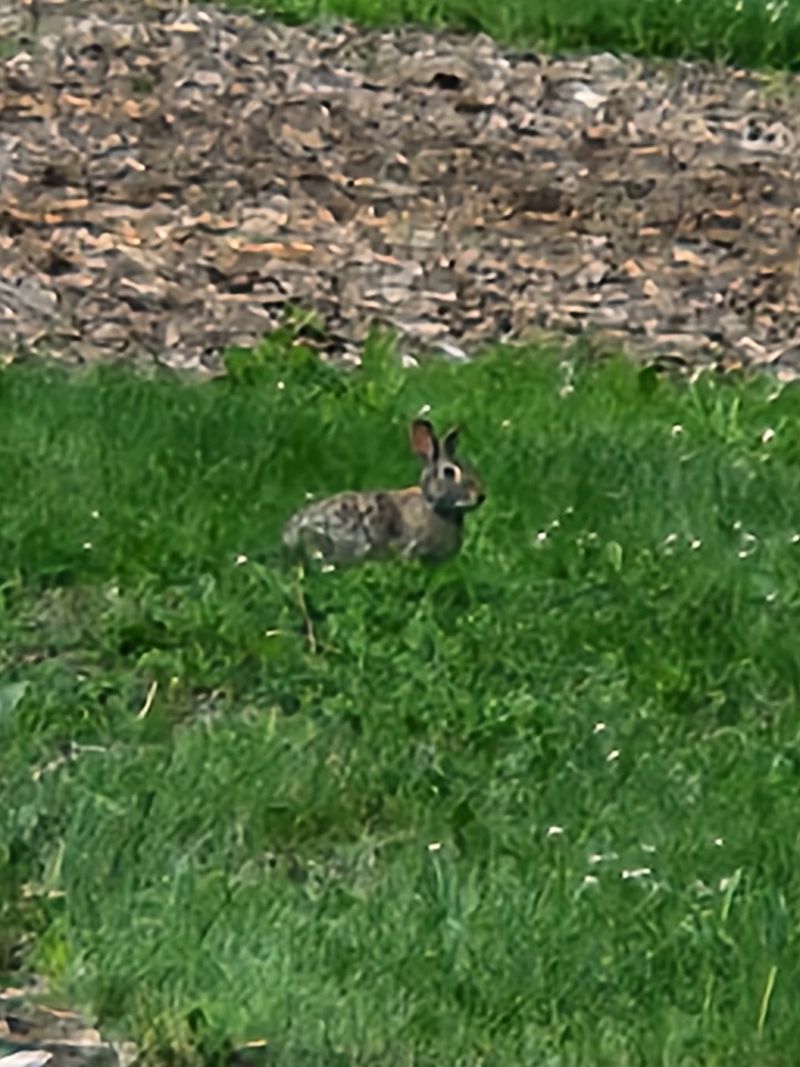
For a park that sits between a highway and an electrical substation, the OPPD Arboretum hosts a surprisingly active cast of wildlife. Birds are the most consistent presence, flitting between branches and calling from the canopy at all hours of the day, though the nearby highway noise can occasionally compete with their songs.
Patient visitors have spotted foxes moving quietly through the wooded sections of the property, a genuinely thrilling encounter in an urban setting. Butterflies are a near-constant presence in the warmer months, especially in and around the pollinator garden and the Prairie in Progress area, where native plants provide both food and shelter.
The Wildlife Habitat Plantings scattered throughout the arboretum are specifically designed to attract and support local species, offering cover, nesting opportunities, and food sources that a standard park lawn simply cannot provide. Bringing binoculars during an early morning visit turns the experience into something closer to a proper birdwatching outing.
Seasons Change Everything Here
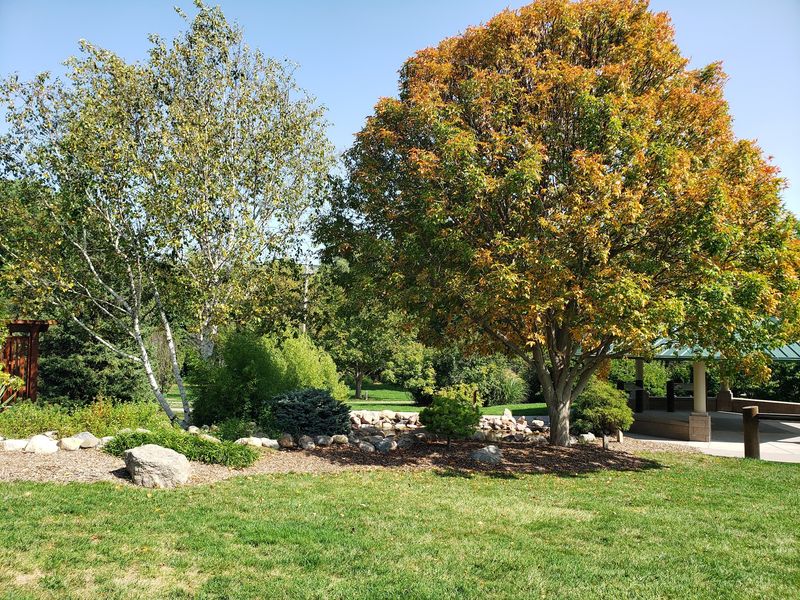
One of the quiet secrets of the OPPD Arboretum is how dramatically it transforms from one season to the next. Spring delivers white crabapple blossoms, yellow forsythia, and fragrant pink and white magnolias that practically demand to be photographed.
The whole property takes on a soft, luminous quality during peak bloom that is hard to describe and even harder to leave.
Summer turns the arboretum into a dense, shaded corridor of deep greens, with the pollinator garden reaching its most vibrant and active state. Autumn is arguably the showstopper, painting the tree collections in brilliant oranges, reds, and golds that reflect the full diversity of species on display across the grounds.
Even winter has its appeal, particularly in the Conifer Collection, where evergreens hold their structure and color while the deciduous trees reveal the architectural beauty of their bare branches. Each season offers a genuinely different experience, which is exactly why so many visitors keep coming back throughout the year.
A Photographer’s Favorite Backdrop in Omaha
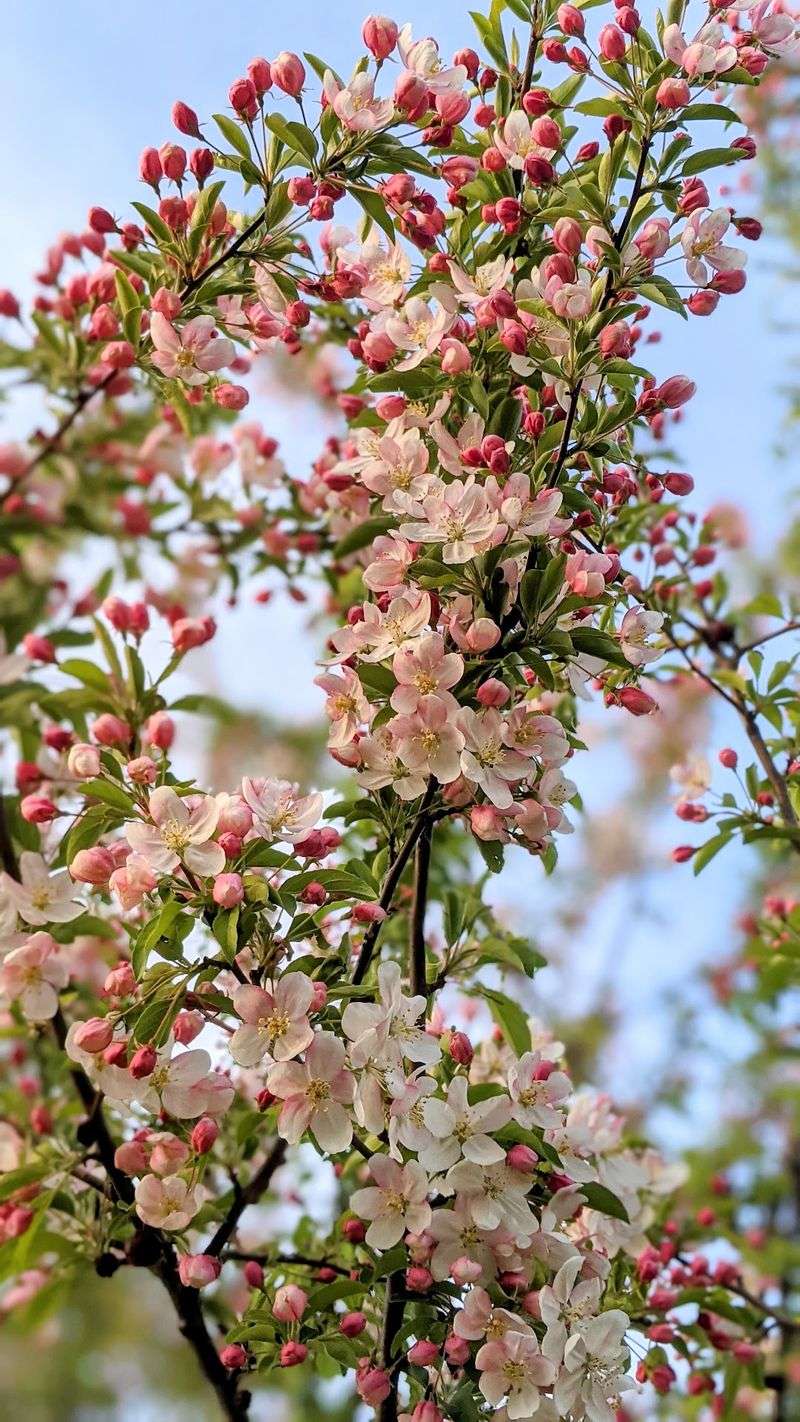
The arboretum has quietly built a reputation as one of Omaha’s most popular photography locations, and the reasons are obvious the moment you arrive. Flowering trees, textured bark, winding paths, a picturesque gazebo, and a water feature all combine to create an almost inexhaustible supply of compelling backdrops within a very walkable area.
Engagement sessions, senior portraits, family photos, quinceañera celebrations, and even wedding shoots regularly take place here, sometimes with multiple photographers working different sections of the grounds simultaneously. The natural light filters beautifully through the canopy during the golden hours of early morning and late afternoon, which is when the most dedicated photographers tend to show up.
What makes this location stand out from a typical park is the sheer variety of settings available within a short walk of each other. Woodland shade, open prairie, manicured formal plantings, and the gazebo area each offer a completely different aesthetic, giving photographers real creative range without ever leaving the property.
Sustainability Features That Go Beyond the Trees
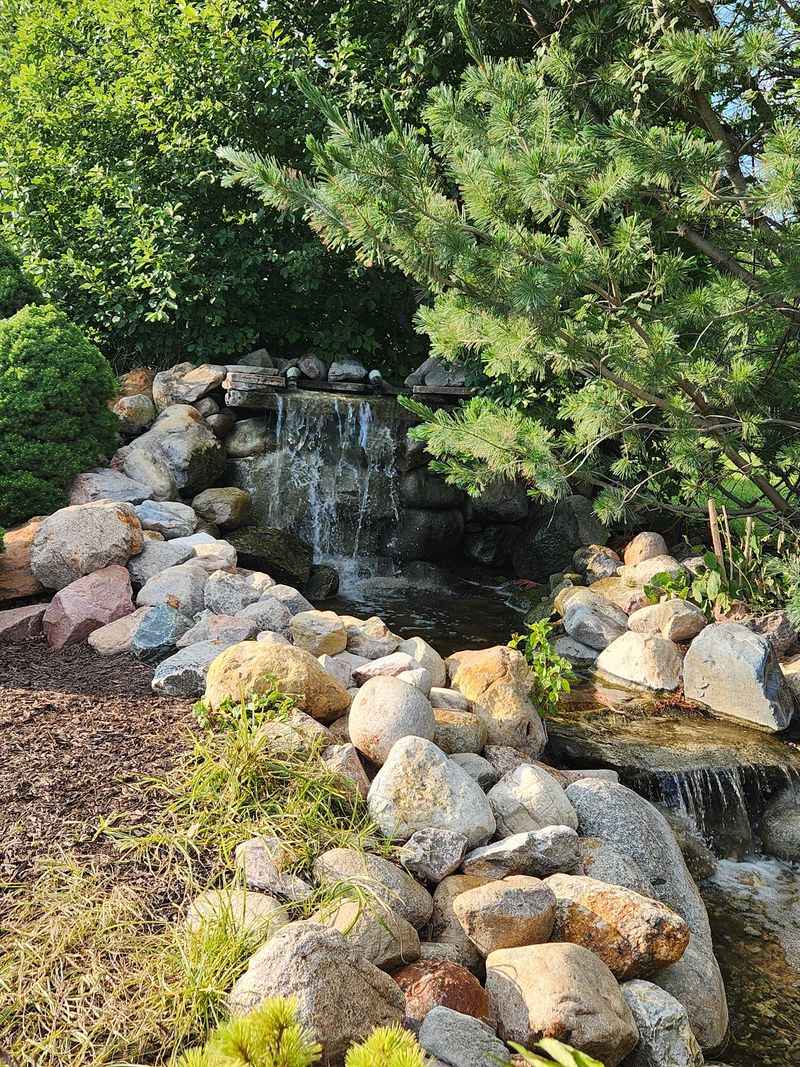
The arboretum’s commitment to environmental responsibility extends well beyond the plant collections. Rain gardens designed to capture and filter stormwater runoff naturally are integrated into the landscape, demonstrating how green infrastructure can replace or supplement traditional drainage systems in residential and commercial settings.
Solar panel installations on the property add another dimension to the educational mission, showing visitors how renewable energy and native landscaping can coexist within the same footprint. These features are not hidden away or marked only for specialists; they are presented as part of the broader public education effort that runs through every corner of the arboretum.
The Shelterbelt Planting demonstrations offer yet another practical lesson, illustrating how strategic rows of trees and shrubs can reduce wind erosion, create natural windbreaks, and improve microclimates for both agriculture and residential properties. Taken together, these sustainability features turn the arboretum into a working model for the kind of thoughtful land use that communities across the Midwest could genuinely learn from.
Everything You Need to Know Before Your Visit
Planning a visit to the OPPD Arboretum requires almost no preparation, which is part of its appeal. The arboretum is open daily from 8 AM to 9 PM, admission is completely free, and on-site parking costs nothing.
The phone number for inquiries is 1-402-536-4131, and more details are available at oppd.com.
Comfortable walking shoes are the most important thing to pack, given the mix of paved and wood-chip surfaces. Bug spray is genuinely useful during summer months, as the lush native plantings attract mosquitoes along with all the more welcome insects.
Bringing water is a smart call on warmer days, especially if you plan to cover the full trail network at a leisurely pace.
Leashed dogs are welcome throughout the grounds, making this a popular destination for pet owners who want a scenic alternative to a standard neighborhood walk. The arboretum also accepts reservations for group events, so reaching out in advance is worthwhile if you are planning a photography session, school visit, or community gathering on the property.
Share this story