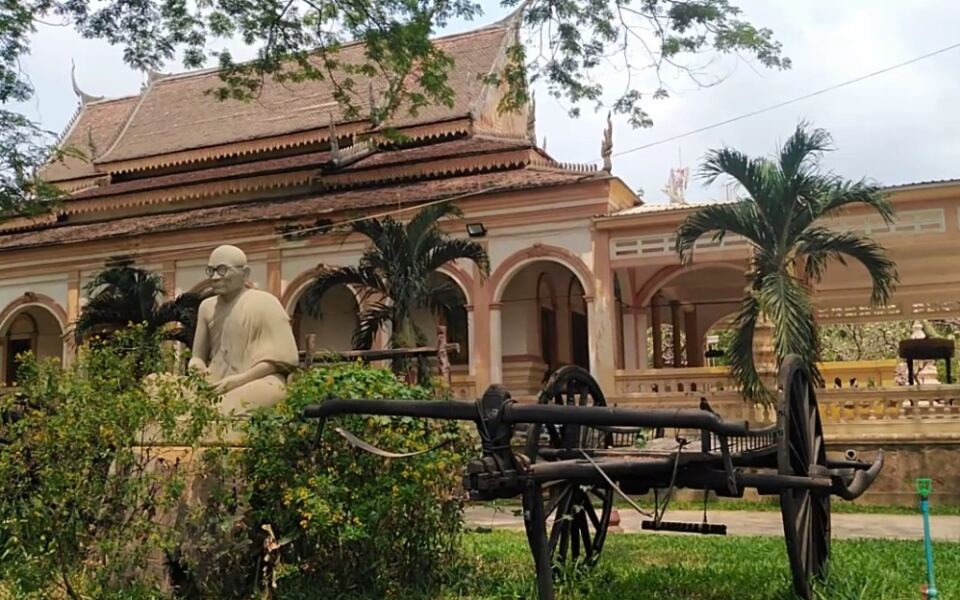
Wat Damnak in Siem Reap started life as a king’s home. Today it is a calm monastery with a school, a library, and lily ponds.
It sits just minutes from Pub Street, yet most visitors walk right past it. Here are ten reasons to step inside.
A King’s Home Turned Sacred
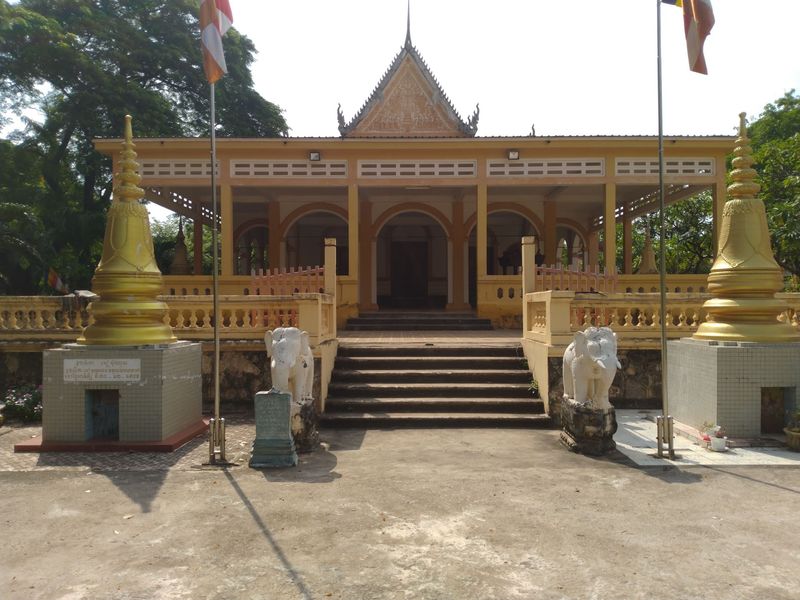
Kings usually leave castles behind, and this one left behind a whole courtyard. From 1904 to 1927, King Sisowath lived on this land, which is why the name Damnak points to a royal residence.
When the royal household moved near the Banana King Ashram, the old palace grounds did not go to waste. The courtyard was turned into a Buddhist pagoda, and monks moved in where courtiers once walked.
That shift gives the place a layered feel. You stroll across the same ground where a ruler once lived, but now the sounds are soft chanting and sweeping brooms instead of royal orders.
Not many temples can claim a story like that. It makes a short visit feel like a quiet history lesson without any lectures or tickets.
Bring curiosity and wander slowly. Look at the old stone pieces, the shaded paths, and the layout of the compound.
You may start to imagine where royal buildings once stood, and that guessing game is half the fun of the visit.
The Prayer Hall Glow
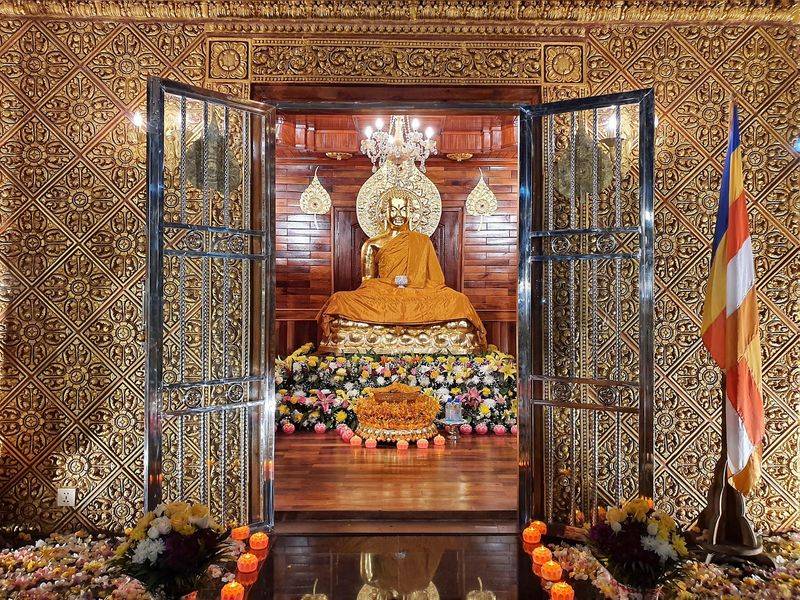
Step inside and your nose notices first. Incense and fresh lotus hang in the air, mixing into a smell that says you have arrived somewhere real.
Dark wooden columns frame the hall, and faded murals stretch across the ceiling. At the front sits a large gilded Buddha that catches every bit of light.
On busy days, local families fill the floor and stack their offerings near the altar. Remember that this is an active neighborhood pagoda, not a museum piece.
Take off your shoes at the door and keep your voice low. Cover your shoulders and knees, since this is a place of worship first and a photo spot second.
Sit quietly for a few minutes along the back wall. Watching people pray, bow, and light incense teaches you more about daily Cambodian faith than any guidebook paragraph could.
Ask before taking pictures of worshippers, and a friendly nod from a monk usually settles things.
Monks Who Love to Chat
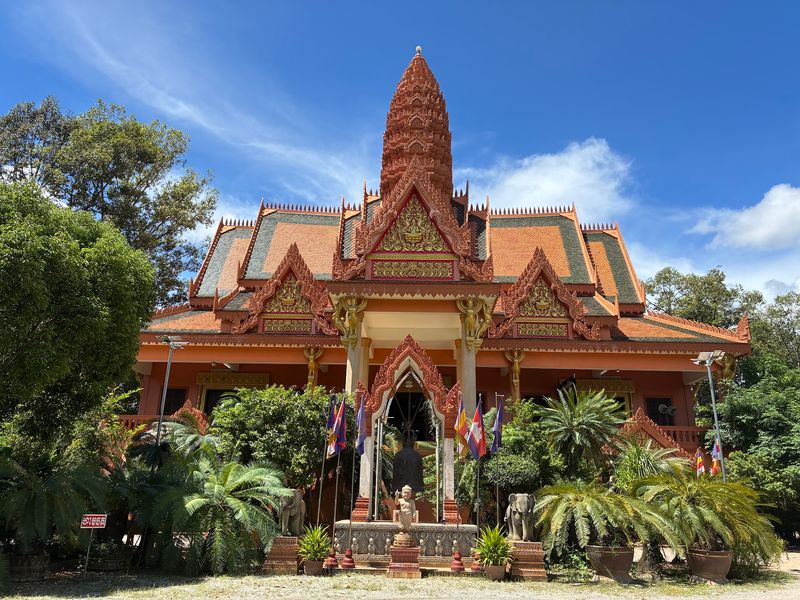
One visitor walked in for a look and walked out blessed, after a long talk with the monks. That happens here more often than you might guess.
Many of the monks are young, friendly, and happy to practice their English. Ask about daily life in the monastery, and you may hear about early mornings, studies, and meals.
Some visitors receive a short blessing and a red string bracelet. It is a kind gesture, so accept it with both hands and a smile.
Keep your questions respectful. Skip anything too personal, and never touch a monk’s robe or hand a woman’s gift directly to him, since women pass items through a cloth or a helper.
A small donation is welcome but never demanded. Even if you give nothing, a polite hello can lead to the best conversation of your trip, and you will remember it long after temple photos fade from your phone.
Lily Ponds and Shady Benches
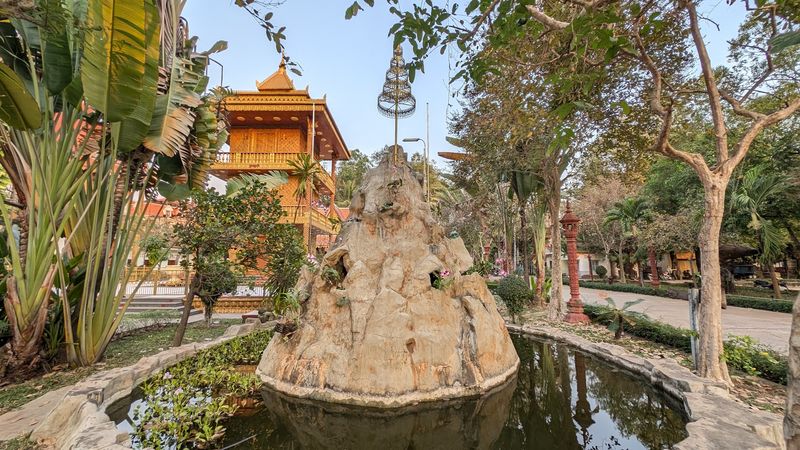
Picture a bench, a pond, and nowhere to be. One traveler sat by the water for a full hour and called it the best part of the day.
The compound has small ponds dotted with lily pads, and the trees throw cool shade over the paths. Birds drop in, leaves rustle, and the city seems far off.
Siem Reap heat can be fierce, so this is a smart place to pause between sights. Bring a bottle of water and a hat, then let your shoulders drop.
Walk the paths without a plan. Every turn reveals another pagoda roof, a patch of flowers, or a mossy stone that begs for a closer look.
Late afternoon is lovely, when sunlight turns the buildings earthy gold. Just keep your voice down, because monks study and meditate nearby, and the quiet is part of what makes the pond so special.
A School Inside a Temple
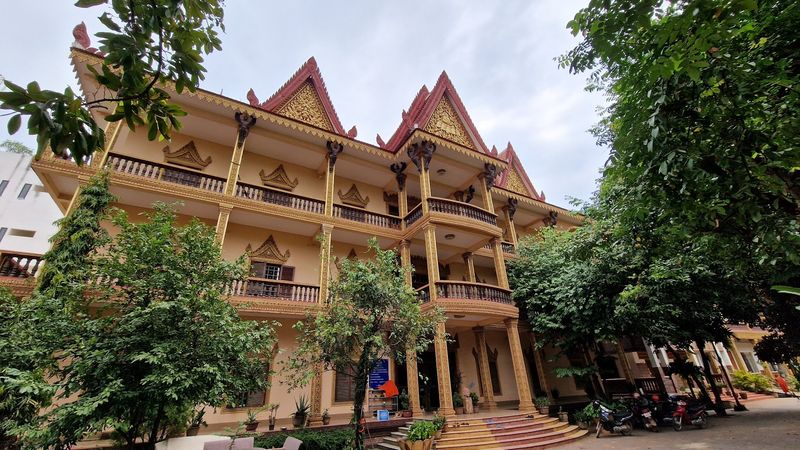
Giggles and footsteps may interrupt the silence, and that is a good thing. Wat Damnak Primary School sits right inside the grounds, teaching grades one through six.
Temples in Cambodia have long served as classrooms, and this one keeps the tradition alive. Children in uniform run between buildings, then settle down when the bell rings.
On weekday evenings, monks also teach English to local students. It shows how a pagoda can be both a holy site and a community center.
If you visit on a Sunday, you will find things much calmer. On school days, expect more noise and more smiles.
Be kind with your camera. Wave, say hello, and avoid snapping close-up photos of children without a teacher’s nod.
Respect keeps the welcome warm for the next traveler who strolls through the gates.
The Public Library
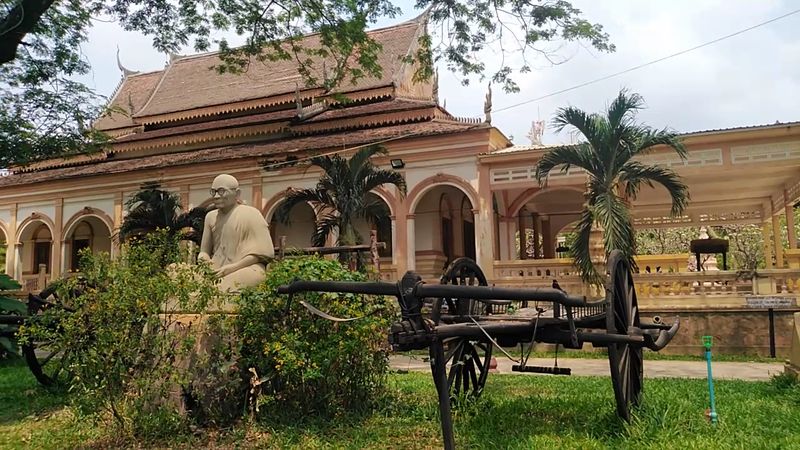
Books and temples make a surprisingly good pair. Tucked in the compound is a public library that anyone can visit.
One reviewer admitted they should have gone inside and planned to learn more online. Take that as a hint to peek in yourself.
The library supports local students and neighbors who want a quiet place to read. It reflects the monastery’s role as a teaching center, a role that has grown strongly since the early 2000s.
Ask politely before you enter, and watch for posted hours. Keep your phone silent and your footsteps light.
If you are curious about Cambodian history, language, or Buddhist teachings, this is a friendly place to start asking questions. Even a short look at the shelves shows how much this community values learning, and that makes the whole compound feel more alive.
Meak Bochea Magic
Imagine hundreds of people in white, quietly holding flowers. That is Meak Bochea at Wat Damnak, a holy day that one visitor called unforgettable.
Locals gather to pray, offer blossoms, and listen to the monks’ teachings. The gentle sound of chanting rolls across the grounds as the day moves along.
Even with a crowd, the mood stays orderly and respectful. Visitors are welcome to watch, as long as they stay calm and follow the lead of the worshippers.
Dress modestly, and consider wearing light colors. Arrive early to find a good spot, and expect to stand or sit on the floor.
Check the lunar calendar before you plan your trip, since the date shifts each year. Other religious holidays bring lively activity too, so ask around if your visit does not match the big day.
A Short Hop from Pub Street
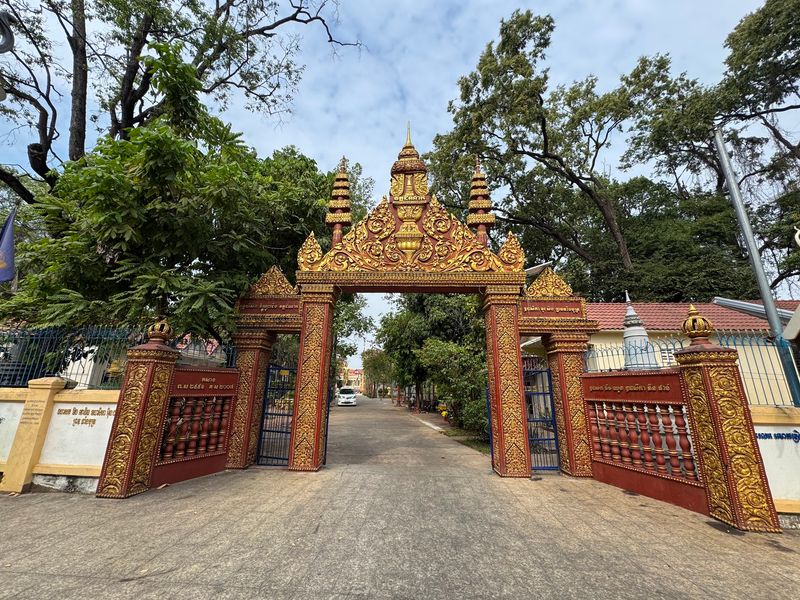
Cocktail buckets on one side, chanting on the other, and only about 1.5 km between them. Wat Damnak sits a five minute tuk-tuk ride from Pub Street.
You can also walk or bike. Cross the Siem Reap river, pass the Old Market area, and you will reach the gates in a few minutes.
Because it is so close, the temple fits easily into any day plan. Slip in before lunch, or visit after the Night Market crowds thin out.
Morning and late afternoon bring cooler air and softer light. Midday can be hot, so pack water and shade-friendly shoes.
There is no ticket booth, which makes things simple. Just walk in, stay respectful, and enjoy a calm break from the noise of the busy streets nearby.
Scars of the Khmer Rouge Years
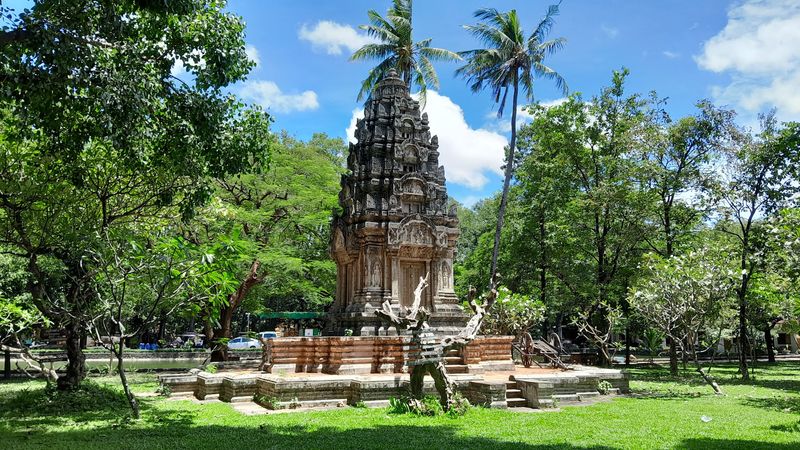
History here has a darker chapter. During the Khmer Rouge regime, Wat Damnak was used as a military base.
That fact feels strange when you stand in today’s peaceful gardens. Monks, students, and families now fill a space that once served very different purposes.
The temple’s revival says a lot about Cambodian resilience. Teaching, prayer, and community life returned, and the academic side has grown a great deal since the early 2000s.
As you walk, think about the weight of that past. It adds meaning to the calm you feel.
If you want to understand more, visit the Angkor National Museum or read local history before your trip. Showing quiet respect at the temple is a small way to honor everyone who lived through those hard years.
Old Stone and Sunset Light
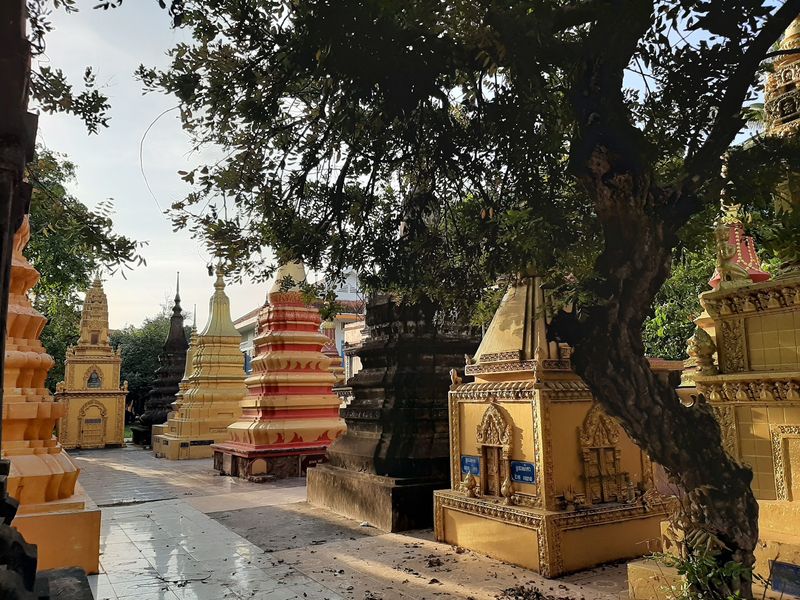
Golden hour does wonders for old stone. Around five o’clock, the earthy colored buildings glow and birds swoop overhead.
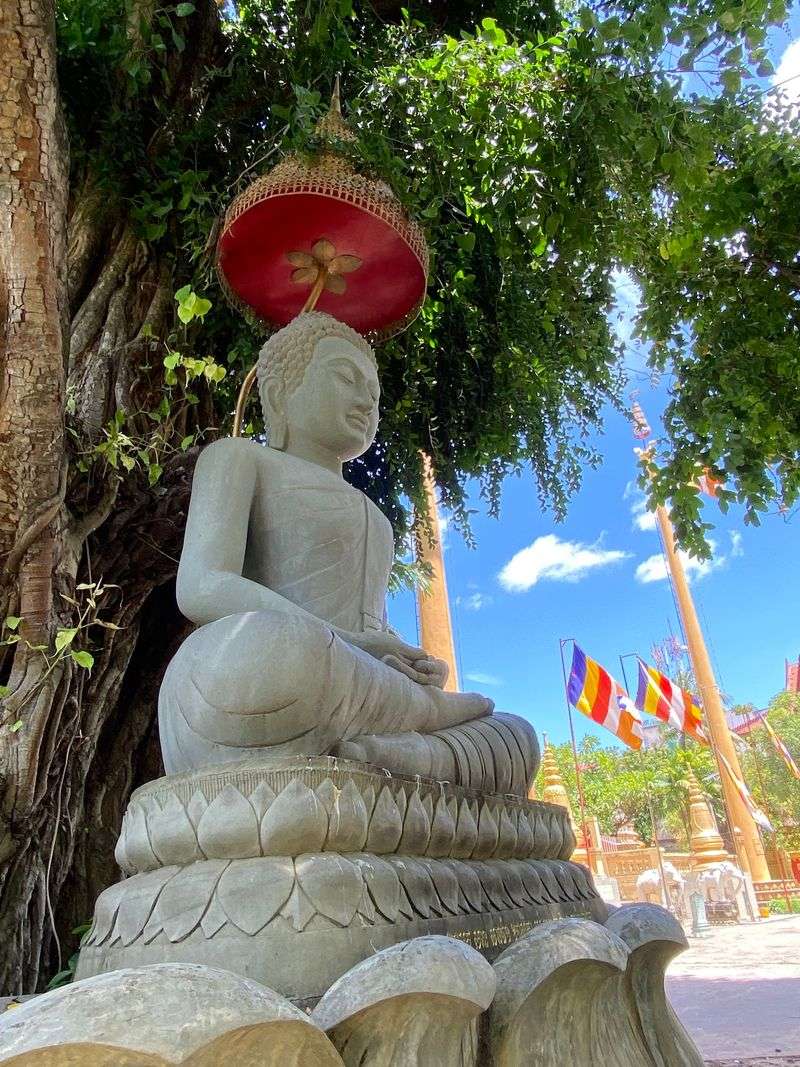
Visitors mention ornate carvings, a Buddha statue under a Bodhi tree, and both newer and ancient pagodas. Each one rewards a slow look.
Some guests even hear monks chanting from nearby rooftops as evening settles in. It is a soundtrack no playlist can match.
Bring a camera, but keep your eyes up from the screen now and then. The best moments are often the quiet ones between photos.
Wat Damnak is free to enter, though a small donation helps upkeep. Stay until the light softens, then head back toward town feeling a little lighter.
It is easily one of the better temples in Siem Reap, and it rarely feels crowded.
Share this story