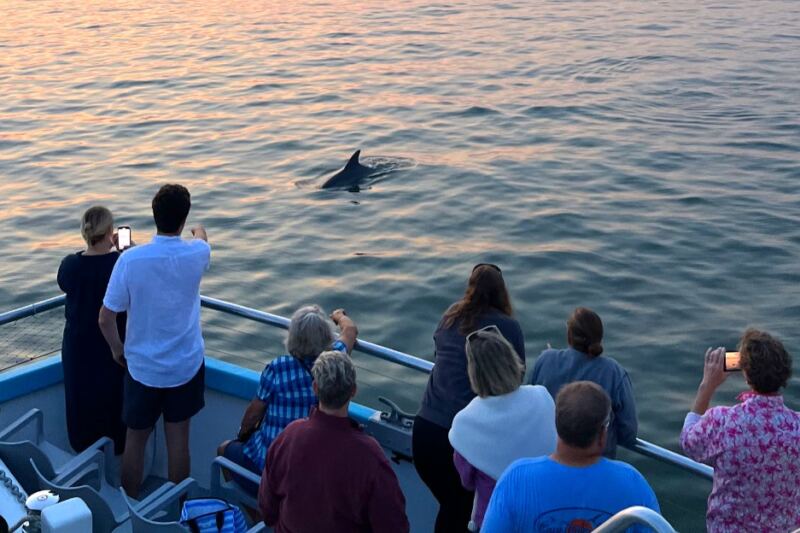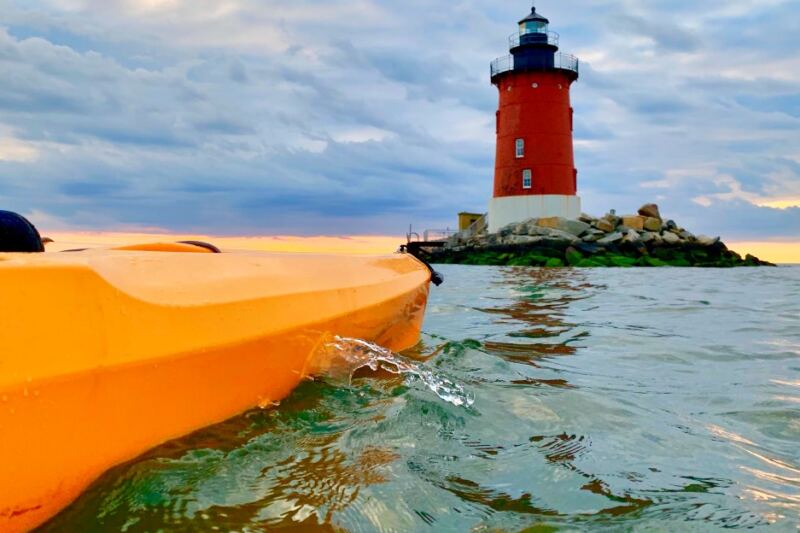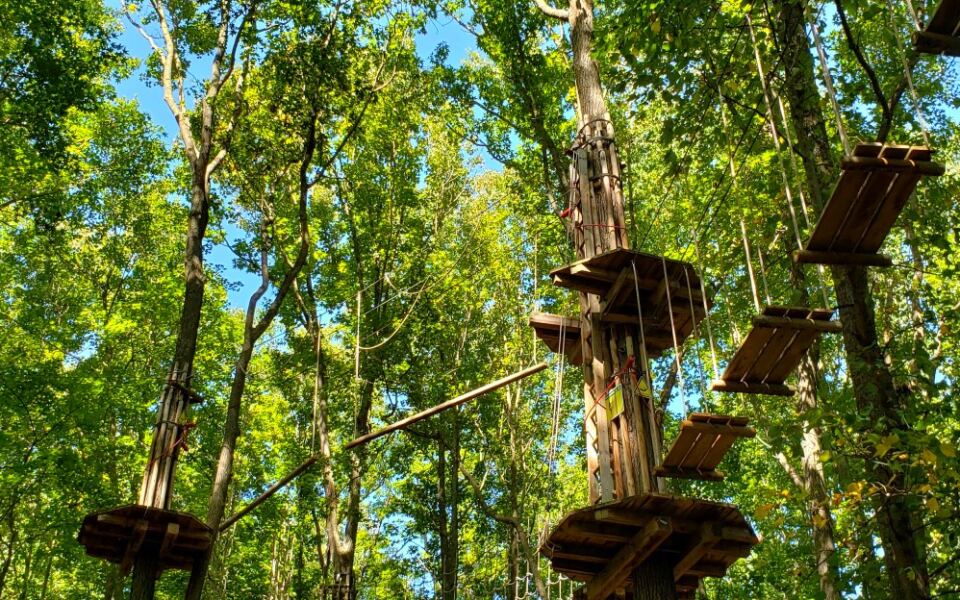
Delaware’s largest freshwater pond sits inside a state park, and people paddle, fish, and pedal around it all year. Above the trees nearby, visitors clip into harnesses and cross wobbly bridges and zip lines high in the forest canopy.
The pond covers roughly 200 acres, and swimming is not allowed. That rule surprises some first-timers, but it keeps the water calm for kayaks, paddle boats, and patient anglers.
I like a park that lets one family split up and still have fun. One person can cast a line while another tackles a treetop obstacle course and a third rides a long, mostly flat trail loop.
There is even a full campground with roomy sites close to the water. So how did a pond this big end up in northern Delaware in the first place?
A Pond Built for a Canal
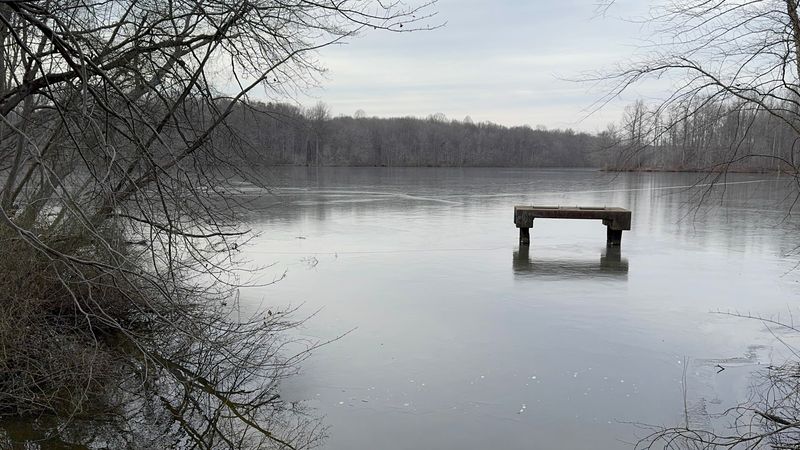
Here is a fun surprise. The big pond at Lums Pond State Park was created to help feed water into the Chesapeake and Delaware Canal, a busy shipping route nearby.
The park sits at 1068 Howell School Road in Bear, Delaware, in the northern part of the state. It covers about 1,790 acres, so there is plenty of room to spread out.
At the center is the pond itself, which is the largest freshwater pond in Delaware. It stretches across roughly 200 acres, and the shoreline is mostly woods and open grass.
Many people call it a lake once they see it. Honestly, I can understand why, because a walk around the whole thing takes hours.
Opening time is usually 8 a.m., and Delaware state parks charge an entrance fee during the busy season, with lower rates for Delaware residents. An annual state park pass is an option if you plan to come often.
Parking areas and restrooms are spread across the park. That helps a lot on a long day outside.
Knowing the pond’s working past makes it more interesting. Next, let’s head up into the trees, where the park gets a lot more daring.
Swinging Through the Canopy at Go Ape
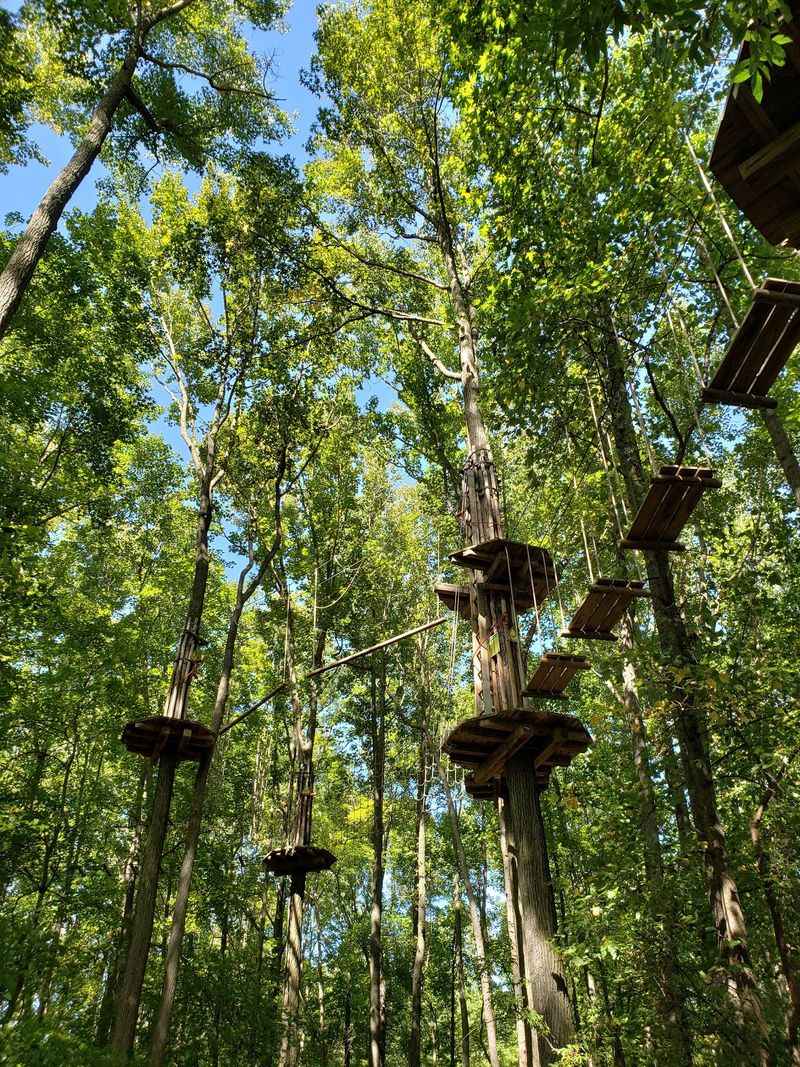
Feet off the ground and heart racing, that is the whole idea at Go Ape. This treetop adventure course operates inside the park and adds a big dose of thrills to a quiet pond setting.
The course includes rope ladders, wobbly bridges, obstacles, and zip lines strung between tall trees. Guests wear harnesses and stay clipped in while moving from platform to platform.
Before heading up, everyone gets a safety briefing and training from staff. After that, groups move through the course at their own pace, which feels pretty freeing.
Go Ape usually runs on a seasonal schedule, so it is smart to check dates and book ahead. Age, height, and weight limits apply, and younger kids need an adult participant with them.
Wear closed-toe shoes and clothes you can move in. Long hair should be tied back, and pockets should be empty or zipped.
I would save some energy for the last zip line. It is the kind of ending people talk about on the drive home.
Once your feet touch the ground again, the calm water is waiting. A paddle boat makes a nice cool-down.
Paddle Boats, Kayaks, and Calm Water
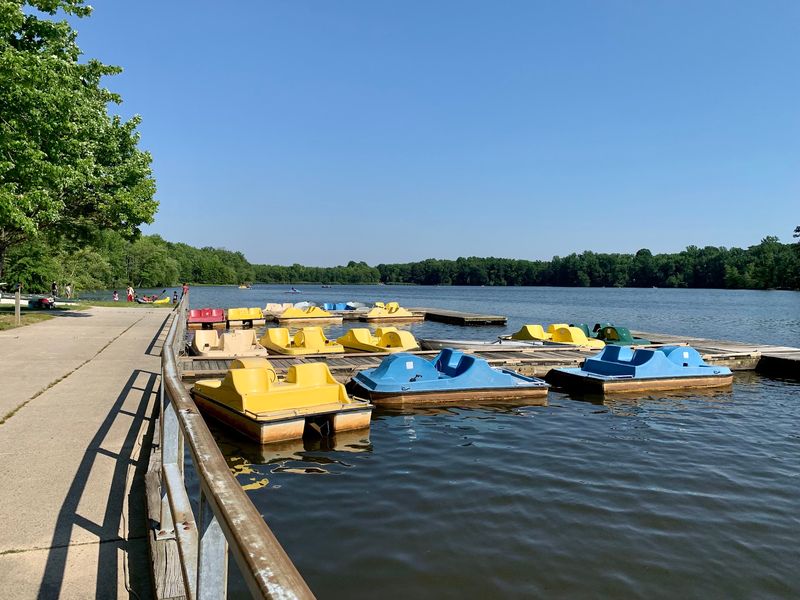
No motorboat roar here, just paddles dipping into water. Since swimming is not allowed, the pond stays mostly peaceful for people who want to float around.
During the warmer months, the park’s boat rental area offers options like kayaks, canoes, paddle boats, and stand-up paddleboards. It is an easy way to try paddling without owning gear.
One practical detail is worth remembering. The park opens earlier than the boat rental area, which often starts around 10 a.m., so don’t rush there at sunrise expecting a kayak.
Bringing your own boat is also possible. A boat launch sits on the other side of the pond, outside the main entrance, so plan your route if you are hauling a kayak.
Out on the water, keep an eye on the treetops. Bald eagles have been spotted nesting around the park, which makes any paddle more exciting.
Life jackets matter, even on calm water. Sunscreen and a hat are good ideas too, since there is little shade in the middle of the pond.
Paddlers are not the only ones on the water, though. Plenty of people come here to fish.
Patient Anglers Love This Shoreline
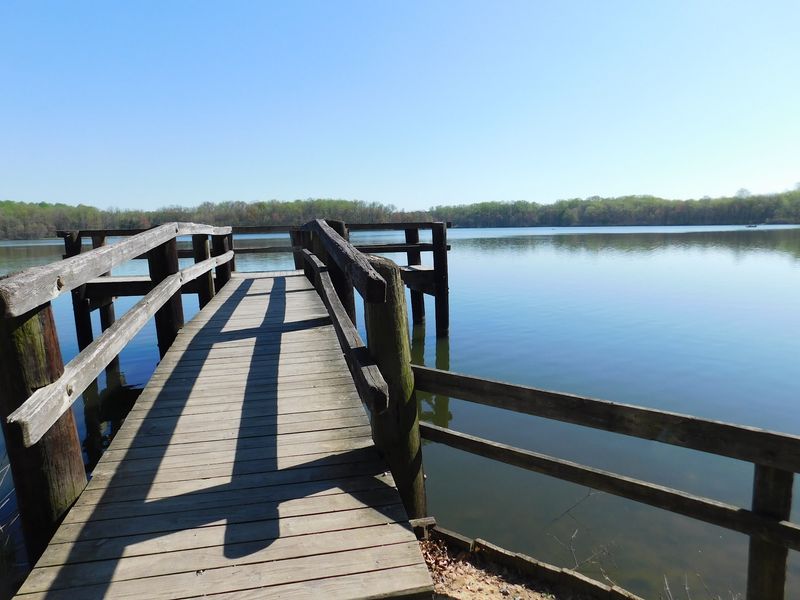
Early mornings at the water’s edge often start with a quiet cast. Fishing is one of the most common reasons people come to this park, and the large pond gives anglers lots of space.
The pond holds warm-water fish like largemouth bass, bluegill, crappie, and catfish. Those species make it a good spot for both beginners and folks with years of practice.
Anglers can fish from the shore or from a boat. A kayak lets you slip into quieter coves where fish may be hiding under branches.
Anyone 16 or older needs a valid Delaware fishing license. Be sure to check state rules on size and catch limits before you go.
I like that fishing here doesn’t require fancy gear. A simple rod, some bait, and a folding chair can fill a whole relaxed afternoon.
Kids can learn here too. Bluegill are often easy to catch, which keeps young anglers smiling instead of bored.
When the fish stop biting, you can always stretch your legs. The trails around the pond are long and full of surprises.
Roots, Boardwalks, and the Swamp Forest Trail
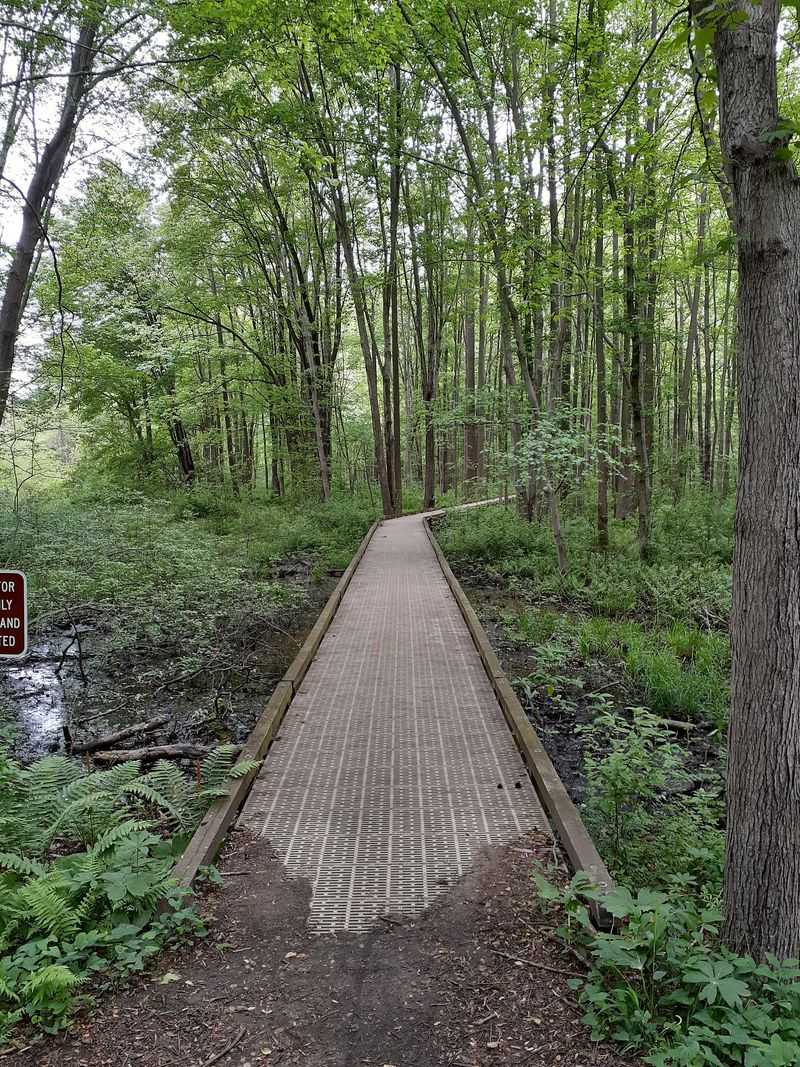
About six and a half miles of dirt path wrap all the way around the pond. Called the Swamp Forest Trail, it is the go-to choice for hikers who want to see the water from every side.
Expect a natural trail, not a smooth sidewalk. Tree roots, small hills, and muddy spots after rain are part of the deal, so sturdy shoes help a lot.
Many hikers take around three hours or more for the full loop. Pack plenty of water and some snacks, and note where restrooms are along the way.
Bikers sometimes try it, but the roots can make for a bumpy ride. Most people find it works better on foot.
The trail passes through woods, wet areas, and open views of the pond. Fall is a great time to go, when the leaves change color.
Wildlife is part of the fun too. Watch for birds, turtles, and deer along the quiet stretches.
If you prefer pedaling over walking, there is a longer trail that suits bikes much better. It loops even farther out.
Eight Miles of Little Jersey Trail
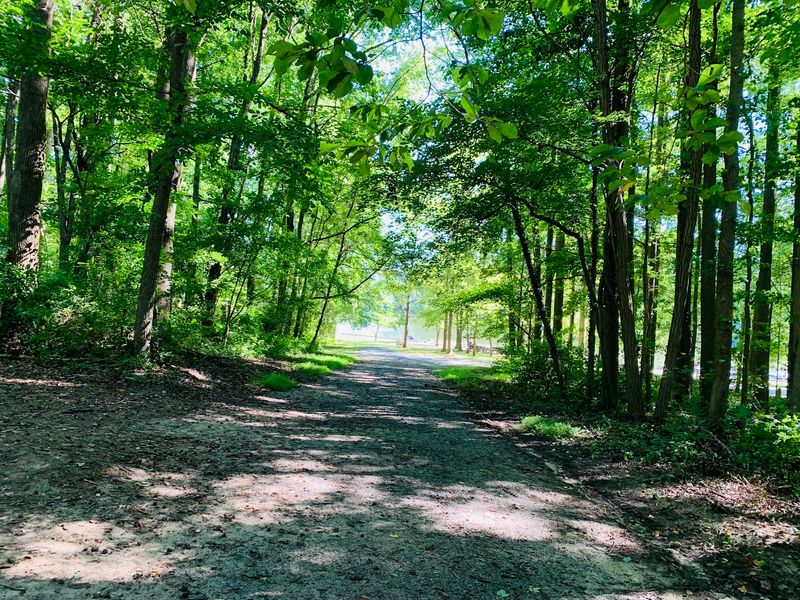
Bike riders, this one is for you. The Little Jersey Trail stretches about eight miles and makes a big loop around the outer parts of the park.
Compared to the Swamp Forest Trail, it is wider and mostly flat. That makes it a friendlier pick for casual cyclists, families, and even folks on electric bikes.
It is still a multi-use trail, so hikers, runners, and horseback riders may share it in some areas. A friendly bell or quick hello helps everyone get along.
The path winds through forest and open fields. In autumn, the colorful trees make the ride extra pretty.
One tip: trail signs can be tricky at some turns. Having a map app on your phone can save you from a wrong turn and extra miles.
I would start in the morning, when it is cooler and quieter. Bring water, a snack, and a basic bike repair kit just in case.
After a long ride, you might want somewhere fun to cool off. Luckily, the park’s open fields hold plenty of easy games.
Disc Golf, Ball Fields, and a Dog Park
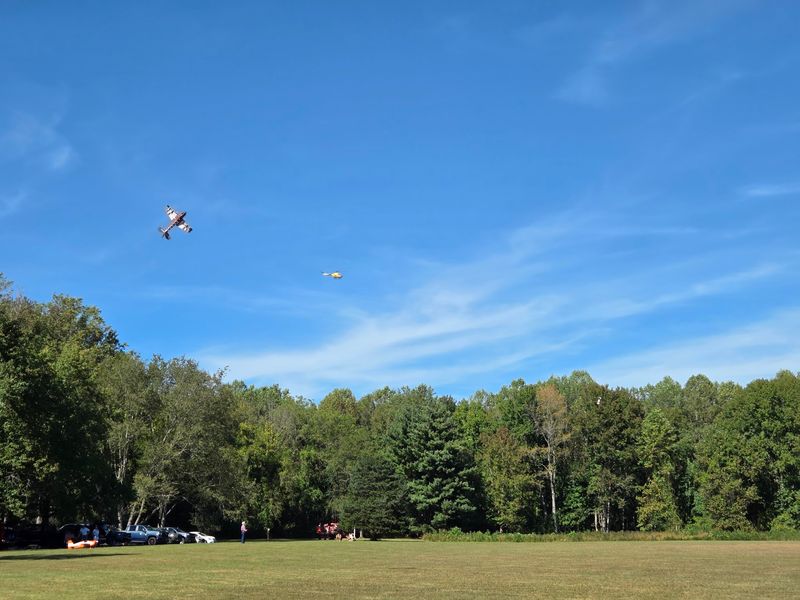
Got a Frisbee in the trunk? The park has a disc golf course, and it is one of the activities people mention most often.
The course winds through wooded and grassy areas, mixing open throws with shots around trees. Bring your own discs, since you’ll want to be ready to play.
Beyond disc golf, there are sports fields for games like softball, soccer, and volleyball. Basketball courts are also on site for a quick pickup game.
Dog owners have their own spot too. A fenced dog park lets pups run around safely while their humans relax nearby.
Elsewhere in the park, dogs should stay on a leash. Bring bags to clean up and extra water for warm days.
I like how these spaces turn a regular park day into a mini sports day. Friends can spend hours just tossing and running around.
Many groups mix games with a big meal outdoors. That is where the picnic areas and pavilions come in handy next.
Picnics, Pavilions, and Playgrounds
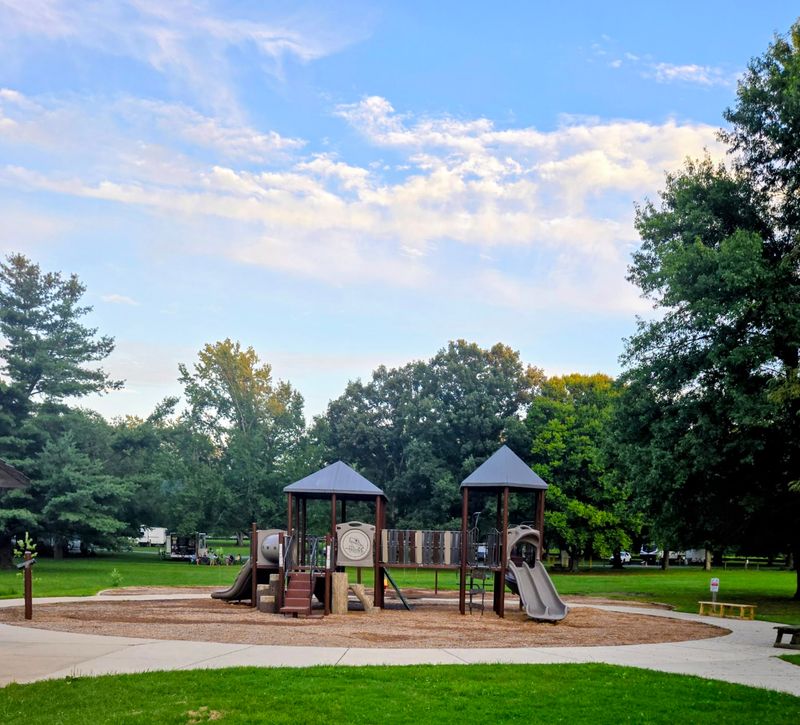
Lunch tastes better outside, especially with a pond view. The park has picnic tables, grills, and several pavilions, which makes it popular for family gatherings.
Pavilions can be reserved ahead of time for parties or reunions. That’s a good idea on busy summer weekends, when groups fill the grassy areas quickly.
Kids won’t be bored, either. The park has playgrounds where little ones can climb and slide while adults set up the food.
Restrooms are spread around the park, and vending machines offer cold drinks in some areas. Still, packing your own water and snacks is smart.
Remember to bring trash bags and leave your spot clean. It helps keep the park nice for the next group.
I think a simple picnic is one of the easiest ways to enjoy this place. It doesn’t take planning skills, just a cooler and a blanket.
Curious kids may want to learn about the animals they spot. A nature center in the park helps with exactly that.
Eagles, Turtles, and the Nature Center
Look up at the right moment, and you may see a bald eagle soaring over the water. Eagles have been spotted nesting in the park, which is a thrilling sight.
The park is home to lots of other wildlife too. Herons, ducks, turtles, frogs, and deer all make appearances, especially near quiet edges of the pond.
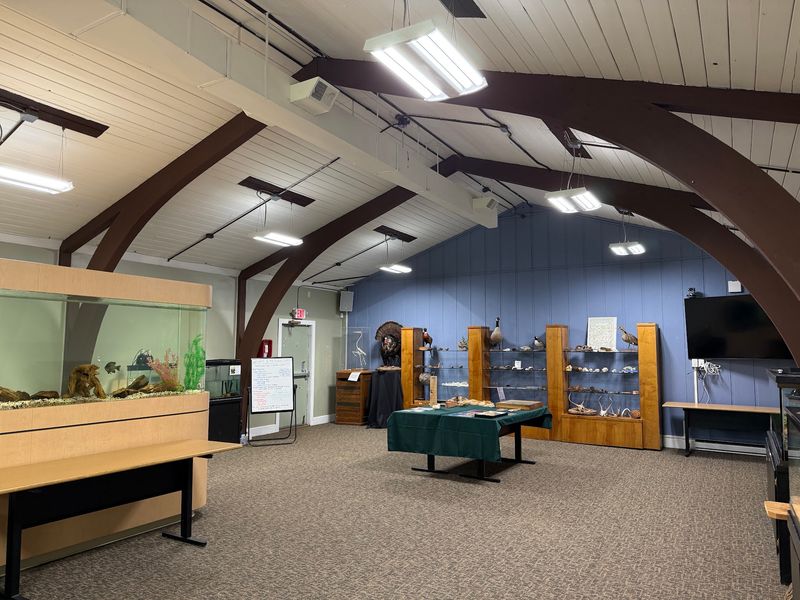
A nature center helps visitors learn more about these animals. Park staff also run programs at times, like guided walks and kid-friendly activities, so check the calendar.
Bring binoculars if you have them. They make birdwatching much more fun, especially along the shore.
Quiet mornings and evenings are often best for spotting animals. Move slowly, talk softly, and give wildlife plenty of space.
I find it neat that a park this busy still feels wild in places. You can hear birds even when other people are nearby.
If you want more time to watch wildlife, think about staying overnight. The campground sits close to the pond.
Roomy Campsites With Full Hookups
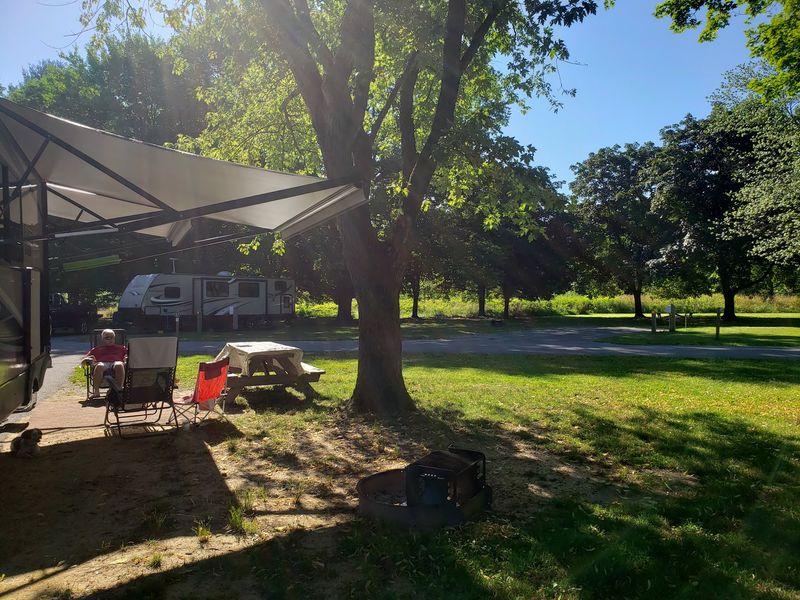
Campers often say the sites here feel surprisingly roomy. The campground offers big, grassy spots with shade trees, and many sit close to the pond.
Many sites have full hookups, including water, electric, and sewer connections. That’s a big plus for RV travelers, since it is not common at every state park.
Tent campers are welcome too. The campground also has a shower building, laundry facilities, a camp store, and a playground nearby.
Weekends can fill up fast, so make reservations early. Check for burn bans before planning a campfire, since rules can change in dry weather.
The park has been adding updates as well, including new cabins. That could make overnight trips easier for people without camping gear.
I like the idea of waking up near the water and starting the day with a quiet walk. It is a nice way to see the park before the crowds arrive.
From treetop zip lines to a peaceful campfire, this park packs a lot into one trip. A big pond with a working past makes the whole adventure feel special.
Share this story