Shaniko sits quietly on Highway 97 in north-central Oregon, its weathered buildings holding stories of a past when it was known as the “Wool Capital of the World.” At the turn of the 20th century, this bustling town shipped millions of pounds of wool each year and attracted thousands of visitors. Today, only about 30 people call Shaniko home, making it one of Oregon’s most fascinating ghost towns where history whispers through every abandoned storefront and dusty street.
The Rise of the Wool Empire
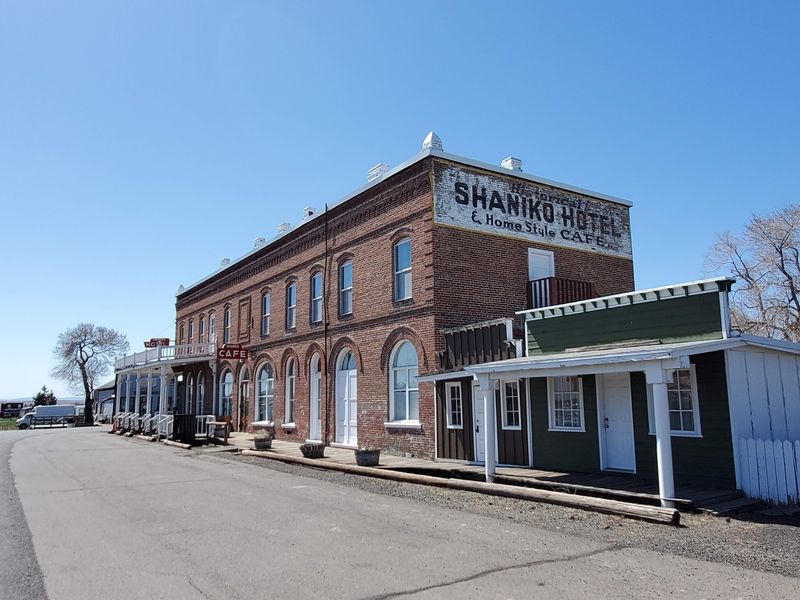
Shaniko exploded onto the scene in 1900 when the Columbia Southern Railway arrived, transforming a dusty crossroads into Oregon’s wool shipping headquarters. Ranchers from hundreds of miles away drove their flocks here, creating a dusty, bleating parade that could stretch for days.
The town processed and shipped over six million pounds of wool annually at its peak.
Hotels, saloons, and businesses popped up almost overnight to serve the ranchers, railroad workers, and merchants flooding in. The streets buzzed with activity as wool buyers negotiated deals and cowboys spent their hard-earned cash.
By 1901, Shaniko had become the third-largest wool shipping center in the entire United States.
Money flowed through town like water, funding elegant buildings that seemed impossibly grand for such a remote location. The prosperity attracted investors, entrepreneurs, and dreamers all hoping to cash in on the wool rush.
Nobody imagined this golden age would last less than two decades.
The Shaniko Hotel’s Glory Days
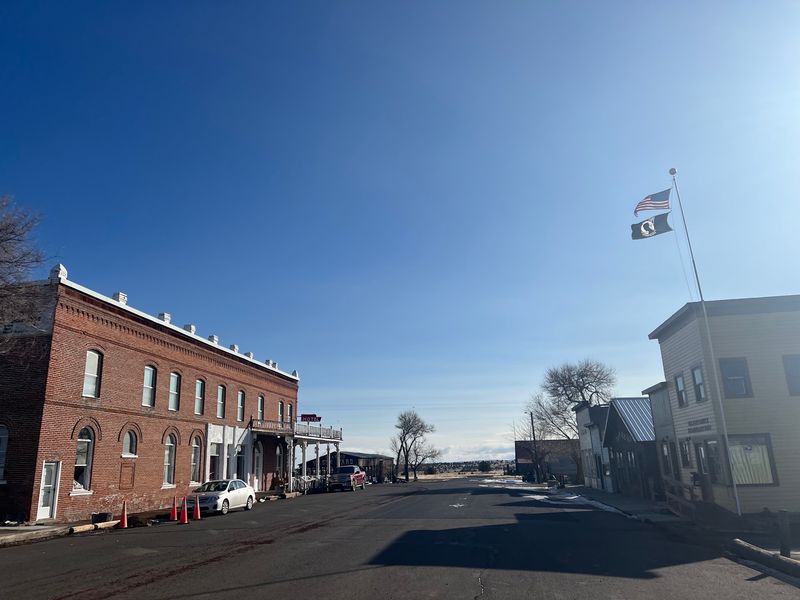
Built in 1902, the Shaniko Hotel stood as the crown jewel of this frontier town, offering luxuries that rivaled big-city establishments. Guests enjoyed steam heat, electric lights, and indoor plumbing when most frontier hotels still relied on outhouses and oil lamps.
The two-story brick building featured a grand staircase and ornate furnishings that impressed even the most sophisticated travelers.
Wealthy ranchers, railroad executives, and touring dignitaries filled the hotel’s rooms during Shaniko’s boom years. The dining room served gourmet meals on fine china, and the bar stocked premium whiskeys and imported wines.
Local legend claims famous figures like author Zane Grey stayed here while researching the Old West.
After the town declined, the hotel sat abandoned for decades, slowly deteriorating until preservation efforts began in the 1980s. Today, it operates sporadically, offering visitors a chance to sleep where wool barons once closed million-dollar deals.
The creaky floors and vintage fixtures transport guests back to an era when Shaniko seemed destined for greatness.
The Railroad That Changed Everything
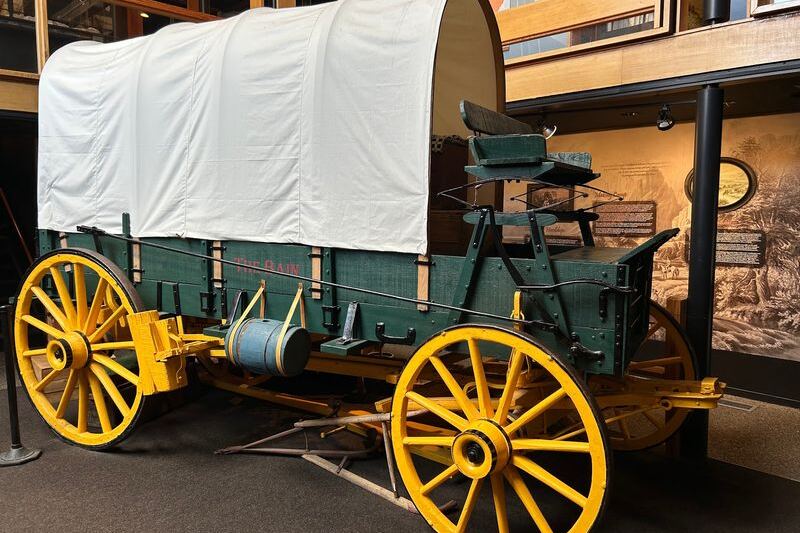
When the Columbia Southern Railway laid tracks to Shaniko in 1900, it solved the biggest problem facing central Oregon ranchers: getting their wool to market. Before the railroad, ranchers faced brutal wagon journeys over rough terrain to reach river ports.
The train cut transportation time from weeks to days and dramatically reduced shipping costs.
Shaniko’s position as the railroad’s terminus made it an unavoidable stop for anyone doing business in the region. The depot became the town’s beating heart, with trains arriving and departing daily loaded with wool, livestock, and supplies.
Workers unloaded freight while passengers stretched their legs and grabbed meals at nearby restaurants.
But railroads are fickle partners in frontier development. When the railroad extended its line south to Bend in 1911, Shaniko lost its geographical advantage almost overnight.
Ranchers could now ship directly from locations closer to their ranches, bypassing Shaniko entirely. The very transportation innovation that created the town ultimately sealed its fate as a ghost town.
The City Hall That Never Governed Much
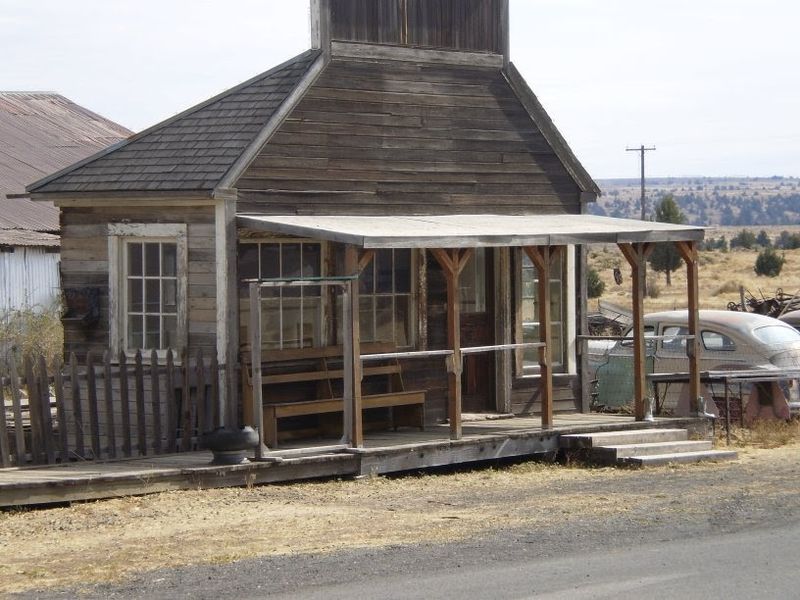
Shaniko’s tiny city hall building represents the optimism of a community that expected to keep growing indefinitely. Constructed during the boom years, this modest wooden structure housed the government offices for a town that briefly topped 600 residents.
Local officials met here to plan infrastructure improvements and debate ordinances for their thriving community.
The building’s small size reveals an amusing truth about frontier governance: there wasn’t much actual governing to do. Most business involved settling disputes between ranchers, licensing saloons, and maintaining the few streets.
Town meetings probably felt more like neighborhood gatherings than formal government proceedings.
As Shaniko’s population dwindled, the city hall became increasingly unnecessary, eventually sitting empty for years. The building still stands today, preserved as part of the ghost town’s historic district.
Its weathered exterior and dusty interior offer a poignant reminder of civic dreams that never materialized, frozen in time like a photograph of ambitions that exceeded reality.
The School Where Lessons Ended
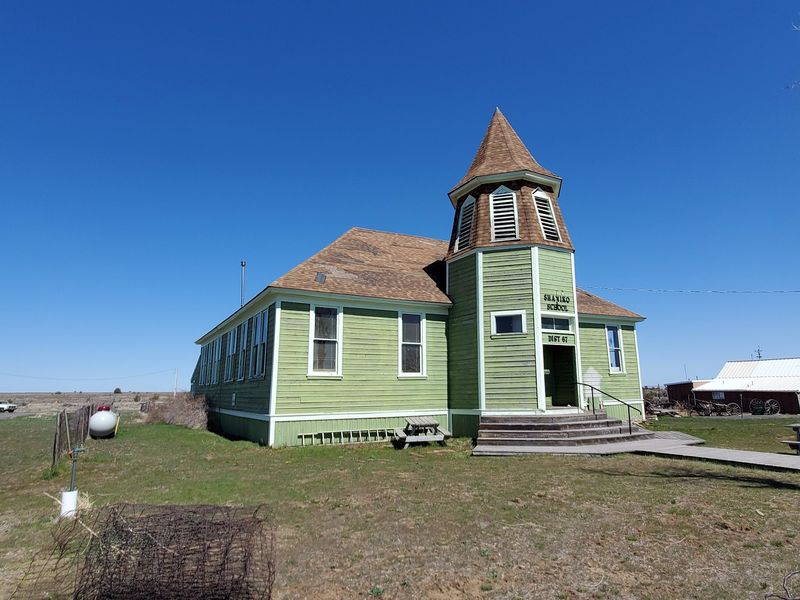
Children’s laughter once echoed through Shaniko’s schoolhouse, where ranch kids learned reading, writing, and arithmetic between helping with family chores. The one-room school served students of all ages, with older children often helping teach younger ones while the teacher juggled multiple grade levels.
During peak years, the school bustled with enough students to justify multiple teachers and expanded facilities.
Ranch families valued education despite the hardships of frontier life, making sacrifices to ensure their children attended regularly. Students rode horses or traveled by wagon from distant ranches, sometimes staying in town during the week.
The school became a community gathering place for events, performances, and social functions that brought isolated families together.
As families left Shaniko seeking opportunities elsewhere, enrollment dropped steadily until maintaining a school became impractical. The last students attended classes in the 1940s before the building closed forever.
Now the empty schoolhouse stands silent, its desks and chalkboards gathering dust, a monument to the children who grew up in a town that disappeared around them.
The Water Tower That Saved Nothing
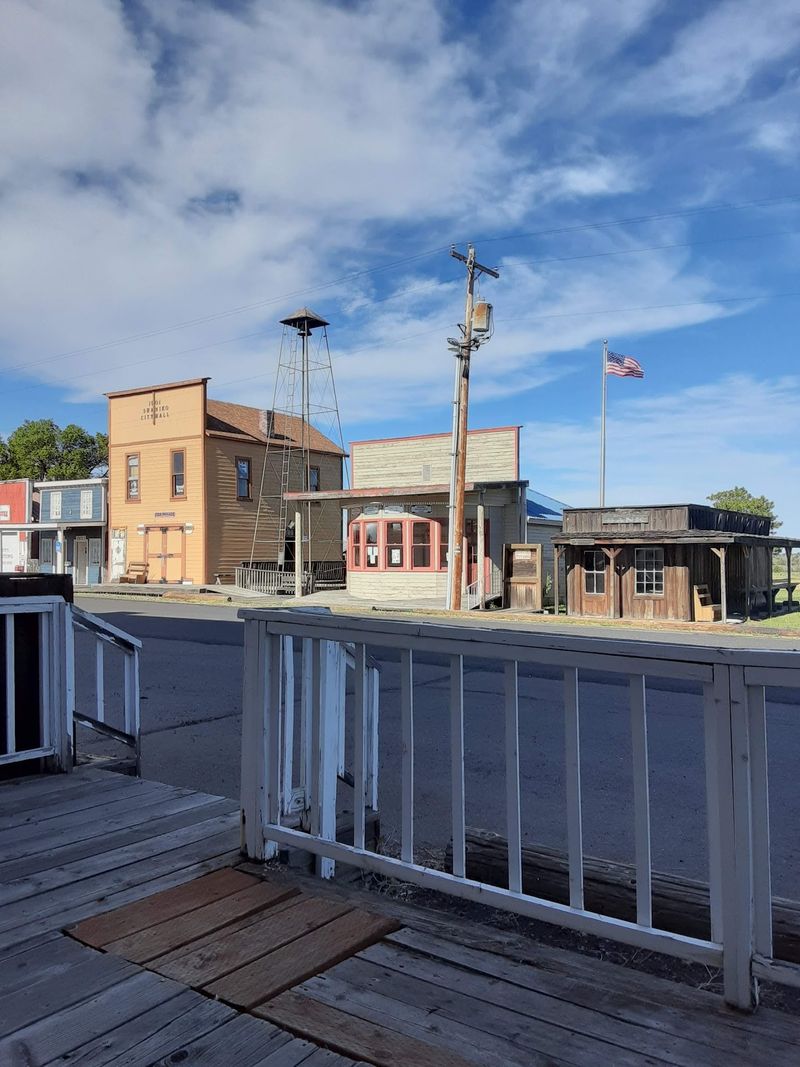
Shaniko’s water tower looms over the ghost town like a skeletal sentinel, built to supply the thriving community with pressurized water for firefighting and daily use. Engineers constructed this impressive structure during the boom years when town planners assumed continued growth would justify the expense.
The tower represented modern infrastructure that separated civilized towns from rough frontier camps.
Fire posed a constant threat to wooden frontier buildings, and adequate water pressure could mean the difference between losing one building or an entire block. The tower gave residents and business owners confidence that their investments had some protection.
It symbolized permanence and planning for a future that Shaniko’s boosters believed was guaranteed.
Ironically, the water tower outlasted most of what it was built to protect and serve. As businesses closed and residents left, the tower stood uselessly over an increasingly empty town.
Today it remains one of Shaniko’s most photographed landmarks, a towering reminder of infrastructure built for a population that never came, engineering triumph turned into monument to miscalculation and misplaced optimism about frontier economics.
The Jail That Rarely Held Prisoners
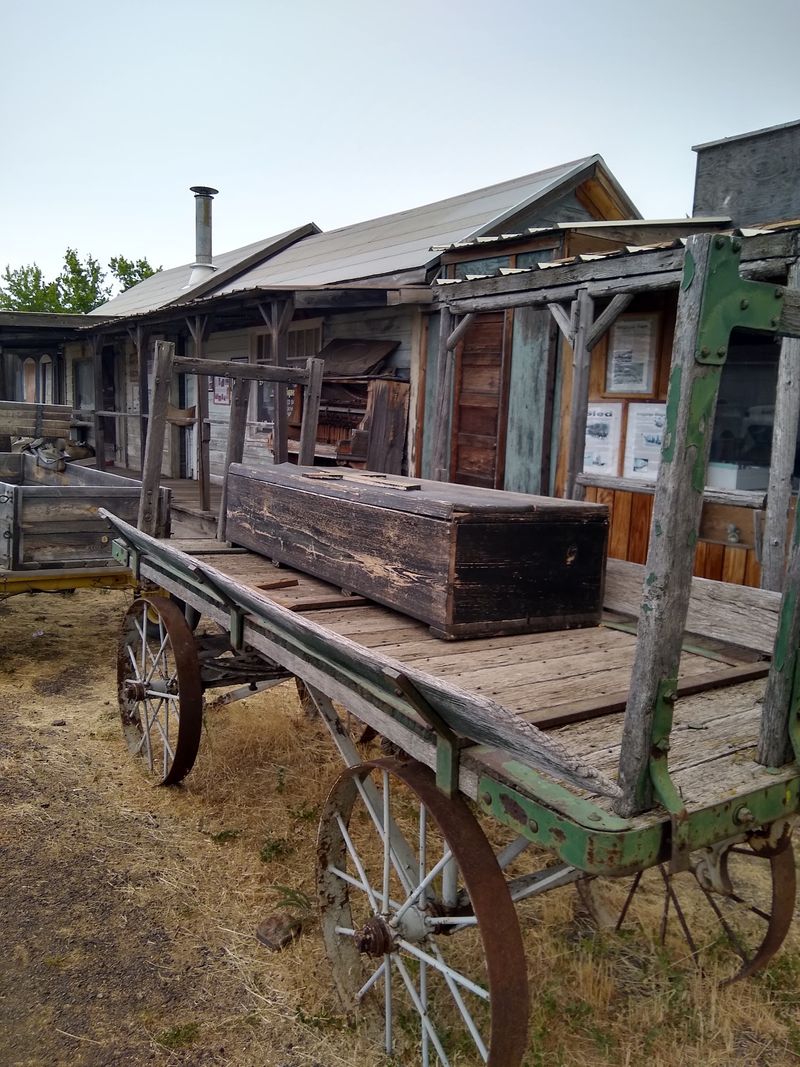
Shaniko’s jail stands as perhaps the town’s most optimistic building, constructed to house criminals in a community that experienced relatively little serious crime. The small structure featured basic cells with iron bars, designed more to hold drunk cowboys overnight than hardened outlaws.
Most “criminals” were simply ranch hands who celebrated too enthusiastically after getting paid.
Frontier justice in Shaniko tended toward practical solutions rather than lengthy incarcerations. The sheriff typically knew everyone in town and handled disputes informally when possible.
Serious crimes were rare, and when they occurred, prisoners were usually transported to the county seat for trial and sentencing.
The jail saw its busiest days during wool shipping season when temporary workers swelled the population and saloons stayed open late. Even then, most occupants spent just a night sobering up before being released with a warning.
The building now sits empty and unlocked, its cells open to curious tourists who can walk in freely, an ironic end for a structure meant to restrict movement and freedom.
The Post Office Connection to the World
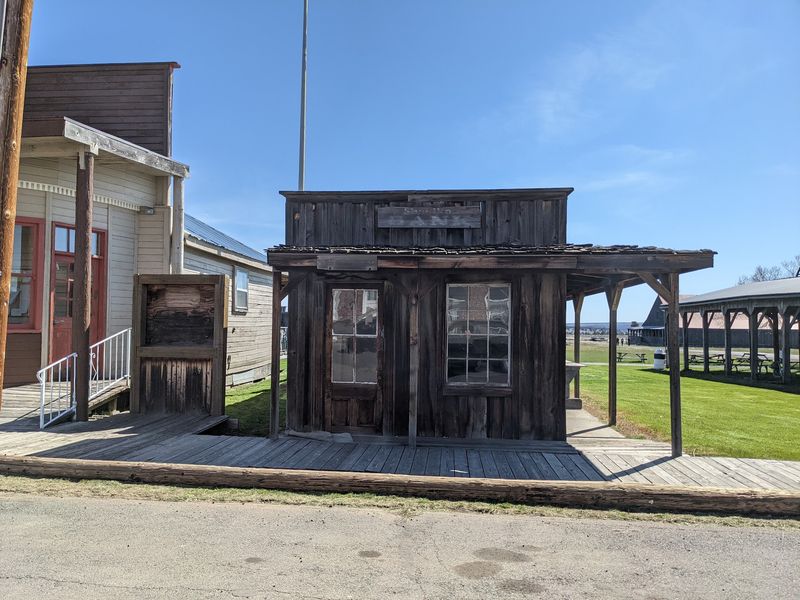
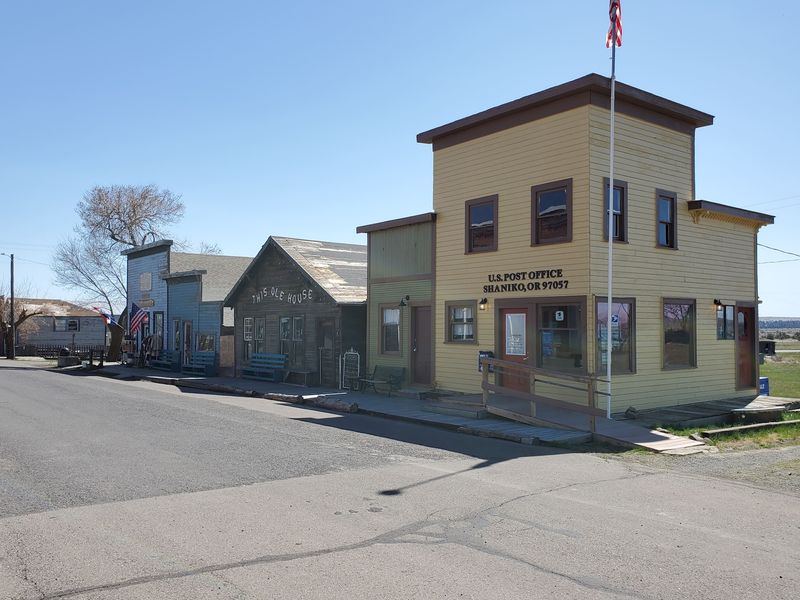
Before phones and internet, Shaniko’s post office served as the community’s vital link to the outside world, handling letters, packages, and money orders that kept ranchers connected to distant family and business partners. The postmaster knew everyone’s business, sorting mail that brought news of births, deaths, business deals, and marriage proposals.
Mail delivery days created social gatherings as people collected letters and caught up on gossip.
Ranchers depended on the postal service to order supplies from distant catalogs, receive payment for wool shipments, and maintain relationships with far-flung relatives. Love letters traveled through this small building, along with legal documents, newspapers, and the occasional package containing precious items from back East.
The post office represented civilization’s reach into the remote high desert.
As Shaniko’s population shrank, mail volume dropped until maintaining a full post office became unnecessary. The building eventually closed, though Shaniko still receives mail delivery to its remaining residents.
The old post office structure remains standing, its sorting shelves empty, a quiet reminder of when every letter arrival felt like an event worth celebrating.
The Cemetery’s Permanent Residents
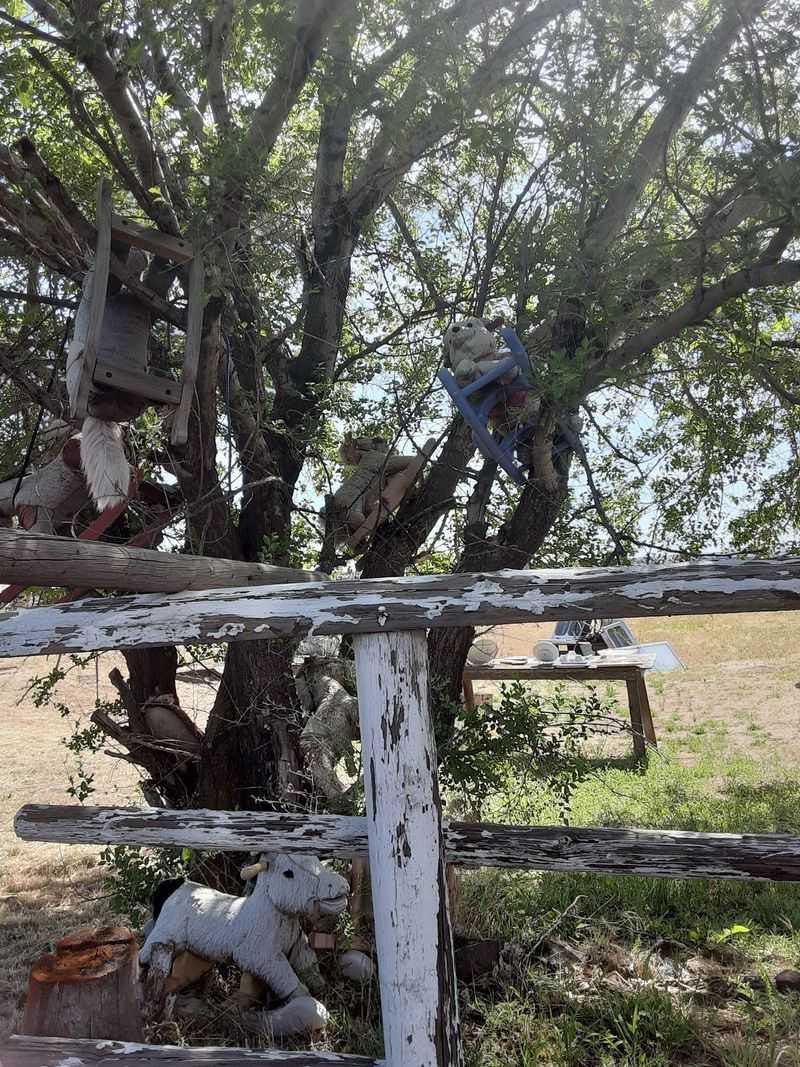
Shaniko Cemetery sits on a windswept hill overlooking the ghost town, holding the remains of pioneers who bet everything on this community’s future. Weathered headstones mark graves of wool merchants, railroad workers, ranch wives, and children who died from diseases that modern medicine easily prevents.
Some markers have toppled or faded beyond reading, their occupants becoming anonymous participants in frontier history.
Walking among these graves reveals the harsh realities of early 20th-century life in central Oregon. Infant mortality rates were staggering, with many families burying multiple children.
Young men died in railroad accidents or ranch mishaps. Women succumbed to childbirth complications far from medical help.
Unlike the living residents who could leave when Shaniko declined, these permanent citizens remain forever tied to the town’s fate. The cemetery receives occasional visitors, mostly descendants researching family history or ghost town enthusiasts photographing atmospheric headstones.
Wildflowers grow between the graves each spring, bringing brief color to this quiet hillside where Shaniko’s dreamers sleep through the town’s long, slow fade into history and memory.
The Ghost Town’s Second Life
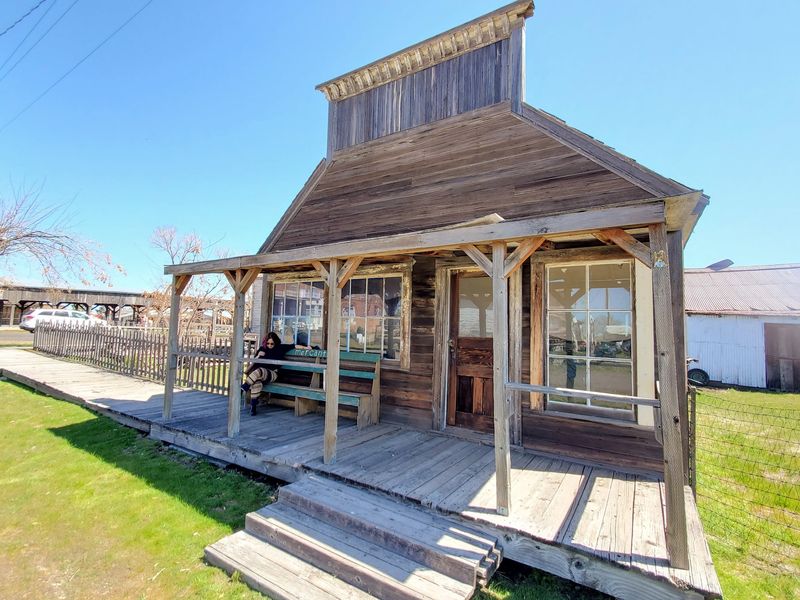
Shaniko refused to die completely, reinventing itself as a tourist destination where visitors experience authentic Old West atmosphere without Hollywood fabrication. The roughly 30 current residents maintain historic buildings and welcome travelers curious about frontier life.
Antique shops, a small museum, and occasional events bring modest activity to streets that once teemed with wool traders.
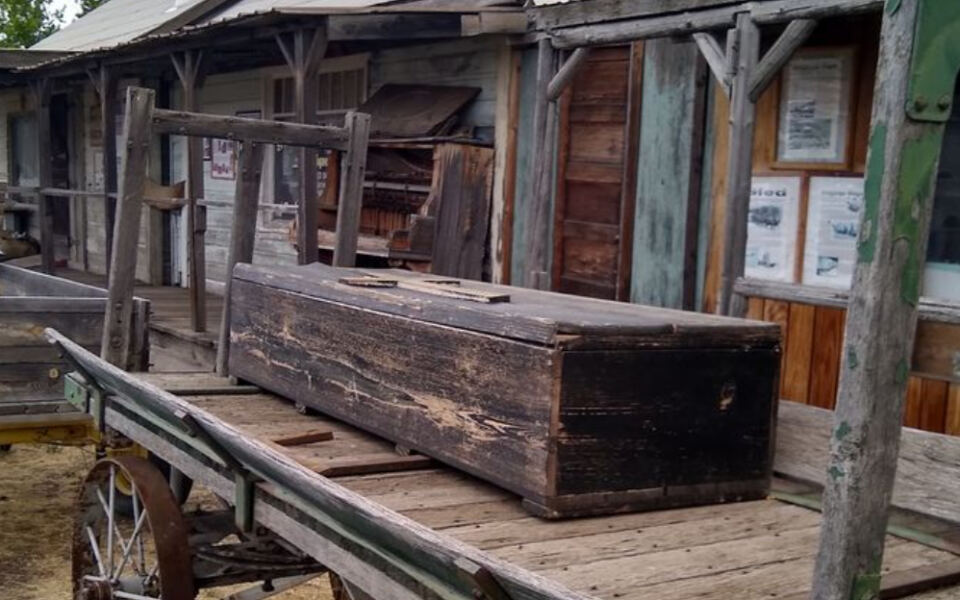
Preservation efforts beginning in the 1980s saved many buildings from complete collapse, though restorers intentionally maintained the weathered, authentic appearance rather than creating a sanitized historical theme park. Visitors can explore the hotel, peer into the old jail, and photograph structures exactly where boom-era residents built them.
The town attracts photographers, history buffs, and motorcycle riders enjoying scenic Highway 97.
This second life as a living museum provides Shaniko with purpose beyond its original function, though the population will never approach boom-era numbers. The town exists in a strange limbo between past and present, too inhabited to be truly abandoned but too empty to be called thriving.
Its survival depends on people valuing history enough to preserve these buildings for future generations who will wonder how a wool town briefly flourished in Oregon’s high desert.
Share this story