There is a building in small-town Minnesota that looks like it was built to last forever, and in many ways, it was. Thick stone walls, a commanding presence on the street, and a history tied directly to the men who fought in the Civil War make this place unlike anything most travelers expect to find in the Midwest.
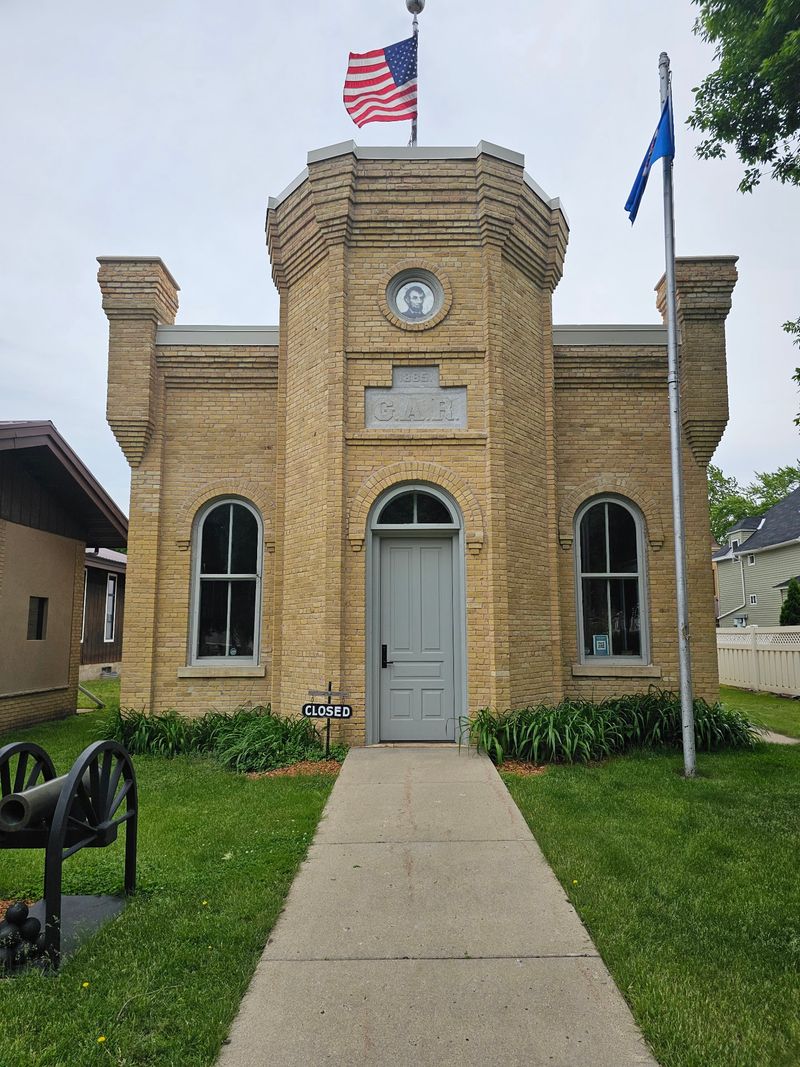
The G.A.R. Hall in Litchfield was constructed in 1885 by veterans of the Grand Army of the Republic, and it still stands today as one of the best-preserved examples of this type of structure in the entire country.
Once you learn what happened inside these walls, and what it meant to the community, you will wonder why it took you so long to find it.
What the Grand Army of the Republic Actually Was
Most people hear the name Grand Army of the Republic and assume it refers to some branch of the military. The reality is more interesting.
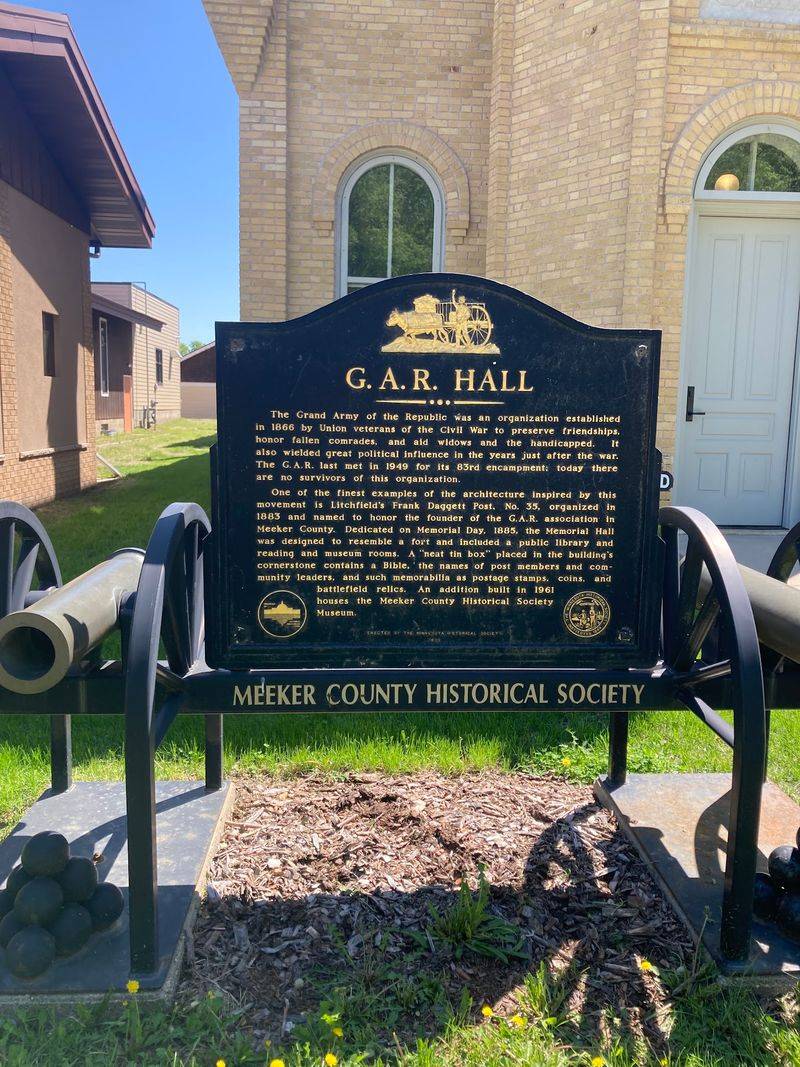
The G.A.R. was a fraternal organization founded in 1866, made up of veterans who had served in the Union Army, Navy, or Marine Corps during the Civil War.
At its peak, the organization had over 400,000 members spread across posts throughout the United States. Each local post served as a gathering place where veterans could share their experiences, support one another, and advocate for veterans’ benefits.
The Litchfield post was known as Acker Post No. 40. These men were not just building a meeting hall.
They were creating a permanent home for their shared identity and sacrifices. That sense of purpose is still felt when you walk through the front door today.
Finding the Hall on Marshall Avenue
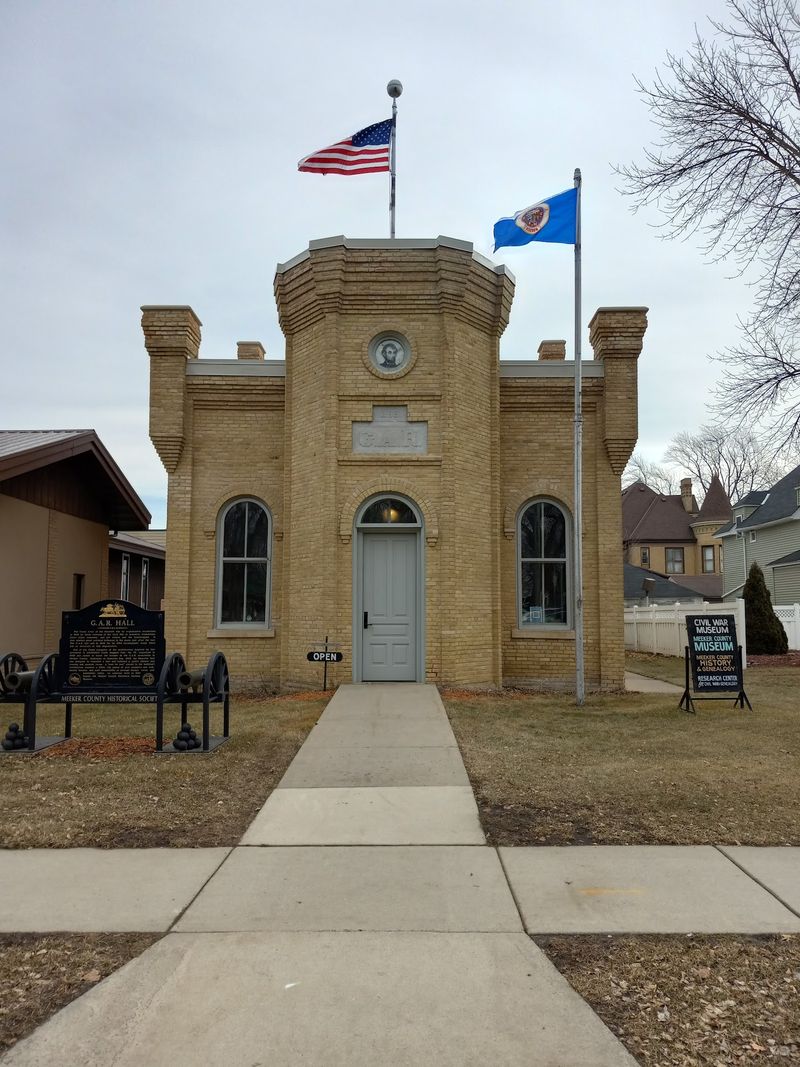
The building sits at 308 N Marshall Ave in Litchfield, Minnesota, United States, and it announces itself without any fuss. The exterior has a solid, almost fortress-like quality that feels out of place in the best possible way for a town this size.
Litchfield is the county seat of Meeker County, a quiet community in central Minnesota. It is not the kind of place most road-trippers circle on a map, which makes stumbling onto a structure this significant feel genuinely rewarding.
The hall is connected to the Meeker County Museum, and visitors can learn more about the site through the museum’s website at meekercomuseum.org. Parking is easy, the neighborhood is walkable, and the building is visible from the street.
You do not need a guidebook to find it. It simply stands there, waiting.
The Year 1885 and Why It Matters
By 1885, the Civil War had ended twenty years earlier, but its wounds were still fresh for the men who had lived through it. Veterans across the country were aging, and many felt an urgency to preserve their legacy before time erased it entirely.
Building a permanent structure was not just a practical decision. It was a statement.
The Acker Post No. 40 members in Litchfield wanted something that would outlast them, something their children and grandchildren could point to with pride.
The timing also reflects a broader national trend. Many G.A.R. halls were constructed during this era as posts grew in membership and influence.
What makes the Litchfield hall remarkable is that it survived intact while so many others were torn down or repurposed beyond recognition. Walking through it feels like stepping into that specific moment in American history.
The Architecture That Sets It Apart
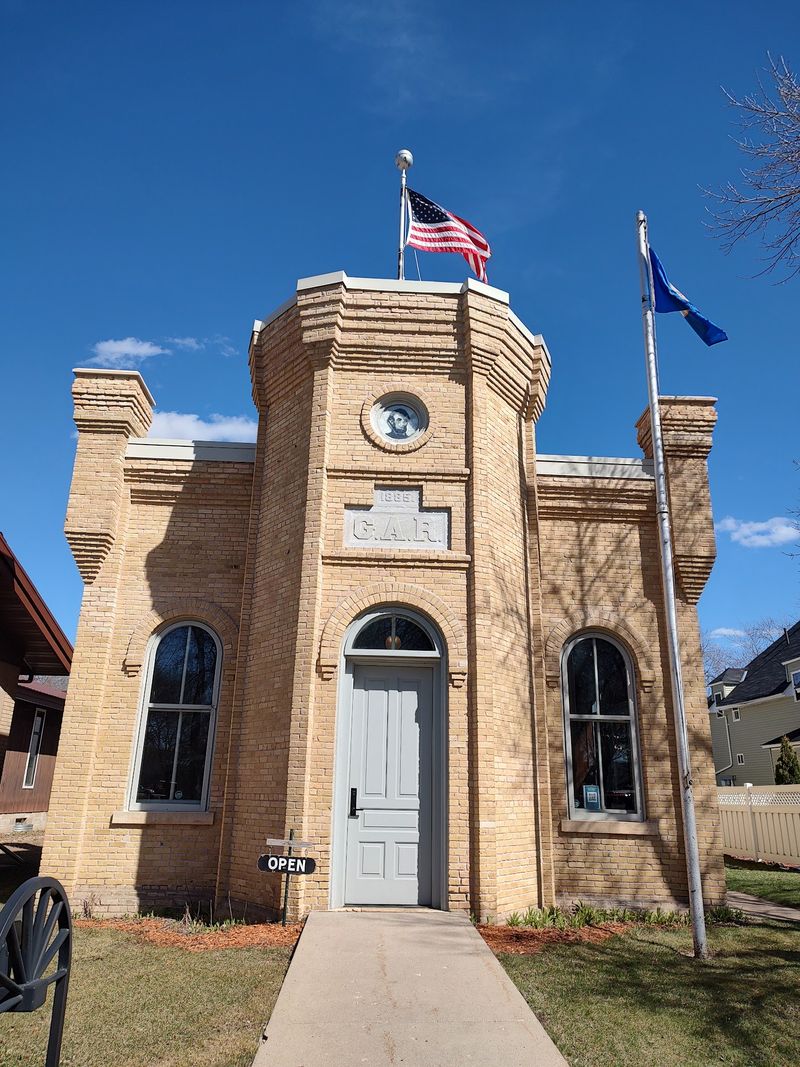
The building’s appearance is the first thing that stops visitors in their tracks. The thick masonry walls and sturdy construction give it a weight and permanence that most 19th-century civic buildings in rural Minnesota simply do not have.
The design reflects the values of the men who built it. These were veterans who had seen temporary structures fail under pressure.
They wanted something solid, something that communicated strength and endurance. The result is a building that genuinely earns the word fortress.
Details in the stonework and facade carry a dignity that feels intentional rather than decorative. Every element of the exterior seems to say that what happened here mattered.
For anyone interested in 19th-century American civic architecture, this building offers a rare, well-preserved example that goes well beyond what you might expect from a small Minnesota county seat.
The Meeker County Museum Connection
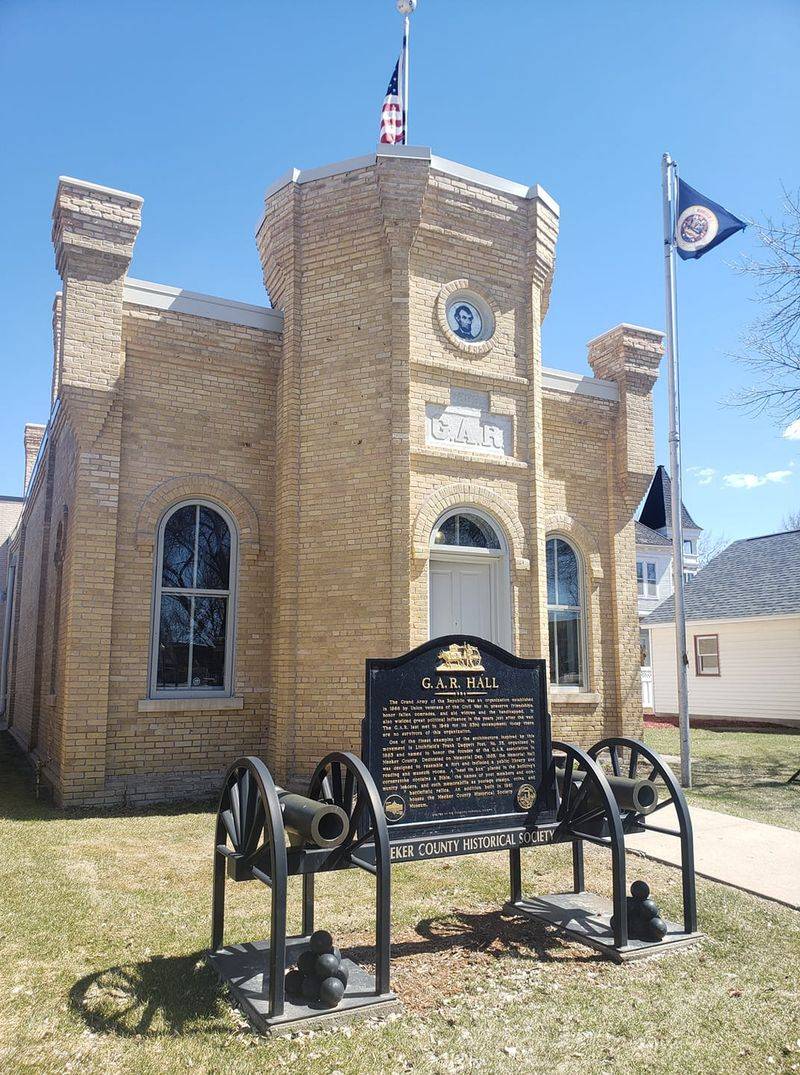
The G.A.R. Hall today operates as part of the Meeker County Museum, which means a visit here is never just about one building.
The museum uses the space to tell the broader story of Meeker County alongside the military history tied to the hall itself.
Exhibits are thoughtfully arranged and cover local and national history in a way that feels connected rather than scattered. Visitors have noted how well the displays are laid out, making it easy to move through the story chronologically without feeling overwhelmed.
One of the most personal moments a visitor can have here involves the photographs. Several people who grew up in Litchfield have visited and found images of their own relatives among the historical collections.
That kind of discovery turns a museum visit into something far more meaningful than a casual afternoon outing. The personal and the historical overlap here in a genuinely moving way.
Civil War Artifacts Preserved Inside
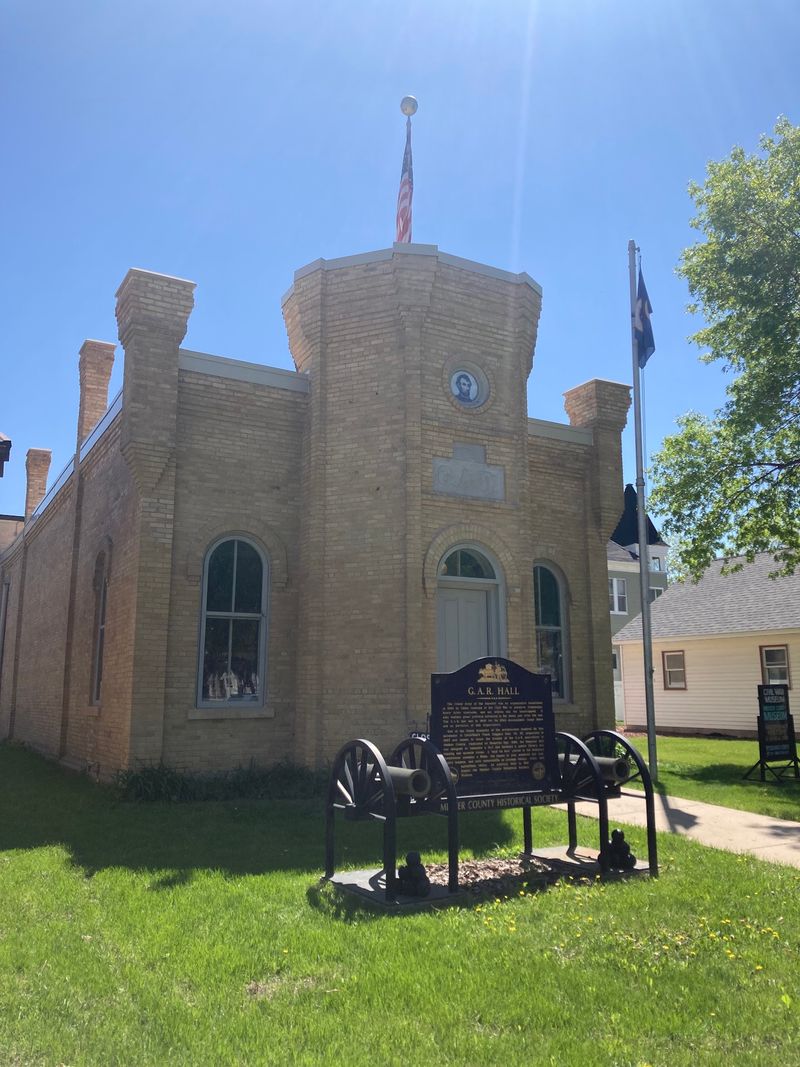
Few small-town museums in Minnesota hold the kind of Civil War artifacts that are preserved inside this hall. The collection includes items directly tied to the veterans who built and used the space, which gives every object a specific human context.
Seeing a uniform or a medal displayed in the very building where the man who owned it once gathered with his comrades adds a layer of meaning that larger institutions sometimes struggle to replicate. The scale here actually works in the museum’s favor.
The artifacts are not just relics. They are evidence of real lives shaped by extraordinary circumstances.
Visitors who take the time to read the accompanying information come away with a much clearer picture of what service meant to these men and what the G.A.R. represented in their daily lives long after the war ended. It is history made personal.
The Role of the G.A.R. Hall in Community Life
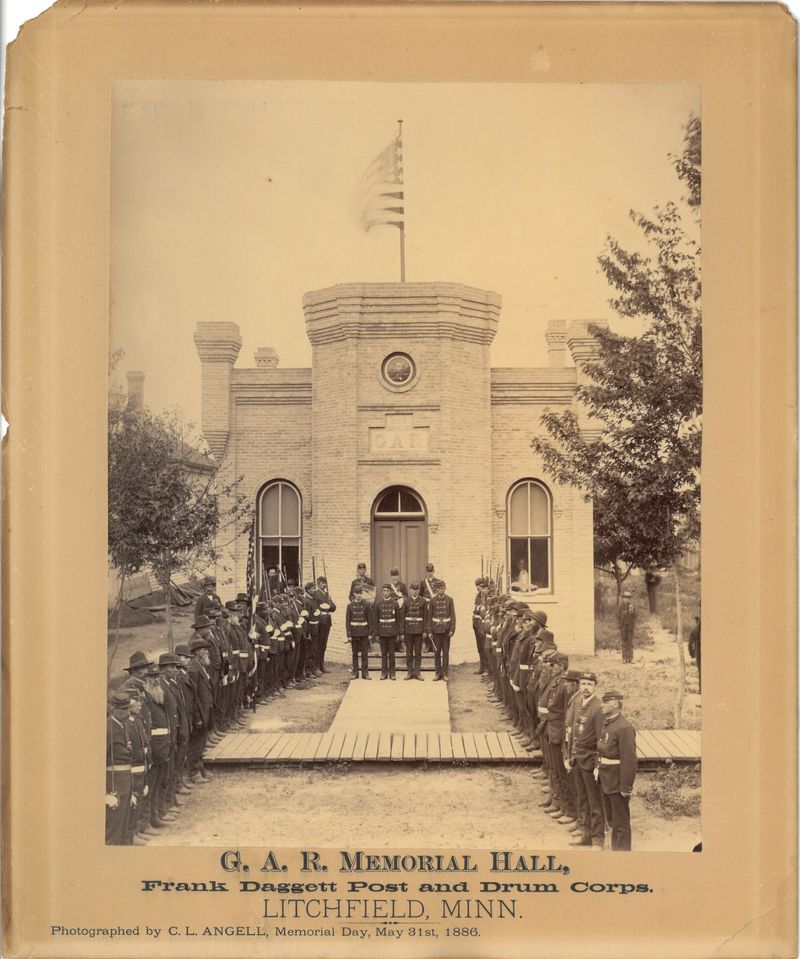
A G.A.R. hall was never just a place to store old equipment. For the veterans who gathered there regularly, it was a social hub, a support network, and a space where they could speak honestly about experiences that civilians often struggled to understand.
The Litchfield hall served this purpose for decades after its construction. Meetings, ceremonies, and community events were held within its walls, and the building became woven into the fabric of local life in a way that went far beyond its military origins.
As the original members aged and passed on, the hall took on a new role as a memorial to their service. The transition from active meeting place to historical landmark happened gradually, but the building’s physical presence ensured it was never forgotten.
That continuity between past and present is one of the most compelling things about visiting it today.
Private Tours and Group Visits
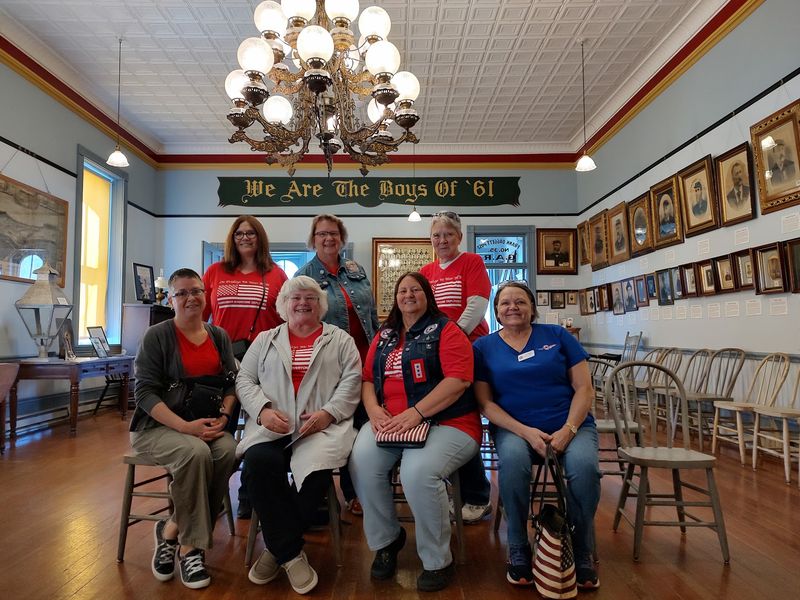
One of the quieter strengths of this site is that it accommodates private tours for groups. Organizations with a specific interest in military history, local heritage, or genealogy have found the experience particularly rewarding when arranged in advance.
A group affiliated with the Department of Minnesota Blue Star Mothers of America visited and came away with a deep appreciation for the depth of information available. The tour gave them access to photographs and records that connected directly to their own families and their own sense of service.
That kind of tailored experience is not something you find at every historical site. The staff here clearly understands that history feels most alive when it connects to people personally.
If you are traveling with a group that has a specific connection to Minnesota military history, reaching out ahead of time to arrange a private tour is absolutely worth the effort.
What Makes This Hall Rare Nationally
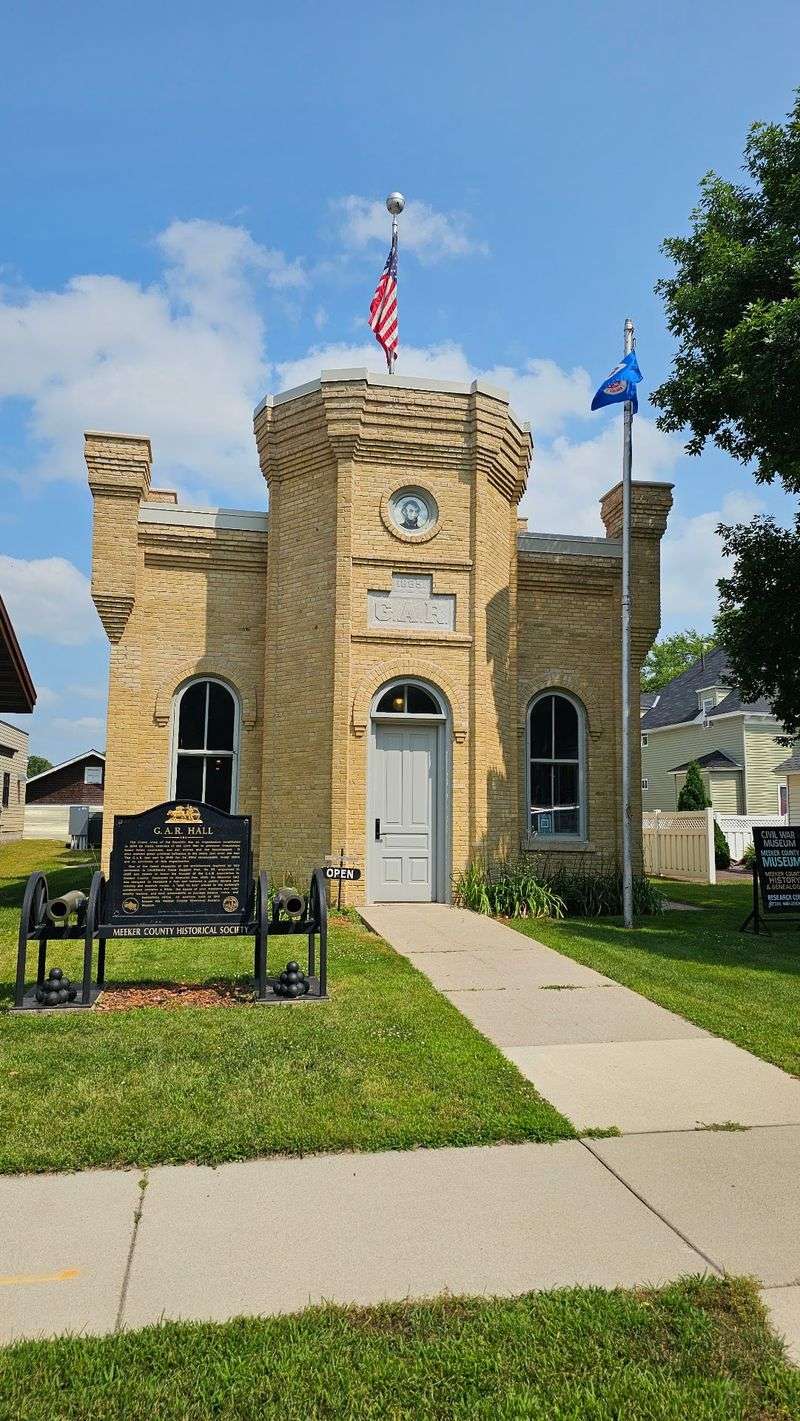
Most people do not realize how few G.A.R. halls still exist in their original condition. Across the United States, the vast majority were demolished, converted into commercial spaces, or altered so significantly that their original character was lost entirely.
The Litchfield hall is one of a relatively small number that survived with its structure and purpose largely intact. That alone makes it nationally significant, not just as a local curiosity but as a genuine piece of American heritage that deserves far more attention than it typically receives.
Preservation efforts have kept the building in a condition that allows visitors to experience it close to how it would have felt during its active years. For history enthusiasts, architectural preservationists, or anyone curious about the post-Civil War era in rural America, this is the kind of site that rewards careful attention.
There is more here than first meets the eye.
Litchfield, Minnesota as a Setting
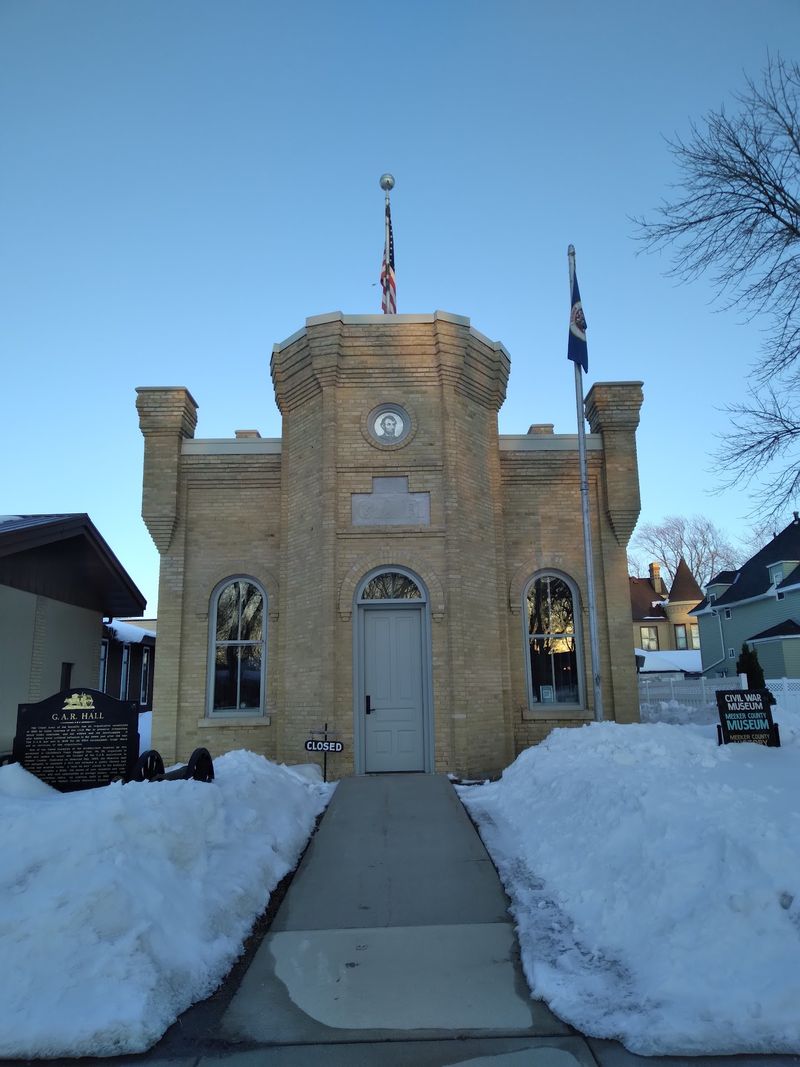
Litchfield itself sets the tone for the visit before you ever reach the hall. The town has the unhurried quality of a place that knows its own history and does not feel the need to shout about it.
Streets are quiet, the downtown area retains its historic character, and the surrounding landscape is unmistakably central Minnesota.
The county seat atmosphere means there is a certain civic pride built into the town’s identity. Public buildings are maintained, and the community takes its heritage seriously.
That attitude extends directly to how the G.A.R. Hall and Museum is treated.
Visiting Litchfield feels like arriving somewhere that has not been polished for tourists, and that is genuinely refreshing. The hall fits naturally into the town rather than standing apart from it as a manufactured attraction.
Everything about the setting reinforces the authenticity of what you are about to experience inside.
Genealogy and Personal Discovery
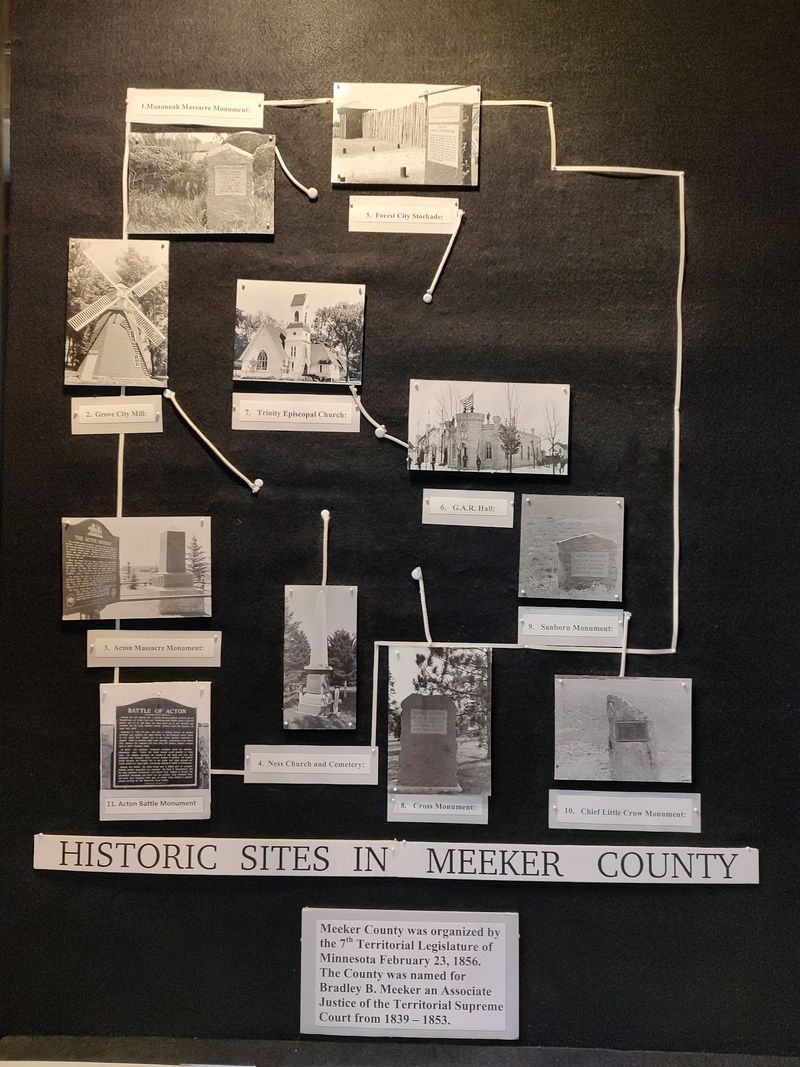
One of the most unexpected gifts this museum offers is the opportunity for personal genealogical discovery. The photograph collections and historical records here cover Meeker County families across multiple generations, and the connections visitors make can be genuinely surprising.
People who grew up in the area and assumed they already knew everything about local history have walked out with photographs of relatives they had never seen before. That kind of encounter is difficult to manufacture and impossible to replicate through a simple internet search.
For anyone researching family ties to Meeker County or to Civil War veterans from Minnesota, this museum is a serious resource. The depth of the local records combined with the military history focus creates a combination that genealogists and family historians find especially valuable.
Bring what information you already have about your family, and you may leave with considerably more than you arrived with.
Planning Your Visit to the G.A.R. Hall
Getting the most out of a visit here starts with a little planning. The museum operates through the Meeker County Museum, and checking meekercomuseum.org before you go will give you current hours, any upcoming events, and information about arranging group or private tours.
The building is located at 308 N Marshall Ave in Litchfield, and the surrounding area makes for an easy half-day trip. The museum is compact enough to explore thoroughly without feeling rushed, but rich enough in content that you will want to take your time with the exhibits rather than moving quickly through them.
Comfortable shoes are fine since the visit is mostly indoor. Bringing a notebook or phone for capturing details you want to research later is a genuinely good idea.
Some of what you find here will follow you home in the best possible way, prompting deeper curiosity about Minnesota’s Civil War era long after you leave.
Share this story