A real moon rock sits in a Colorado museum, and you can see it for free. It comes from the Apollo 17 mission.
That is only one piece of the story. The same building holds thousands of rocks, gems, fossils, and meteorites.
Some of them sit outside, too.
I like any museum that lets you walk in without a ticket. I can’t imagine a better deal for a curious family.
So where does a lunar sample end up on a college campus? Stick around and find out.
A Piece Of The Moon Is Waiting Downstairs
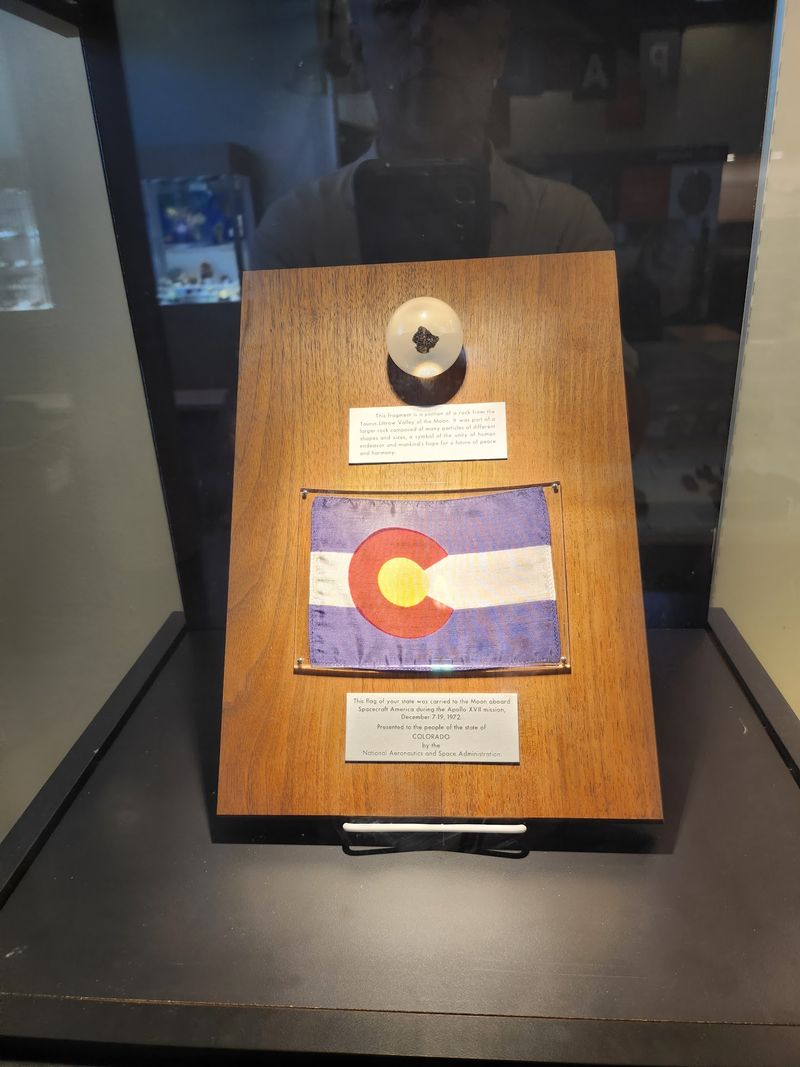
Mines Museum of Earth Science, Colorado, keeps a real moon rock on display. It comes from the Apollo 17 mission, the last crewed trip to the moon.
That alone makes the stop worth your time.
Visitors mention the moon rock often, and it shows up as one of the museum’s most talked-about topics. If you ask a staff member where to find it, you will get pointed the right way.
Plan a few minutes to just stand there and take it in.
Think about what you are looking at. This small sample traveled a long way from the lunar surface to a quiet display case in Golden.
Few museums can say that, and even fewer let you see it without buying a ticket.
The moon rock sits near other space-related pieces, including meteorites. Together they make a nice little corner for anyone who likes astronomy.
Kids who enjoy space facts will probably want to read every label nearby.
Bring a camera, but keep your eyes on the real thing first. A photo is nice, yet seeing a piece of another world in person is better.
Free Admission Makes This An Easy Yes
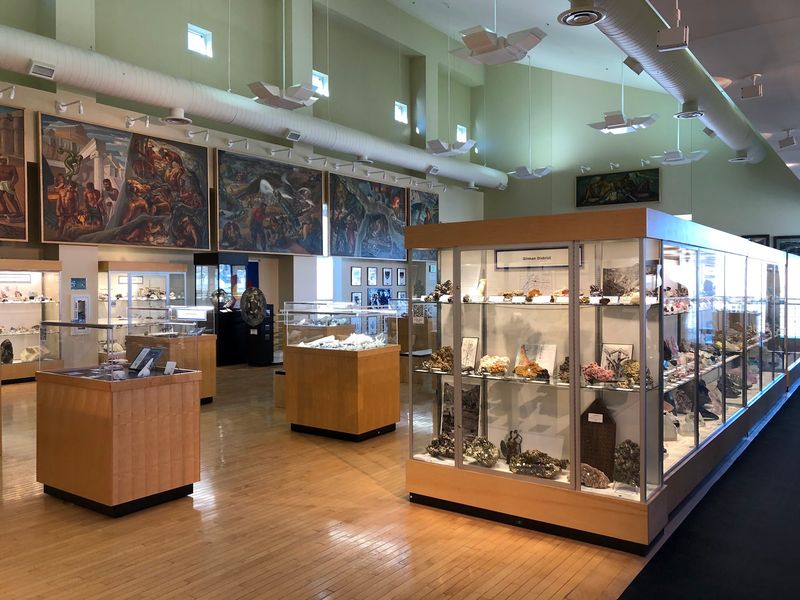
Free entry is the headline here. Mines Museum of Earth Science welcomes visitors without a ticket, though donations are appreciated.
That makes it a friendly option for families watching their budgets.
The museum is open every day of the week. Hours run from 10 AM to 4 PM, Monday through Sunday.
That wide schedule means you can fit it into almost any Colorado trip.
Two floors of exhibits give you plenty to explore. Some visitors say a couple of hours can pass quickly.
Others call it a perfect quick stop, so you can set your own pace.
You will find the museum at 1310 Maple St, Golden, CO 80401. It sits on the campus of the Colorado School of Mines, close to downtown Golden.
After your visit, a walk to nearby shops and restaurants is easy.
A small donation helps keep the doors open for the next visitor. Even a few spare dollars can support the museum and its student staff.
Rocks From Colorado Steal The Spotlight
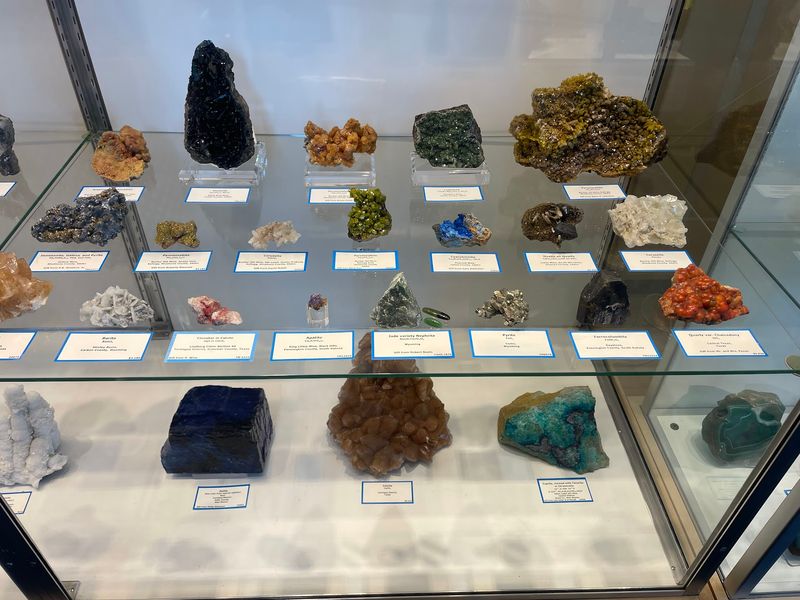
Colorado’s mining past gets plenty of space here. The museum shows minerals found across the state, labeled by location.
That helps newcomers connect each sparkly piece to a real place.
Gold specimens draw a lot of attention. So does rhodochrosite, a rich pink mineral tied to Alma, Colorado.
Seeing these pieces up close beats any picture in a textbook.
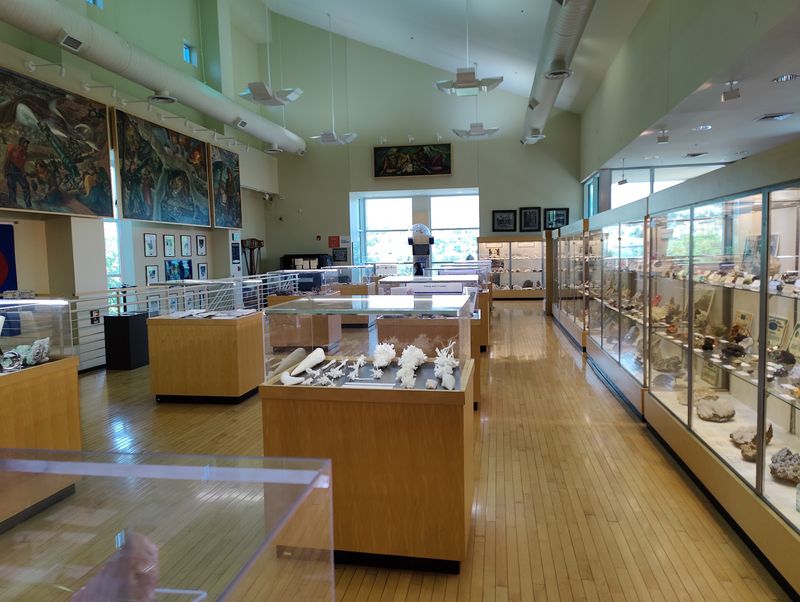
Exhibits are organized by region, which makes comparing minerals simple. You can spot similar colors and shapes from one area to the next.
It feels a bit like a treasure map laid out in glass cases.
Good lighting and clear labels help the experience. Even if you can’t tell quartz from calcite, the signs fill in the blanks.
Take your time and read a few of them.
Colorado earned its reputation through mining, and this gallery explains why. Each specimen carries a story about where it was found and how people used it.
Gems And Minerals From Around The World
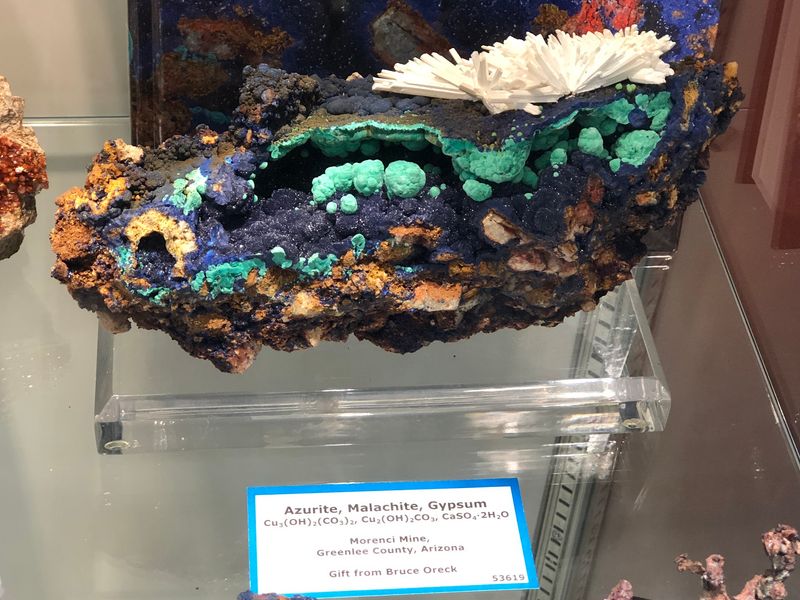
Sparkle is the main theme. The museum shows gems and minerals from far beyond Colorado.
Gems are the most talked-about topic among visitors.
Some displays place a raw stone beside a polished version. That side-by-side look shows how a plain rock becomes a jewel.
It is a simple idea that works really well.
Other displays show how minerals end up in everyday items. You might see a raw specimen, the processed material, and a finished product like a computer part.
Suddenly a rock feels very modern.
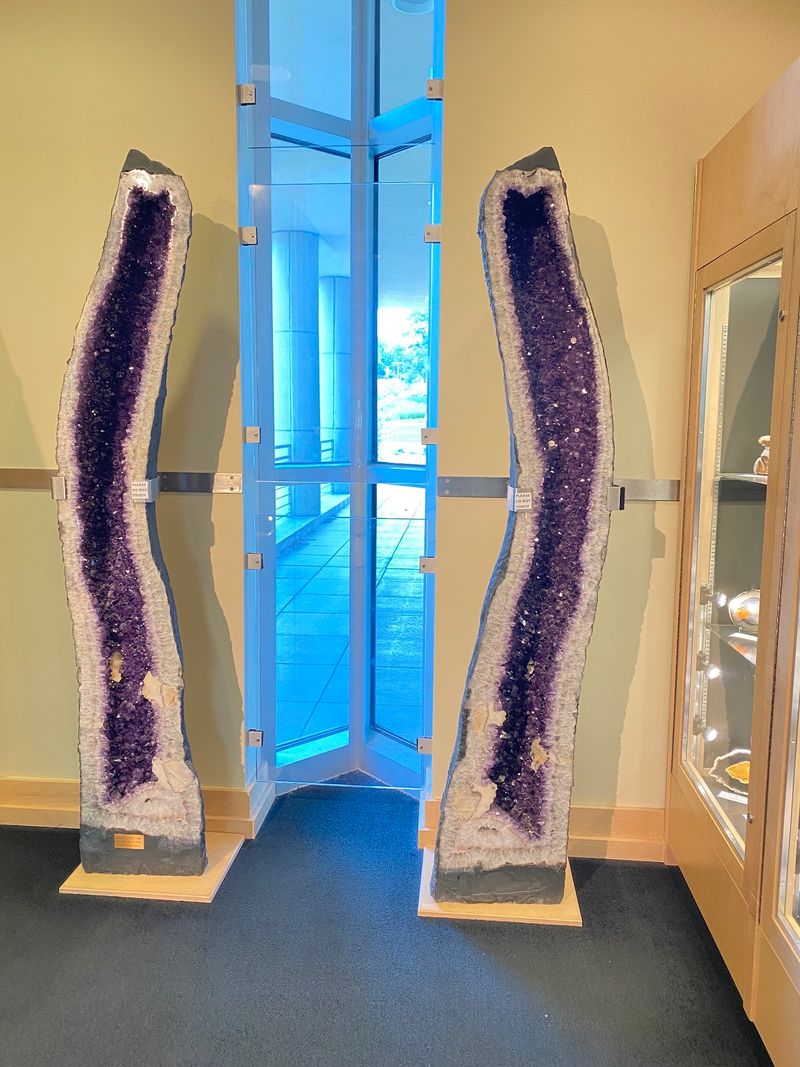
Large specimens add some wow factor. A few are bigger than you might expect for a museum this size.
Stand close, then step back, and watch the colors change.
You don’t have to love geology to enjoy it. Bright colors and odd shapes pull in almost anyone.
Kids tend to point at their favorites right away.
Meteorites, Fossils, And Other Space-Age Surprises
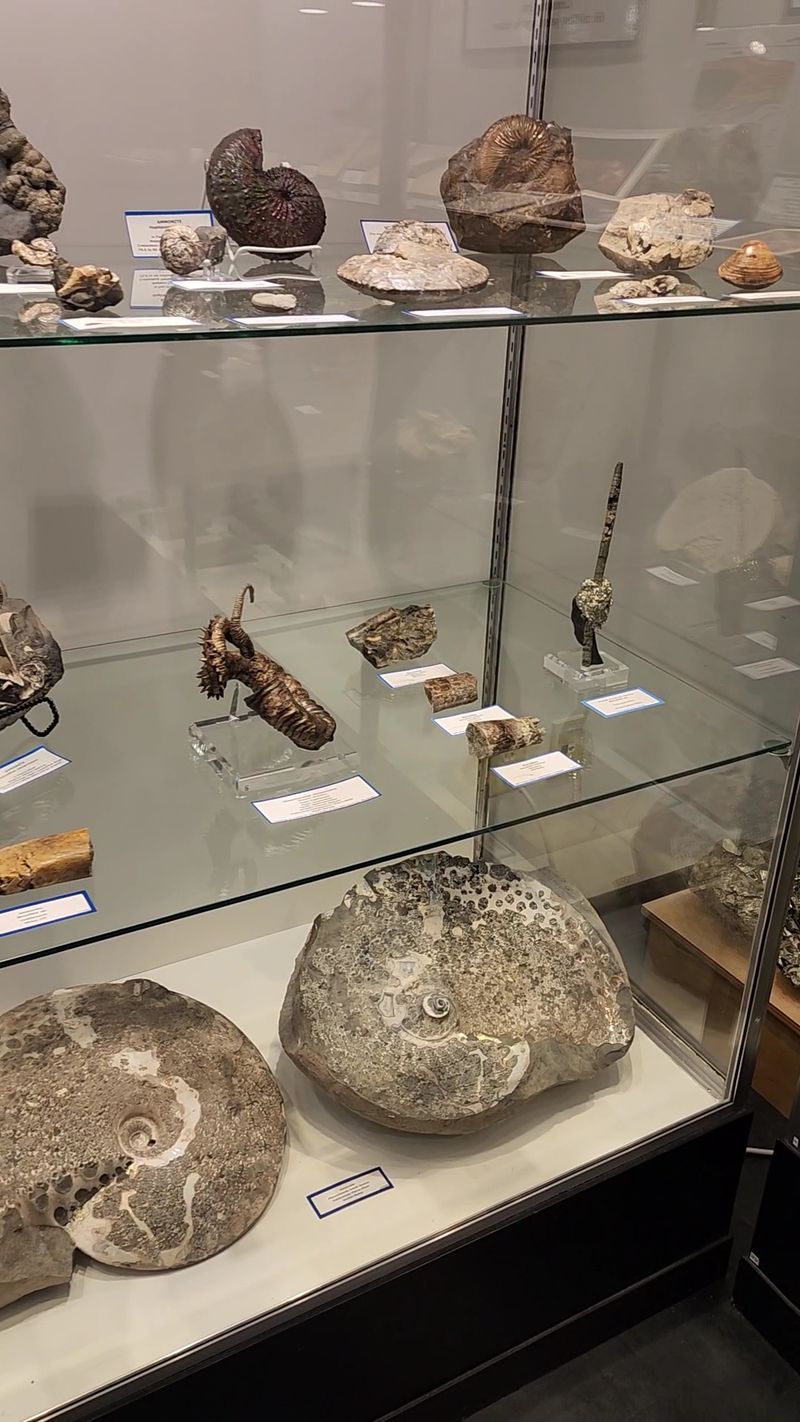
Rocks from space share the stage with ancient life. Meteorites are one of the museum’s popular topics.
Fossils are right behind them.
Meteorites remind you that the solar system is full of travelers. Some of these pieces landed on Earth long ago.
Now they rest in a case where you can study every bump.
Fossil displays show life from deep in the past. Petrified wood is part of the collection too.
It looks like a tree, but it has turned to stone.
Dinosaur bones add another dose of wonder. Kids who love giant creatures will find plenty to stare at.
Adults tend to slow down here as well.
Put the moon rock, meteorites, and fossils together, and you get a quick tour through time and space. It all fits in one visit.
Not bad for a stop that costs nothing to enter.
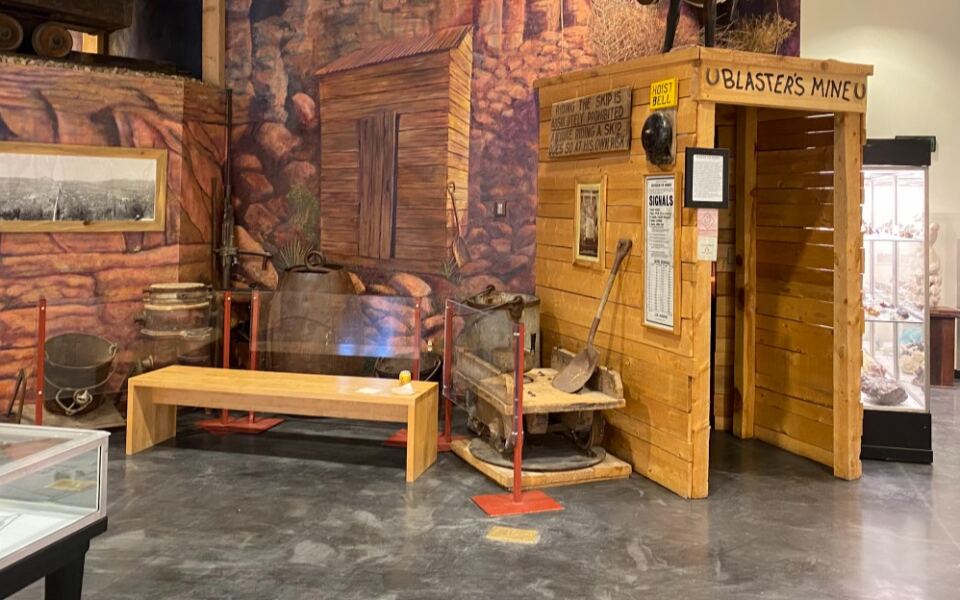
Walk Through A Mine Without Getting Dirty
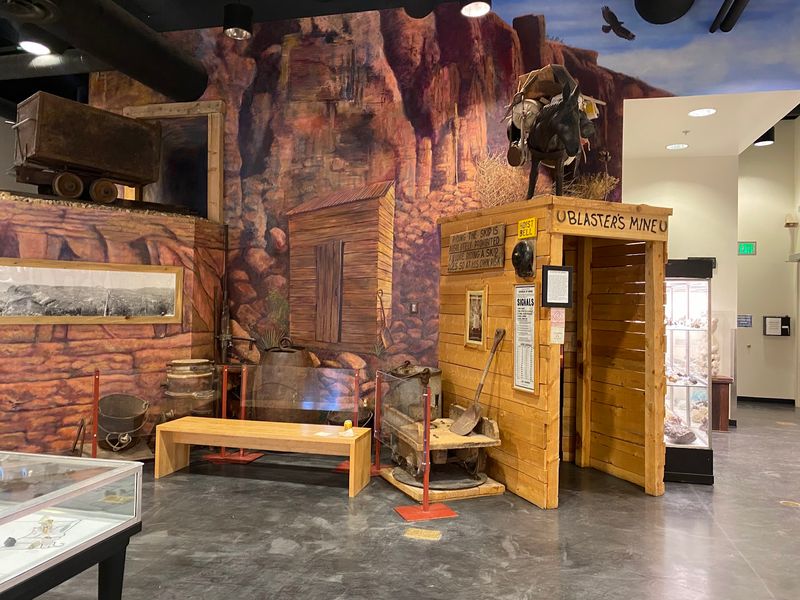
Head downstairs and you will spot a mine entrance. It might look like a play area, but it holds one of the museum’s most interesting exhibits.
Walking through it gives you a feel for underground work.
The exhibit connects with the museum’s focus on mining history. Colorado’s story is tied closely to the rocks beneath it.
The tunnel helps that story feel real.
Kids tend to love it. Adults get something out of it too.
Take a moment to read the displays around the entrance.
Nearby, a kids play area with toys gives little ones a place to move around. Restrooms are on the lower level as well.
That makes the downstairs a handy home base for families.
Fluorescent rocks are another fan favorite. They glow under special light and surprise first-time viewers.
Look for them before you leave.
A Scavenger Hunt Keeps Young Explorers Busy
Kids get a mission when they arrive. The museum offers scavenger hunts that send them searching for specific displays.
Visitors describe them as fun but still a bit of a challenge.
A good hunt turns reading labels into a game. Children look closer and ask more questions.
Parents get a few quiet minutes to enjoy the exhibits too.
The museum suits many ages. Some families say kindergarten and up works best.
Very young children may get restless sooner.
Pair the hunt with the mine entrance and glowing rocks for a full visit. Add the play area downstairs for a break.
Everyone leaves with a story.
Ask at the front desk about the current activities. Offerings can change, so it helps to check in when you arrive.
Then let the kids lead the way.
Parking And Getting Around Golden
Parking is the one part that takes a little planning. The museum is free, but parking is not always.
Metered spots and a campus garage are options, so check signs before you leave your car.
The museum sits close to downtown Golden. That makes it simple to walk over after your visit.
Pairing the two makes a nice half-day outing.
Since the museum is on a college campus, the surroundings feel lively. Students staff the museum and many visitors find them friendly.
A little patience and a smile go a long way.
Arrive earlier in the day if you want more time. Hours end at 4 PM, and the exhibits are worth lingering over.
Some visitors wish they had planned extra hours.
Wear comfortable shoes for the two floors. A slow walk lets you read the signs and spot details.
Take breaks when you need them.
Souvenirs Worth Carrying Home
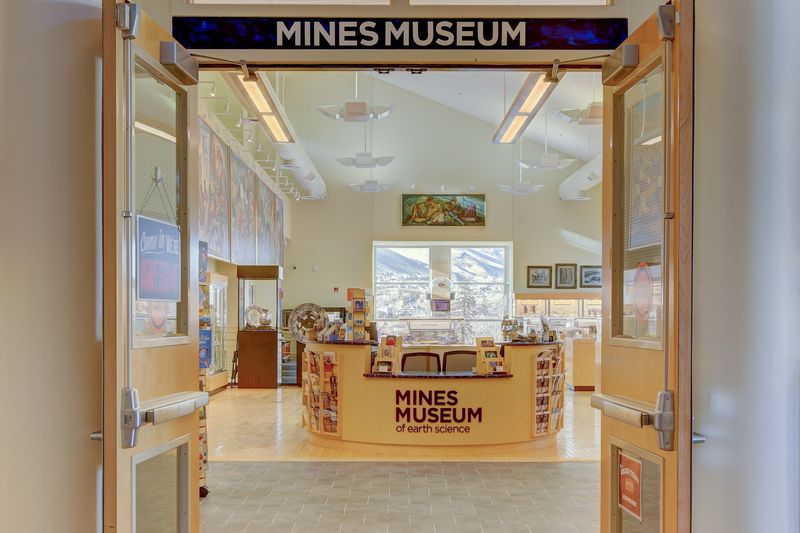
Before you go, stop by the gift shop. It offers rocks, science items, and other fun finds.
Visitors call it beautiful and well stocked.
Merchandise ranges from small keepsakes to science-themed goods. Kids can pick something to remember their hunt.
Adults might grab a gift for a rock-loving friend.
Buying something also helps support the museum. Since entry is free, shop purchases and donations matter.
It is an easy way to say thanks.
Take a last look at your favorite display on the way out. Many visitors say they want to come back.
Some even plan their next trip right away.
Mines Museum of Earth Science in Golden, Colorado, proves that a free stop can still feel big. With a real Apollo 17 moon rock, it is a winner.
Go see it and tell a friend.
Share this story