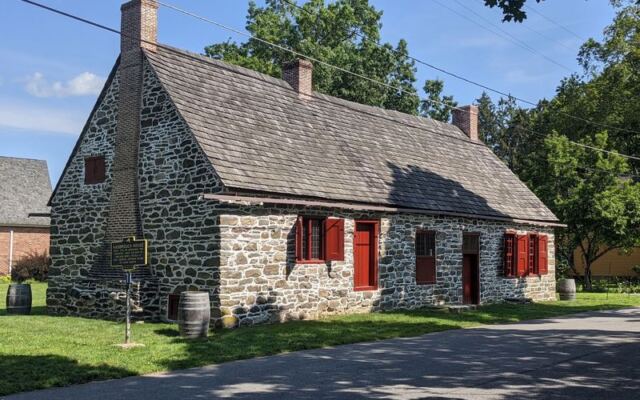
I expected a quick look at a few old buildings, but Historic Huguenot Street pulled me in for far longer than I planned. Tucked into a quiet corner of New York, this street was around before the state itself existed.
Its thick stone houses from the 1700s still stand along the road, and you can walk past them for free. If you love history, a good stroll, or just a surprising afternoon, this place deserves a spot on your list.
A Colonial Village Hiding in Plain Sight
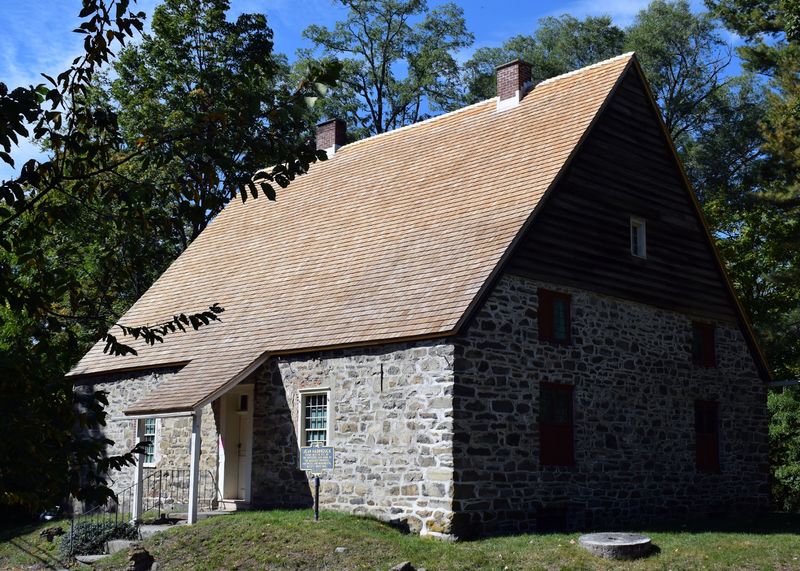
Picture a regular neighborhood, then turn a corner and land in the 1700s. That is the surprise waiting at 81 Huguenot St in New Paltz, New York, where Historic Huguenot Street sits right inside a residential area.
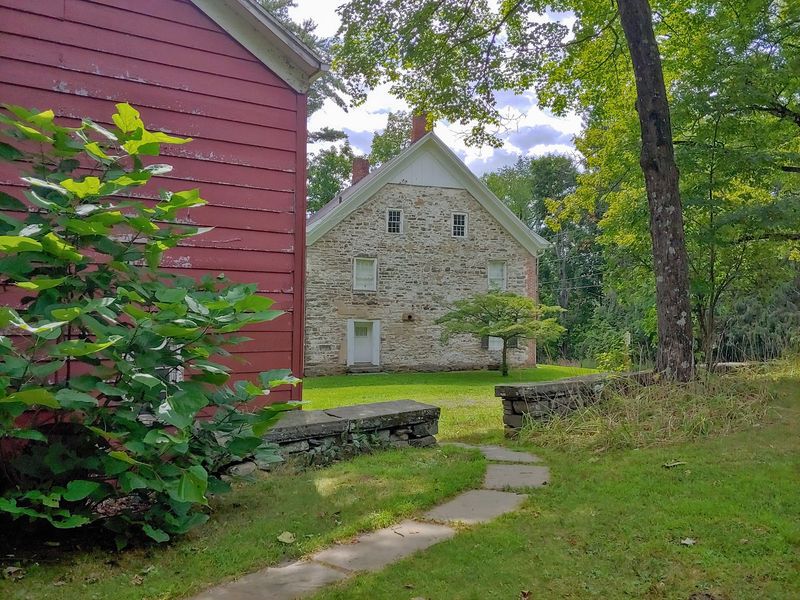
The site is a restored 18th-century settlement. Seven stone houses built by Huguenot settlers line the road, joined by a visitor center, a museum shop, and a historic cemetery.
Living history demonstrations sometimes add extra color to the scene.
One visitor compared it to a mini Williamsburg, and that feels about right in spirit, just smaller and calmer. You will not find crowds pushing past you or loud attractions competing for attention.
Instead, you get a peaceful street where the past simply stands still and lets you look around. It is easy to reach from the center of town, which makes it a natural stop during any day spent exploring the area.
Refugees Who Built Something Lasting
Long before New York became a state, a group of families arrived here looking for a fresh start. They were Huguenots, French Protestants who left France to escape religious persecution.
Here is a fun bit of history: the founders are often called patentees, because they held the land grant that started the town. Guided tours explain their story, and visitors say the tours also cover the lives of enslaved people who lived and worked on these properties.
Some guests have mentioned learning about the Dutch colonial period too, and one recent tour shared history from a decolonization and indigenization perspective.
That wider lens matters. The street is not only about one group of settlers.
It shows how many lives shaped this valley, including Native peoples who were here first. Walking the road, you start to feel how layered the story really is, and how much a single quiet street can hold.
Stone Walls That Refuse to Quit
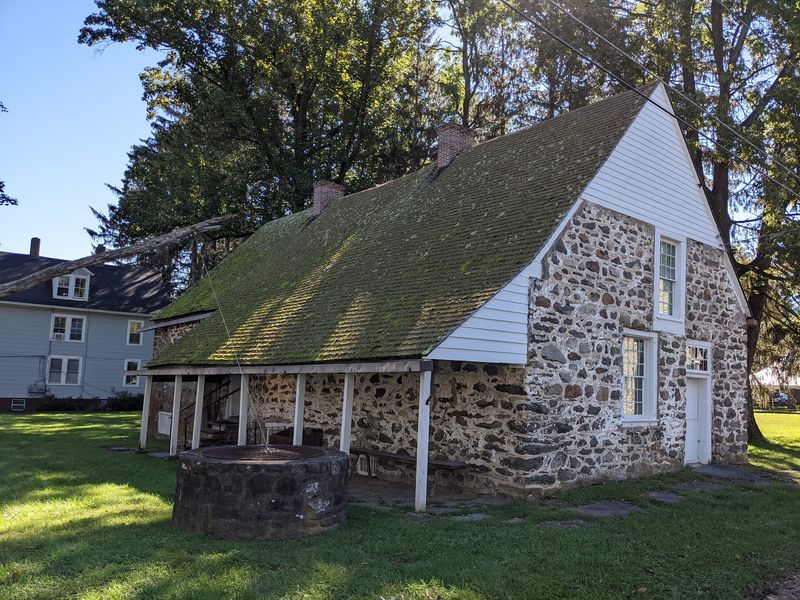
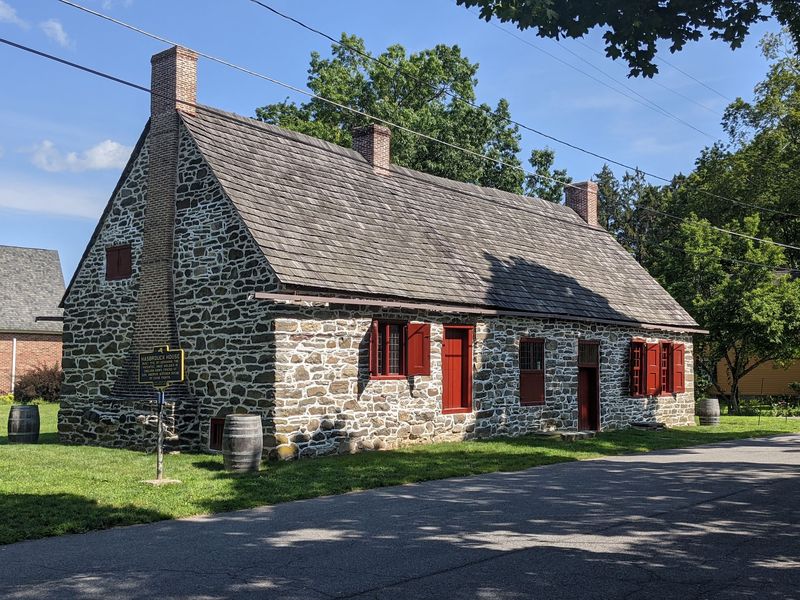
Thick stone walls are the true stars here. Built in the 1700s, these large houses still look impressive today, and visitors keep praising how well preserved they are after so many years.
Each building has its own personality. Written descriptions near the houses explain when each one was built and when rooms or sections were added later, so you can trace how families grew and changed their homes over time.
It turns a simple walk into a bit of detective work.
One honest guest joked that the roofs look newer than the rest, and that the street would feel even older if it were still dirt. Fair point!
Still, the stonework itself carries the weight of history. Run your eyes along the uneven rocks and you can almost imagine the hands that stacked them.
Few places let you stand this close to buildings that have lasted nearly three centuries.
Guided Tours and the Stories Inside
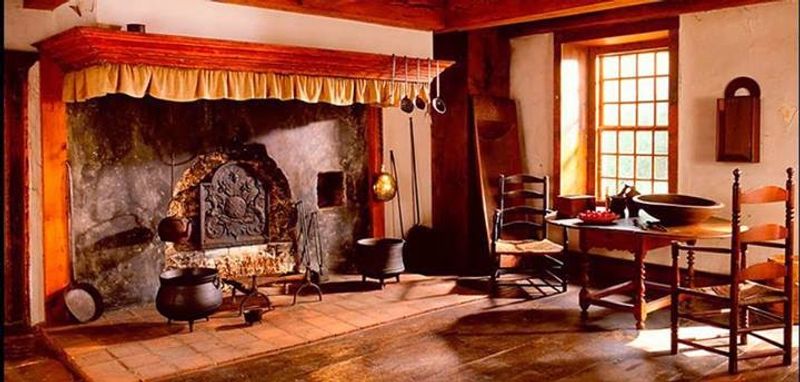
Want to step through the old doorways? You will need a guided tour, since the houses stay closed to walk-in visitors.
Several guests learned this the hard way and wished they had planned ahead.
Those who joined a tour often rave about the guides. Visitors describe them as knowledgeable, patient with slower walkers, and full of detail on history, architecture, and reconstruction work.
One guest mentioned paying $15 for a guided tour, though prices may change, so check the website first.
A tip from past visitors: if your schedule is tight, buy tickets in advance. Tours may not run every time you stop by, and one person found no organized tour when they arrived.
Some tours visit only one house plus a re-created church, so ask what is included. Calling the visitor center at +1 845-255-1660 can help you sort out details before the trip.
Free App, Old Graves, and Self-Guided Wandering
No ticket? No problem.
The street itself is free to stroll, and a free audio tour app lets you explore at your own pace.
Just download it and walk from house to house while it tells the story of each building. One visitor said the full audio tour takes under an hour, and while the audio sometimes jumped ahead, it was easy to fix.
Another family finished their self-guided visit in about an hour to an hour and fifteen minutes.
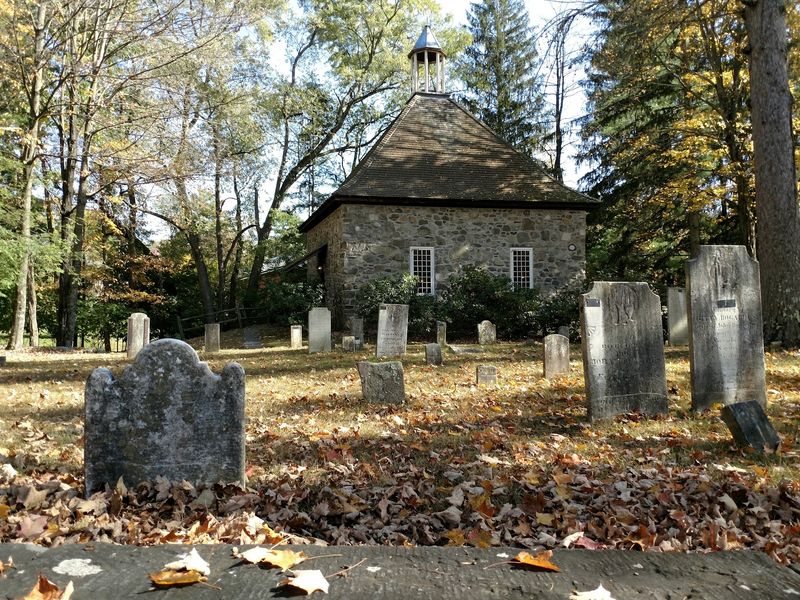
Do not skip the cemetery. Visitors call it a highlight, with gravestones that reach back to very early settlement days.
Going during quiet hours can make it feel especially peaceful. Without a guide, some found the experience a little lighter on detail, yet still worth the walk.
Every house is nicely marked, so even a solo wander gives you a solid sense of the Huguenot story without overwhelming you.
Museum Treasures and Living History Days

Kids especially seem to love the extras. One young visitor raved about the museum’s cool artifacts and climbing inside a Native American wigwam, then promised to come back.
Living history demonstrations and reenactments bring the setting to life on certain days. If you hope to see costumed reenactors, check the official website to find which days they appear, since they are not always on site and a ticket is needed.
One guest admitted expecting more of a full living museum, so timing really matters.
The visitor center and cute gift shop round things out. Wander upstairs, browse the shelves, and pick up something small to remember the day.
Seasonal special events have also popped up over the years, and past guests have called the value excellent. Keeping an eye on the event calendar could turn an ordinary stop into a memorable outing.
Who Will Love It, and Who Might Not
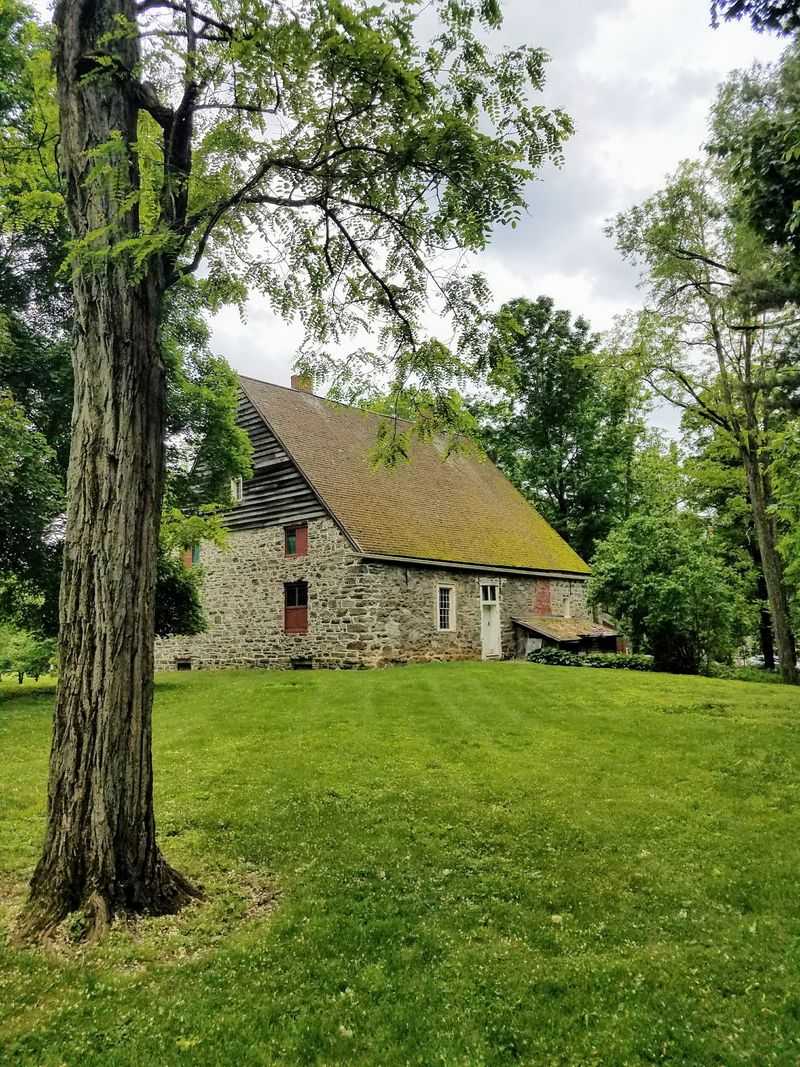
History lovers, rejoice. The calm pace, tidy grounds, and well-kept buildings make this a wonderful spot for a relaxing afternoon of sightseeing.
Families do well here too. One parent said the visit was just long enough to keep screen-loving boys interested, which is high praise.
Hikers often swing by after trails such as Bonticou Crag, and the nearby rail trail makes arriving by bike an easy option. Visitors call it a charming part of a day trip.
Now, some honesty. A few guests felt it was only about six houses and not very different from other old homes around the Hudson Valley, especially when everything was closed without a tour.
If you expect a huge attraction, you may leave wanting more. Come instead for a short, thoughtful visit, and the street rewards you with quiet beauty and plenty to think about.
Weekend Hours, Parking, and a Gentle Verdict
Planning matters most for one reason: the site keeps weekend hours. It opens Saturday and Sunday from 10 AM to 4 PM and stays closed Monday through Friday.
Visitors suggest walking the street rather than driving down it. A parking lot sits nearby, and the bike path offers another friendly way in.
For tour times, tickets, and reenactment dates, visit huguenotstreet.org or call +1 845-255-1660. Plan about an hour for a self-guided loop, and a bit more if you join a tour.
So, is it worth the trip? For most people, yes.
You get centuries-old stone homes, a peaceful cemetery, a free audio tour, and the chance to learn stories that reach well beyond one family line. It may be small, but it lingers in your memory.
Pair it with lunch in town or a hike, and you have the makings of a lovely New York day.
Share this story