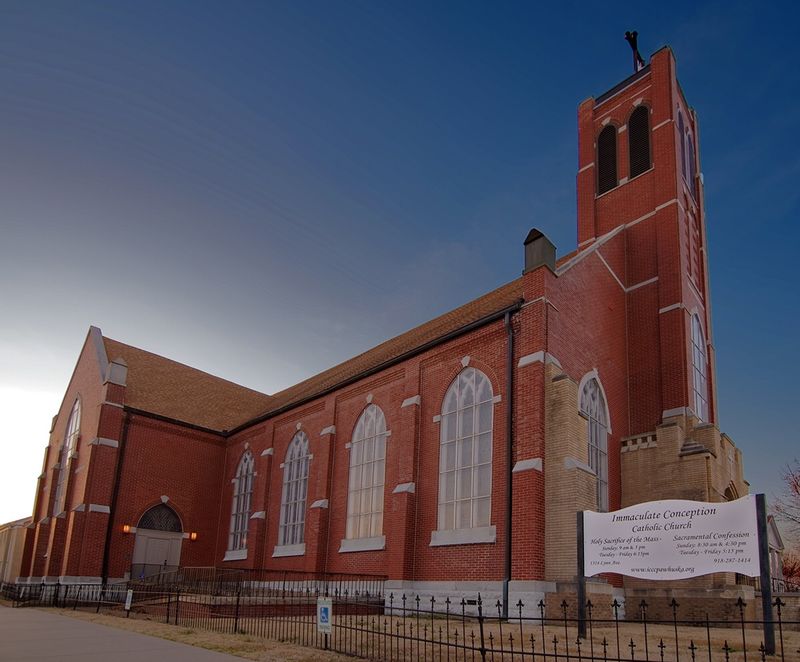
Out on the rolling Oklahoma prairie, where you might expect to find cattle ranches and red dirt roads, a stunning Gothic Revival cathedral rises without warning against the open sky. The Immaculate Conception Catholic Church in Pawhuska is one of those rare places that stops you mid-sentence and makes you reconsider everything you thought you knew about small-town Oklahoma.
With its soaring stone arches, world-class stained glass windows, and deep ties to the Osage Nation, this church is far more than a local landmark. It is a living piece of American history that deserves a place on every road-tripper’s radar.
A Prairie Landmark With a Towering Presence
Few buildings in Oklahoma command attention the way the Immaculate Conception Catholic Church does. Perched in Pawhuska at 1314 Lynn Ave, this Gothic Revival structure rises from the surrounding landscape with a confidence that feels almost theatrical against the flat Oklahoma horizon.
Pawhuska itself sits in Osage County in northeastern Oklahoma, a small city of fewer than four thousand people that has quietly held onto some of the most remarkable history in the entire state. The church anchors the community in a way that goes beyond religion or architecture.
From the street, the building’s vertical lines pull your eyes skyward. The pointed arches, the stone facade, and the bell tower all work together to create something that looks like it was airlifted from a European city center and set down gently on the Oklahoma plains.
For first-time visitors, the sheer unexpectedness of encountering this structure in a small prairie town is half the experience. The church holds a 4.8-star rating across more than 114 reviews, which tells you that the surprise lands well every single time.
The History Rooted in Faith and the Osage Nation
The story behind this church is inseparable from the story of the Osage people. Catholic missionaries arrived in the Osage territory in the nineteenth century, and the relationship that developed between the church and the Osage Nation shaped everything about how this building was eventually built and decorated.
The Osage were forcibly relocated to northeastern Oklahoma from Kansas in the 1870s, and Pawhuska became the seat of Osage tribal government. The Catholic mission that grew alongside the community carried the weight of that history, and the church that stands today reflects a genuine, if complicated, spiritual partnership between European religious traditions and the Indigenous people of this land.
What makes this history feel alive rather than merely archived is how deliberately it was woven into the fabric of the building itself. The stained glass windows, which draw visitors from across the country, were designed with that relationship in mind.
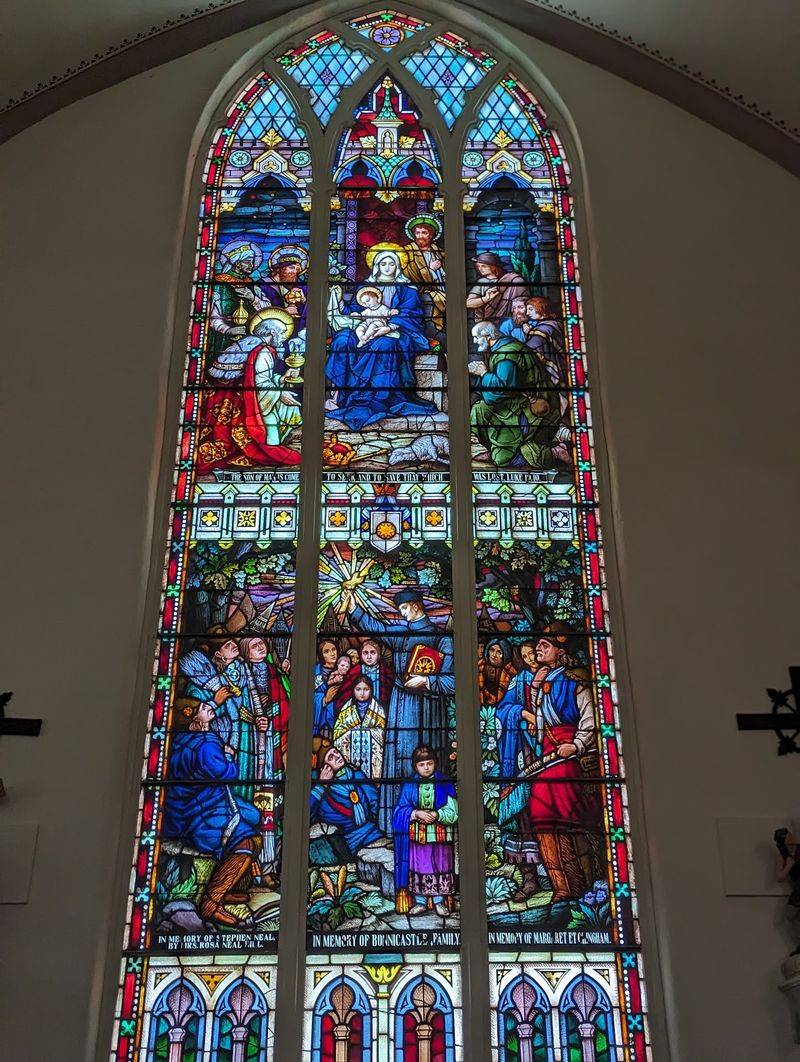
Representations of different Native American tribes appear within the windows, and those depictions were reportedly approved by the Pope at the time they were created. That papal connection gives the windows a significance that extends well beyond Pawhuska.
German Stained Glass That Rivals the Vatican
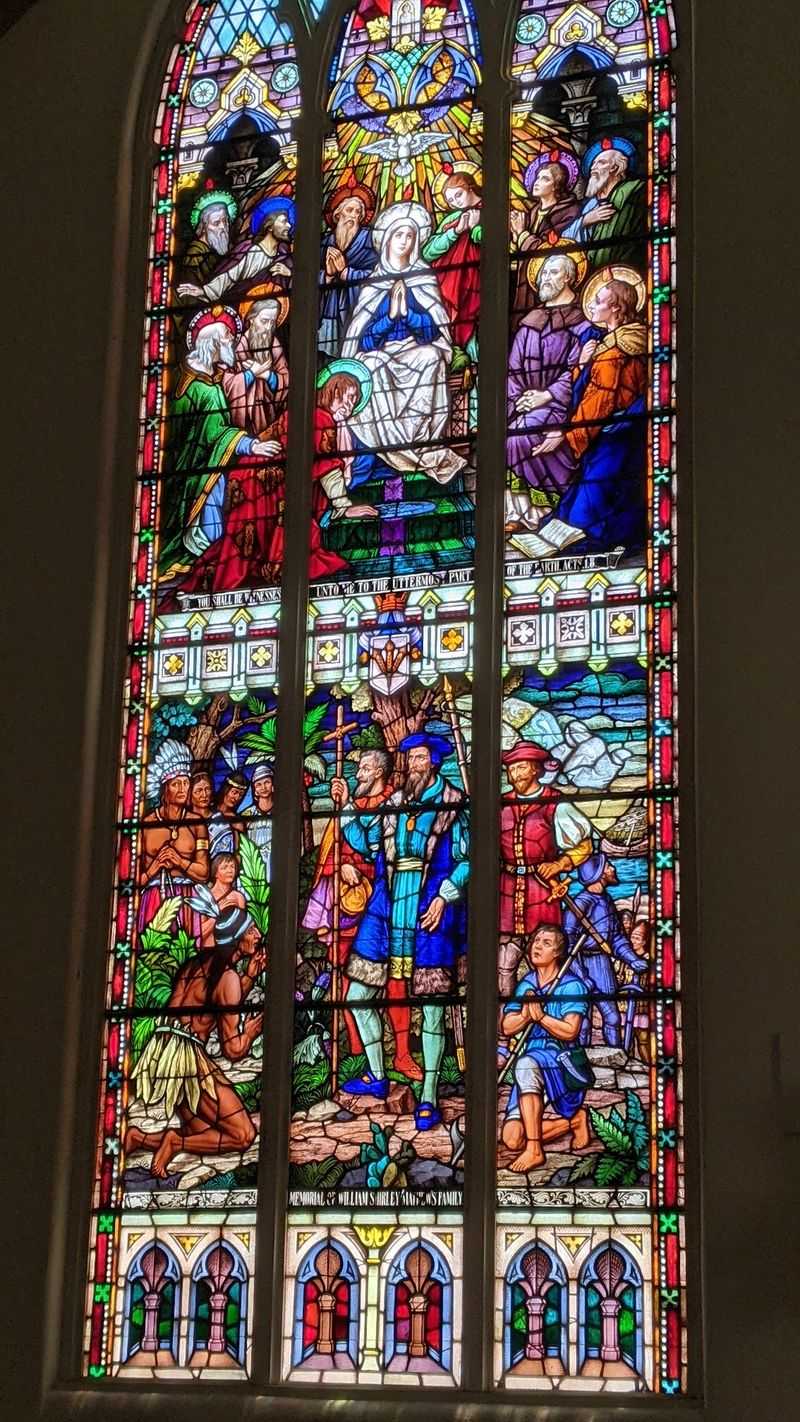
The stained glass windows are the undisputed centerpiece of any visit to Immaculate Conception Catholic Church, and the craftsmanship behind them is genuinely extraordinary. The windows were created by a German glass company in the early twentieth century, and that same company has decorated the Vatican and cathedrals throughout Europe.
Knowing that Pawhuska, Oklahoma shares a glassmaker with some of the most celebrated sacred spaces in the world is the kind of detail that makes you stop and read that sentence twice. The colors are saturated and luminous, and the figures within each panel carry a level of detail that photographs simply cannot capture.
Each window tells a story, and understanding those stories is what elevates a casual visit into something genuinely moving. The panels depict biblical scenes alongside representations of Indigenous people, creating a visual narrative that is unlike anything found in most American churches.
The interplay of light through the glass changes throughout the day, giving the interior a quality that feels almost cinematic. Visitors consistently note that seeing the windows in person is a completely different experience from viewing photos online, and that assessment holds up completely.
The Stations of the Cross and Interior Craftsmanship
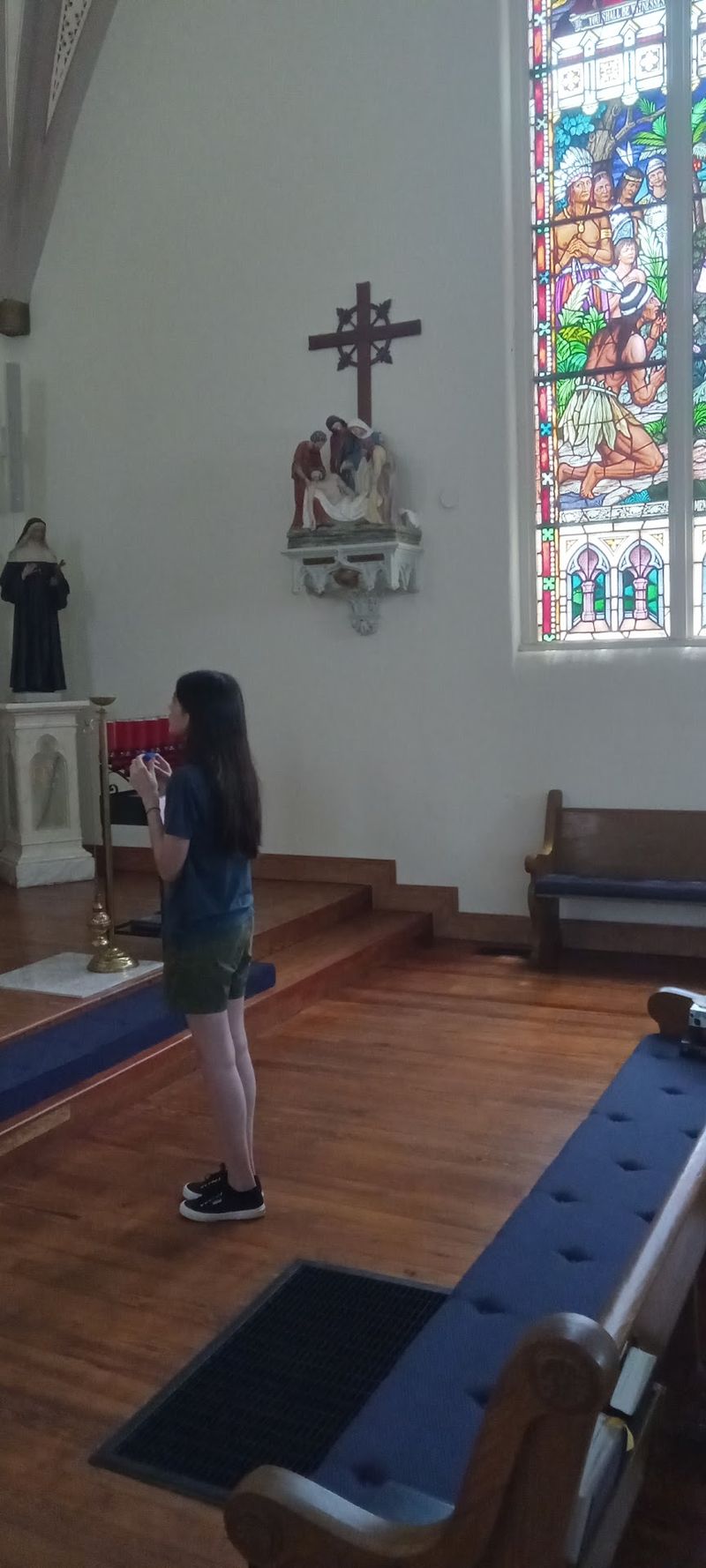
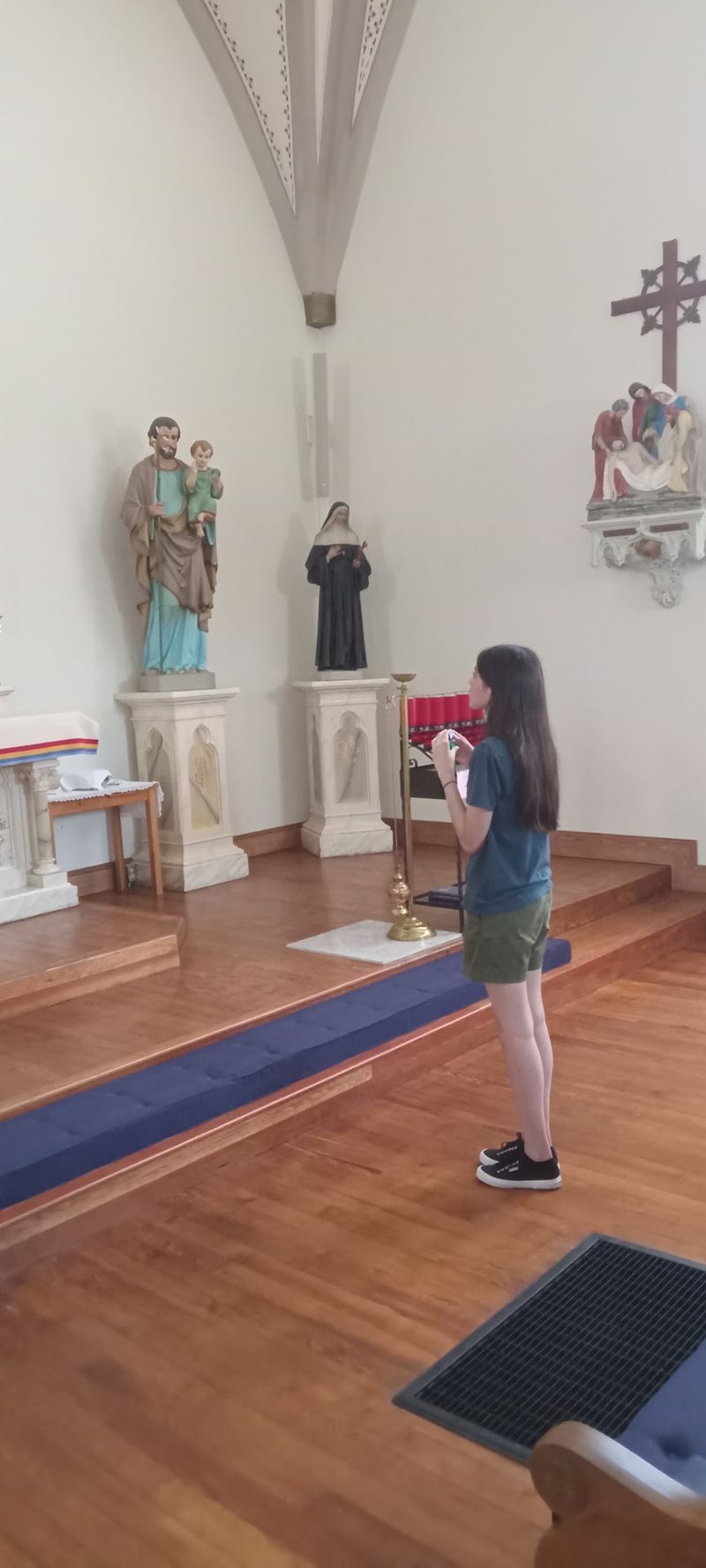
Beyond the stained glass, the interior of Immaculate Conception rewards careful attention at every turn. The Stations of the Cross displayed along the walls are rendered with remarkable detail, offering a devotional experience that also functions as a lesson in sacred art.
Each station is carefully crafted, and the figures within them carry an expressiveness that pulls the viewer in rather than keeping them at a respectful distance. For visitors who are not Catholic, the artistic quality alone makes studying each station worthwhile.
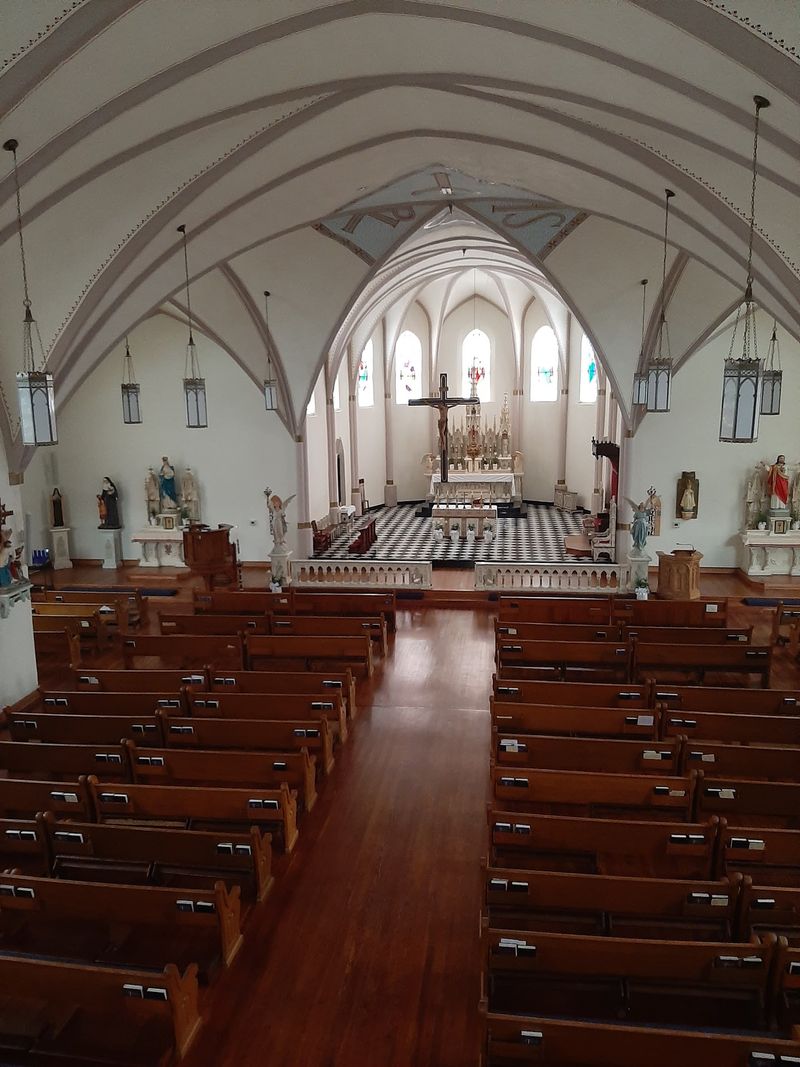
The wood flooring runs throughout the nave, warm and worn in the way that only decades of use can produce.
Several visitors have mentioned that the wood floors reminded them of childhood churches, triggering a kind of nostalgic comfort that has nothing to do with denomination. That sensory detail, the creak and warmth of old hardwood underfoot, adds texture to a space that already has plenty of visual richness to absorb.
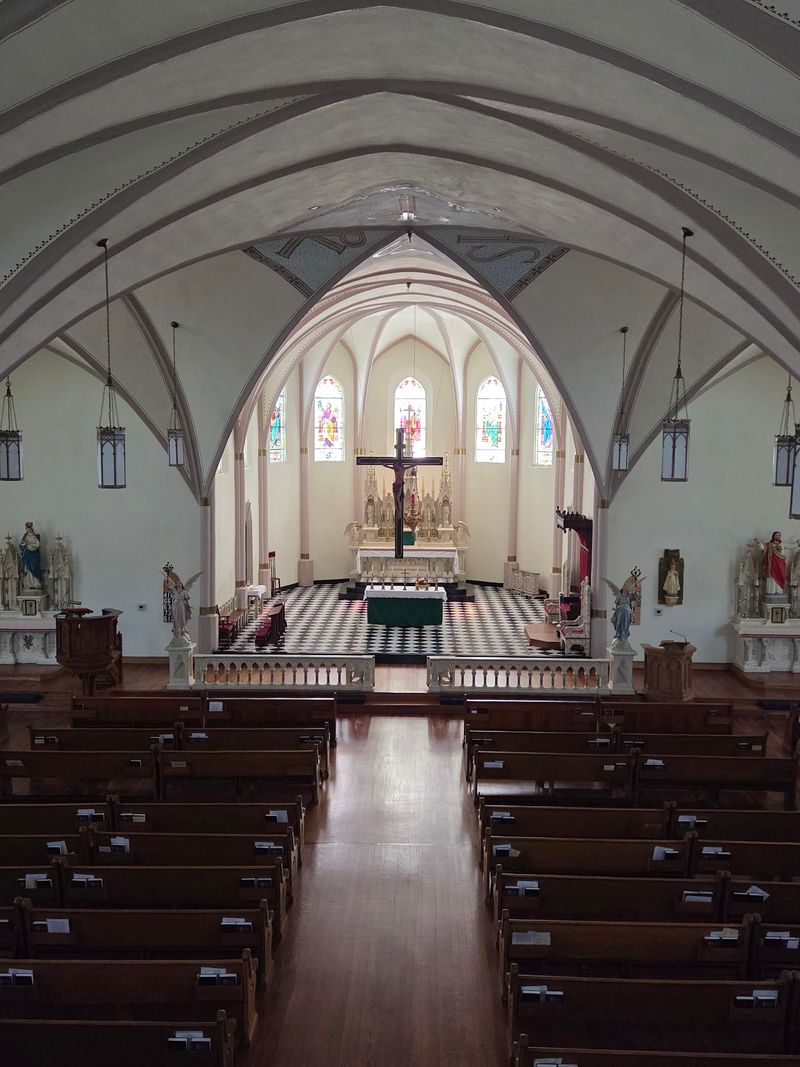
The overall interior design strikes a balance between grandeur and intimacy. The building is not enormous by cathedral standards, but every surface has been considered, making the space feel full without ever feeling cluttered or overwhelming.
The Bell Tower and Exterior Architecture Up Close
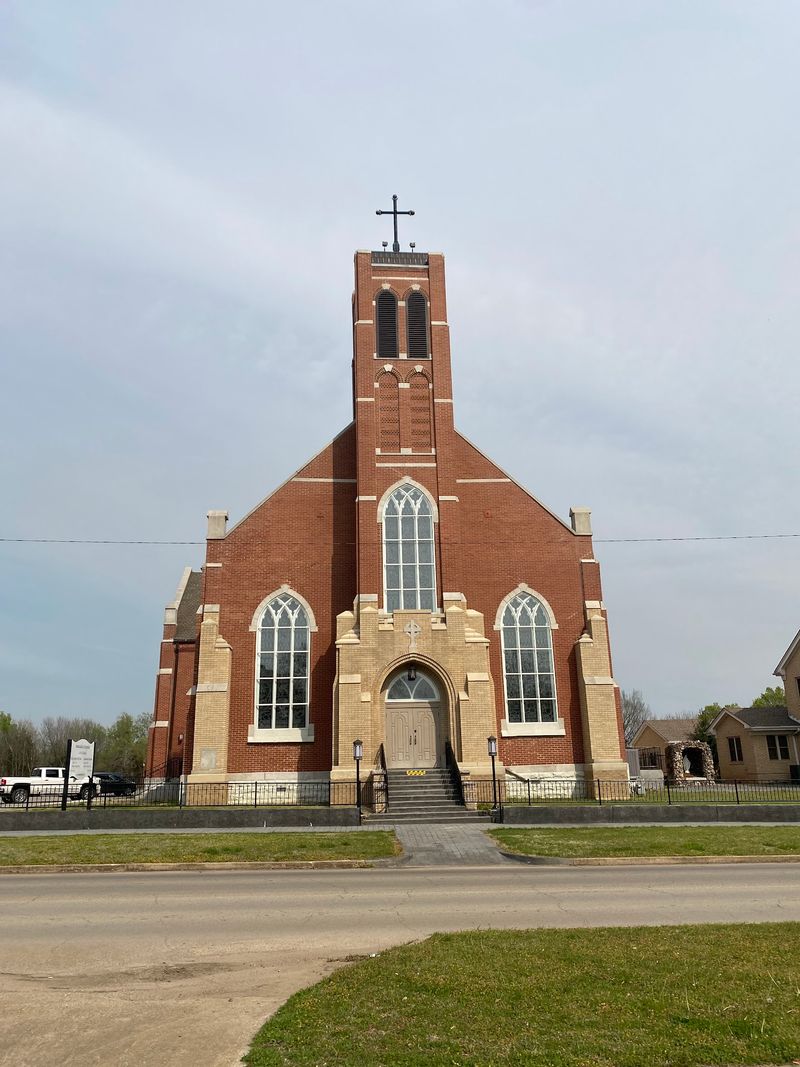
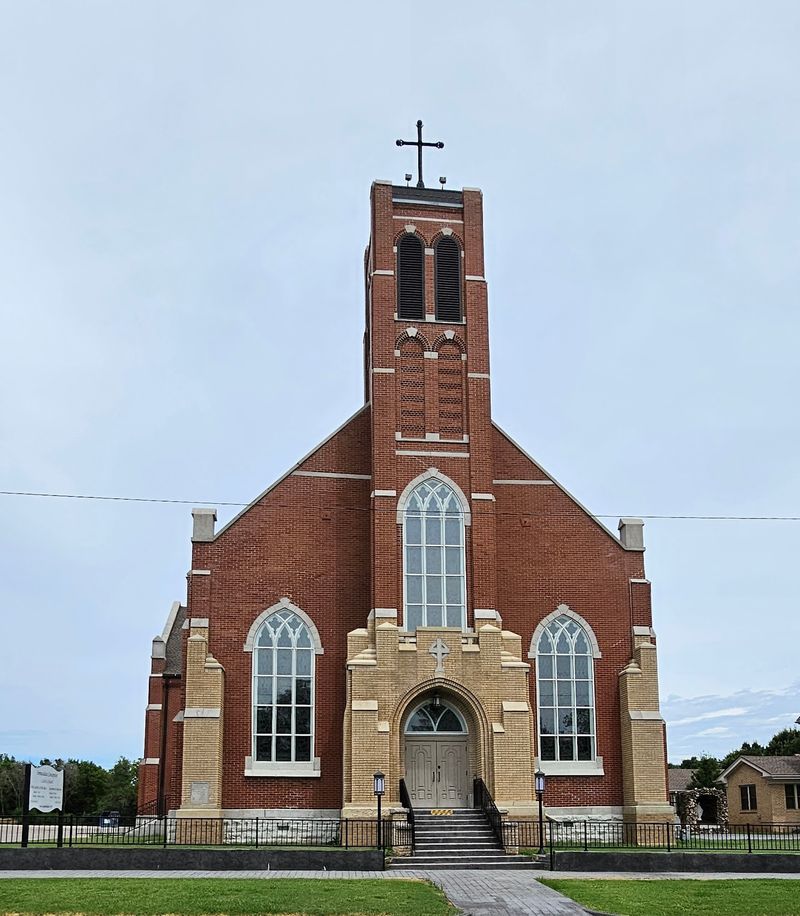
Getting up close to the exterior of Immaculate Conception Catholic Church reveals layers of architectural detail that are easy to overlook from a passing car. The bell tower rises with a clean confidence, its proportions carefully balanced against the nave and side walls below.
For residents who grew up in Pawhuska, the church bells were a kind of unofficial town clock. One longtime local recalled that the daily instruction from parents was to be home by the time the church bells rang, which speaks to how deeply this building was woven into the rhythm of daily life for generations of families.
The stonework on the facade features the pointed arches and vertical emphasis that define Gothic Revival architecture, a style that was popular in American church construction during the late nineteenth and early twentieth centuries. The building’s silhouette against the prairie sky is particularly striking in the early morning and late afternoon, when the light catches the texture of the stone and throws the carved details into sharp relief.
Walking the perimeter before entering gives you a chance to appreciate the scale and craftsmanship before the interior takes over completely.
Guided Tours and the Story Barbara Tells
A self-guided walk through the church is rewarding on its own, but the guided tour is where the full depth of this place comes into focus. A volunteer named Barbara leads tours on Fridays and by appointment, and her knowledge of the church’s history is encyclopedic.
Barbara ranches west of Pawhuska and gives her time to sharing the stories behind each window, each station, and each architectural choice. Visitors who have experienced her tours consistently describe the experience as something that transformed their understanding of the building entirely.
The stories behind each window are told with care and context, and without that narrative layer, you can admire the glass without truly understanding what you are looking at.
To schedule a tour with Barbara, the church office asks for roughly a week’s notice. The best approach is to call the office on a weekday morning at 918-287-1414.
Tours last approximately one hour, which is the right amount of time to move through the space without rushing. For anyone visiting Pawhuska with even a passing interest in history, art, or sacred architecture, booking that tour ahead of time is the single most important piece of planning you can do before the trip.
Native American Iconography Woven Into Sacred Glass
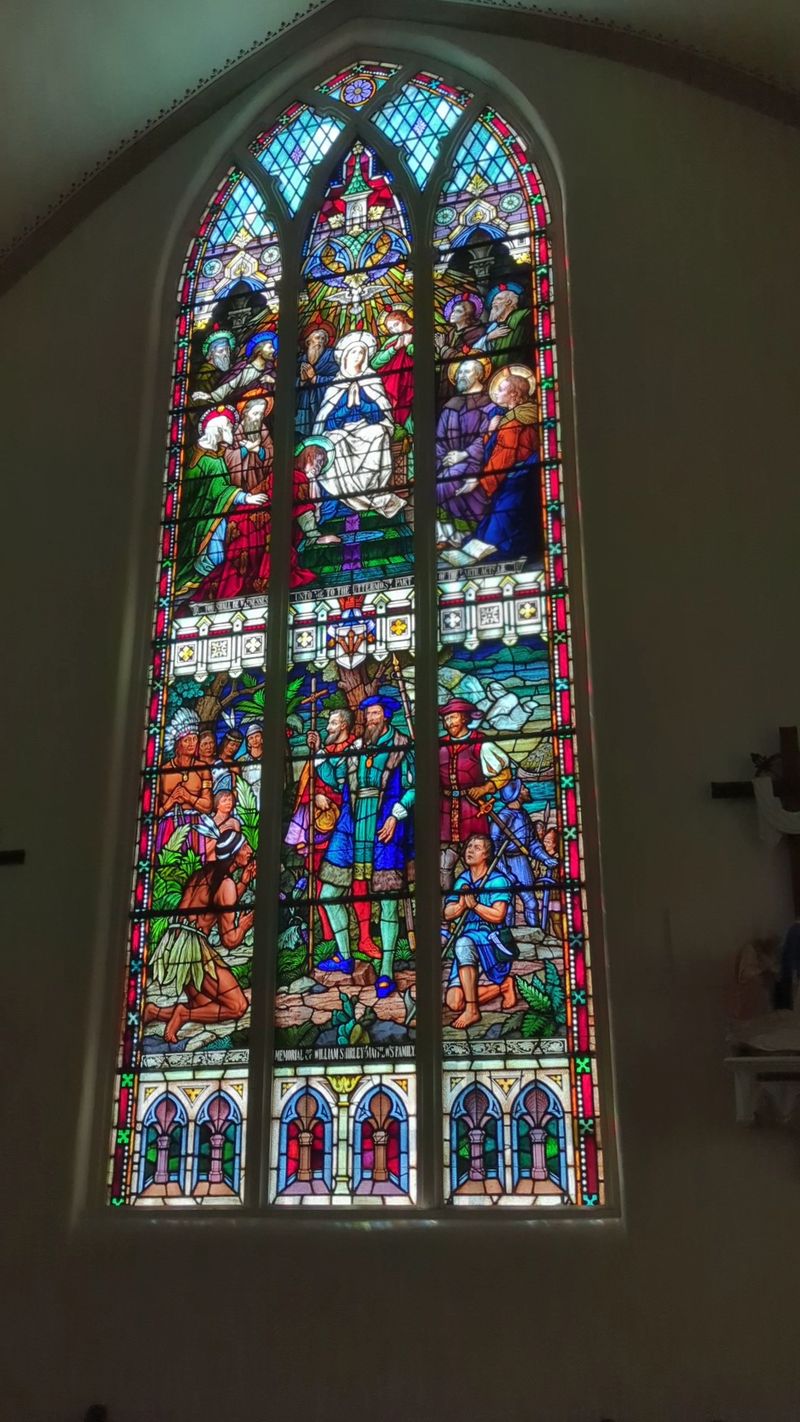
One of the most distinctive and historically significant features of the Immaculate Conception stained glass collection is the inclusion of Native American imagery within the panels. Representations of different Indigenous tribes appear in the windows, making this one of the very few Catholic churches in the United States where Native iconography has been formally incorporated into the sacred art program.
The fact that these depictions received papal approval at the time of their creation adds a layer of institutional significance that is genuinely rare. The windows do not treat Native imagery as decoration or curiosity.
Instead, the figures are given the same reverence and visual weight as the biblical characters depicted alongside them.
For visitors connected to the Osage Nation or other Indigenous communities, the windows carry a personal resonance that goes well beyond architectural appreciation. For everyone else, they offer a window into a specific moment in American religious history when the Catholic Church in this region was actively engaged with the Indigenous people of the Oklahoma territory.
The result is a collection of sacred art that is simultaneously European in technique and deeply American in subject matter, a combination that exists nowhere else quite like this.
The Atmosphere Inside and Who Feels at Home Here
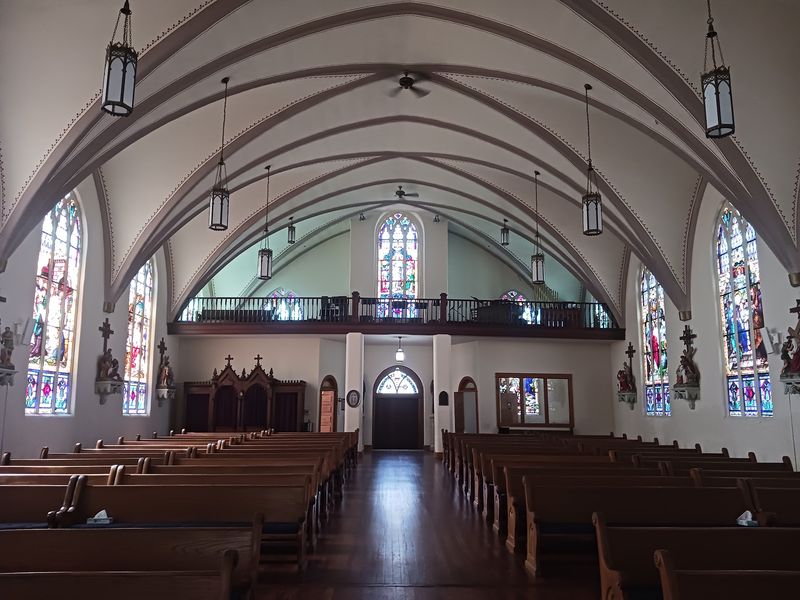
There is a particular quality to the air inside Immaculate Conception that is hard to put into words without sounding dramatic. The combination of filtered colored light, old wood, and stone creates an atmosphere that is simultaneously hushed and alive, the kind of quiet that feels inhabited rather than empty.
History enthusiasts, art lovers, architecture buffs, and people of faith all find something to connect with here. The church does not demand a particular background or belief system to be appreciated.
Visitors have described the experience of entering as profound, and that word gets used often enough that it starts to feel accurate rather than hyperbolic.
Sunday Mass is held from 8:30 to 10 AM, and attending a service adds a completely different dimension to the visit. The church fills with sound and community in a way that transforms the space from a museum-like setting into a living, breathing congregation.
Whether you come for the art, the history, the architecture, or the spiritual experience, the building meets you where you are. That quality of open welcome is something visitors mention repeatedly, and the warmth of the staff and parishioners reinforces it from the moment you arrive.
Pawhuska as a Destination Beyond the Church
A visit to Immaculate Conception fits naturally into a broader exploration of Pawhuska, which has quietly become one of the more compelling small-town destinations in Oklahoma. The city carries a layered identity: it is the capital of the Osage Nation, a hub of regional ranching culture, and the hometown of the Pioneer Woman, Ree Drummond, whose mercantile and restaurant draw visitors from across the country.
The downtown area has a genuine character that rewards slow walking. Historic storefronts, the Osage Nation Museum, and the surrounding Osage Hills landscape give the town a depth that is easy to underestimate from a highway sign.
During the Christmas season, the downtown area is lit up with notable warmth, and the church itself takes on a particular beauty during the Christmas night vigil, when the stained glass windows glow against the winter dark and the wood interior feels especially intimate. Pawhuska sits about an hour northwest of Tulsa, making it a very manageable day trip from northeastern Oklahoma or a worthwhile overnight stop for anyone driving through the region on a longer road trip through the state.
Planning Your Visit: Hours, Tours, and Getting There
Getting the timing right is the key to a satisfying visit to Immaculate Conception Catholic Church. The church office is open Tuesday through Friday from 9 AM to noon, and those are the hours during which you can reach a staff member by phone at 918-287-1414.
The office is closed on Mondays and Saturdays.
Sunday Mass runs from 8:30 to 10 AM, which is the best window for attending a service. Guided tours happen on Fridays and by appointment, and calling ahead is strongly recommended rather than showing up and hoping for availability.
One visitor learned the hard way that tour guide volunteers can be unavailable without notice, so a confirmed appointment is well worth the extra planning step.
The church’s website at pawhuskaiccc.org carries updated tour information, and checking it before your trip takes about two minutes. The address is 1314 Lynn Ave, Pawhuska, OK 74056, and the building is easy to find in a town the size of Pawhuska.
Admission to tour the church is not a commercial transaction in the traditional sense, so come prepared to be respectful of the space and the community that keeps it open to visitors. This is, first and foremost, an active parish.
Share this story