Ohio has a way of hiding its most unforgettable places in plain sight, and few spots prove that better than a sprawling former asylum tucked into the hills of southeastern Ohio. What starts as a peaceful walk through a gorgeous historic campus can quickly shift into something far more unsettling, in the best possible way.
The grounds carry more than a century of layered history, eerie legends, and architectural beauty that stops you mid-step. If you have ever wanted to feel genuinely creeped out while also being completely awestruck, this is the Ohio trail you need to take.
The Ridges and Its Place in Athens
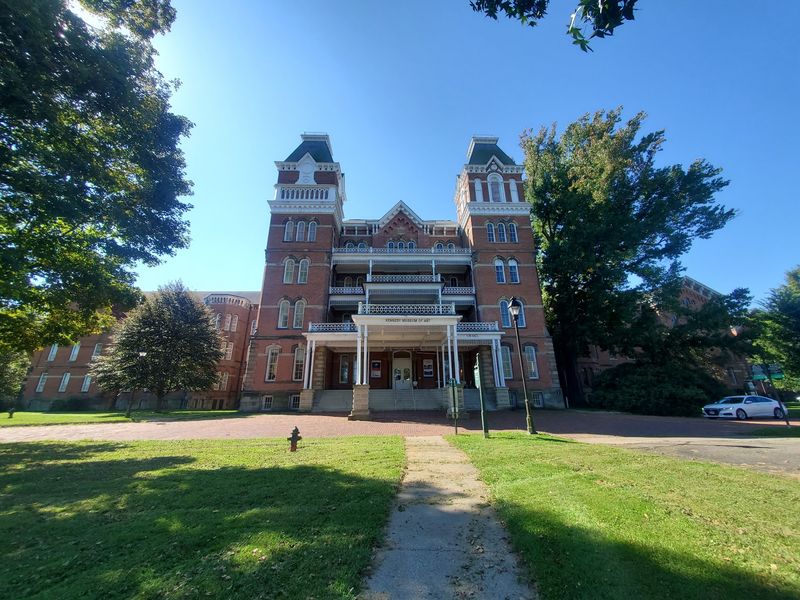
Perched on a hillside overlooking Ohio University’s campus in Athens, The Ridges is one of the most striking and storied complexes in the entire state. Originally opened in 1874 as the Athens Lunatic Asylum, the property operated as a mental health institution for well over a century before finally closing its doors in 1993.
What remains today is a sprawling collection of Italianate brick buildings that feel frozen somewhere between grandeur and abandonment.
Athens itself is a college town with deep roots in Ohio’s Appalachian foothills, and The Ridges sits just beyond the main campus like a quiet giant watching over the valley below. Ohio University now manages the property, repurposing several buildings for academic and arts use while preserving the historic character of the grounds.
The address is Ridges Building 4, 118 Ridges Cir, Athens, OH 45701, and it is reachable by car or on foot from the main campus.
For Ohioans who love a destination that makes them ask “wait, this exists right here in our state?”, The Ridges delivers that feeling the moment it comes into view. The sheer scale of the complex, combined with its layered history, makes it feel like a place that belongs in a gothic novel rather than southeastern Ohio.
A Century of Mental Health History
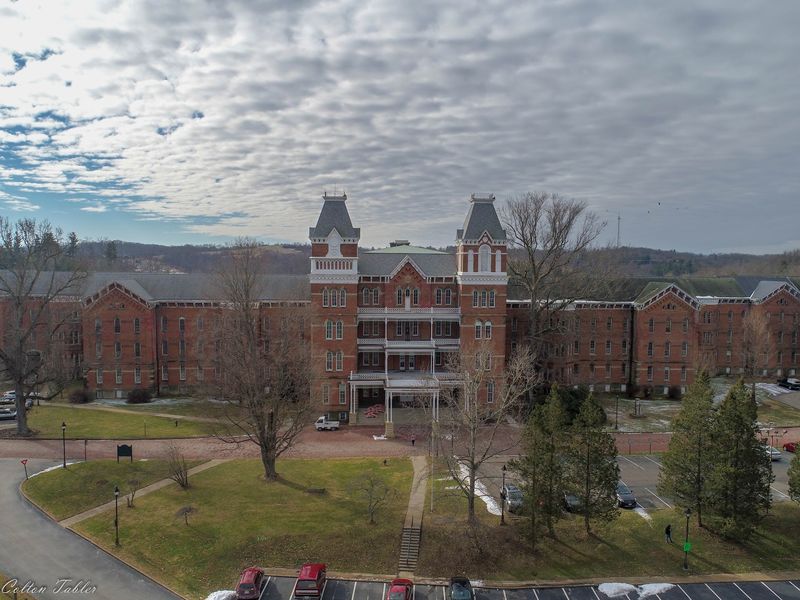
Few buildings in Ohio carry the weight of history quite like The Ridges. When it opened in 1874, the facility was built on the Kirkbride Plan, a then-progressive philosophy that believed a beautiful, structured environment could actually help patients recover.
The design was intentional and humane for its era, with long wings radiating out from a central building to maximize light and fresh air for residents.
Over the decades, the institution evolved alongside changing attitudes toward mental health care in America. At its peak, the population on the grounds reached into the thousands, and the self-sufficient campus included farms, workshops, and its own power plant.
Visitors who walk the grounds today are essentially tracing the footsteps of generations of patients and staff who lived and worked there across more than a century.
By the time Ohio University took over the property after the 1993 closure, many of the buildings had fallen into various states of disrepair. The transition from asylum to academic use has been gradual, and some sections of the complex remain in a raw, time-worn state that makes the history feel very present.
Learning even a fraction of what happened here transforms an ordinary walk into something genuinely thought-provoking.
The Architecture That Stops You Cold
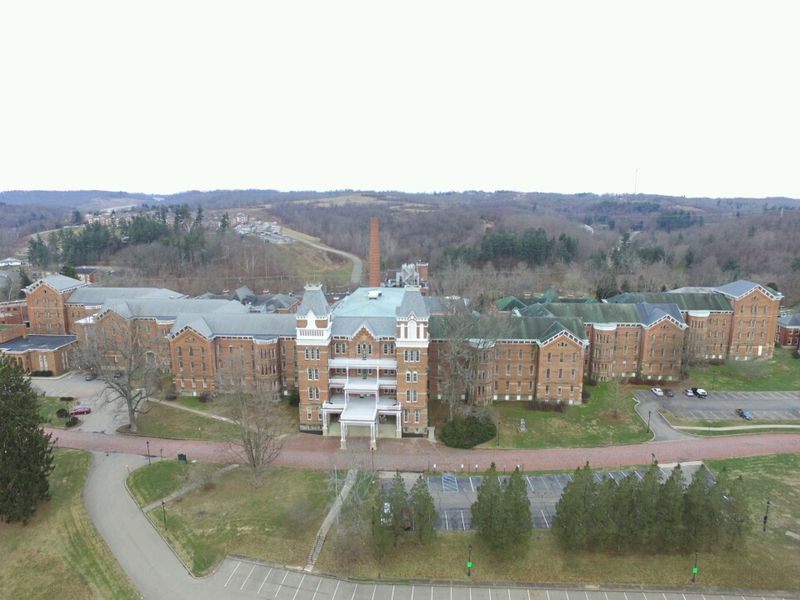
Even if the history did not exist, the buildings alone would make the trip worthwhile. The Ridges features what visitors often call “Athens Block” brickwork, a distinctive local masonry style that gives the structures a rugged, handcrafted solidity you simply do not see in modern construction.
The main building’s arched windows, decorative cornices, and symmetrical wings create a silhouette that feels simultaneously beautiful and foreboding.
Walking the perimeter of the main structure, you get a sense of just how enormous the complex really is. Visitors consistently mention that even driving around the property takes a surprising amount of time, let alone exploring on foot.
The scale is almost disorienting when you realize that every wing, every corridor, and every outbuilding was once part of a fully functioning community.
Preservation efforts have kept the most prominent facades intact, and Ohio University has worked to stabilize key structures over the years. Some areas show the honest wear of time, with weathered brick and overgrown edges that add to the atmosphere rather than detract from it.
Photographers in particular tend to find the buildings endlessly compelling, with textures and angles that reward careful framing at any time of day.
The Onsite Cemetery and Its Quiet Legends
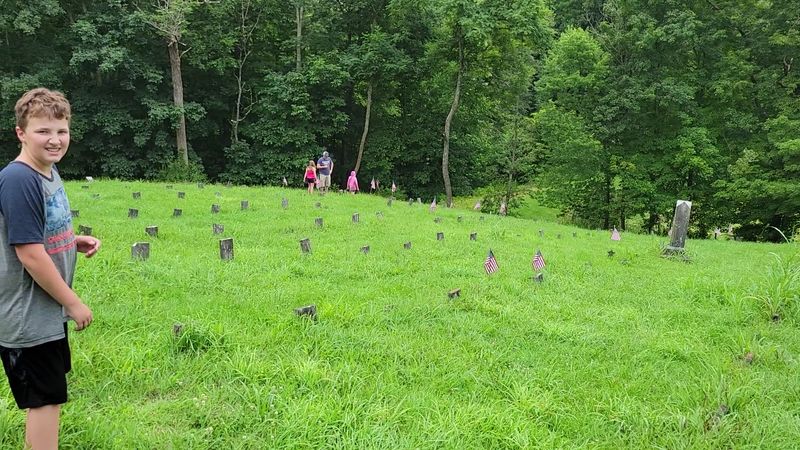
Tucked into the grounds of The Ridges is a cemetery that holds the remains of former patients, many of whom were buried with only a number rather than a name on their markers. Rows of simple, weathered stones stretch across a grassy hillside, and the effect is both sobering and quietly haunting.
Local legends have grown up around this small burial ground over the generations, and it has become one of the most-talked-about features of any visit.
Stories passed down through Athens families describe odd experiences near the cemetery, ranging from unexplained sounds to a general feeling of being watched. Visitors who have brought cameras to the area report capturing what they believe are orbs in photographs, and some have claimed to pick up unusual audio recordings near the grave markers.
Whether you believe in the paranormal or not, the atmosphere around the cemetery is undeniably affecting.
Even the most skeptical visitor tends to walk a little slower and speak a little quieter when moving through this section of the grounds. The combination of the numbered grave markers, the age of the trees overhead, and the hush that settles over the area creates a mood that is hard to shake.
It is one of those places that stays with you long after you have driven back down the hill and rejoined the ordinary world.
The Kennedy Museum of Art Connection
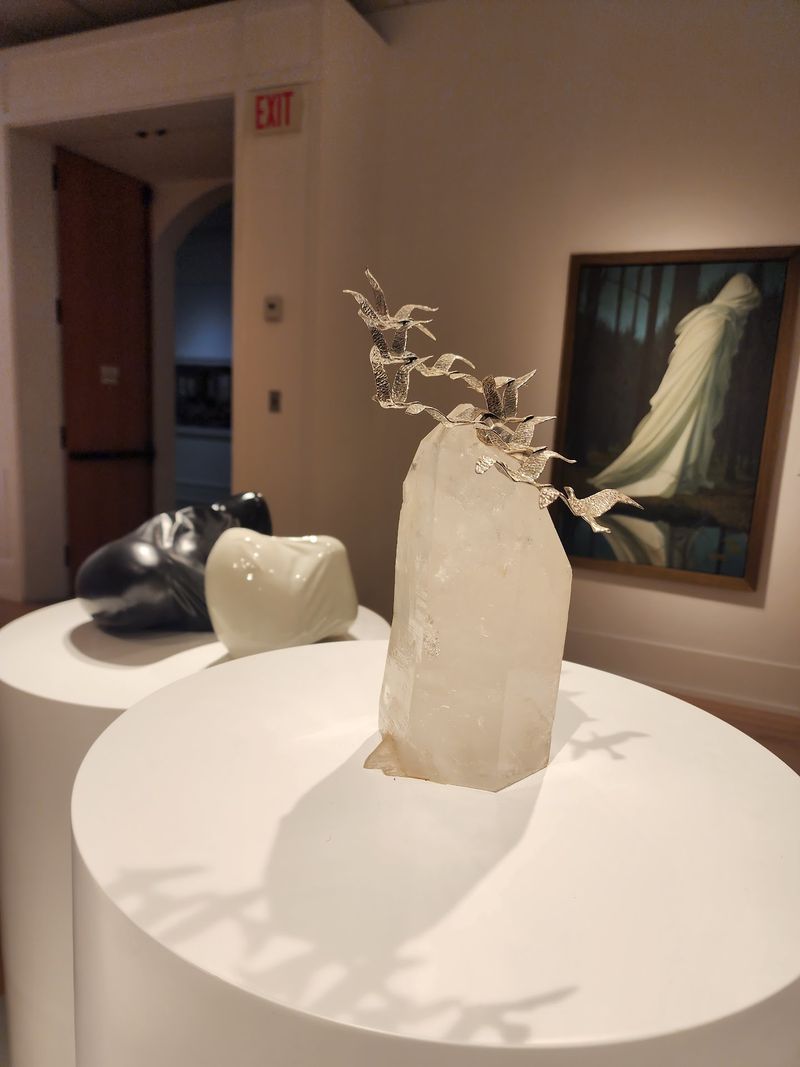
One of the more surprising turns in The Ridges story is the presence of the Kennedy Museum of Art, which occupies a portion of the main building. Ohio University established the museum here as part of its effort to breathe new life into the complex, and the contrast between the gallery’s clean, contemporary exhibition spaces and the building’s heavy Victorian bones is genuinely striking.
Stepping inside feels like entering two different worlds at once.
The museum hosts rotating exhibitions and maintains a permanent collection, giving visitors a culturally rich reason to go beyond the exterior grounds. Staff inside are described by visitors as friendly and welcoming, and the museum is set up in a way that is approachable for families and casual art-goers alike.
A small art exhibit within the main building has drawn people who might not otherwise make the trip out to The Ridges.
For anyone who wants a structured reason to explore the interior of the historic building legally and comfortably, the Kennedy Museum of Art is the perfect entry point. The juxtaposition of contemporary art hanging in a space that once served such a different purpose adds a layer of meaning to every piece on display.
It is the kind of museum visit where the building itself becomes part of the exhibition.
Walking the Grounds: What the Trail Actually Feels Like
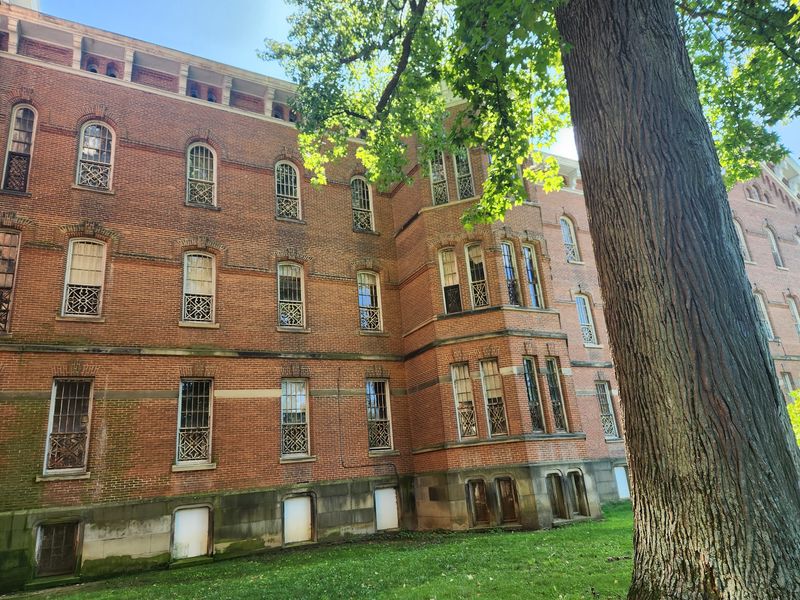
The walk around The Ridges is not a marked nature trail with interpretive signs at every turn. Instead, it is a loose, open-ended exploration of a sprawling campus where the path you take is largely up to you.
Roads wind between buildings, grassy areas open up between wings, and the whole property has a quiet, slightly suspended quality that makes time feel different here than it does a mile away in town.
On weekends especially, the grounds tend to be calm and uncrowded. The combination of a quiet atmosphere with the sheer visual drama of the buildings creates an experience that feels more like wandering through a film set than visiting a university annex.
Birds, cats, and other small animals have been spotted roaming the property, adding an odd, lived-in quality to what might otherwise feel purely desolate.
Visitors regularly describe the walk as producing a mix of feelings: awe at the architecture, unease from the history, and a strange peacefulness that comes from the surrounding greenery and hills. The property is large enough that you can spend a significant amount of time here without seeing everything, and different sections of the grounds carry noticeably different moods.
Going in without a rigid itinerary tends to produce the most memorable experience.
Paranormal Reputation and the Scariest Places Connection

Athens, Ohio has a long-standing reputation as one of the more haunted towns in the United States, and The Ridges sits at the center of that reputation. The property was featured on the ABC television program “Scariest Places on Earth,” which introduced the site to a national audience and amplified legends that locals had been sharing for decades.
Even visitors who acknowledge the show took creative liberties with the storytelling say the eerie feeling of the place is entirely real.
The paranormal community has been drawn to The Ridges for years, with ghost hunters and curious visitors alike reporting unusual experiences on the grounds. Claims range from strange electromagnetic readings near certain buildings to the sensation of a presence near the cemetery and restricted wings.
Some visitors have described capturing what they believe to be EVP, or electronic voice phenomena, in audio recordings made around the exterior.
None of this requires a belief in the supernatural to find interesting. The history of the site, the scale of human experience that unfolded here over more than a century, and the physical weight of the architecture all combine to create a place that simply feels charged.
Whether the source is truly paranormal or just the power of deep history, very few people leave The Ridges feeling unmoved.
Who Will Get the Most Out of a Visit
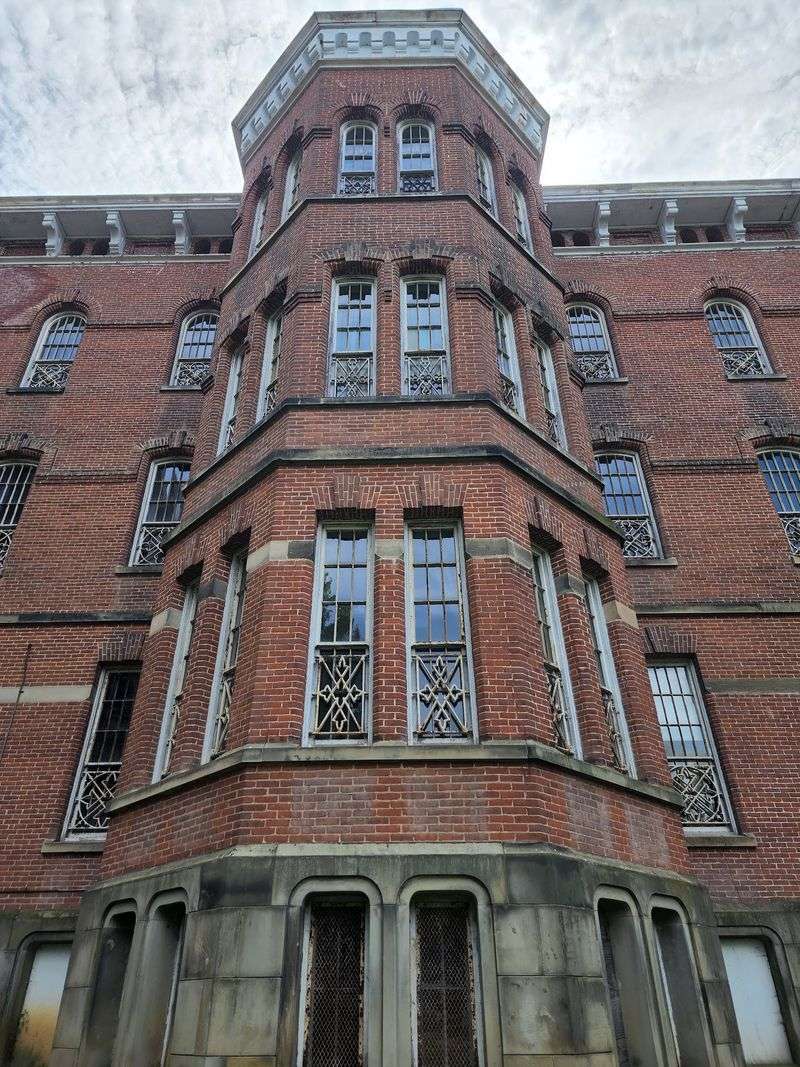
History enthusiasts will find The Ridges almost overwhelmingly rich. The property represents a specific chapter in American mental health history that is rarely preserved so visibly, and the scale of what was built here in 1874 speaks to how seriously the era took the idea of therapeutic environments.
For anyone with an interest in architectural history, social history, or the evolution of healthcare in the United States, a visit here is genuinely educational.
Photographers, both amateur and professional, consistently find the grounds rewarding. The interplay of aging brick, overgrown vegetation, and dramatic Ohio skies creates compositions that are hard to replicate anywhere else in the state.
The buildings photograph beautifully in overcast light, and the cemetery section offers a quieter, more contemplative set of subjects.
Paranormal enthusiasts, curious college students, and families looking for something genuinely different from the usual day-trip menu all seem to find their own version of a satisfying visit here. Kids who are old enough to handle a slightly spooky atmosphere tend to be fascinated rather than frightened, and the open outdoor setting means the experience never becomes overwhelming.
The Ridges has a way of offering something different to each person who shows up, which is a rare quality in any destination.
Hours, Access, and Planning Your Trip
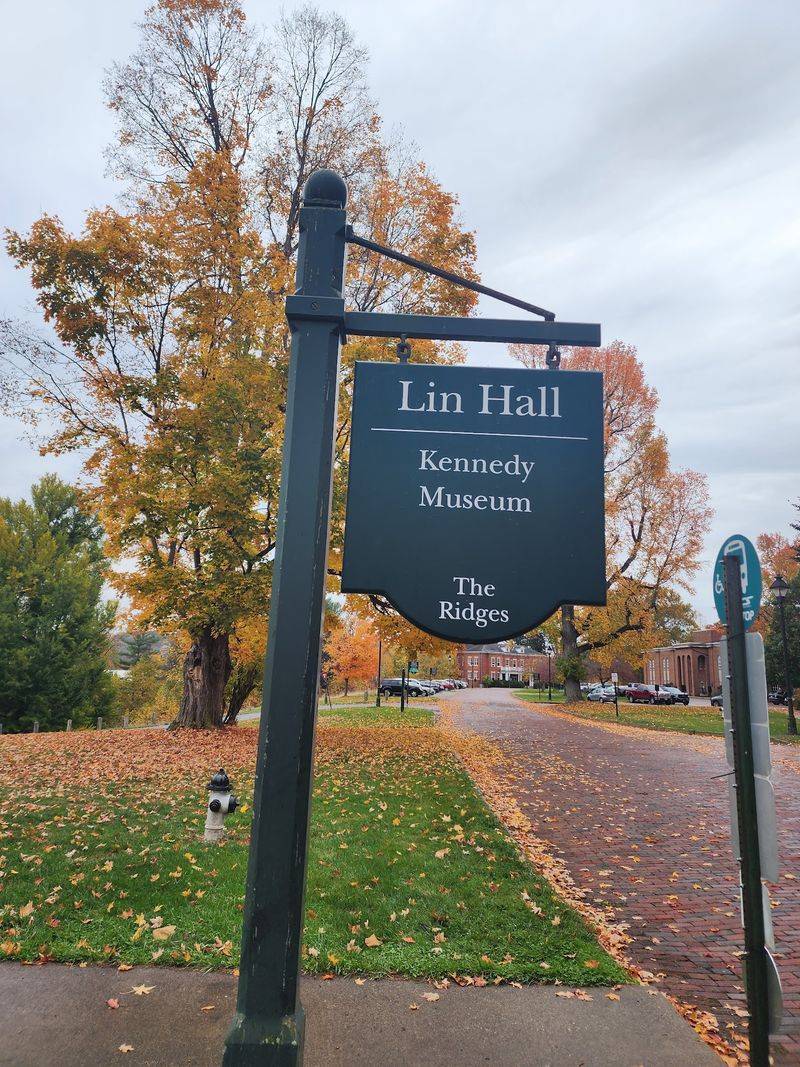
The Ridges is open to visitors most days of the week, with general access running from 10 AM to 5 PM Wednesday through Monday. Tuesday hours also run 10 AM to 5 PM, making the campus accessible nearly every day for those planning a trip.
The exterior grounds can be explored freely during these hours, and the Kennedy Museum of Art inside the main building offers a more structured indoor experience.
There is no general admission charge for walking the grounds, which makes The Ridges one of the better free day-trip options in southeastern Ohio. The museum inside may have its own schedule and programming, so checking the Ohio University Ridges website at ohio.edu/ridges before your visit is a smart move.
Parking is available on the property, and the campus is reachable from downtown Athens in just a few minutes by car.
A few practical notes worth keeping in mind: stay on accessible paths and respect any restricted or fenced areas, as some sections of the complex are not open to the public. The grounds are large, so comfortable walking shoes are a good idea.
Going on a weekday morning tends to mean fewer people and a quieter experience, while weekend afternoons can bring more visitors, especially during the Ohio University academic year. Either way, the atmosphere at The Ridges has a way of making the outside world feel very far away.
Share this story