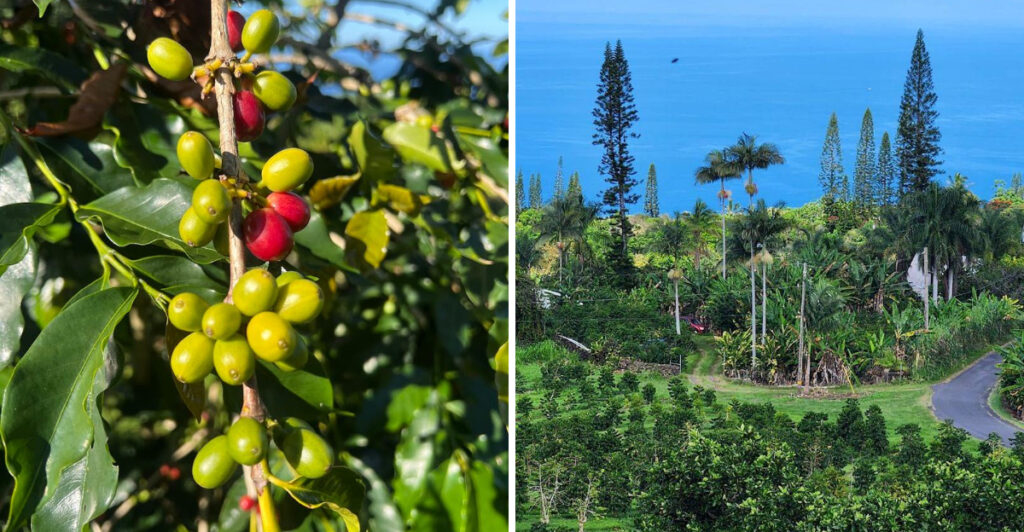
There is a working coffee farm on the slopes of Hualalai volcano in Hawaii where you can hold a raw coffee cherry in your palm, smell the blossoms on the trees, and then sit on a deck overlooking the Pacific Ocean with a freshly brewed cup of what many consider the finest coffee grown in the United States. The whole experience happens on one property, and it takes about an hour to walk through it all.
Kona coffee has a reputation that stretches far beyond Hawaii, but most people who drink it have never seen where it actually comes from. That is exactly what makes a visit to this farm so surprisingly moving for first-time guests and coffee enthusiasts alike.
Where the Farm Sits and Why the Location Matters
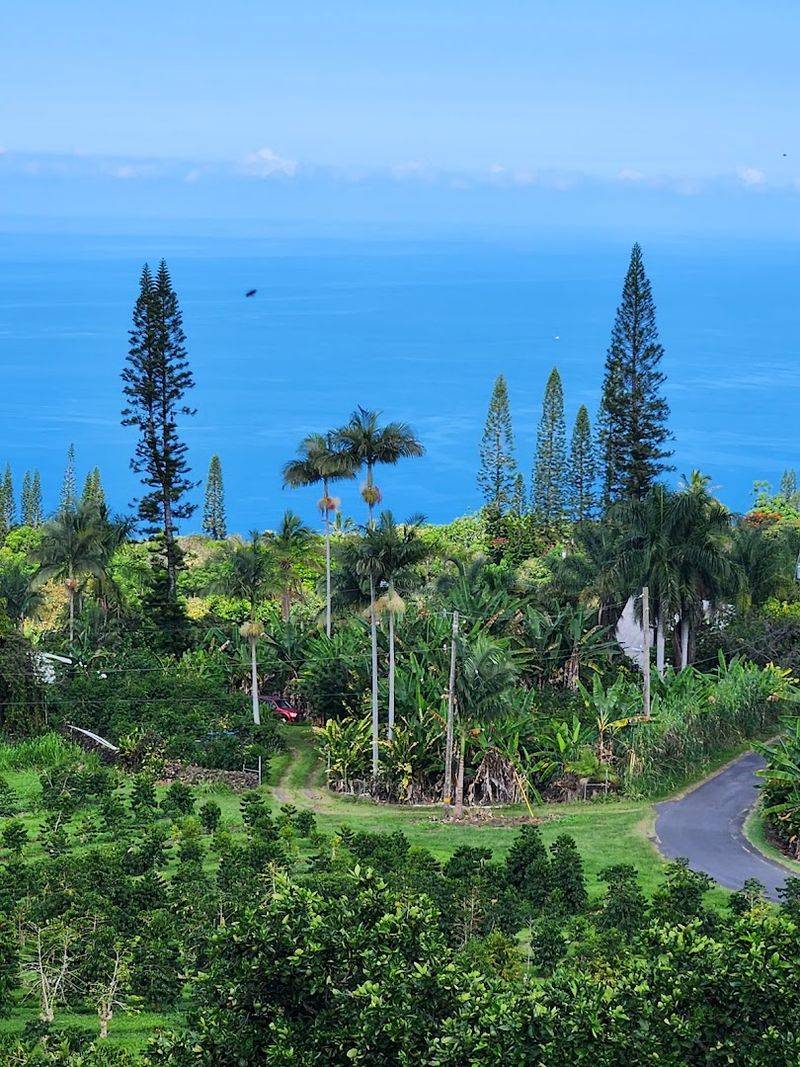
Coffee does not grow just anywhere, and the slopes of the Kona district on Hawaii’s Big Island happen to be one of the most ideal coffee-growing environments on the planet. Heavenly Hawaiian Kona Coffee Farm Tours is located at 78-1136 Bishop Road, Holualoa, Hawaii 96725, sitting at an elevation that gives the farm cooler mornings, rich volcanic soil, and afternoon cloud cover that protects the plants from harsh sun.
That combination of conditions is exactly what Kona coffee farmers have relied on for generations. The drive up to the farm winds through thick tropical greenery, giving visitors a sense that they are heading somewhere genuinely off the beaten path.
Once you arrive and step out of your car, the air smells different. There is a freshness to it, mixed with something floral that you quickly learn is the scent of coffee blossoms growing just a few feet away.
The First Thing You Notice When You Arrive
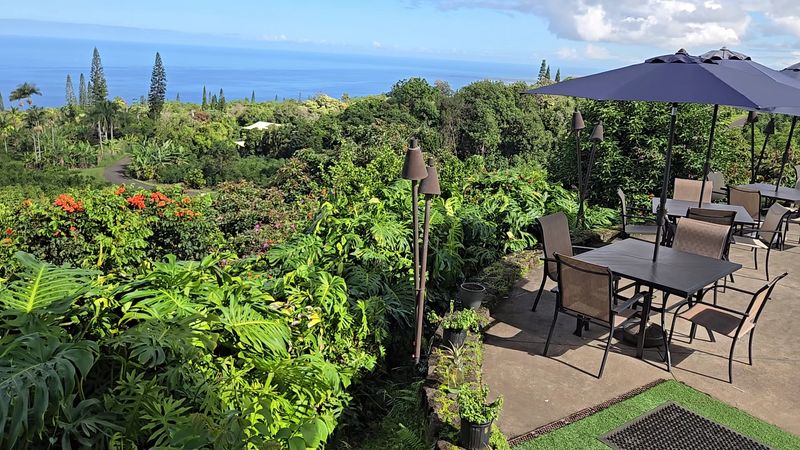
Before the tour even begins, something generous happens. Guests are invited to start sampling coffee while the rest of the group gathers, which immediately sets a relaxed and welcoming tone.
There is no rush, no clipboard check-in stress, just warm cups and good conversation.
The visitor area is surrounded by plants you probably cannot name on sight, which makes the whole setting feel like you have wandered into a tropical garden. Orchids, fruit trees, and flowering shrubs grow alongside the coffee plants in a way that feels intentional but never overdone.
A full latte menu is also available, and choosing just one drink turns out to be harder than expected. One standout option called the Makai features maple syrup, nutmeg, and sea salt, and it has converted more than a few guests who thought they only liked plain vanilla lattes into something more adventurous.
What Makes Kona Coffee Different From Every Other Cup
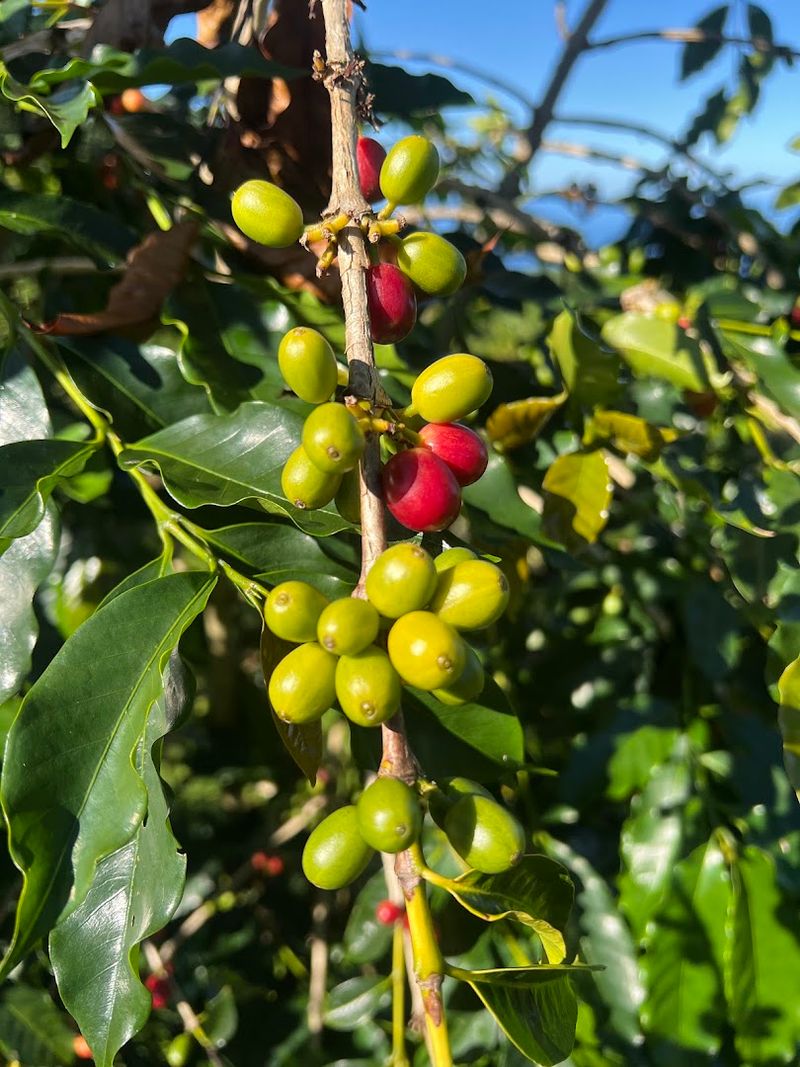
Kona coffee carries a designation that only applies to beans grown within a specific region on the Big Island of Hawaii. The volcanic soil, elevation, and climate of the Kona district produce a cup that is notably smooth, low in bitterness, and rich with a complexity that sets it apart from most commercially grown coffees.
The farm grows its beans in conditions that have made Kona coffee world-famous, and the tour explains exactly why those conditions are so difficult to replicate anywhere else. Guests learn about the growing cycle, the harvesting process, and the careful attention required at every stage to maintain quality.
Holding a coffee cherry for the first time and feeling the soft, fruit-like exterior is one of those small moments that genuinely changes how you think about your morning cup. It stops being a commodity and starts being something someone worked very hard to grow.
The Tour Itself: What Actually Happens During the Walk
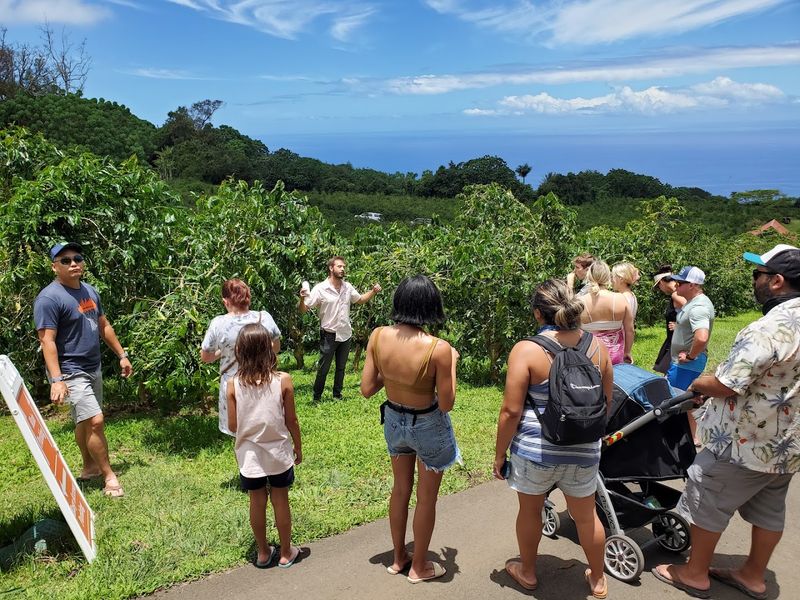
The farm tour runs approximately one hour and covers the full journey of Kona coffee from seed to harvest to roasted bean. Groups are kept small, which makes the experience feel more like a personal conversation than a scheduled attraction.
Guides walk guests through the farm at a relaxed pace, stopping at different points to explain what they are looking at.
One of the more memorable moments involves being shown how to identify a coffee cherry that is ready for picking versus one that needs more time. Another involves feeling the inner layer of a coffee berry, which surprises almost everyone who tries it.
The walk itself is easy and flat enough for most visitors, and the guides welcome questions at every stop. That open format means the tour naturally adapts to whoever shows up, whether they are engineers asking technical questions or first-time coffee drinkers curious about the basics.
The Guides Who Bring the Farm to Life
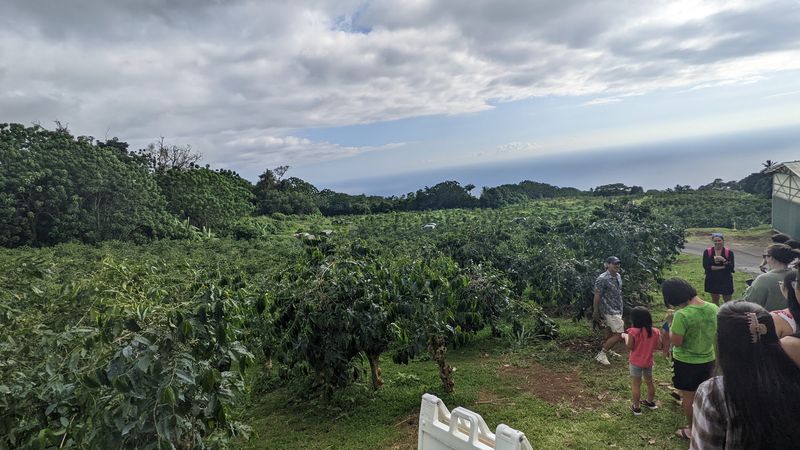
A tour is only as good as the person leading it, and this farm has built a reputation around guides who genuinely love what they do. Names like Ben, Rick, Higgs, and Isaac come up repeatedly among guests who describe their visits, and what stands out in every account is not just knowledge but authentic enthusiasm.
Rick has been praised for pausing mid-tour to point out details most visitors would walk right past, like a particular flower with an unusually strong fragrance or a subtle difference in leaf color that signals a plant under stress. Ben brings wit and storytelling into the mix, making the science of coffee farming feel approachable and entertaining at the same time.
Higgs has a way of making guests feel like old friends within minutes of meeting them, which turns a one-hour tour into something that feels much more personal than a standard attraction visit.
From Seed to Cup: Understanding the Full Coffee Process
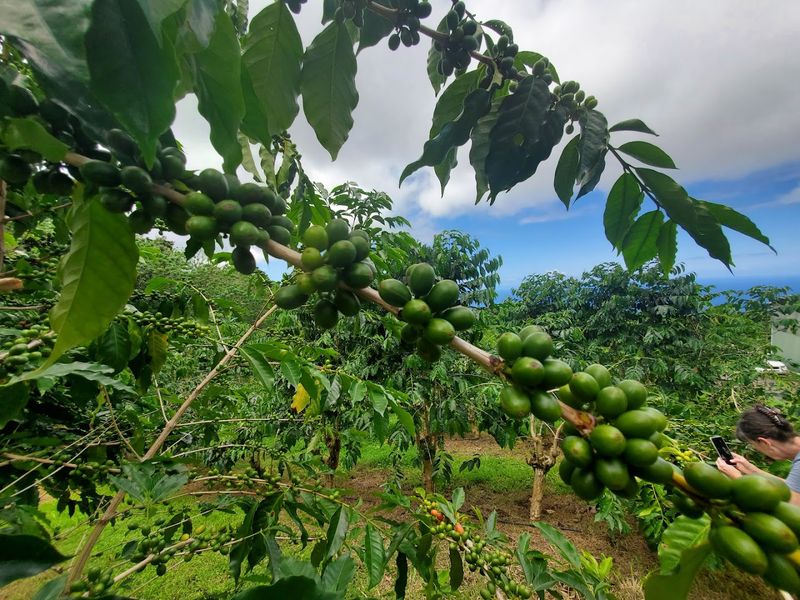
Most people who drink coffee daily have no idea how many steps stand between a seed in the ground and a bag on the store shelf. The tour at this farm walks guests through every stage, including planting, growing conditions, cherry picking, pulping, drying, milling, and roasting.
Each step has its own set of challenges and decisions that affect the final flavor in the cup.
The roasting process is explained in detail, and the farm also offers a separate roasting class for visitors who want to go even deeper into the craft. That class has been called a must-do by guests who have some background in coffee and want a hands-on experience beyond the standard tour.
By the time the walk ends, the phrase “farm to cup” stops feeling like a marketing slogan and starts making real, practical sense. That shift in understanding is one of the things guests mention most often when describing what stayed with them.
The Coffee Tastings That Come With Every Visit
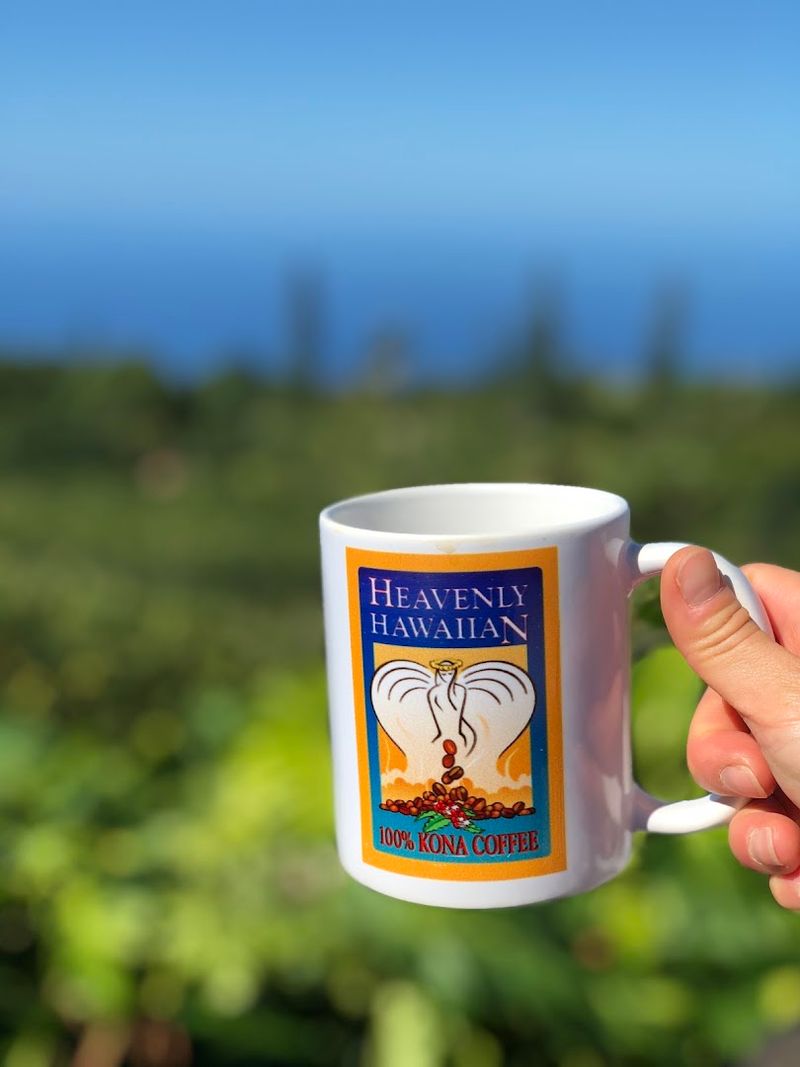
Free coffee samples are offered both before and after the tour, and guests typically get to taste five different varieties during their visit. That range gives a clear sense of how processing method, roast level, and bean origin can produce noticeably different flavor profiles even when the beans come from the same general region.
Some guests arrive expecting all the coffees to taste similar and leave genuinely surprised by the differences between a light roast and a dark roast grown on the same farm. The tasting session after the tour feels especially rewarding because by that point, guests understand exactly what went into producing what they are drinking.
Chocolates and small bites from the farm are sometimes included as well, adding another layer to the tasting experience. Sitting down with a fresh cup after walking through the farm where it was grown is a simple pleasure that turns out to be quietly unforgettable.
The Ocean Views From the Farm Deck
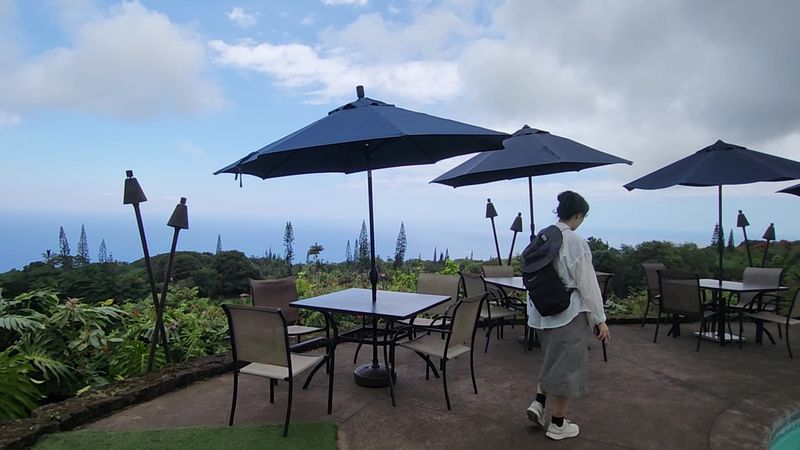
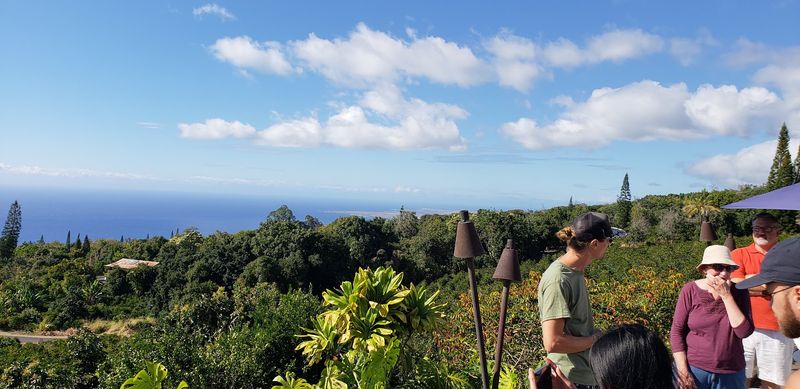
At some point during or after the tour, guests find themselves standing on a deck with an unobstructed view of the Pacific Ocean stretching out below. The farm sits on volcanic slopes, which means the elevation creates a natural vantage point that feels almost theatrical in how dramatic it is.
Several visitors have mentioned that they planned to stay for just the tour and ended up sitting on the deck for far longer than expected, simply because leaving felt like a shame. The combination of fresh coffee, warm air, and that wide blue horizon has a way of slowing everything down.
Morning tours tend to offer the clearest views before afternoon clouds roll in from the ocean, which is worth keeping in mind when booking. The deck is also a natural spot for photography, and the light during the earlier hours of the day hits the water in a way that makes even a phone camera look good.
The Property Itself: More Than Just Coffee Trees
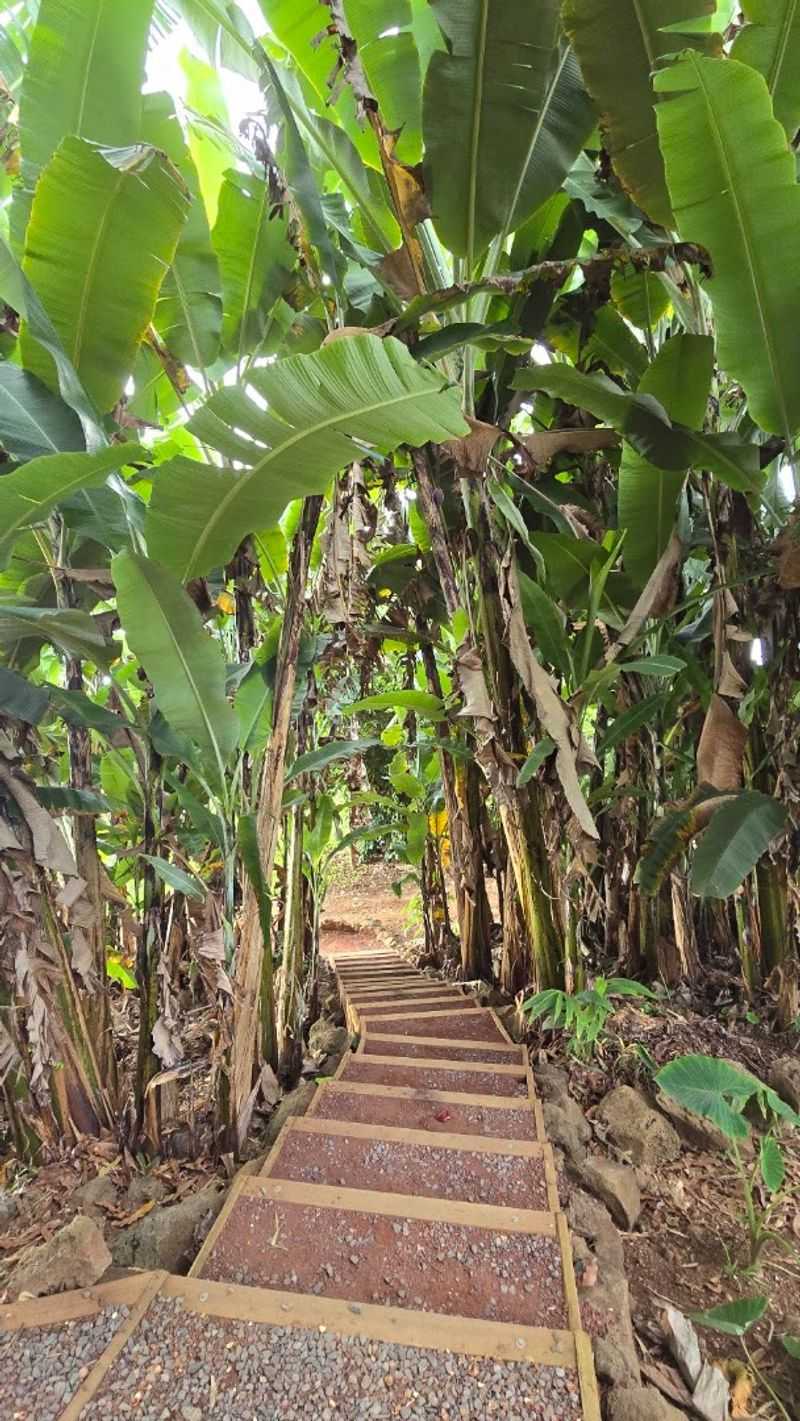
Coffee is the main event, but the farm grounds hold much more than just coffee trees. Orchids, banana plants, exotic fruit trees, and flowering shrubs grow throughout the property in a way that makes the walk feel like moving through a living botanical collection.
Guides point out plants that most visitors would not recognize, adding an educational layer that goes beyond coffee alone.
Small bananas grown on the property have been offered as part of the tasting experience, and guests have described biting into one as a genuinely surprising moment since farm-fresh tropical fruit tastes noticeably different from what most people buy at a grocery store.
The farm also attracts butterflies, which adds a quiet visual charm to the whole experience. Students from outside Hawaii have visited the farm to study and work, which reflects the kind of living, functional agricultural environment this property represents rather than a static display built purely for tourism.
The Farm Cats That Somehow Steal Every Tour
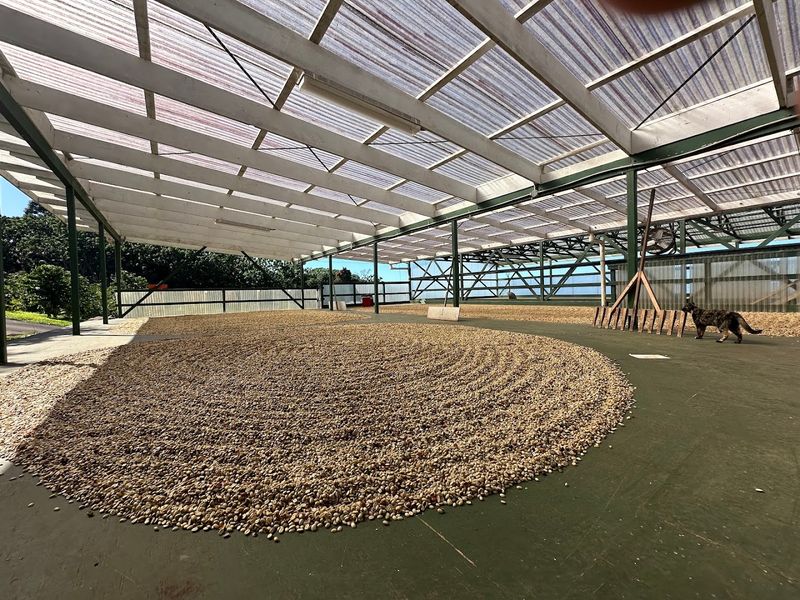
Nobody books a Kona coffee farm tour expecting the cats to be a highlight, but here we are. The resident farm cats have developed a reputation for showing up at multiple stops along the tour route, seemingly following the group from one section of the farm to the next.
One visitor described a particularly vocal cat that appeared at every stop and seemed to have opinions about the coffee education being delivered. Another noted that the cats reflect the overall energy of the farm, calm, unhurried, and completely at ease with strangers walking through their territory.
There is also a friendly dog at the shop who has earned mention in more than a few visitor accounts. The presence of animals on a working farm is not unusual, but these particular cats have become something of a beloved unofficial feature, the kind of detail that shows up in every other story someone tells about their visit long after they get home.
The Gift Shop and What Is Worth Bringing Home
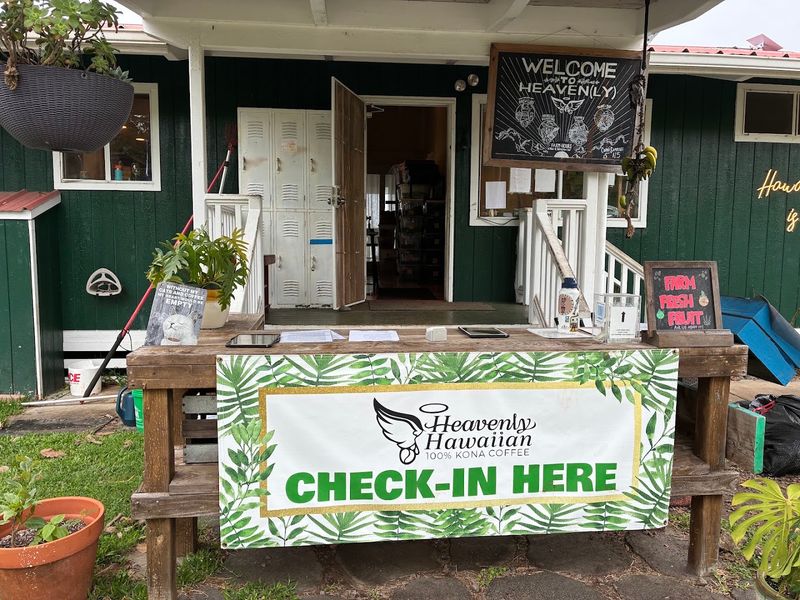
The gift shop at the end of the tour is small but well-stocked, and the staff there are knowledgeable enough to help guests choose the right roast based on their preferences at home. That kind of genuine guidance makes a difference, especially for visitors who want to bring back coffee as a gift but are not sure which variety to choose.
One visitor described a staff member introducing her to the old-school percolator brewing method, which she had never tried before, and being so impressed that she shipped several bags home specifically to use with that technique. That kind of discovery happens naturally in a space where the people behind the counter actually care about how the coffee gets made and enjoyed.
Coffee is the obvious purchase, but the shop also carries other items worth browsing. Shipping options are available for guests who want to bring home more than they can fit in a carry-on bag.
The Roasting Class for Guests Who Want to Go Deeper
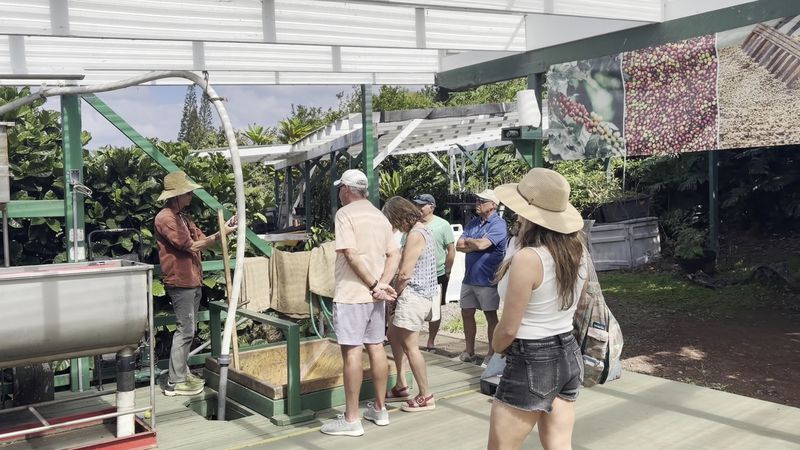
Beyond the standard farm tour, Heavenly Hawaiian offers a roasting class that takes the educational experience to a completely different level. This class is designed for guests who want to understand the transformation that happens between a green coffee bean and the roasted product that ends up in a bag.
A guest who brought her daughter, a coffee roaster at home, specifically sought out this class and called it an absolute must for anyone visiting the farm. The hands-on format means participants are not just watching a demonstration but actively engaging with the process and asking questions that go well beyond what a walking tour can cover.
Guides leading the roasting class bring the same depth of knowledge and enthusiasm that the farm tour guides are known for. For anyone who has ever wondered why two bags of coffee from the same region can taste so different, this class answers that question in a way that sticks.
A Veteran-Owned Business With a Clear Sense of Purpose
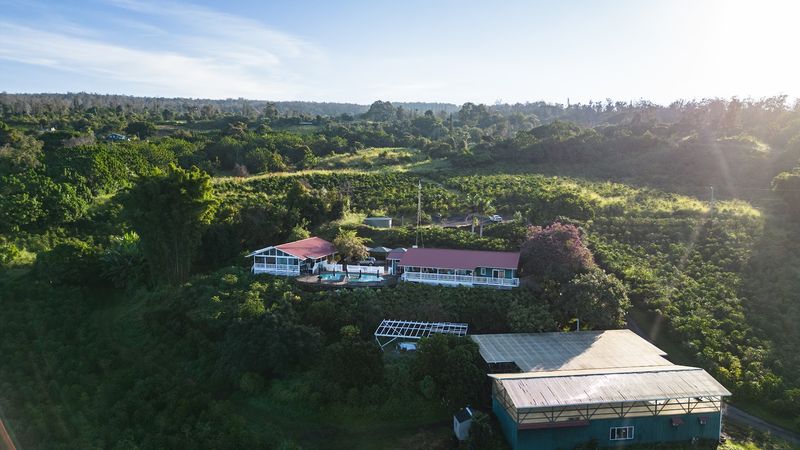
Heavenly Hawaiian is a veteran-owned business, a detail that several guests have mentioned as adding meaning to their decision to visit and spend money there. That ownership context also seems to align with the broader character of the farm, which operates with a clear sense of discipline, pride, and attention to quality that shows up in everything from the condition of the plants to the consistency of the tours.
The farm does not feel like a quick tourism operation layered on top of an agricultural business. It feels like a place where the people running it genuinely believe in what they are growing and want visitors to leave with a real understanding of why it matters.
That authenticity is something guests pick up on quickly. Multiple visitors have described the farm as feeling genuine rather than touristy, which is a meaningful distinction on an island where tourism is a dominant industry and authenticity can be hard to find.
Practical Tips for Planning Your Visit
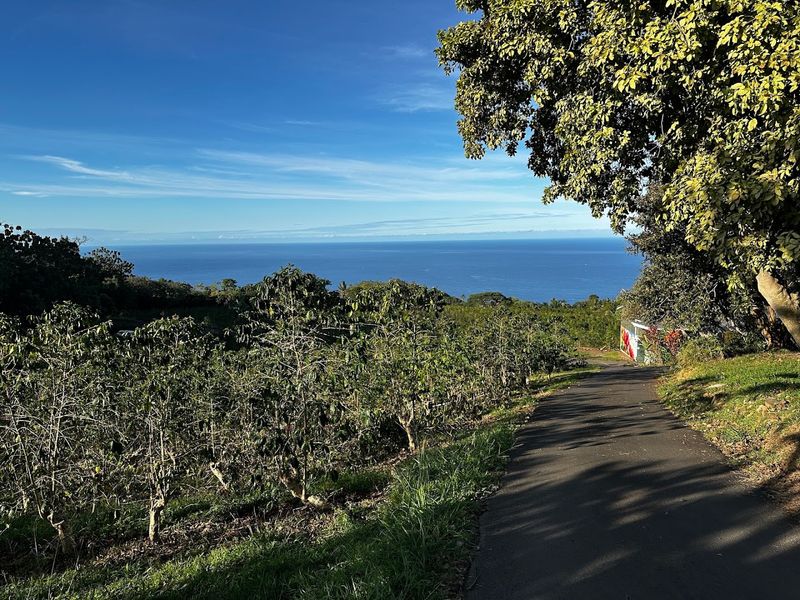
Tours run in the morning, and booking in advance is a smart move since group sizes are kept small by design. That intimacy is one of the things guests appreciate most, so arriving early and reserving a spot ahead of time ensures you get the experience rather than a waitlist.
The drive up Bishop Road to the farm is scenic and worth taking slowly. Wear comfortable shoes since the walking terrain is easy but you will be outdoors on a working farm for about an hour.
The tour costs around thirty dollars per person and includes coffee samples before and after the walk. There is no sales pressure at any point during the visit, which several guests have specifically noted as refreshing.
Morning light also makes for better photos and clearer ocean views from the deck, so arriving at the start of a tour slot rather than the end of the day is worth the early wake-up call.
Why This Farm Stays With You Long After You Leave
There is something about drinking coffee on the exact slope where it was grown that changes your relationship with the beverage in a way that is hard to explain until you have done it. The cup tastes the same as it would anywhere else, but the context makes it feel completely different.
Guests who visited for a honeymoon, a family vacation, or simply as curious travelers all describe a similar feeling when they talk about this farm. They came for coffee and left with something closer to a genuine connection to the land and the people who work it every day.
The bags of Kona coffee guests ship home or carry in their luggage serve as a kind of edible memory, and more than a few people have mentioned that brewing a cup back home brings the whole experience rushing back. That is not something a standard tourist attraction usually manages to pull off, and it is exactly why this farm is worth seeking out.
Share this story