A bronze turtle, cast from molten metal in a single class, is a real project people have made here. The same building hosts welders, jewelers, laser cutters, and folks mending pottery with kintsugi.
I like how it feels less like a classroom and more like a giant shared garage for curious grown-ups. Tools most of us could never fit in an apartment sit waiting for beginners and pros alike.
This nonprofit workshop sits right here in Massachusetts, close enough for a weeknight outing after work. Start with a free tour and leave plotting your first project.
I can’t imagine a better cure for a dull Tuesday. So what would you make first if every tool were suddenly within reach?
A Workshop Playground Waiting in Allston
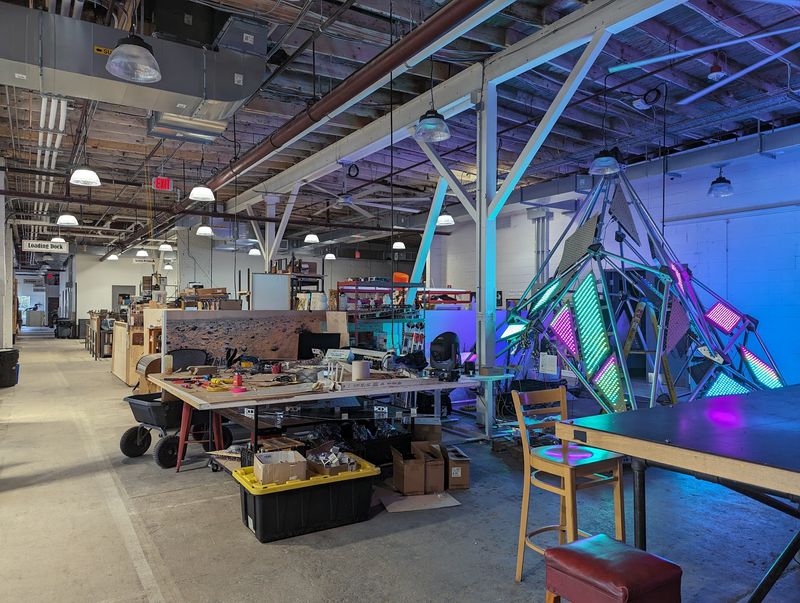
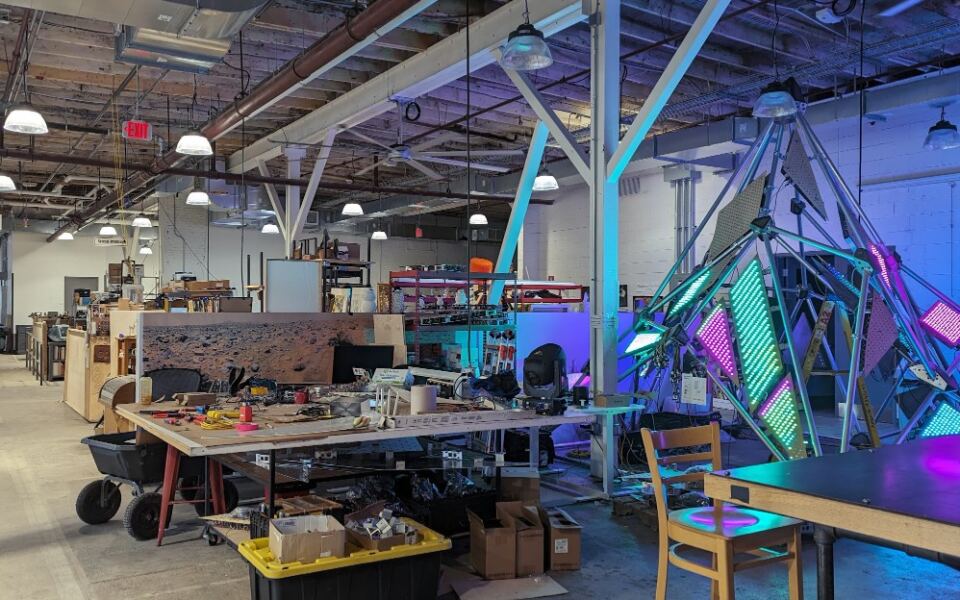
Sparks, sawdust, and solder all share one roof at Artisans Asylum, a nonprofit makerspace in the Allston corner of Boston. It’s the kind of place where an ordinary evening can end with something you built yourself.
Makerspace is a fancy word for a shared workshop. Members and students get access to tools, studio space, and classes that would cost a fortune to assemble at home.
The range here is wide on purpose. Metalworking, woodworking, jewelry, sewing, screen printing, electronics, and laser cutting all have a place in the building.
Many readers know the name from its earlier years in Somerville, which is why the old address still pops up in conversation. Today the sparks fly in Allston, a quick hop for anyone around Greater Boston, Massachusetts.
What draws people in is simple. You can learn a skill from scratch, then keep coming back to practice it with real equipment.
And yes, the metal side of the building is exactly where a forging daydream starts to feel possible. Keep that thought, because the shop gets its own section shortly.
Somerville Roots and a 2022 Fresh Start
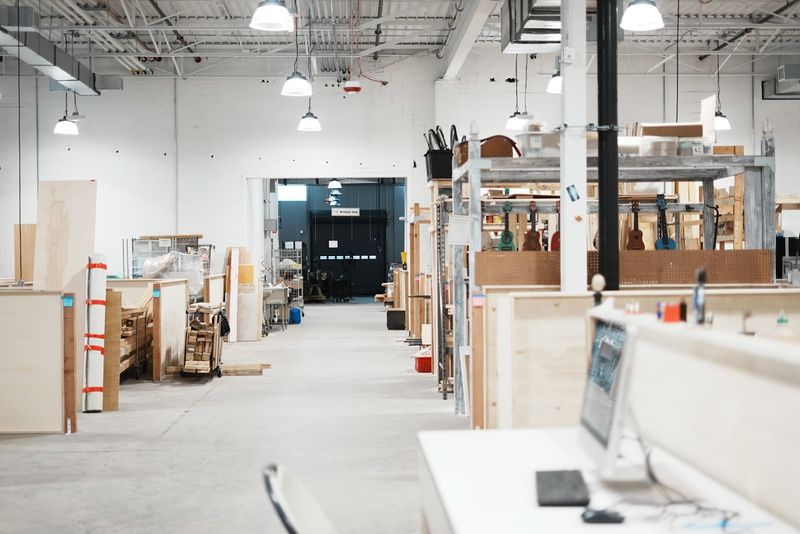
Plenty of local institutions stay put for decades. Artisans Asylum took a different route, packing up its tools and moving to its current Allston home in 2022.
Before that, the organization built its reputation in Somerville. That history explains why so many people still link the name with that city, including the title of this very article.
Moving a makerspace is no small chore. Imagine relocating welders, lathes, laser cutters, and a small army of half-finished projects across town.
Change like that rarely pleases everyone. Some longtime members have felt the organization shifted after the move, while newer students describe a welcoming, flexible community.
What matters for a first-time visitor is the present. The doors are open seven days a week, classes keep rolling, and the tool collection remains the main attraction.
I believe the story adds a bit of character, honestly. A place that survived a full relocation clearly has people who care about keeping hands-on making alive in Massachusetts.
So think of the Allston building as chapter two. The mission of learning, teaching, and making stuff carried right over.
The Metal Shop Where Your Blade Dreams Begin
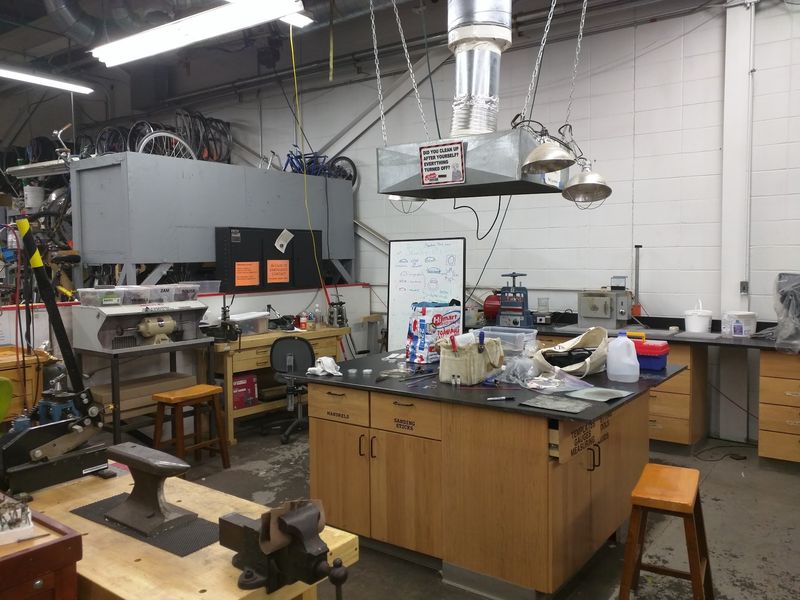
Welding helmets, leather gloves, and a shower of orange sparks set the mood in the metal area. If you’ve ever wanted to shape steel yourself, this is the corner to explore.
Welding is one of the skills people mention most often here. Students have used it for practical builds, like making steel legs for a homemade table.
Metalworking classes carry a reputation for professionalism. That matters when you’re handling hot materials and serious equipment for the first time.
So what about forging your own knife? Class offerings rotate, so check the current calendar for blade, forging, or metal workshops before you plan your evening.
Even if a knife class isn’t running that week, the metal skills you pick up transfer nicely. Learning to cut, join, and finish metal is the foundation for nearly any blade project later.
I like that beginners aren’t expected to arrive with know-how. Instructors start with safety and basics, then build up from there.
Bring curiosity and closed-toe shoes. The rest, from torches to clamps, is waiting in the shop.
Molten Bronze and a Tiny Turtle
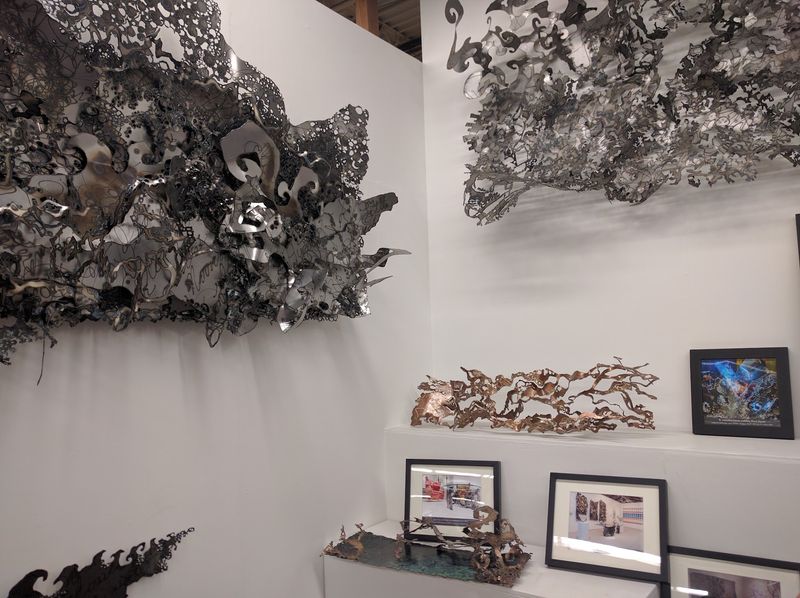
One evening, one class, one bronze turtle. That’s a real outcome from the Sand Casting class, and it might be the most charming souvenir in Boston.
Sand casting is an old technique with a simple idea. You press a shape into packed sand, then pour molten metal into the hollow it leaves behind.
Watching liquid bronze become a solid object feels a little like magic. Once it cools, you get to pull your creation out and see every detail you shaped.
The class works well for anyone craving metal without committing to a long course. You leave with a finished piece after a single session.
Instructors guide each step, from preparing the mold to the final reveal. Students have walked away so pleased that they signed up for full membership right after.
Not into turtles? Fair enough, though I’d argue turtles are underrated paperweights.
The bigger point is that casting teaches you how metal behaves when heated. That knowledge comes in handy if forging or blade work is on your wish list next.
Spinning Wood Into Bowls and Pens
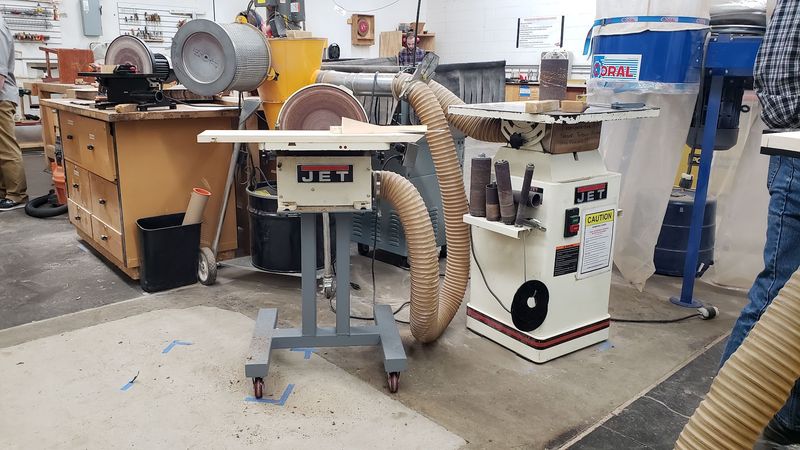
Curly wood shavings piling up under a spinning lathe make one of the happiest messes around. Woodworking holds its own here alongside the louder metal gear.
The lathe is a standout tool for newcomers. Students have learned to turn blocks of wood into smooth bowls and handy pens.
Those small wins add up fast. A turned pen makes a great gift, and a bowl looks far better on your counter than anything mass-produced.
Knife lovers, take note. Woodworking skills matter when it’s time to shape and fit a handle for a blade.
Many makers here mix disciplines without blinking. Someone might turn wood one month, then weld steel the next for a furniture project.
That crossover is part of the fun at Artisans Asylum. You aren’t boxed into a single craft just because it’s the one you tried first.
The equipment is the real draw for apartment dwellers. Few people in the Boston area have room for a lathe, a table saw, and a dust collection setup at home.
Lasers, Jewelry Benches, and Tiny Circuits
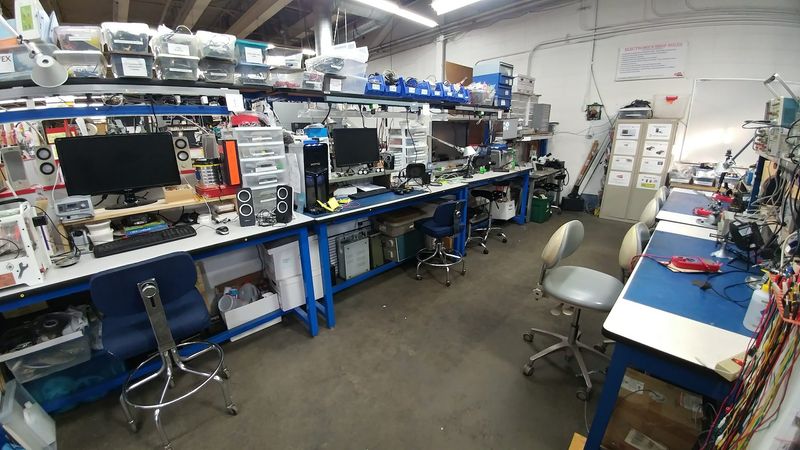
Precision lovers, your corner of the building is calling. Laser cutters, jewelry benches, and an electronics shop serve the folks who obsess over small details.
Jewelry making ranks among the most talked-about skills here. A dedicated jewelry shop gives makers the right tools for delicate metal work.
Laser cutting is another crowd favorite. Some members say the machines suit their projects perfectly, and laser cutting courses help beginners get started safely.
Electronics have a home too. Tinkerers can solder, wire, and build gadgets without turning a kitchen table into a hazard zone.
Digital fabrication rounds out the high-tech side. Design something on a screen, then watch a machine bring it into the physical world.
Picture engraving a custom design onto a knife handle or sheath. That’s the kind of mash-up these tools make surprisingly doable.
The neat thing is how close everything sits. You can walk from a jewelry bench to a laser cutter in minutes, borrowing ideas along the way.
Gentle Crafts for Quieter Evenings
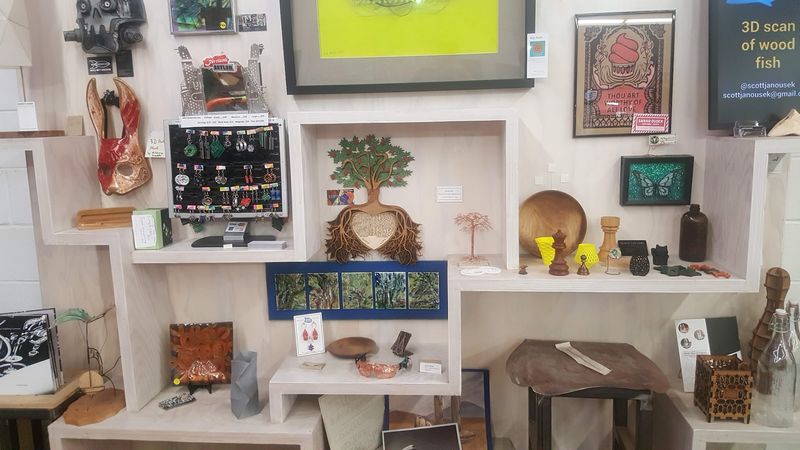
Not every evening needs a welding torch. Some of the most loved classes here involve thread, ink, and a broken bowl.
Kintsugi is a Japanese repair art that highlights cracks rather than hiding them. Intro to Kintsugi has turned first-time students into repeat class takers.
Sewing and pattern making also draw a loyal crowd. One instructor has even helped students with questions long after class wrapped up.
Screen printing adds a splash of color to the mix. Painting and drawing classes sit on the menu as well, along with fiber arts.
I like that these softer crafts get equal respect. A makerspace that values a quilt as much as a steel frame feels refreshingly balanced.
These options make great date nights or friend outings too. One person can learn kintsugi while another dreams of forging, then compare results afterward.
Gentler crafts also build patience, which every blade maker needs. Careful hands at a sewing machine translate surprisingly well to careful hands at a grinder.
Free Help for Your Broken Stuff
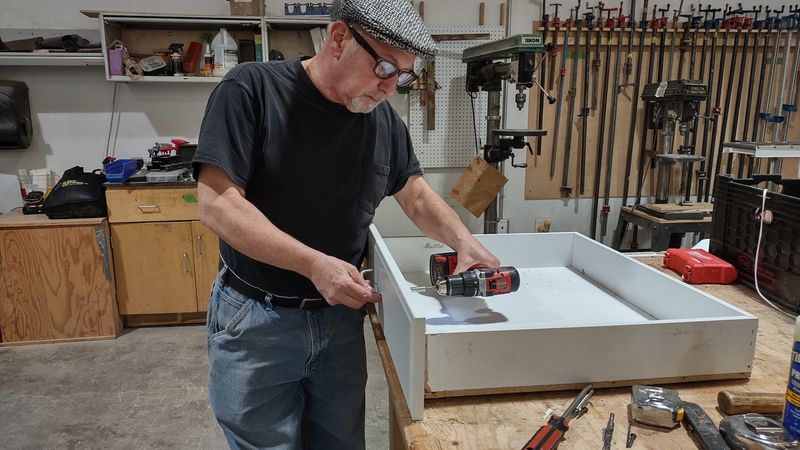
Got a lamp that flickers or a toaster that quit? The Fixit Clinic might save it from the curb.
Fixit Clinic is a free service, with donations welcomed. An artisan guides you through repairing your broken item, or handles the fix if it’s beyond you.
Visitors have described the clinic as relaxed, with honest, quality workmanship. Free parking makes hauling in a bulky gadget much easier too.
Repair skills are quietly powerful. Learning why something broke teaches you more than any instruction manual.
Kindness runs through this side of the place as well. One local artisan even revived a stubborn kitchen drawer for a grateful neighbor.
For budget-minded Massachusetts residents, this is a win on every level. You save money, skip a replacement purchase, and keep stuff out of the landfill.
It’s also a low-pressure way to see the building before signing up for anything. Bring something broken, chat with makers, and see whether the place clicks with you.
A Grown-Up Playground With a Friendly Crowd
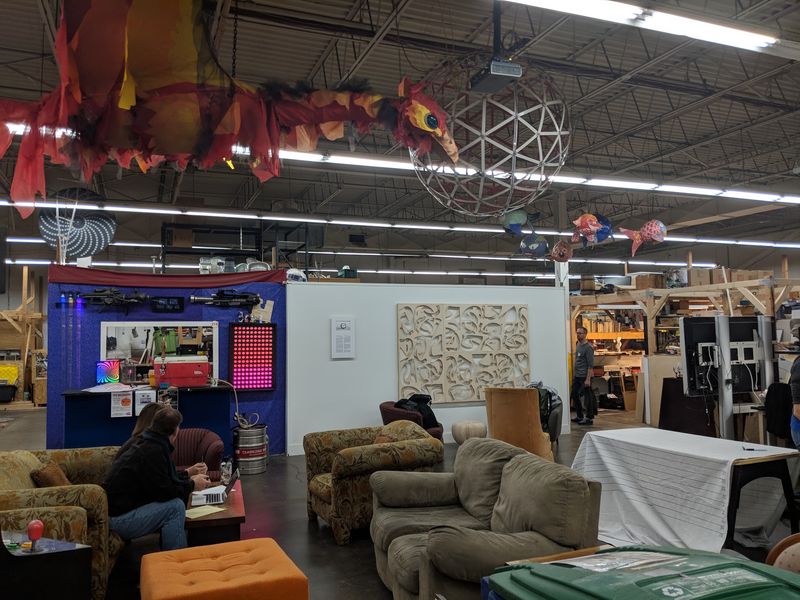
Call it a geek’s playground for adults, and nobody here would argue. The vibe leans creative, playful, and pleasantly unhurried.
Makers of all skill levels share the floor. Seasoned artists work steps away from someone touching a tool for the very first time.
People here tend to share what they know. A glass artist once happily explained his project to a curious passerby, enthusiasm and all.
Staff and volunteers get warm praise for being kind and helpful. Many describe the space as chill and welcoming from the moment they arrive.
So who will love it most? Serial crafters, apartment dwellers short on space, career changers, and anyone itching to learn a new skill.
Families and casual visitors can enjoy it too, mostly through tours and events. Seeing projects in progress is entertaining all on its own.
If you’re shy, don’t worry much. Classes give you an easy reason to talk, and a shared project breaks the ice faster than small talk.
Hours, Parking, and Your First Visit
Good news for night owls and nine-to-fivers alike. Artisans Asylum stays open until 9 pm Monday through Friday, opening at 9 am.
Weekends run from 9 am to 7 pm on Saturday and Sunday. That gives plenty of room for a lazy morning before heading over.
You’ll find the building at 96 Holton St, Boston, MA 02135. It sits in Allston, an easy trip from Cambridge, Brookline, and much of Greater Boston, Massachusetts.
Free parking is available, which feels like a small miracle around here. No circling the block while your class starts without you.
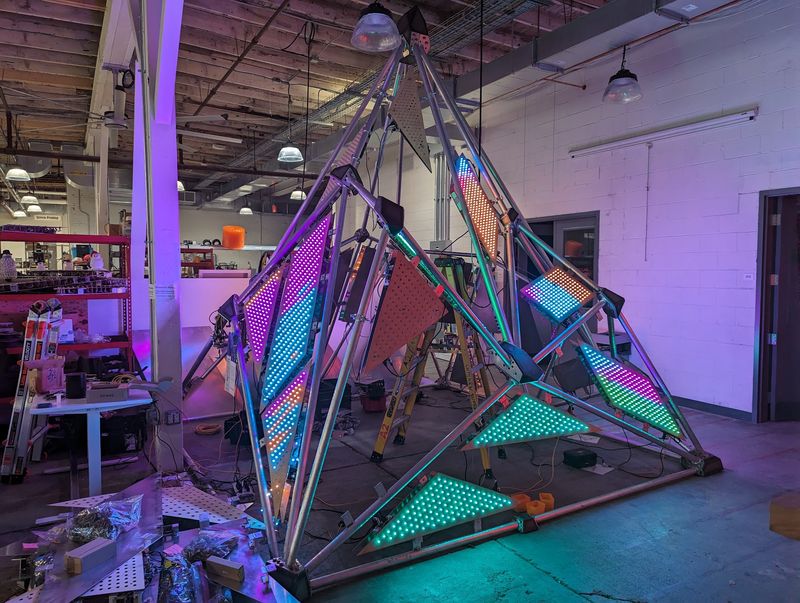
A free tour is the smartest first step. You’ll see the studios, tool areas, and art installations before spending a dime.
Classes, membership, studio rentals, and storage spaces are all offered. Pricing varies, and some call it a bit pricey while others find it affordable for the access.
Check the class calendar for current workshops before you go. That’s especially true if a knife or forging session is the reason for your trip.
Why Your Next Free Evening Belongs Here
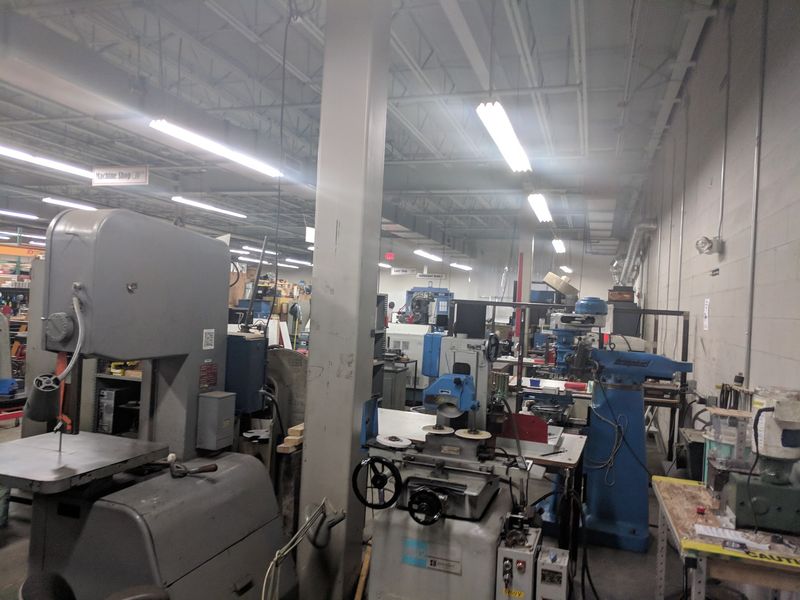
Some outings fade from memory by Thursday. An evening making something real with your own hands tends to stick around much longer.
Artisans Asylum offers that chance across a remarkable range of crafts. Welding, casting, woodturning, jewelry, sewing, and kintsugi all live under one roof.
For the knife-curious, the path is clear enough. Start with metal and wood basics, watch the calendar for blade-related classes, and build from there.
Budget-friendly options keep it within reach. Free tours and the donation-based Fixit Clinic let you test the waters first.
I believe every city could use a place like this. Boston is lucky to have one, and Massachusetts makers have been showing up for years.
Is it fancy? Not really, and that’s part of the appeal.
It’s a working shop full of people swapping tips and chasing ideas. Book a tour, pick a class, and see what your hands can do when the right tools finally show up.
Share this story