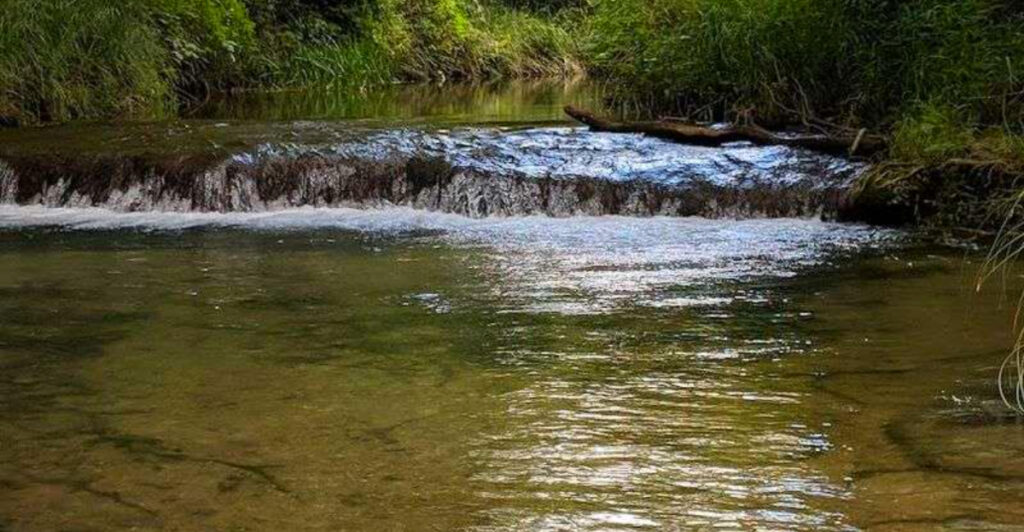
There is a spring-fed creek tucked inside the Arbuckle Mountains of south-central Oklahoma that most people drive right past without ever knowing it exists. The water runs so clear you can count the pebbles on the bottom from several feet away, and the temperature stays cool enough to make a summer afternoon feel like a completely different season.
I stumbled onto this place on a long road trip through Oklahoma, and I am genuinely glad I stopped. From small natural waterfalls to shaded hiking trails and spots calm enough to let a dog wade in without a care, this creek checks more boxes than you might expect from a place that barely shows up on most travel maps.
Where Travertine Creek Actually Is
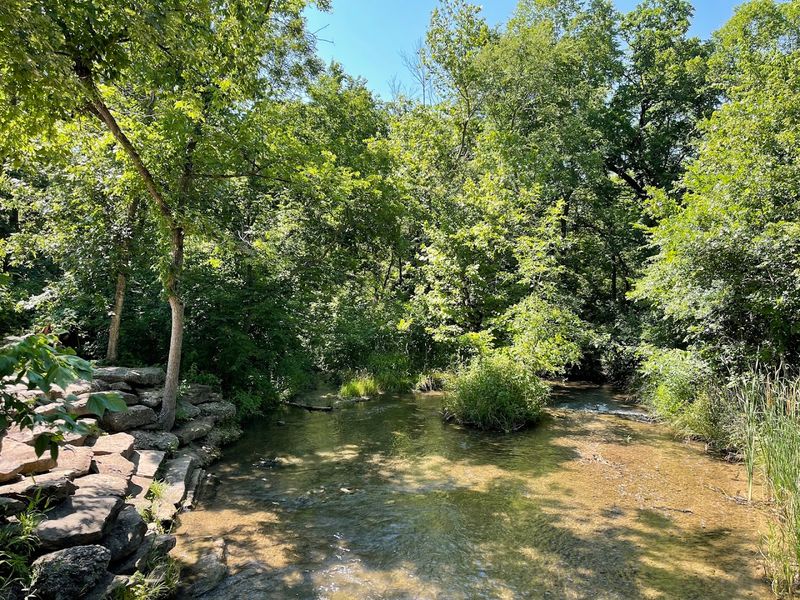
Travertine Creek flows through Chickasaw National Recreation Area near Sulphur, Oklahoma 73086, right in the heart of the Arbuckle Mountains. The park sits about 90 miles south of Oklahoma City, making it a very realistic day trip for anyone in the metro area.
The creek is not a secret in the traditional sense, but it is the kind of place that gets overshadowed by bigger-name Oklahoma destinations. Most people know about Turner Falls nearby, but Travertine Creek offers a different kind of experience, one that feels quieter, more natural, and less commercialized.
The Chickasaw National Recreation Area itself covers thousands of acres, and Travertine Creek runs through the heart of it, fed by natural springs that keep the water temperature consistent and the flow steady even during dry stretches. Getting there is straightforward, and parking areas near the creek are well-maintained by the National Park Service.
The surrounding landscape shifts from open prairie to dense tree canopy as you approach the water, which gives the whole arrival a pleasant sense of transition.
The Spring Water That Makes This Creek Different
Most creeks in Oklahoma run murky after a rain, carrying sediment and clay downstream for days. Travertine Creek does not behave that way, and the reason comes down to its source.
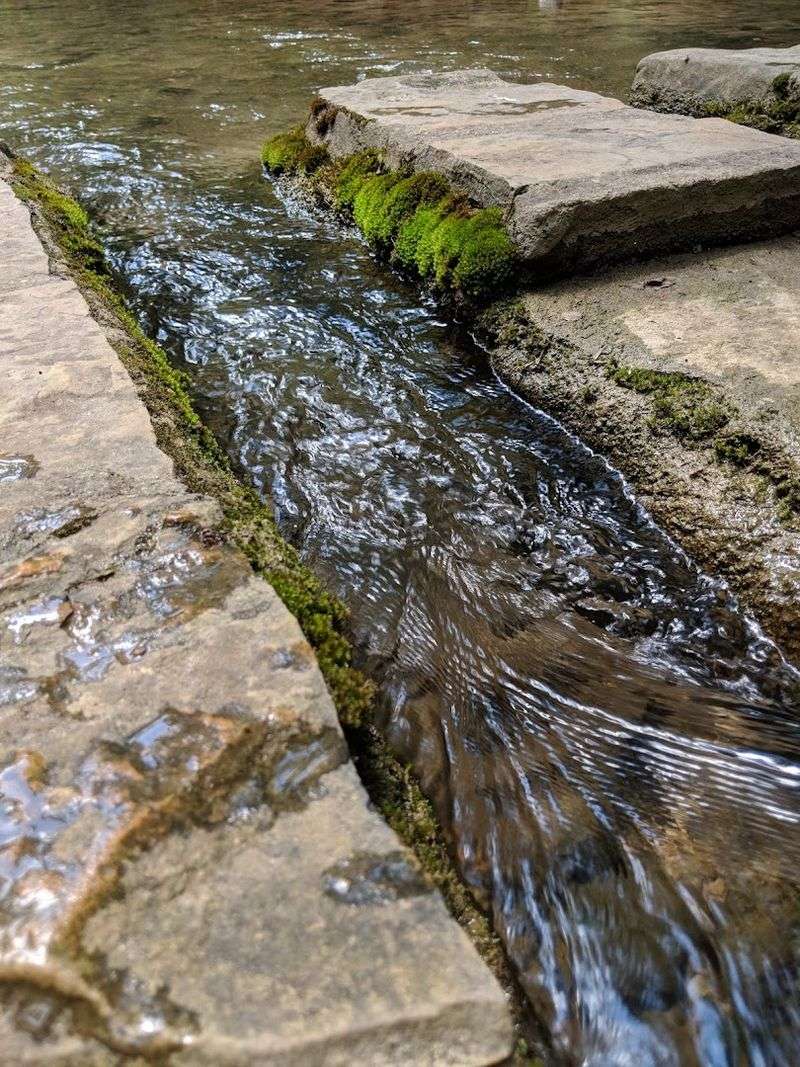
The creek is fed by natural springs that push water up through limestone and travertine rock formations. That filtration process strips out most of the particles that cloud typical surface water, and the result is water that looks almost artificially clean.
On a sunny day, the clarity is genuinely striking.
The springs also keep the water at a reliably cool temperature year-round, hovering somewhere around 68 degrees Fahrenheit. That might sound mild, but after a July afternoon in Oklahoma, it feels refreshingly cold the moment you step in.
The consistent flow means the creek does not dry up the way seasonal streams do, so the experience stays similar across different times of year.
The travertine rock formations that give the creek its name also shape the streambed in interesting ways, creating natural ledges and small pools that make the water feel almost sculpted rather than random.
Little Niagara and the Small Waterfalls
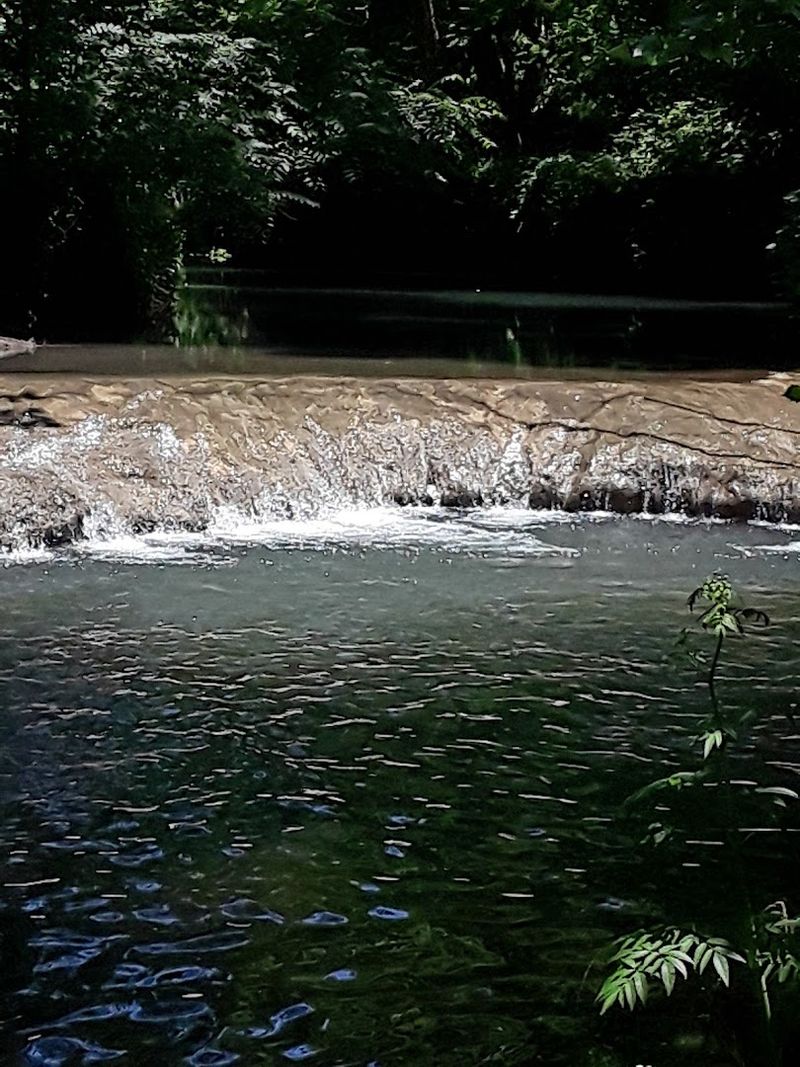
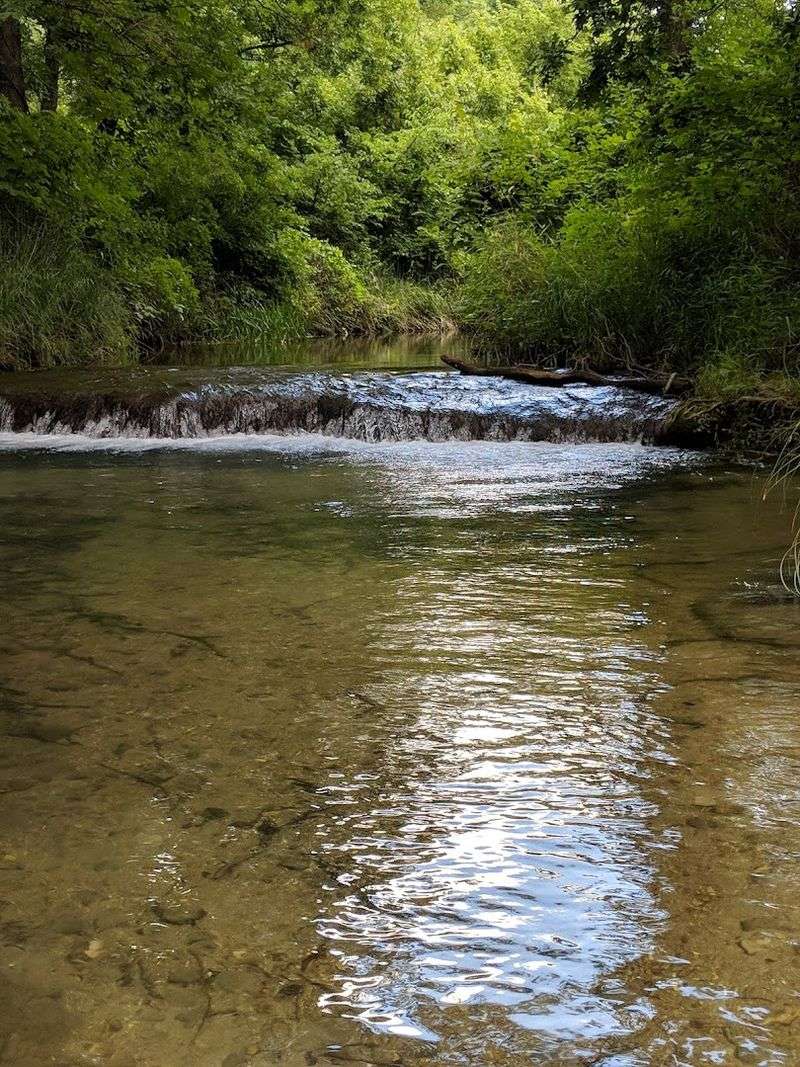
One of the most photographed spots along the creek is a small waterfall called Little Niagara, and the name is a bit playful but not entirely off-base. It is not a towering plunge, but the water fans out wide across a smooth rock ledge and drops into a natural pool below in a way that looks genuinely beautiful.
Several other smaller cascades dot the creek upstream and downstream from Little Niagara. These mini-falls create a rhythm to the water that you can hear before you see them, and they break the creek into distinct sections, each with its own character.
The pools at the base of each small waterfall tend to be deeper than the surrounding stretches, which makes them popular for wading and splashing. Families with kids tend to cluster around these spots, and it is easy to see why.
The falls are low enough to feel safe but dramatic enough to be genuinely fun.
Photographers get a lot of mileage out of the long, flat light of early morning here, when the water catches the sun at a low angle and the surrounding trees are still and quiet.
Jumping Spots and Deeper Swimming Holes
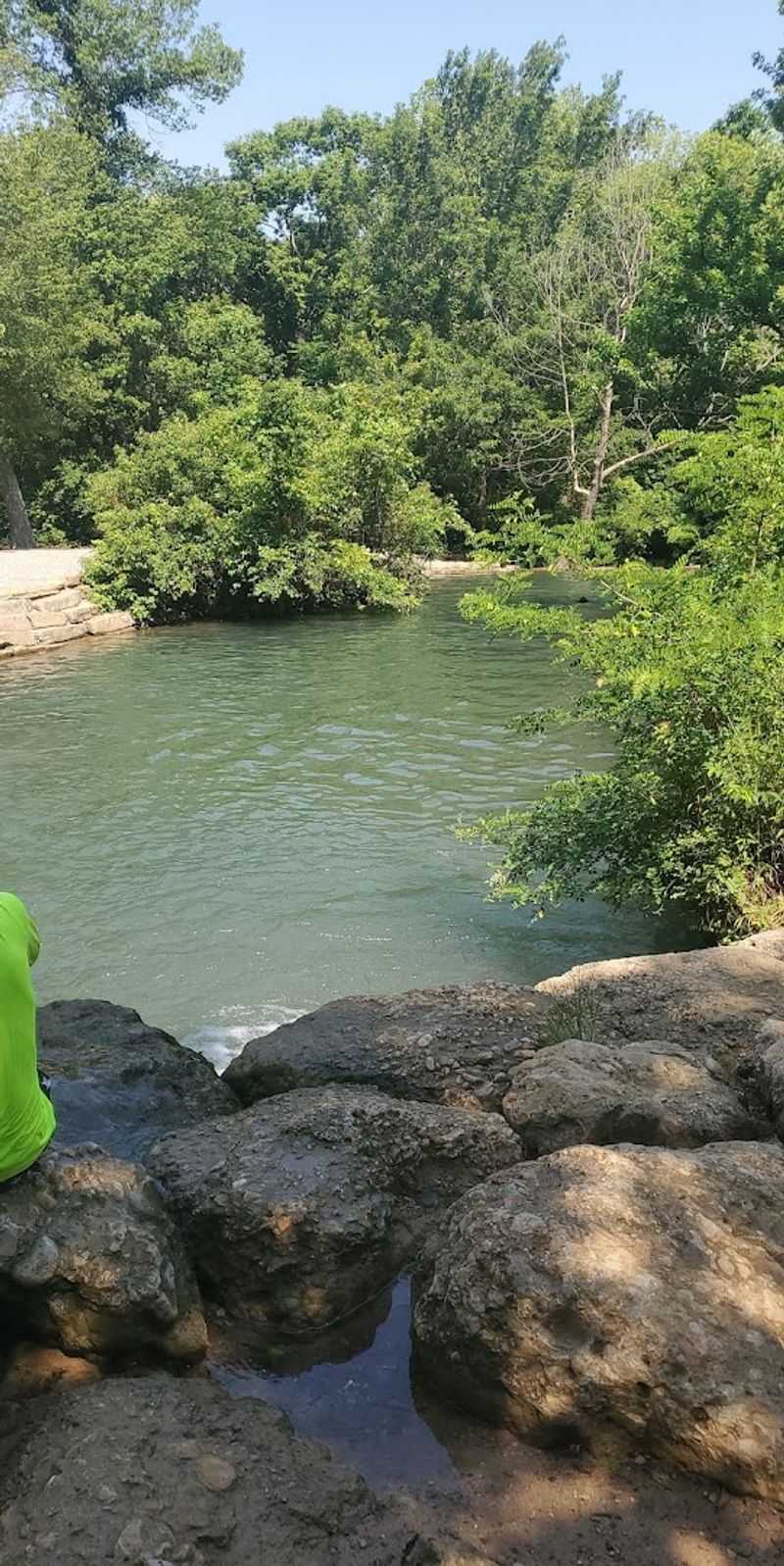
Beyond the wading areas and shallow stretches, the creek has a few spots where the water gets deep enough to jump into from the surrounding rock ledges. These jumping points are a big draw for older kids and teenagers, and the energy around them on a weekend afternoon is contagious.
The ledges are natural rather than constructed, which means they vary in height and angle. Some are just a short hop above the surface, while others offer a more committed drop.
None of them require any special skill, but paying attention to water depth before jumping is common sense that applies everywhere.
Life vests are strongly encouraged for the deeper sections, especially for younger swimmers or anyone who is not fully confident in open water. The National Park Service does a reasonable job of posting guidelines near swimming areas, and rangers are present during peak season.
The combination of shallow wading areas for small children and deeper pools for older visitors means families with a wide age range can all find something that works for them without splitting up. That kind of flexibility is harder to find than you might think.
Hiking Trails Through the Arbuckle Landscape
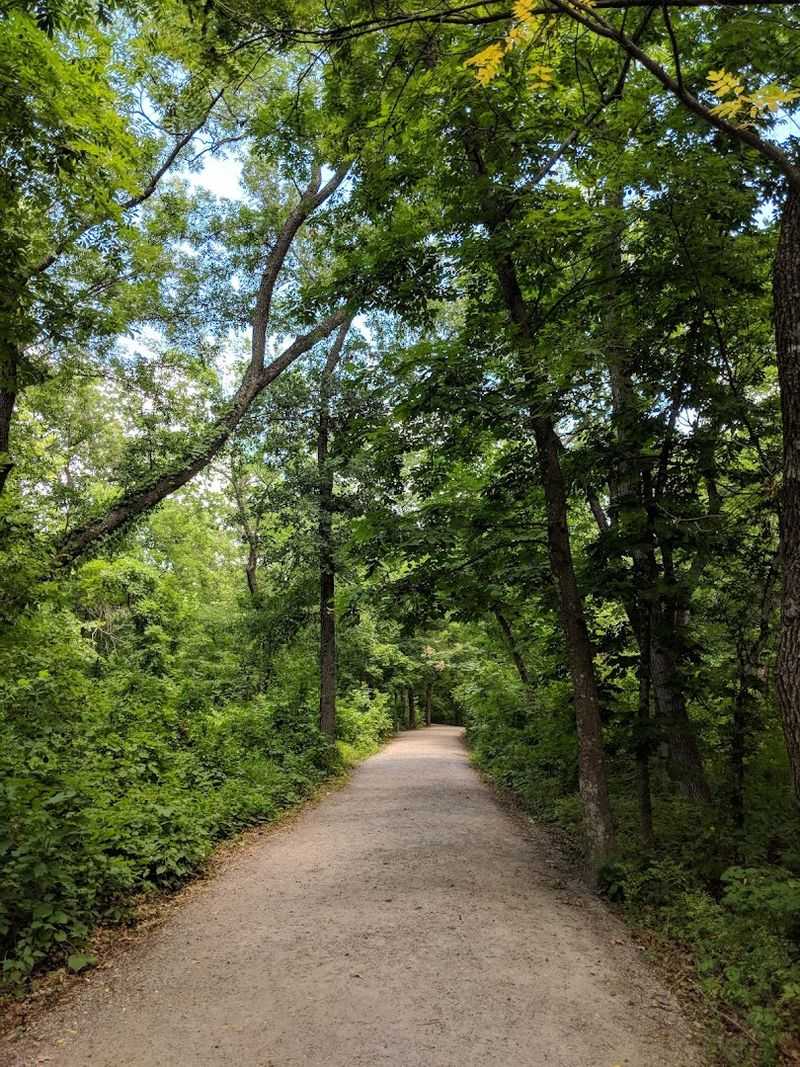
The trails around Travertine Creek are not extreme by any measure, but they offer something that flat Oklahoma terrain often cannot: actual elevation change, tree cover, and a sense of moving through a landscape that feels genuinely wild.
Several marked trails wind through the Chickasaw National Recreation Area near the creek, ranging from short loop walks to longer routes that take you away from the water and into the surrounding hills. The terrain shifts noticeably as you gain altitude, with cedar and oak trees giving way to more open rocky areas with views across the Arbuckle range.
The trails are well-maintained and clearly signed, which makes them accessible for casual hikers who are not looking to navigate with a compass. That said, wearing actual walking shoes rather than flip-flops makes a real difference on the rockier sections.
Birdwatching along the trails is quietly excellent. The mix of water, woodland, and open rocky habitat attracts a solid variety of species, and early morning walks reward patience with sightings that you would not expect from a park this close to major highways.
The trails connect naturally back to the creek, so loops are easy to plan.
Pet-Friendly Access Along the Creek
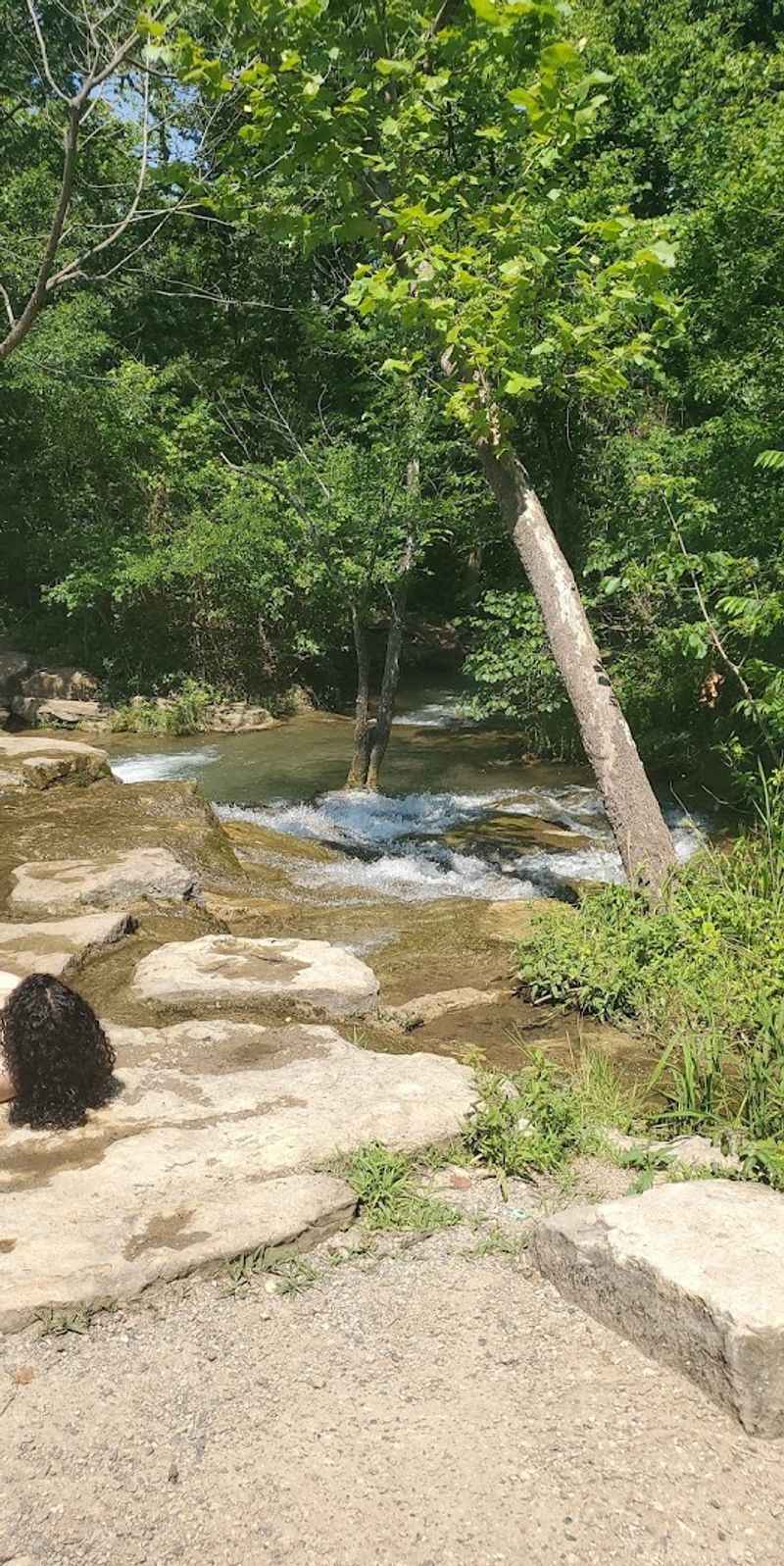
Bringing a dog to Travertine Creek is genuinely welcomed, which puts it ahead of a lot of natural swimming areas that technically allow pets but make the experience awkward in practice. Dogs are permitted on leashes throughout the recreation area, including along the creek banks and on most trails.
The shallow sections of the creek are perfect for dogs that like water but are not strong swimmers. The water is clear enough that you can see exactly how deep it is before letting a dog wade in, which takes away a lot of the guesswork.
The rocky banks give dogs good footing without being rough on their paws.
The temperature of the spring-fed water is a genuine bonus for dogs on a hot day. Most dogs that enter the creek do not want to come back out, which is either charming or a mild inconvenience depending on your schedule.
Keeping dogs leashed is a firm rule rather than a suggestion, both for the safety of wildlife in the area and out of consideration for other visitors. Picking up after your pet is expected, and waste stations are available near the main access points.
The overall setup is thoughtful without being overly restrictive.
Camping Options Near the Water
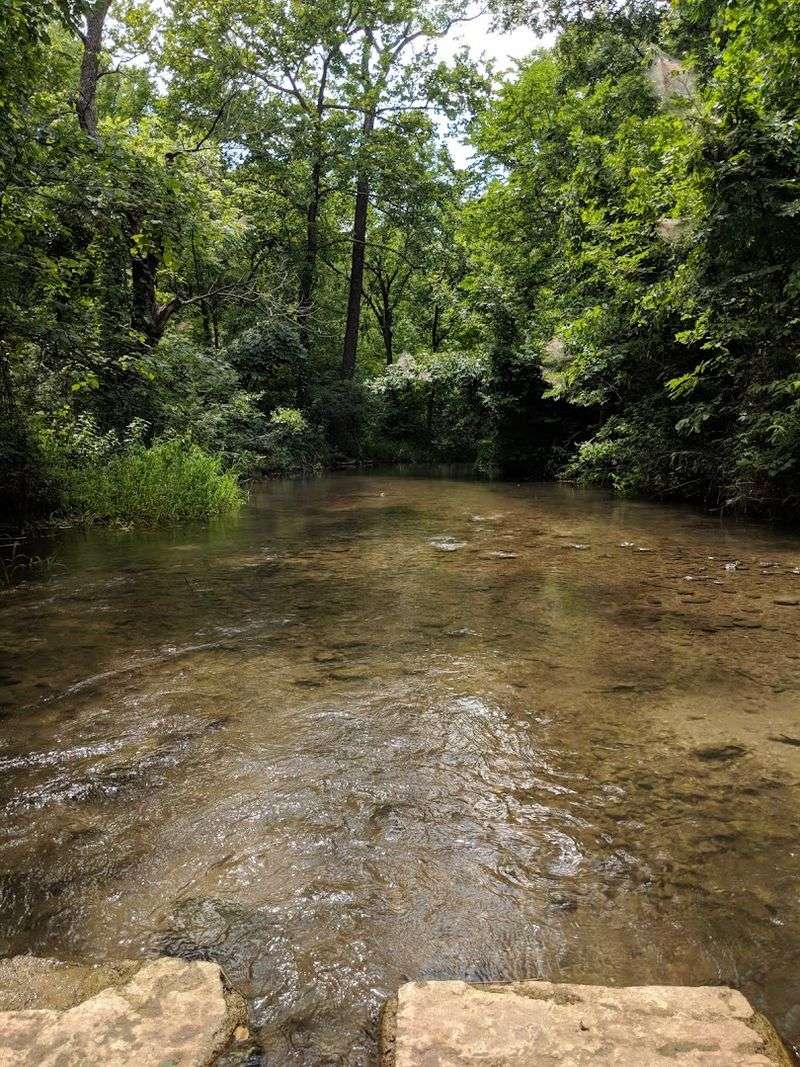
Staying overnight near Travertine Creek is not only possible but actually a strong option if you want to experience the place before the day crowds arrive. The Chickasaw National Recreation Area has several campgrounds within easy walking or driving distance of the creek.
Rock Creek Campground and Central Campground are two of the more popular options, both managed by the National Park Service. Sites range from basic tent pads to spots with electrical hookups for RVs, which gives the camping options a broad appeal across different styles of travel.
Waking up near the creek early in the morning is a qualitatively different experience from arriving at midday. The water sounds carry in the quiet air, the light is soft and golden, and the trails are essentially empty.
That first hour before other visitors show up has a calm to it that is hard to replicate later in the day.
Reservations are recommended during summer weekends, when the campgrounds fill faster than you might expect for a park that does not always show up on popular travel lists. Booking through recreation.gov a few weeks out is usually sufficient to secure a good spot.
The History Behind the Springs and the Park
The springs in this area have been drawing visitors for far longer than the National Park Service has been managing them. Indigenous peoples, including the Chickasaw Nation, used these mineral springs for centuries, and the land carries that history in ways that go beyond signage.
The park itself was established in 1902 as Sulphur Springs Reservation, making it one of the oldest federally protected areas in what would become the state of Oklahoma. It was later renamed Platt National Park, and eventually merged with the Arbuckle Recreation Area to form the current Chickasaw National Recreation Area in 1976.
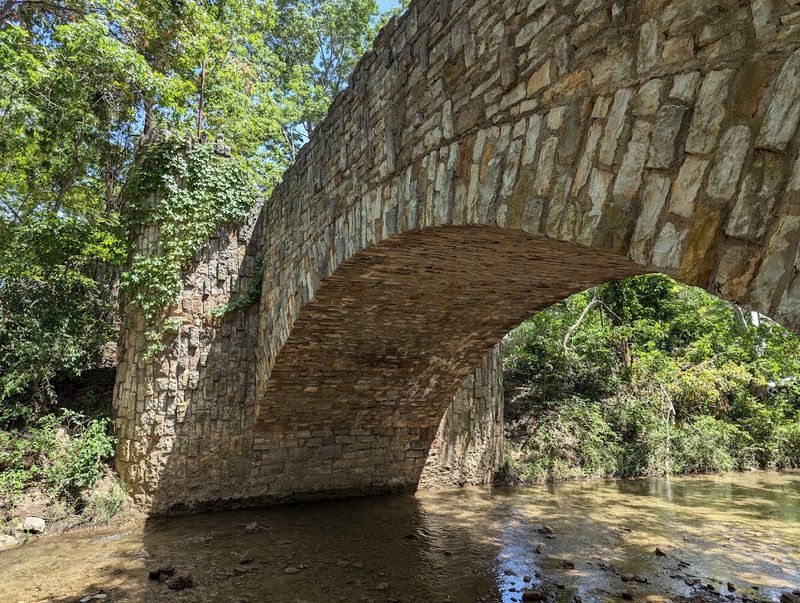
The Civilian Conservation Corps left a visible mark on the park during the 1930s, constructing stone bridges, shelters, and retaining walls that are still standing and still in use today. That craftsmanship has aged well, and the structures blend into the landscape in a way that feels intentional rather than intrusive.
Understanding that history adds a layer to the experience that a casual visit might miss. The springs were once promoted as having medicinal properties, drawing visitors from across the region who believed the mineral-rich water had restorative benefits.
Whether or not that was true, people clearly found something worth returning to here.
Best Times to Visit and What to Expect
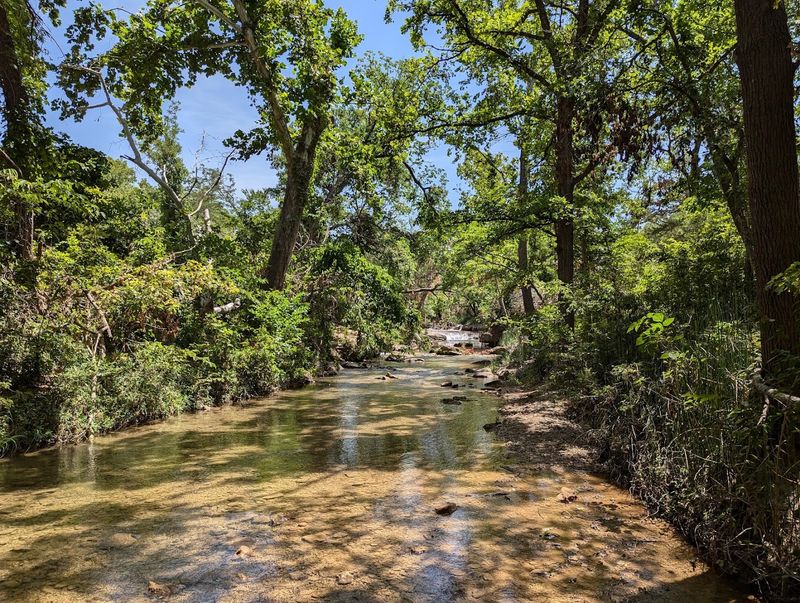
Summer is peak season at Travertine Creek, and the difference between a weekday visit and a Saturday afternoon in July is significant. Weekday mornings from late May through August offer the best balance of warm weather and manageable crowds.
Spring is genuinely excellent here. The water levels are typically higher from winter and spring rains, the wildflowers along the trails are active, and the temperatures are comfortable without being hot.
April and early May hit a particularly nice window before school lets out and the summer rush begins.
Fall brings its own appeal, with the oak and cedar trees adding color to the surrounding hills and the creek continuing to flow steadily thanks to its spring-fed source. Visitor numbers drop noticeably after Labor Day, which makes September and October some of the most pleasant months to visit.
Winter visits are quiet to the point of being almost solitary, and while swimming is not on the agenda, the trails and creek banks are beautiful in a spare, uncluttered way. Always check the National Park Service website before visiting, as seasonal closures and maintenance schedules can affect access to specific areas of the creek.
Practical Tips for a Smooth Visit
A few small preparations make a noticeable difference at Travertine Creek. Water shoes are worth bringing even if you plan to mostly stay on the banks, because the creek bottom has a mix of smooth limestone and occasional sharp rock that is uncomfortable in bare feet.
There have been reports of broken glass near some access points, so keeping footwear on until you are settled in a spot you have checked is a sensible habit. The park is generally well-maintained, but visitor volume means the occasional mess shows up between cleanings.
Sunscreen and water are obvious but easy to underpack when you are excited about getting to the creek. The open sections of water reflect a lot of light, and time passes quickly when the surroundings are this pleasant.
The entry fee for Chickasaw National Recreation Area is modest and covers access to the entire park, which includes not just Travertine Creek but also several mineral springs, additional swimming areas, and the full trail network. Compared to nearby paid attractions, the value is hard to argue with.
Cash and card are both accepted at the entrance station during staffed hours.
Share this story