Some of the best stops in Minnesota hide just far enough off the highway that most drivers never notice them. Tucked into the southwest corner of the state sits a small park with red stone cliffs, a surprise waterfall, and a story that stretches back thousands of years.
It is free, it is peaceful, and it often feels like you have the whole place to yourself. Once you see it, you may wonder why more people are not talking about it.
A Sacred Quarry on the Southwest Minnesota Prairie
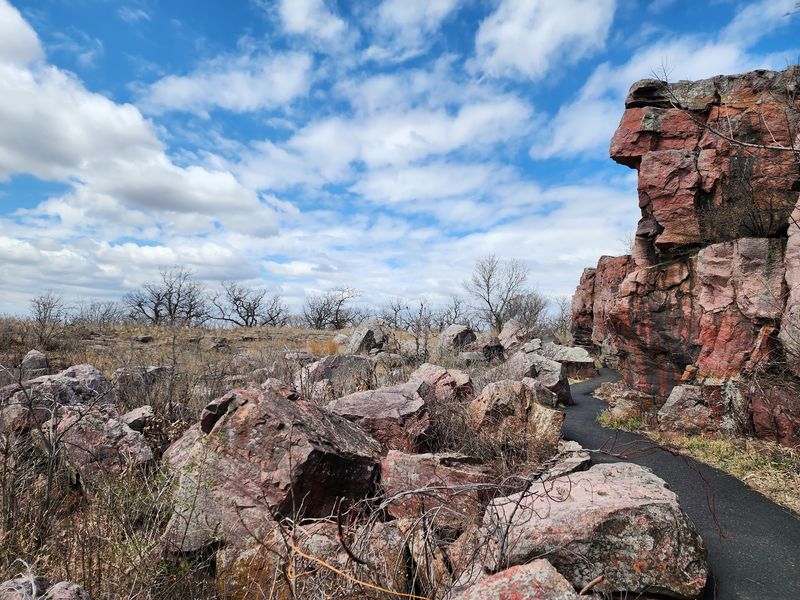
Out where the prairie rolls toward South Dakota, a modest sign on Reservation Avenue points the way to one of the most meaningful spots in Minnesota. Pipestone National Monument protects quarries of soft red stone that many American Indian nations hold sacred.
The site is run by the National Park Service and includes a visitor center, exhibits, a gift shop, and a walking trail that loops past cliffs, quarries, and a waterfall. Its official address is 36 Reservation Ave in the town of Pipestone.
Here is the part Minnesotans will love. Big-name parks out west draw crowds by the busload, yet this one delivers history, nature, and culture with far less hustle.
Visitors often call it a pleasant surprise, noting there was much more to see than they expected. For a small monument, it punches well above its weight, and that makes it a true point of state pride.
Thousands of Years of Living Tradition
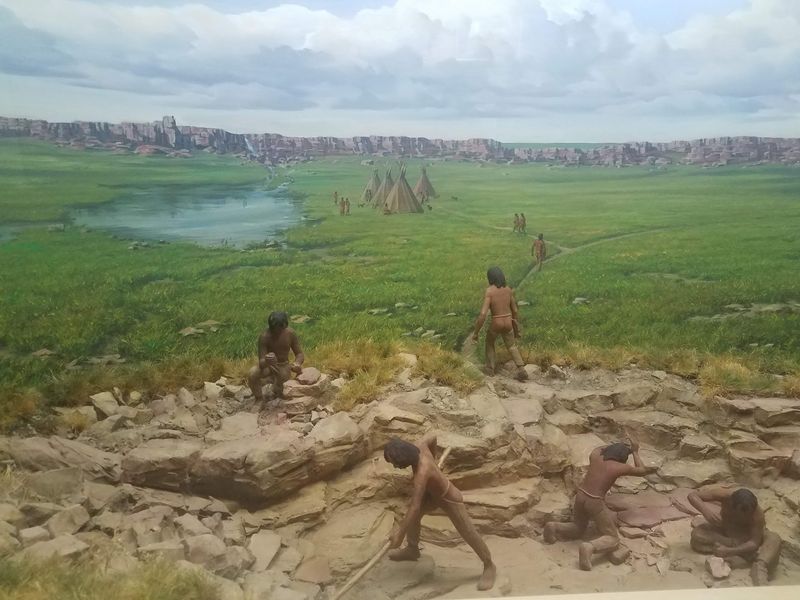
Long before highways or park signs, people traveled to this ground to quarry the red stone. Pipestone has been harvested here by Indigenous people for thousands of years, and it has been shaped into pipes and other culturally important objects for centuries.
What makes the story powerful is that it has not ended. Quarrying still happens today, and some visitors have watched people digging in the pits during their walk.
Offerings tied to trees along the trail are a quiet reminder that this is an active sacred site where centuries-old practices continue.
That living connection changes how the whole place feels. A visit is less like touring a museum exhibit and more like being welcomed onto ground that still matters deeply to the people who care for it.
Walking respectfully, staying on the path, and leaving offerings untouched are simple ways to honor that history.
Carvers at Work Inside the Visitor Center
Stone dust, steady hands, and friendly conversation set the scene inside the visitor center. Artisans often work right in the building, shaping pipestone quarried on site into pipes, figures, and smaller pieces.
Guests rave about how happy these carvers are to chat. They typically explain their methods, share the history of their craft, and answer questions with real patience.
One returning guest even brought up an old block of pipestone he had never worked, and a carver offered tips for finally tackling it.
Few places anywhere let you watch a tradition this old being practiced live, with no ticket and no velvet rope. Big-city museums might display carvings behind glass.
Here, you can see a piece take shape and talk with the person making it. Many visitors name these demonstrations as the highlight of the trip, and it is easy to understand why after just a few minutes.
Winnewissa Falls and the Surprise in the Rocks
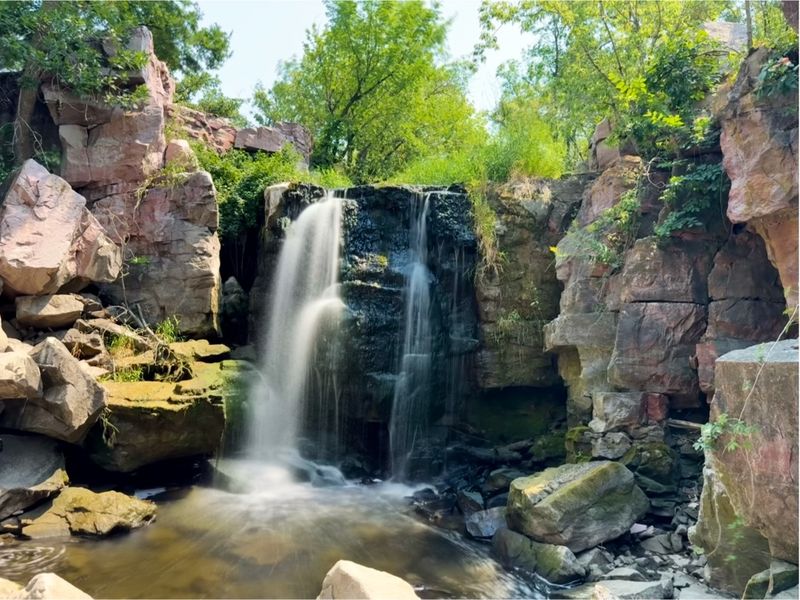
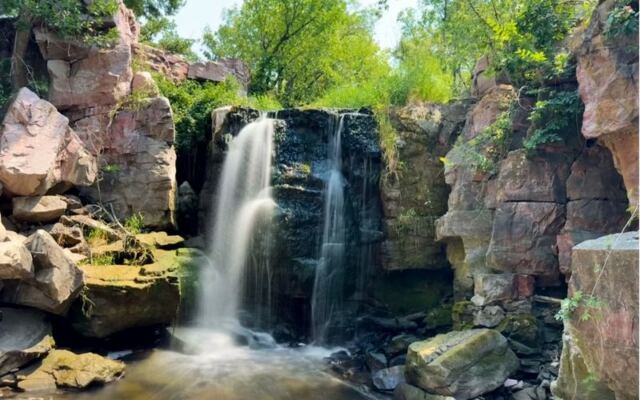
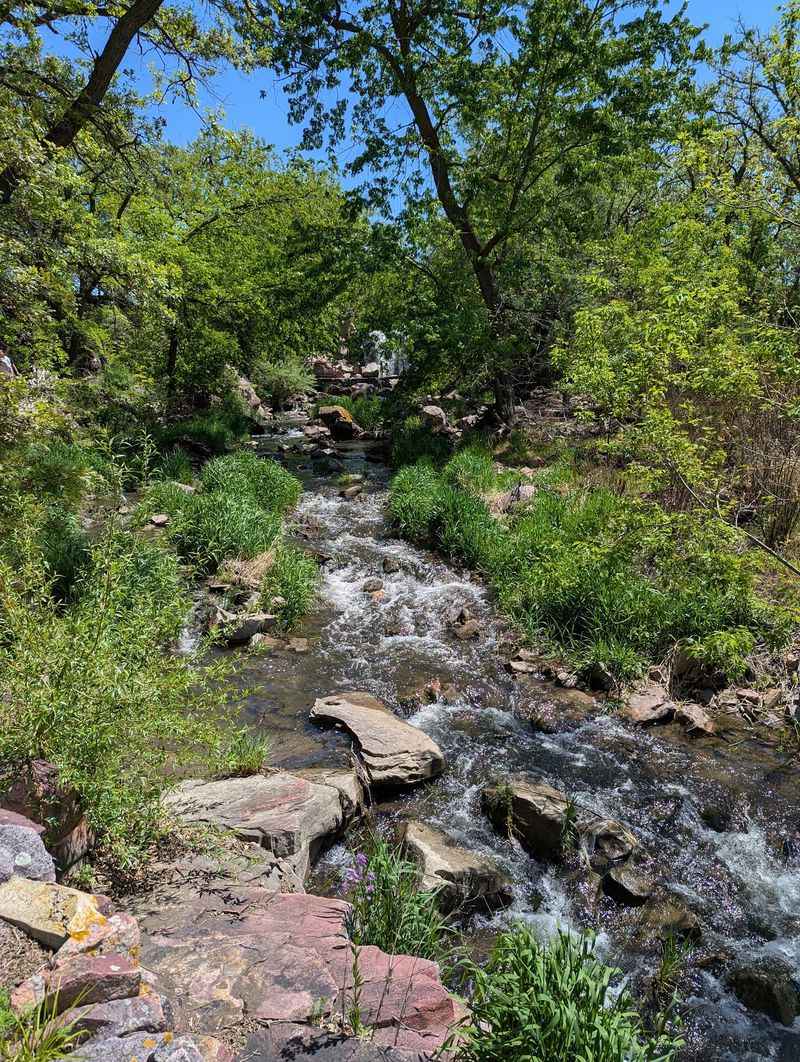
Nobody expects a waterfall on the flat Minnesota prairie. Yet partway along the trail, water tumbles over the rocks and into a stream, and it ranks as the single most talked-about feature of the monument.
Visitors describe it as serene, majestic, and tucked neatly into the landscape. One traveler joked it was doing its thing like it owned the place, which feels about right.
A word of advice from those who have seen it: admire the water, but do not drink it.
The falls sit roughly halfway around the loop, making them a natural spot to pause, snap photos, and listen. Rock stairs nearby lead up to higher viewpoints for those who want a closer look.
In autumn, changing leaves frame the cascade beautifully, and the cooler air makes lingering by the water even more pleasant than on a hot summer afternoon.
Walking the Circle Trail
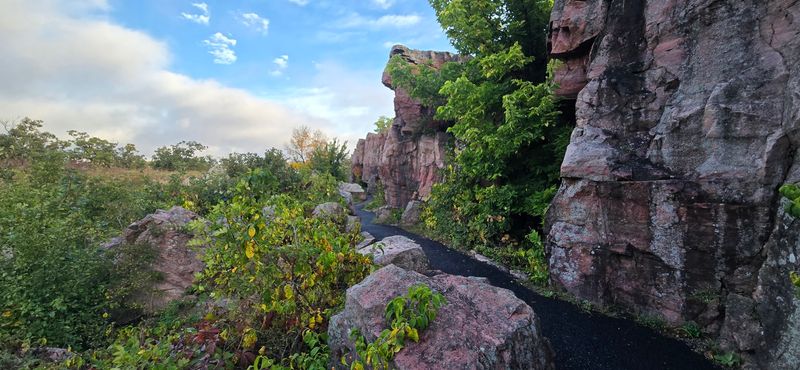
Good news for every age group: the main path is paved, mostly flat, and short. Visitors estimate the full loop at around a mile or so, and most people see it all in about an hour.
Along the way you pass meadows, a running stream, the waterfall, and the quarries, with signs explaining the history at each stop. There is a long sunny stretch, so a hat and water are smart choices.
Some spots can get slippery, and a few guests recommend wearing real hiking shoes.
Accessibility is decent but not perfect. The trail is not fully wheelchair friendly, though those with mobility concerns can typically skip the side paths that climb near the falls.
Families with energetic kids find it a great way to burn off road-trip energy. And sunset on the trail, according to repeat visitors, is a treat worth timing your trip around.
Cliffs, Rock Walls, and Hidden Faces
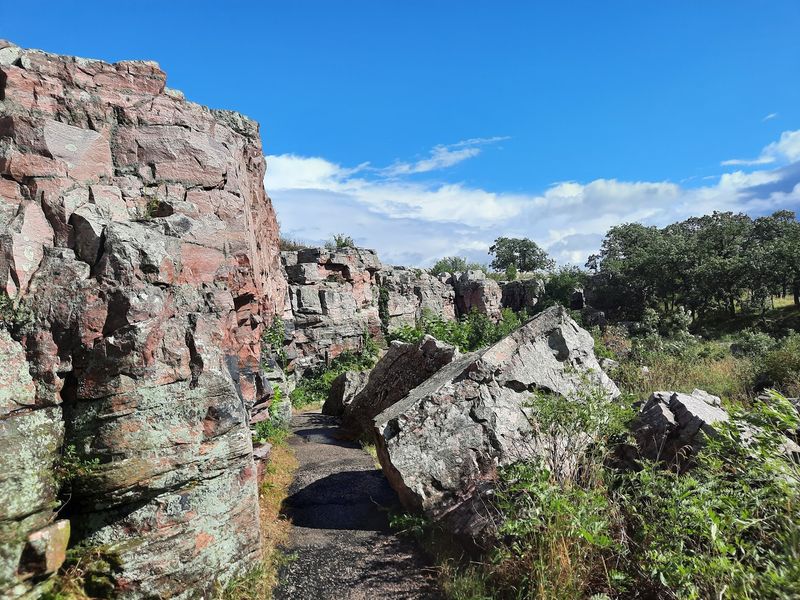
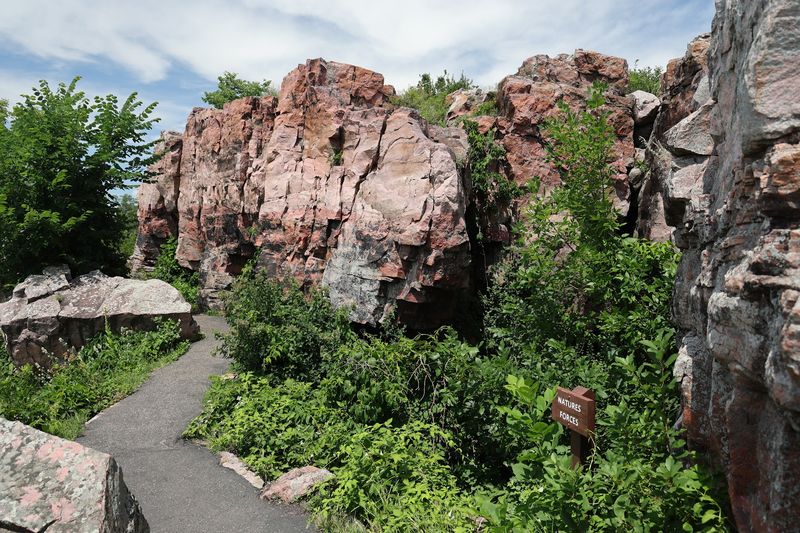
Keep your eyes on the rock wall. Guests love searching for the hidden faces in the stone, and spotting one feels like winning a quiet scavenger hunt.
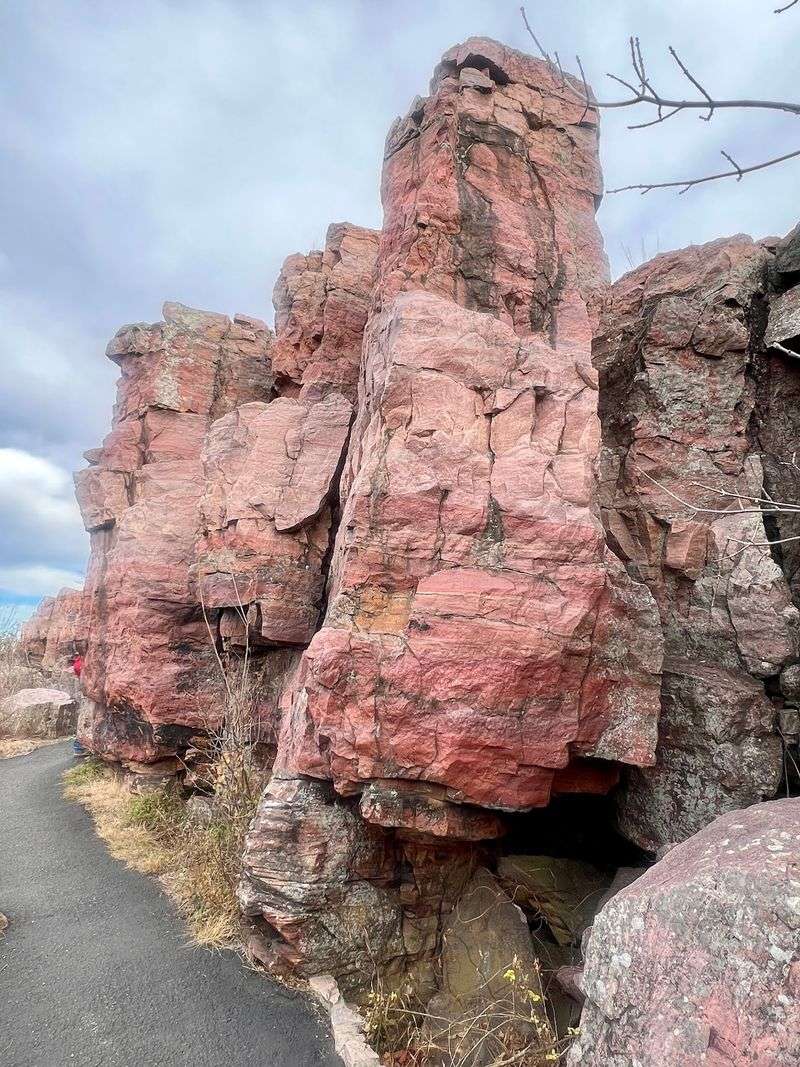
The cliffs here draw words like breathtaking and one of a kind. Red stone and large boulders create a landscape that looks nothing like the surrounding farmland, almost as if a slice of canyon country got dropped into southwest Minnesota.
Rock stairs climb to areas with more formations and photo-filled signboards that explain what you are seeing.
Photographers will find plenty to work with, especially when low autumn sunlight warms the stone. The colors seem to glow in the late afternoon.
Even people who arrive unsure about the stop often leave talking about the rocks, which proves that small-town Minnesota can hold scenery as striking as anything in a famous national park.
Prairie Wildlife and Wildflowers
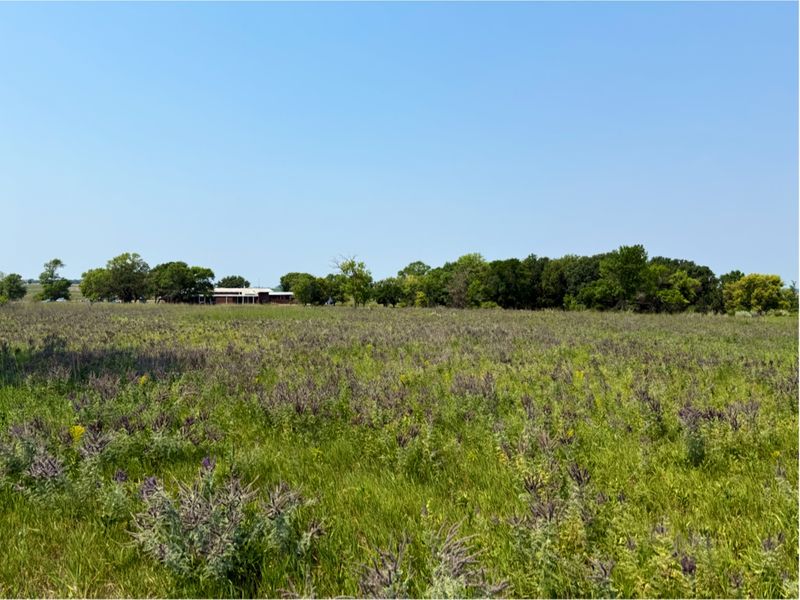
Bring binoculars. One couple spent a whole morning sipping coffee on their tailgate in the visitor center lot, simply watching the prairie come alive.
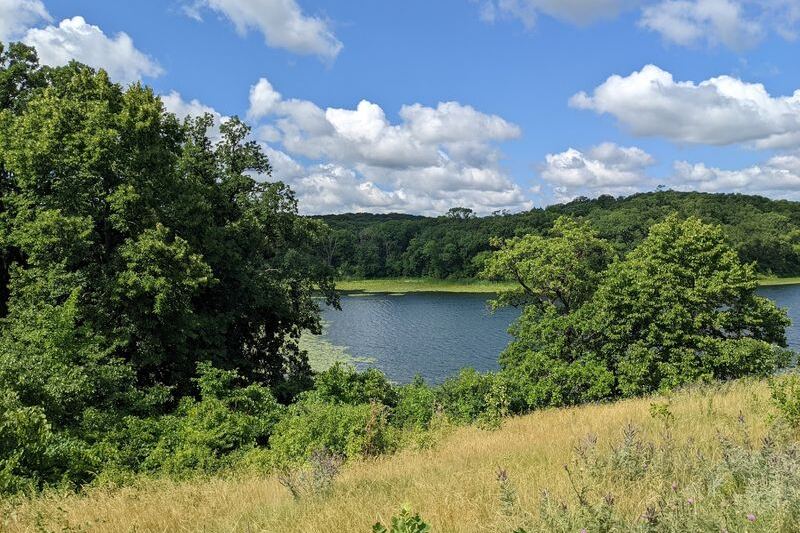
Their list of sightings reads like a nature guide: pheasant, turkey, deer, ground squirrels, ducks, and hawks. Others mention turtles crowding the small lake and birdsong drifting along the path.
Spring and summer bring fragrant flowering trees, while the plant life overall feels distinct from the surrounding countryside.
For kids, this turns a simple walk into an animal-spotting game. For adults, it adds a calm, restorative layer to the history lesson.
Fall is a particularly good season to watch, since cooler days often keep critters active and the grasses turn rich shades of gold and rust. Patience pays off here, so slow down, stay quiet, and let the prairie show you what it has.
Exhibits, Junior Rangers, and a Gift Shop Worth Browsing
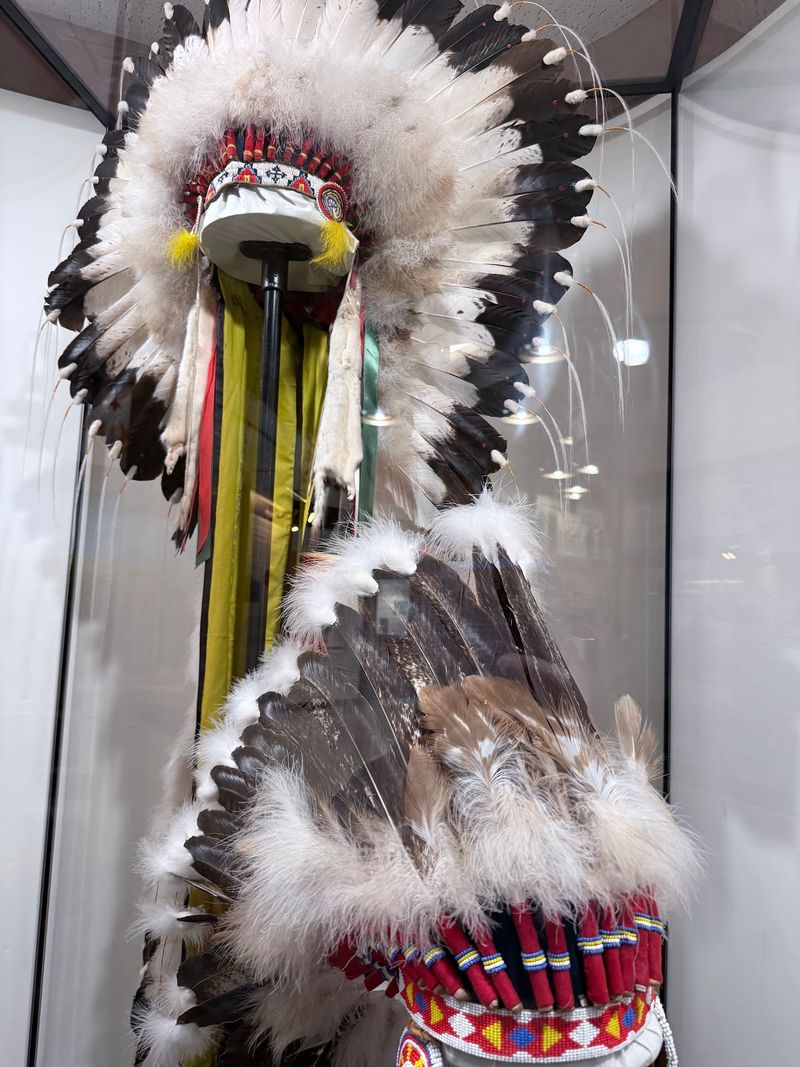
Smart visitors start indoors. Watching the videos and reading the exhibits first gives the walk to the quarries much deeper meaning, according to people who did exactly that.
The museum is small but well done, with displays on Native cultures and the quarry tradition. Families especially praise the Junior Ranger booklets, which offer pages for multiple age levels so every child can finish something.
Rangers are known for being warm with young visitors and chatting about their travels. Even the dogs can earn a collar charm for following the rules.
Then there is the gift shop. It carries handmade goods, including carvings made from stone quarried on site, and staff usually share information about the artist behind each piece.
That makes a souvenir here feel far more personal than anything grabbed at a highway stop. Passport stamp collectors will also find the cancellation stamp waiting.
Why Fall Feels So Peaceful Here
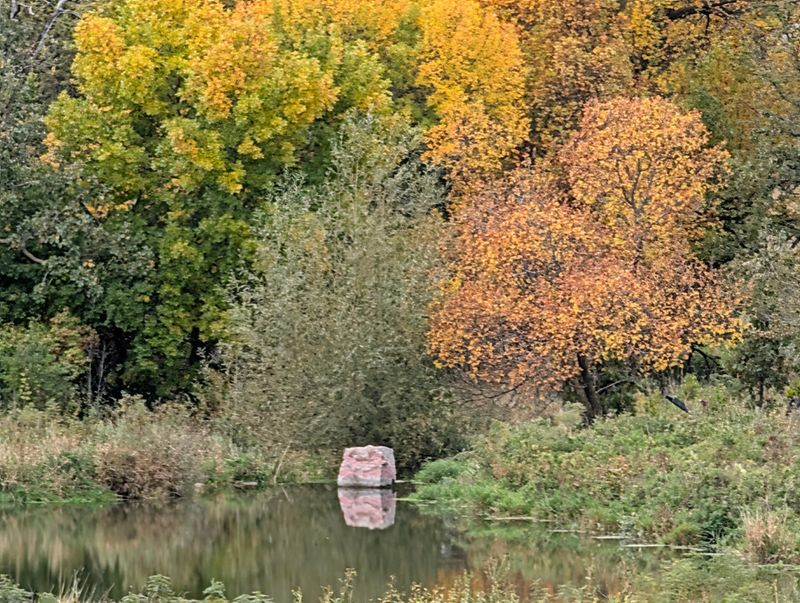
Quiet is the word that keeps coming up. Visitors describe a zen atmosphere, a sense of peace and calm that settles in the moment the parking lot fades behind you.
Crowds are rarely an issue. One guest who stopped by on a Monday afternoon found it barely busy at all.
That calm suits history lovers, families wanting an easy outing, photographers, and anyone needing a break from a long drive.
Autumn adds even more charm. Cooler temperatures make that sunny stretch of trail more comfortable, prairie grasses deepen in color, and the waterfall looks lovely against turning leaves.
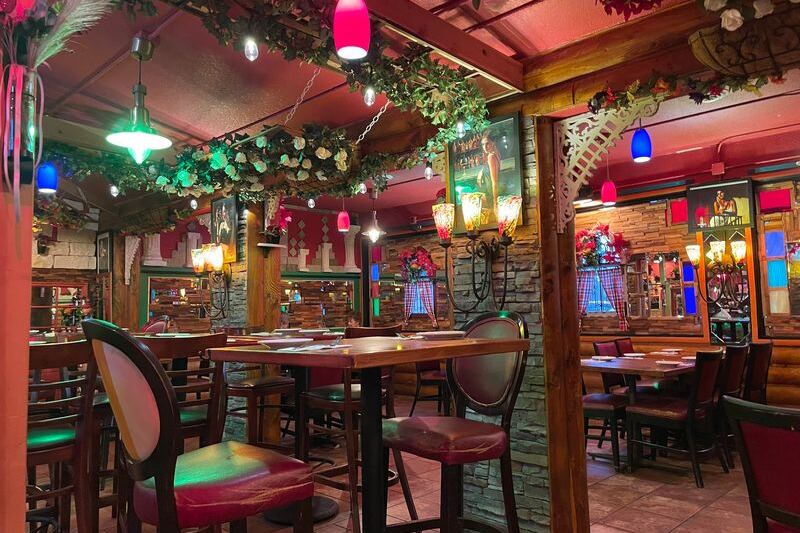
Afterward, a warm meal in town makes a cozy finish to the day. While bigger parks juggle packed lots and timed entries, this Minnesota gem keeps its gentle pace, and many people say that hush is exactly what makes it special.
Hours, Costs, and Getting There
Planning is simple. The visitor center is typically open daily from 8:30 AM to 4:30 PM, and you can reach the park at 507-825-5464 or check nps.gov/pipe for updates before you go.
Now for the best part for thrifty travelers. Recent visitors report no charge for parking or park entry, and the visitor center itself is free.
Parking is plentiful, restrooms are clean, and the trails and bathrooms have been noted as open around the clock. The passport stamp sits outside, so late arrivals do not miss out.
The monument sits in Pipestone, in the southwest corner of Minnesota, roughly 30 miles off the interstate. Some travelers admit they hesitated about the detour, then said it was completely worth it.
Cell coverage has been reported as strong, which helps with navigation. Plan on about an hour, or longer if you want to linger.
A Detour Minnesota Should Brag About
So, is it worth the drive? For anyone curious about Indigenous culture, prairie landscapes, or simply a peaceful walk, the answer leans strongly toward yes.
It is not a giant park, and one guest noted there is not a huge amount of ground to cover. That is part of the appeal.
In an hour or two you get living tradition, skilled carvers, a waterfall, striking cliffs, and wildlife, all without spending a dime on entry. Few destinations in the country offer that much meaning for that little cost.
Minnesotans already know their state hides treasures off the beaten path, and this one belongs near the top of the list. Gather the family, pack a hat and binoculars, and point the car southwest this fall.
Then tag a friend who still thinks you need to fly somewhere to find a memorable national park.
Share this story