There is a place in eastern Oklahoma where the ground itself holds a thousand years of human history, and most people have never heard of it. Long before European explorers set foot on this continent, a sophisticated Native American civilization built massive earthen mounds along the Arkansas River, leaving behind artifacts so extraordinary they ended up in museums across the country.
The site is Oklahoma’s only prehistoric Native American archaeological park open to the public, and it sits quietly in a small town that many travelers drive right past. I made the trip out to see it for myself, and what I found was far more layered, thought-provoking, and genuinely moving than I expected from a place with such a low profile.
Where History Rises from the Ground
The address is 18154 1st St, Spiro, OK 74959, and the drive out there already sets the mood. Eastern Oklahoma has a slower pace, with rolling hills, thick tree lines, and a sky that feels wider than it should.
The center sits on about 150 acres along the Arkansas River, and the moment you step out of the car, you feel the scale of what happened here.
Spiro Mounds was home to a culture archaeologists call the Caddoan Mississippian people, who occupied this site from roughly 800 to 1450 CE. At its peak, Spiro was one of the most politically and spiritually powerful centers in all of North America.
Traders and dignitaries traveled hundreds of miles to reach it.
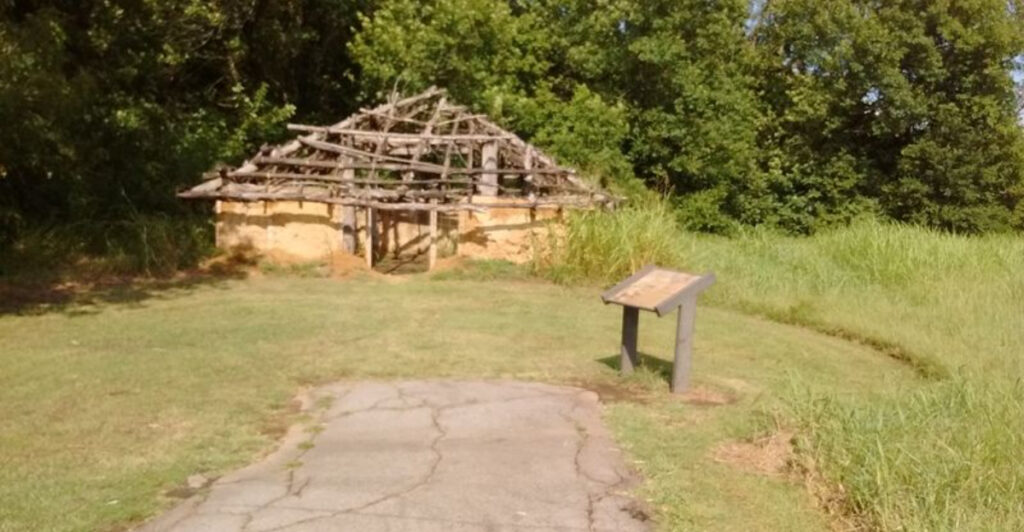
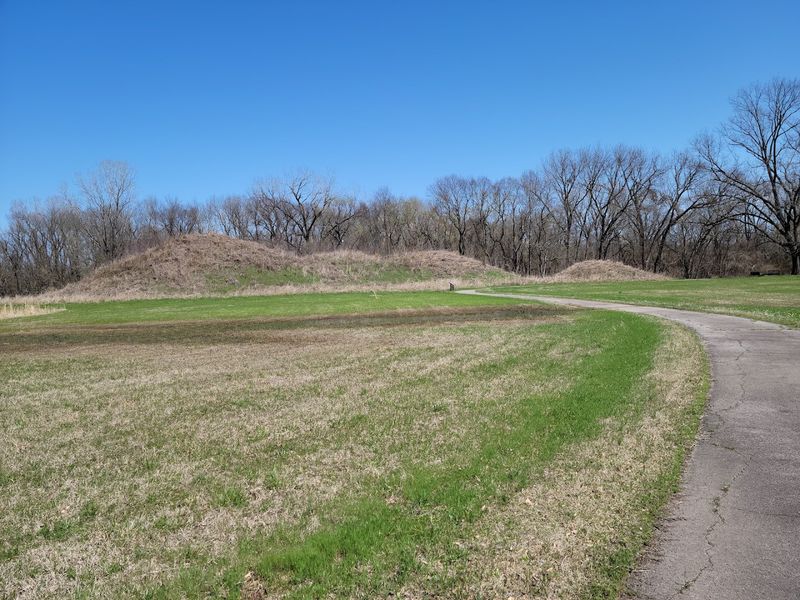
The site includes twelve mounds in total, ranging from burial mounds to platform mounds where temples and elite homes once stood. Knowing that this ground supported a thriving, complex society so long ago gives every step on the trail a quiet, almost electric weight that is hard to shake off afterward.
The Civilization That Built It All
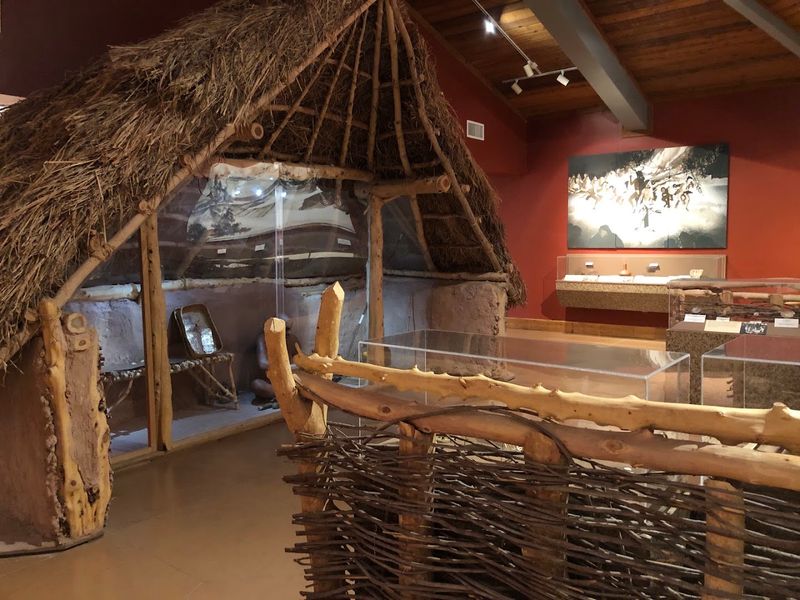
Most people think of the Aztec or Maya when they hear about ancient American civilizations, but the Spiro people were doing something just as remarkable right here in what is now Oklahoma. They were master traders, skilled artisans, and sophisticated political organizers who connected a vast network stretching from the Gulf Coast to the Great Lakes.
Their trade goods included marine shells from the Gulf of Mexico, copper from the Great Lakes region, and stone tools from the Rocky Mountains. The shell carvings produced at Spiro are considered among the finest examples of prehistoric Native American art ever found on the continent, featuring intricate designs of warriors, mythological figures, and ceremonial symbols.
What makes Spiro especially fascinating is the concentration of wealth and ritual power that accumulated in Craig Mound, the site’s main burial mound. When looters broke into it in 1935, they found a hollow chamber packed with centuries of offerings, an event that triggered federal and state legislation to protect archaeological sites across the country.
That one mound changed American law forever.
Craig Mound and the Looting That Changed History
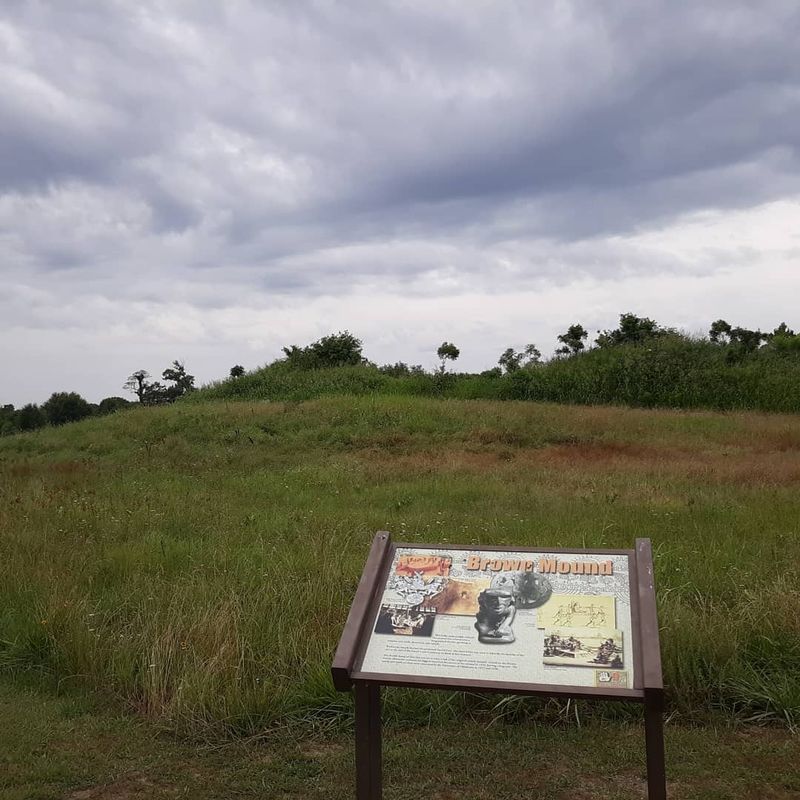
Craig Mound is the centerpiece of the entire site, and its story is one of the most dramatic in American archaeology. In 1935, a group of commercial diggers leased the mound and spent two years pulling out thousands of artifacts to sell on the private market.
The contents were so rich and so concentrated that archaeologists still refer to it as one of the greatest archaeological losses in North American history.
The diggers found a large hollow chamber inside the mound, later called the Great Mortuary, filled with stacked offerings including copper plates, engraved shells, wooden figurines, and woven textiles that had been preserved for centuries. Much of it was destroyed in the rush to extract valuables, and what survived was scattered to private collectors and museums across the country and even overseas.
Oklahoma responded by passing the first state antiquities law in the nation, and federal protections followed. Today, Craig Mound still stands, rebuilt after the excavations, and you can walk right up to its base on the trail.
It is a sobering, powerful place to stand, knowing what was found and what was lost there.
The Visitor Center and What Is Inside
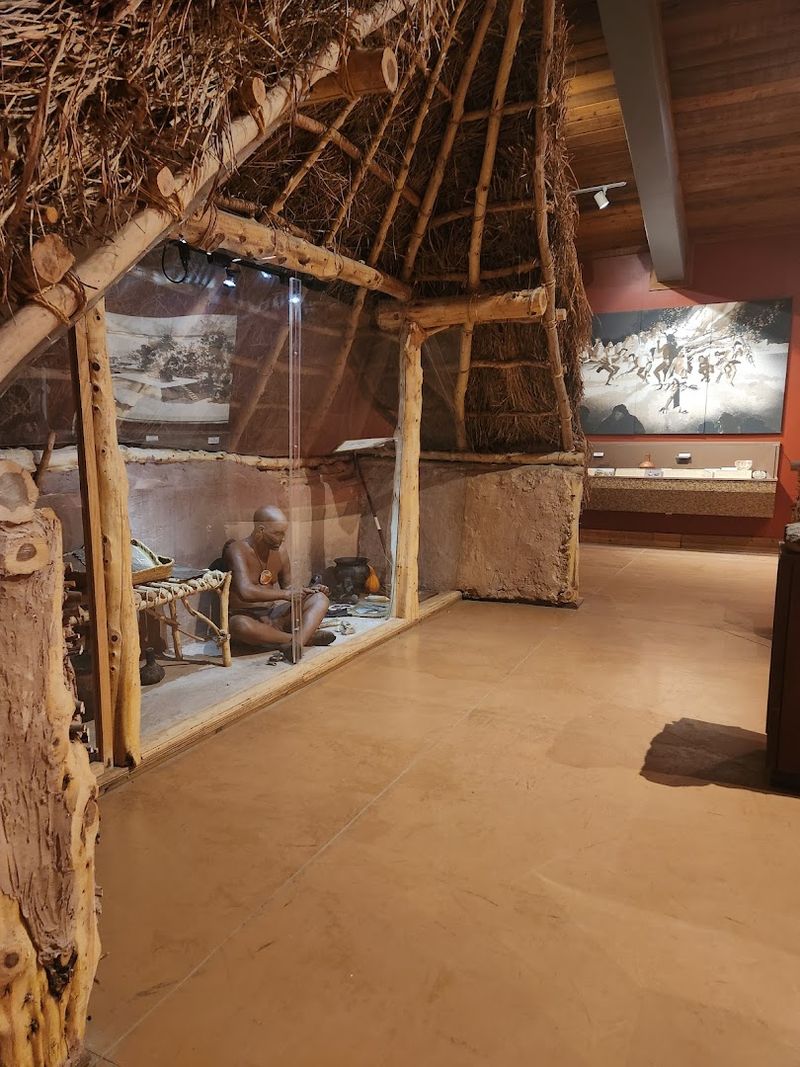
The visitor center is small but genuinely worthwhile, especially if you take the time to look closely at what is on display. The building is climate-controlled and well-maintained, which is a welcome contrast to some of the weathered outdoor signage around the property.
Staff members are notably knowledgeable and happy to spend real time answering questions.
A significant portion of the physical artifact displays are currently covered due to the Native American Graves Protection and Repatriation Act of 1990, which requires institutions to return certain cultural items to descendant tribes. This is a federal law with deep cultural and ethical significance, and it means some exhibit cases are not viewable at this time.
It is worth knowing before you arrive so you can adjust your expectations.
What is still fully available are the detailed volumes of shell ornament drawings, which document the incredible artistry of the Spiro people in meticulous detail. These books are museum-quality resources, and flipping through them gives you a genuine sense of just how sophisticated and expressive this culture was.
The center is currently undergoing a 1.5-million-dollar renovation, so conditions will continue to improve.
Walking the Trails Through the Mounds
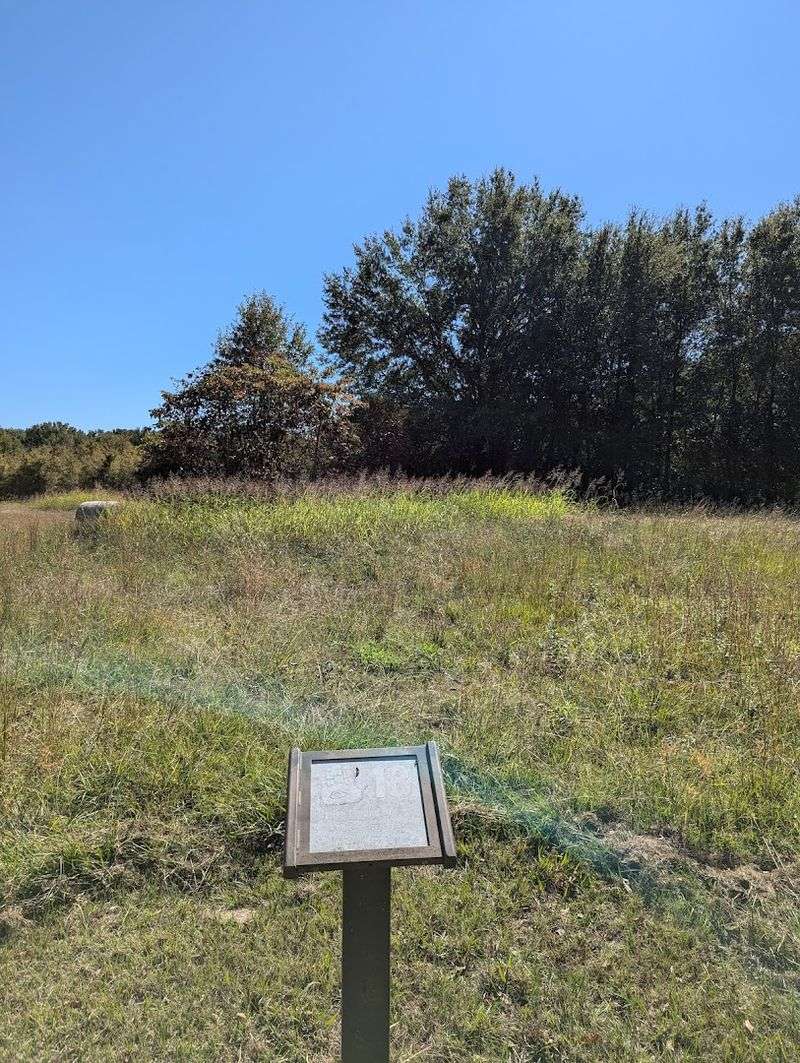
The trail system is honestly one of the best parts of the visit, and it costs nothing extra beyond the standard admission, which has been waived during the current renovation period. There are two trail options: a shorter loop of about one mile and a longer route of roughly two miles.
Both are relatively flat and easy to walk, making them accessible for most visitors.
The longer trail takes you past all twelve mounds, including Craig Mound, Brown Mound, and several smaller platform and residential mounds. Brown Mound served as a temple mound, and the area surrounding it is where the elite members of Spiro society once lived.
Interpretive signs are posted along the route, though many are currently sun-faded and due for replacement as part of the ongoing upgrades.
The walk itself has a genuinely peaceful quality. The surrounding landscape is green and open, with birdsong and a sense of stillness that makes it easy to slow down and actually absorb where you are.
On the day I visited, the trail was nearly empty, which made the whole experience feel almost private, like the mounds were sharing their story just with me.
The Solstice Events Worth Planning Around
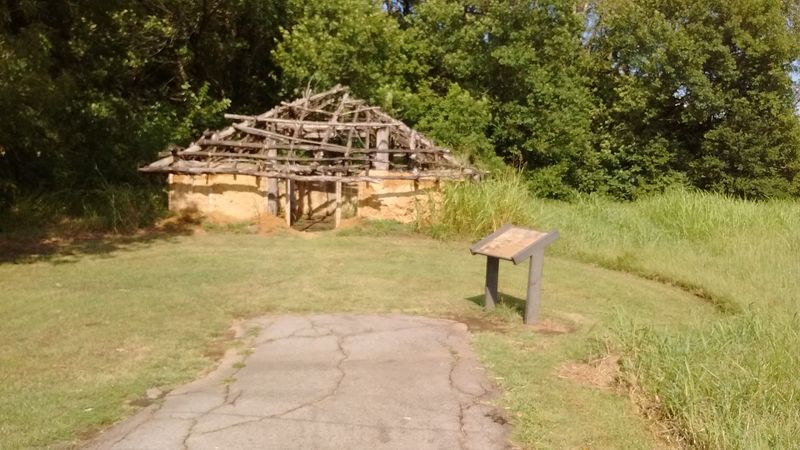
One of the most talked-about experiences at the site is the solstice walk, and it is the kind of event that turns a regular visit into something genuinely memorable. The Spiro people oriented their mounds and ceremonial spaces in alignment with astronomical events, particularly the summer and winter solstices.
Watching the sun set or rise in relation to these ancient structures gives you a direct connection to how they experienced time and the cosmos.
The winter solstice sunset tour is guided by the site director and draws a dedicated crowd of history enthusiasts, educators, and curious locals. The director’s depth of knowledge is impressive, covering not just the archaeology but the spiritual and cultural frameworks that shaped how the Spiro people understood their world.
Attendees consistently leave with far more information than they expected to absorb in a single evening.
These events tend to fill up, so checking the site’s official calendar in advance is a smart move. The Oklahoma History Center manages the site through its website at okhistory.org/sites/spiromounds, where event dates and details are posted.
Missing the solstice walk would be like visiting a concert hall and skipping the main performance.
The Repatriation Question and Why It Matters
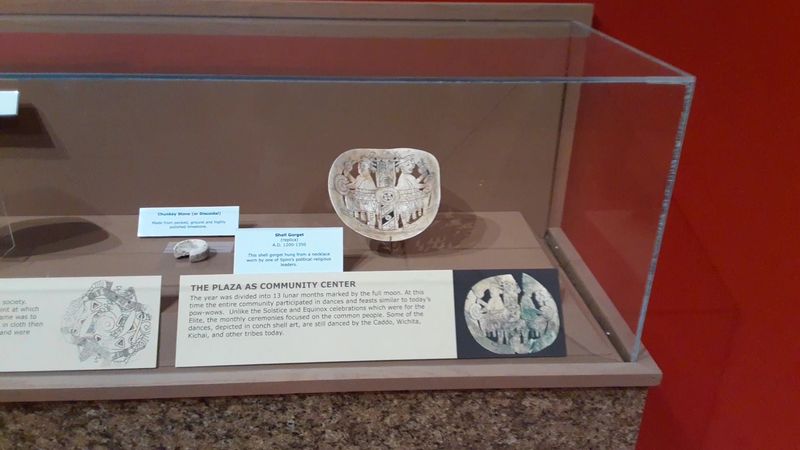
Some visitors arrive at Spiro Mounds and leave frustrated because many of the artifact displays are covered, and that reaction is completely understandable. Driving two hours to find exhibit cases draped in cloth is disappointing, and the site could do more to clearly communicate this situation on its website before visitors make the trip.
That said, the reason behind it deserves more than a passing mention.
The Native American Graves Protection and Repatriation Act, passed in 1990, gives federally recognized tribes the legal right to reclaim ancestral remains, sacred objects, and cultural patrimony held by museums and institutions. For many Native communities, these are not just artifacts.
They are relatives, ceremonial items, and spiritual property that were taken without consent during a long history of exploitation and displacement.
The tension between public education and tribal sovereignty is real and ongoing, and Spiro Mounds sits right at the center of it. Several tribes have cultural ties to this site, including the Caddo Nation, the Wichita and Affiliated Tribes, and others.
Their voices carry weight in decisions about what is displayed and how. Understanding that context transforms a covered display case from an inconvenience into a lesson about living history and ongoing justice.
Ongoing Renovations and What Is Coming

The site is in the middle of a significant upgrade, with 1.5 million dollars allocated for improvements across the property. New parking areas, updated trail surfaces, and replacement signage are all part of the plan, and some of this work was already visible during my visit.
The transformation is happening gradually, which means the experience will look quite different in another year or two.
Right now, the outdoor interpretive signs are one of the most noticeable weak points. Many are so faded from sun exposure that the text is nearly impossible to read, which undercuts the educational value of the self-guided trail.
The good news is that these are specifically scheduled for replacement, and the new panels will presumably carry updated information and better design.
The visitor center itself is also being refreshed, with repairs and replacements underway inside the building. A gift shop is not currently available, which several visitors have noted as a missed opportunity.
Souvenirs and educational books would be a natural fit for a site like this, and there is hope that a shop will return once renovations are complete. The site is evolving, and catching it mid-renovation means you are watching history being preserved in real time.
Tips for Planning Your Visit
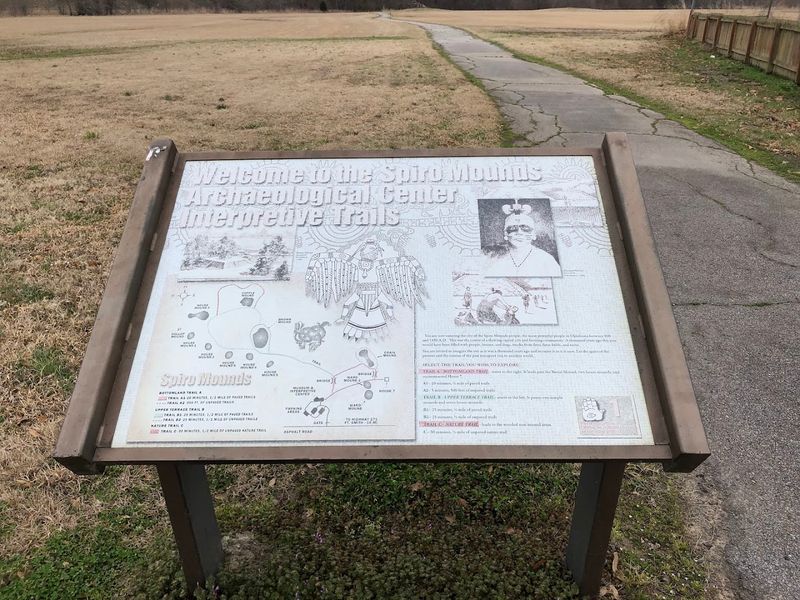
The center is open Tuesday through Saturday from 9 AM to 4 PM and is closed on Sundays and Mondays. Admission is currently free while renovations are underway, which makes this an unusually good value for a state-managed archaeological site.
The phone number is 918-962-2062 if you want to call ahead and confirm hours or ask about any scheduled events.
Wearing comfortable walking shoes is a practical must, especially if you plan to do the full two-mile trail. The terrain is easy but the path includes both paved and unpacked dirt sections, and Oklahoma heat can make the open stretches feel longer than they are.
Bringing water and sunscreen in warmer months is a genuinely good idea rather than an afterthought.
The site is not crowded, which is one of its quiet advantages. You are unlikely to share the trail with more than a handful of other visitors on any given weekday, which makes for a relaxed, unhurried experience.
Arriving when the center opens at 9 AM gives you the best chance to speak with staff before any groups come through, and those conversations tend to be the most educational part of the whole visit.
Why This Place Deserves More Attention
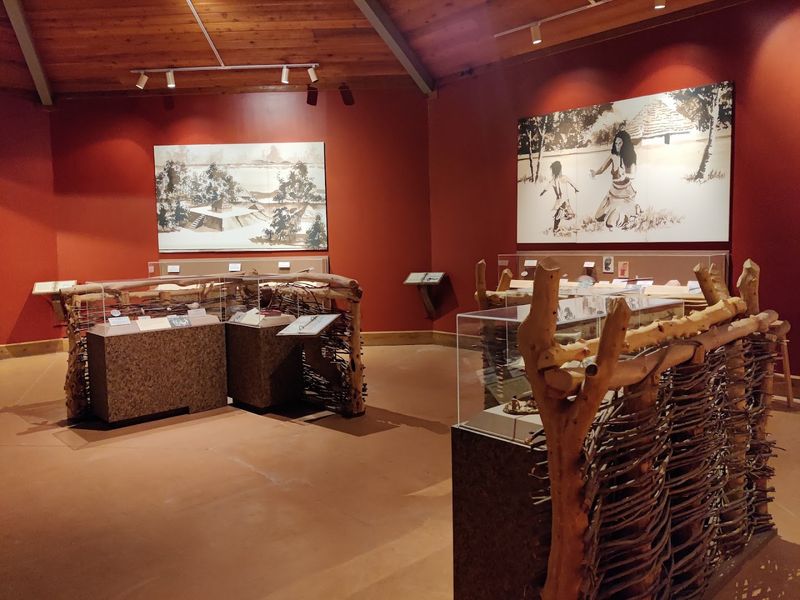
Spiro Mounds is one of those places that punches well above its name recognition. The civilization that built these structures was trading goods across a continent, producing world-class art, and organizing complex political systems at a time when most of Europe was still in the medieval period.
That story deserves a much bigger audience than it currently gets.
Part of what holds the site back is its remote location and the ongoing limitations around artifact displays. But those limitations do not erase the power of standing at the base of Craig Mound, or walking the trail at dawn, or spending an hour with a staff member who can trace the entire rise and fall of the Spiro culture with genuine enthusiasm.
Those moments are real, and they stay with you.
Oklahoma has a rich and layered Indigenous history that is often overshadowed by more famous sites in the Southwest or the Southeast, and Spiro Mounds is one of the most compelling arguments for paying attention to what happened right here. The mounds are patient.
They have been waiting a thousand years for more people to notice them, and they are not going anywhere. Neither should you, once you arrive.
Share this story