Tucked along a busy pedestrian walkway in California, there’s a low, thick-walled house that most people stroll right past without a second glance. Step inside, though, and you’re suddenly standing in the early 1800s, surrounded by rustic furniture and cool clay walls that have outlasted two centuries of change.
It’s free to enter, quiet as a whisper, and packed with stories about how this giant city began. Once you find it, you’ll wonder how something so old and so charming stayed hidden in plain sight.
A Two-Century-Old House Hiding in Plain Sight
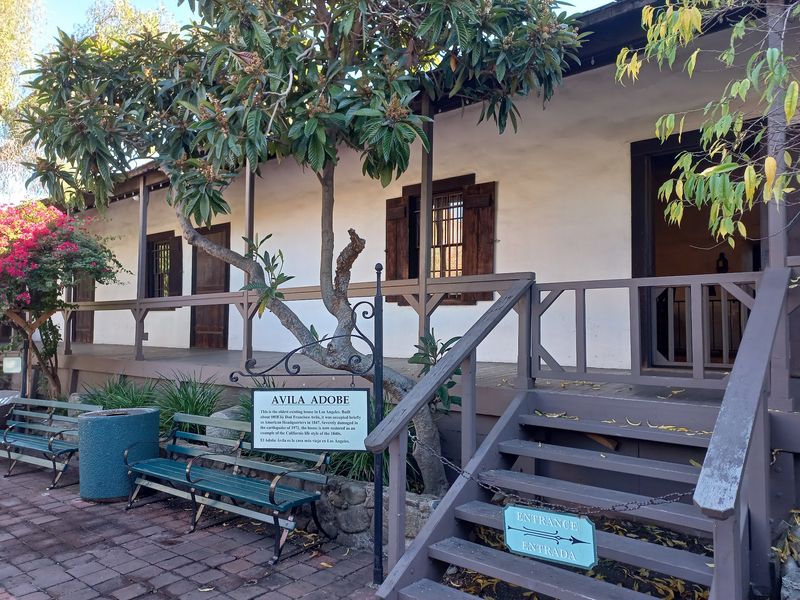
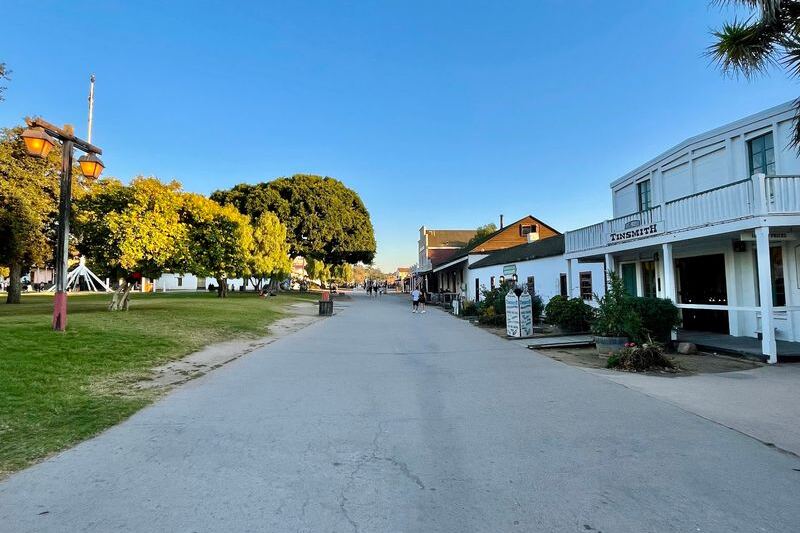
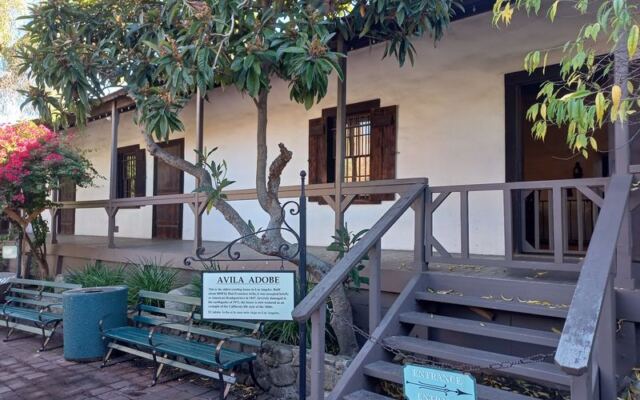
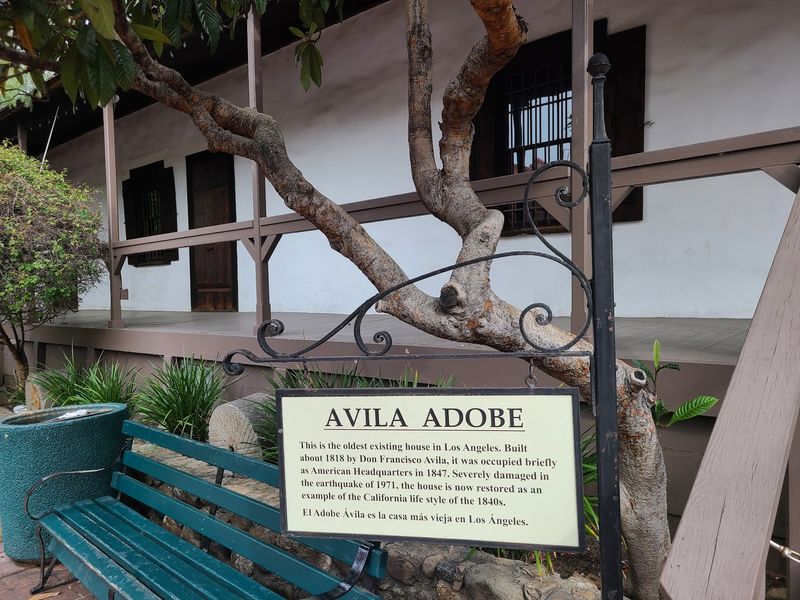
Right in the historic heart of downtown Los Angeles, a modest adobe home sits quietly along Olvera Street. Built in 1818, it holds the title of the oldest standing house in the city, and it’s part of the El Pueblo de Los Angeles Historical Monument.
Visitors often mention how easy it is to walk past without realizing there’s a museum inside. If you aren’t looking carefully, the humble front blends right into the lively street around it.
Once you spot it, the reward is a genuine window into the past. This isn’t a flashy attraction with neon signs.
It’s a preserved piece of history that quietly asks you to slow down and step through its doorway.
The Story of the Avila Family and Early Los Angeles
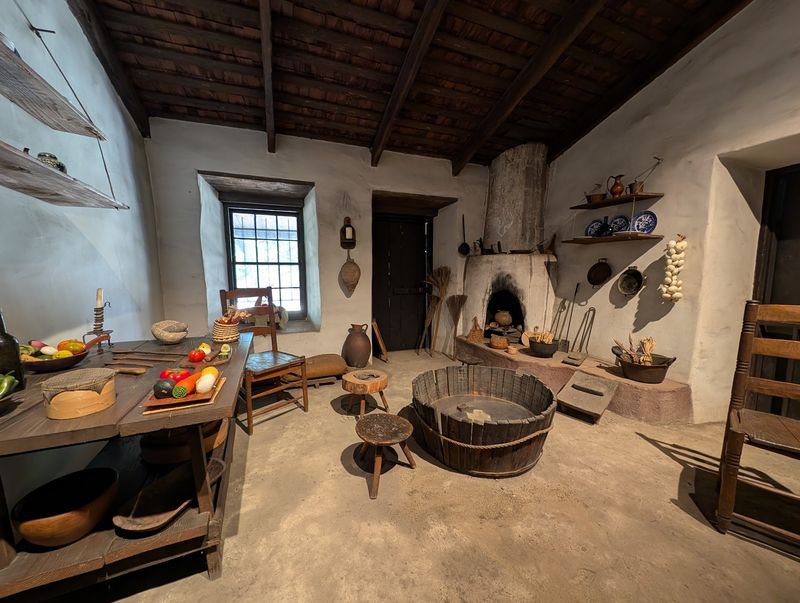
Long before skyscrapers and freeways, a family named Avila made their home in this adobe. The rooms today are arranged to reflect the daily lives of the people who once lived here, giving guests a sense of how families cooked, slept, and gathered in the early 19th century.
Guests say the house tells a rich story of the city’s Mexican and Californian heritage. It’s one of the few places where you actually see the history of a home and the people who filled it.
There’s something moving about walking the same floors a family walked more than 200 years ago. The exhibits inside help connect the dots between that small settlement and the sprawling metropolis it became.
Thick Adobe Walls That Keep Their Cool
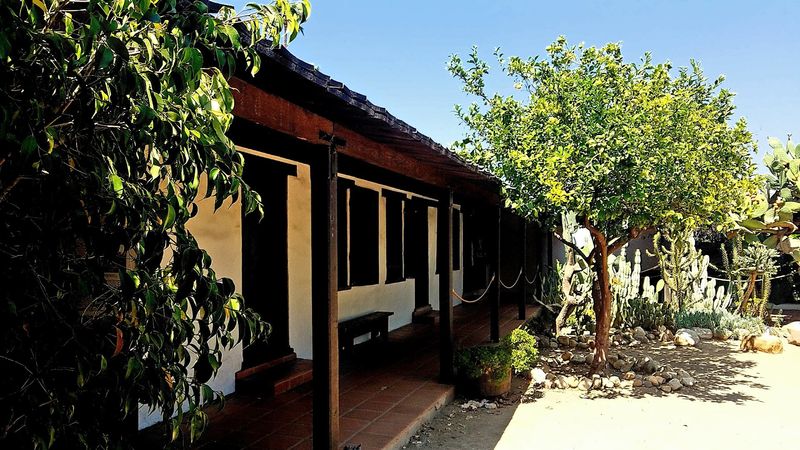
Run your hand along the walls and you’ll feel something surprising. Even on a scorching June afternoon, the thick adobe stays cool to the touch, a clever bit of old-world engineering that kept homes comfortable without modern gadgets.
One visitor described the joy of simply pressing a palm against the wall and feeling how refreshing it was on a hot day. That small, sensory detail sticks with people long after they leave.
The heavy earthen construction is also part of why the house has survived so long. Built from materials pulled straight from the land, these walls have weathered generations and still stand strong.
Rustic Furniture and Relics From Another Era
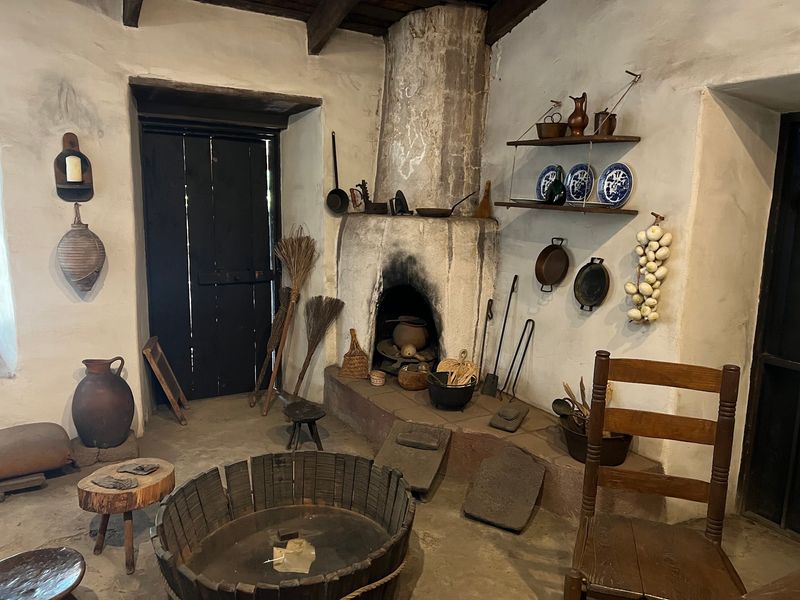
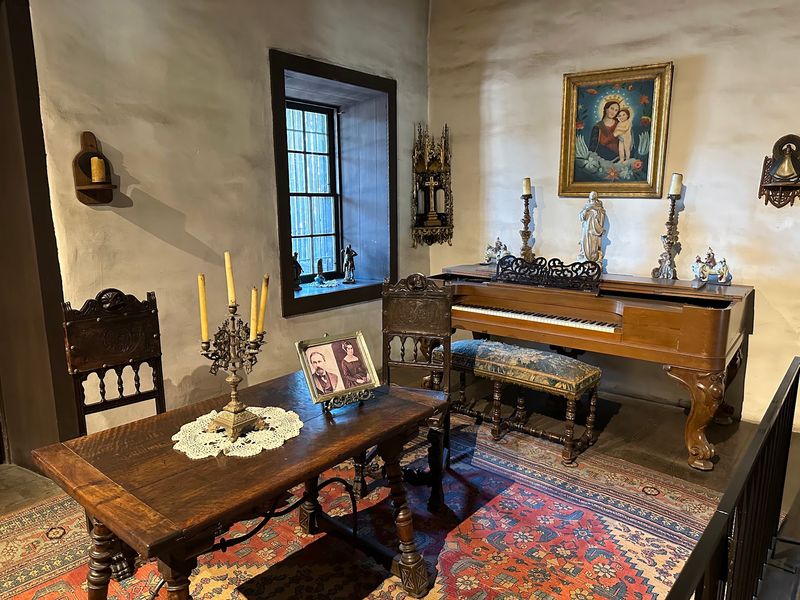
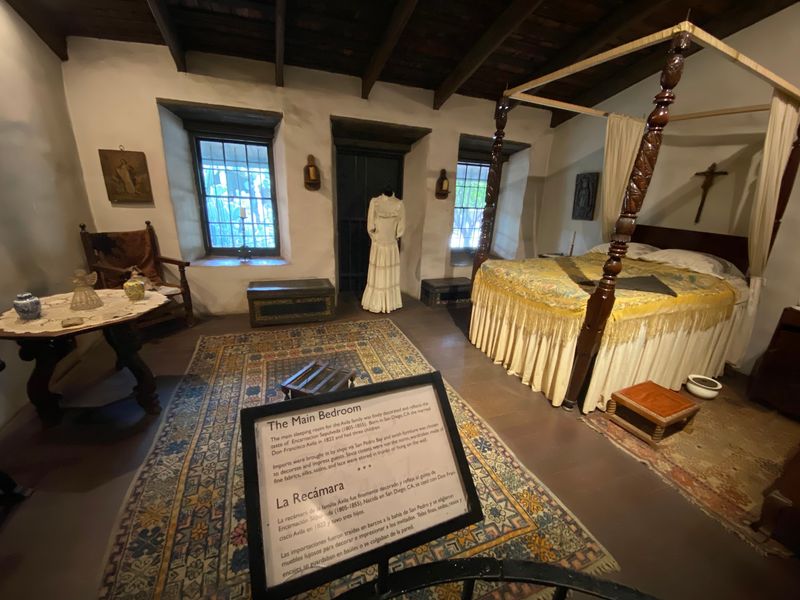
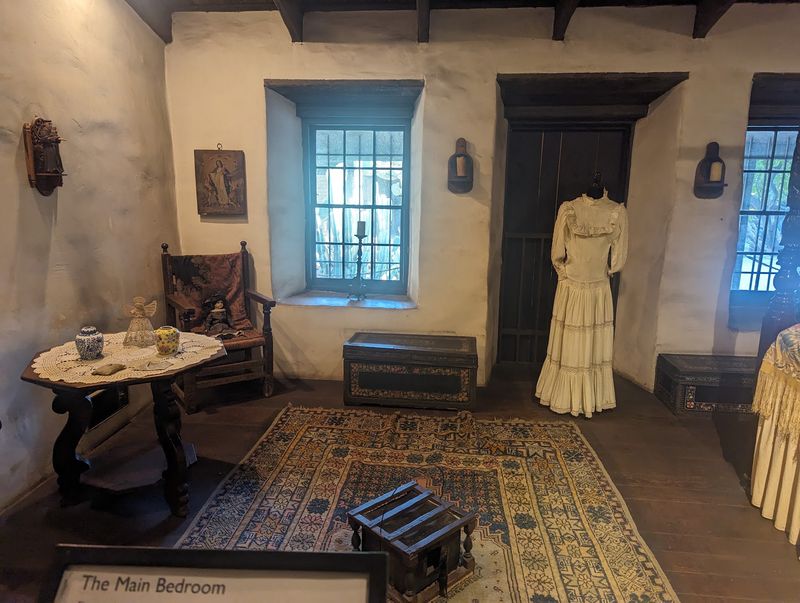
Every room is dressed as it might have looked in the 1840s, complete with rustic wooden furniture and household objects from the period. The result feels less like a display case and more like a home whose owners just stepped out.
People who visit often point to the authentic furnishings as a highlight. The beds, tables, and everyday items paint a vivid picture of what life demanded back then.
Some guests describe the space as housing beautiful relics, and on a quiet, gray day the atmosphere can feel almost dreamlike. It’s the kind of place where you find yourself lingering over the smallest details.
A Peaceful Courtyard Away From the Bustle
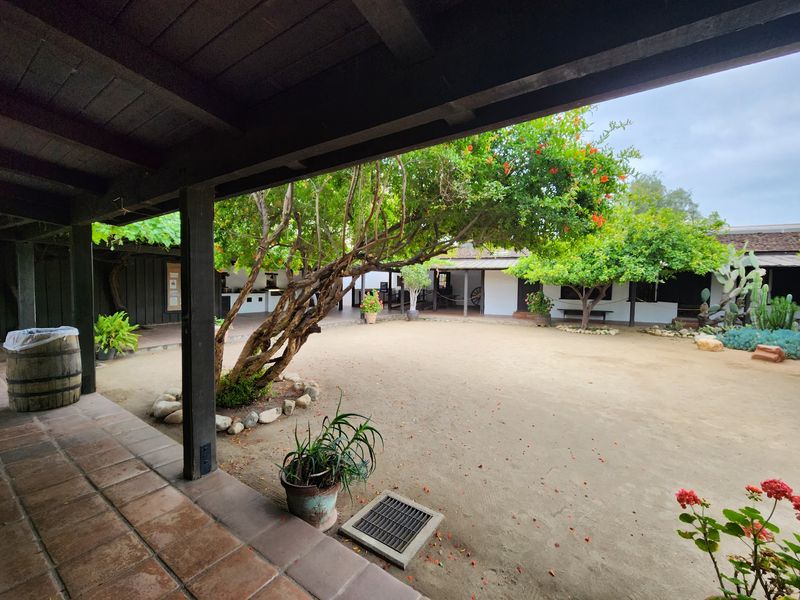
Behind the house waits a courtyard that many guests call the best part of the visit. Shaded by trees and dotted with vibrant flowers, it feels like a peaceful oasis tucked into the middle of a busy walkway.
Fruit and agriculture grow within the property, and folks note how lively and well cared for the greenery is. It’s a gentle reminder that this was once a working household with its own garden.
The contrast is striking. One moment you’re in the noise of the street, and the next you’re sitting in a calm, green pocket that invites you to relax and reflect on how the city began.
Free Admission and a Welcome Donation Box
Here’s a detail travelers love: getting in costs nothing. Free admission comes up again and again as one of the biggest draws, making this an easy stop for anyone exploring downtown on a budget.
Inside you’ll find a donation box for those who wish to support the organization that keeps the doors open. Contributions are welcome but never required, so you can give what feels right.
For a piece of history this significant, the price of entry is hard to beat. Guests frequently recommend popping in simply because there’s no reason not to.
Docents Who Bring the History to Life
Ask anyone who’s taken a guided walk through the house, and they’ll rave about the docents. These volunteers share fascinating facts about the family, the artifacts, and early life in the city, turning a quick visit into a memorable lesson.
One guest recalled a docent celebrating her 30th year leading tours, while others mention historians and volunteers who greeted them warmly and answered questions with genuine enthusiasm.
Their knowledge adds a whole layer to the experience. A half-hour chat can leave you with stories both about the adobe and well beyond it, making the past feel surprisingly close.
Self-Guided or Group Tours at Your Own Pace
You don’t have to follow a strict schedule to enjoy this place. During daytime hours, guests can wander the interior and backyard on their own, taking as much time as they like at each room.
Prefer a little guidance? Docent-led group tours are also available, giving you the choice between quiet exploration and a story-filled walk-through.
Some visitors describe having the whole house nearly to themselves on a slow afternoon, drifting from room to room without a crowd. That freedom to set your own pace is part of the charm.
Hours, Location, and Getting There
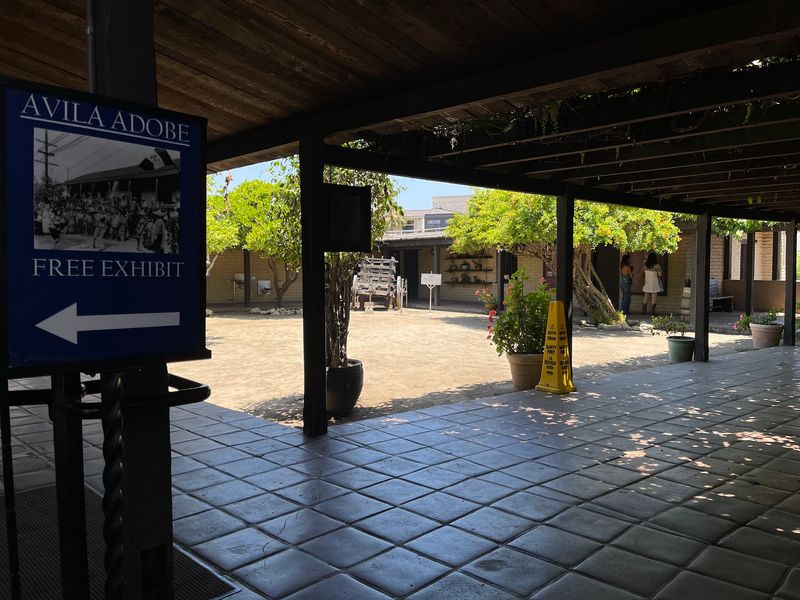
You’ll find the adobe at 10 Olvera St, Los Angeles, CA 90012, right in the historic district that once served as the center of the young city. It’s a common stop on many one-day tours of the area.
Doors open at 9 AM and close at 4 PM Tuesday through Sunday, with Mondays typically closed. Planning your visit for the morning gives you plenty of time to explore the rooms and the courtyard.
Public restrooms are available on-site, a small but appreciated convenience. If you have questions before you go, you can reach the museum at +1 213-485-6855 or check the El Pueblo website.
Why This Little Adobe Is Worth Your Time
Small in size but big on meaning, this adobe packs a genuine historical punch. Guests call it a hidden gem and a treasure tucked away, and it’s easy to see why once you step inside.
Whether you’re a history buff or simply curious about how Los Angeles began, the experience offers a rare, quiet glimpse into another century. The free admission and friendly volunteers only sweeten the deal.
If you find yourself near downtown, this stop rewards the detour. Standing strong more than 200 years after it was built, the little house on Olvera Street proves that some of the best discoveries are the ones you almost walk right past.
Share this story