One studio here will help you blow the glass shade for the light hanging over your own kitchen island. Yes, a real pendant, shaped from molten glass, with your hands on the pipe.
I love that idea more than I can say. Most of us buy light fixtures in a cardboard box.
This place lets you make one, then point at it every time guests come over.
The pendant project is the showstopper, but it is not the only draw. The same New Jersey workshop teaches first-timers to make glasses, bowls, ornaments, and paperweights.
It also runs date nights, family sessions, and mosaic classes in a greenhouse.
I can’t imagine a better answer to the question of what to do on a gray weekend. So what does it actually take to turn hot glass into something you will use every day?
A Glowing Furnace Waits Just Off Whippany Road
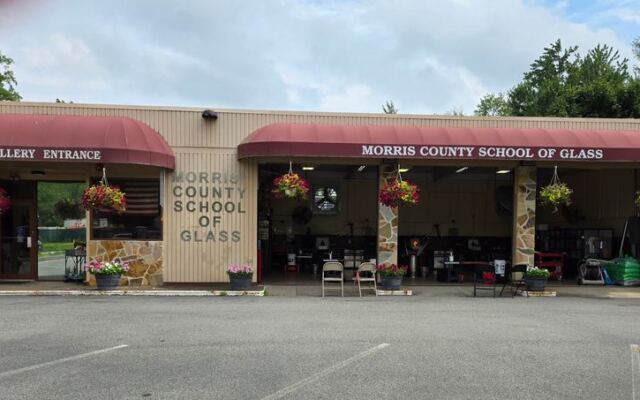
Morris County School of Glass is a working glassblowing studio in Morristown, New Jersey. It teaches regular people how to shape molten glass into objects they can take home.
That means you are not just watching an artist work behind a rope. You are the one turning the pipe, shaping the glass, and choosing the colors.
The studio sits along Whippany Road, a stretch most Morris County drivers know well. Plenty of folks have probably passed it on the way to somewhere else without a second look.
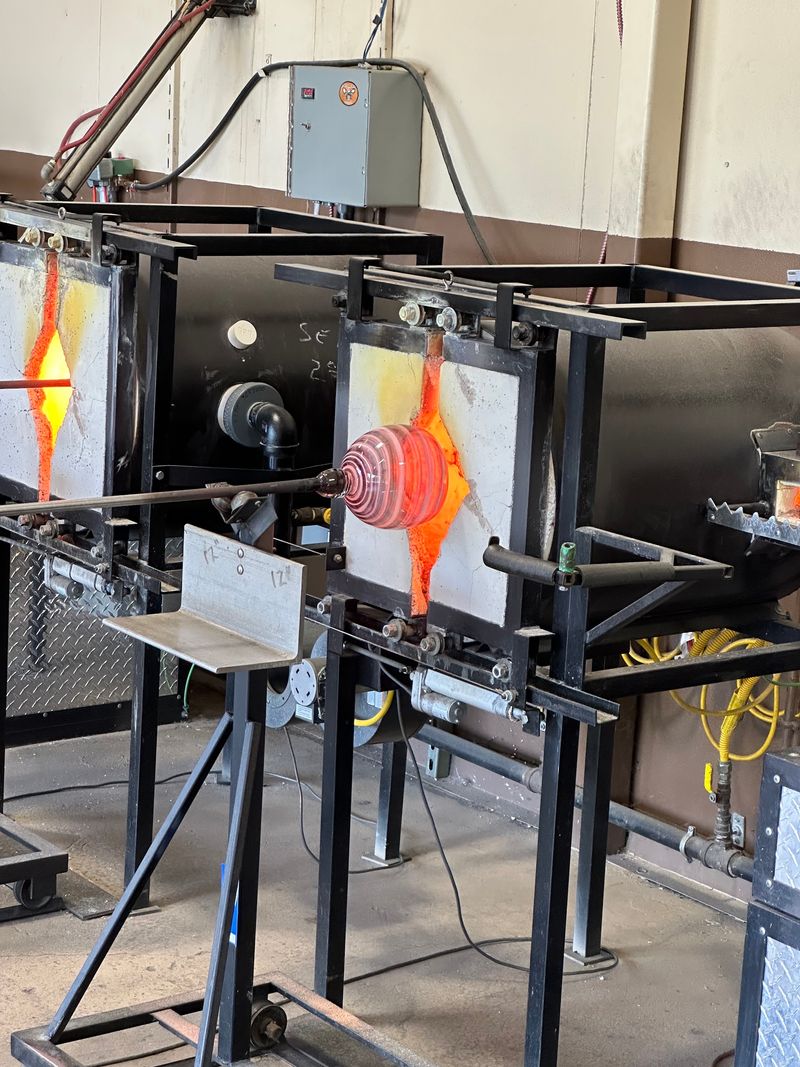
Inside, the setup goes well beyond a single furnace. The property includes a hot shop for glassblowing, a greenhouse used for mosaic sessions, and a gift gallery stocked with handmade work.
Classes range from short introductions to private custom projects. The custom side is where things get exciting, because it includes kitchen pendant lights made by the students themselves.
No experience is needed for the beginner sessions. Instructors walk each group through every step, so you can arrive knowing nothing about glass and still leave with a finished piece.
It is a small shop with big ambitions. And the pendant project is the best example of what that looks like.
Your Kitchen Light, Shaped by Your Own Breath
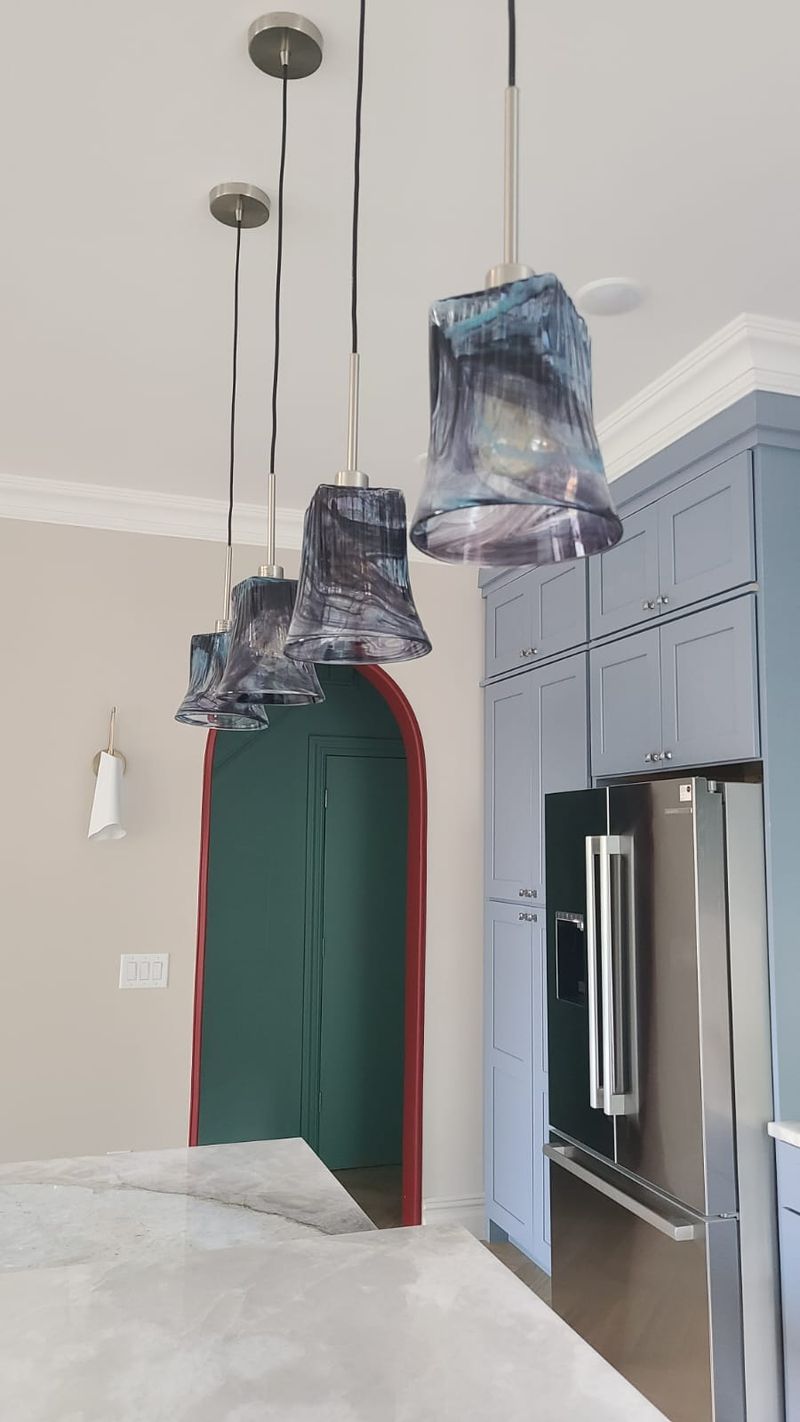
Most light fixtures come with an instruction sheet and a bag of tiny screws. The pendants made here come with a story you get to tell for years.
Morris County School of Glass works with students on custom kitchen pendants through private workshops. Staff help plan the details and scheduling before anyone touches the furnace.
Then the hands-on part begins. An instructor leads the session, guiding you through gathering, shaping, and blowing each shade.
Think about how often you look at the lights over a kitchen island. Morning coffee, homework at the counter, late-night snacks all happen under that glow.
Making those pieces yourself turns an ordinary fixture into a conversation starter. Past students have hung their finished pendants in modern kitchens where they fit right in with the decor.
The studio’s own team has noted how good those handmade pendants look once installed. That is a fun bit of proof that this is a real project, not a gimmick.
I like how the result is useful and personal at the same time. You get something practical, and every guest who asks about it gets a little glassblowing lesson.
Good Things Take a Little Planning
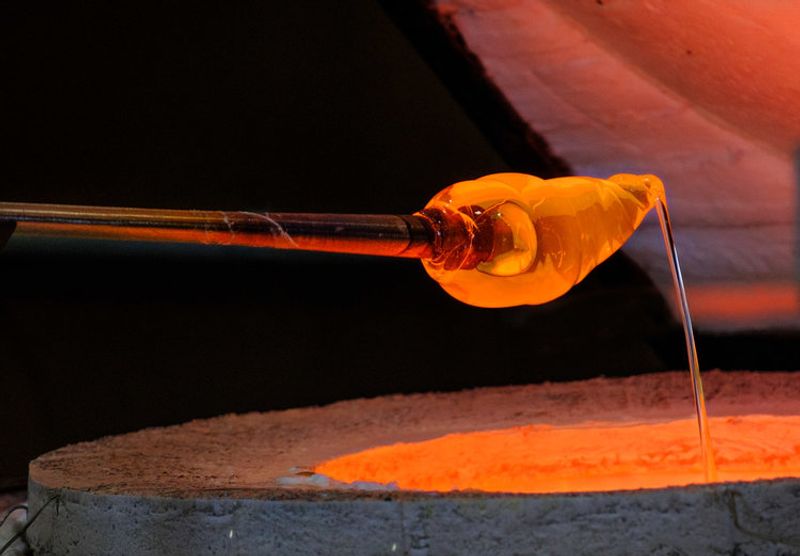
Patience is part of the pendant recipe. A custom light is not on the standard class menu, so it takes extra coordination to set up.
The studio has explained that it wants each customer to know exactly what to expect. Before a project moves forward, the team confirms it can make what you have in mind.
Being a small shop shapes that process too. Scheduling a special project can take longer, especially if you live farther away and need a specific date.
That might sound like a hurdle. Honestly, it reads more like care than delay.
Nobody wants a pendant that looks great in the studio and wrong over the counter. Talking through size, shape, and color first helps avoid that letdown.
Staff members guide students through the details ahead of time. That planning stage can be half the fun, since you get to picture the finished kitchen before the glass even melts.
A smart move is to reach out early with your ideas and a rough timeline. Give the studio room to plan, and the actual workshop day can focus on the good part: making the glass.
Instructors Who Keep Your Hands on the Pipe
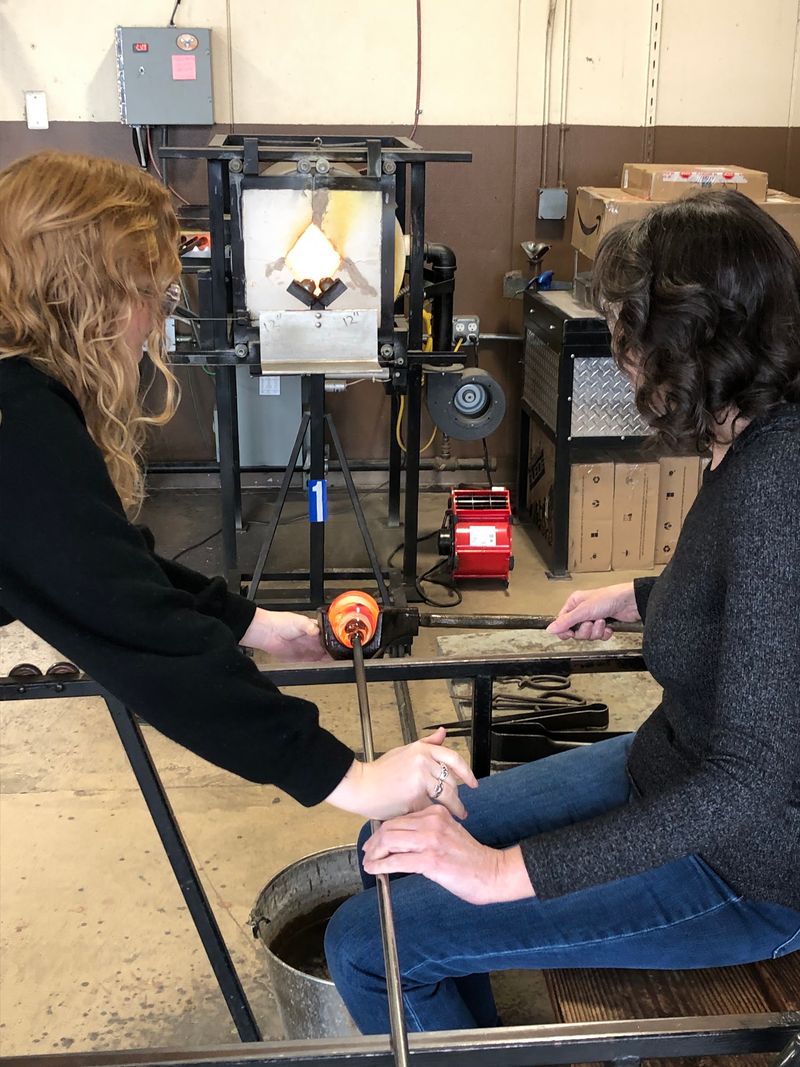
Here is what separates a great glass class from a pricey spectator sport. At this studio, you actually do the work.
Instructors include students as much as possible instead of making the piece while you watch. That hands-on approach is a big reason the place stands out.
Names like Patrick, Ben, Harrison, and Jayson come up often when students talk about their sessions. The common thread is patience, clear explanations, and a knack for keeping things fun.
Each step gets broken into manageable bits. Gathering glass, turning the pipe, adding color, and shaping all happen one move at a time.
One-on-one help is part of the deal. Nobody gets rushed, which matters when you are holding something glowing at the end of a long metal rod.
The teaching also adapts to the person. Instructors have helped students of different ages, skill levels, and physical abilities finish their pieces successfully.
That flexibility is what makes a pendant project realistic for a beginner. You bring the curiosity and the ideas, and an experienced artist makes sure your hands know where to go next.
Dress for the Heat, Because It Gets Toasty
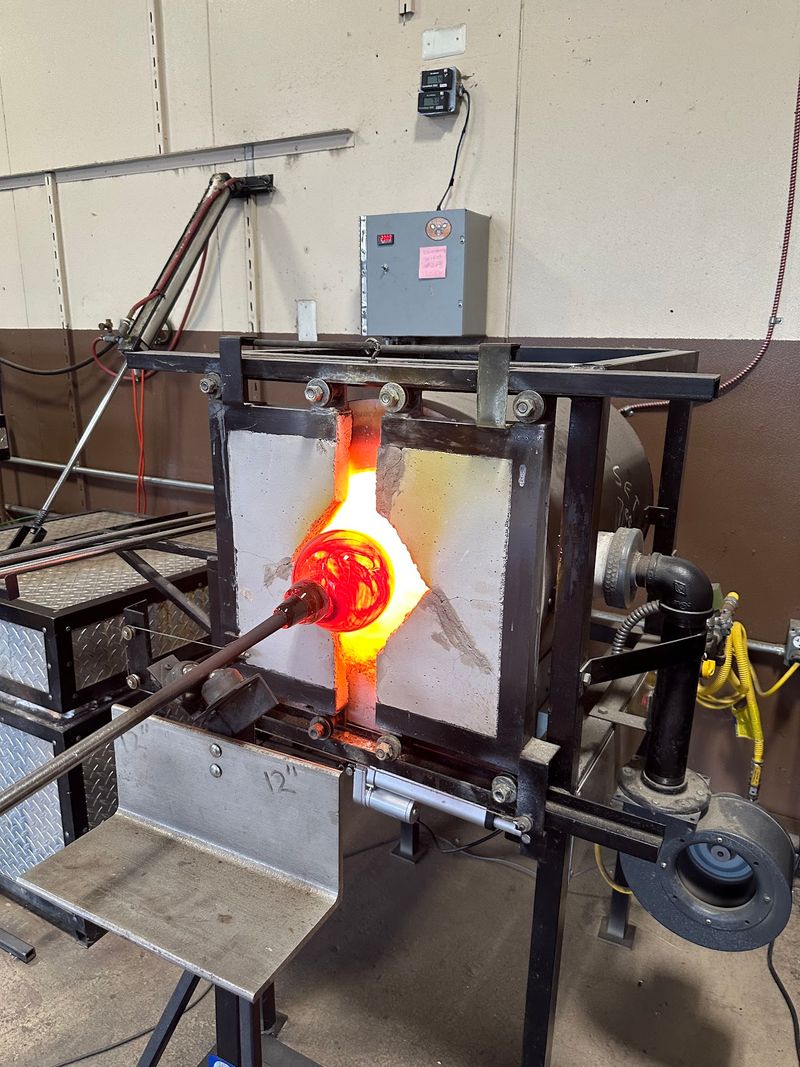
Molten glass does not do cozy temperatures. The hot shop gets seriously warm, so plan your outfit with that in mind.
Students recommend wearing clothing that makes sense around furnaces and hot glass. Natural fabrics and sturdy closed-toe shoes are the sensible route for this kind of activity.
Bring water, too. The studio sends out guidance on what to wear and bring, and water is the tip people remember most.
The good news is that sessions are not a nonstop sweat marathon. Classes leave time to cool off, grab a drink, and take photos or video of what is happening.
That breathing room keeps the vibe relaxed. You can step back, watch someone else shape their piece, and then return for your next turn.
I believe the heat is part of the thrill, honestly. Standing near a furnace that can melt sand into liquid makes the whole thing feel dramatic in the best way.
Just skip the fuzzy sweater and anything dangly. Your future pendant deserves your full attention, not a sleeve you keep tugging back.
Safety Comes First, and Fun Comes Right After
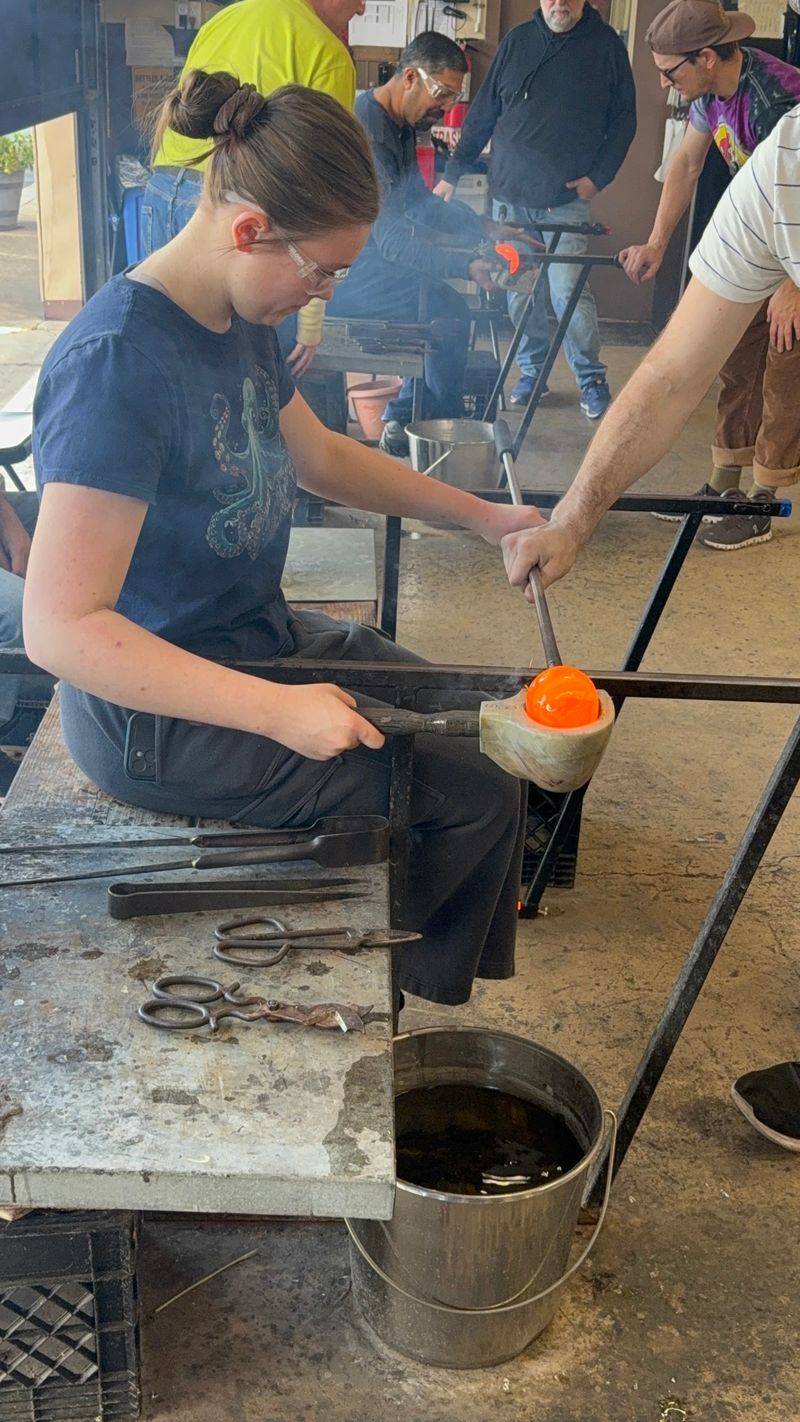
Hot glass deserves respect, and this studio clearly gives it. Safety is the topic students mention again and again after their sessions.
Instructors treat it seriously without draining the joy from the experience. The goal is a class where everyone feels secure enough to relax and try new moves.
The facility itself is described as clean and well run. That matters in a space full of tools, furnaces, and glowing material.
Clear instructions do a lot of the heavy lifting. When you know exactly where to stand and what to do next, nerves fade quickly.
The studio has said it aims to combine education, fun, and safety in every class. That trio shows up in how instructors guide each person step by step.
Families with teens, older parents, and total beginners have all felt comfortable working here. A safe environment is what makes that wide range of students possible.
For a pendant project, the extra care is reassuring. You are working on something meant to hang in your home, and you want both the process and the result handled with skill.
Warm Up With a Glass, a Bowl, or a Paperweight
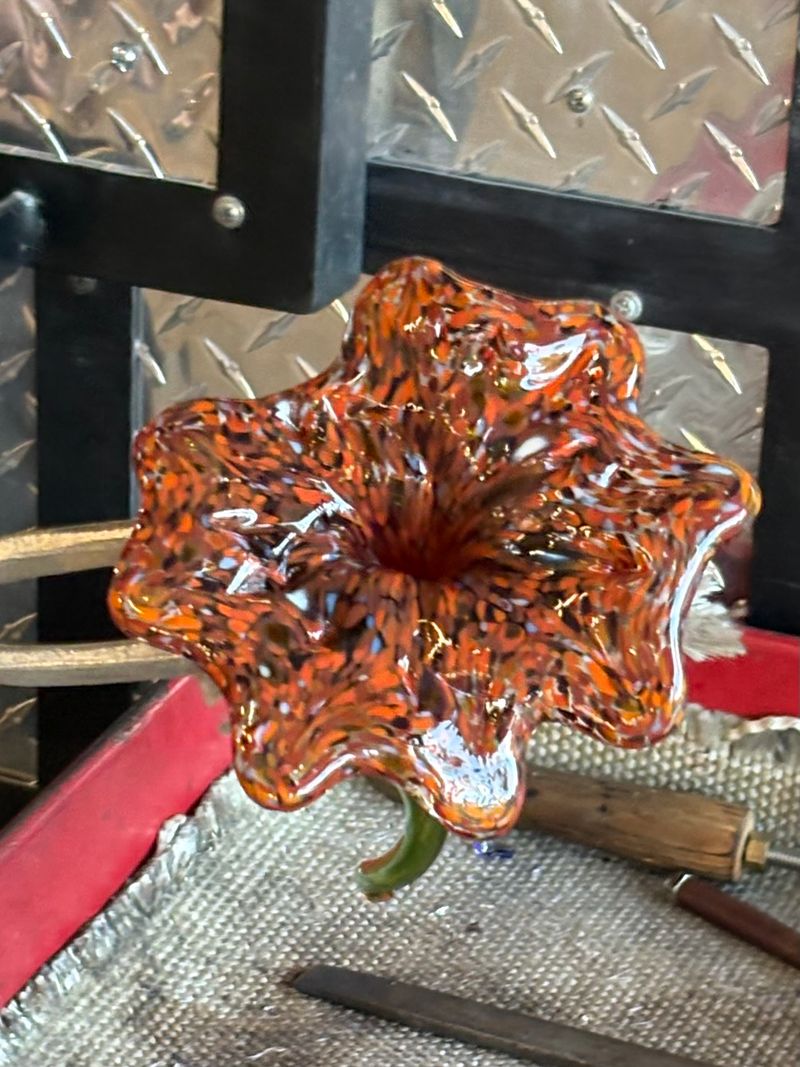
Not ready to commit to a light fixture yet? Start small and let the glass win you over.
The introductory class is built for first-timers. Students can make objects like drinking glasses, vases, paperweights, flowers, ornaments, and bowls.
Some classes let you make two pieces. You pick from a few shape options and a big range of colors and designs.
That choice is a sneaky good warm-up for a pendant. You learn how color behaves in hot glass and how shapes change as you turn the pipe.
The studio also offers a shorter mini session and a class called Playing with Fire. These options make it easy to test the waters before booking something bigger.
One thing beginners love is the ornament. A handmade blown glass ornament feels like a treat you would never buy yourself, yet here you get to make it.
Plenty of first-time students leave hooked and planning a return trip. Making a cup today might be the first step toward lighting your whole kitchen with your own work later.
Date Night With a Little Extra Spark
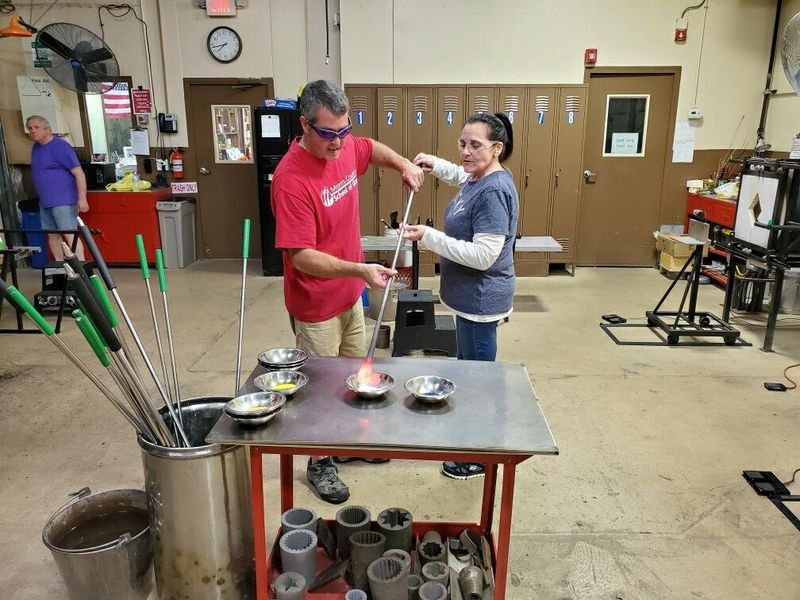
Dinner and a movie, meet molten glass. Morris County School of Glass runs Date Night classes for couples who want something different.
Each person gets to create their own piece under an instructor’s guidance. You work side by side, cheer each other on, and leave with two handmade souvenirs.
Couples have booked these sessions for anniversaries and birthdays. Setting up the class online makes it easy to plan ahead.
The heat adds a playful edge to the evening. It is hard to stay shy when you are both sweating near a glowing furnace and laughing at your first attempts.
Instructors keep the mood light while explaining every step. That balance lets the night feel adventurous without turning stressful.
I like how the date leaves something behind besides photos. A pair of matching glasses or two little bowls can sit on a shelf as a reminder of the night.
For couples planning a home project, this could be a fun preview. Try a date night first, then come back together to make the pendants for your shared kitchen.
Room at the Furnace for the Whole Crew
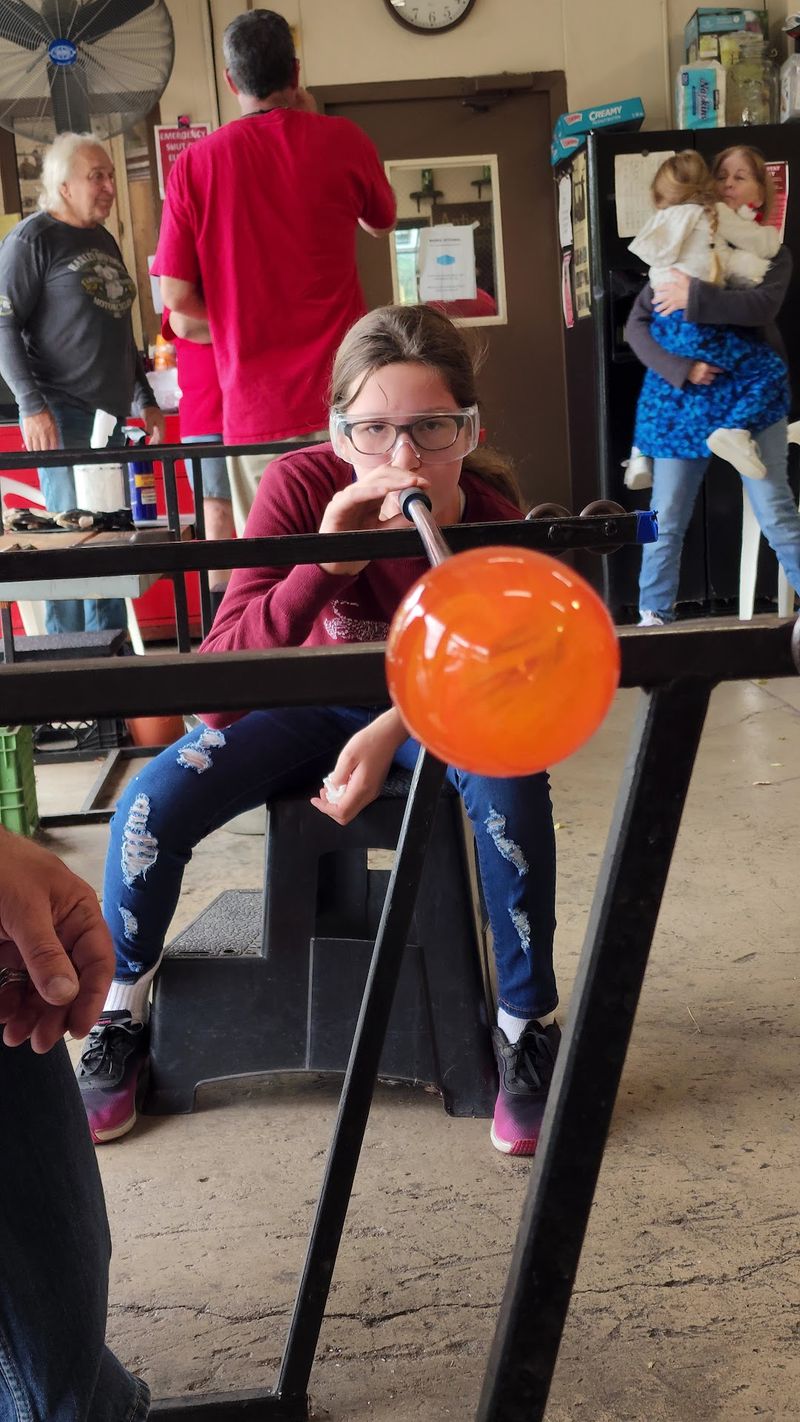
Families, scout troops, and birthday groups all find a place here. The studio regularly hosts private sessions for groups of different ages.
One family of five, ranging from their 30s to their 60s, booked a private session as a Father’s Day gift. Another family let each member pick a unique piece to create.
Girl Scout troops have visited for events, including older high school groups. Some turned it into a family outing, with parents and siblings joining in.
A 16th birthday is another popular reason to book. Teens with an artsy streak get a chance to try a craft most people only see in videos.
Staff help organize group visits and communicate clearly about scheduling. That support makes a big outing feel smooth instead of chaotic.
Everyone gets individual attention, no matter their age or experience. Instructors adjust their teaching so each person ends up proud of their piece.
For a pendant project, a group angle is fun to consider. Imagine each family member shaping one shade, then hanging the whole set together over the kitchen island at home.
Mosaics Blooming Inside a Greenhouse
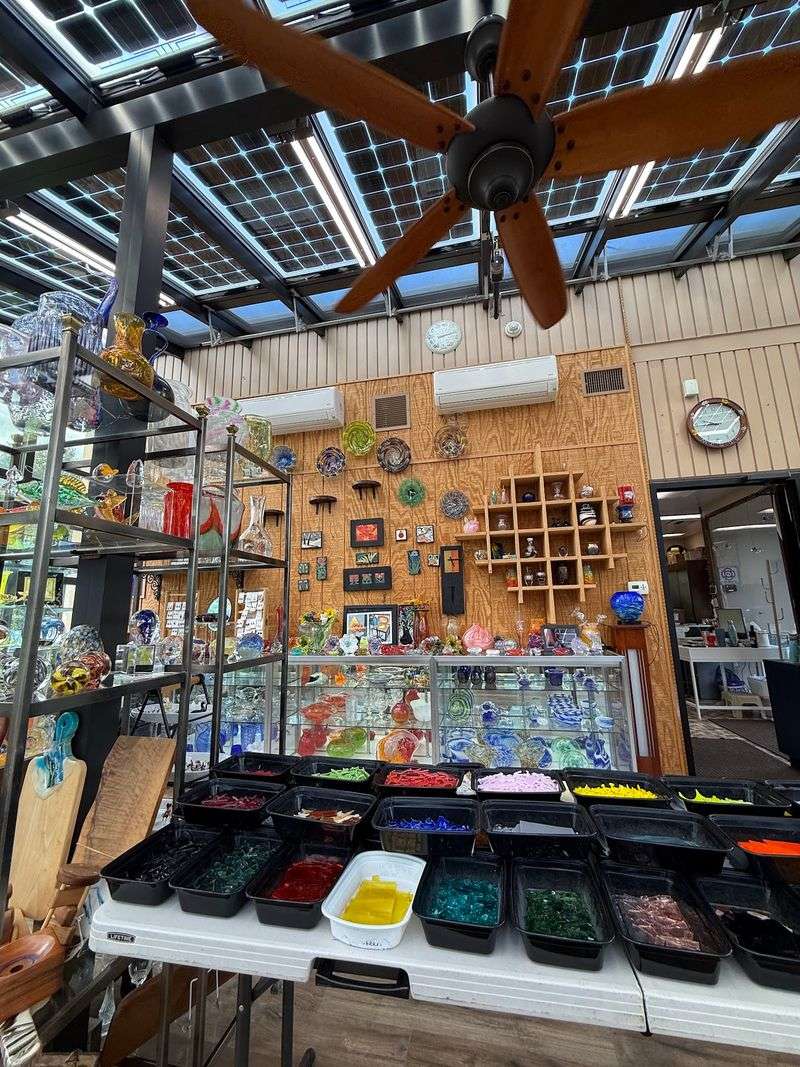
Surprise: not every class here involves a furnace. The studio also offers mosaic sessions, and they take place in a greenhouse.
That greenhouse is filled with finished mosaic pieces. Working surrounded by colorful examples is a great way to spark ideas.
Mosaics move at a different pace than glassblowing. You plan a pattern, cut and place pieces, and slowly watch the design come together.
Instructors offer smart advice about choosing patterns. Very detailed designs take longer than a standard two-hour session, so simpler choices are wise for beginners.
Staff have been flexible when projects run long. Students have been allowed extra time as long as it does not overlap other sessions.
Some people even come back to finish their work later. That makes the mosaic class feel less like a rush job and more like a real project.
It is a nice option for anyone who wants a calmer, cooler craft. You could try a mosaic one weekend and save the hot shop pendant for another visit.
A Gift Gallery Worth Browsing Before You Leave
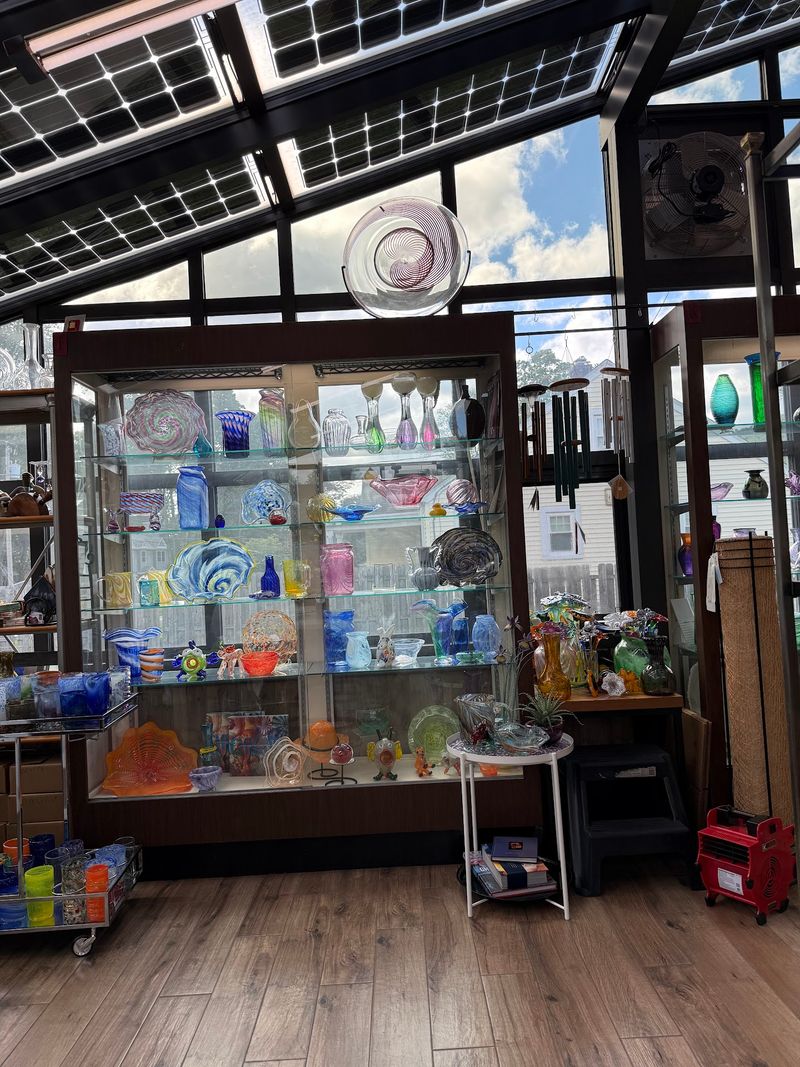
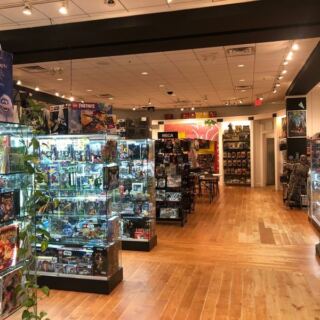
Shopping counts as a craft activity when everything is handmade. The studio’s Gift Gallery features handmade glass, wood, fabric, and metal pieces.
Those works come from a community of artists and craftspeople. Buying here supports makers rather than mass production.
You do not need to book a class to browse. Stopping in for a one-of-a-kind present is a perfectly good reason to visit.
Handmade glass makes a smart gift for almost anyone. A colorful bowl or ornament feels personal in a way store-bought decor rarely does.
For pendant planners, the gallery doubles as an inspiration board. Looking at finished glass helps you think about color, texture, and the mood you want in your kitchen.
It also helps you appreciate the skill behind each piece. After trying glassblowing yourself, those shelves start to look even more impressive.
Give yourself a few minutes after class to wander. You might find a matching bowl for the counter beneath your new pendants, or a gift for whoever has to admire them first.
Cooling Time and the Joy of Pickup Day
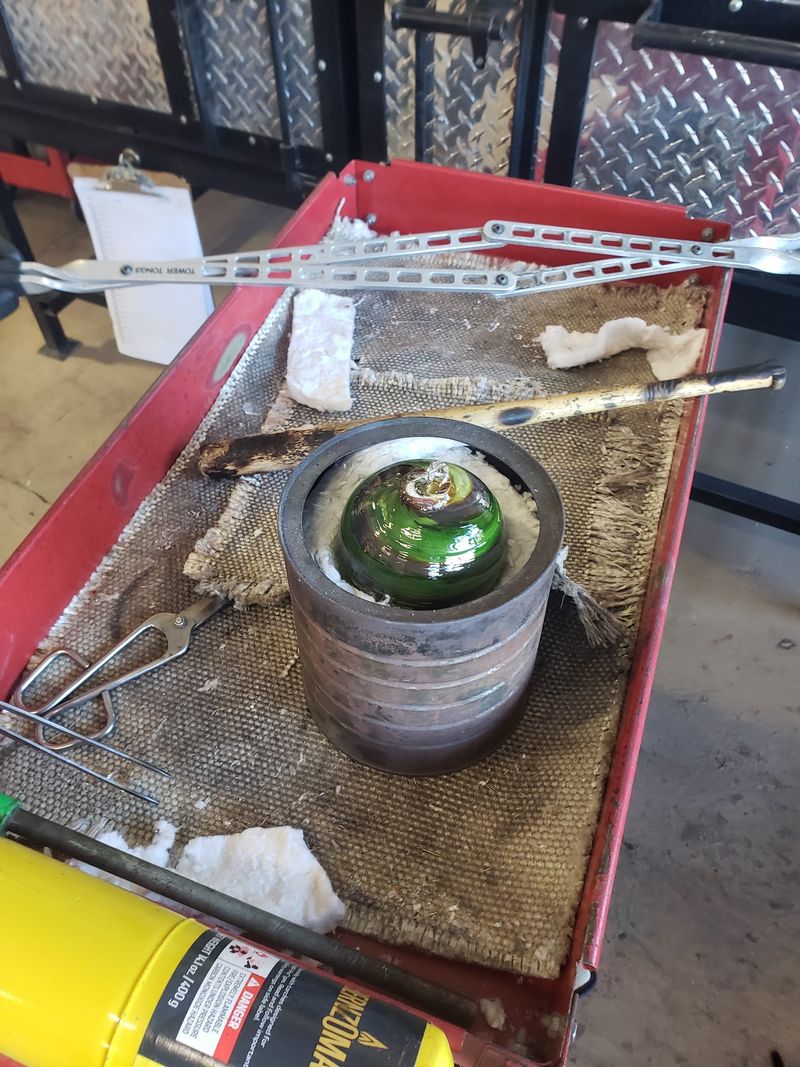
Hot glass cannot go straight into your car. Pieces need time to cool slowly after they are made.
Students usually return to pick up their finished work, often about a week later. That wait builds a little excitement into the experience.
Pickup day feels like opening a present you made yourself. Colors often look different once the glass cools, which makes the reveal part of the fun.
Plan for that second trip when you book. It is an easy errand if you live nearby, and a good excuse to browse the gallery again.
Gift certificates are another way to share the experience. People have received them from friends, then brought a daughter or partner along for the class.
That makes the studio a thoughtful choice for birthdays, holidays, or anniversaries. The gift includes both the activity and the piece that comes home afterward.
For pendants, planning ahead matters even more. Ask the staff about timing for finished pieces so you can coordinate with whoever will install the lights in your kitchen.
Hours, Parking, and Finding the Studio
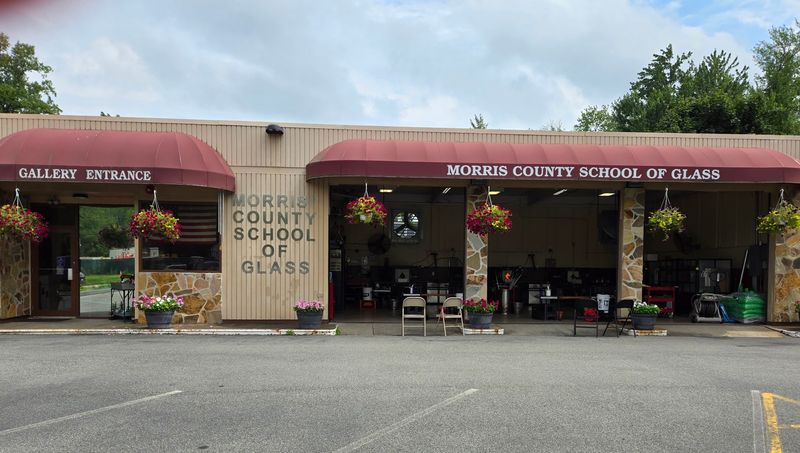
Good news for weekend planners: the studio is open both Saturday and Sunday. Weekend hours run from 9 AM to 4 PM.
Wednesday through Friday, the doors open from 10 AM to 5 PM. Mondays and Tuesdays are closed, so do not plan a spontaneous early-week visit.
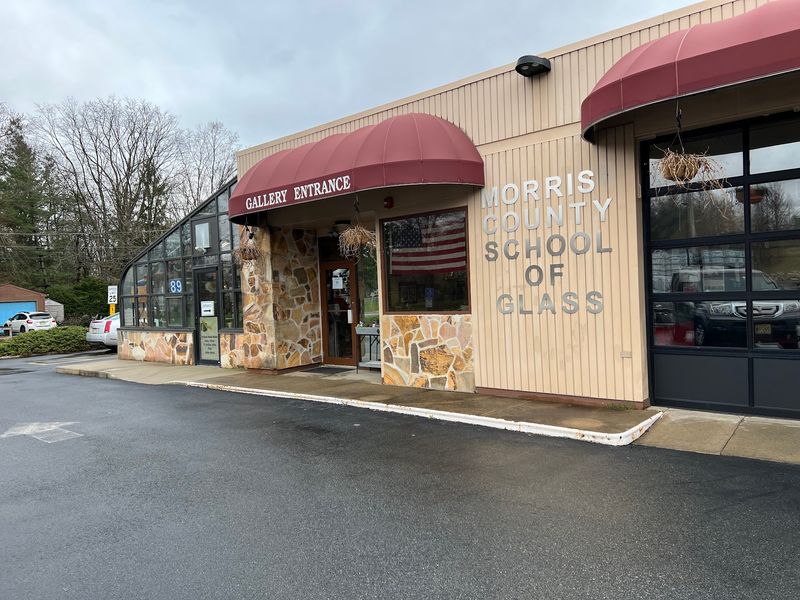
You will find Morris County School of Glass at 89 Whippany Rd, Morristown, NJ 07960. It is an easy drive for much of North Jersey.
Parking is plentiful, which is a relief. Nobody wants to circle a block while carrying excitement and a water bottle.
Classes typically need a reservation, and many can be booked online. Custom projects like pendants require more coordination, so contact the studio well ahead of time.
Staff provide guidance on what to wear and bring before your session. Follow it closely, especially the reminder about water.
Morristown also makes a handy base for a longer New Jersey day out. Pair your class with lunch in town, then head back to the studio later for pickup.
Why This Studio Deserves a Spot on Your Calendar
Few weekend plans end with you lighting up your own kitchen. That alone makes this studio worth a serious look.
Morris County School of Glass combines hands-on teaching, careful safety, and real flexibility. It welcomes nervous beginners and ambitious home project planners alike.
The pendant option is the headline. Yet the beginner classes, date nights, mosaics, and gift gallery give plenty of reasons to return.
I like that it feels approachable without feeling watered down. You actually shape the glass, and skilled instructors make sure it turns out well.
New Jersey has many places to spend a Saturday. Not many let you leave with something you made from melted glass.
Start with a small class if you are curious. If the furnace wins you over, reach out about a custom pendant and give the team time to plan.
Then picture the moment someone asks where you bought those lights. You get to smile and say you made them yourself, right here in Morris County.
Share this story