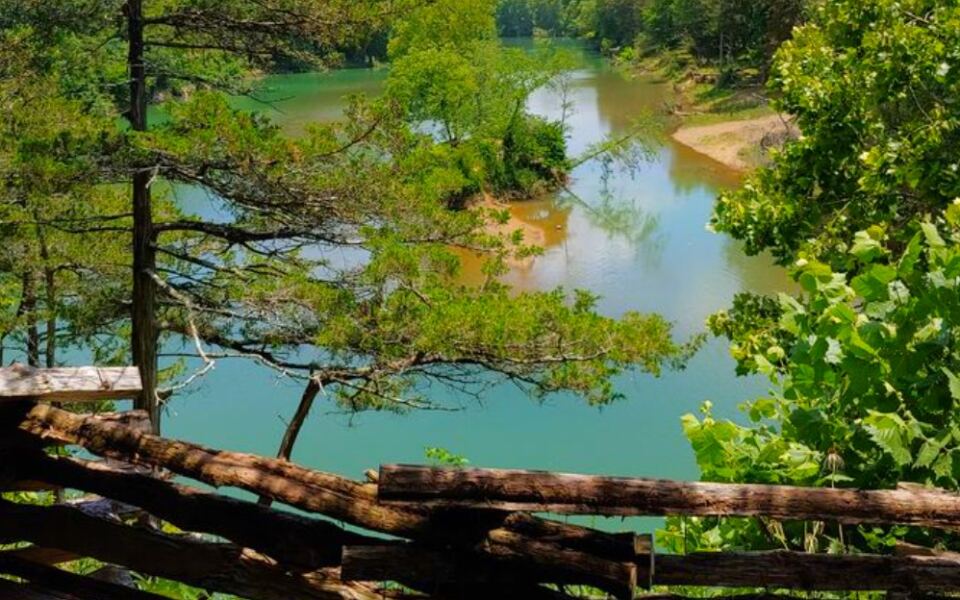
There is a place in northwest Arkansas where 12,000 acres of Ozark wilderness meet the sparkling shores of Beaver Lake, and most people outside the region have never heard of it. Hundreds of miles of trails wind through dense hardwood forests, past ancient limestone formations, and out to jaw-dropping lake overlooks that will make you stop mid-stride just to take it all in.
Bald eagles cruise overhead in the cooler months, mountain bikers shred world-class downhill runs, and history buffs can walk the very ground where a 19th-century sawmill once roared with industrial energy. This is Arkansas’s largest state park, a place that rewards every kind of outdoor enthusiast, whether you show up with hiking boots, a fishing rod, or simply a desire to breathe fresh Ozark air.
Read on to discover exactly what makes this remarkable conservation area one of the most underrated natural destinations in the entire South.
Arkansas’s Largest State Park and Where to Find It
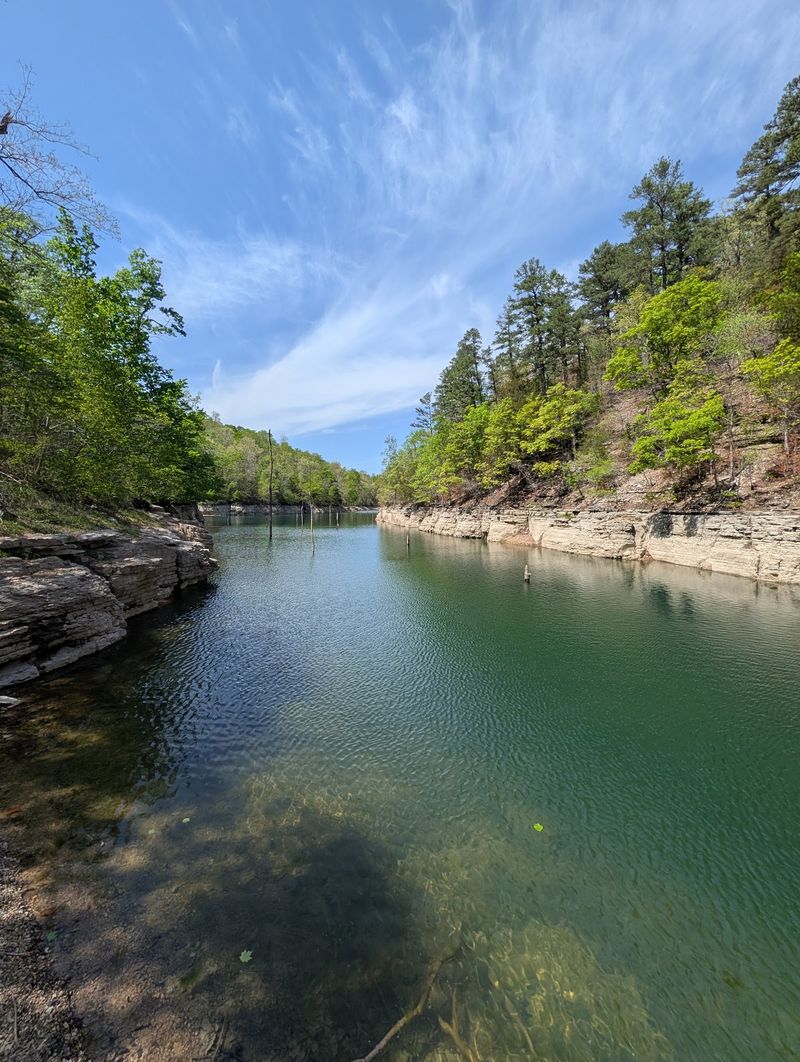
Arkansas holds a lot of natural surprises, but few are as impressive in sheer scale as Hobbs State Park-Conservation Area, found at 20201 AR-12, Rogers, AR 72756, just east of Rogers in northwest Arkansas. Spanning more than 12,000 acres across Benton, Carroll, and Madison Counties, this is officially the largest state park in the entire state.
The park hugs the southern shores of Beaver Lake, giving it over twenty miles of shoreline within its boundaries. That combination of dense Ozark forest and open water creates a landscape that feels almost cinematic in its variety.
Getting here is straightforward from Rogers or nearby Bentonville, with Highway 12 serving as the main artery into the park. The visitor center sits right off the highway and is open daily from 8 a.m. to 5 p.m., making it easy to stop in, grab a trail map, and let the friendly staff point you toward the perfect adventure for your group.
A Trail Network That Seems Almost Endless
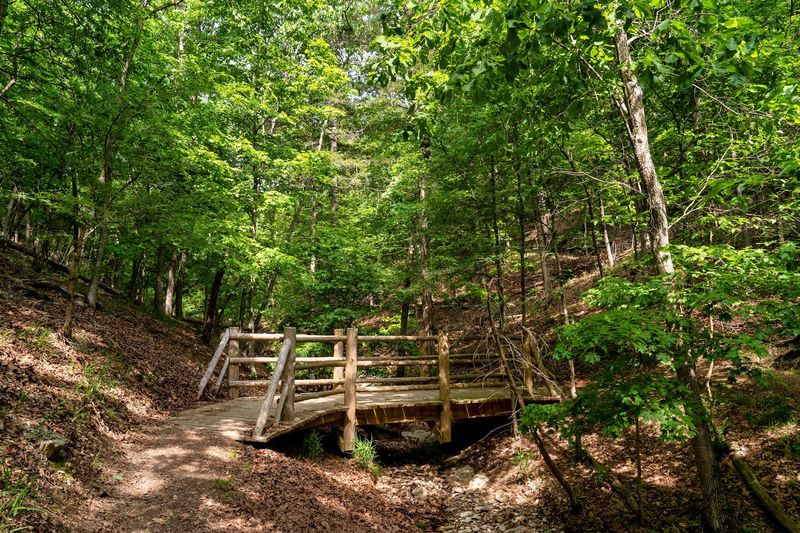
Over 50 miles of trails crisscross this massive preserve, and that number alone is enough to keep even the most dedicated trail enthusiast busy for multiple visits. The Hidden Diversity Multi-Use Trail system forms the backbone of the network, offering roughly 24 miles of interconnected loops that weave through shaded hollows and across open ridge tops.
Shorter options like the 1.4-mile Shaddox Hollow Trail are perfect for families or anyone who wants a quick but satisfying taste of the Ozarks. For a longer challenge, the War Eagle Valley Loop delivers sweeping views of the surrounding hills and a genuine sense of accomplishment at the finish.
Trails here are well-marked and consistently maintained, so getting turned around is unlikely even for first-time visitors. The variety of terrain, from gentle creek-side strolls to rocky ridge climbs, means every type of hiker finds something that fits.
Lace up your sturdiest shoes because the rocky Ozark ground rewards good footwear every single time.
World-Class Mountain Biking on the Monument Trails
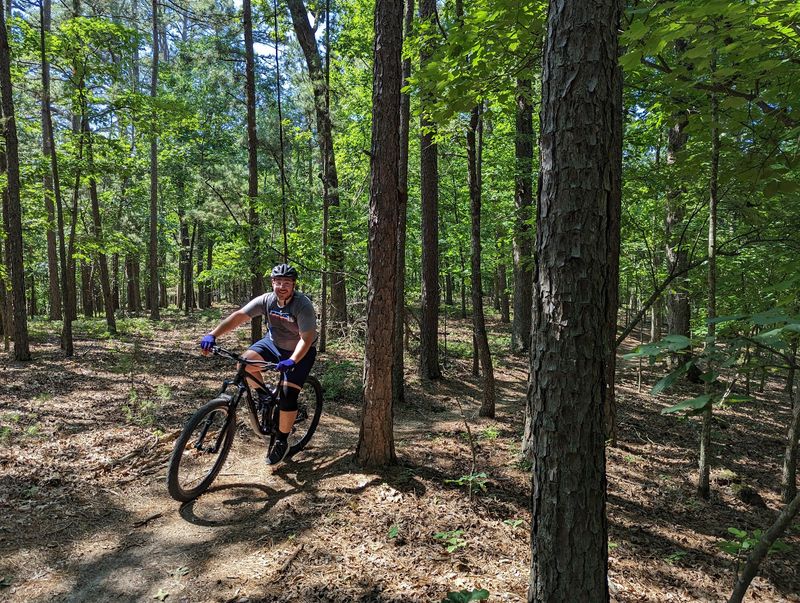
Mountain biking at this park has earned a reputation that draws riders from across the country, and the Monument Trails system is the main reason why. Nearly 40 miles of purpose-built singletrack radiate from the visitor center, ranging from beginner-friendly rollers to seriously technical descents.
Downhill-only runs like Sawtooth and Timberjack are the kind of trails that make experienced riders grin uncontrollably, featuring fast and flowing lines, banked turns, and well-constructed jumps. From those runs, riders can connect into the scenic Wolf Den and Karst Loop, where the forest opens up to reveal striking limestone outcroppings and stunning lakeside views.
The Karst Loop itself runs about 7.8 miles and includes some of the most technical rock sections in the entire park, with significant exposure on certain segments that demands full attention. Bike-in campsites along the Karst Loop make it possible to turn a single ride into a full overnight adventure, which sounds like exactly the right kind of plan to me.
Beaver Lake Views That Stop You in Your Tracks
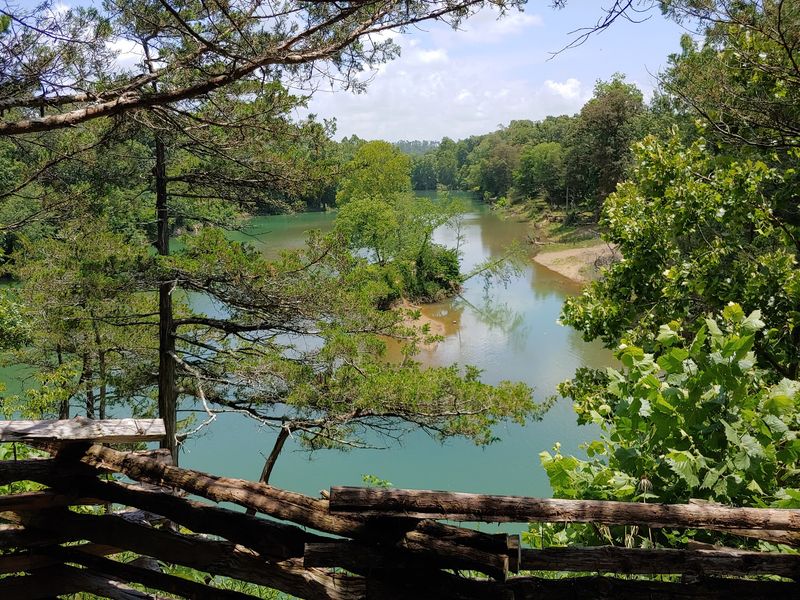
The views of Beaver Lake from within this park are genuinely spectacular, and they have a way of appearing at just the right moment during a hike. You push through a dense stretch of hardwoods, the trail bends around a limestone outcropping, and suddenly the lake stretches out before you in a wide, glittering expanse.
The Pigeon Roost Trail is especially celebrated for its lake overlooks, and during fall the surrounding foliage frames the water in vivid shades of orange and red that make every photograph look almost too good to be real. Even the Karst Loop delivers consistent lakeside scenery throughout its second half, rewarding riders and hikers alike with water views that make the rocky terrain feel worth every step.
With more than twenty miles of shoreline inside the park boundaries, these views are never far away on almost any trail you choose. The water itself is surprisingly clear, adding to the sense that you have stumbled into something truly pristine and far removed from everyday life.
Wildlife Watching in a Thriving Ozark Sanctuary
The sheer diversity of wildlife living within this park makes every visit feel like a new episode of a nature documentary. White-tailed deer move quietly through the hardwood forest at dawn, wild turkeys strut across open clearings, and gray squirrels perform acrobatic leaps between the canopy branches overhead.
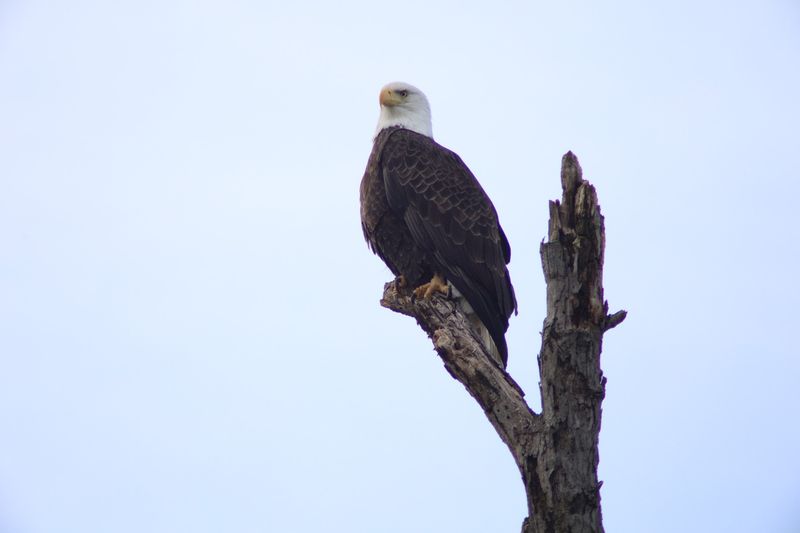
Birdwatching here reaches a peak during the cooler months when bald eagles return to Beaver Lake, making binoculars an essential piece of kit. Near the visitor center, feeders attract a steady stream of colorful songbirds, offering easy and rewarding viewing even for casual observers.
Specific areas like Van Winkle Hollow and the Sinking Stream Trail are known hotspots for bird activity, with moist ravines and varied vegetation creating ideal habitat for a wide range of species. The diversity of ecosystems across the park, from dense pine and hardwood forest to open shoreline, supports an abundance of wildlife that rewards patient and observant visitors at every turn.
Keep your eyes open and your voice low.
The Fascinating History Hidden in Van Winkle Hollow
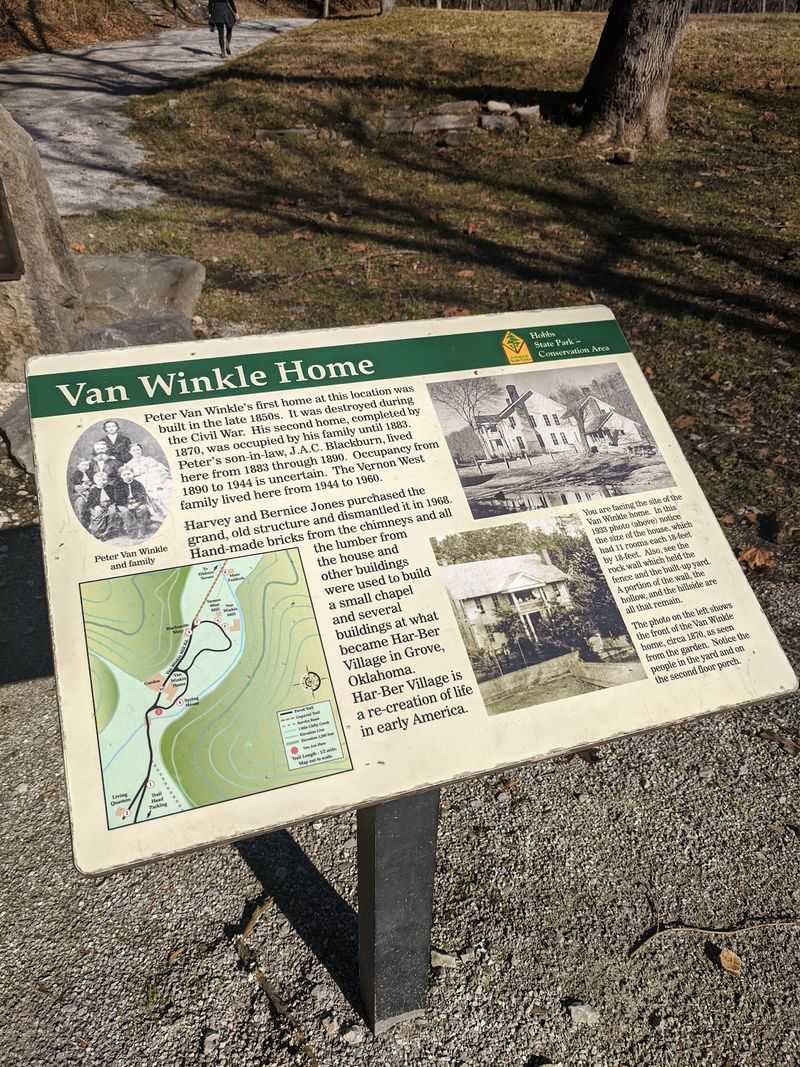
History runs deep at this park, and Van Winkle Hollow is where that story comes most vividly to life. In the 1870s, lumber magnate Peter Van Winkle operated what was then the largest steam-driven sawmill in Arkansas right here in this quiet hollow, producing timber that helped rebuild northwest Arkansas after the Civil War.
That lumber supplied materials for the elegant Victorian homes still standing today in towns like Fayetteville, Bentonville, and Eureka Springs, as well as the iconic Old Main building at the University of Arkansas. Walking the half-mile Historic Van Winkle Trail, accessible via a tunnel under Highway 12, brings all of this context to life through well-placed interpretive panels that describe the Van Winkle family’s daily existence before and after the war.
Archaeological artifacts related to the original home and mill site are still present throughout the hollow, giving the experience a tangible connection to the past. The spring-fed creek running alongside the trail adds a peaceful soundtrack to what becomes a surprisingly moving journey through local history.
The Story Behind the Park’s Founding
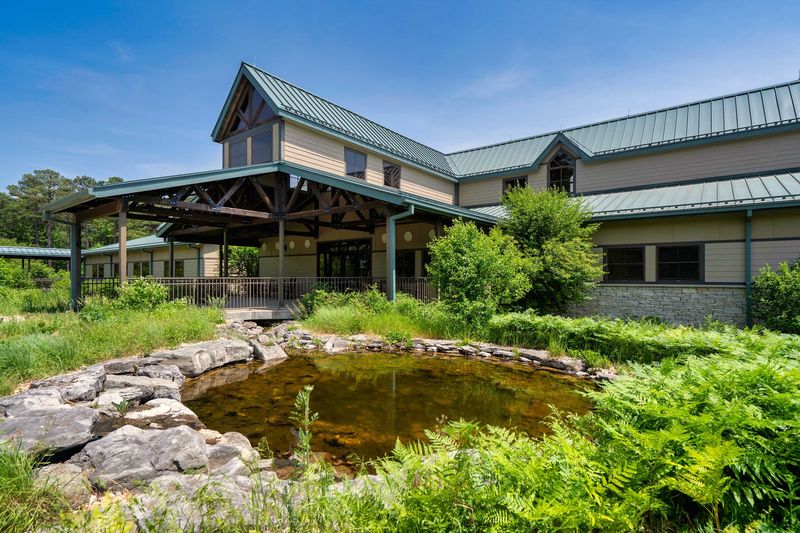
The name Hobbs comes from Roscoe C. Hobbs, a local businessman and passionate conservationist who owned a significant portion of this land for nearly four decades.
His dedication to protecting the Ozark wilderness laid the foundation for what would eventually become Arkansas’s largest state park.
The park’s official establishment in 1979 was the result of a remarkable community effort that brought together banks from across northwest Arkansas, The Nature Conservancy, and the state government. Governor Bill Clinton officially marked the land purchase, cementing a conservation legacy that continues to benefit visitors and wildlife today.
That collaborative spirit is still evident in how the park operates. Arkansas State Parks, the Arkansas Natural Heritage Commission, and the Arkansas Game and Fish Commission jointly manage the area, each contributing expertise to balance recreation, education, and ecological preservation.
Knowing that this park exists because an entire community decided it was worth saving adds a layer of meaning to every trail walked and every lake view admired. Some places earn their character over centuries, and Hobbs is absolutely one of them.
The Visitor Center That Genuinely Impresses
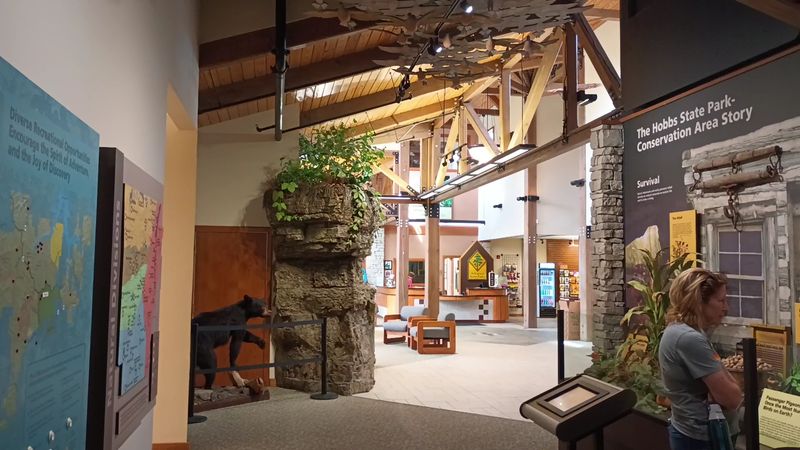
Most park visitor centers are an afterthought, a small room with a few brochures and a bored staff member behind a folding table. The visitor center at this park is something else entirely, and it consistently earns rave reactions from first-time guests who were not expecting much.
This LEED-certified facility spans an impressive 17,000 square feet and houses engaging exhibits on Ozark geology, local wildlife, and regional history. Live and preserved creatures, water features, historical artifacts, and interactive displays fill the space with enough content to keep curious visitors occupied for a full hour before they even step outside.
Dedicated wildlife viewing areas at the back of the building let visitors observe animals in their natural habitat without disturbing them, and the staff are genuinely helpful when it comes to recommending trails based on your fitness level and available time. The gift shop stocks quality souvenirs, and the meeting rooms are equipped with Wi-Fi and accessibility features.
This center is the perfect starting point for any visit, and skipping it would be a genuine mistake.
Primitive Camping Under the Ozark Stars
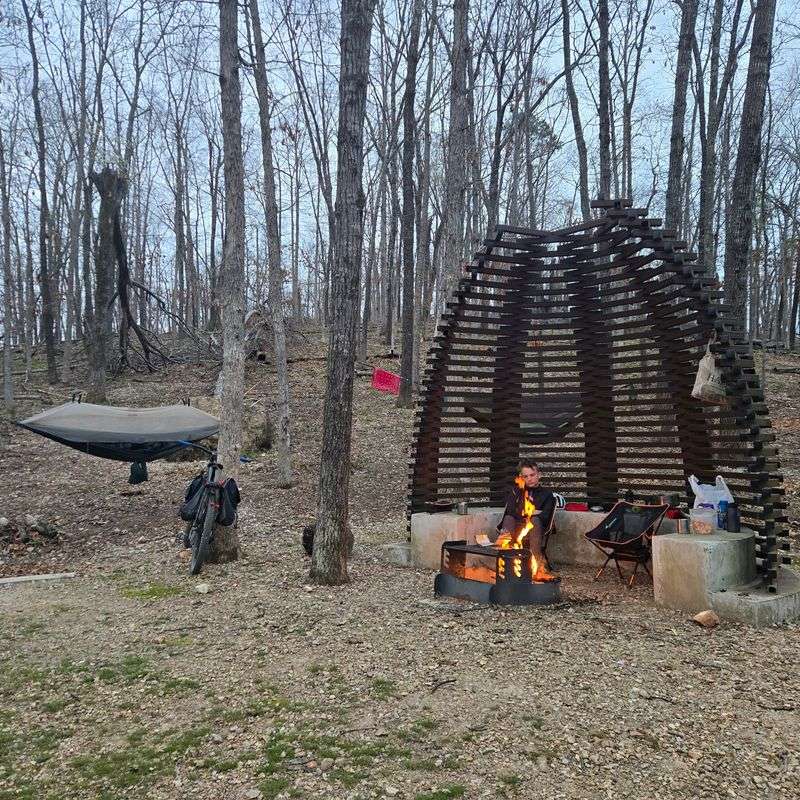
Spending a night at this park is an experience that strips things back to the basics in the best possible way. Eleven primitive hike-in or bike-in campsites are tucked into the wilderness along Beaver Lake, accessible only on foot or by mountain bike, which means your neighbors are more likely to be deer than other campers.
Five sites sit along the Pigeon Roost Trail, offering a genuinely remote forest retreat with tent pads, fire rings, and lantern hangers to keep things organized. The six sites along the Karst Loop are perfectly designed for mountain bikers who want to extend their ride into an overnight adventure.
These campsites are fully primitive, meaning no running water, no toilets, and no vehicle access, so packing carefully and following Leave No Trace principles is non-negotiable. The reward for that preparation is an unmatched sense of solitude, with the sounds of the forest and the gentle movement of Beaver Lake providing the only soundtrack you need.
Some sites offer clear lake views in winter when the trees shed their leaves, making the cold-weather experience unexpectedly beautiful.
Karst Geology, Caves, and Ancient Limestone Secrets
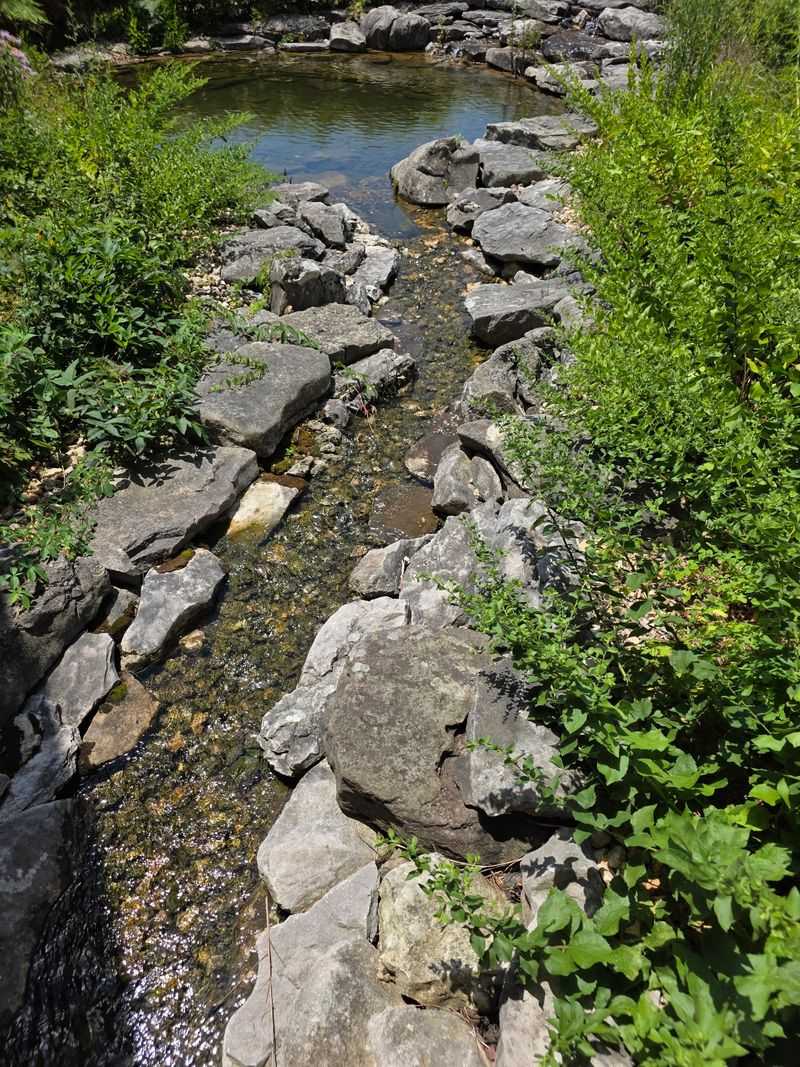
The ground at this park has a story to tell, and it is a genuinely ancient one. Almost the entire park sits within the Springfield Plateau subdivision of the Ozark Plateau, an area defined by limestone bedrock that was once the floor of a prehistoric sea.
Over millions of years, water slowly dissolved and eroded that limestone, carving out a distinctive karst landscape filled with sinkholes, caves, springs, and seeps. Some of the limestone formations even contain fossilized sea life, quiet evidence of an ocean that covered this region long before the Ozarks existed in their current form.
The Karst Loop trail is named directly for these features, and hiking or riding it reveals striking rock outcroppings and geological formations that feel almost otherworldly against the backdrop of the green forest. Springs feed small streams that appear and disappear underground with no obvious explanation, which is one of the more genuinely surprising things to witness on a casual trail walk.
The geology here adds a layer of wonder that most visitors do not fully expect when they first arrive.
Share this story