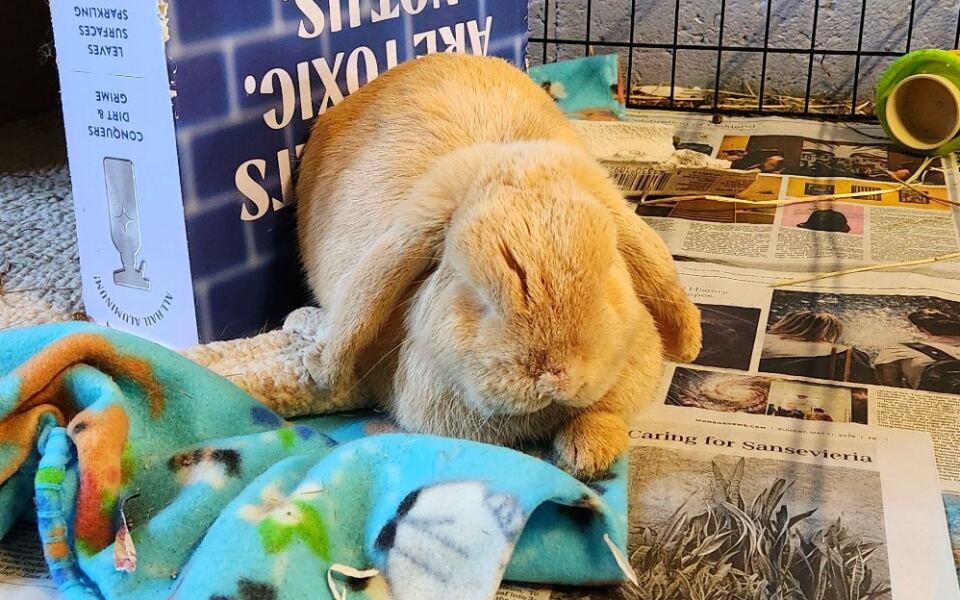
Bunnies at one rural Michigan rescue can go on dates. A rabbit owner can bring a lonely pet to meet possible partners and see who gets along best.
It sounds silly at first, but it is a serious part of helping rabbits live happier lives.
The animals here have been dropped off, found outside, or given up by owners who could no longer care for them. Many of them are litter trained, and each one has its own personality.
I like the idea of a place that treats small pets with this much patience. Rabbits are often bought on a whim, especially around spring holidays, and many end up needing help later.
Bunnies are the main focus, but they are not the only residents. A few surprising farm animals also call this quiet sanctuary home.
A Quiet Country Haven Built for Bunnies

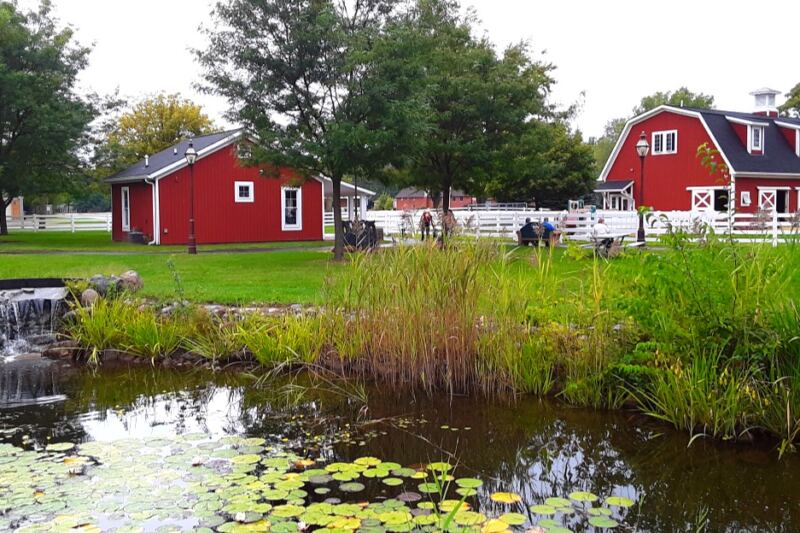
Great Lakes Rabbit Sanctuary sits at 8260 Judd Rd in Willis, Michigan, a small rural community south of Ypsilanti. It works as an animal shelter with a clear mission.
The goal is simple to explain but hard to do. The team rescues pet rabbits, gives them shelter and vet care, and tries to place them in loving homes.
Domestic rabbits are very different from wild cottontails. They were bred to live with people, so they usually can’t survive alone outdoors.
When someone releases a pet bunny into a field, it faces weather, predators, and hunger with almost no defense.
That is where this sanctuary steps in. It offers a safe place for rabbits that had nowhere else to go.
I find the location fitting for the work. A country setting gives the animals room and calm, away from busy city streets.
The sanctuary’s long history explains a lot about why its staff knows rabbits so well. That experience shapes everything they do, from daily care to matching bunnies with new families, and it started decades ago.
Three Decades of Rabbit Know-How
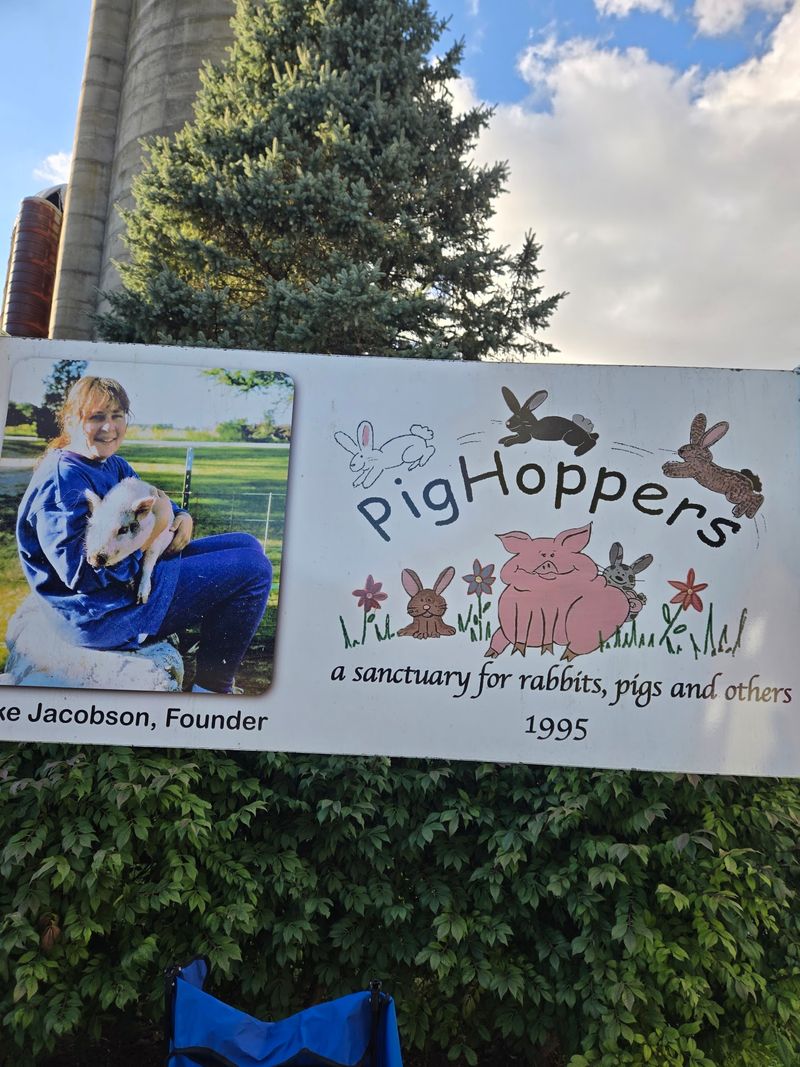
Thirty years is a long time to focus on one kind of animal. The sanctuary has been rescuing rabbits for about three decades, and that steady work has built a deep well of knowledge.
Rabbits can be tricky pets. They have sensitive stomachs, teeth that never stop growing, and moods that can change quickly when they feel scared.
A rescue with years of practice learns to spot these needs fast. Staff members get to know each rabbit as an individual, not just as one more animal in a pen.
Fun fact: rabbits are prey animals, so they often hide signs of illness. Experienced caregivers learn to notice small changes, like a bunny skipping food or sitting hunched in a corner.
I like knowing that this kind of skill gets passed along. New volunteers can learn from people who have handled countless rabbits over the years.
That know-how matters most when a frightened new arrival comes through the door. Some of those arrivals come from surprising places, as the next part shows.
Where Unwanted Pets Finally Land Safely
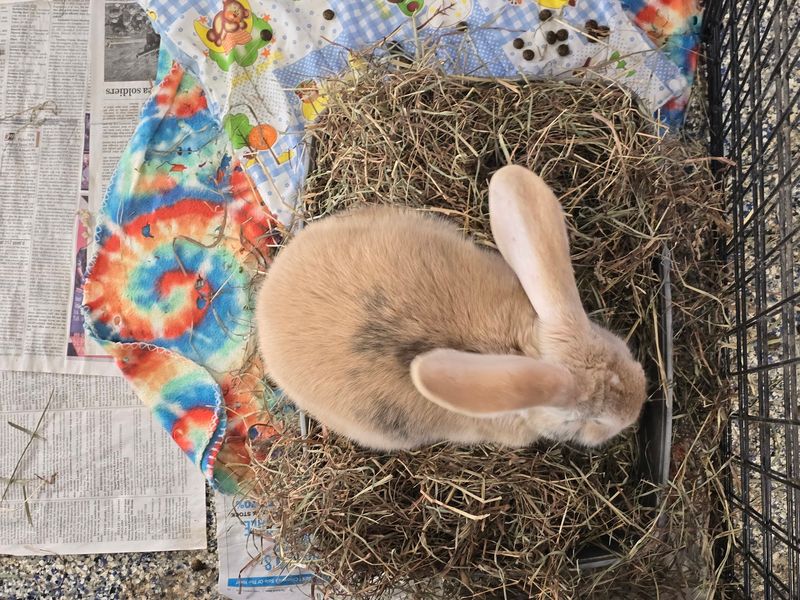
Not every rabbit story starts happily. Some bunnies arrive after being dumped outdoors, while others come from owners who suddenly can’t keep them.
Pet rabbits are often bought as cute gifts. Then families learn they can live around eight to twelve years and need daily care, special food, and space to move.
When that reality sinks in, some rabbits get abandoned. A sanctuary like this one gives them a fresh start instead of a cold, risky life outside.
One past visitor shared that they found a baby rabbit and the sanctuary took it in without hesitation. That kind of quick help can make a big difference for a tiny animal.
Every rabbit here gets shelter, food, and medical attention. The staff works to help each one feel safe again, even if it was frightened or neglected before.
I respect how this work focuses on second chances. Each rescued bunny gets time to rest and heal.
Once they settle in, many of these rabbits start showing off a skill that surprises new pet owners.
Bunnies Who Know Their Litter Box
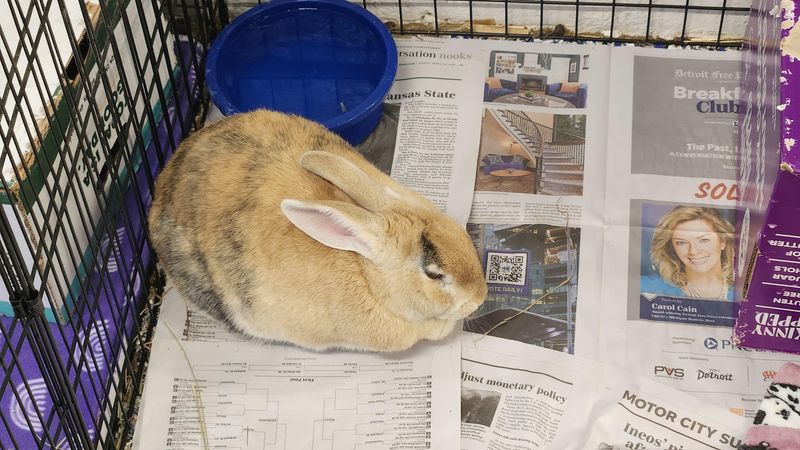
Surprise: rabbits can use a litter box, much like cats. Many of the bunnies at this sanctuary are litter trained, which makes them easier to bring home.
Rabbits naturally like to go to the bathroom in one spot. A box filled with safe litter and some hay on top often does the trick.
This matters for families thinking about adoption. A litter-trained rabbit can live indoors more easily, and indoor rabbits usually stay safer and closer to their people.
Here’s a helpful tip if you adopt. Place the litter box where your rabbit already likes to hang out, and add fresh hay.
Rabbits often munch and go at the same time, so the setup feels natural to them.
Avoid clumping cat litter, since it can harm a rabbit if swallowed. Paper-based litter is a common, safer choice.
I find this detail reassuring for first-time owners. It shows that rabbits can be tidy, house-friendly pets.
Good habits are only part of the picture, though. Each rabbit also brings its own personality to the table.
Every Rabbit Has a Personality
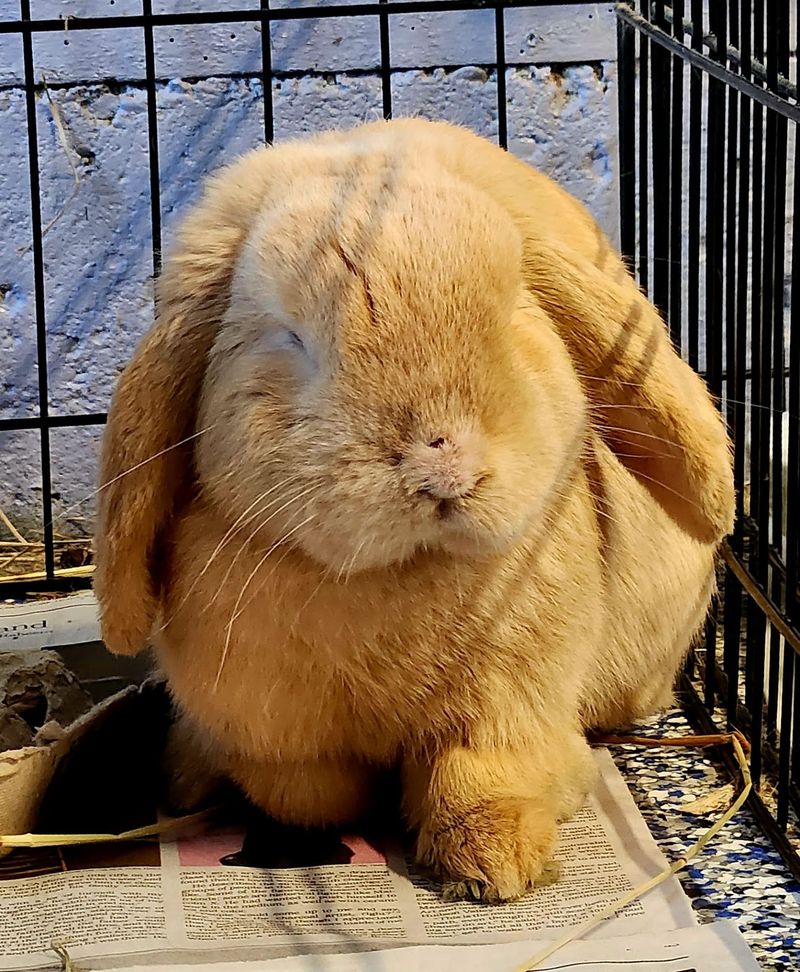
Some rabbits are bold explorers. Others prefer to sit quietly and watch the world from a safe corner.
At the sanctuary, each bunny is treated as its own character. The people caring for them learn who is shy, who is playful, and who loves a gentle head rub.
Rabbits show feelings in clever ways. A happy rabbit may do a binky, which is a fun leap and twist in the air.
A relaxed one might flop over on its side.
Thumping a back foot usually means something feels wrong. Soft tooth purring, a light grinding sound, often signals contentment.
Knowing these signals helps caregivers and adopters understand what a rabbit needs. It also builds trust over time.
I enjoy how much personality fits into such a small animal. A rabbit’s quirks are a big part of its charm as a pet.
That close knowledge of personalities becomes very useful when a lonely rabbit needs a friend. In fact, it powers one of the sanctuary’s most interesting services.
Speed Dating for Lonely Bunnies
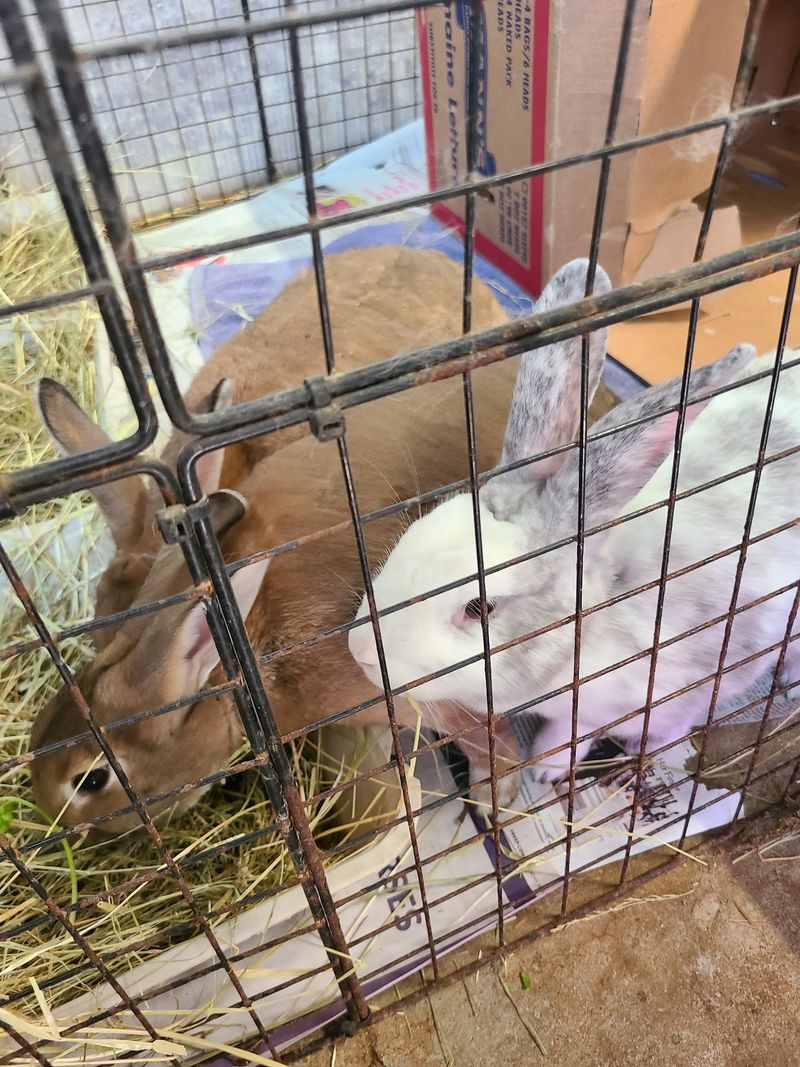
Yes, rabbit dates are real. Owners can bring their pet bunny to the sanctuary to meet possible partners and see if a friendship sparks.
Rabbits are social animals, and many do better with a buddy. But pairing them is not simple, since two rabbits can fight if they don’t click.
The staff knows the resident rabbits well. They use that knowledge to suggest which personalities have the best chance of getting along.
One past adopter described how easy the process felt. Their bunny met several candidates, and the staff did not rush the meet and greets.
Fostering before adopting can also be an option. That gives the two rabbits time to bond at home, with a backup plan if things don’t work out.
Here’s a practical tip. Bonding can take days or weeks, so patience helps a lot.
I love how careful this approach is. It puts the rabbits’ comfort first.
Not ready to match a rabbit with your own? Some bunnies here already come as a set.
Already Bonded Pairs Ready for Home
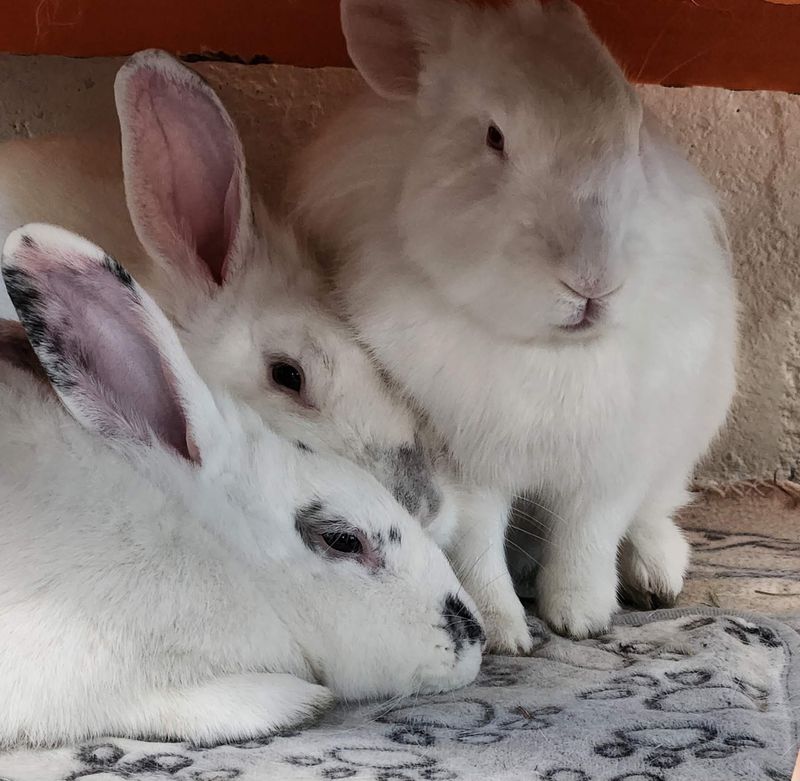
Two cuddly rabbits leaning against each other is a sweet sight. The sanctuary has bonded pairs available, which can be a smart choice for new owners.
A bonded pair has already done the hard work of becoming friends. They groom each other, share space, and keep each other company.
For someone with no rabbits yet, this can make life easier. You skip the tricky introduction stage and bring home a team that already gets along.
Bonded rabbits should stay together. Splitting them up can cause stress, so shelters usually place them as a pair.
Having two rabbits does mean more food, more hay, and a bigger space. Still, many owners feel the companionship is worth the extra planning.
Adopting from a rescue also helps open space for the next rabbit in need. Each adoption helps more than one animal.
I think this option makes a lot of sense for busy families. The rabbits keep each other entertained when people are away.
Rabbits aren’t the only animals waiting to greet guests here, either.
Pigs, Goats, and Cats Join the Crew
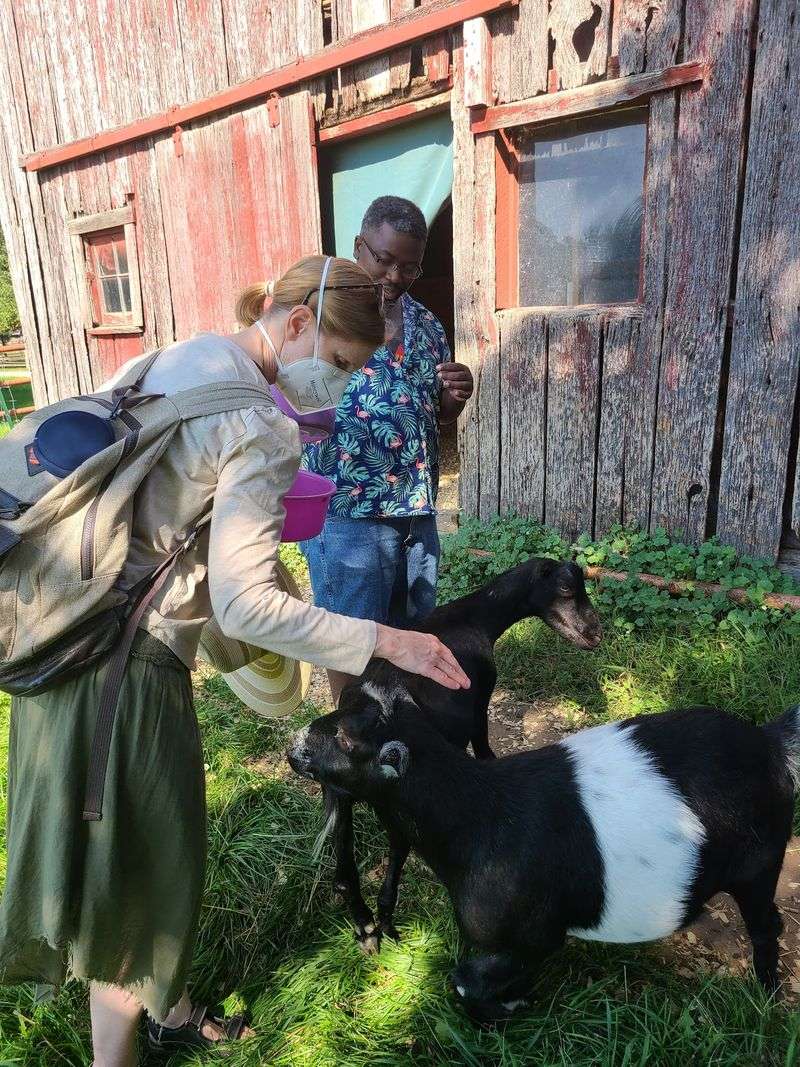
A rabbit sanctuary with pigs might sound odd. Yet Great Lakes Rabbit Sanctuary also cares for rescued pigs and goats, and cats live here too.
These extra residents give the place a small farm feel. A recent visitor described meeting rabbits, cats, pigs, and goats on a single tour, all of them friendly and cared for.
Pigs are smart and curious animals. Goats tend to be playful and nosy, and they love to explore anything new.
Caring for such different animals takes real effort. Each species has its own diet, housing, and health needs.
I find this mix delightful for families. Kids who come for the bunnies might leave with a new fondness for goats.
Fun fact: goats have rectangular pupils. This shape helps them see a wide area around them while they graze.
The variety also shows how the sanctuary’s caring spirit reaches beyond one kind of pet.
Getting a look at all these animals takes a little planning, though, and that leads to some important visiting advice.
Call Ahead Before You Drive Out

A long drive to a locked gate is no fun. That’s why planning ahead matters before heading to this sanctuary.
Visits work by appointment only. Online listings may show daily hours, but the sanctuary has explained that its map listing can’t show the appointment-only setup.
The best way to reach the team is by email, listed on its official website and business profile. You can also send a message through its Facebook page.
Reaching out first gives staff time to prepare. They can set up a tour, plan a rabbit date, or talk about adoption.
Here’s a smart tip. Share your goals in your first message, such as adopting, boarding, or volunteering.
That helps the team point you in the right direction.
Remember that this is a working rescue, not a petting zoo. The animals’ needs come first.
I always appreciate places that guard their animals’ calm. A scheduled visit helps keep the residents relaxed.
Once you connect, you may learn about a handy service for current rabbit owners.
Boarding, Volunteering, and Lending a Hand
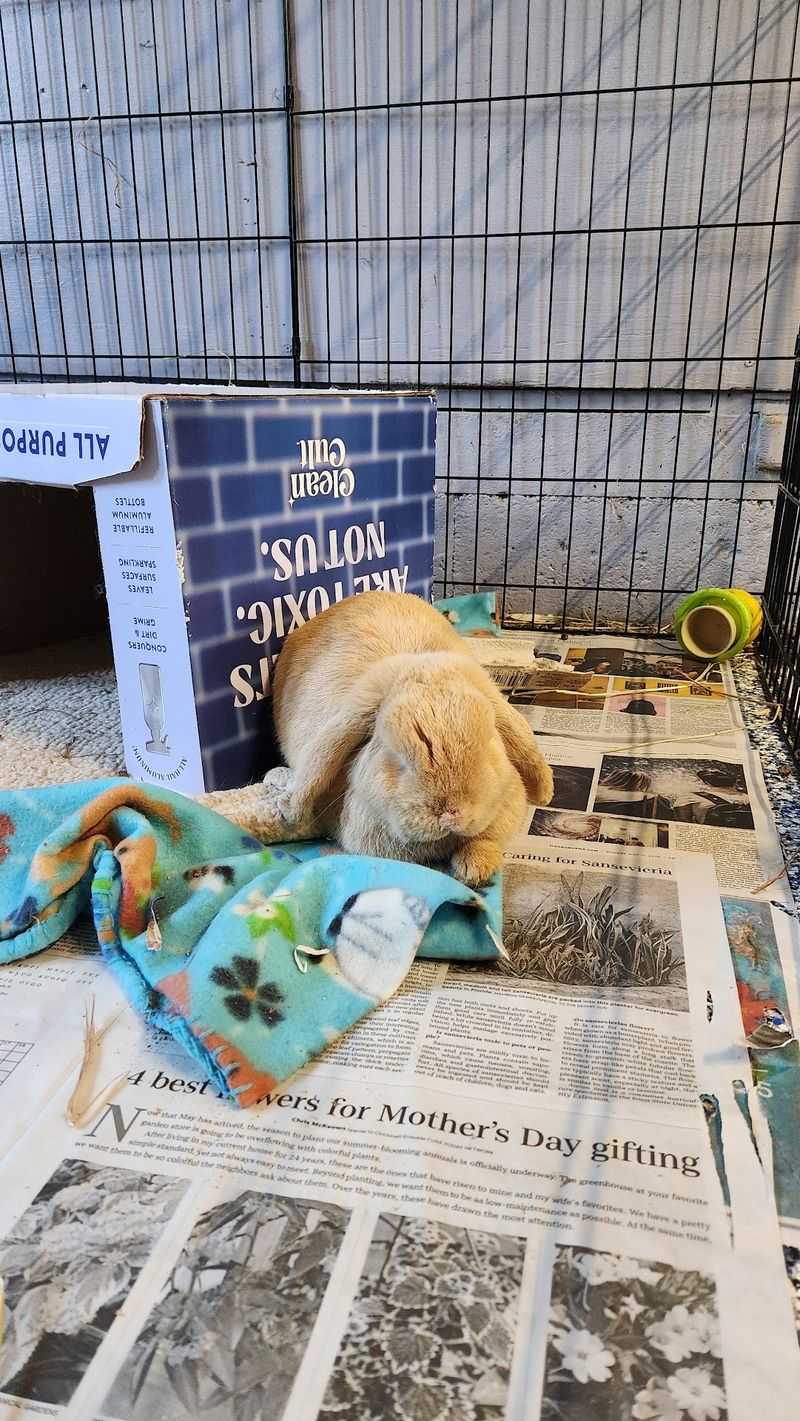
Going on vacation with a rabbit at home can be stressful. The sanctuary offers boarding, so owners can leave their bunny with people who understand rabbit care.
That service brings peace of mind. Pet rabbits need fresh hay, clean water, and daily checks, and not every pet sitter knows those basics.
Volunteering is another way to get involved. Volunteers help with cleaning, feeding, and giving the animals attention.
Tasks like refilling hay or tidying pens may seem small. Together, they keep the whole sanctuary running smoothly.
Volunteering can also teach young people responsibility. It’s a hands-on way to learn about animal care before adopting a pet.
Not everyone can adopt or volunteer, and that’s okay. Spreading the word about rabbit rescue helps too.
Telling friends that rabbits need long-term care can prevent future abandonment. A little honest advice goes a long way.
I like that there are many paths to help. This Willis rescue proves that small animals deserve big kindness, and every caring person can play a part in that second chance.
Share this story