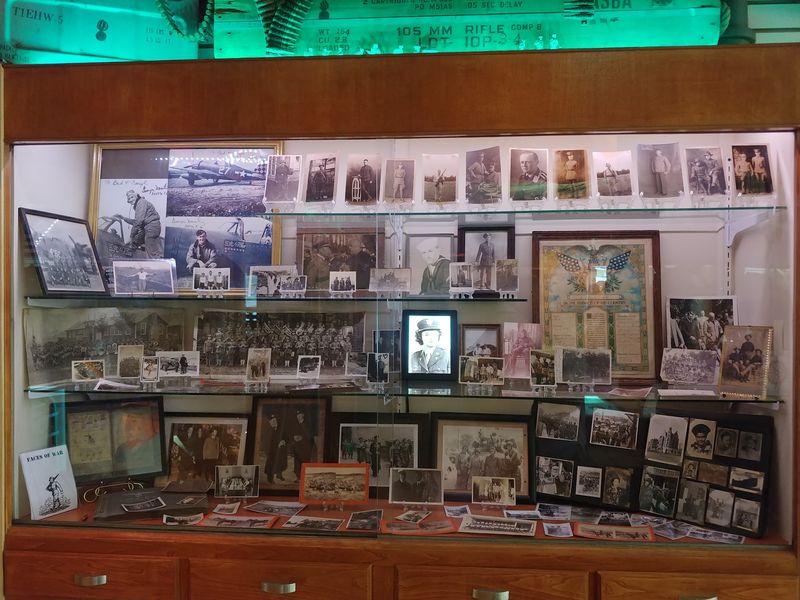
A surplus store in northern Michigan keeps a free military museum right next to its racks of helmets, field jackets, and ammo cans. Shoppers come in looking for gear and end up face to face with history.
The owner believes knowledge should be free, so nobody pays a cent to see the displays. Some visitors have even donated their own wartime keepsakes to help the collection grow, and that is where this story gets personal.
A Surplus Shop With a Museum Inside
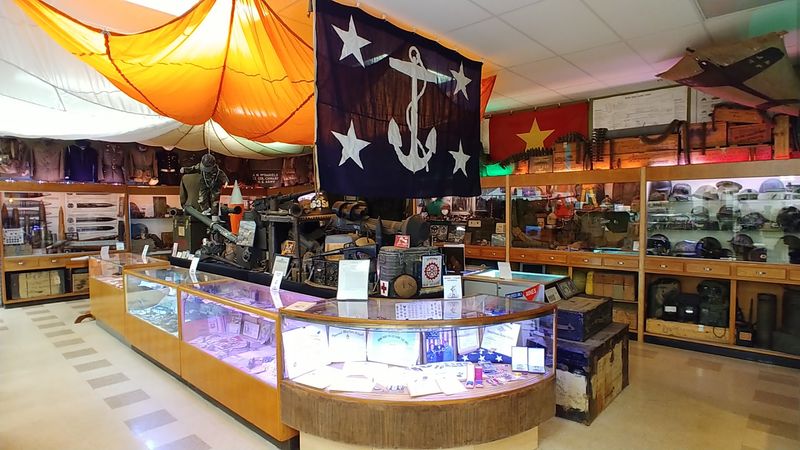
Half store and half museum might sound like an odd mix, but it works beautifully at Pineview Military Surplus and Museum. You’ll find it at 604 Norway St in Grayling, Michigan, in the northern Lower Peninsula of the United States.
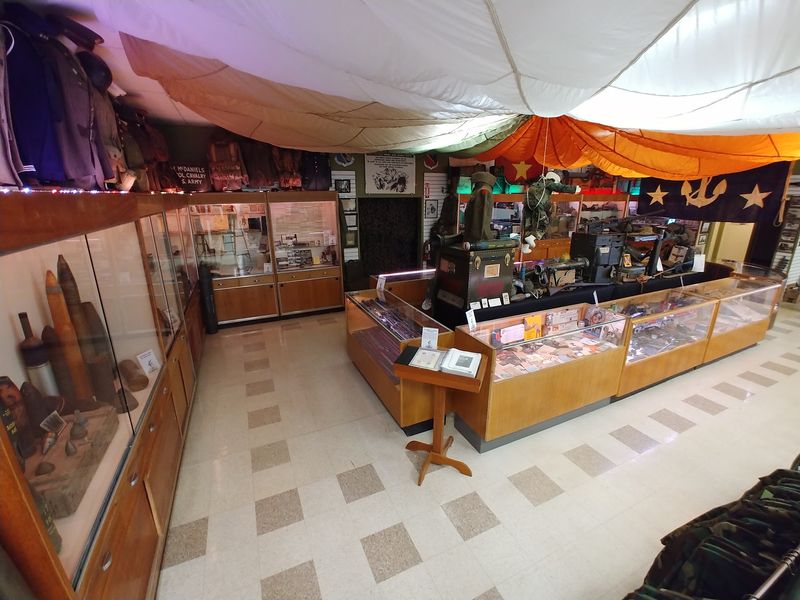
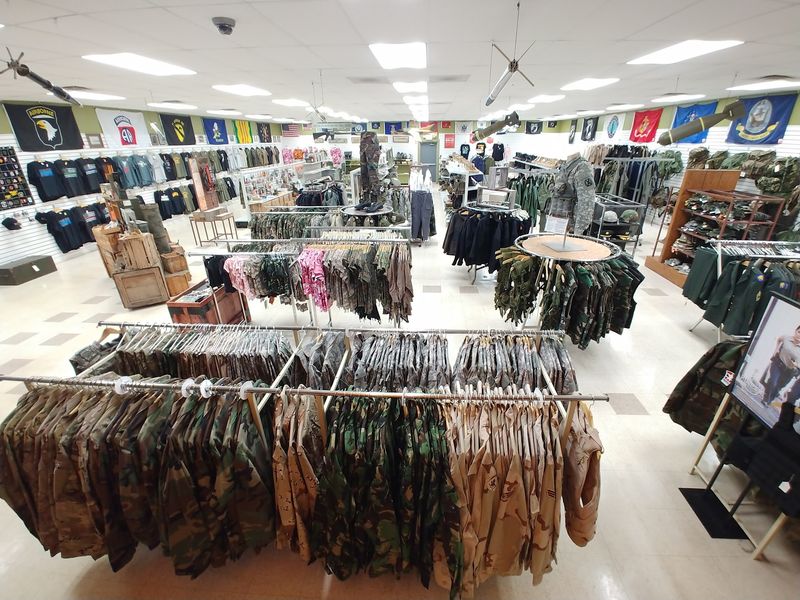
One side of the building is packed with military surplus for sale. The other side holds displays of military history that anyone can walk through.
I like that the two parts sit together, because shopping and learning happen in the same trip.
Finding it takes a little attention. The store sits off the business loop, behind a U-Haul location, with signs placed out by the road to guide drivers in.
Trust those signs and keep going. The turn can feel unexpected, yet it leads right to the parking area.
Grayling already draws travelers heading north, so this stop fits easily into a road trip. A quick detour can turn into a surprisingly rich hour of browsing.
Once you’re inside, the first thing worth knowing is how the merchandise is arranged, and it’s tidier than most people expect from a surplus shop.
Aisles Instead of Heaps
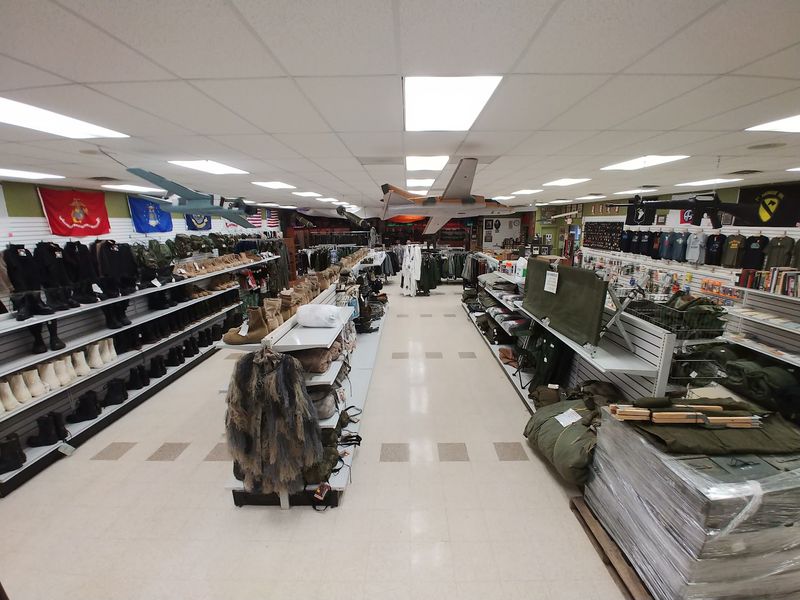
Plenty of surplus stores pile things in bins and leave you to dig. Pineview takes a different approach, with real aisles and clearly separated merchandise sections.
That setup makes browsing far less stressful. You can head straight for clothing, then move to gear without climbing over random boxes.
The store is known for being clean and well lit. Good lighting matters more than you’d think when you’re checking sizes, tags, or small details on older items.
There’s also a set-aside area for especially vintage pieces. Collectors hunting for something specific, like an old cadet cap, will want to look there first.
Organization also helps families. Kids can wander a little without getting lost in clutter, and parents can actually see what’s on the shelves.
I find this kind of order reassuring in a store full of history. It shows respect for the items, whether they cost a dollar or sit in the vintage section.
A neat store is nice, but the stock itself is what fills shopping bags. The range of gear here covers more ground than many first-time visitors expect.
Helmets, MOLLE Gear, and Field Jackets
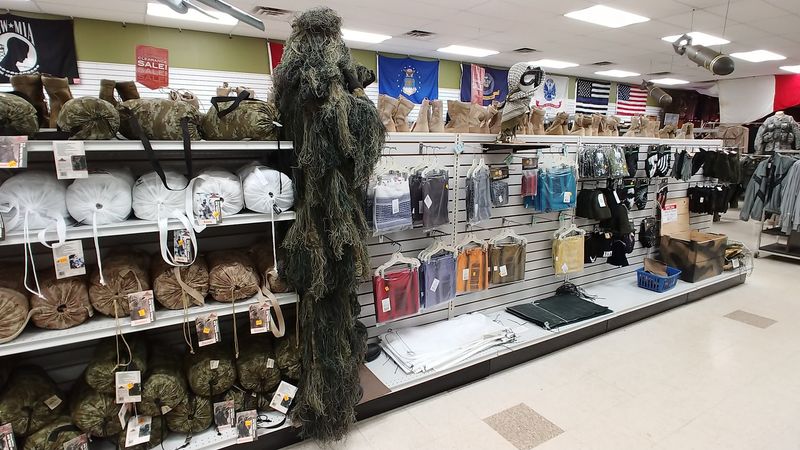
Old helmets sit near MOLLE pouches, and field clothing hangs close to survival gear. The variety at Pineview is one of its strongest draws.
Shoppers have found items here that were hard to locate elsewhere. That includes vintage helmets, military clothing, decorative historical pieces, and practical outdoor supplies.
Ammo cans are a popular pick too. They work for storage, camping, or costume projects, and they hold up well over time.
Clothing is a big part of the inventory. Because it’s real military clothing, it’s sturdier than costume material made for a single night out.
Prices are often described as fair and reasonable. I won’t list exact numbers, since stock changes, but bargain hunters tend to leave happy.
Northern Michigan weather also makes durable gear useful. Hunters, campers, and anyone who spends time in the woods around Grayling can find something practical here.
My advice is to give yourself extra time. New items arrive, so a quick glance may miss something good.
Of course, the store is only half the building. The other half is where the history comes alive.
Free Admission, Because Knowledge Is Free
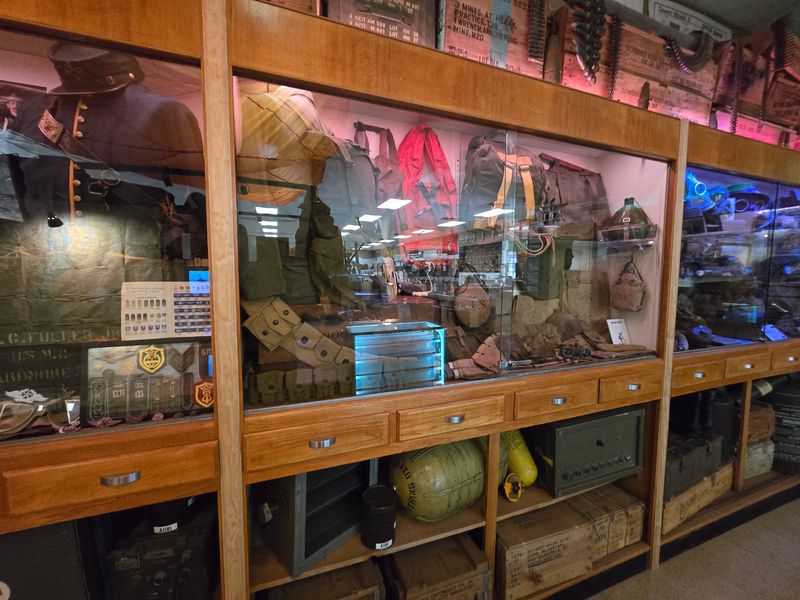
“Knowledge is free” is the idea behind the museum, and it explains why there’s no admission charge. You can walk the displays without opening your wallet.
That choice says a lot about the people running the place. The museum exists to teach, not to sell tickets.
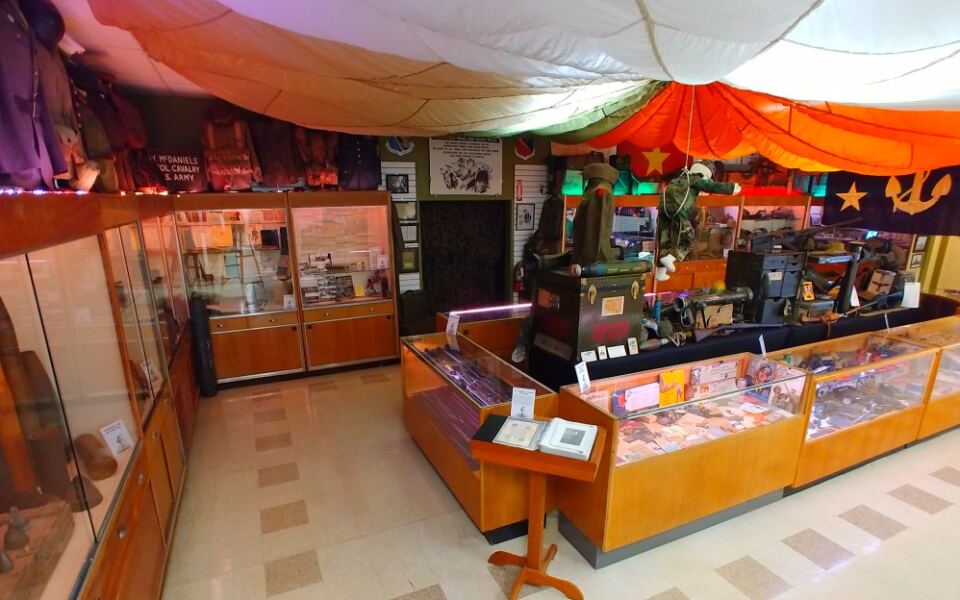
The collection includes military artifacts arranged in curated displays. Some pieces date back to the First World War era, giving visitors a long look across American military history.
There are also heartfelt tributes to veterans throughout the space. Those touches give the museum a respectful, personal feeling.
The layout keeps people engaged. It’s easy to spend thirty minutes moving from case to case, reading and looking closely.
I’d suggest walking the museum before shopping. Seeing the history first can change how you look at the surplus items for sale.
A free museum also makes this an easy stop for families on a budget. Nobody has to decide whether the kids are worth the ticket price.
The displays are strong on their own. Still, the person behind them may be the most memorable part of a visit.
Meet the Storyteller Behind the Counter
Robert, often called Rob, is the owner many visitors remember long after they leave. He has a deep passion for military history and for teaching others about it.
He’s known for taking time to explain the stories behind displayed items. Families have described him spending a good half hour walking them through the collection.
His speaking style stands out. People mention his voice and energy, saying it holds attention the way a good audiobook narrator might.
Here’s a detail I find meaningful. Rob never served in the military, yet he has built a place that honors those who did.
Robyn, another owner, also helps out. She has shared museum pieces with young visitors and talked about plans to expand the collection.
Friendly, welcoming staff is a common theme in how people describe Pineview. That warmth makes newcomers feel comfortable asking questions.
My tip is simple. If the owner has a moment, ask about something that catches your eye.
You’ll likely walk away knowing far more than you expected. Kids, in particular, seem to get some of the best lessons here.
History Kids Can Actually Hold
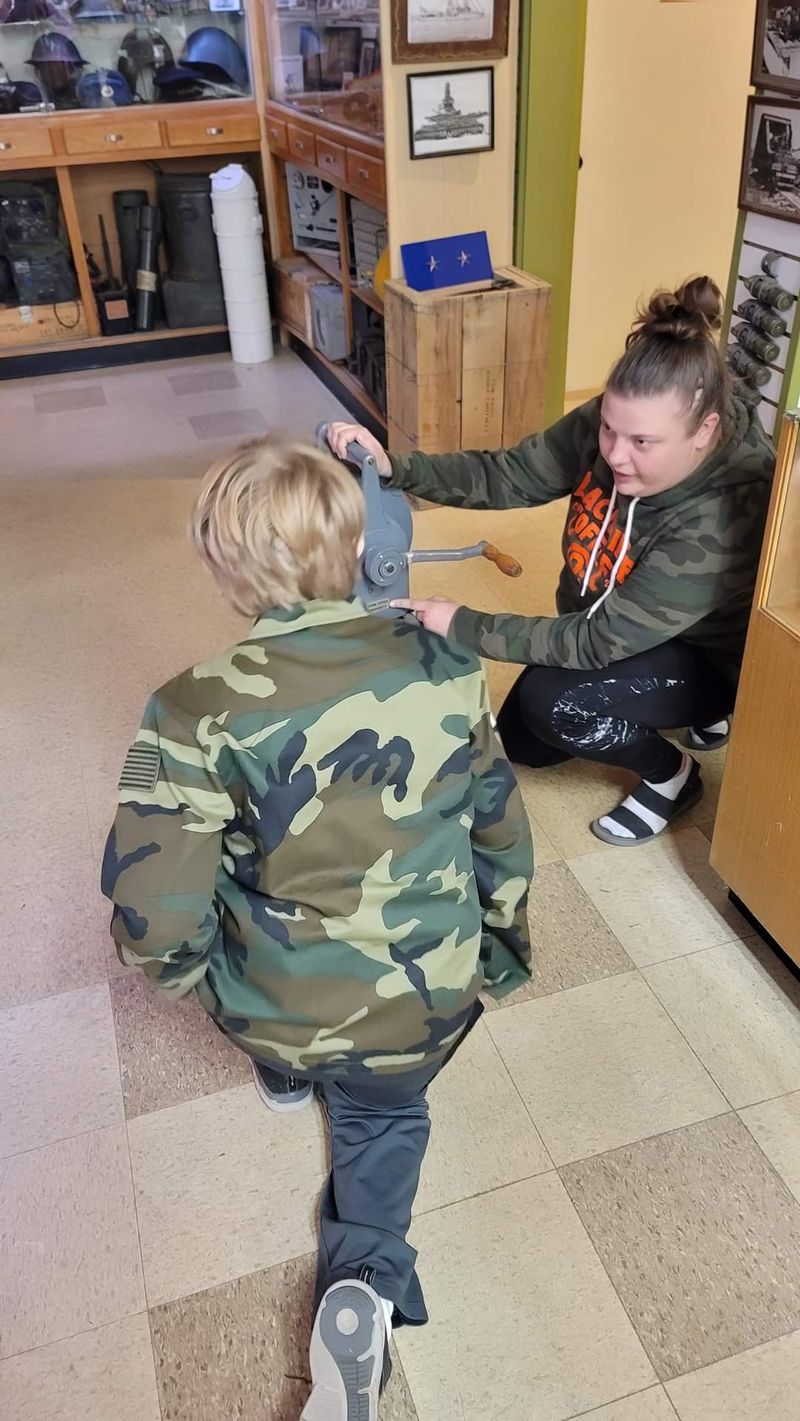
Picture books are fine, but holding a real museum piece is another level of learning. At Pineview, some children have been allowed to hold items while hearing the history behind them.
The owner enjoys playing show and tell with young folks. That hands-on approach turns a quick stop into a real lesson.
One young visitor learned how to read date codes on military clothing. Those codes are found on inside tags or stitching, and they reveal when a piece was made.
That’s a skill kids can take home. It turns every old jacket into a small puzzle worth solving.
Children with a strong interest in history often leave inspired. Some even start their own small collections after a visit.
Parents don’t need to be history buffs either. The explanations are clear enough for kids of different ages to follow along.
I’d encourage families to let children lead with questions. Their curiosity often opens the best conversations.
Of course, some visitors come with a very specific mission in mind. Halloween costumes and reenactment outfits bring in a surprising number of young shoppers.
Costumes With Real Historical Accuracy
Looking for a historically accurate costume can feel impossible at a party store. Pineview offers genuine military clothing that gets much closer to the real thing.
One family shopped here for a World War II soldier outfit for Halloween. With help, they found a Private First Class coat and matching pants.
The staff helped match items to the right time period. That kind of guidance makes a costume feel authentic rather than guessed.
Small accessories can complete a look. Belts, pins, and other details may be available, so ask what fits your era.
Cosplay fans also shop here. An ammo can bought for a Vietnam-era costume reportedly drew plenty of compliments.
Because the clothing is real, it lasts well beyond one night. A good jacket can become everyday outerwear once the costume season ends.
I like that the shopping here doubles as a history lesson. You leave knowing why your outfit looks the way it does.
Costumes are fun, but the museum also holds items with deep personal meaning. Many of those came straight from the community.
A Collection Built Partly by Donations
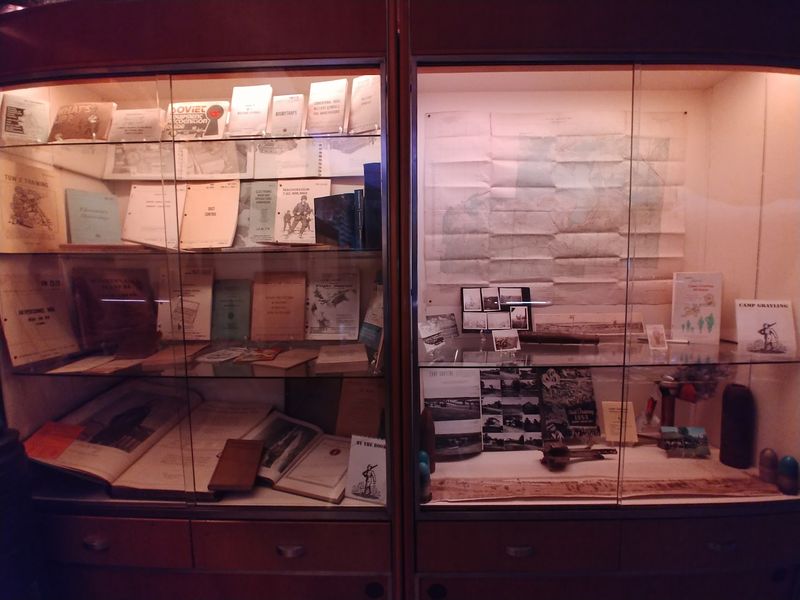
A veteran once stationed in Germany during the Gulf War collected nearly every issue of the Stars and Stripes newspaper printed during that conflict. Those papers were later donated to the Pineview museum.
The donation was received with respect and enthusiasm. Stories like that show how seriously the museum treats personal history.
The owner welcomes donations and keeps adding to the displays. Some regular visitors continue donating items, confident they’ll be shown with care.
That steady flow means the museum changes over time. A return visit may reveal new pieces you missed before.
If you have military keepsakes at home, this could be a thoughtful place for them. Talk with the owners first to see what fits the collection.
I find this community side of the museum moving. Every donated object carries a story from someone who lived it.
The museum has also grown alongside the business itself. Longtime customers remember a different spot before the current building.
That longer history adds another layer to Pineview’s story in Grayling. Some visitors have been coming since childhood.
Honoring Veterans in Quiet Ways
Medals carry heavy meaning, and Pineview has helped people with that kind of personal mission. Rob once helped a customer replace a friend’s lost medals, including Purple Hearts.
Moments like that show the heart of the business. It’s about service to people, not just sales.
Veterans often connect strongly with the museum. Some say the displays remind them why they served their country.
Tributes and appreciation for veterans appear throughout the space. They give the building a respectful, thoughtful tone.
You don’t need a military background to value it. People with no service connection still find the collection meaningful.
If you’re bringing a veteran along, plan extra time. Conversations can easily start in front of a single display case.
I’d also suggest thanking the staff for what they’ve built. Supporting places like this keeps local history alive in northern Michigan.
All this meaning sits inside a working business, though. And one of its services surprises nearly every first-time visitor.
U-Haul Rentals and Smart Timing

Moving trucks and military history don’t usually share an address. At Pineview, though, you can also rent a U-Haul.
Staff have even waited a few extra minutes for customers picking up trailers. That kind of help is easy to remember.
Hours matter when you plan a stop. The store generally opens at 10 a.m. and closes at 6 p.m., and it’s closed on Mondays, so check before heading out.
Those hours can be tight after a workday. Some shoppers make several short trips because they arrive close to closing.
My advice is to come earlier in the day when possible. The museum alone deserves unhurried attention.
Grayling makes a handy stop for travelers heading north. A visit fits nicely between drives, especially if you need a stretch.
Keep an open mind about what you’ll leave with. Some people come for gear, some for a trailer, and many leave with a fresh history lesson.
That mix of practical help and free learning is what makes Pineview feel like a true part of the Grayling community.
Share this story