Somewhere in Michigan, people roll out yoga mats while pigs wander nearby, hoping someone will offer a belly rub. That is a real event, and pigs are the guests of honor.
Every pig on the property has a name. Each one also has a story about how it arrived, and many of those stories begin with a family that could not keep a pet that grew far bigger than expected.
I like places that turn a hard situation into a hopeful one. A rescue built around one misunderstood animal feels personal in a way that larger shelters sometimes cannot.
It also teaches visitors that pigs are smart, social, and full of personality.
So how does a small group of pig lovers end up caring for a whole herd? The answer starts with a lot of heart and very little fancy training.
A Sanctuary Built Just for Pigs
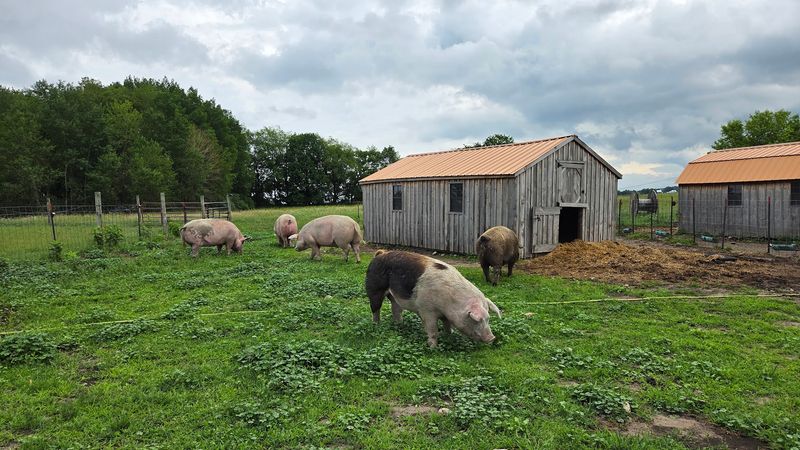
Most animal shelters focus on cats and dogs. No Swine Left Behind took a different path and chose pigs as its entire mission in Michigan.
The rescue is an animal rescue service and nonprofit sanctuary. It takes in pigs that people no longer want or can no longer care for.
Some come from rough living conditions, while others were simply surrendered by owners who felt overwhelmed.
Once a pig arrives, the goal is a safe and steady life. That means food, shelter, medical care, and plenty of attention from people who genuinely enjoy their company.
The sanctuary does not treat its pigs as a temporary project.
I find that focus refreshing. Pigs often fall through the cracks because they are too big for a house pet and not part of a typical shelter program.
A place built just for them fills a gap that many people never think about.
The name says it all, really. It promises that no pig gets left out in the cold.
Keeping that promise takes more than good intentions, and the people behind it had to learn plenty along the way.
Grassroots Roots and Big Determination
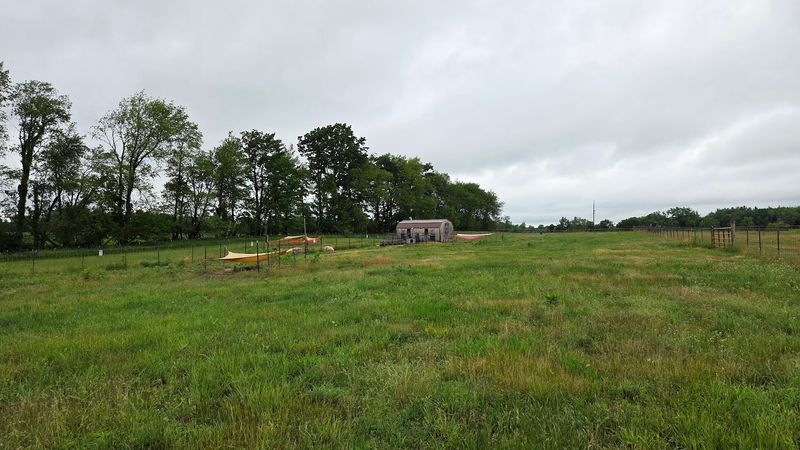
Nobody needs a fancy degree to start helping animals. The story of No Swine Left Behind proves it, because the rescue grew from grassroots beginnings rather than a big organization.
Visitors who take the facility tour hear how the sanctuary was built. The founders share the challenges of creating space, gathering supplies, and figuring out the needs of each new resident.
It is an honest look at how much work goes into caring for pigs.
Many people assume sanctuaries require special credentials to exist. Hearing this story changes that idea quickly.
Love for animals and a stubborn refusal to quit can carry people surprisingly far.
I like that message for younger readers especially. It shows that a big problem can be tackled by ordinary people who care enough to start.
You do not have to wait for permission to make a difference.
Of all the lessons here, that one sticks. A small group saw pigs needing help and decided to act.
The result is a growing herd with names, histories, and a future that looks much brighter than where it began.
Why So Many Pet Pigs Need Rescuing
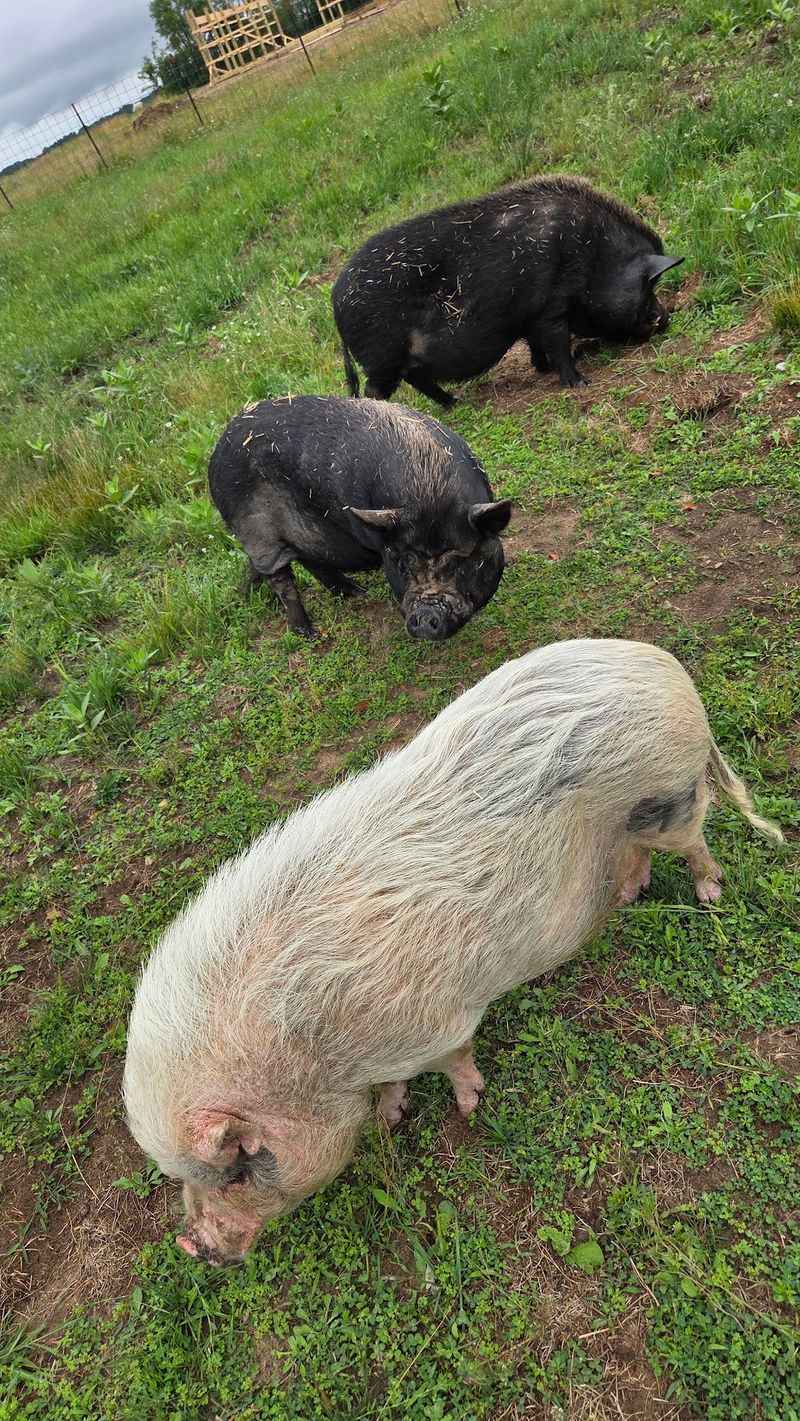
Tiny piglets are adorable. Sadly, that cuteness is part of why so many pigs end up needing a new home.
People sometimes buy pigs sold as mini or teacup pets. Those little animals often keep growing for several years and can reach well over a hundred pounds.
A pig that fit in your arms can soon outweigh a large dog.
Pigs also have strong instincts. They love to root in the dirt, they need room to roam, and they get bored without enough to do.
Many local rules also limit where farm animals can live, which surprises new owners.
When families feel stuck, a rescue like No Swine Left Behind becomes a lifeline. Instead of being passed from home to home, a pig can settle somewhere built for its needs.
Here is practical advice for anyone tempted by a piglet. Research adult size, zoning rules, and veterinary care first, because pigs can live well into their teens.
Thinking ahead protects both the animal and your household. It also keeps rescues from filling up faster than they can manage.
Every Pig Gets a Name and a Story
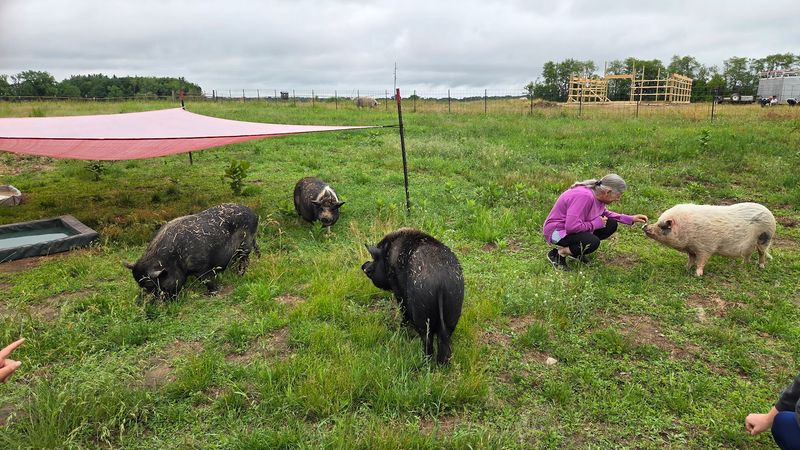
Ask about any pig at this sanctuary, and you will likely hear a name followed by a story. That personal touch shapes the whole visit.
Caretakers at No Swine Left Behind share where each pig came from and how it found its way to safety. Some arrived from poor environments.
Now they are healthy, relaxed, and comfortable around people.
Learning the names turns a herd into a group of individuals. One pig might be bold and curious.
Another might be shy at first and slowly warm up once it trusts you.
I enjoy this part of rescue work the most. Watching personalities show up reminds us that pigs feel, think, and form bonds.
They are not just farm animals in a field.
Here is a fun fact to share with friends. Pigs are known for being clever, and scientists have found they can learn tricks and solve simple puzzles.
Hearing the stories at the sanctuary makes that intelligence easy to believe. It also makes it much harder to forget the faces you meet, which leads nicely to what happens during a visit.
Belly Rubs Are Part of the Tour
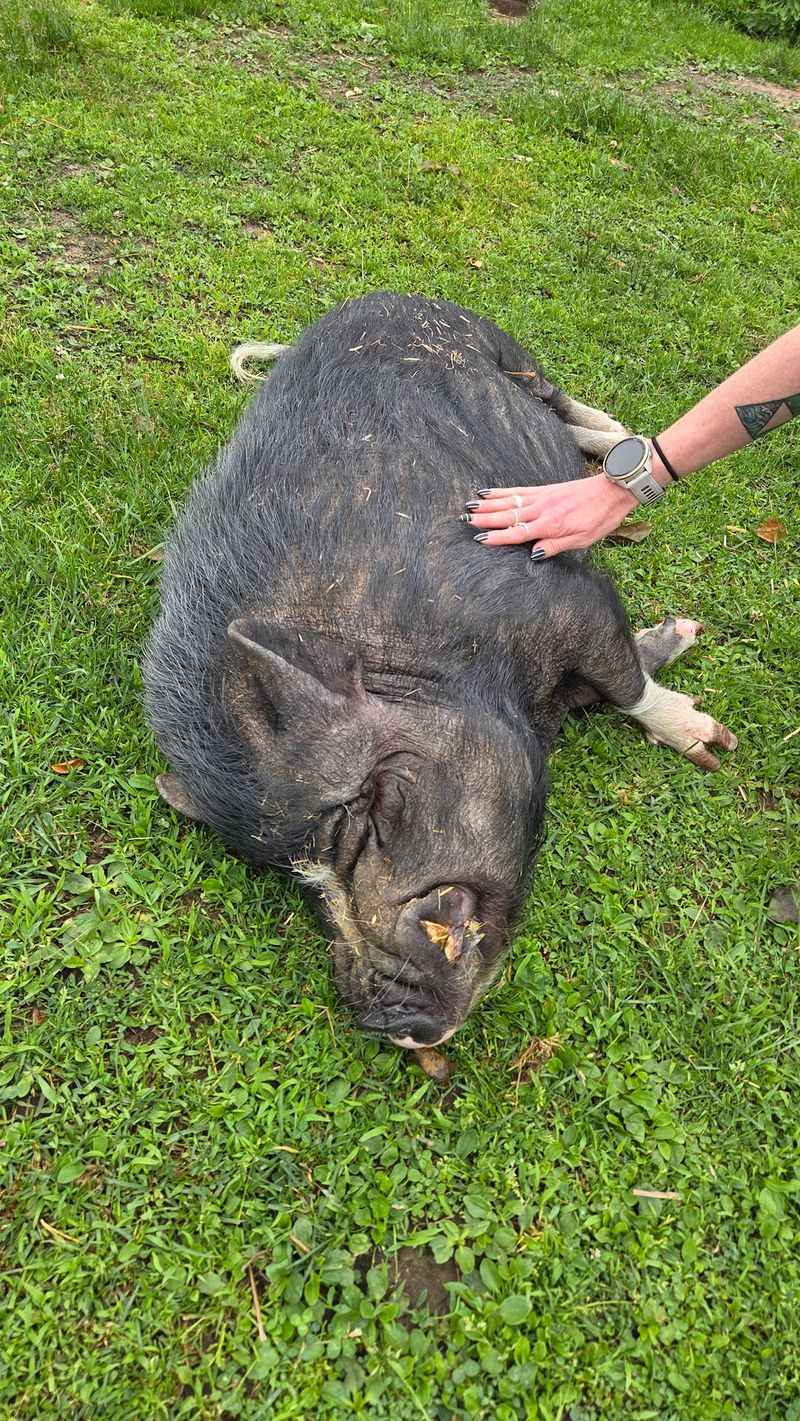
Photos and videos can only show so much. Standing next to a pig that rolls over for a belly rub is a whole different experience.
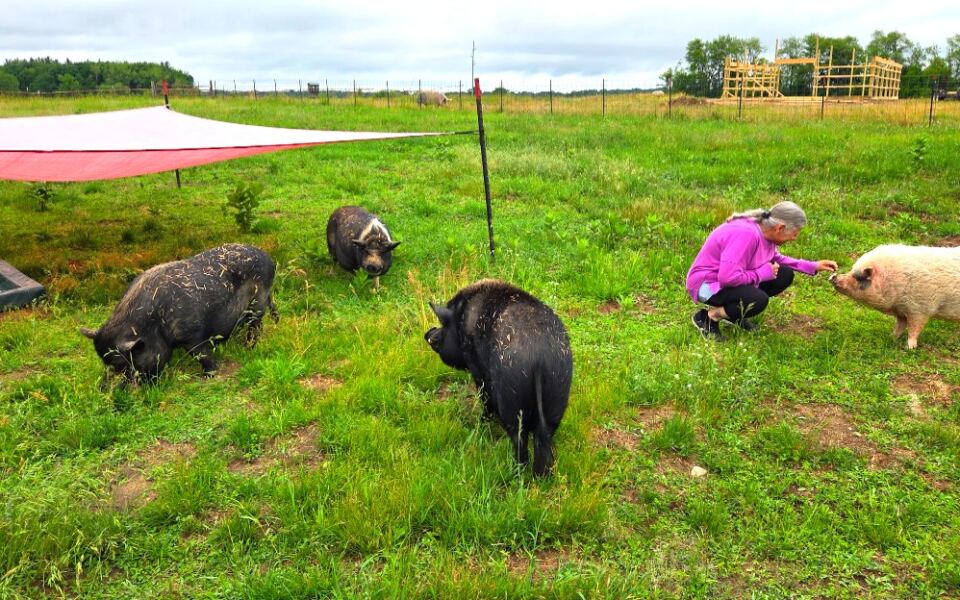
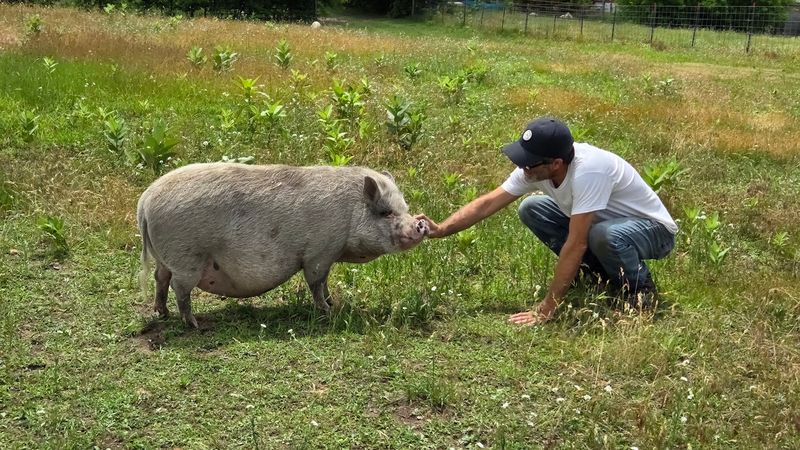
Visitors at No Swine Left Behind can meet the residents up close during tours. Many pigs enjoy pets and scratches, and some will even accept a gentle kiss on the snout if they are in the mood.
The key word is choice. Pigs here get to decide how much attention they want.
Some come running, while others prefer to watch from a comfortable spot.
A few tips make the meeting go smoothly. Move slowly, speak softly, and let the pig sniff you first.
Follow the caretakers’ guidance, since they know each animal’s habits and comfort level.
Wear clothes and shoes you do not mind getting dusty or muddy. Pigs love dirt, and they are not shy about sharing it.
Close-toed shoes are a smart idea around animals of this size.
That close contact is what changes minds. Meeting a pig face to face makes its needs feel real and personal.
Stretching Next to Snorting Neighbors
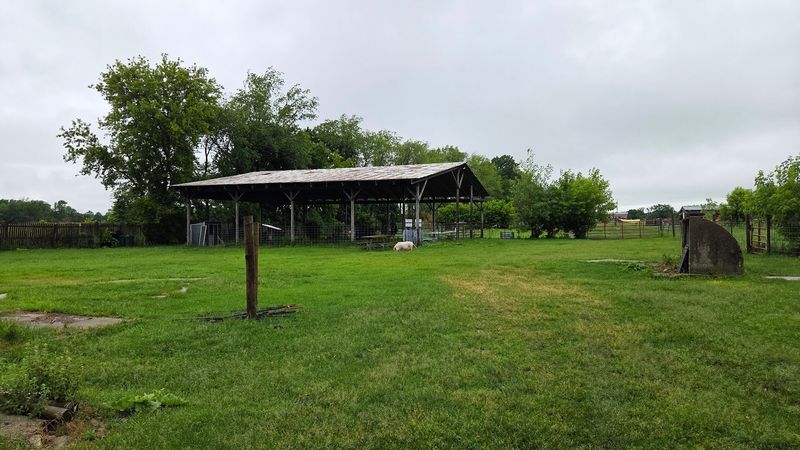
Downward dog has some competition. At No Swine Left Behind, special events have included Pig Yoga, where people stretch while pigs roam nearby.
The idea is simple and a little silly in the best way. Guests come for the calm movement and stay for the snuffling visitors who wander between mats.
It is hard to stay serious when a pig decides to investigate your water bottle.
Events like this serve a bigger purpose too. They bring new faces to the sanctuary, many of whom have never spent time around pigs.
Some guests who arrive for yoga end up most moved by the facility tour afterward.
I like how the format lowers the barrier for curious people. You do not need to be an animal expert to join.
You only need a mat, an open mind, and a willingness to share space.
Event offerings can change, so check the rescue’s official website and social pages before planning around one. Watching for announcements is the easiest way to catch the next creative gathering.
Sponsoring a Pig From Anywhere
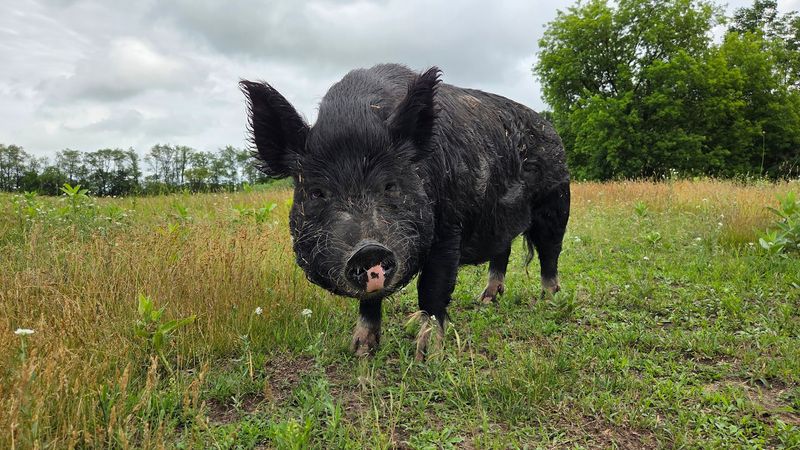
Feeding a whole herd of pigs is no small task. Food, bedding, fencing, and vet visits add up quickly, and sanctuaries depend on community support.
No Swine Left Behind invites people to sponsor residents. Sponsorship helps cover the ongoing care of specific pigs, which gives supporters a personal connection to an animal they may never have met in person.
This option works well for people who live far from the sanctuary. It also makes a thoughtful gift for an animal lover who has everything.
Kids often enjoy following one pig’s progress, which can spark a lasting interest in animal welfare.
Donations of money or needed supplies help too. Many rescues post wish lists online with items like hay, treats, or cleaning gear.
I appreciate that sponsorship turns kindness into something steady. One donation is great, but regular support helps a sanctuary plan ahead.
Pigs live a long time, so dependable help truly matters.
Check the official website for current sponsorship details. Programs and options may change over time.
A Classroom With Curly Tails
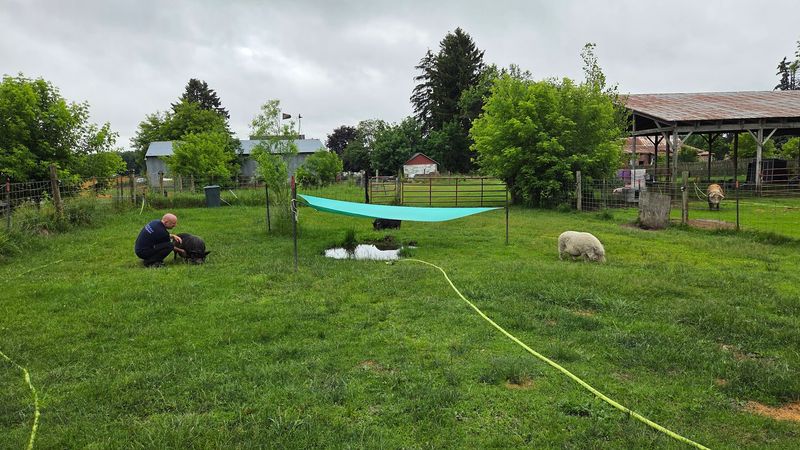
Education may be the quiet superpower of this rescue. Each tour doubles as a lesson in how pigs think, feel, and live.
Caretakers explain what pigs need to stay healthy and happy. Guests learn about rooting, social behavior, diet, and the reasons pigs end up surrendered.
These are things many people never consider before meeting one.
For students, the sanctuary offers real-world science. Watching animals behave naturally beats reading about them in a textbook.
Questions come easily when a curious pig is staring right back at you.
Animal advocates also find value here. Seeing so many kinds of pigs in one place helps the cause feel more meaningful than any screen can.
Learning becomes something you feel, not just something you read.
A handy idea for families is to prepare a few questions before visiting. Ask how much the pigs eat, how old the oldest resident is, or how new pigs adjust.
Kids remember answers better when they asked the question themselves. You might even leave with a new favorite animal.
Helping Out Without Leaving Home
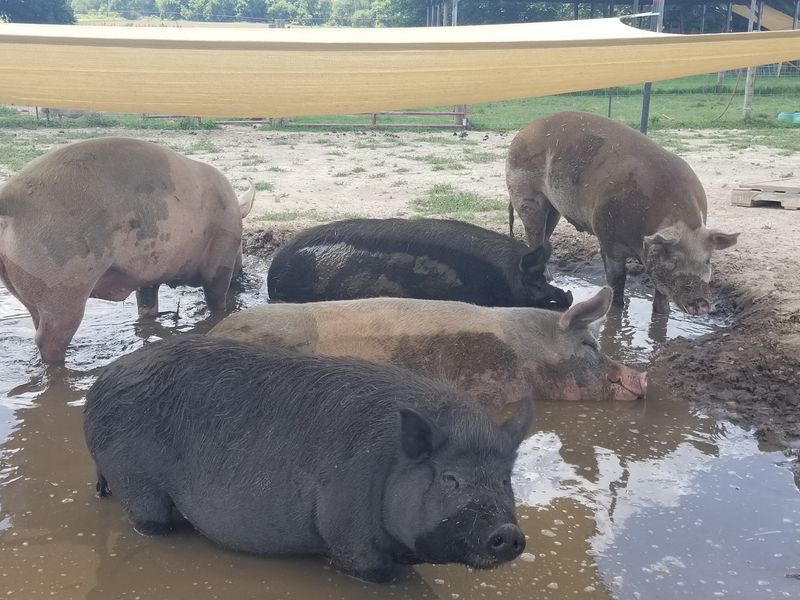
Not everyone can visit, and that is okay. There are plenty of ways to support a pig rescue from the couch.
Start by following No Swine Left Behind on social media. Sharing posts spreads the word about adoptable residents, events, and needs.
More eyes on a small rescue can mean more help arriving.
Spreading accurate information also counts. Gently correcting the myth of the forever-tiny teacup pig could prevent a future surrender.
A quick conversation with a friend might save a pig from bouncing between homes.
If you live nearby, ask whether volunteer opportunities are available. Sanctuaries often need hands for cleaning, feeding, building, and event support.
Requirements vary, so reach out through official channels first.
Fundraisers are another option. School clubs, birthday parties, and community groups can collect donations or supplies for a cause they care about.
Small actions add up. A shared post, a supply drop-off, or a few hours of work all help keep the herd fed and safe through Michigan’s long, chilly winters.
Planning a Respectful Visit
Showing up unannounced at a working sanctuary is a bad idea. Visits to No Swine Left Behind should be planned ahead through the rescue’s official website or social pages.
Scheduled tours help caretakers balance guests with daily chores. They also protect the pigs, who do best with routine.
Arranging a time first shows respect for both the animals and the people who care for them.
Dress for a farm. Sturdy closed shoes, weather-ready layers, and clothes that can handle mud are smart choices in Michigan, where conditions change quickly.
Listen closely to caretaker instructions. Do not feed the pigs anything unless staff say it is allowed, since their diets are managed carefully.
Keep gates closed and stay where you are invited to go.
Bring curiosity and patience. Some residents need time before they approach, and that slow trust is part of the reward.
Leaving with a pig’s name in your head and a little mud on your shoes feels about right. It means you met the herd on its own terms.
Share this story