France has more than a dozen major wine regions, and many of them grow around villages that are hundreds of years old. Stone lanes, old churches, and vineyard paths often sit just a few steps apart.
This list covers eleven regions, each with specific villages worth a stop on a trip through France. You will find medieval walls, Alpine slopes, golden limestone houses, and underground monuments.
Every entry shares real details about what to see, so you can match a region to your travel style and plan a route that fits your time.
Alsace: Riquewihr and Eguisheim
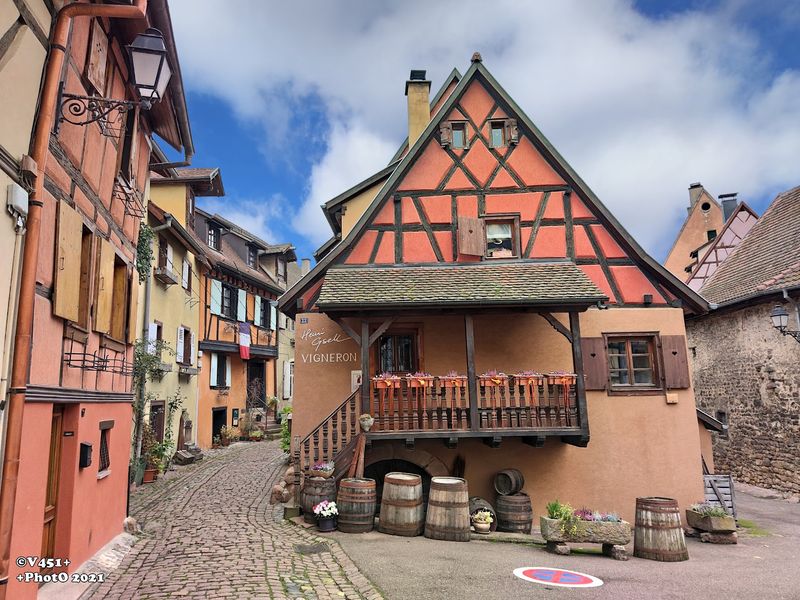
Picture a vineyard road about 105 miles long, linking villages between Marlenheim and Thann. That is the Alsace Wine Route, and Riquewihr is one of its best-known stops.
Riquewihr keeps its medieval architecture, old fortifications, and half-timbered houses. Vineyards begin almost right outside the village streets, so a short walk takes you from town into the vines.
Eguisheim makes a good second stop. Its circular lanes wrap around the center in rings, and the houses are painted in bright colors.
Walking the loop is easy, and you will pass many doorways that lead to family cellars.
Both villages offer a gentle introduction to Alsace grape varieties such as Riesling and Gewürztraminer. Local wineries welcome visitors for tastings, though hours vary, so check ahead before you go.
France’s official tourism site names both villages among the historic stops on this route. Pairing them in one trip works well because the drive between them is short and scenic.
Burgundy: Gevrey-Chambertin, Vougeot and Meursault
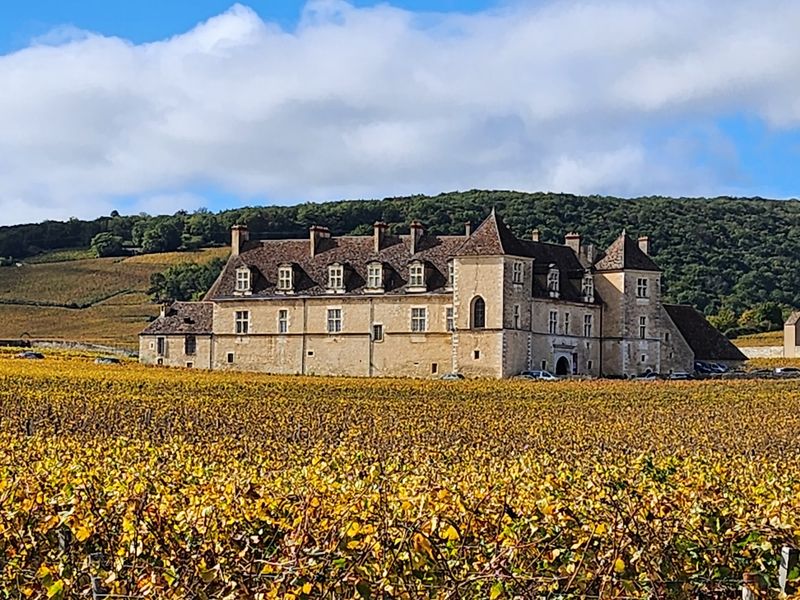
In Burgundy, a village name often doubles as a vineyard name. Gevrey-Chambertin, Vougeot, Meursault, Pommard, Nuits-Saint-Georges, and Chassagne-Montrachet all sit along the Route des Grands Crus, which runs between Dijon and Santenay.
The area is famous for its climats, which are carefully defined vineyard parcels shaped over centuries. They are part of Burgundy’s UNESCO-listed cultural landscape, so a drive here is also a lesson in how people have worked this land.
History fans will enjoy the stone walls, churches, and old cellars found in these communities. Vineyard lanes are good for slow walks between stops.
A smart plan is to choose two or three villages instead of rushing through all of them. That leaves time to read the roadside signs, step into a cellar, and notice how the vineyard plots change from one village to the next.
Champagne: Hautvillers
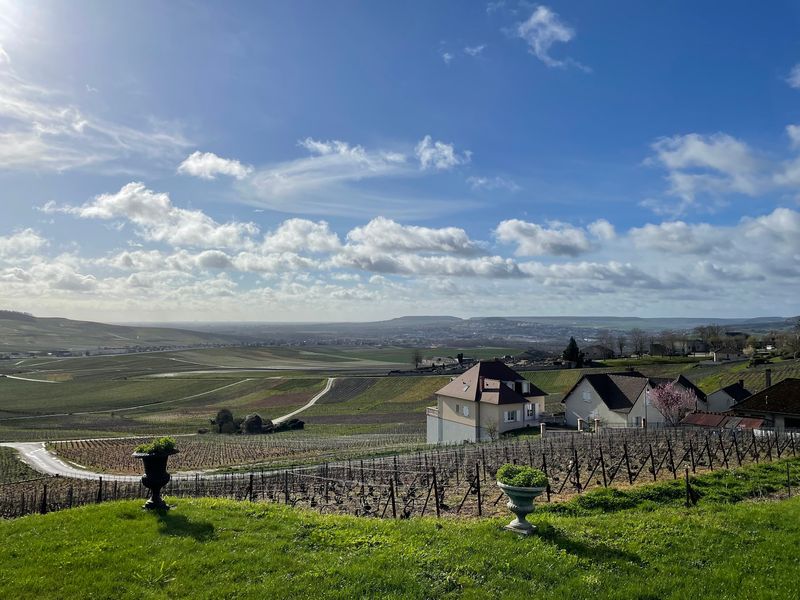
Look up as you walk through Hautvillers, because many of the shop and house signs are made of decorative wrought iron. They are a signature detail of the village streets.
The village sits among vineyard-covered hills in the Marne Valley and is closely tied to Champagne’s history. Saint-Sindulphe Church is where Dom Pierre Pérignon is buried, which makes it a natural first stop for history lovers.
Champagne’s official tourism organization describes Hautvillers as one of the birthplaces of Champagne. The surrounding hillsides are part of the region’s UNESCO World Heritage landscape, so the views carry real historical weight.
Village life still revolves around the vines. Producers such as Champagne Joseph Desruets welcome visitors for cellar tours and tastings throughout the year.
Plan to explore on foot. The streets are compact, and the best details are small ones you notice only at walking pace.
Bordeaux: Saint-Émilion
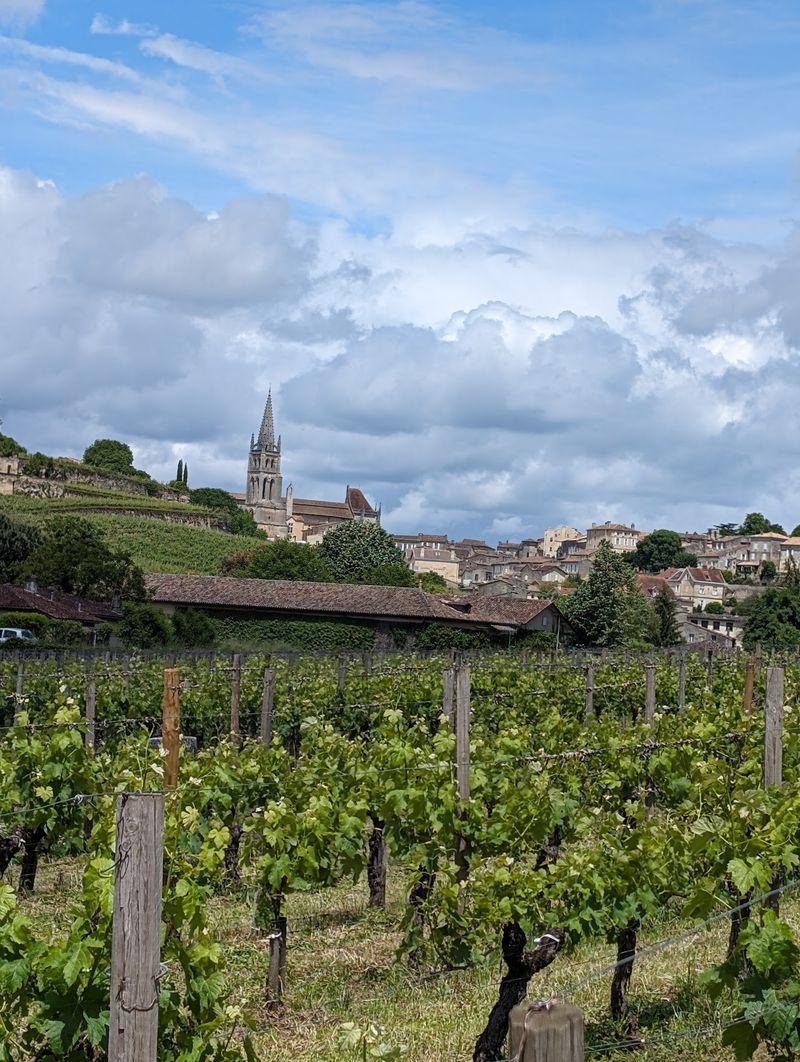
Many people know Saint-Émilion for its wine, yet its historic character matters just as much. The medieval town rises above a landscape of vines east of Bordeaux and belongs to a UNESCO World Heritage-listed wine-growing area.
Underground religious monuments are a major draw, including the Monolithic Church. Above ground, you can see the Tour du Roy and walk narrow stone streets that climb through the old town.
Four appellations are associated with the area, including Saint-Émilion and Saint-Émilion Grand Cru. That gives the vineyards around the town a clear identity.
Here is a practical bonus. Vineyards, monuments, restaurants, cellars, and tasting rooms are concentrated around the town, so it is one of the easier French wine destinations to explore without spending a full day driving between estates.
Wear comfortable shoes, since the streets are steep and the stone surfaces can feel uneven.
Loire Valley: Sancerre
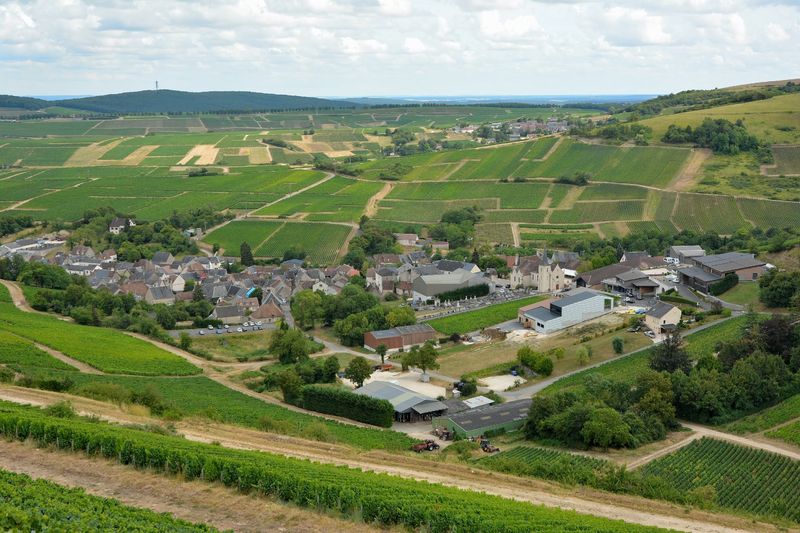
About 7,400 acres of vines surround the town and area of Sancerre, according to France’s official tourism site. That is a lot of vineyard for such a compact hilltop setting.
Sancerre perches above the eastern Loire Valley and pairs historic streets with one of France’s most recognizable wine names. The region is especially associated with Sauvignon Blanc.
The official site also lists Sancerre among Loire wine destinations alongside Chinon, Bourgueil, and Vouvray. That makes it easy to build a longer Loire itinerary if you have extra days.
Food fans should note nearby Chavignol, which is famous for Crottin de Chavignol goat cheese. A stop there fits neatly into a day of village sightseeing.
Start with a stroll through the historic center, then head out into the surrounding vineyard countryside. The mix of food, wine, and old streets makes Sancerre a convenient base for a short trip.
Beaujolais: Oingt and the Pierres Dorées Villages
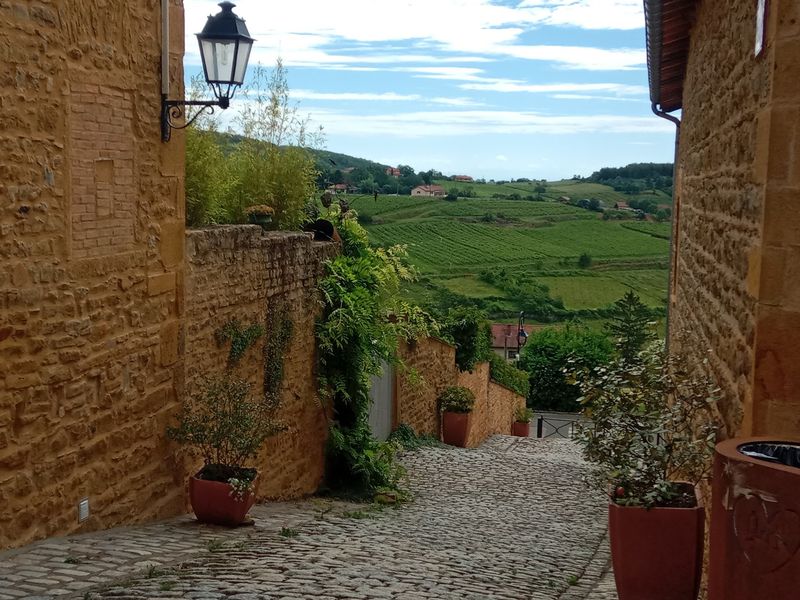
Golden stones give southern Beaujolais its nickname. The area is called the Pays des Pierres Dorées because many villages were built from warm, ocher-colored limestone.
Oingt is among the most historic and visually distinctive stops. The medieval village is surrounded by vineyards, and several wine estates operate in and around it.
Local tourism sources identify Oingt as a medieval village. They also document wineries that continue to offer vineyard walks, cellar visits, and tastings, so you can combine sightseeing with a meaningful look at how local wine is made.
The official Beaujolais Wine Route passes through Ternand, Charnay, Pommiers, and Bagnols as well. It then continues into the better-known cru vineyards farther north.
This region suits a slow drive with frequent stops. The color of the stone changes how each village looks as the light shifts through the day.
Jura: Château-Chalon and Arbois
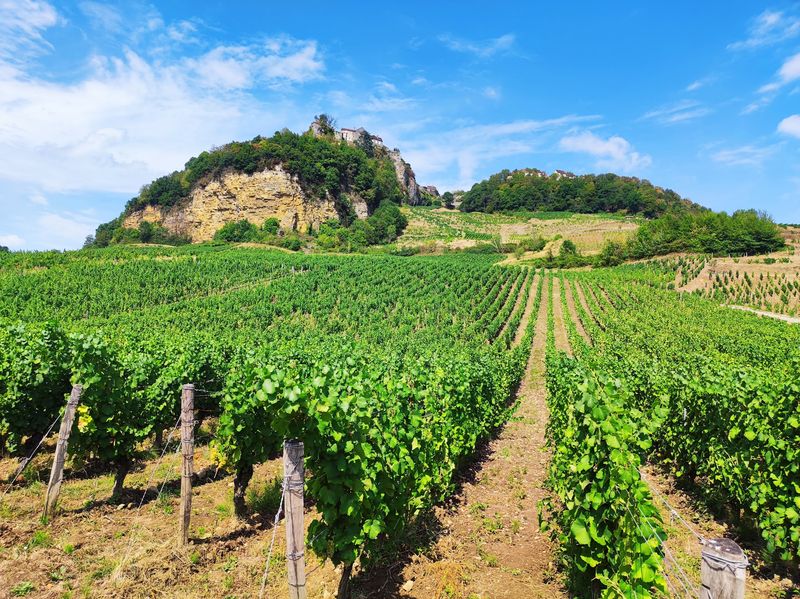
Two stops, a short drive apart, give a fine look at one of France’s smaller wine regions. Jura rewards travelers who like compact itineraries.
Château-Chalon occupies a dramatic position above the vineyards and is closely associated with the region’s distinctive Vin Jaune. Jura Tourism describes it as a typical winegrowers’ village and one of the officially recognized Most Beautiful Villages of France.
Arbois is a major wine center, surrounded by vineyards and home to many producers that welcome visitors. It also has a link to scientist Louis Pasteur, whose family home is preserved in town.
That mix of science history and wine heritage sets Arbois apart from other village stops on this list.
Together, the two villages offer a chance to explore one of France’s more distinctive historic wine landscapes. Check opening times for tastings and the Pasteur home before you plan your day.
Rhône Valley: Gigondas
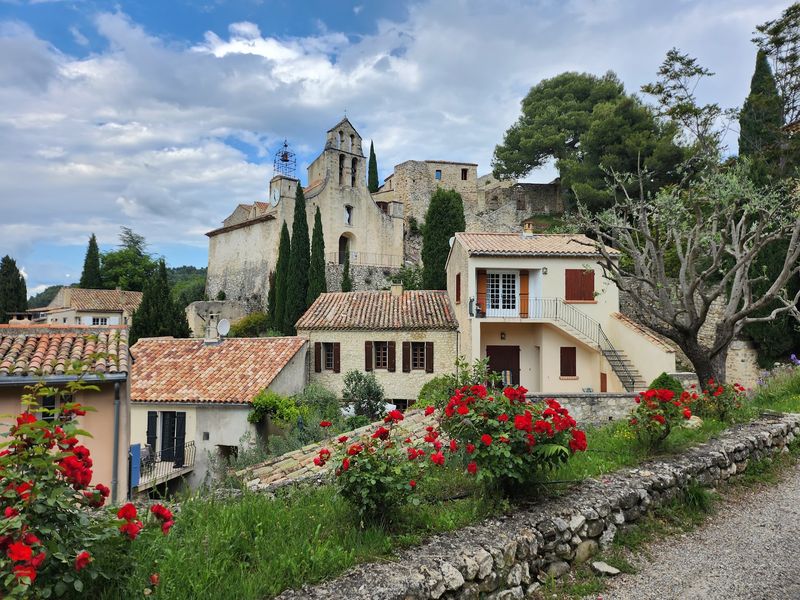
Jagged limestone peaks called the Dentelles de Montmirail rise behind Gigondas, giving the village an unmistakable backdrop in the southern Rhône Valley.
Vineyards around the village produce the appellation that carries its name. Wine estates and tasting rooms are part of everyday village life, including producers located directly around the central square.
Domaine les Teyssonnières traces its estate to 1838 and offers visits by appointment. Domaine du Terme runs a tasting cellar in the center of Gigondas during much of the year.
Beyond the cellars, you can explore old village streets and vineyard trails. The dramatic scenery makes the walks feel quite different from flatter wine regions.
Nearby communities such as Séguret and Vacqueyras extend the trip easily. For travelers who like to base themselves in one village and wander outward, this is one of the Rhône’s strongest areas.
Provence: Ansouis and the Luberon
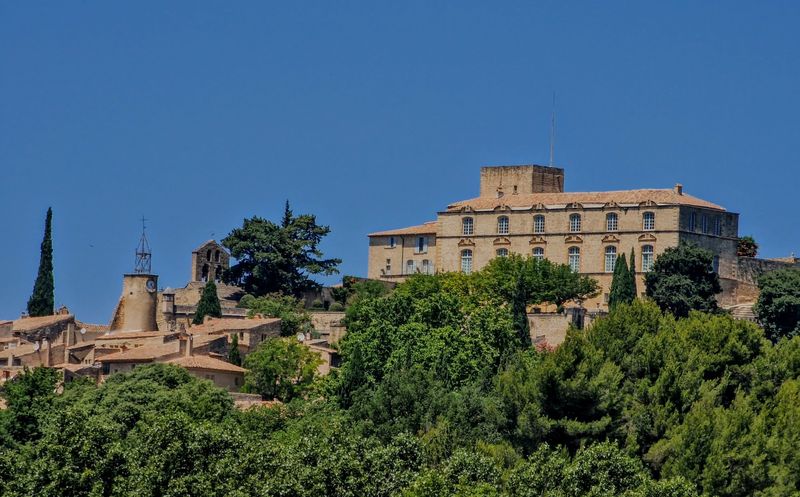
Rosé gets most of the attention in Provence, yet the region’s wine landscape also includes hill villages ringed by vines and olive groves.
Ansouis sits at the foot of the Luberon and is recognized among France’s Most Beautiful Villages. Wine estates operate in the surrounding countryside.
Domaine des Marchands, located near Ansouis, welcomes visitors for tastings of local wines and olive oil. That pairing reflects the mix of crops across the landscape.
Provence’s official tourism information identifies Pays d’Aix and the southern Luberon as an established wine-tourism destination. It also lists other appellations, including Bandol, Cassis, and Côtes de Provence, which makes it simple to widen your route.
A relaxed pace suits this area. Pick one village as an anchor, add a nearby estate visit, and leave room for time in the old streets.
Savoie: Apremont
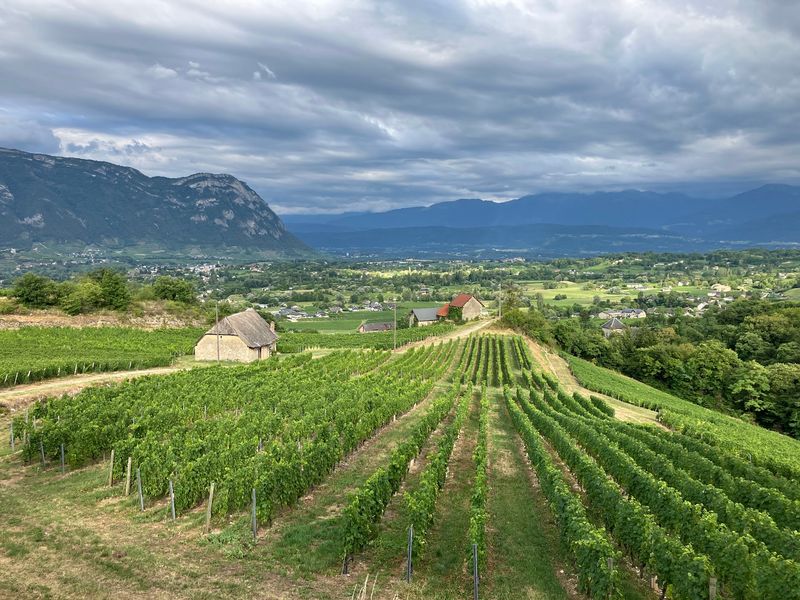
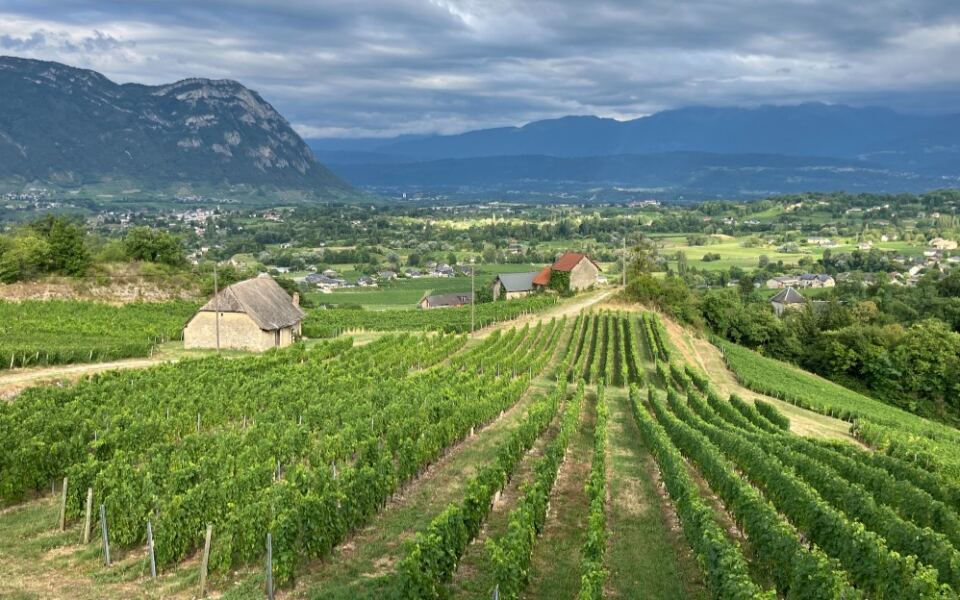
Huge rocks scatter the vineyards near Apremont, and they have a dramatic origin. They are reminders of the catastrophic Mont Granier landslide of 1248.
Wine may not be the first thing people link to the French Alps, but vineyards have long covered the lower mountain slopes of Savoie. Apremont sits in the heart of one of the region’s major vineyard areas and is included on the Savoie Wine Route.
France’s official tourism site recommends Apremont as a key stop for exploring Savoie wine. It also names nearby Chignin, Montmélian, Jongieux, and the vineyards around Lake Bourget.
The pairing of Alpine scenery and small wine villages makes Savoie feel very different from France’s better-known vineyard regions.
Bring a camera and a light jacket, since mountain weather can shift. The rocks among the vines make for striking photos.
Languedoc: Minerve
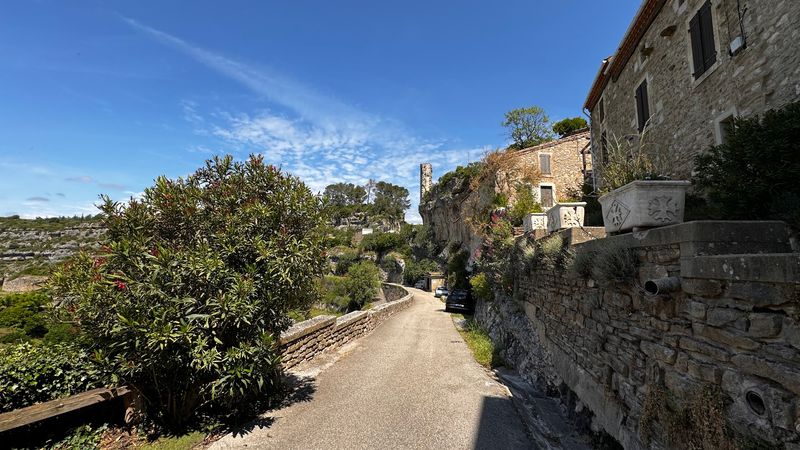
Few villages in southern France have a setting as rugged as Minerve. This small historic village in the Hérault department sits within the Minervois wine region, and vineyards cover much of the countryside around it.
Its stone buildings and dramatic location make it a natural addition to a southern France road trip. Plan extra time for photos along the approach.
Local producers work mainly with Mediterranean varieties, including Grenache, Syrah, Carignan, and Cinsault.
Domaine Cavailles operates directly in Minerve and offers tastings and estate visits during its visitor season. Nearby Domaine Vordy welcomes guests throughout the year by appointment and is certified under France’s Vignobles & Découvertes wine-tourism program.
Because visiting times vary, contact estates before arriving. A call or message in advance helps you avoid a closed door after a long drive.
Share this story