There is a four-story climbing structure tucked inside a children’s museum in downtown St. Paul, and kids who discover it rarely want to leave. This is not a small rope ladder or a basic jungle gym.
It is a full-scale vertical adventure that winds through multiple levels, connecting floors with tunnels, platforms, and slides that keep young explorers moving the entire time. Beyond the climbing structure, the museum packs in laser exhibits, water play zones, a creative art studio, a car wash room filled with foam bubbles, and dedicated spaces for babies and toddlers.
Families visiting for the first time often walk out planning their next trip before they even reach the parking garage. Whether you live nearby or are passing through the Twin Cities, this place deserves a spot on your list.
What the Minnesota Children’s Museum Actually Is
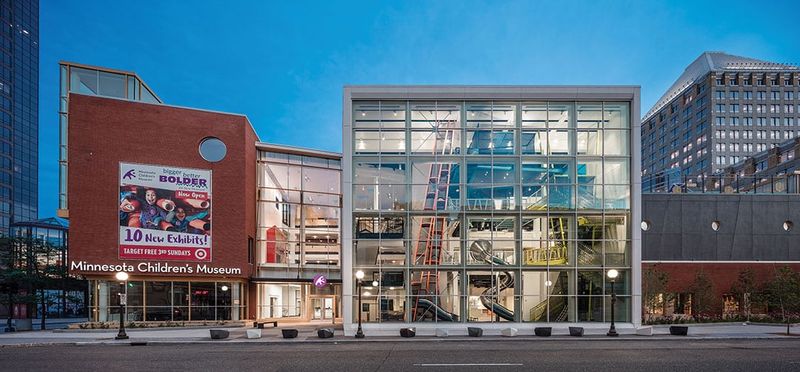
The Minnesota Children’s Museum sits at 10 7th St W, St. Paul, MN 55102, right in the heart of downtown. It is a multi-floor museum designed to give kids hands-on learning experiences through play, exploration, and creativity.
The museum spans several floors and connects to the downtown skyway system, which makes arriving on cold Minnesota days a little more comfortable. Families can validate parking inside the museum, which is worth knowing before you head out.
Hours run Monday through Thursday from 9 AM to 4 PM, Friday from 9 AM to 8 PM, Saturday from 9 AM to 6 PM, and Sunday from 9 AM to 5 PM. Friday evenings are especially popular with families who want extra time to explore without feeling rushed.
The museum recommends arriving right at opening for the quietest experience, particularly in the art studio.
The Four-Story Climbing Structure That Steals the Show
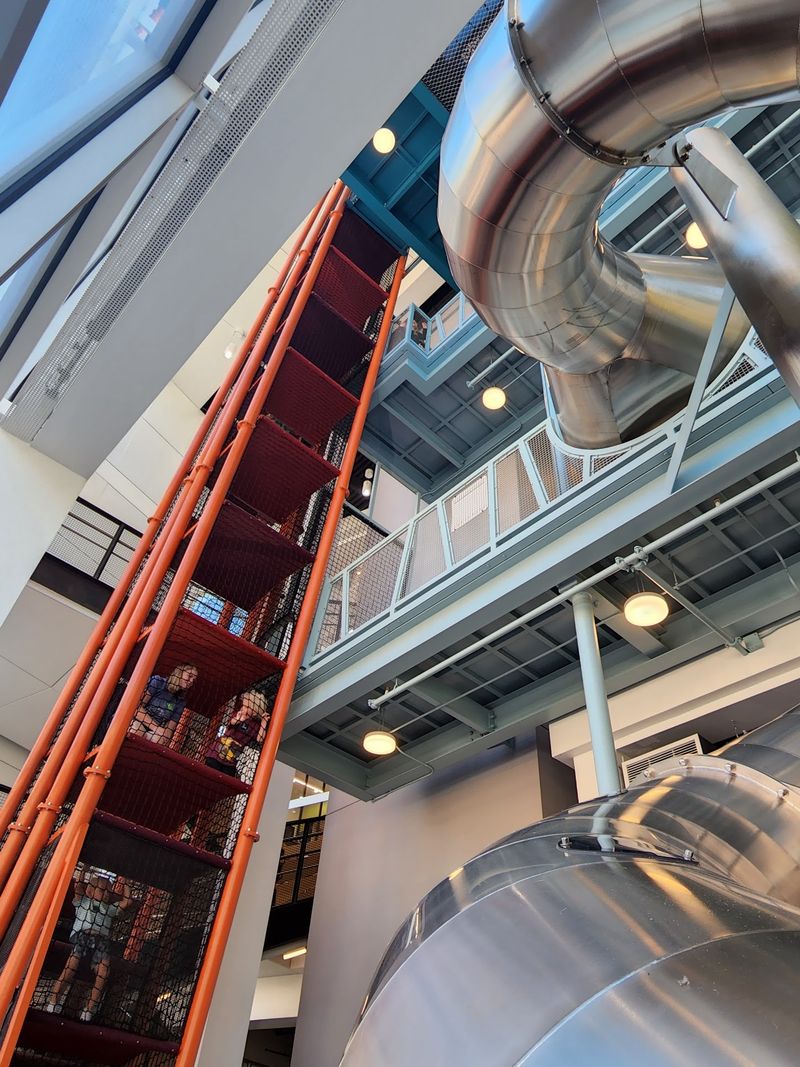
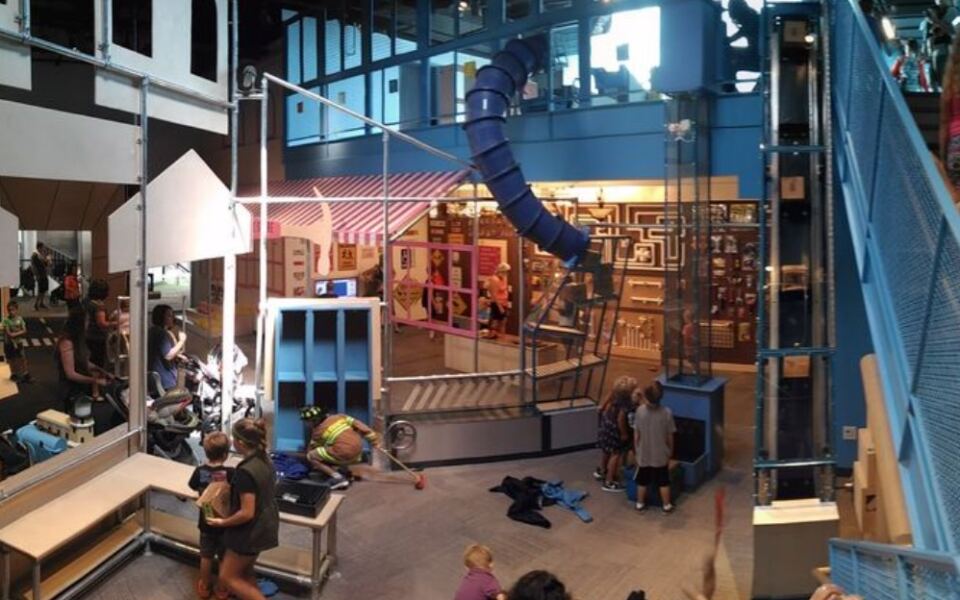
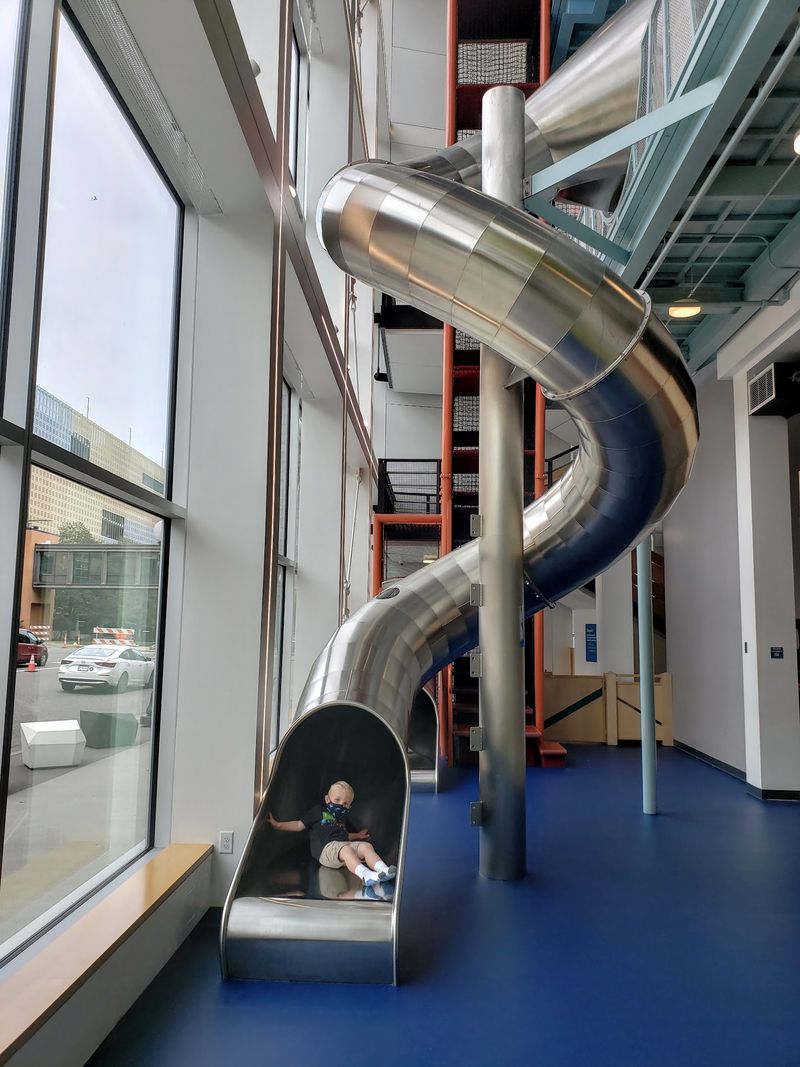
The climbing structure is the undeniable centerpiece of the museum, and it earns every bit of that reputation. Rising through multiple floors, it features tunnels, platforms, and slides that give kids a genuine physical challenge rather than a quick scramble.
Kids aged 3 through 12 tend to get the most out of it, though younger and older visitors find ways to enjoy the space too. The structure encourages problem-solving because there is no single obvious path.
Kids choose their own route, backtrack, try new tunnels, and push themselves a little further each time.
Parents watching from below can spot their kids through the clear sections, which makes the whole experience feel a lot less stressful. The big slide connected to the structure is a consistent favorite.
Many families report spending a large chunk of their visit right here before moving on to the rest of the museum.
The Car Wash Exhibit That Kids Can’t Walk Past
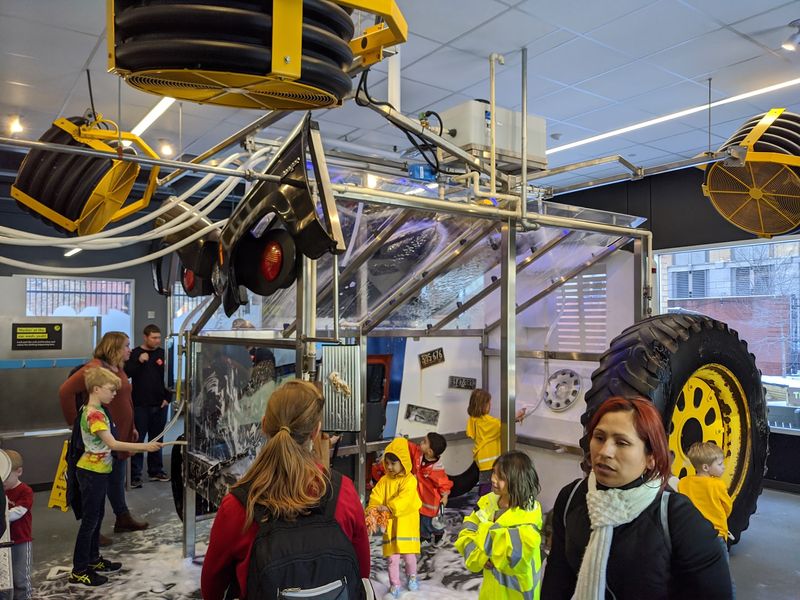
Few exhibits at the museum generate as much pure, unfiltered joy as the car wash room. The floor fills with foamy soap bubbles, and kids can glide around, blow giant bubbles, and pretend to wash cars in a space that feels like something out of a dream.
Some families have reported that their kids spent 30 minutes or more in this room alone before anyone could convince them to move on. The combination of sensory play and imaginative roleplay makes it genuinely engaging across a wide age range.
There is a reason this exhibit keeps getting mentioned as a standout. It is creative, unexpected, and completely different from what most children’s museums offer.
Bring a change of clothes because kids tend to get into it fully. The foam is safe and the space is set up to handle enthusiastic play without turning into a slipping hazard.
Laser Beams and Science Play on the Upper Floors
The laser beam exhibit draws older kids in a way that few other areas manage. Kids use mirrors and reflectors to direct beams across a darkened space, which turns a basic science concept into something that feels almost magical.
Nine and ten-year-olds who might feel too cool for some of the younger exhibits find themselves fully absorbed here. The exhibit rewards patience and experimentation, which makes it quietly educational without ever feeling like a lesson.
It is the kind of display that sparks genuine curiosity. Kids who get the beam to hit its target feel a real sense of accomplishment.
Parents who visited the museum as children themselves sometimes find this exhibit just as compelling. The science behind it is straightforward, but the execution is clever enough to keep kids coming back to try new configurations every visit.
The Create Studio and Why You Should Go There First
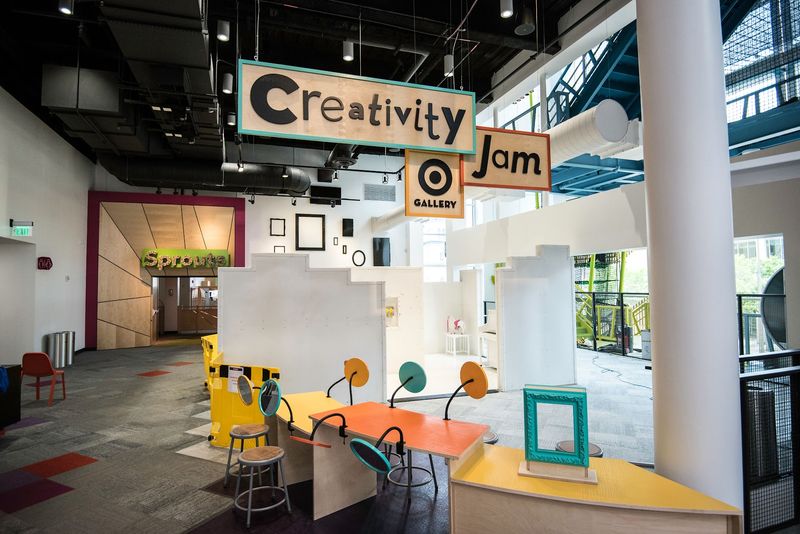
The Create Studio is one of the most popular spots in the museum, and the early morning timing tip is worth taking seriously. Families who arrive when the doors open at 9 AM often head straight here before the crowds build up and table space gets competitive.
The studio gives kids access to art materials and open-ended creative projects. There are no strict instructions or right answers, which tends to free kids up to make something genuinely their own.
The 2024 update refreshed the space, giving it a new feel even for families who visited regularly before.
Toddlers and school-age kids both find things to do here, though the experience looks different for each age group. Younger kids gravitate toward sensory materials while older ones take on more structured projects.
Either way, the studio tends to hold attention longer than parents expect, which is always a good sign.
Sprout and Imaginopolis: Built for the Littlest Visitors
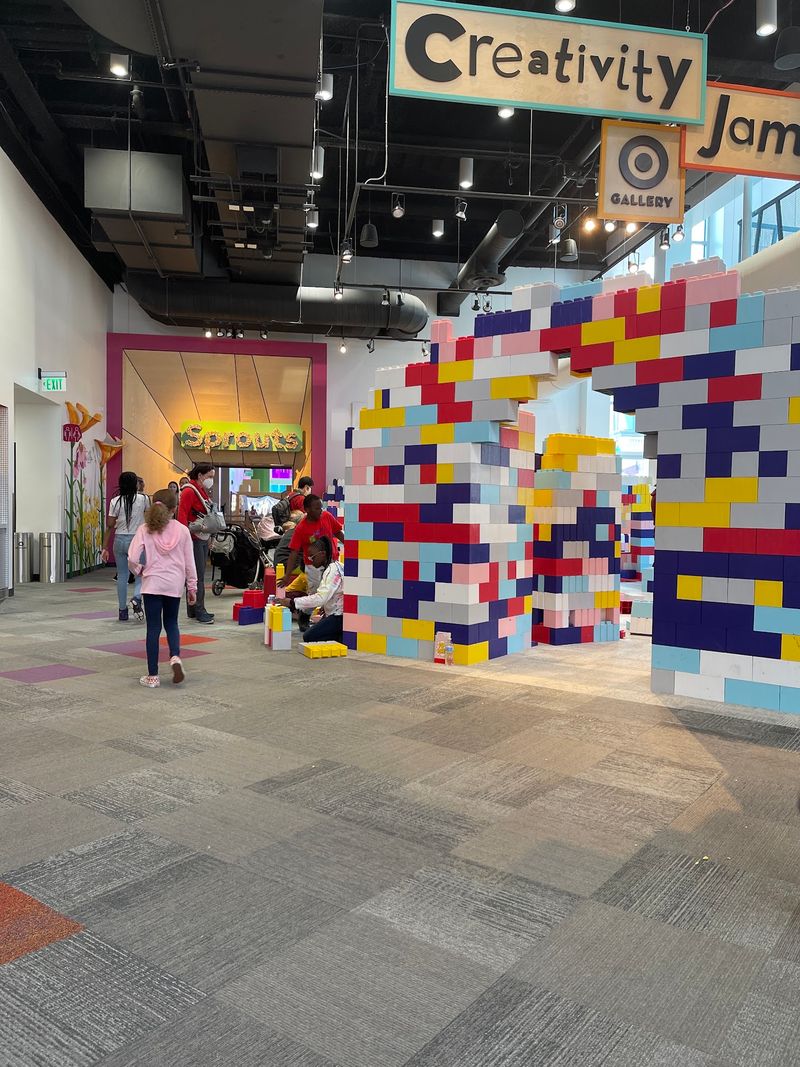
Families with babies and toddlers have a dedicated corner of the museum designed specifically for them. The Sprout area serves children ages 0 to 3 with age-appropriate sensory play, soft surfaces, and low-key activities that match where very young kids are developmentally.
Imaginopolis sits nearby and features padded flooring that makes crawling and tumbling a lot more forgiving. Parents of babies find the second floor to be the most comfortable zone for keeping an eye on little ones without chasing them across a large open space.
Having a dedicated toddler zone matters more than it might seem. Mixed-age spaces can feel overwhelming for babies, and this area gives the youngest visitors a chance to explore at their own pace.
Families with a wide age range of children appreciate that the museum does not force everyone into the same space at the same time.
The Ball Launcher Area and Other Crowd Favorites
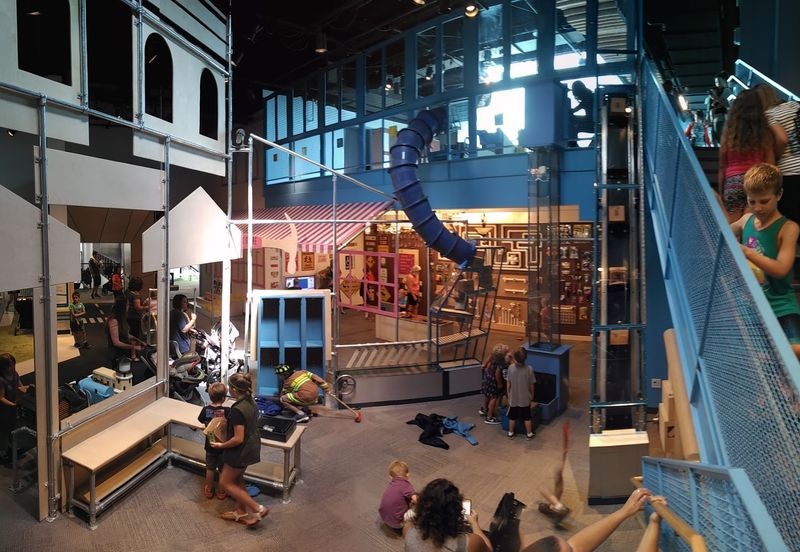
The ball launcher area has been a crowd favorite for years, and it earns that status every single visit. Kids load balls into tubes and cannons, watch them fly, and then scramble to retrieve them and do it all over again.
The repetition is half the fun.
This kind of exhibit works because it gives kids immediate feedback. They push a button or pull a lever and something happens right away.
That cause-and-effect loop keeps younger kids especially engaged for longer stretches than most adults would predict.
The museum does a good job of designing exhibits where the activity itself is self-explanatory. Kids do not need a guide or a parent to explain what to do.
They figure it out, experiment, and eventually develop their own techniques. That independence is part of what makes the ball launcher area so satisfying, especially for kids around ages 4 through 8.
Water Play Zones That Demand a Change of Clothes
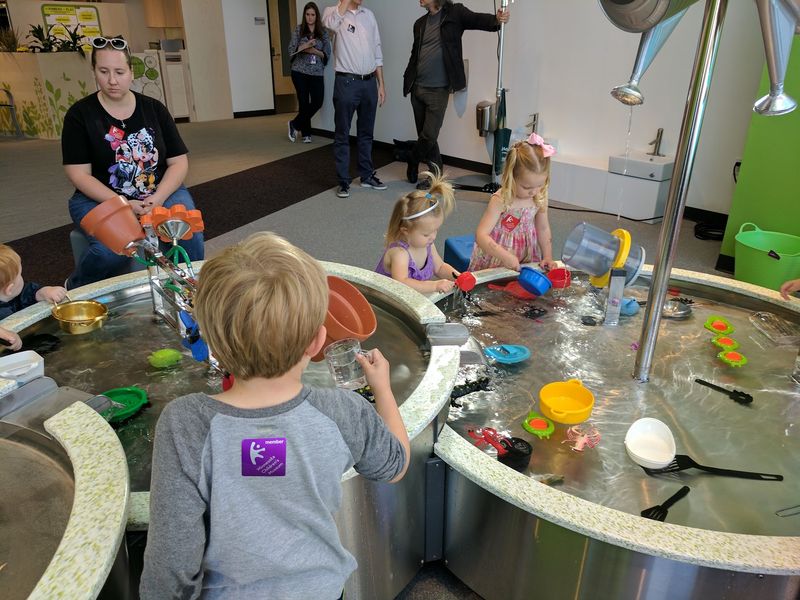
Water play is a recurring theme throughout the museum, and the water tables are consistently mentioned as highlights. Kids can pour, splash, redirect water flow, and generally get thoroughly soaked in a controlled indoor setting.
The splash zone on one of the floors takes the water play to a larger scale. Families who come prepared with an extra set of clothes tend to enjoy this area far more than those who try to keep kids dry.
A few towels tucked into a bag also go a long way.
Water exhibits work well across a wide age range. Babies and toddlers splash happily at the lower tables while older kids figure out how to build channels and redirect water flow.
The museum’s water play areas have been updated over time, keeping the experience fresh even for families who visit regularly throughout the year.
The Train Room and Fourth Floor Building Zone
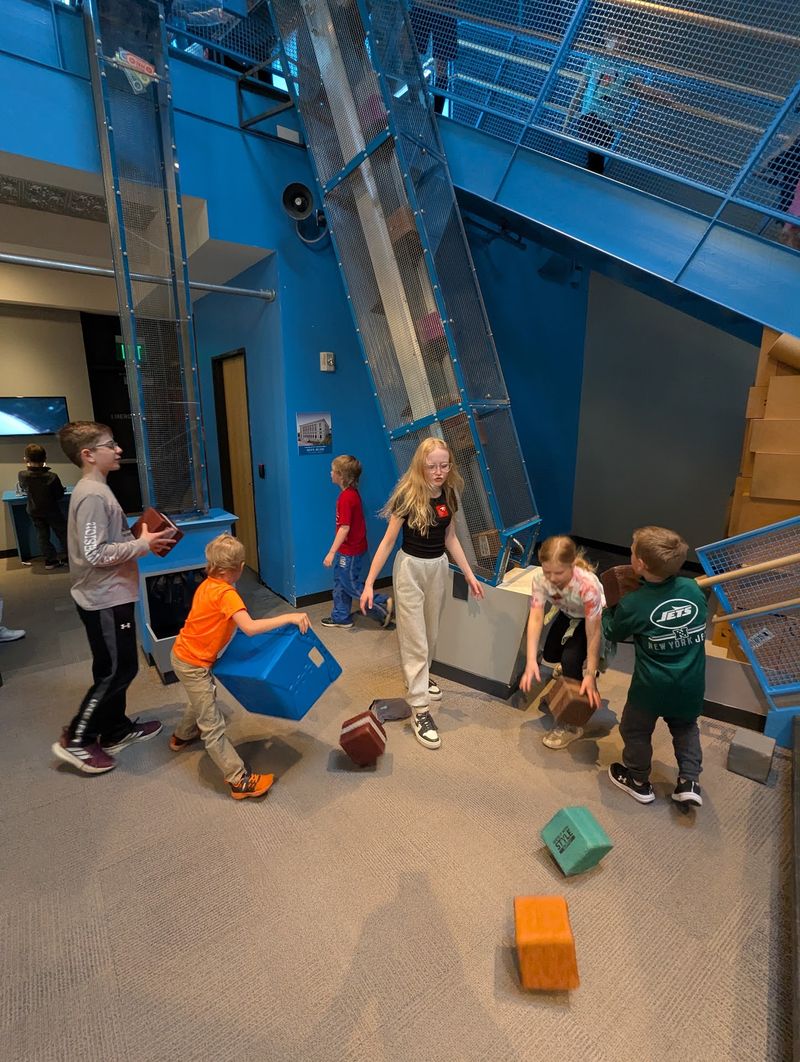
The fourth floor holds two exhibits that tend to anchor families for a long stretch of the visit. The train area, which has featured Thomas the Train setups, gives younger kids a chance to direct traffic, arrange tracks, and watch engines roll through elaborate configurations.
Right nearby, a building section gives kids access to blocks, construction materials, and open-ended building challenges. Older kids often take on ambitious projects while younger ones knock things over and start again, which is a perfectly valid approach to building science.
These two spaces work well together because they complement each other without competing for the same age group. A four-year-old can be fully absorbed in the train table while a nine-year-old works on something more complex in the building zone.
Parents of kids with different interests appreciate that the fourth floor gives everyone something to do without constant negotiation.
Rotating and Seasonal Exhibits That Keep Families Coming Back
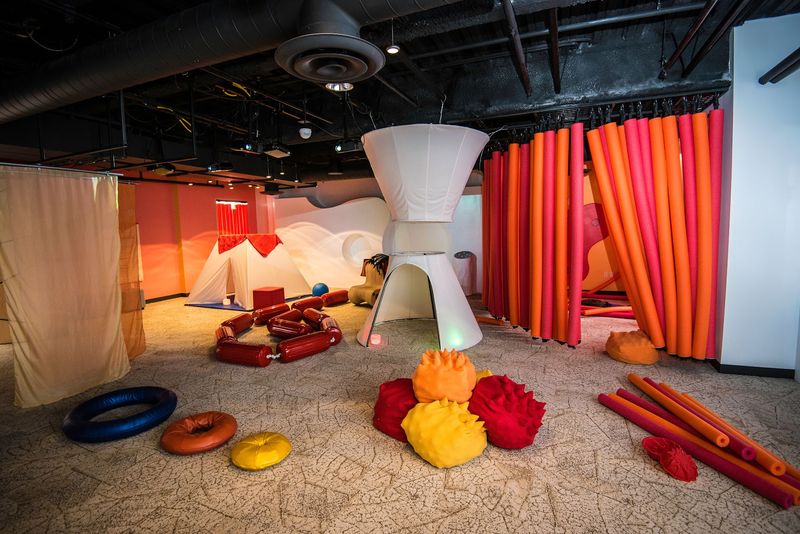
One of the strongest arguments for getting a membership is the rotating exhibit schedule. The museum regularly updates its seasonal playroom and brings in themed exhibits that give returning families something genuinely new to explore.
Past themes have included Wild Kratts and Curious George, which tend to pull in kids who already love those characters. The Halloween event draws families in costumes for trick-or-treating, bingo, and hands-on crafts like glow-in-the-dark crown making and modeling clay projects.
Regular visitors note that even the permanent exhibits feel different as kids get older and approach them with new abilities. A toddler who once just banged on the ball launcher eventually figures out the angles.
The museum’s rotating content gives parents a reason to keep coming back even after kids have explored every inch of the permanent collection, which is a smart strategy that clearly works.
Membership Value and How Families Get the Most Out of It
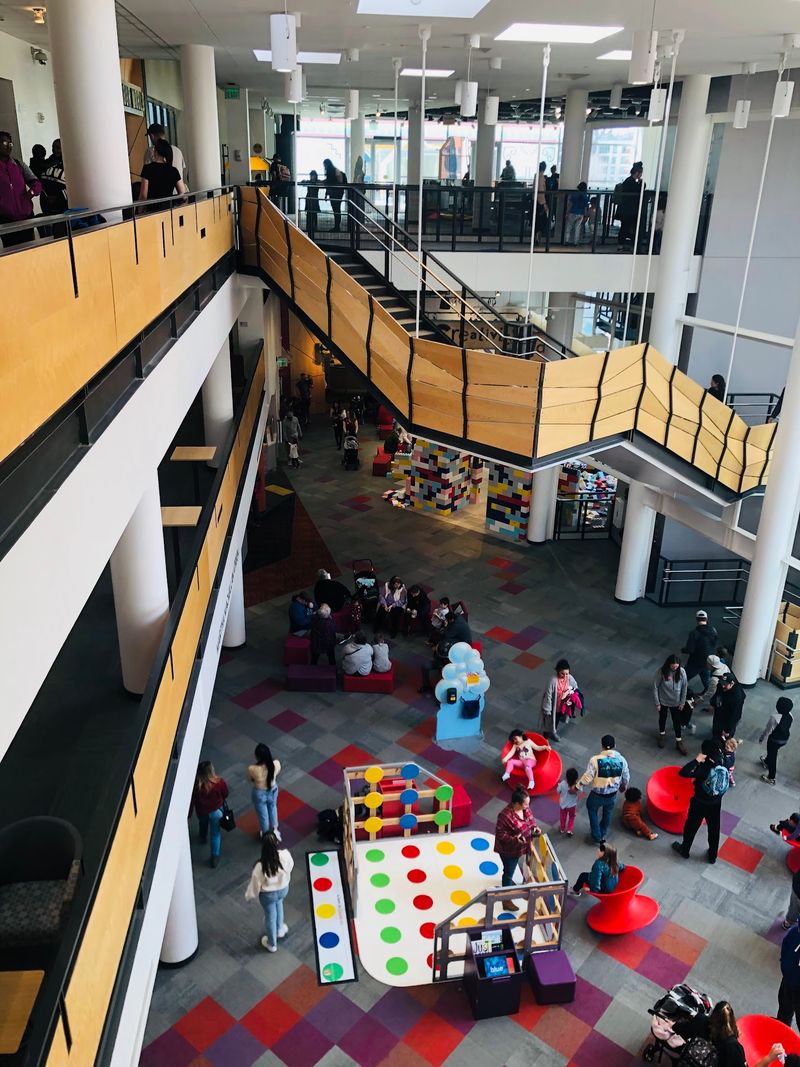
The membership question comes up constantly among families who visit the museum for the first time. The general consensus is that the pass pays for itself after two visits, which makes it a straightforward financial decision for families who live within reasonable driving distance.
Friday evenings are a particularly smart time to visit for members. The extended hours until 8 PM mean less competition for popular exhibits, and the atmosphere tends to be more relaxed than peak weekend hours.
Families with older kids who breeze through exhibits quickly might find the quieter weekday mornings even better.
Teachers get a discount on memberships, which is a detail worth knowing if you work in education. The museum also allows guests to apply a single-day admission purchase toward a membership on the same visit, which removes the pressure of committing before you know how much your family will enjoy the experience.
Practical Tips for Planning Your Visit
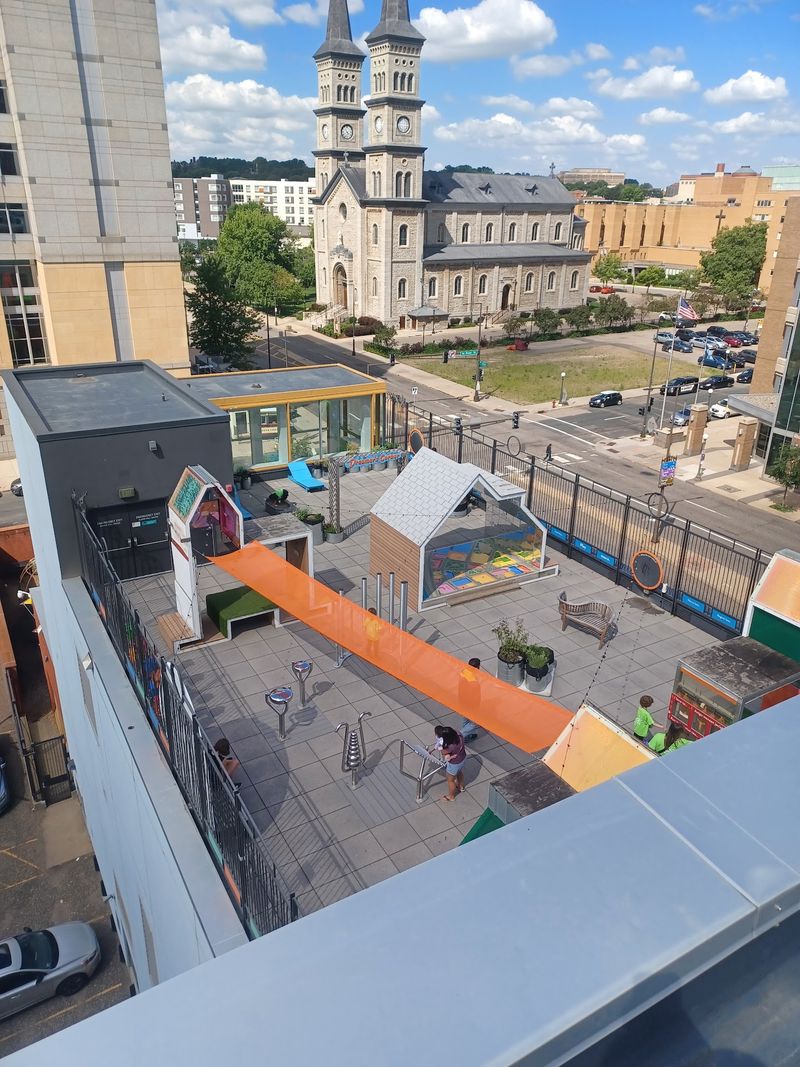
Parking is available nearby, and the museum validates tickets at the front desk, so hold onto your parking stub. The museum also connects to the downtown skyway system, which means you can arrive from connected parking ramps without going outside, a detail that matters a lot during Minnesota winters.
Arriving at 9 AM or within two hours of closing gives you the quietest experience. The middle of the day on weekends tends to be the busiest stretch, especially when school field trips are scheduled.
Checking the museum’s website before your visit helps you spot any special events that might affect crowd levels.
Plan for at least two hours, though many families stay three to four hours without running out of things to do. Older kids move through exhibits faster, but they tend to loop back to favorites.
The café is on-site but priced on the higher side, so packing snacks is a reasonable backup plan.
Why This Museum Stands Apart From Others in the Region
Most children’s museums have a few strong exhibits surrounded by filler. This one is different because nearly every floor has something that earns its space.
The variety across age groups is particularly well thought out, with dedicated zones for babies, toddlers, and school-age kids rather than one generic play area trying to serve everyone.
The four-story climbing structure alone puts it in a different category from most regional competitors. Add the foam car wash room, the laser exhibit, the water play zones, and the rotating seasonal content, and you end up with a museum that gives families genuine replay value rather than a one-and-done experience.
Families who have visited other children’s museums across the country consistently note that this one holds its own. The hands-on, sensory-rich approach to learning through play is executed with enough variety and depth to make it worth the trip from well outside the Twin Cities metro area.
Share this story