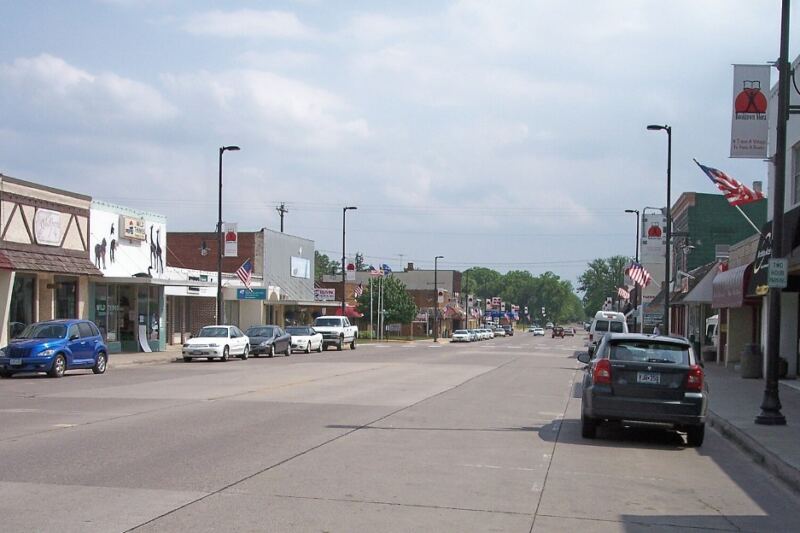
On a quiet stretch of land along the Minnesota River, a single government warehouse became the flashpoint for one of the most significant conflicts in American history. In August 1862, a desperate decision made at this very spot set off a war that would reshape Minnesota and the lives of thousands of Dakota people forever.
Most visitors driving through Redwood County have no idea they are passing ground where history turned on a single moment. What happened here, why it happened, and what it means today is a story that deserves far more attention than it gets.
The Site That Started It All
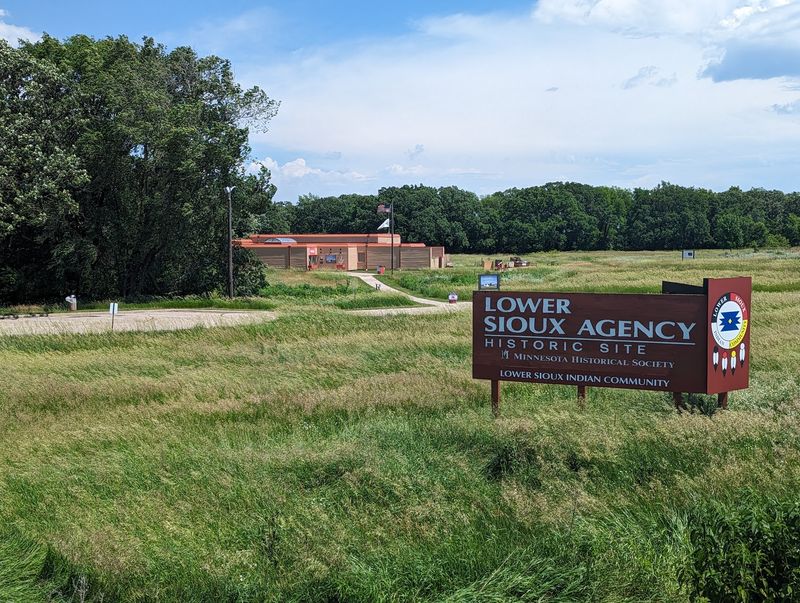
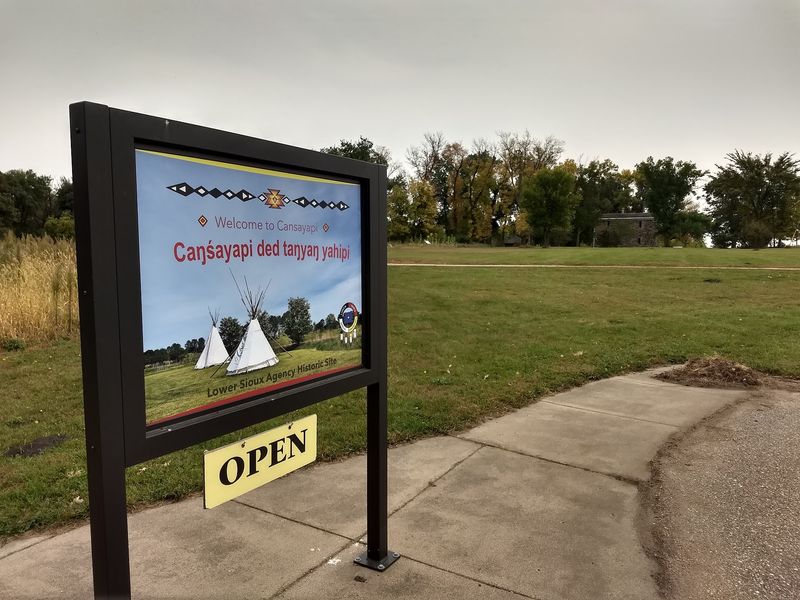
Few places in the Midwest carry the weight that this one does. The Lower Sioux Agency, located at 32469 Redwood County Highway 2, Morton, Minnesota, sits on land that was once the center of U.S. government operations for the Dakota people in the mid-1800s.
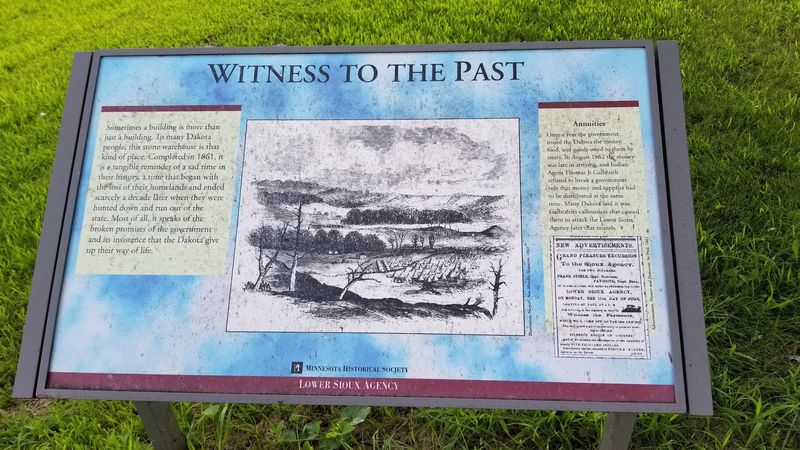
The agency served as the distribution point for annuity payments and food supplies promised to the Dakota through a series of treaties. When those payments were delayed in the summer of 1862 and food was withheld, tensions reached a breaking point.
On August 18, 1862, Dakota warriors attacked the agency, marking the opening of what became known as the U.S.-Dakota War of 1862. The conflict spread rapidly across southwestern Minnesota.
Visiting this site puts you face to face with a moment that changed the region permanently and whose consequences are still felt by Dakota communities today.
A Government Promise That Broke Down
The story of the Lower Sioux Agency really begins with the treaties of 1851, which stripped the Dakota of most of their land in exchange for annual payments of money and goods. The agency was built to manage those distributions and to encourage the Dakota to take up farming under U.S. government supervision.
By 1862, the system had become deeply flawed. Annuity payments were months late, food was locked in warehouses, and Dakota families were going hungry.
A reported comment from a trader at the agency, suggesting the Dakota should eat grass, became a rallying cry that fueled outrage.
Understanding this backstory is essential to understanding what happened next. The war did not appear out of nowhere.
It grew from years of broken agreements, cultural pressure, and hunger. The agency site stands as a physical reminder of how badly a system can fail when trust erodes completely.
What the Museum Holds Inside
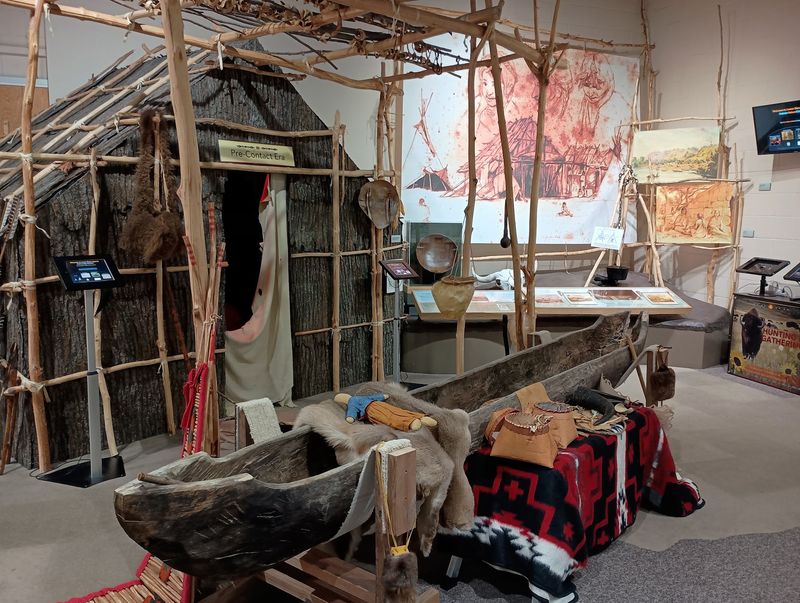
Do not let the modest size of the visitor center fool you. The museum inside the Lower Sioux Agency packs a remarkable amount of history into a well-organized space that rewards careful attention.
Artifacts made by Dakota people are displayed throughout the exhibits, including a dugout canoe, intricately beaded items, clay pots, moccasins, and traditional clothing. Each piece tells a story about a culture that was thriving long before European settlers arrived in Minnesota.
One of the first things you encounter is a 15-minute film that lays out the history of the Dakota people before, during, and after the conflict of 1862. It gives context that makes the rest of the visit far more meaningful.
The exhibits do not shy away from difficult history, and that honesty is exactly what makes this museum worth your time. Plan to spend at least an hour inside before heading out to the trails.
The Introductory Film That Sets the Stage
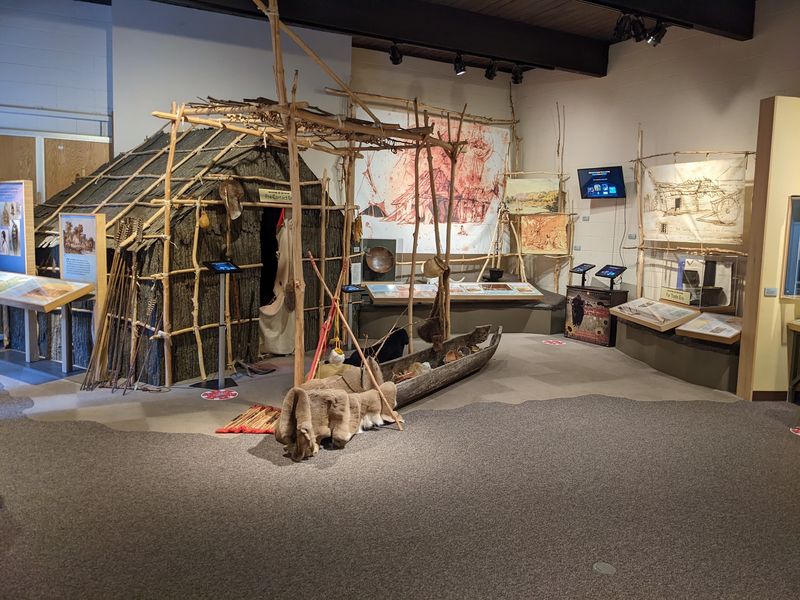
Before walking through the exhibits, most visitors are guided to a screening room where a short documentary film plays. Running about 15 minutes, the film covers the Dakota people’s history in Minnesota, the treaty era, the events of 1862, and the aftermath that followed the war.
It is one of those rare museum films that actually earns its place. Rather than glossing over uncomfortable facts, it presents the Dakota perspective alongside the broader historical record.
Watching it first makes every artifact and every trail sign you encounter afterward feel connected to something real.
The film is accessible enough for younger visitors while still offering depth for adults who already know some of the history. Families with children will find it especially helpful for framing the visit in terms kids can follow.
It sets an emotional tone that carries through the entire experience at the agency grounds.
Walking the Trails Through Living History
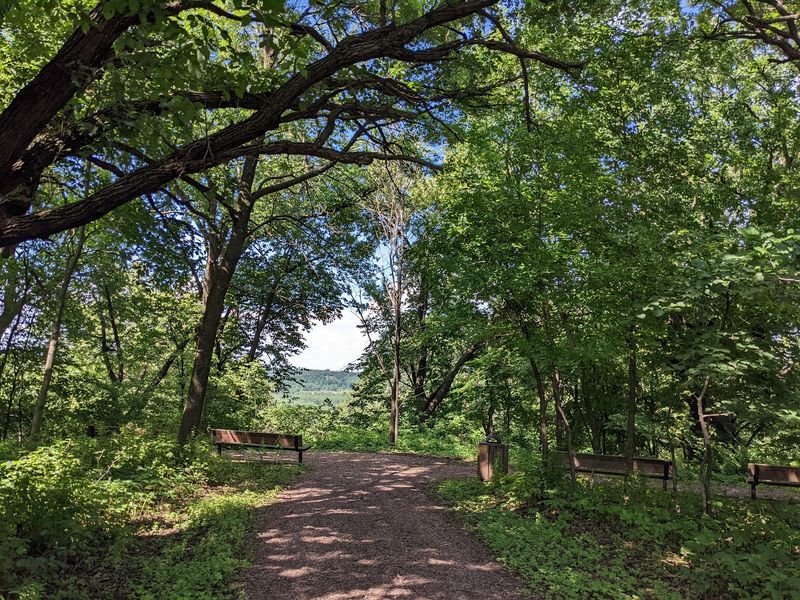
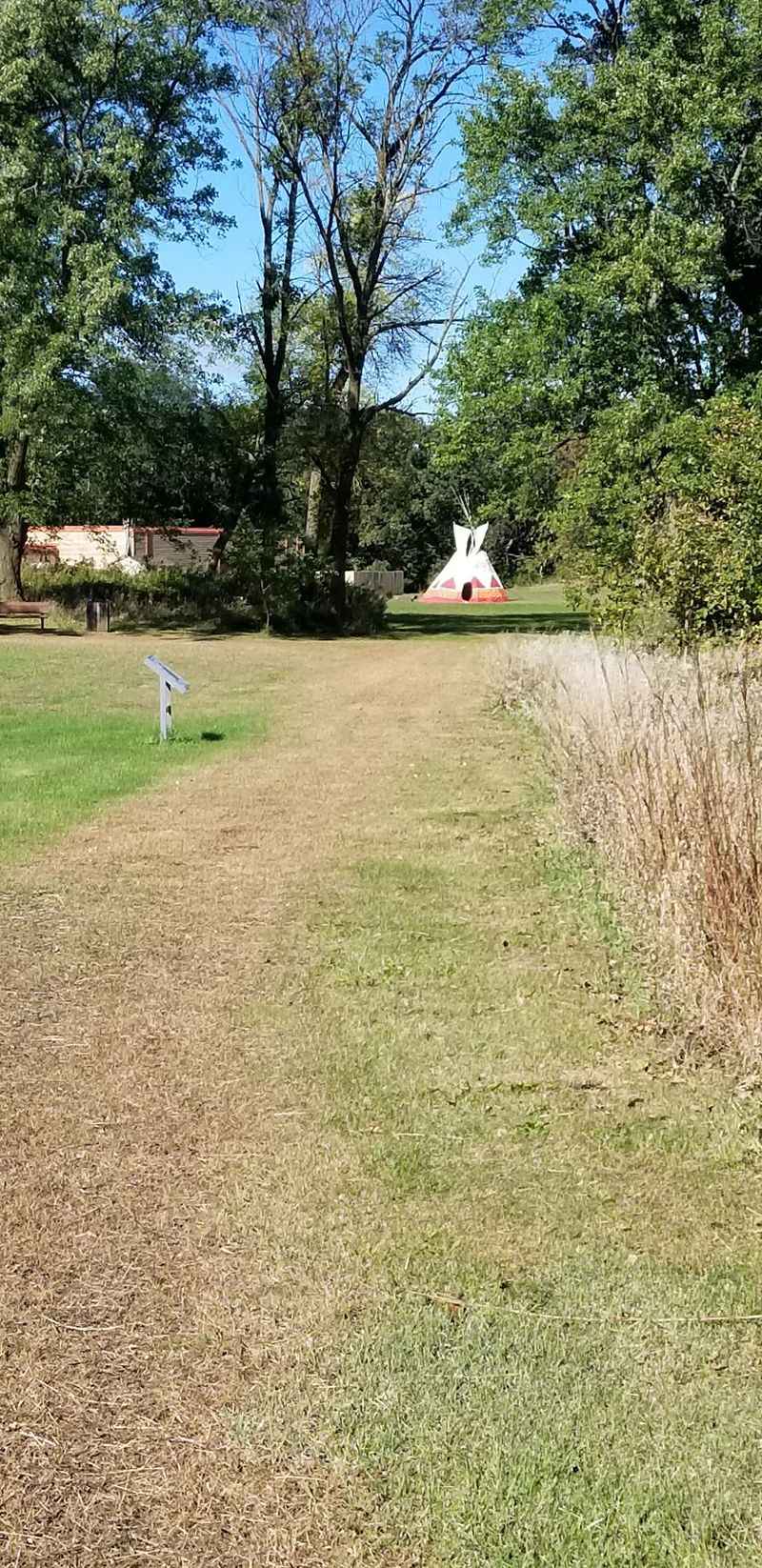
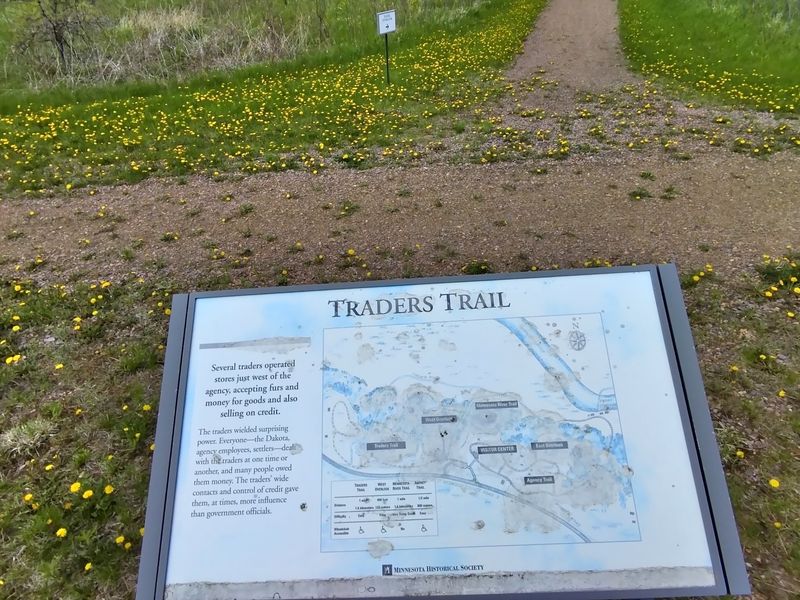
The outdoor trails at the Lower Sioux Agency are genuinely one of the most memorable parts of the visit. Several paths wind through the grounds and down toward the Minnesota River, with interpretive signs placed at key points along the way.
Each sign tells part of the story of what happened here in 1862, describing the conflict between Dakota warriors, U.S. military forces, and settlers. Reading them while standing on the actual land where events unfolded gives you a feeling that no classroom or book can fully replicate.
The trails are well-maintained and open to visitors during site hours. One trail leads down a fairly steep bluff to the Redwood Ferry site along the river, where a historical plaque marks the location of a significant early battle of the war.
The round trip takes less than an hour, and the view of the river valley at the bottom makes the descent absolutely worth it.
The Redwood Ferry Site Along the River
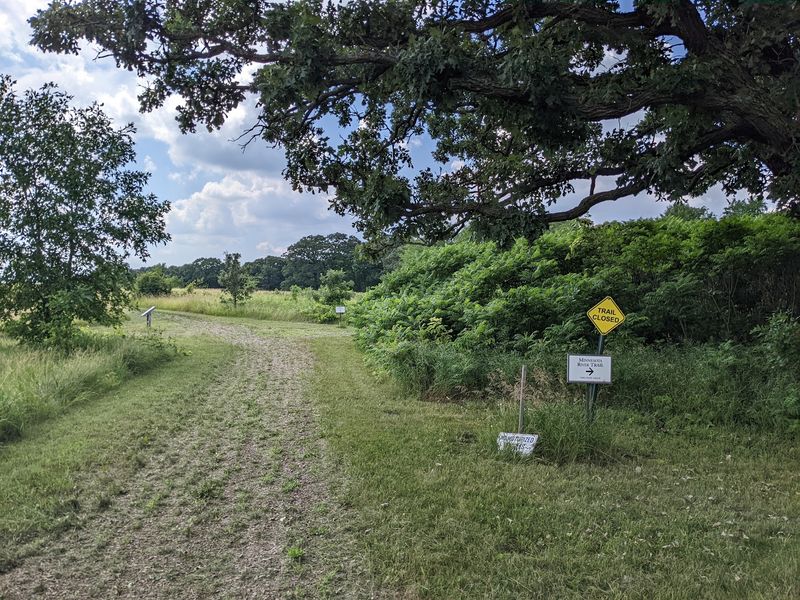
At the bottom of the river trail, a small plaque near the water marks the location of the Redwood Ferry crossing, one of the first sites of conflict during the U.S.-Dakota War of 1862. Standing there beside the Minnesota River, with the bluffs rising behind you and the water moving quietly ahead, the weight of what happened here is genuinely hard to shake.
The ferry crossing was a strategic point during the early hours of the war. Dakota warriors took control of it, cutting off an important route for settlers and soldiers trying to respond to the conflict.
The plaque provides enough detail to understand the significance without overwhelming visitors with text.
Getting down to the river requires navigating a steep and sometimes rutted trail, so wear shoes with good grip. The effort pays off in both historical understanding and in the quiet beauty of the riverbank itself.
Few spots in Minnesota feel quite this layered with meaning.
The Only Standing Original Structure
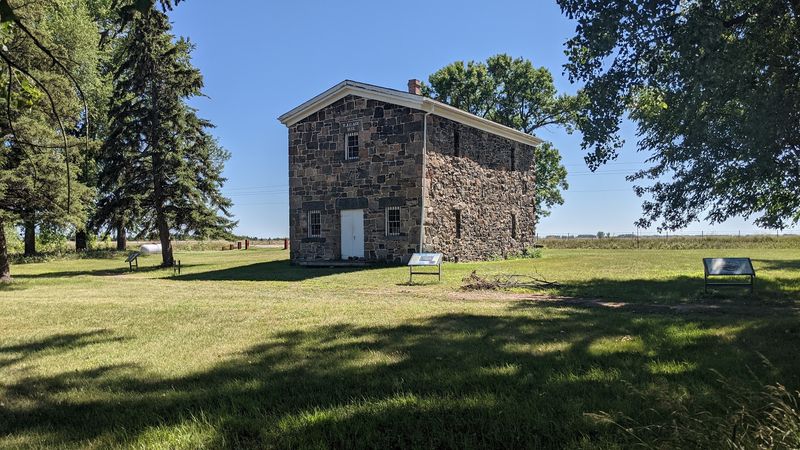
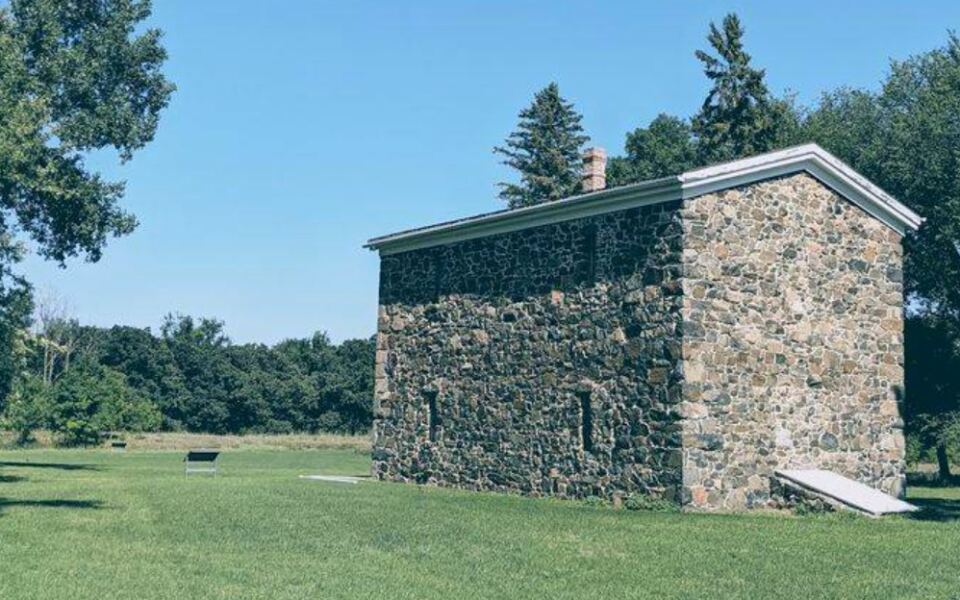
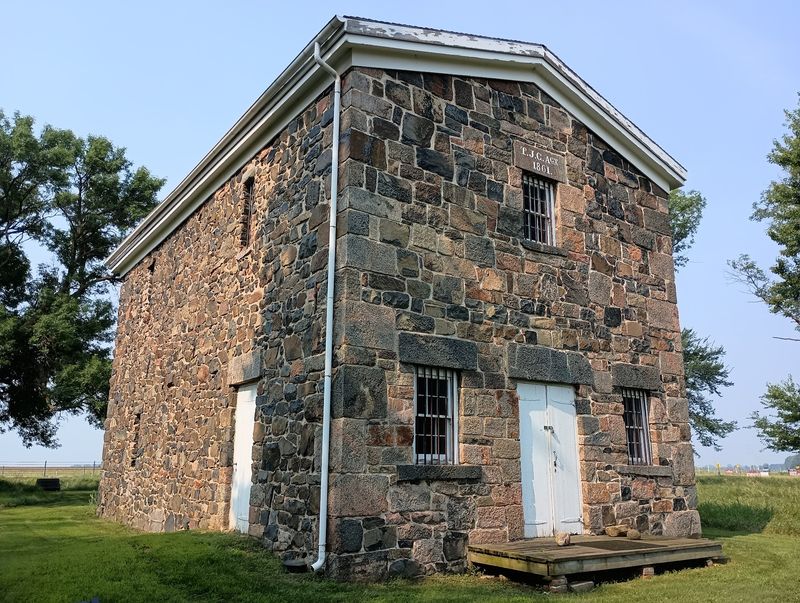
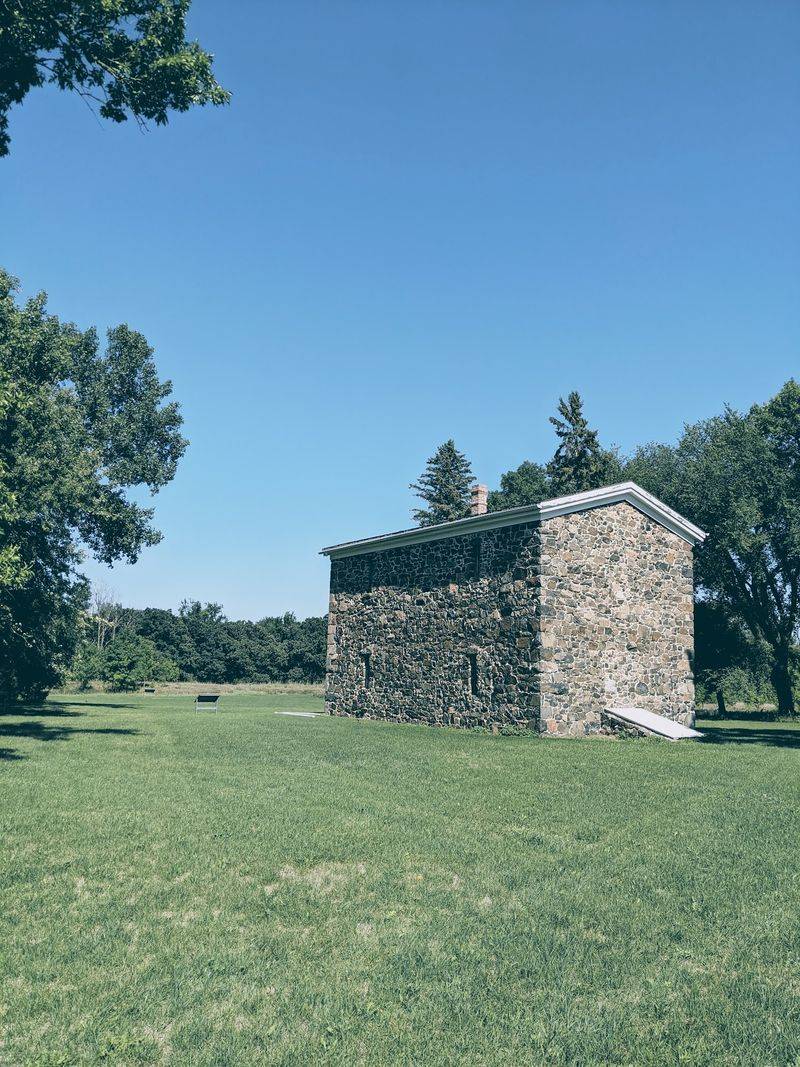
One of the most striking things about the Lower Sioux Agency grounds is the presence of an original stone warehouse that survived the events of 1862. Most of the agency’s buildings were burned during the conflict, but this structure remained standing and still stands today.
The warehouse is a solid, no-frills piece of 19th-century construction, built from locally quarried stone. It does not look like much from a distance, but up close, the age of the building is unmistakable.
Running your eyes along those stone walls, knowing they were here when the war began, makes the history feel immediate in a way that replica structures simply cannot.
Henry David Thoreau, the American writer and naturalist, visited the Lower Sioux Agency in 1861 and reportedly observed the treaty payment process from this very site. The massive old cottonwood trees still growing on the grounds may be the same ones that provided shade during his visit, adding yet another layer to an already remarkable place.
Henry David Thoreau’s Unexpected Minnesota Connection
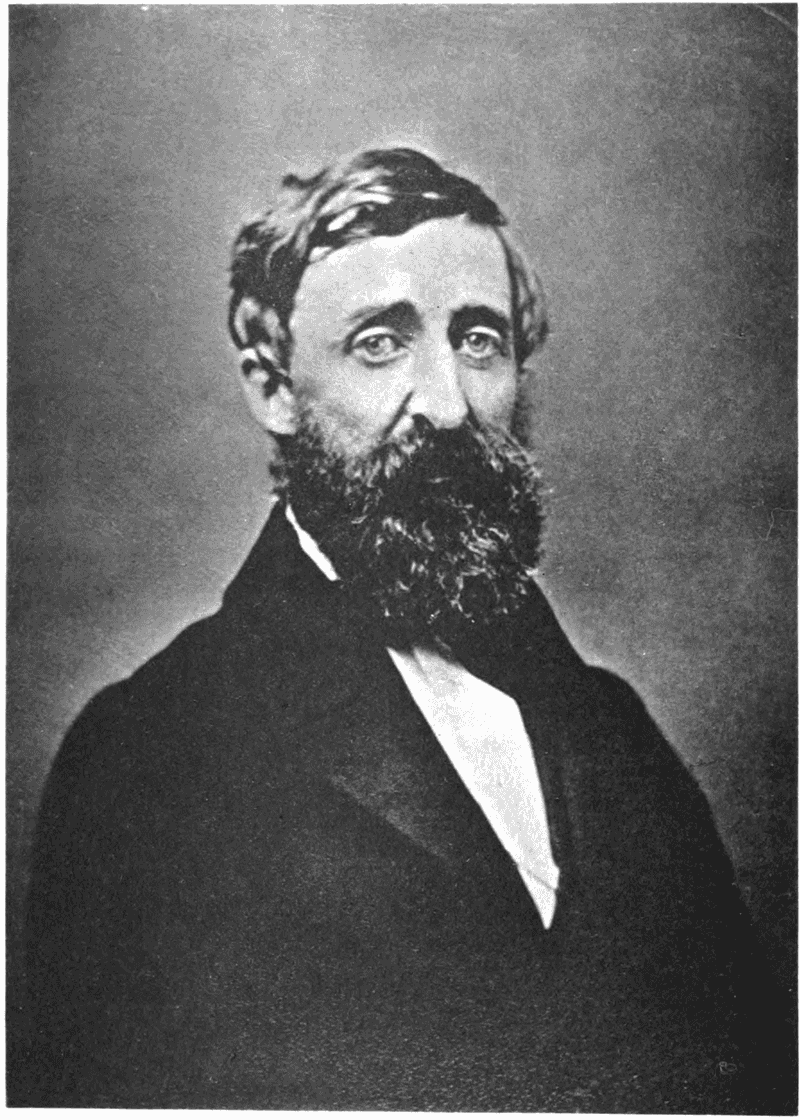
Most people associate Henry David Thoreau with Walden Pond in Massachusetts, not with the Minnesota prairie. But in the spring of 1861, Thoreau traveled to Minnesota for health reasons, and his journey brought him to the Lower Sioux Agency.
He arrived during an annuity payment day and witnessed the gathering of Dakota people receiving their treaty distributions. He wrote about what he saw, describing the scene with the careful observation that defined all of his writing.
The agency was, by some accounts, the farthest west Thoreau ever traveled in his lifetime.
Standing on the same grounds where one of America’s most celebrated writers once stood is a quietly remarkable experience. The old cottonwood trees near the stone warehouse are believed to be the same trees Thoreau sat beneath while watching the payment ceremony unfold.
That connection alone makes the Lower Sioux Agency worth a detour for anyone who loves American literary or natural history.
Understanding the Dakota People Before 1862
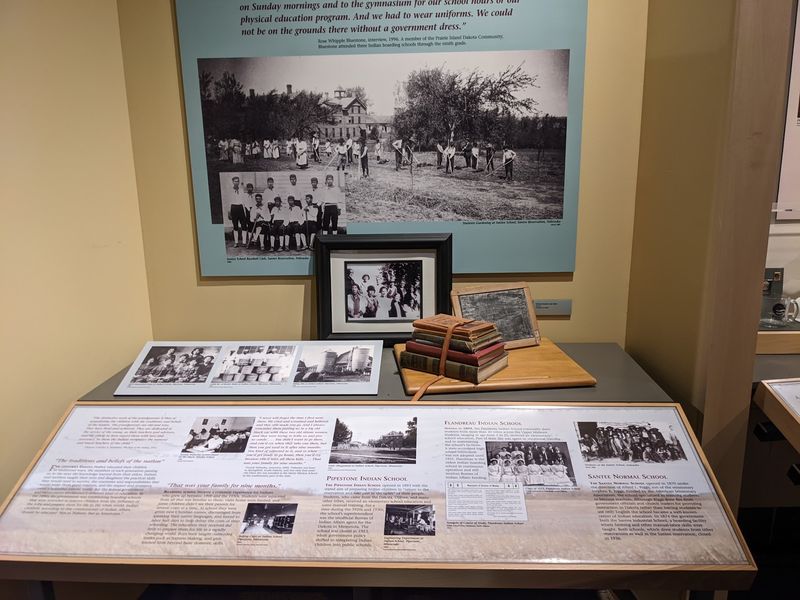
A big part of what makes the Lower Sioux Agency stand out from other Civil War-era historic sites is its commitment to presenting the Dakota perspective fully and respectfully. The exhibits spend considerable time on who the Dakota were before the conflict, not just during it.
The Dakota had lived in what is now Minnesota for generations, with rich traditions, sophisticated social structures, and deep knowledge of the land. The museum traces how the treaty era gradually stripped away land, autonomy, and cultural practices, creating the conditions that led to 1862.
This framing matters. Visitors leave understanding that the war was not simply a random outbreak of violence but the result of years of systematic pressure and broken commitments.
That broader understanding transforms the visit from a simple historical tour into something closer to a genuine reckoning with a complicated past. It is the kind of history that stays with you long after you leave the parking lot.
The Atlatl Demonstration and Hands-On Learning
Not every history site offers the chance to actually do something, which is part of what makes the Lower Sioux Agency memorable for families. Historical interpreters at the site occasionally lead hands-on demonstrations, including one involving the atlatl, an ancient spear-throwing tool used by Indigenous peoples long before the bow and arrow became common.
Watching a skilled interpreter throw an atlatl with accuracy is genuinely impressive. Getting to try it yourself is even better.
It connects visitors to a much older layer of history than 1862, reminding everyone that the Dakota’s story on this land stretches back thousands of years.
These demonstrations are not always scheduled, so it is worth asking the staff when you arrive whether any programs are planned during your visit. The interpreters are known for their enthusiasm and depth of knowledge, and they have a talent for making ancient practices feel alive and relevant to visitors of all ages.
What the Conflict Meant for Minnesota
The U.S.-Dakota War of 1862 lasted about six weeks, but its effects on Minnesota lasted far longer. The conflict resulted in the largest mass execution in U.S. history, when 38 Dakota men were hanged in Mankato on December 26, 1862.
Thousands of Dakota people were subsequently expelled from Minnesota entirely.
The war fundamentally altered the demographics and politics of the state. Settlers who had lived near Dakota communities fled or were killed during the conflict, and the aftermath saw the Dakota stripped of their remaining land and treaty rights in Minnesota.
Understanding this context transforms a visit to the Lower Sioux Agency from a simple historical outing into something much more meaningful. The site sits at the center of a story about land, power, and survival that shaped an entire region.
Knowing what came after makes the exhibits, the trails, and the old stone warehouse all feel more significant than they might otherwise appear.
Connecting the Agency to Fort Ridgely
The Lower Sioux Agency does not stand alone as a historic destination in this part of Minnesota. Fort Ridgely, a U.S. military post that played a central role in the U.S.-Dakota War, is located nearby and makes an excellent companion visit for anyone serious about understanding the full scope of what happened in 1862.
Fort Ridgely was attacked twice by Dakota warriors in August 1862, and the fort’s defenders managed to hold it both times. The fort site is now a state park with its own museum, reconstructed structures, and interpretive signage that covers the military side of the conflict.
Visiting both sites in a single day gives you a far more complete picture of the war than either site provides on its own. The drive between them along mostly rural roads passes through the same landscape that soldiers, settlers, and Dakota people moved through in those tense August days, which adds a quiet power to the journey.
Practical Tips for Planning Your Visit
The Lower Sioux Agency is managed by the Minnesota Historical Society and is open seasonally, so checking current hours before making the drive is strongly recommended. The visitor center hours can vary, and at least one visitor has arrived to find it unexpectedly closed, so a quick check of the Minnesota Historical Society website at mnhs.org/lowersioux before you go is worth the two minutes it takes.
Wear comfortable walking shoes if you plan to do the river trail, since the path down to the Redwood Ferry site is steep and can be uneven. Trail maps are available inside the visitor center.
The site is located at 32469 Redwood County Highway 2 in Morton, Minnesota. Morton is a small town, so fuel up and grab food before arriving.
There is no on-site dining. Budget at least two to three hours to see the museum, watch the film, and walk the main trails comfortably.
Why This Place Matters to Dakota Communities Today
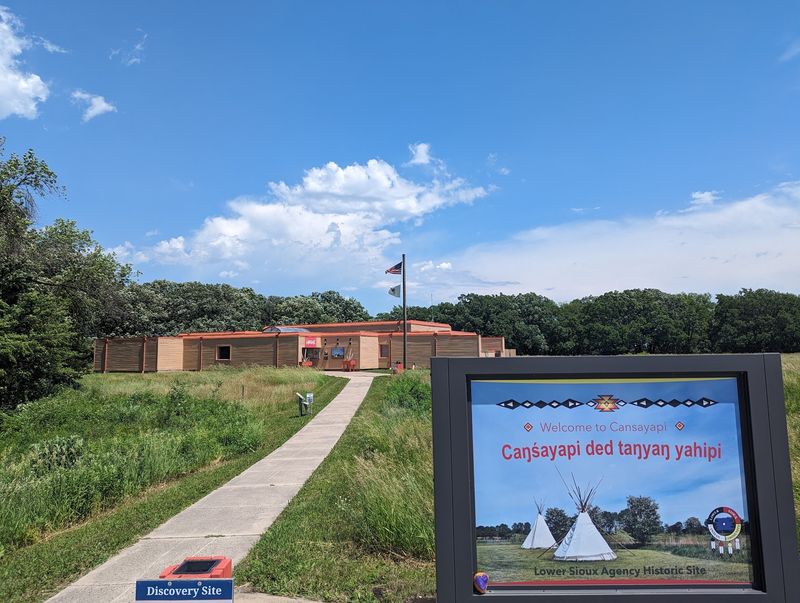
The Lower Sioux Agency is not just a place where history happened. It sits within the Lower Sioux Indian Community, a federally recognized tribal nation whose members are descendants of the Dakota people who lived here before 1862.
That living connection gives the site a significance that most historic landmarks simply do not have.
For Dakota people, this land carries layers of meaning that go well beyond any museum exhibit. It is a place of ancestral memory, of loss, and of resilience.
The community has worked alongside the Minnesota Historical Society to ensure that the story told at the agency reflects Dakota voices and perspectives, not just the record left by government documents and settler accounts.
Visiting with that awareness changes how you move through the space. Every trail sign, every artifact, and every frame of the introductory film carries more weight when you understand that the people whose story is being told are still here, still present, and still connected to this land.
A Place Worth the Drive Across Minnesota
Morton, Minnesota is not on most travel itineraries. It sits in the southwestern part of the state, far from the Twin Cities and the well-worn tourist paths that run through northern Minnesota’s lake country.
Getting there requires a deliberate choice, and that is exactly why so few people have made it.
But the Lower Sioux Agency rewards that effort in ways that are hard to fully anticipate before you arrive. The combination of the museum, the film, the artifacts, the original stone warehouse, the river trails, and the honest, layered storytelling adds up to one of the most genuinely affecting historic site visits in the entire state.
History that is told carefully and honestly, in a place where it actually happened, has a way of staying with you. The drive back from Morton gives you time to think about what you have seen, and most visitors find they are still thinking about it days later.
That kind of impact is rare, and it is worth every mile of the trip.
Share this story