Two of the most recognizable names in American history quietly share a connection to a small white house sitting along a main street in rural Minnesota. One name built the most famous medical institution in the world.
The other put a cheerful green giant on canned vegetables in kitchens across the country. Most people have no idea both stories trace back to the same modest home in a quiet river town.
That surprising overlap is exactly what makes this place worth the drive.
A Small House With an Outsized Legacy
Most historic landmarks announce themselves with grandeur. The W.
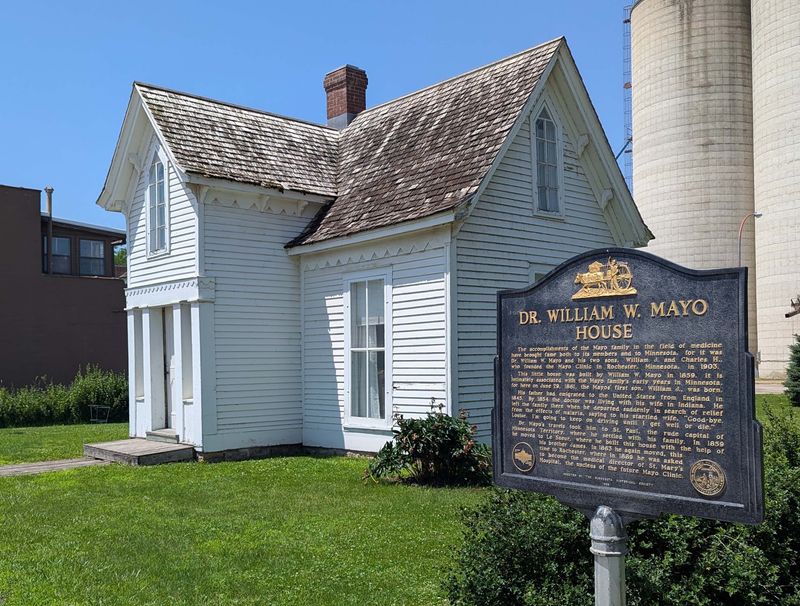
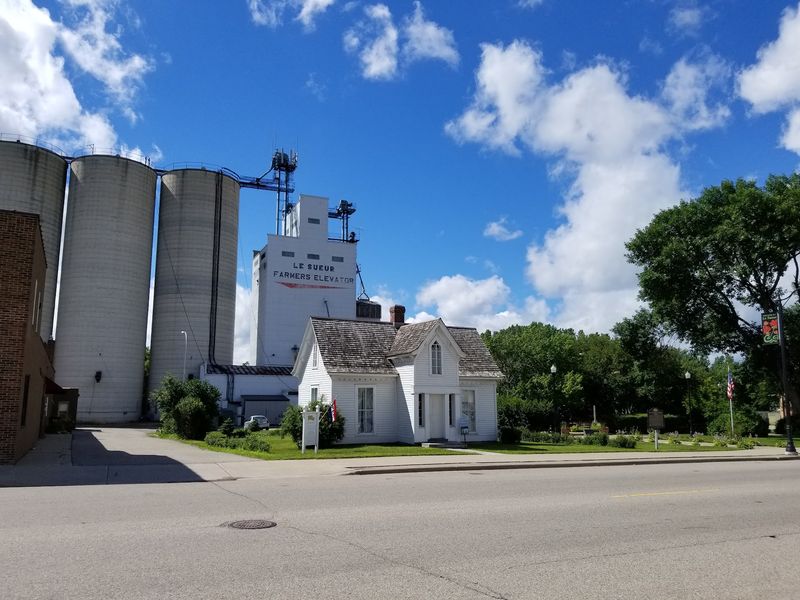
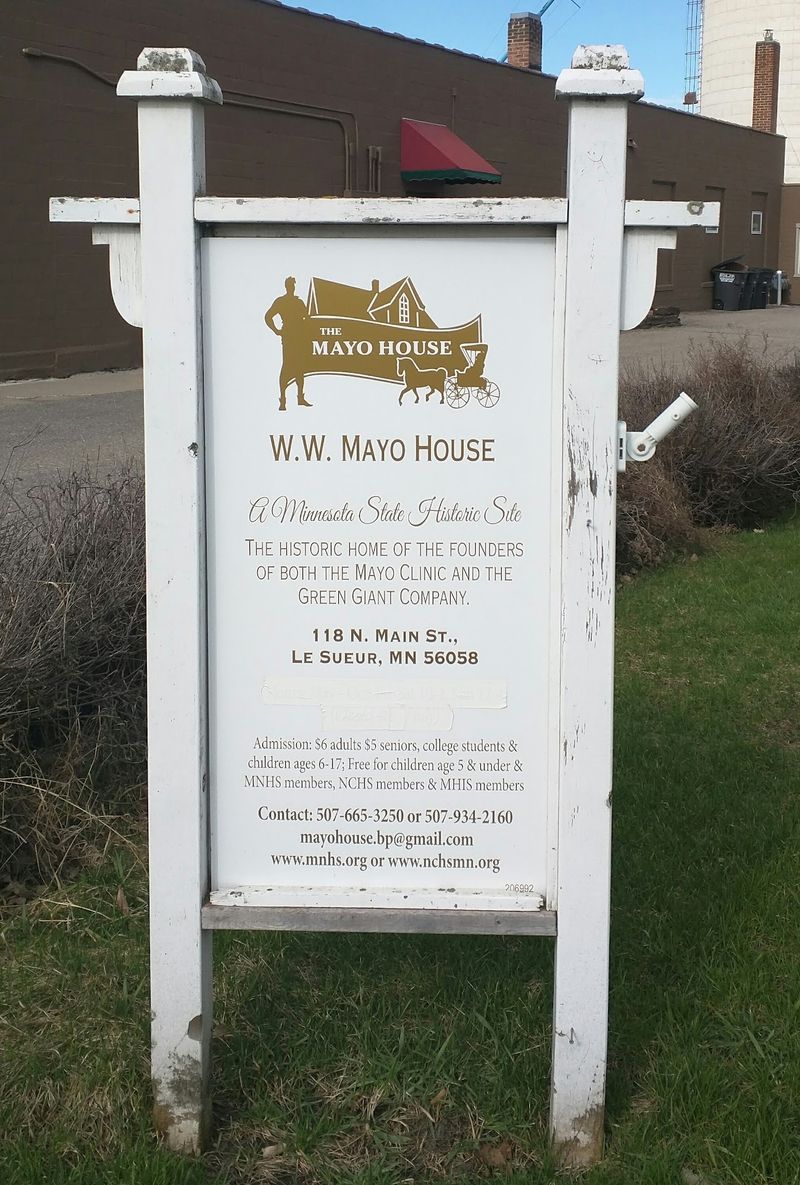
W. Mayo House at 118 N Main St, Le Sueur, Minnesota, United States does the opposite.
It sits quietly along a tree-lined street, modest in size, almost easy to miss if you are not looking for it.
That understated exterior is part of what makes the first impression so striking. The house is small by any measure, yet the history packed inside its walls is anything but.
This is where William Worrall Mayo lived with his family before relocating to Rochester and founding what would become Mayo Clinic.
Managed by the Minnesota Historical Society, the property has been carefully preserved and restored. Walking up to it, I kept thinking about how many people drive through Le Sueur every year without realizing they are passing one of the most historically layered addresses in the entire state.
Who Was W. W. Mayo and Why Does It Matter
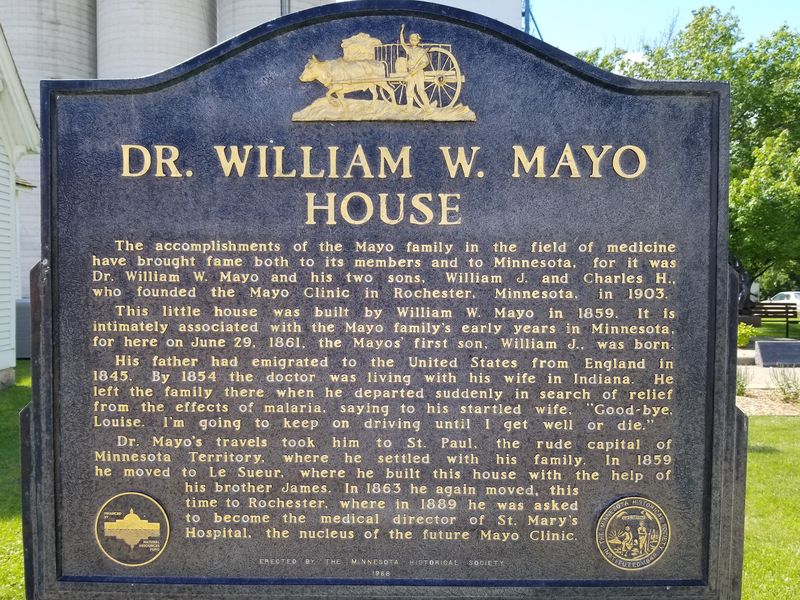
William Worrall Mayo arrived in Minnesota in the 1850s as a physician, scientist, and relentlessly curious thinker. He was not a wealthy man when he settled in Le Sueur, but he was driven by a belief that medicine could be practiced differently, more carefully, more collaboratively.
He and his wife Louise Abigail Wright raised their sons William James and Charles Horace in this house. Those two sons would go on to become the co-founders of the Mayo Clinic in Rochester, one of the most respected medical centers in the world today.
Hearing that lineage explained inside the actual rooms where those boys grew up adds a weight to the story that no textbook can replicate. The house tour connects the abstract idea of medical greatness to something deeply personal, a family working through hard times in a small Minnesota town.
The Green Giant Connection That Surprises Almost Everyone
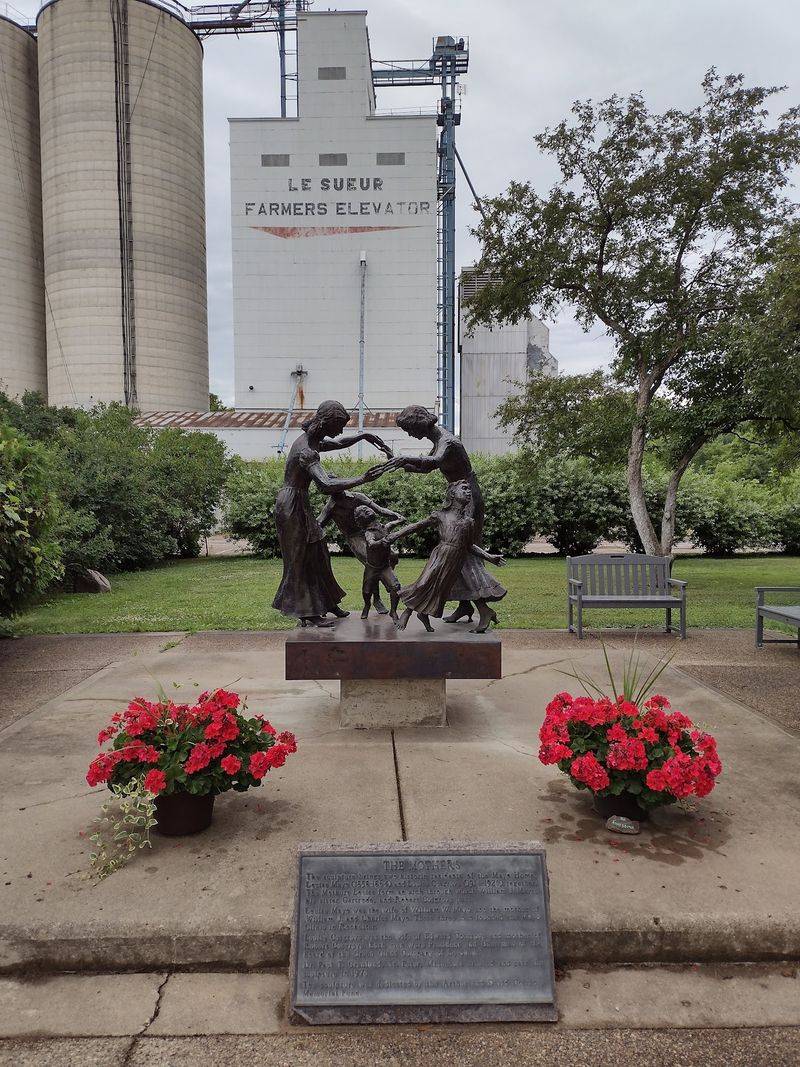
Here is the detail that genuinely stops visitors mid-sentence. After the Mayo family left Le Sueur, the house was later occupied by the founders of what eventually became the Green Giant Company.
That iconic brand, with its cheerful giant and generations of canned peas and corn, has roots tied to the same address as Mayo Clinic.
Le Sueur sits in the Minnesota River Valley, a region historically rich in agriculture. The valley’s fertile soil made it ideal for growing vegetables, and the canning industry that grew up around it became nationally significant.
The Green Giant brand became one of the most recognized food labels in American grocery history.
Finding out that one small house connects a global medical institution and a beloved food brand is the kind of fact that makes you do a double take. It is genuinely one of the more unexpected historical overlaps I have come across anywhere in Minnesota.
Gothic Cottage Architecture Worth Examining Closely
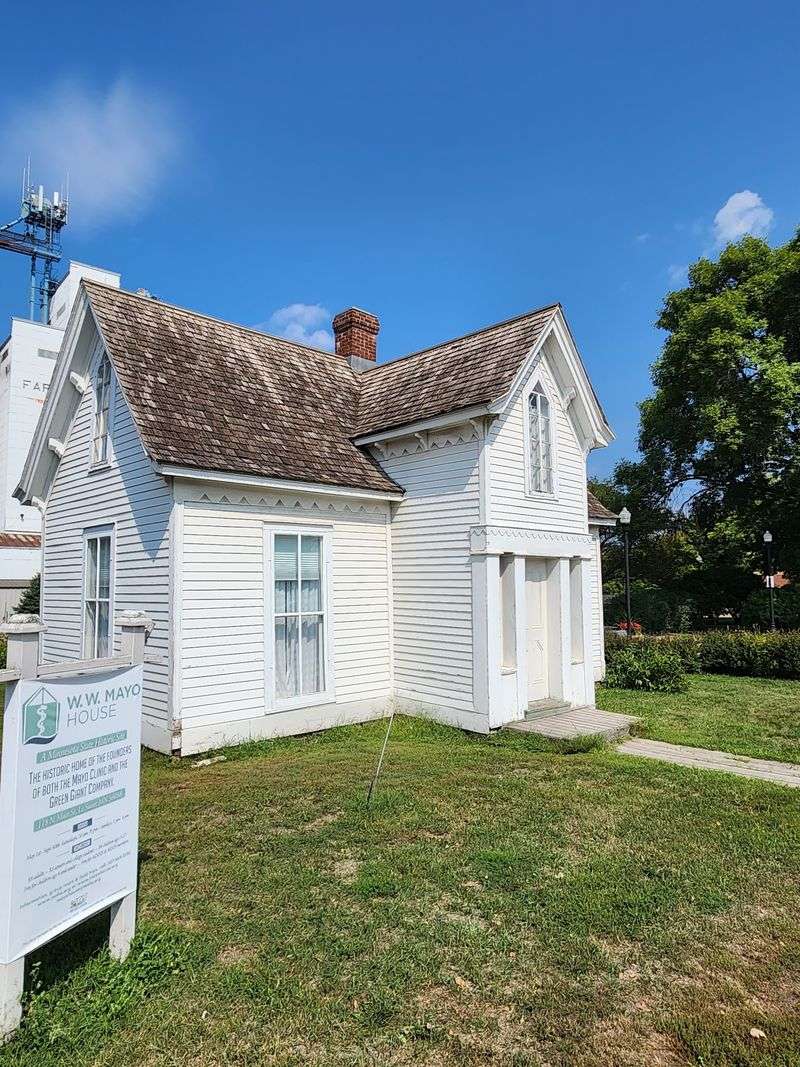
The house itself is an example of Gothic Revival cottage architecture, a style that was fashionable in the mid-1800s and carried a romantic, almost storybook quality. The steeply pitched roofline and decorative trim give it a character that stands apart from typical prairie-era homes in the region.
Andrew Jackson Downing, a highly influential American landscape designer and architect of the era, popularized this style through his published pattern books. Homes like the Mayo house were built following those widely circulated designs, making it a recognizable type for anyone familiar with 19th century American domestic architecture.
Up close, the craftsmanship in the woodwork is worth slowing down to appreciate. The details feel deliberate and considered, even if the overall footprint of the home is compact.
For anyone drawn to architectural history, this alone justifies a stop in Le Sueur before even stepping through the front door.
The Tour Experience and What to Expect Inside
Tours of the W. W.
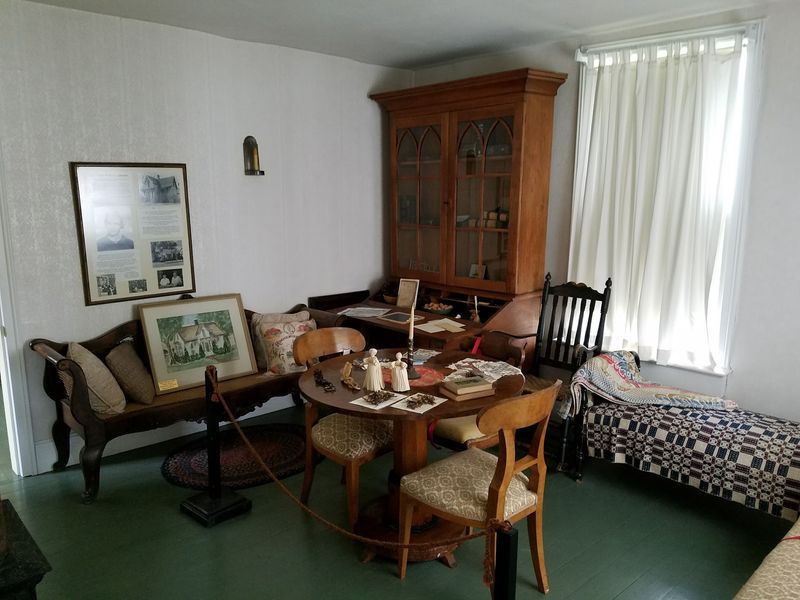
Mayo House are guided, and the experience is hands-on in the best sense. A short introductory video sets the historical context before guides walk visitors through the rooms, explaining how the Mayo family lived, worked, and built the foundations of their future in this compact space.
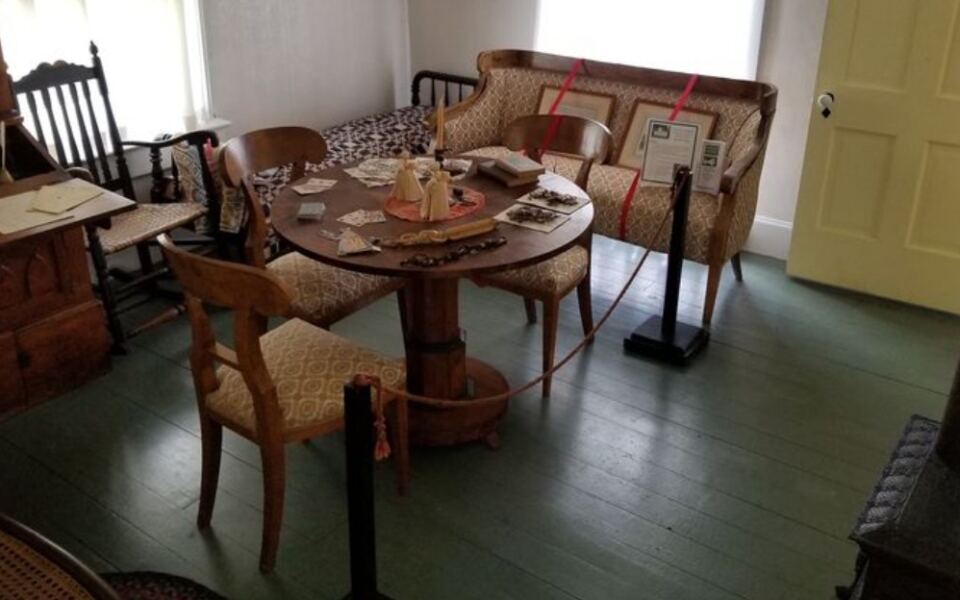
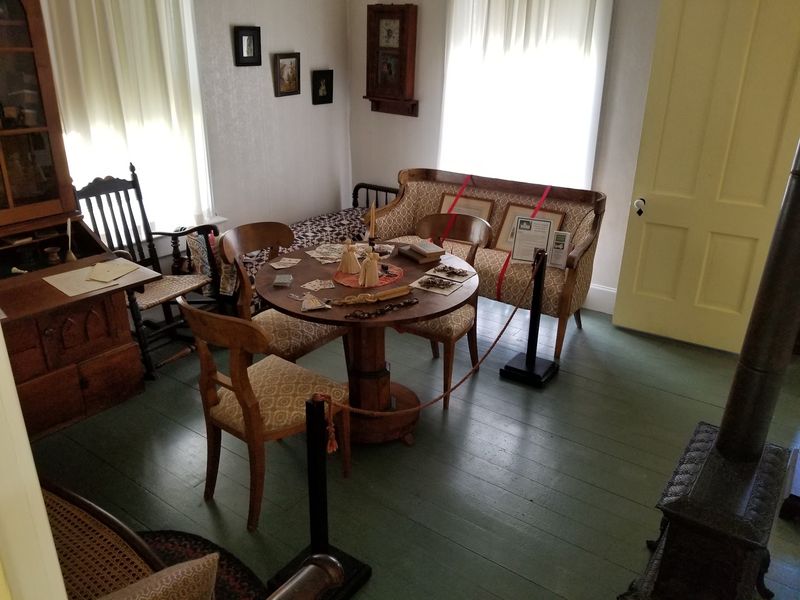
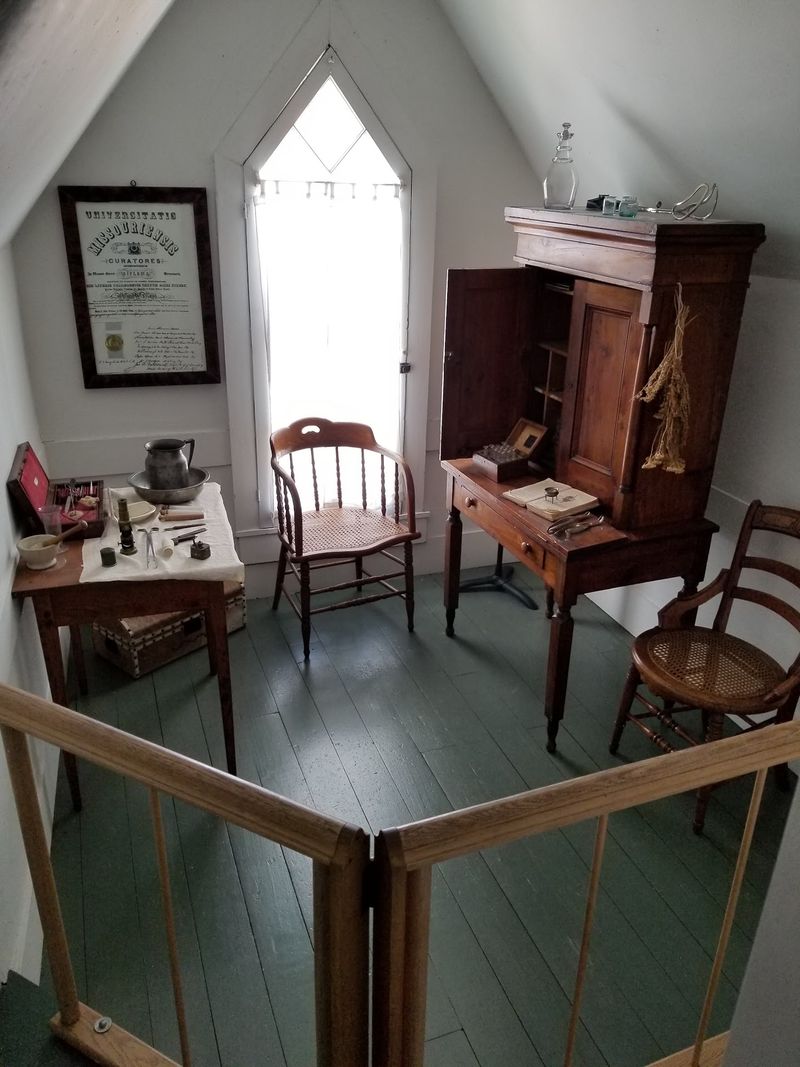
The rooms are small, as several visitors have noted, but they are packed with period details. Furniture, household objects, and decor have been carefully selected or restored to reflect life in rural Minnesota during the mid-19th century.
Every corner seems to hold something worth pausing over.
What struck me most was how the tour managed to feel personal rather than clinical. The guides connect the family’s daily routines to the larger historical arc of what the Mayo sons eventually built.
By the time you reach the final room, the story feels complete in a way that genuinely resonates.
Docents in Period Costume Bring History to Life
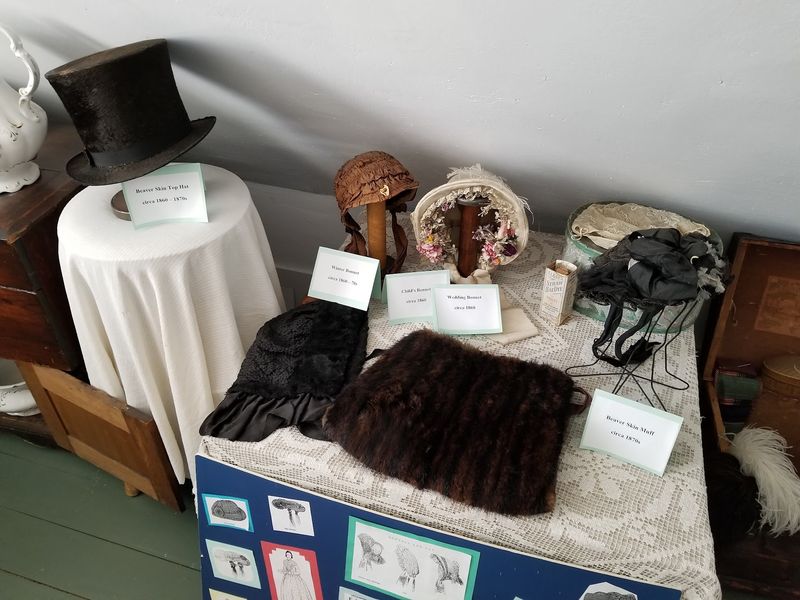
One of the most memorable parts of visiting the Mayo House is the docents. They arrive dressed in period-accurate costumes, which sounds like a small detail until you are actually standing in a 19th century parlor listening to someone explain family life in that era while wearing the clothes of that era.
The effect is surprisingly effective at pulling you out of the present. The guides are knowledgeable and clearly enthusiastic about the history they are sharing.
Questions are welcomed, and the conversations that branch off from the main tour often lead to some of the most interesting historical details.
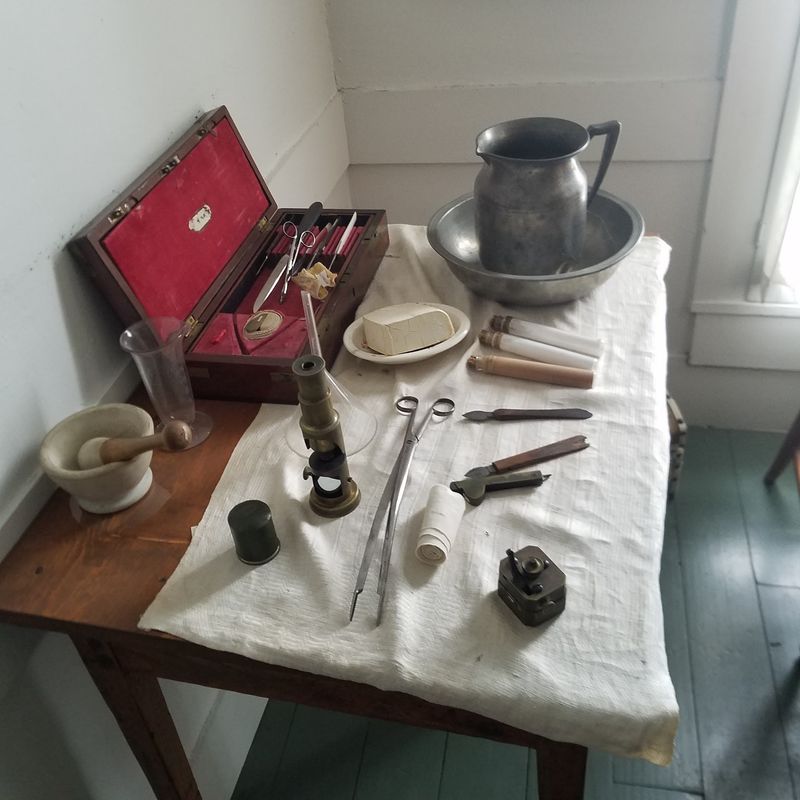
I asked about daily medical practice in rural Minnesota during the 1850s and 1860s, and the answer was genuinely fascinating. W.
W. Mayo was practicing medicine in conditions that were challenging by any standard, and understanding that context makes his sons’ later achievements feel even more remarkable.
Life in Le Sueur During the Mid-1800s
Le Sueur sits along the Minnesota River in a valley that was being actively settled by European-American families during the years the Mayo family lived there. It was a frontier community in many ways, where resources were limited and daily life required genuine resourcefulness.
W. W.
Mayo worked as a physician in this environment, traveling to reach patients across a rural landscape without modern roads or reliable infrastructure. His work during this period shaped his medical philosophy and influenced how he would eventually approach the idea of collaborative medicine with his sons.
The town itself has a quiet, small-town character today that does not feel entirely disconnected from that earlier era. Walking along the main street, you get a sense of how contained and community-focused life here must have been in the 1850s and 1860s.
That sense of place adds a layer to the house tour that is hard to manufacture artificially.
The Minnesota Historical Society’s Role in Preservation
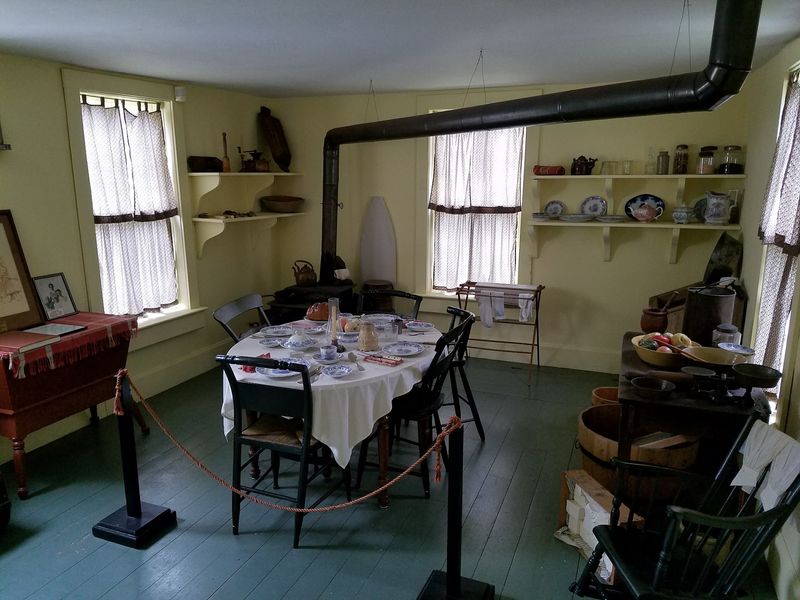
The W. W.
Mayo House is managed by the Minnesota Historical Society, which oversees dozens of historic sites across the state. That institutional backing matters for a property like this one, where the temptation to let a small house fade into obscurity might otherwise have won out over the effort required to preserve it properly.
The restoration work visible throughout the house reflects a serious commitment to accuracy. Period furnishings, authentic paint colors, and historically appropriate decor give the interior a credibility that more loosely managed historic homes sometimes lack.
The Minnesota Historical Society’s standards are evident in every room.
For visitors who have toured other sites managed by the same organization, the quality here will feel familiar. For first-timers, it sets a high bar for what a thoughtfully managed historic home can accomplish.
The care invested in this place is part of why the experience stays with you after you leave.
What the Introductory Video Adds to the Visit
Before the guided tour begins, visitors are seated in a room to watch a short introductory video. That might sound like a routine museum formality, but at the Mayo House it genuinely earns its place in the experience.
The video provides historical context that makes everything you see on the tour click into place more clearly.
Understanding where W. W.
Mayo came from, why he settled in Le Sueur, and what his professional ambitions looked like before Rochester gives the house tour a narrative spine. Without that background, the rooms are interesting.
With it, they become meaningful.
The video also touches on the broader history of medicine in 19th century America, which helps visitors understand how unusual and forward-thinking Mayo’s approach actually was for his time. By the time the tour begins, you are already invested in the story, which is exactly the right way to enter a historic home.
The Garden and Outdoor Space Around the House
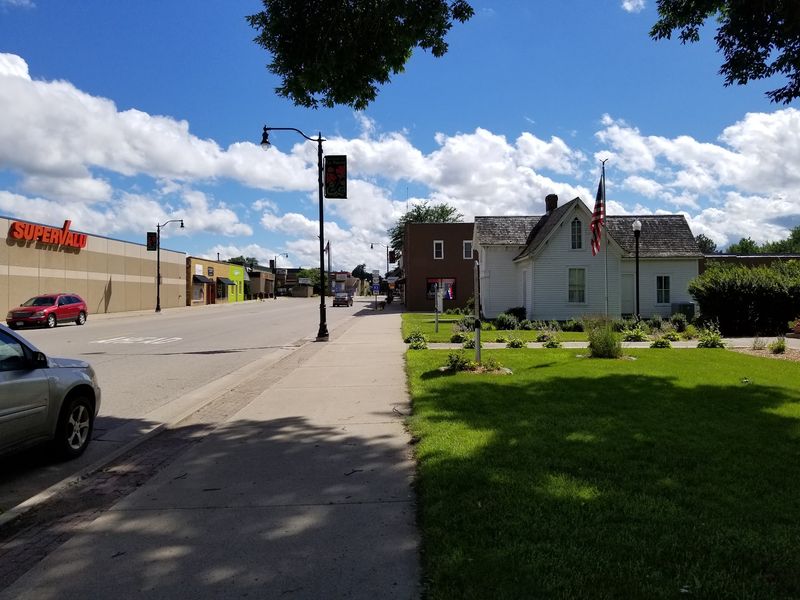
The outdoor space surrounding the Mayo House is a pleasant complement to the interior tour. A garden area with period-appropriate plantings adds to the sense of stepping back into the 19th century, and there is a spot to sit outside after the tour, which is a welcome touch on a warm Minnesota afternoon.
The setting along North Main Street in Le Sueur gives the property a genuine sense of place within the town rather than feeling isolated or artificially staged. The house fits naturally into its surroundings, which makes the experience feel grounded rather than theme-park-like.
Spending a few minutes outside after the tour is worth doing. The exterior details of the Gothic Revival architecture read differently in natural light than they do in photographs, and stepping back to take in the full facade gives you a better appreciation for how the house must have looked to neighbors in the 1850s.
Planning Your Visit and Seasonal Hours
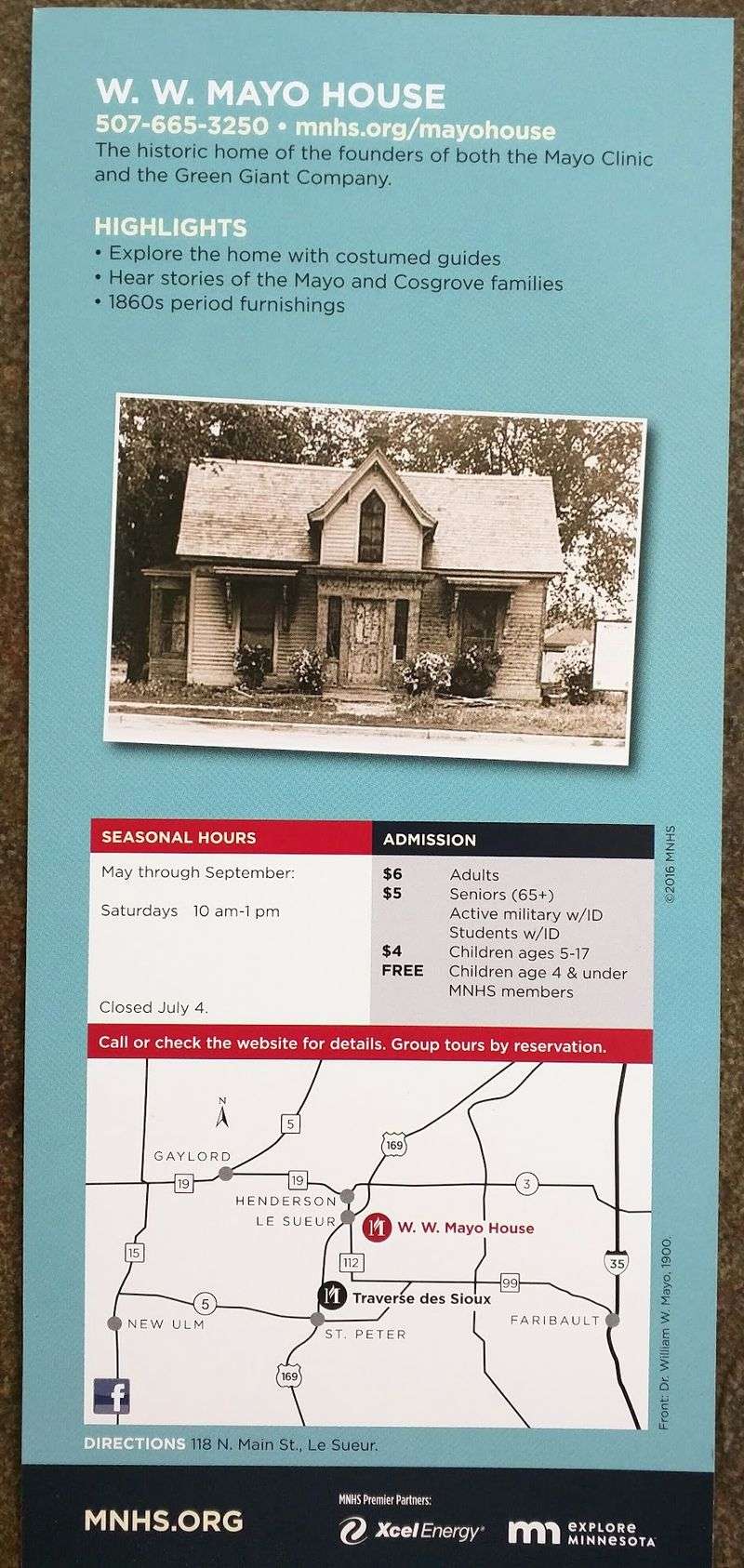
One practical note worth emphasizing before you make the trip: check the hours before you go. The Mayo House operates on a seasonal schedule, and several visitors have arrived to find it closed.
Calling ahead or checking the Minnesota Historical Society website at mnhs.org/mayohouse is the most reliable way to confirm availability.
The site is generally open during the warmer months, with guided tours available on specific days and times. Holiday weekends can occasionally affect hours, so building in some flexibility is smart if you are traveling from a distance.
The tour itself does not take an extremely long time, which makes the Mayo House a realistic addition to a broader day trip through the Minnesota River Valley. Pairing it with other stops in the region can turn a focused historical visit into a fuller day of exploration without feeling rushed at any single stop.
How the Mayo Family Left Le Sueur for Rochester
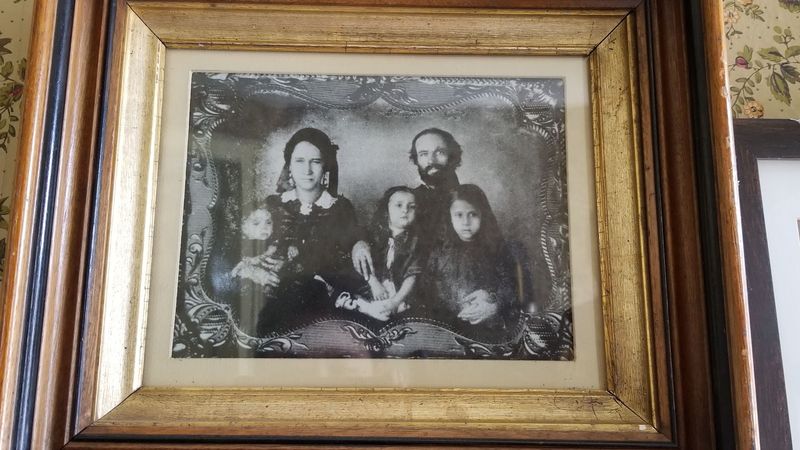
The Mayo family’s departure from Le Sueur and eventual settlement in Rochester is one of the pivotal chapters in Minnesota medical history. W.
W. Mayo relocated the family to Rochester in 1863, drawn by opportunities that the growing southeastern Minnesota city offered for his medical practice.
The move proved transformative. In Rochester, W.
W. Mayo continued practicing medicine and eventually brought his sons William James and Charles Horace into the practice.
Their collaborative approach to medicine, built on the idea that no single physician could master all areas of a complex case, became the founding philosophy of Mayo Clinic.
Standing in the Le Sueur house knowing that story makes the small rooms feel like a starting point rather than a final destination. This was the place where the values and curiosity that eventually built one of the world’s great medical institutions were quietly taking shape in an ordinary family home.
Why Locals and Visitors From Rochester Make the Trip
Rochester is only about 75 miles from Le Sueur, and a noticeable number of visitors who make the trip to the Mayo House come from that city specifically. For anyone connected to Mayo Clinic, whether as a patient, employee, or simply someone who grew up knowing the institution’s name, the house carries a particular resonance.
Making the drive to see where the family’s story actually started adds a dimension to the Mayo Clinic narrative that the Rochester campus itself cannot provide. The clinic is a modern, sprawling institution.
The Le Sueur house is human-scale and immediate in a way that major medical buildings rarely are.
That contrast is part of what makes the visit worthwhile even for people who have toured the Rochester facilities extensively. Seeing the beginning of the story, in a small house in a small town, puts everything that came after it into a perspective that is both humbling and genuinely moving.
The Broader Story of Minnesota’s River Valley Heritage
Le Sueur sits in a stretch of Minnesota that carries more historical weight than its quiet roads suggest. The Minnesota River Valley was a crossroads of Indigenous history, European-American settlement, agricultural development, and commercial growth throughout the 19th century.
The Mayo House is one of the most tangible surviving pieces of that era.
The region’s agricultural identity, which eventually produced the Green Giant brand, grew directly from the valley’s rich soil and the farming communities that took root here. That connection between the land, the people who settled it, and the institutions they built is a thread that runs through the entire Le Sueur experience.
Traveling through the valley with that context in mind changes how the landscape looks. The flat farmland and river bends are not just scenery.
They are the backdrop against which two of America’s most recognizable names quietly began, in a place most people have never thought to visit.
A Place That Rewards Curiosity More Than Crowds
The W. W.
Mayo House is not the kind of place that draws long lines or requires advance ticket reservations months out. It is the kind of place that rewards people who seek it out deliberately, who show up curious and leave with more questions than they arrived with.
The intimacy of the tour is part of its appeal. Small group sizes mean the guides can engage with visitors directly, answer specific questions, and let the conversation go where genuine interest takes it.
That kind of flexibility is rare in larger, more heavily trafficked museums.
If you are the type of traveler who finds more satisfaction in a deeply interesting small site than in a crowded major attraction, this house is exactly your kind of stop. Le Sueur may be a small town, but the story it holds is large enough to stay with you long after you have driven back home.
Share this story