There is a place in Minnesota where the noise of everyday life simply fades away. The grounds feel different the moment you arrive, carrying a quiet that most people spend years searching for.
Rooted in Benedictine tradition, this monastery has welcomed visitors seeking rest, prayer, and spiritual renewal for decades. What makes it truly remarkable is how completely it separates you from the rush of the outside world, right in the middle of a busy metropolitan area.
A Place Where Silence Speaks Louder Than Words
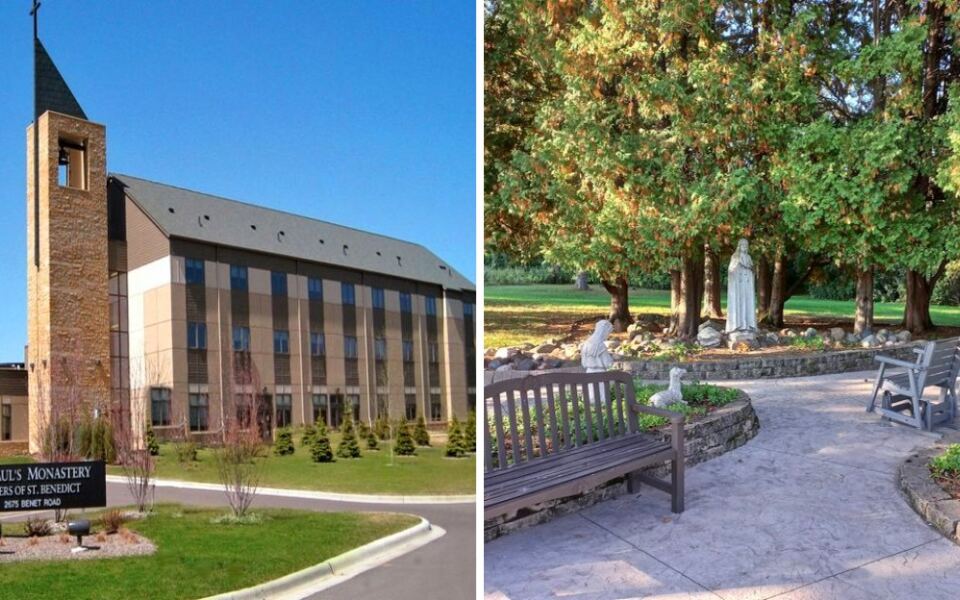
Some places carry a feeling that is hard to put into words, and St. Paul’s Monastery in Saint Paul, Minnesota does exactly that. Located at 2675 Benet Road, St. Paul, MN 55109, this Benedictine monastery has long served as a sanctuary for those seeking stillness and spiritual grounding.
The moment you pull through the entrance, the atmosphere shifts noticeably. The grounds are well-kept, quiet, and deliberately unhurried.
There is no background music, no crowds pushing through corridors, and no sense that anyone is in a rush.
That intentional quietness is not accidental. It is woven into the Benedictine way of life, which centers on prayer, work, and hospitality.
For visitors who rarely experience true silence, this place can feel genuinely surprising.
The Benedictine Tradition Behind the Walls
The Sisters of St. Benedict who live and serve at this monastery follow a rule of life that is over fifteen hundred years old. That rule, written by Saint Benedict of Nursia, emphasizes balance between prayer, work, and rest, which is a rhythm that feels almost radical in today’s world.
Benedictine hospitality is central to the community’s identity. Guests are not merely tolerated here; they are genuinely welcomed as part of the fabric of the place.
That warmth is something visitors notice almost immediately upon arrival.
The sisters dedicate their lives to serving God and the surrounding community, which gives the entire property a sense of purpose that goes far beyond its beautiful architecture. Understanding that history makes the retreat experience feel even more meaningful for those who come seeking something deeper than a typical weekend getaway.
Grounds That Invite You to Slow Down
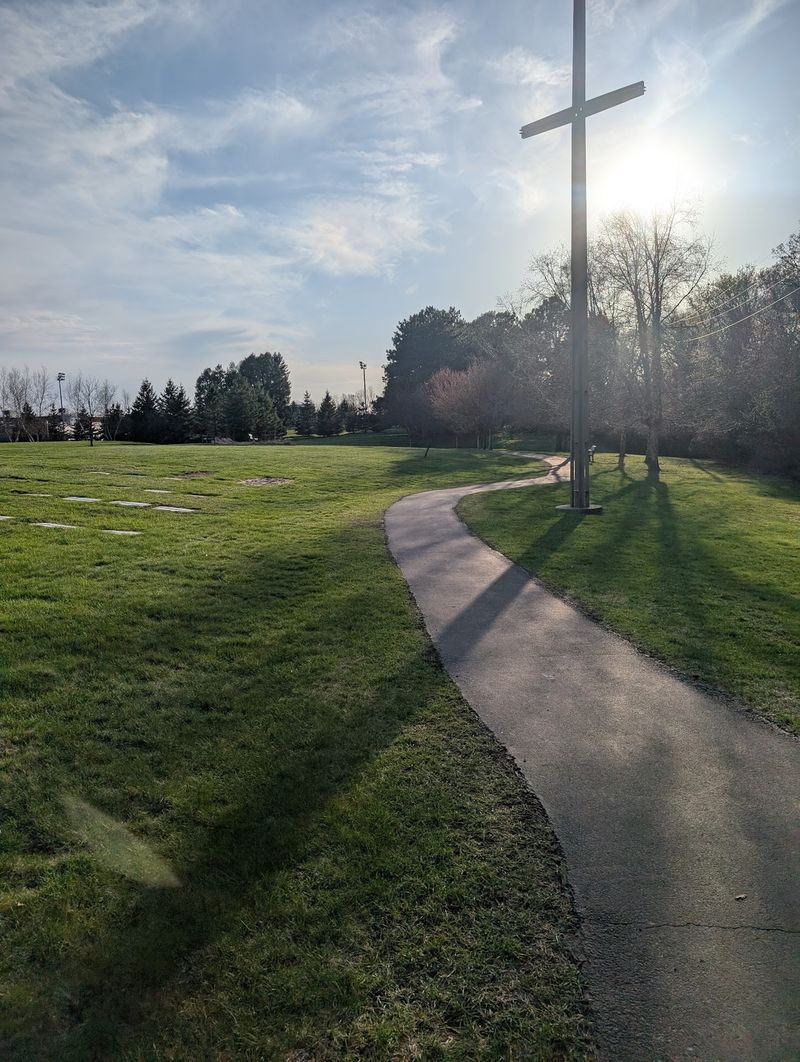
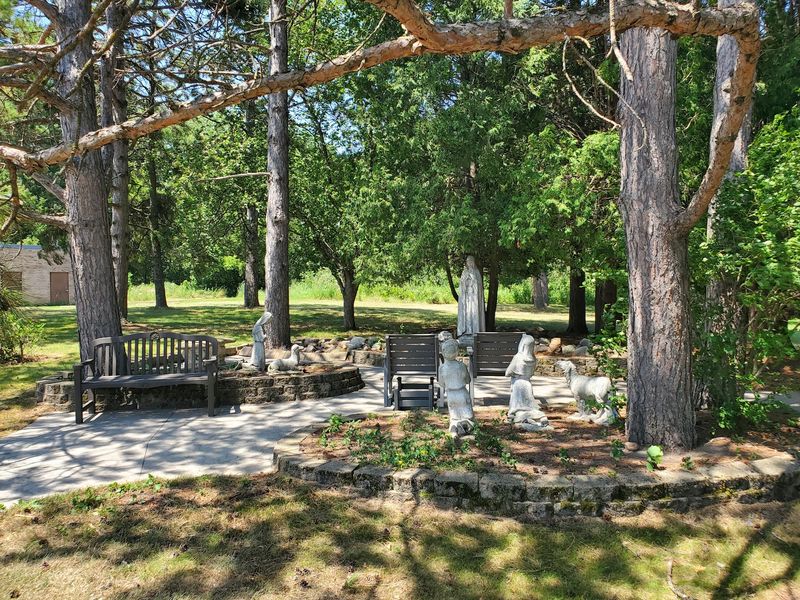
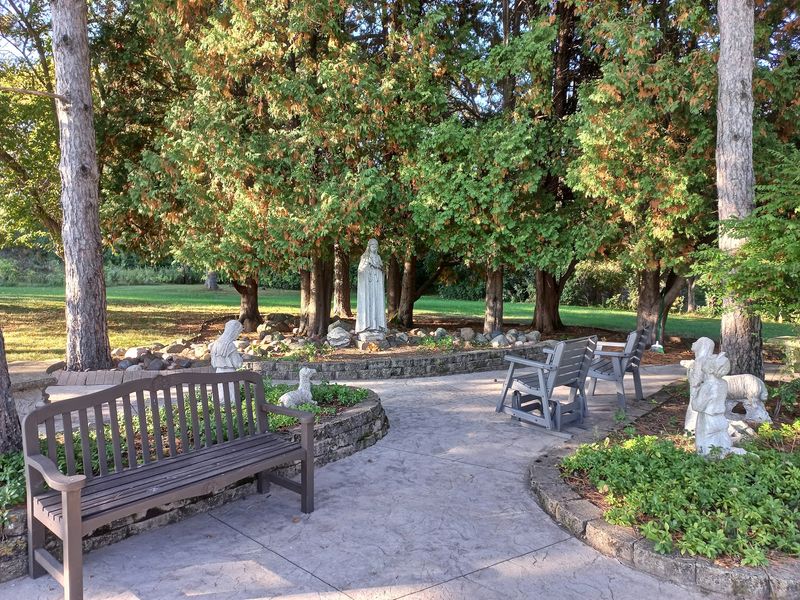
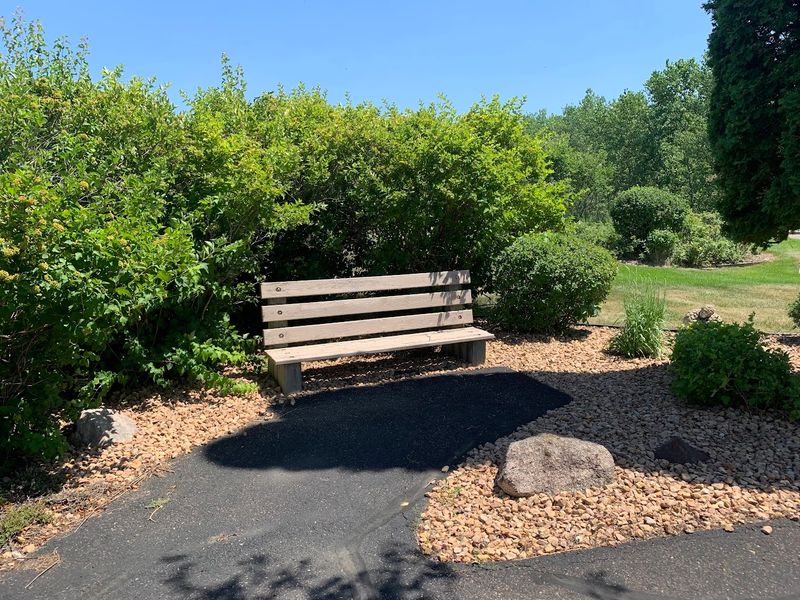
Walking the grounds at St. Paul’s Monastery feels like pressing a reset button on your entire nervous system. The landscaping is thoughtful and peaceful, with open green spaces, mature trees, and quiet corners that seem designed for reflection rather than activity.
There is something about being surrounded by natural beauty in a spiritually intentional space that encourages you to walk more slowly, breathe more deeply, and notice details you might normally overlook. A bird landing on a branch, the sound of wind moving through the trees, the texture of old stone beneath your fingertips.
Visitors who come expecting a typical park experience often leave surprised by how much the setting shifts their mood. The grounds are not flashy or manicured in a formal way.
They feel lived-in and cared for, which makes them feel genuinely restful rather than performatively beautiful.
Architectural Beauty Rooted in Purpose
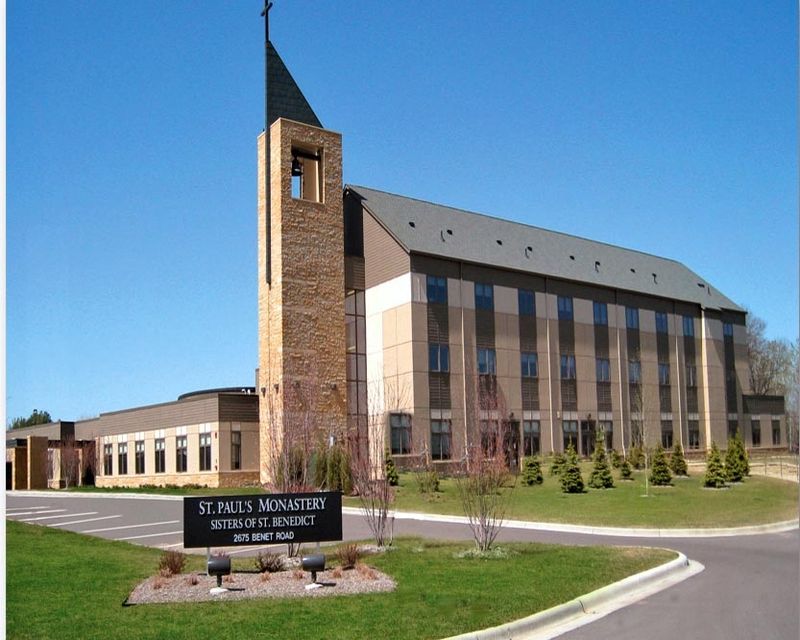
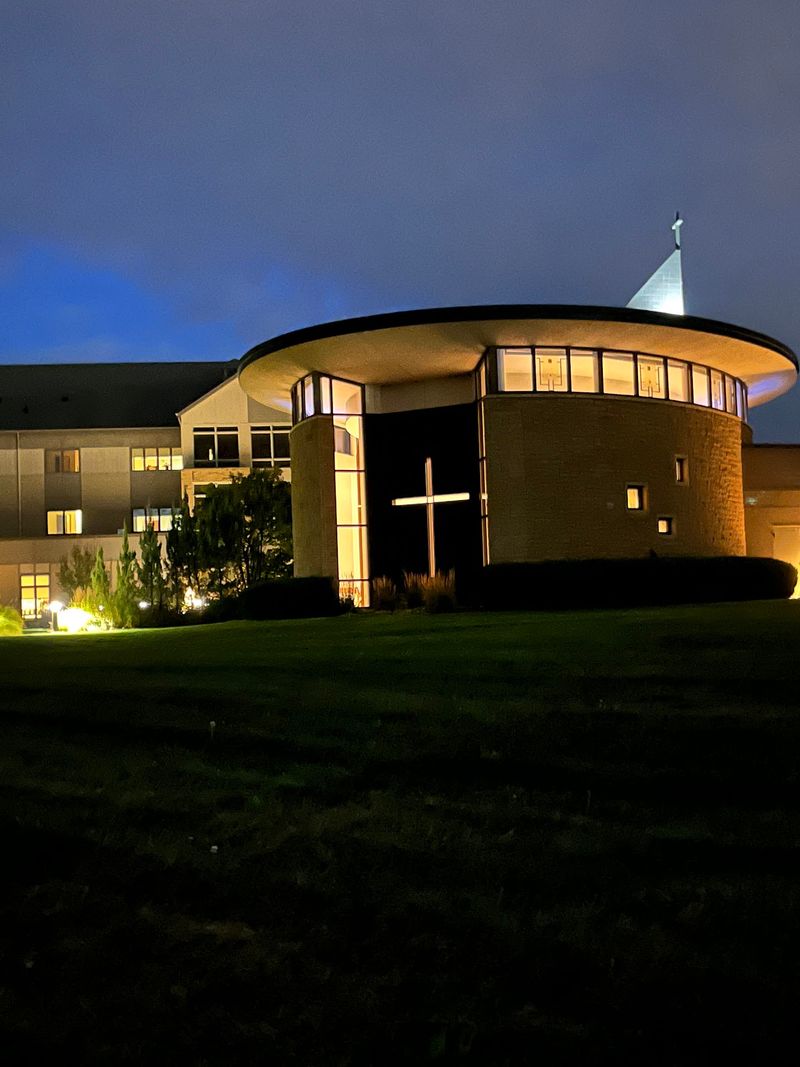
The buildings at St. Paul’s Monastery carry a quiet architectural dignity that draws your eye without demanding attention. The design reflects the Benedictine values of simplicity and order, with clean lines and materials that feel solid and enduring rather than ornate or showy.
Inside, the spaces are filled with artwork that feels carefully chosen rather than decorative for decoration’s sake. Visitors who take time to look closely often discover details that reward their attention, from religious imagery to the way natural light moves through the windows at different times of day.
Architecture in a monastery serves a spiritual function, not just a practical one. Every corridor, chapel entrance, and common space at St. Paul’s seems to have been built with that idea in mind.
The result is a built environment that feels genuinely calming rather than simply impressive, which is a harder thing to achieve than most people realize.
What a Retreat Here Actually Looks Like
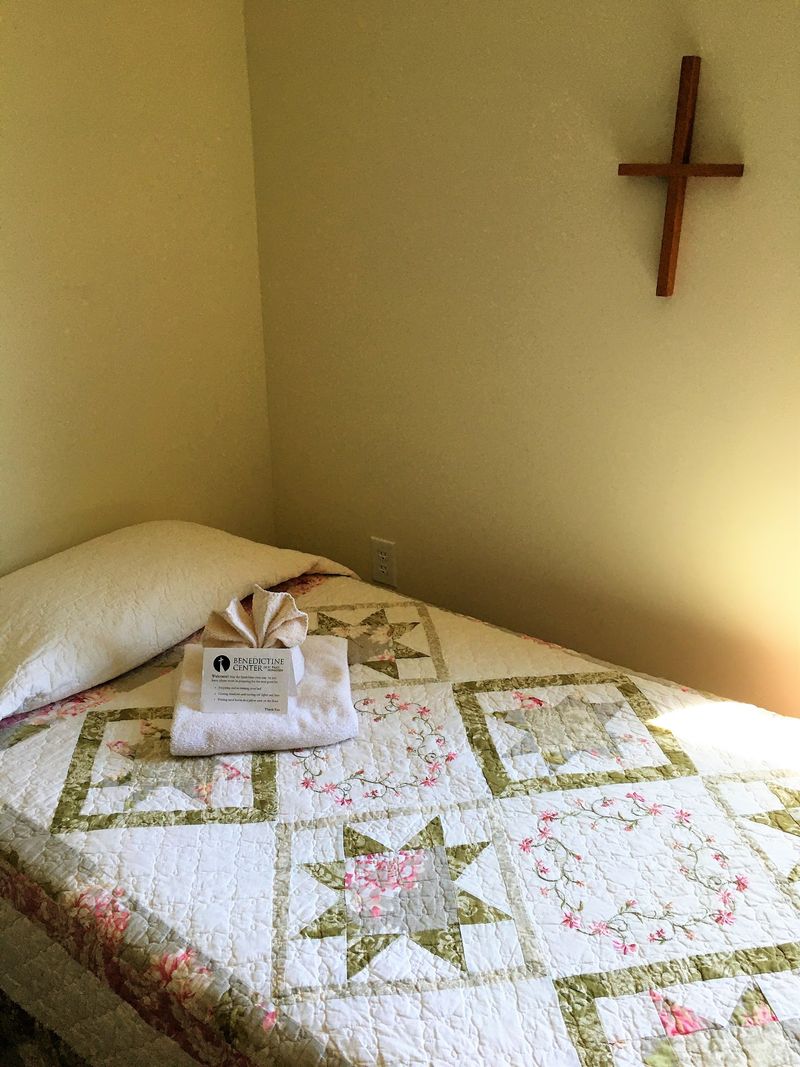
Retreat programs at St. Paul’s Monastery offer structured time away from the demands of everyday life. Whether someone comes for a personal retreat or a directed one, the experience centers on prayer, reflection, and the kind of unhurried quiet that most people rarely encounter in their daily routines.
Accommodations are simple and intentionally so. The rooms are clean and comfortable without being distracting.
There are no televisions or entertainment systems pulling your attention in a dozen different directions. That simplicity is the point, and most visitors find it surprisingly refreshing after the first day.
Meals during a retreat are typically eaten in community, following the monastic rhythm of the day. That structure, which can feel unusual at first, tends to become one of the most valued parts of the experience for people who stick with it through the initial adjustment period.
Prayer as the Heartbeat of Daily Life
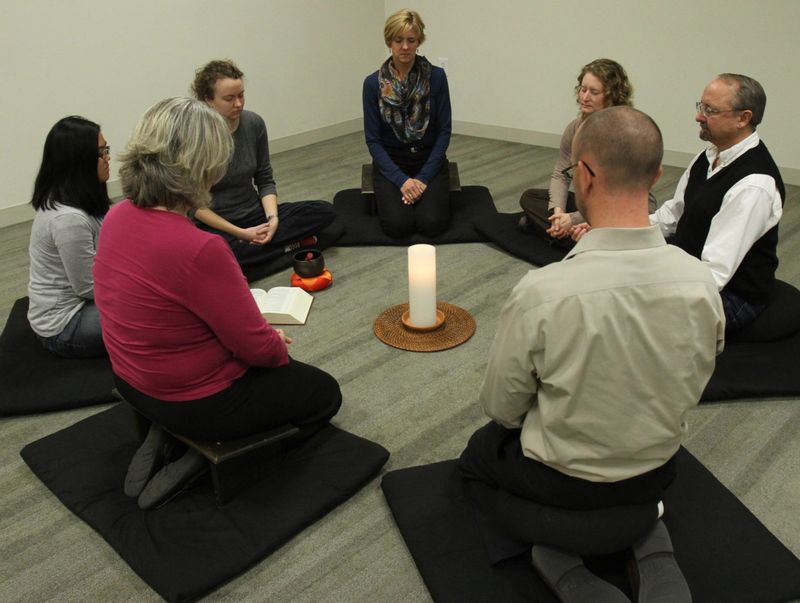
At the center of life at St. Paul’s Monastery is the Liturgy of the Hours, a set of daily prayer times that have structured monastic communities for centuries. Visitors are often invited to join the sisters for these prayer services, which take place at regular intervals throughout the day.
Attending even one of these services can be a surprisingly moving experience, even for visitors who do not consider themselves particularly religious. There is something about communal chanting and structured prayer in a chapel built for exactly that purpose that creates an atmosphere unlike anything most people encounter in ordinary life.
The rhythm of prayer gives the entire day at the monastery a different quality. Time moves differently when it is punctuated by moments of intentional stillness.
Many visitors say that joining the prayer schedule, even partially, is what transforms a visit from pleasant to genuinely meaningful.
Who Comes Here and Why
The people who find their way to St. Paul’s Monastery come from remarkably varied backgrounds. Some are deeply religious and have been coming for years.
Others arrive simply exhausted, searching for a few days of quiet without really knowing what form that quiet should take.
What is consistent across most visitors is the sense that ordinary life has become too loud, too fast, or too demanding. The monastery provides an alternative that does not require you to travel far or spend a lot of money to access something genuinely restorative.
The sisters welcome people regardless of where they are in their spiritual journey. That openness, combined with the natural atmosphere of the place, tends to put even first-time visitors at ease fairly quickly.
People come for rest, for prayer, for clarity, and often for all three at once.
A Location That Surprises Most First-Time Visitors
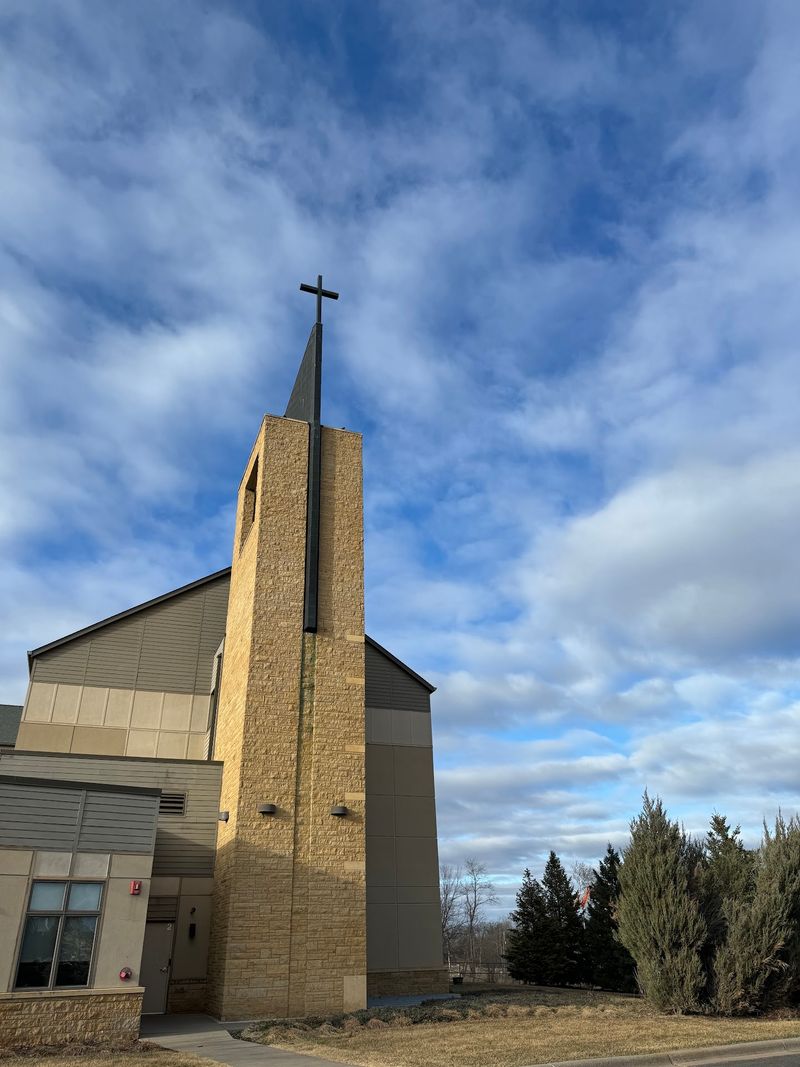
Most people expect a monastery to be tucked away in some remote rural landscape, far from highways and city noise. St. Paul’s Monastery challenges that expectation completely.
It sits within the greater Saint Paul metropolitan area, accessible from the city without a long drive through the countryside.
That proximity to an urban environment makes the contrast even more striking when you arrive. Within minutes of leaving ordinary city streets, you are on grounds that feel genuinely removed from the pace of modern life.
The shift is almost disorienting in the best possible way.
For people who cannot travel far but desperately need a break from their daily environment, this location is a practical and meaningful option. You do not have to fly somewhere exotic to find real stillness.
Sometimes it is closer than you would ever expect, sitting quietly just outside the city.
The Role of Hospitality in the Monastic Mission
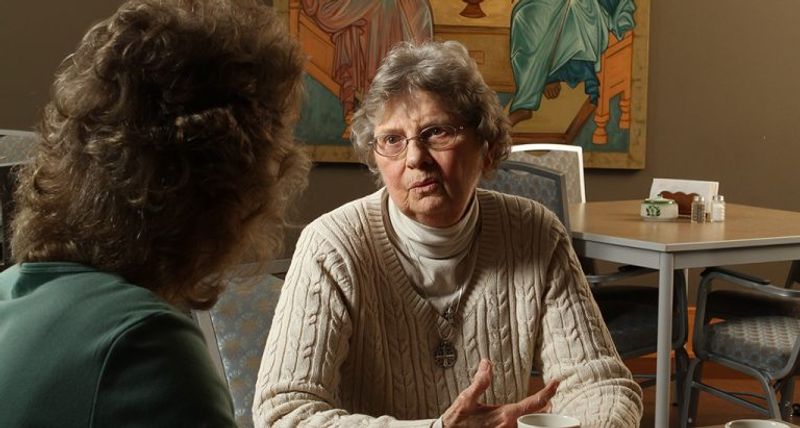
Benedictine hospitality is not a marketing slogan at St. Paul’s Monastery. It is a lived practice rooted in the belief that every guest deserves to be received with genuine care.
The sisters take that seriously in a way that is immediately apparent to anyone who spends time on the grounds.
Visitors consistently describe feeling welcomed without being hovered over, which is a delicate balance that many retreat centers struggle to achieve. There is attentiveness here, but it never tips into intrusiveness.
The sisters seem to understand instinctively what each person needs, whether that is conversation or space.
That quality of hospitality is something people often mention when they talk about why they return. It is not just the beautiful grounds or the chapel or the silence.
It is the feeling of being genuinely received by a community that has made welcoming others a central part of its purpose.
Artwork and Sacred Space Worth Noticing
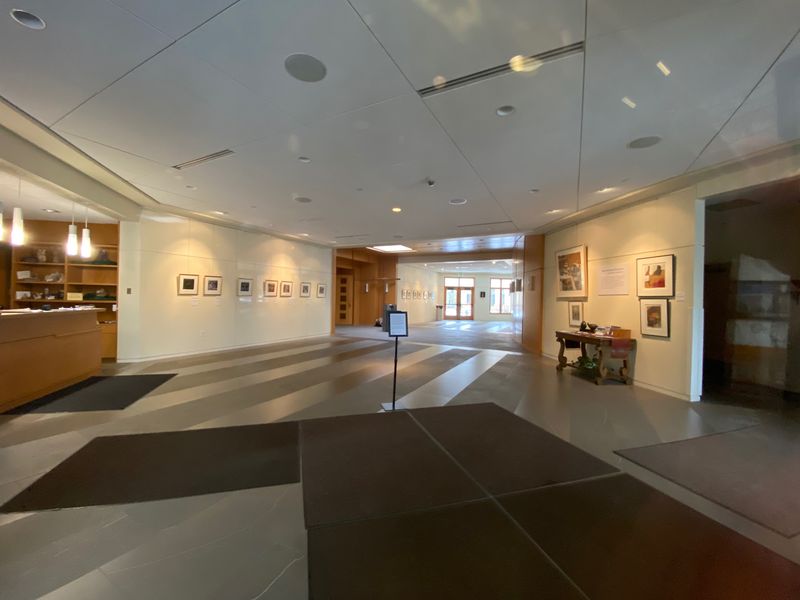
Throughout the buildings at St. Paul’s Monastery, artwork serves a contemplative rather than decorative function. Pieces are placed in ways that invite you to pause and look, rather than simply walk past.
That intentionality is part of what makes moving through the interior spaces feel different from most other buildings.
The art reflects the community’s faith and values without being heavy-handed about it. There is beauty here that speaks quietly rather than shouting for your attention, and that restraint makes it more effective, not less.
Sacred art in a monastic setting carries a different weight than art in a gallery.
Visitors who are drawn to religious art will find genuine rewards in taking time to explore the interior spaces carefully. Even those who do not have a particular interest in religious imagery often find themselves stopping in front of certain pieces longer than they anticipated.
Practical Details for Planning Your Visit
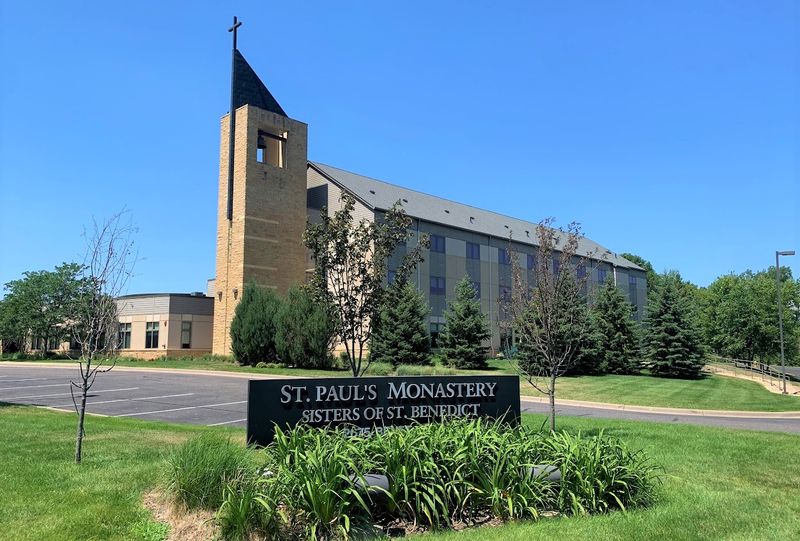
Anyone considering a visit to St. Paul’s Monastery should plan ahead rather than simply showing up. Retreat availability varies, and the community does ask that guests make arrangements in advance through their official channels at stpaulsmonastery.org.
The monastery is located at 2675 Benet Road, and reaching it from central Saint Paul is straightforward. The grounds are accessible without navigating complicated back roads, which makes the logistical side of planning a retreat here relatively simple compared to more remote destinations.
Dress modestly when visiting, as this is an active religious community rather than a tourist site. Respecting the rhythm and space of the sisters who live and pray there is simply part of being a good guest.
Most visitors find that adjusting to those expectations quickly becomes natural, and the effort adds to rather than detracts from the overall experience.
Why People Keep Coming Back
There is a reason the community at St. Paul’s Monastery has built such a loyal following among retreat visitors over the years. The experience changes people in ways that are difficult to explain but easy to feel.
Something about spending even a short time in this environment resets priorities that daily life tends to scramble.
People return because the monastery offers something increasingly rare: a place where you are not expected to produce anything, achieve anything, or perform for anyone. You are simply invited to be present, which sounds simple until you realize how hard that actually is for most people in modern life.
That combination of genuine hospitality, beautiful grounds, structured prayer, and intentional simplicity creates an experience that stays with visitors long after they leave. Many find themselves planning the next visit before they have even finished the drive home from the first one.
Share this story