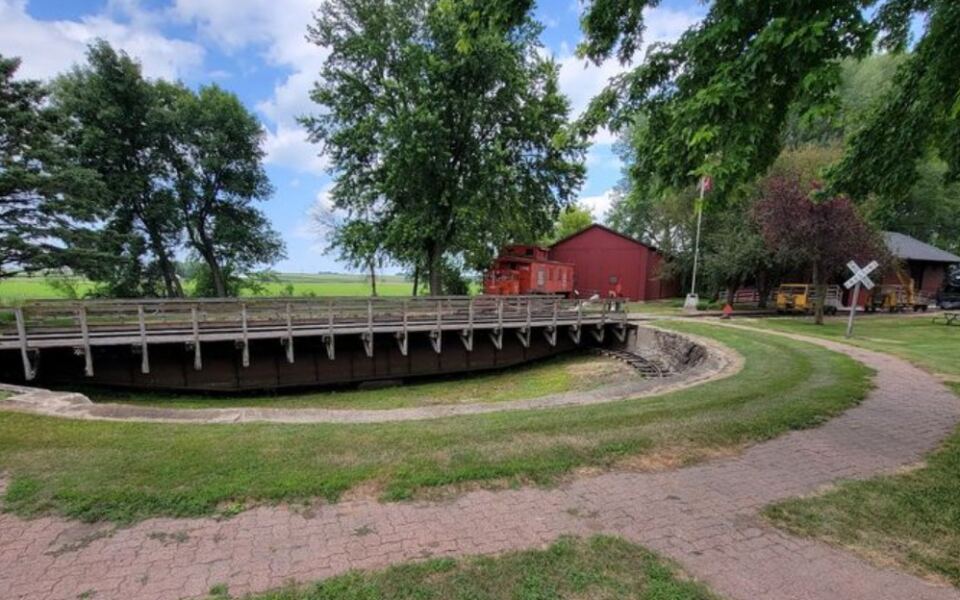
Somewhere on the southwestern Minnesota prairie, a piece of railroad history sits quietly waiting for visitors who are curious enough to find it. A hand-operated turntable built in 1901 still spins today, and you can actually ride on it.
That alone makes this place unlike almost any other railroad museum in the country. The story behind it, and everything else preserved on these grounds, is worth every mile of the drive.
The Last Armstrong Turntable in Minnesota
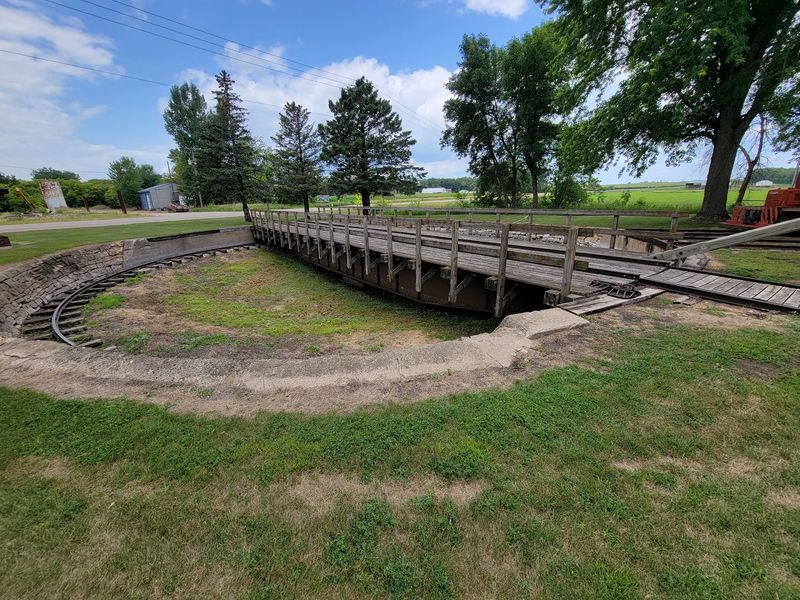
Most museums let you look but not touch. This one lets you climb on and take a spin.
The 1901 Armstrong turntable at End-O-Line Railroad Park and Museum, located at 440 Mill St, Currie, MN 56123, is widely recognized as the last hand-operated turntable of its kind remaining in Minnesota.
The name “Armstrong” is railroad slang for muscle power, meaning workers literally pushed it by hand to rotate locomotives and point them in a new direction. No engine, no electricity, just human effort and clever engineering.
Visitors on guided tours get a short ride on the turntable, which still functions exactly as it did over a century ago. Watching it move is one thing.
Feeling it rotate beneath your feet is something you genuinely do not forget. It is the kind of hands-on history that no amount of reading can fully replace.
What Made Currie the End of the Line
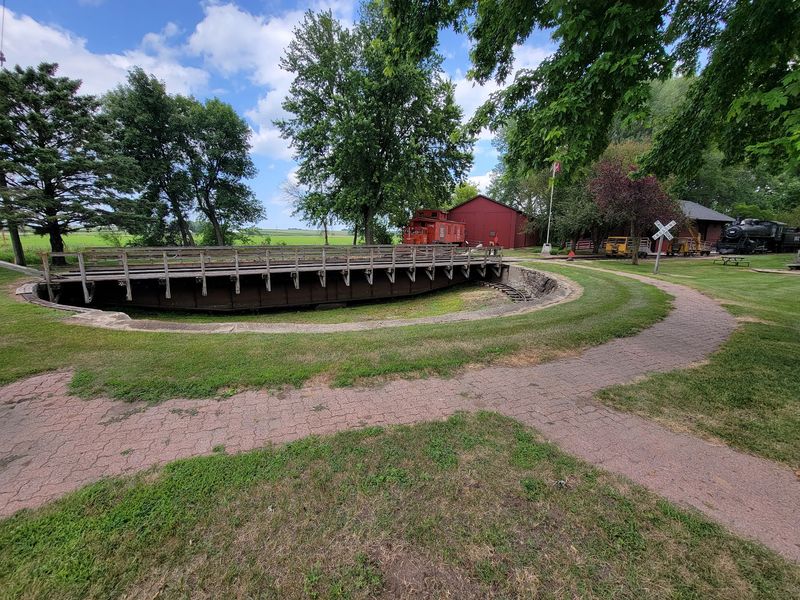
Currie was not always a quiet prairie town. It once sat at the very end of a railroad branch line, which is exactly where the park gets its name.
When a rail line ended, that terminal point was called the end of the line, and Currie was that point for this particular route.
Branch lines were vital connections for small agricultural communities across the Midwest. They carried grain, livestock, supplies, and people to and from larger rail networks.
When those lines stopped running, towns like Currie faced real economic shifts.
Preserving the physical end of that line turned out to be a remarkable decision. The park now tells the story of what railroad culture actually looked like at its most local and practical level.
You get a sense of how deeply the railroad shaped everyday life in communities that most travelers today drive right past without a second thought.
The Preserved Depot That Feels Frozen in Time
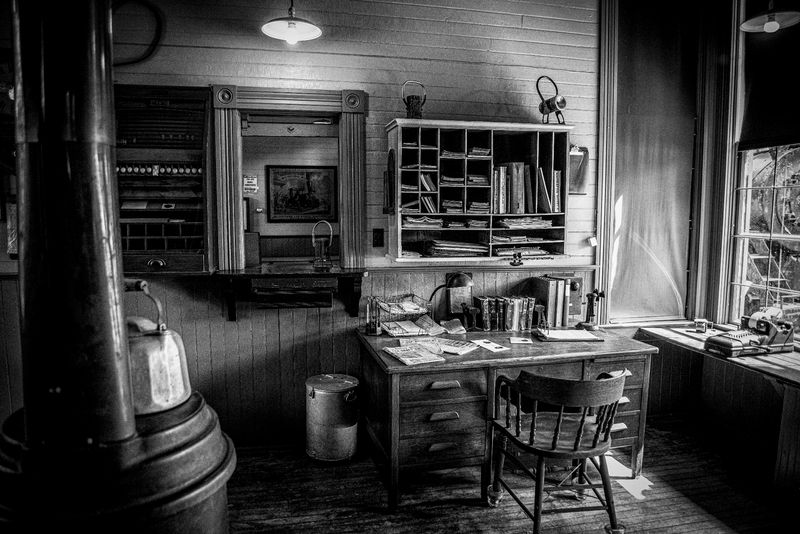
Walking into the original train station here feels less like visiting a museum and more like stepping into a working depot from a hundred years ago. The building has been maintained with serious care, and the interior details give you a real sense of what daily operations looked like for station agents and travelers alike.
Original fixtures, period-appropriate furnishings, and preserved woodwork make this one of the more convincing historic depots you will find anywhere in the upper Midwest. Nothing about it feels staged or overly polished.
The depot served as the nerve center of the entire rail operation at this end of the line. Tickets were sold here, freight was logged, and schedules were coordinated.
Seeing it intact helps connect the turntable and the surrounding equipment to an actual human story rather than just a collection of old machinery sitting in a field.
Riding Inside a Real Caboose
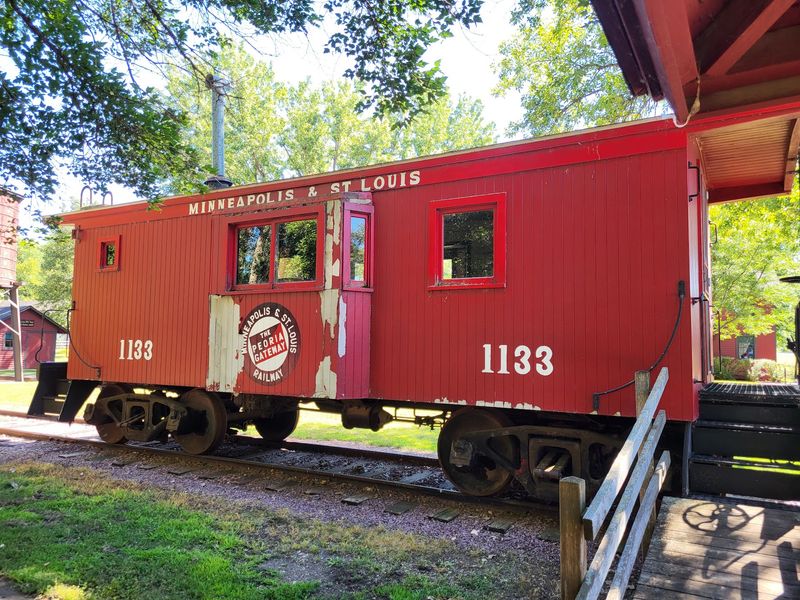
There is something genuinely fun about climbing into a caboose and understanding what life was like for the crew members who lived and worked inside one. The caboose at End-O-Line is not roped off or kept behind glass.
You can get inside and look around.
Guided tours walk visitors through the specific roles that caboose workers played, from monitoring the rear of the train to maintaining logs and watching for mechanical problems on the cars ahead. It was a job that required both alertness and patience in equal measure.
For kids especially, the caboose tends to be a highlight. There is something about the compact, purposeful layout of the interior that sparks curiosity.
Every shelf, hook, and compartment had a reason for being exactly where it was. That kind of practical design tells its own story without needing a single label on the wall.
The Engine House and Maintenance Shed
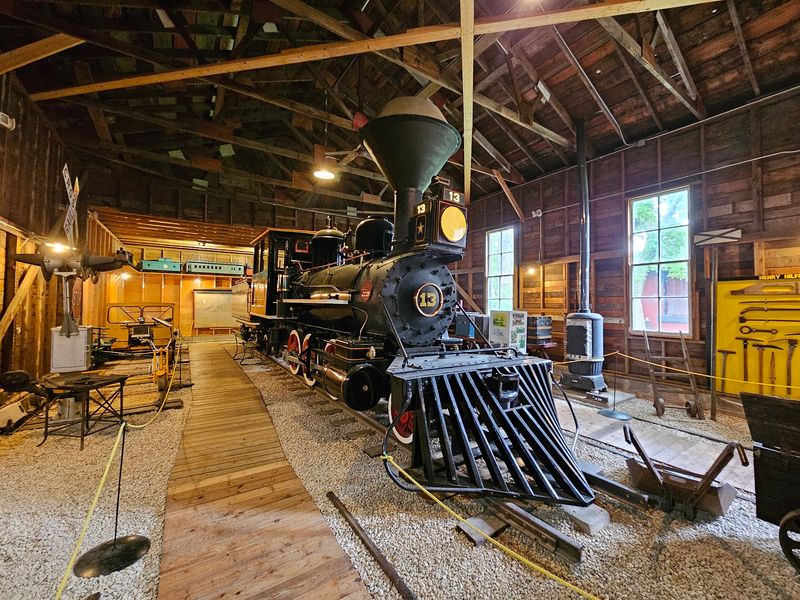
The maintenance shed at End-O-Line gives visitors a look at the less glamorous but absolutely essential side of railroad operations. Locomotives required constant attention, and the engine house was where that work happened.
Seeing the tools and equipment up close makes it easy to appreciate how labor-intensive early rail travel actually was.
Walking through the shed feels different from the depot or the caboose. The scale of the machinery is a reminder that running a railroad was industrial work, not just transportation.
These were serious pieces of equipment that demanded skilled tradespeople to keep them running safely.
The layout of the shed has been thoughtfully preserved to show how a working maintenance facility would have been organized. Visitors who take the time to explore it carefully tend to come away with a much fuller picture of what the entire rail operation required on a day-to-day basis beyond simply moving trains from one place to another.
The Murray County Courthouse Story
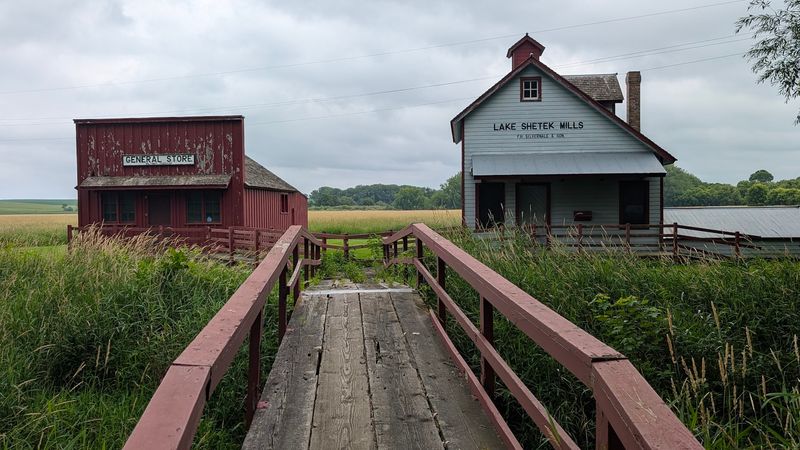
Few visitors expect a courthouse story when they show up to a railroad park, but this one is genuinely worth knowing. Currie was once the seat of Murray County, and the history surrounding that designation involves a rivalry between towns that is both entertaining and illuminating.
The county seat competition was a common drama across Minnesota and the broader Midwest during the settlement era. Towns competed fiercely for government offices because having the courthouse meant economic stability and political influence.
Currie was caught up in that competition in ways that shaped its long-term trajectory.
The exhibit covering this history adds real depth to the visit. It connects the railroad to local politics in a way that makes both subjects more interesting.
When you understand that the railroad’s arrival or departure could literally determine which town survived and which one faded, the whole landscape around you starts to look very different.
Guided Tours Versus Self-Guided Exploration
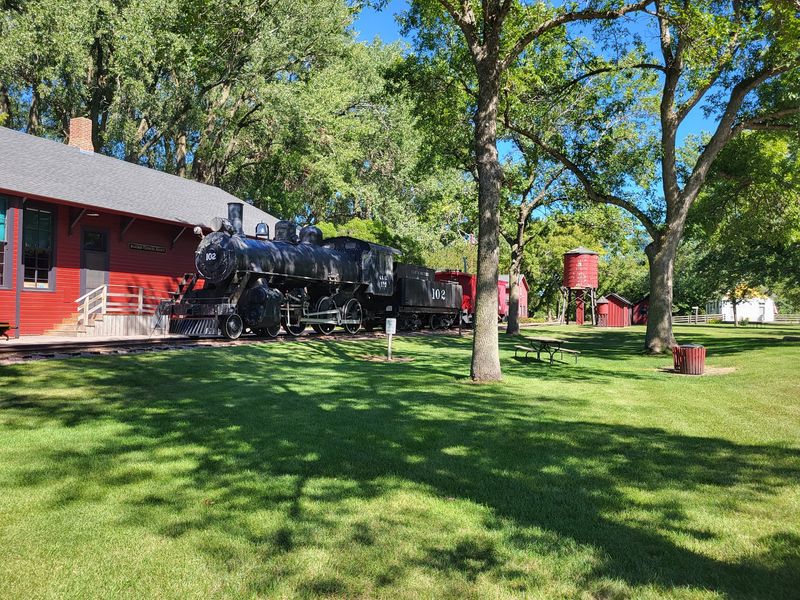
End-O-Line gives visitors a choice, and it is worth thinking about before you arrive. Self-guided tours let you move at your own pace and linger wherever you want.
Guided tours add a layer of context and storytelling that you simply cannot get from reading a placard on the wall.
The turntable ride, for example, is part of the guided tour experience. So is the detailed explanation of how the caboose crew operated and what the depot agent’s daily responsibilities looked like.
That kind of narrated context turns interesting objects into a connected, living story.
For families with kids or anyone visiting for the first time, the guided tour is the stronger choice. The extra time investment is modest, and the payoff in understanding is significant.
Those who have done both options tend to say the guided version made them appreciate the self-guided portion even more when they went back to explore on their own afterward.
What the Prairie Setting Adds to the Experience
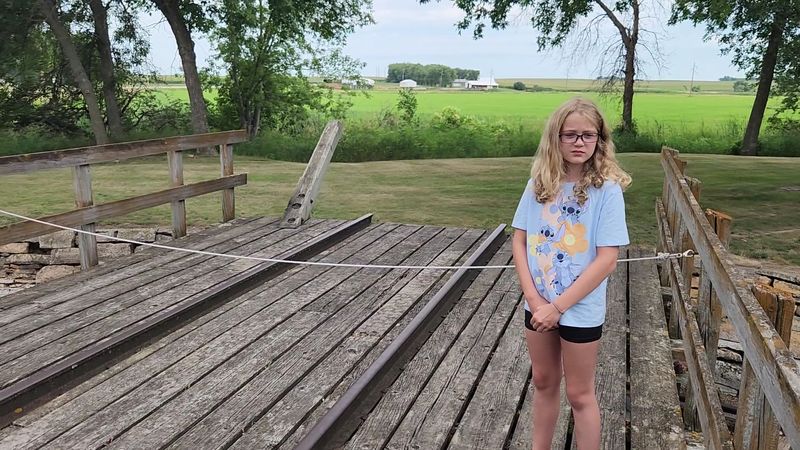
The location of this park is part of what makes it feel authentic. Southwestern Minnesota prairie stretches out in every direction, and the flatness of the landscape gives you a real sense of why the railroad mattered so much out here.
There were no mountains or rivers to follow. The railroad was the lifeline.
Standing near the turntable and looking out across open land, it becomes easy to understand the isolation that early settlers and railroad workers experienced. The park does not try to recreate that feeling artificially.
The setting does the work on its own.
That kind of environmental context is something indoor museums simply cannot provide. The wind, the sky, and the scale of the surrounding landscape are all part of the story.
Visiting on a clear day when the horizon seems to go on forever makes the whole experience feel more grounded and more honest than any exhibit inside a climate-controlled building could manage.
Railroad Artifacts and Period Equipment on Display
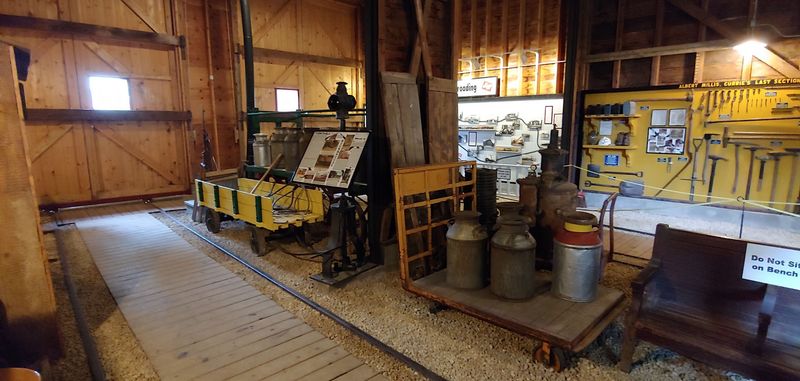
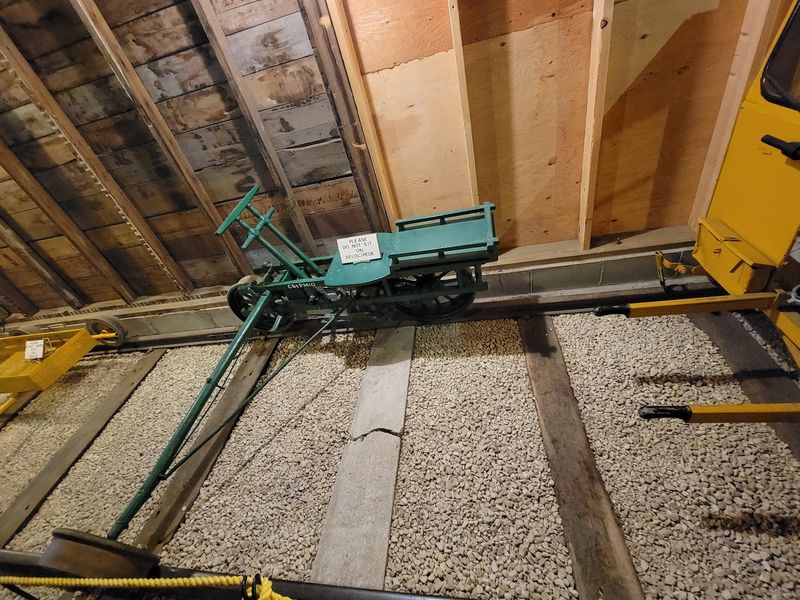
Beyond the big centerpiece items like the turntable and the caboose, End-O-Line holds a solid collection of smaller railroad artifacts that reward careful attention. Tools, signage, operating equipment, and period objects fill the various buildings and give texture to the larger story being told across the grounds.
Some of the most interesting pieces are the ones that show how ordinary the railroad was for the people who worked on it. These were not exotic machines to them.
They were the tools of a daily job, worn smooth by regular use and maintained out of practical necessity rather than reverence.
Seeing that everyday quality in the artifacts is oddly moving. It shifts the experience from admiring old things to genuinely connecting with the people who used them.
That human dimension is what separates a well-curated collection from a simple pile of antiques, and End-O-Line consistently lands on the right side of that line.
A Family-Friendly Stop That Works for All Ages
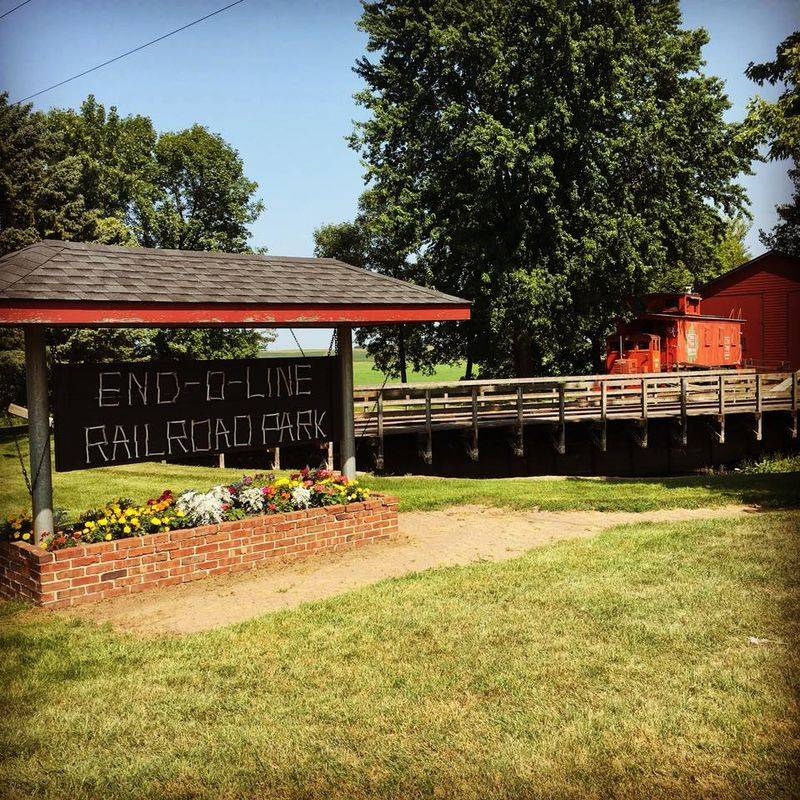
Not every history museum manages to hold the attention of a ten-year-old and a sixty-year-old at the same time. End-O-Line pulls it off fairly consistently.
The combination of things you can touch, ride, and walk through creates an active experience rather than a passive one.
Kids respond especially well to the caboose and the turntable, both of which have a physical quality that makes history feel real rather than distant. Adults tend to gravitate toward the depot details and the artifact collections.
The grounds are open enough that different members of a group can explore at their own pace without losing each other.
The park is also compact enough that it does not overwhelm younger visitors. A visit can be as short as an hour or as long as an afternoon depending on how deeply you want to explore.
That flexibility makes it a practical stop for families traveling through the region with varying levels of railroad enthusiasm.
The Gift Shop and What to Bring Home
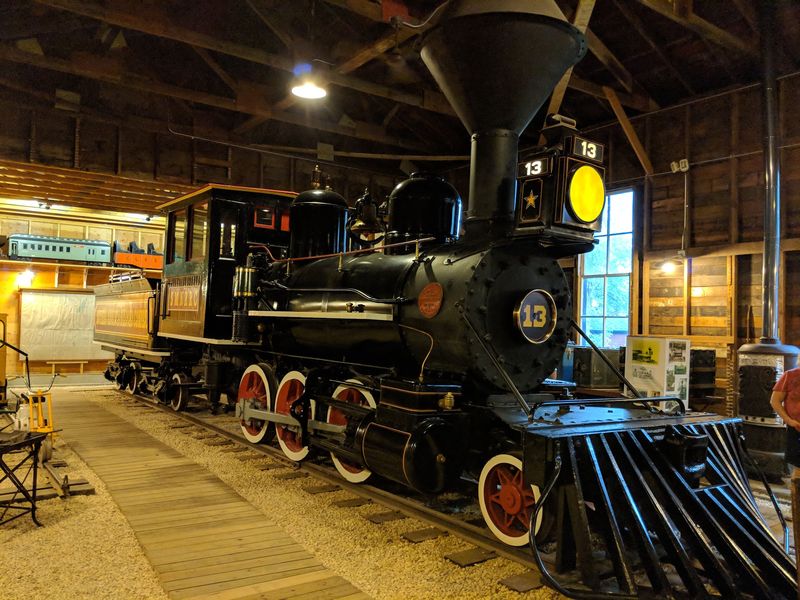
A good gift shop in a history museum is one that feels connected to the place rather than generic. End-O-Line keeps things focused on railroad history and local heritage, which means the items you find there tend to have some actual meaning rather than just being trinkets with a logo stamped on them.
Books on regional railroad history, postcards, and small memorabilia items make for solid souvenirs that hold up better than a refrigerator magnet once you get home. If you are traveling with kids, picking out something from the shop tends to extend the conversation about what they saw long after the drive home begins.
The shop is modest in size, which keeps the selection curated rather than overwhelming. That restraint is actually a strength.
You are not sorting through hundreds of options. You are choosing from things that were selected because they genuinely connect to the experience you just had on the grounds outside.
Visiting Hours and When to Plan Your Trip
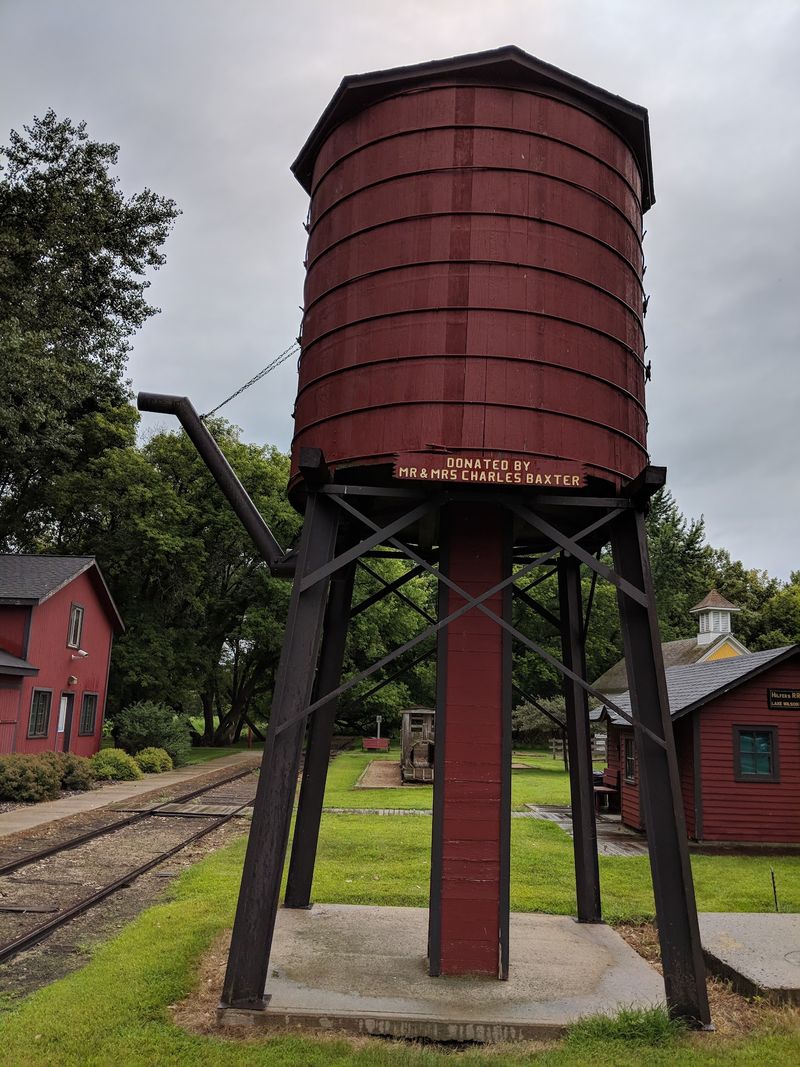
End-O-Line is open Wednesday through Sunday from 10 AM to 5 PM, and it is closed on Mondays and Tuesdays. Planning around those hours matters, especially if you are making a longer drive from the Twin Cities or from South Dakota.
Summer and early fall tend to offer the most pleasant conditions for exploring the outdoor portions of the park. The grounds include several buildings spread across open space, so weather does play a role in how comfortable and unhurried the experience feels.
A calm, sunny day makes a real difference when you are spending time outside near the turntable and walking between structures.
Arriving closer to opening time on a weekday gives you the best chance of a quieter, more personal experience. Weekend visits can be livelier, which works well for families.
Either way, building in at least two hours ensures you have enough time to take the guided tour and still explore on your own afterward.
How This Park Compares to Other Midwest Railroad Museums
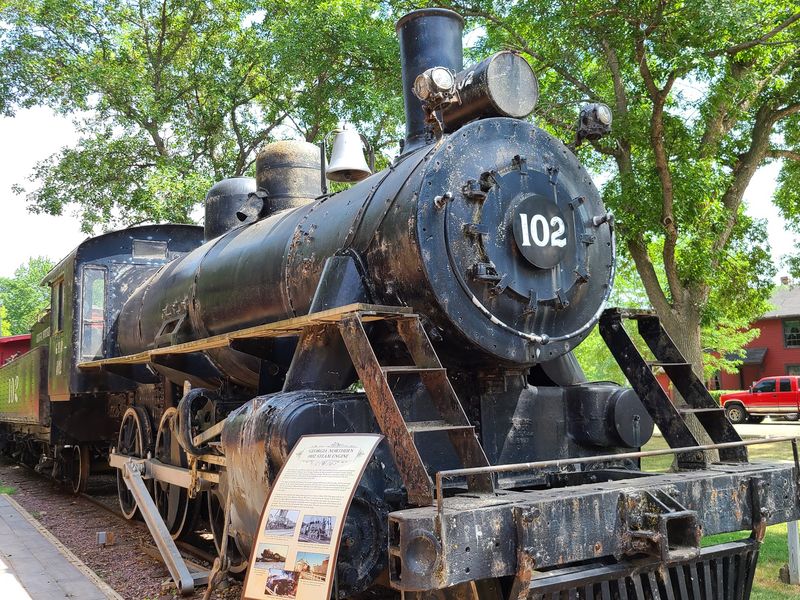
Railroad museums are not rare in the Midwest. What makes End-O-Line stand out from the larger, better-funded options is its specificity.
This is not a general survey of American railroad history. It is the story of one branch line, one terminal town, and the community that built up around both.
That focused scope makes the experience feel more personal and more grounded than a sprawling museum with locomotives from a dozen different eras and regions. Every object here belongs to this place and this story.
That coherence is harder to achieve than it sounds, and End-O-Line carries it off with genuine authenticity.
The Armstrong turntable alone would justify a detour for serious rail enthusiasts. But the surrounding context, the depot, the relocated buildings, the caboose, and the prairie setting, elevates the whole visit into something that rewards curiosity even from people who have never given railroads much thought before arriving.
Making the Most of a Visit to Currie
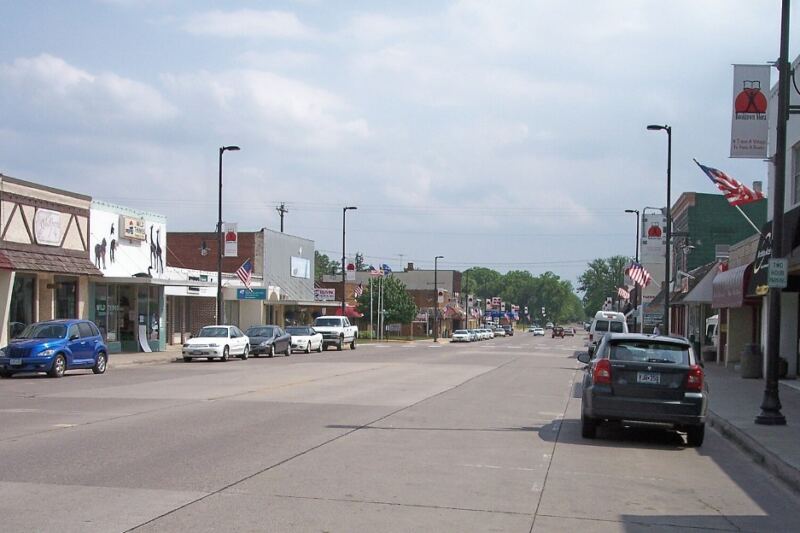
Currie itself is a small, quiet town, and that is part of its appeal. There is no traffic, no noise, and no rush.
The pace slows down the moment you turn off the highway, which puts you in exactly the right frame of mind for exploring a museum dedicated to a slower era of travel and commerce.
Lake Shetek State Park is nearby and makes for a natural companion to the museum visit. The lake and surrounding parkland offer a complete change of scenery after spending time among historic buildings and rail equipment.
Bringing a picnic to enjoy between stops makes the outing feel like a full day rather than just a quick errand.
The combination of railroad history and natural landscape in the same afternoon is genuinely satisfying. End-O-Line gives you something to think about, and the surrounding countryside gives you space to think it over.
That balance is harder to find than most travelers realize until they stumble into it.
Share this story