There is a small town on the Minnesota prairie where the stories you read as a child suddenly feel completely real. The flat, windswept land stretches out in every direction, the sky goes on forever, and somewhere beneath your feet, the actual creek where a little girl once played still runs through the soil.
Laura Ingalls Wilder did not just write about this place. She lived here, and the town has preserved that connection with remarkable care.
Walnut Grove, Minnesota draws visitors from across the country who want to stand on the same ground where one of America’s most beloved authors spent part of her childhood. What surprises most people is how much of that world still survives, not just in books or museums, but in the landscape itself.
The Town That Laura Ingalls Wilder Called Home
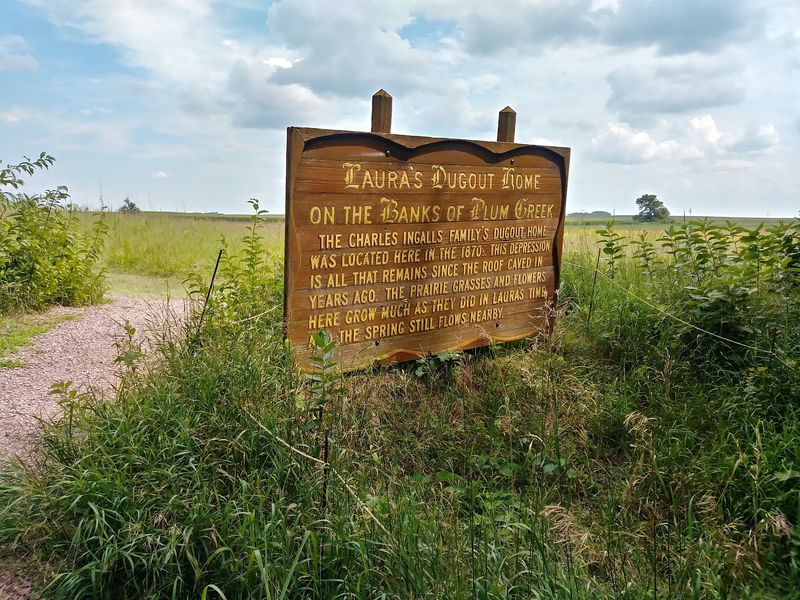
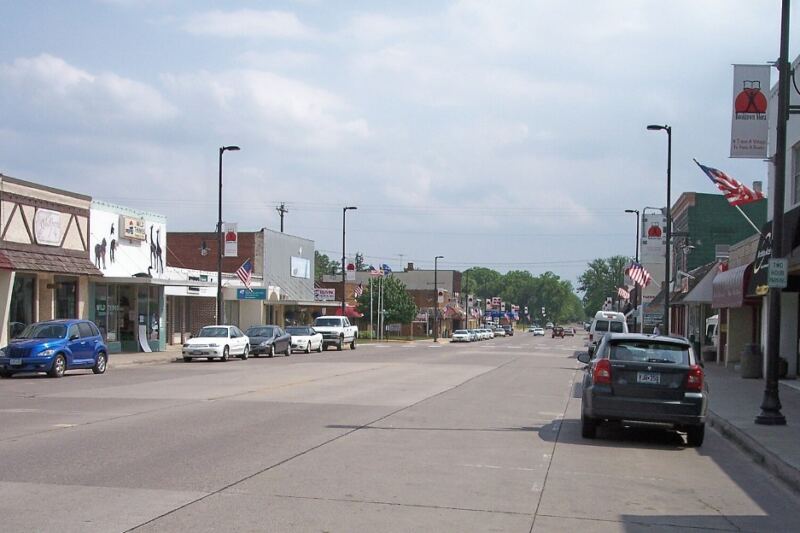
Most people know Walnut Grove from the television show, but the real story runs much deeper than any screen adaptation. Walnut Grove is a small city in Redwood County, Minnesota, sitting on the southwestern Minnesota prairie with a population that hovered around 751 at the 2020 census.
Laura Ingalls Wilder and her family arrived here in the early 1870s, settling along Plum Creek. Her experiences in this town directly inspired “On the Banks of Plum Creek,” the fourth book in her beloved Little House series.
The town itself is modest and quiet, the kind of place where the horizon feels close enough to touch. What makes it remarkable is not its size but its commitment to keeping Wilder’s memory alive in ways that feel genuine rather than commercial.
Walking its streets, you sense the history underfoot.
Plum Creek: The Real Waterway Behind the Story
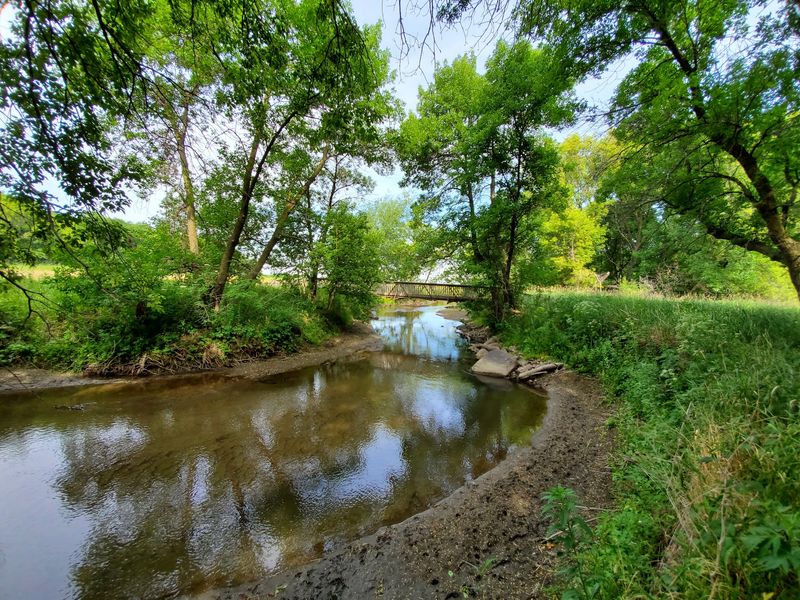
Plum Creek is the kind of place that makes a book suddenly feel three-dimensional. The creek runs just outside of town, winding quietly through the prairie grass the same way it did when a young Laura Ingalls splashed along its banks in the 1870s.
The Ingalls family dugout home was built into the bank of this creek, a detail that sounds almost impossible until you actually see the landscape and realize how naturally the earth slopes down toward the water. The site where the dugout once stood is accessible to visitors, and standing there with the creek murmuring nearby is a genuinely moving experience.
The land around Plum Creek remains largely open and uncluttered, which helps visitors picture life as the Ingalls family knew it. The creek is shallow, clear, and completely unhurried, much like the pace of the town itself.
The Laura Ingalls Wilder Museum and What It Holds
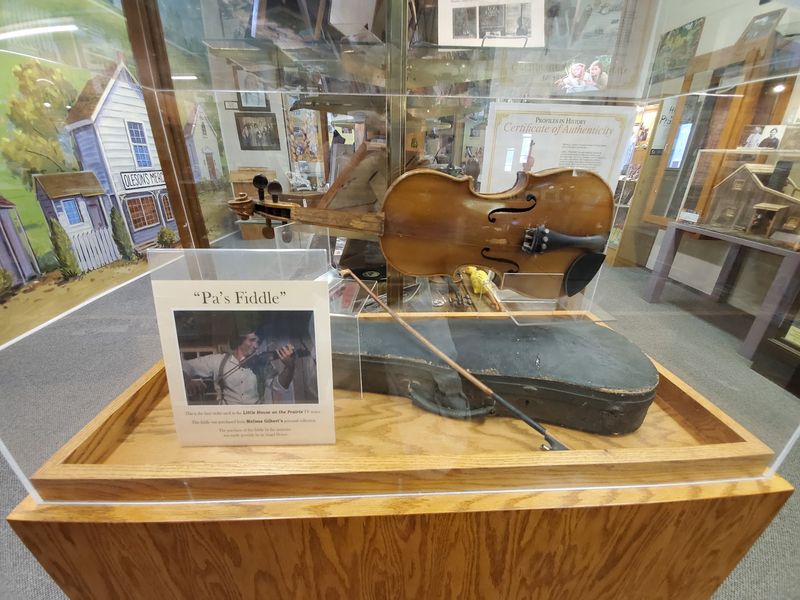
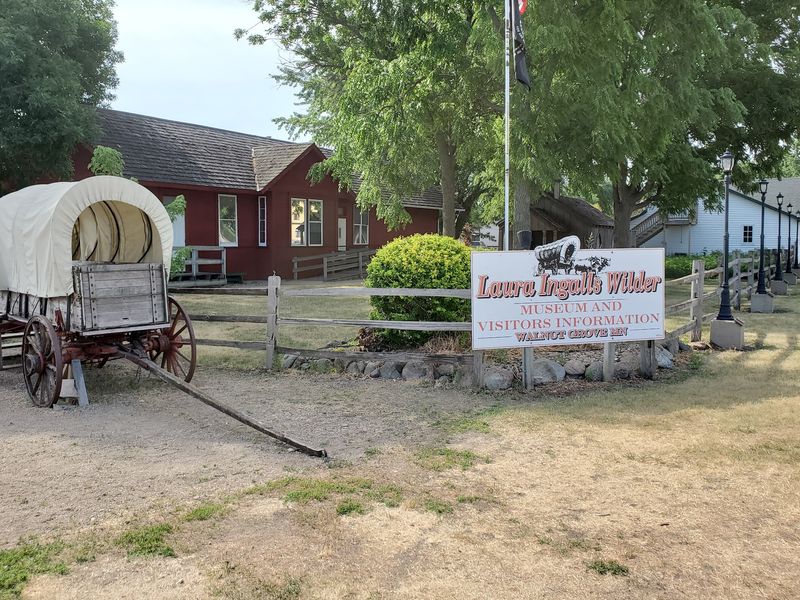
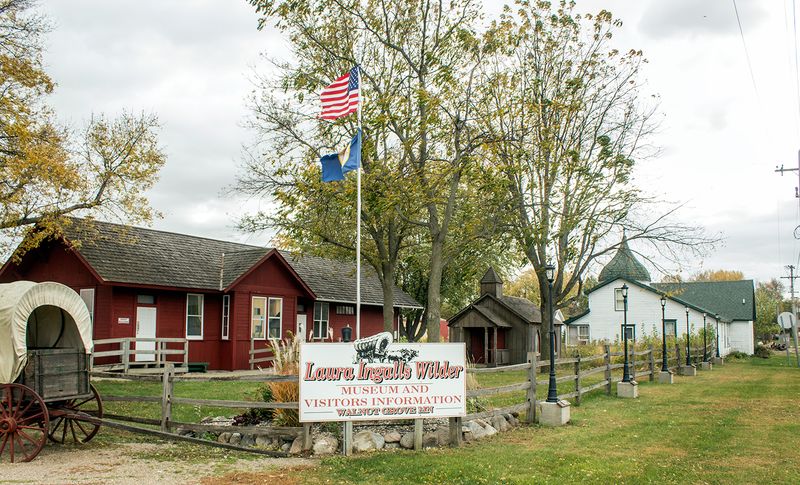
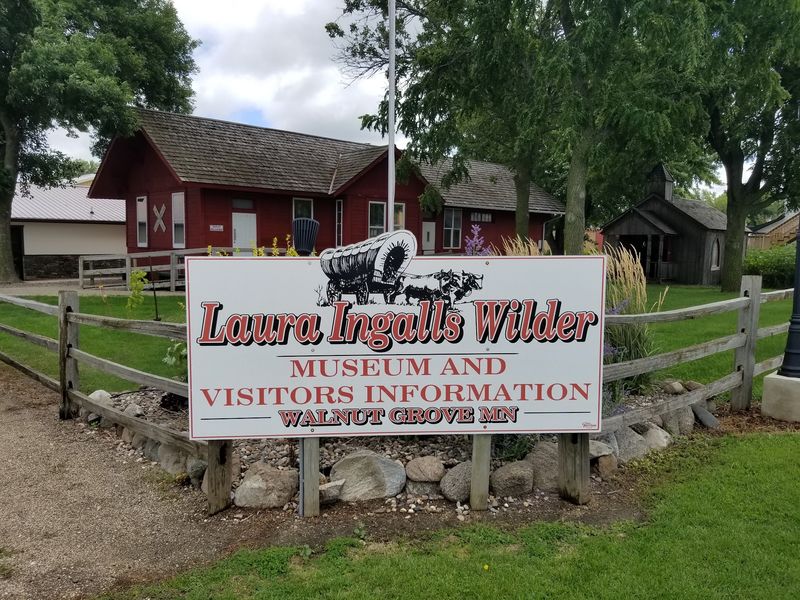
The Laura Ingalls Wilder Museum on Highway 14 in Walnut Grove is the cultural heart of the entire town. The museum complex includes several buildings that together tell the story of the Ingalls family’s time in Minnesota, as well as the broader history of pioneer settlement on the prairie.
Inside, visitors find a thoughtful collection of artifacts, period items, and exhibits that connect directly to the Little House books. The displays do not feel dusty or forgotten.
They feel curated by people who genuinely care about accuracy and storytelling.
One of the most meaningful parts of the museum is its focus on the real Laura rather than the television character. The exhibits trace her actual life, her family’s hardships, and the specific details that made Walnut Grove so central to her writing.
Plan to spend at least an hour here because there is more to absorb than a quick walk-through allows.
The Dugout Site and What Remains There Today
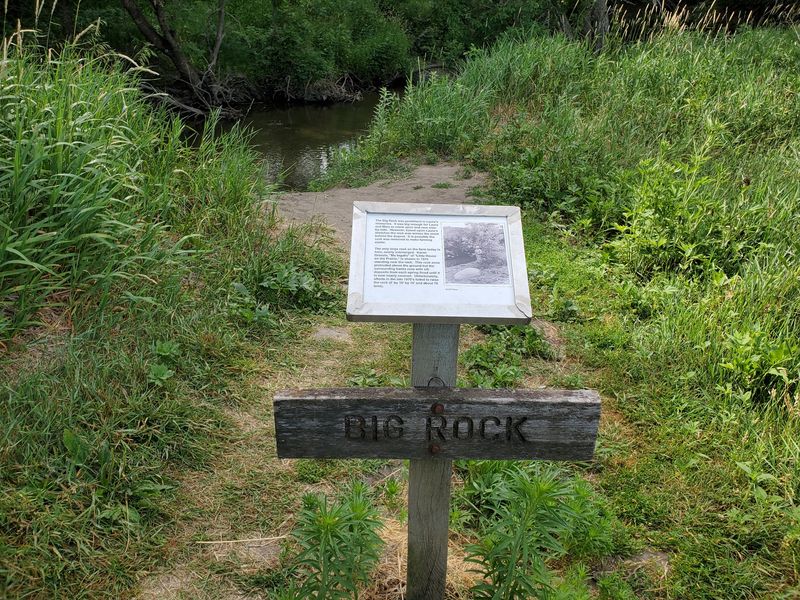
The dugout home where the Ingalls family lived along Plum Creek no longer stands, but the site itself carries a quiet power that surprises most visitors. The depression in the earth where the home once sat is still faintly visible, and the creek still moves past it with the same easy current it had 150 years ago.
Reaching the site requires a short walk across open land, which actually adds to the experience. The prairie opens up around you, the wind picks up, and suddenly the pages of “On the Banks of Plum Creek” start replaying in your mind with new clarity.
Interpretive signage at the site gives context without overwhelming the natural atmosphere. This is not a reconstructed attraction with roped-off displays.
It is simply the actual ground where a real family built their home, and that authenticity makes it one of the most affecting stops in all of Walnut Grove.
Pageant Season and the Annual Wilder Celebration
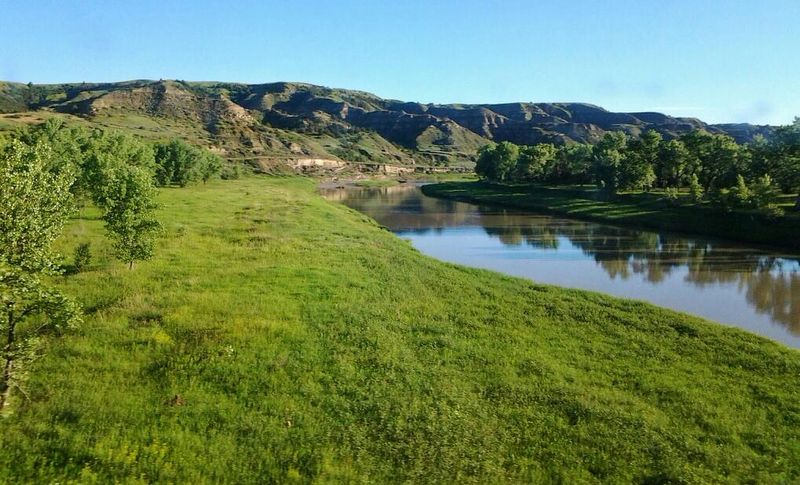
Every summer, Walnut Grove hosts the Laura Ingalls Wilder Pageant, an outdoor theatrical production that has been running for decades and draws visitors from remarkably far away. The pageant takes place at an outdoor amphitheater just outside of town, performed under an open Minnesota sky as the sun sets over the prairie.
The production dramatizes episodes from Wilder’s life and books, bringing the characters and stories to life with a community energy that no museum exhibit can fully replicate. Local residents participate alongside traveling performers, giving the event a warmth that feels personal rather than polished.
Attending the pageant is one of the most memorable ways to experience Walnut Grove, particularly for families who have read the books together. The combination of the outdoor setting, the prairie backdrop, and the familiar story creates something that sticks with visitors long after they drive home.
Check schedules before visiting since the pageant runs only during specific summer weeks.
The Wilder Tombstone and the Surveyors’ House Connection
One detail that many visitors overlook is the cemetery connection tied to the Ingalls family’s time in Walnut Grove. The family endured real loss during their years on the Minnesota prairie, including the passing of their infant son Charles Frederick Ingalls, known as Freddie, who is buried in the Walnut Grove area.
The grave is a sobering reminder that the Little House stories, as warm and adventurous as they feel, were rooted in genuine hardship. Wilder wrote honestly about grief and struggle, and seeing that connection made tangible in a small cemetery adds a layer of emotional depth to the visit.
The local museum staff can point visitors toward the relevant historical sites connected to the family’s losses. These quieter stops tend to resonate most with adult readers who grew up with the books and now revisit them with a fuller understanding of what pioneer life actually demanded from ordinary families.
The Grasshopper Plague and a Chapter of Real History
One of the most dramatic chapters in Walnut Grove’s history has nothing to do with television or tourism. In the mid-1870s, the region was devastated by massive grasshopper swarms that destroyed crops across southwestern Minnesota, wiping out entire harvests and pushing many settler families toward financial ruin.
The Ingalls family lived through this catastrophe firsthand, and Wilder described it vividly in her books. The plague was real, widespread, and historically documented, affecting thousands of settlers across the Minnesota prairie during those years.
Walnut Grove’s museum addresses this episode with honesty, helping visitors understand how fragile pioneer life truly was. The grasshopper plague is not a minor footnote.
It shaped the trajectory of the Ingalls family’s time in Minnesota and ultimately contributed to their decision to leave the area. Understanding this history makes the books land differently, with more weight and more respect for what those families endured.
The Little House Television Show and Its Complicated Legacy
Many visitors arrive in Walnut Grove expecting to find the world from the television show, and they quickly discover that the real town and the filmed version have some meaningful differences. The NBC series “Little House on the Prairie” aired from 1974 to 1983 and was actually filmed in California, not Minnesota.
The show used Walnut Grove as its setting name and drew from Wilder’s books, but it took considerable creative liberties. The town in the show was larger, more dramatic, and more conveniently arranged for television storytelling than the actual historical settlement ever was.
That gap between the show and reality is something the Walnut Grove museum addresses openly. Rather than leaning entirely on television nostalgia, the town emphasizes the authentic literary and historical connection to Wilder’s actual writing.
Visitors who come expecting a television set leave with something more interesting: the real story, which turns out to be more compelling anyway.
The Prairie Landscape That Shaped Wilder’s Writing
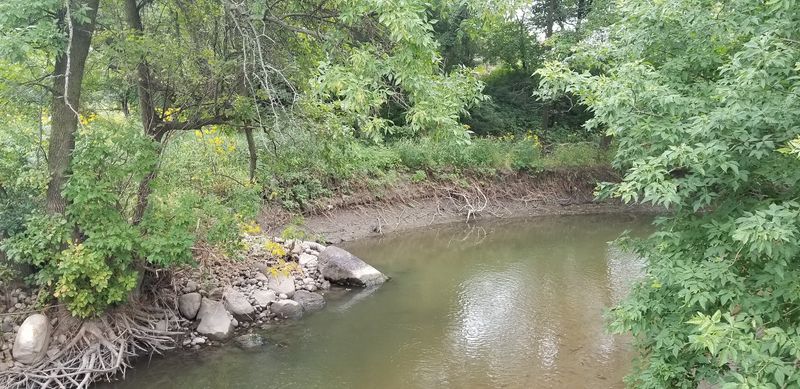
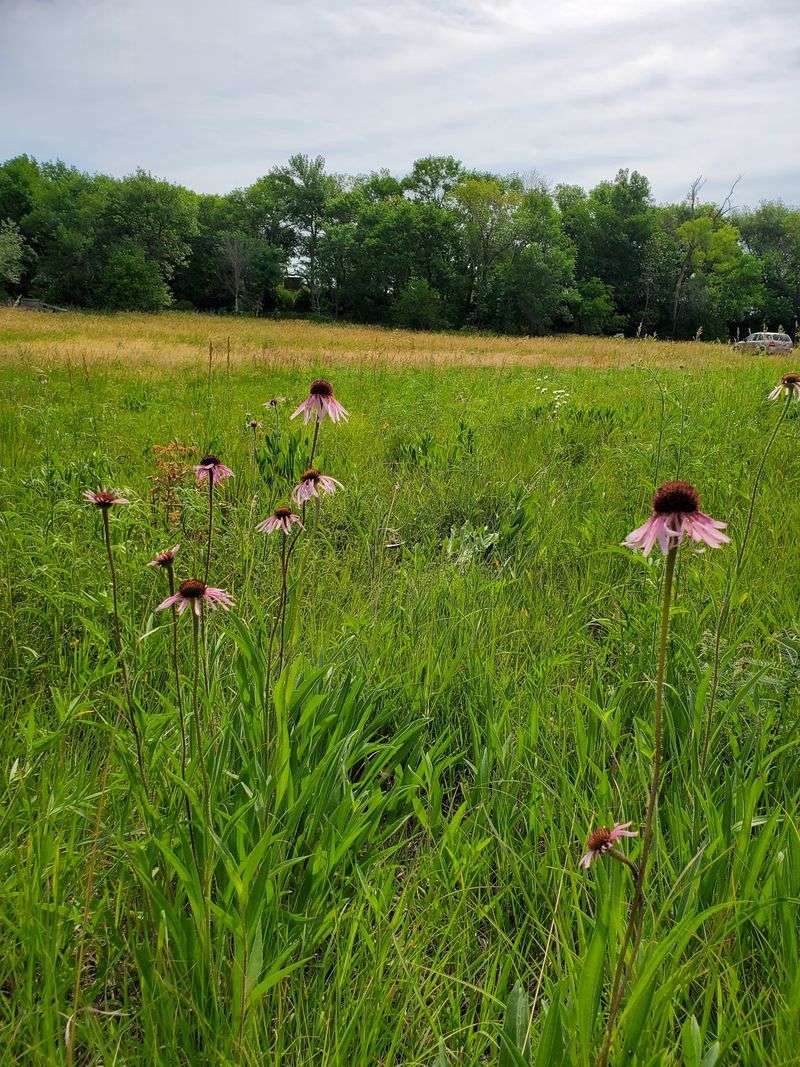
The landscape around Walnut Grove is not dramatic in the way that mountains or coastlines are dramatic. Its power is quieter and more gradual.
The flatness is almost disorienting at first, and then it becomes beautiful in a way that takes a few minutes to settle in.
This is exactly the terrain that shaped Wilder’s descriptive writing. Her ability to find beauty and meaning in open space, in the sound of wind through grass, in the way light changes across a flat field, came directly from her years on this prairie.
Reading her descriptions after visiting the area makes the writing feel newly precise.
Driving the roads around Walnut Grove on a clear day, with the sky enormous overhead and the fields running straight to the horizon, is an experience that connects you to the books more effectively than any exhibit. The land itself is the most authentic artifact that Walnut Grove has to offer visitors.
Visiting the Museum Complex: What to Expect on Arrival
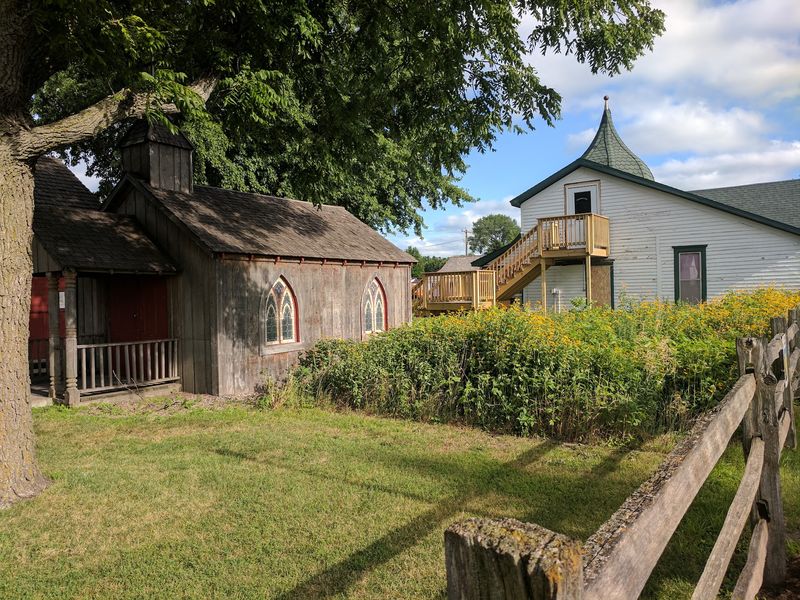
The museum complex in Walnut Grove includes more than a single building, which surprises many first-time visitors. The grounds include multiple structures that represent different aspects of pioneer-era life, giving the visit a broader historical context beyond just the Ingalls family story.
There is a church, a covered wagon display, and other period structures that help illustrate what daily life looked like for settlers in this part of Minnesota during the 1870s and 1880s. The overall layout encourages visitors to move between buildings at their own pace rather than following a rigid tour route.
The museum is genuinely family-friendly, with enough visual interest to hold younger visitors’ attention while offering enough historical depth to satisfy adults who arrive with serious interest in Wilder’s life and writing. Budget at least 90 minutes for the full complex, more if you tend to read every sign and linger over photographs.
The Town’s Connection to the Real Ingalls Family Timeline
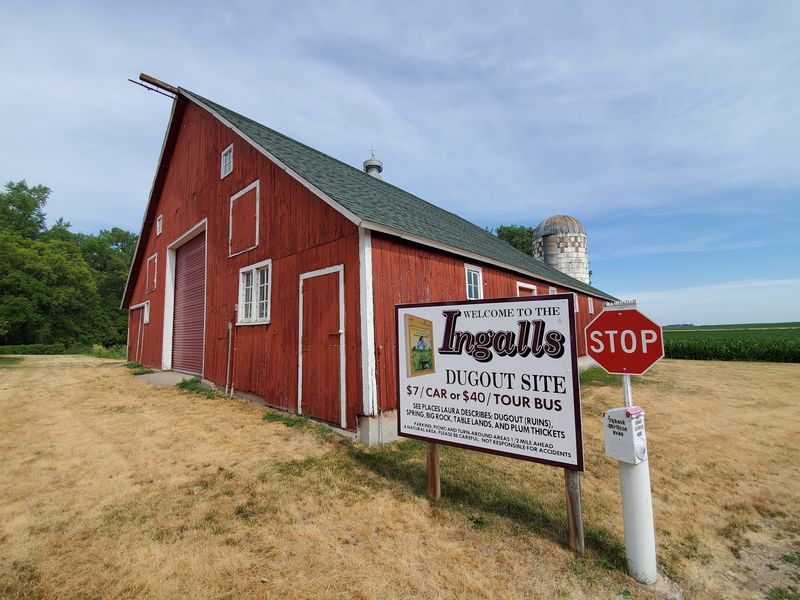
The Ingalls family did not spend their entire lives in Walnut Grove, and understanding the timeline of their movements helps visitors make better sense of the town’s place in Wilder’s broader story. The family arrived in the area around 1874 and stayed for several years before eventually moving on to other locations further west.
During their time near Walnut Grove, Charles Ingalls worked various jobs and the family lived both in the dugout along Plum Creek and later in a more conventional home in town. These different phases of their Minnesota years are documented in the museum’s exhibits with care and accuracy.
Wilder was a young child during most of the Walnut Grove years, which means the memories she later drew on for her books were childhood impressions filtered through an adult writer’s perspective. That combination of lived experience and literary craft is what makes the books feel both specific and timeless.
What the Surrounding Area Offers Beyond the Museum
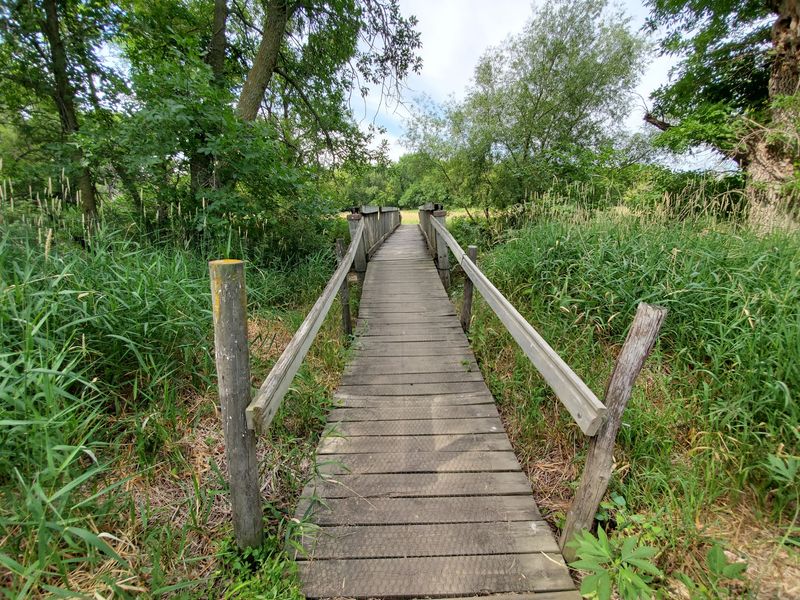
Walnut Grove sits within a broader region of southwestern Minnesota that rewards visitors who take time to explore beyond the town limits. The surrounding Redwood County landscape is quintessential Minnesota prairie, with agricultural fields, small wetlands, and the occasional grove of trees breaking the open horizon.
The nearby Redwood River and other local waterways offer a sense of the natural environment that sustained settler communities throughout this part of the state. The region is not heavily developed, which means the rural character that defined this landscape in Wilder’s time remains largely intact.
Visitors making a longer trip through southwestern Minnesota often combine Walnut Grove with stops at other small towns and historical sites in the region. The drive itself, across open farmland with the sky pressing down from above, is part of the experience.
This is not a part of Minnesota that rushes or performs for tourists, and that restraint is its greatest quality.
Books, Souvenirs, and the Gift Shop Experience
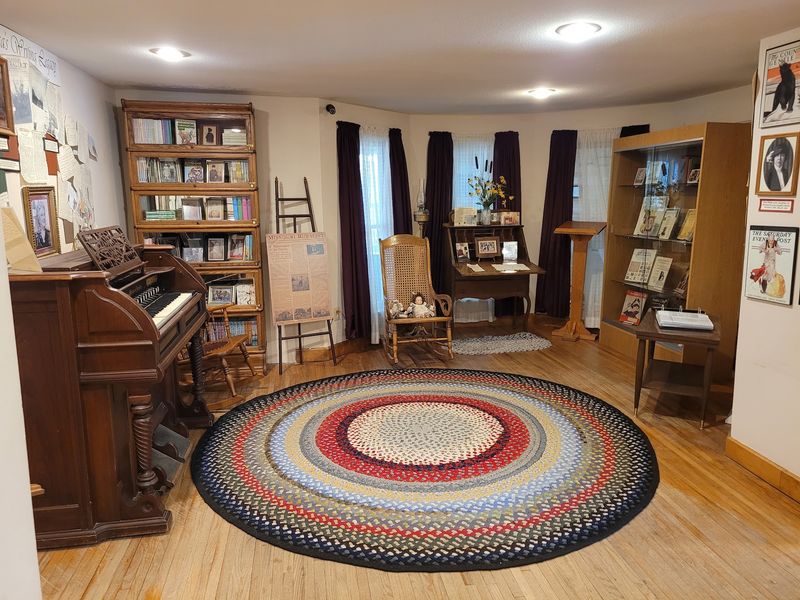
The museum gift shop in Walnut Grove is one of those rare stops that does not feel like an afterthought. The selection leans heavily on books, which is exactly right for a destination built around one of America’s most celebrated authors.
All of the Little House titles are available, along with related biographies, historical studies, and children’s editions.
Beyond books, the shop carries locally relevant items and souvenirs that connect to the prairie heritage of the region rather than generic tourist merchandise. It is the kind of place where you end up buying more than you planned because the selection is thoughtfully curated.
Picking up a copy of “On the Banks of Plum Creek” before walking out to the actual creek site is something I genuinely recommend. Reading a passage while standing near the real location where it was set creates a layered experience that is difficult to replicate anywhere else.
Practical Tips for Planning Your Visit to Walnut Grove
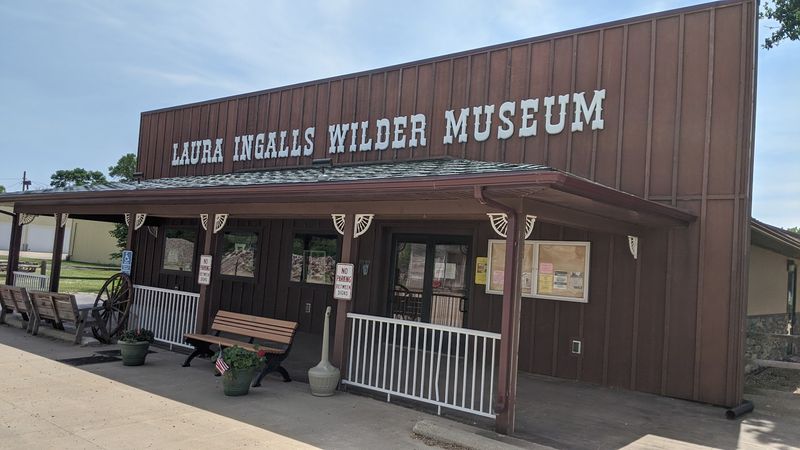
Walnut Grove sits along U.S. Highway 14 in southwestern Minnesota, making it accessible by car from the Twin Cities or Sioux Falls with a drive of roughly two to three hours depending on your starting point.
The town is small, so most of the key sites are within easy walking or driving distance of each other.
The museum and pageant operate on seasonal schedules, so checking ahead before your visit is essential. Summer is the most active season, particularly during pageant weeks, when the town sees its highest visitor numbers.
Arriving midweek rather than on weekends tends to mean shorter lines and a quieter atmosphere.
Walnut Grove does not have a wide range of lodging options within town, so many visitors base themselves in a nearby larger community and make a day trip. Whatever your itinerary, allow more time than you think you need.
The town rewards slow, unhurried exploration far more than a rushed hour-long stop.
Why This Small Prairie Town Deserves a Spot on Your Travel List
There are places in America where history feels curated and contained behind glass, and then there are places where it simply exists in the air and the soil and the light. Walnut Grove belongs firmly in the second category.
The connection to Laura Ingalls Wilder here is not manufactured. It is geographic, literary, and deeply human.
Visiting Walnut Grove works equally well for lifelong fans of the Little House books and for curious travelers who simply want to understand what drew thousands of families to the Minnesota prairie in the nineteenth century. The town answers both questions with the same honest, unpolished character.
The prairie has a way of staying with you after you leave. The flatness, the quiet, the sense of exposure to weather and sky, all of it lingers.
Walnut Grove is a town that earns its reputation not through spectacle but through sincerity, and that is more than enough reason to make the drive.
Share this story