Morocco’s old towns were built for walking, trading, praying, and defending, and each one shows a different side of the country’s past. Some medinas grew from imperial courts, while others began as Atlantic ports or mountain settlements.
This list follows 14 historic towns where walls, gates, kasbahs, and narrow lanes still shape daily life. You will find Andalusian influence, Portuguese fortifications, royal ramparts, and craft traditions that are still practiced today.
Each stop has its own architectural story, so the list works well for planning a route or simply learning how varied Moroccan towns can be.
Fez
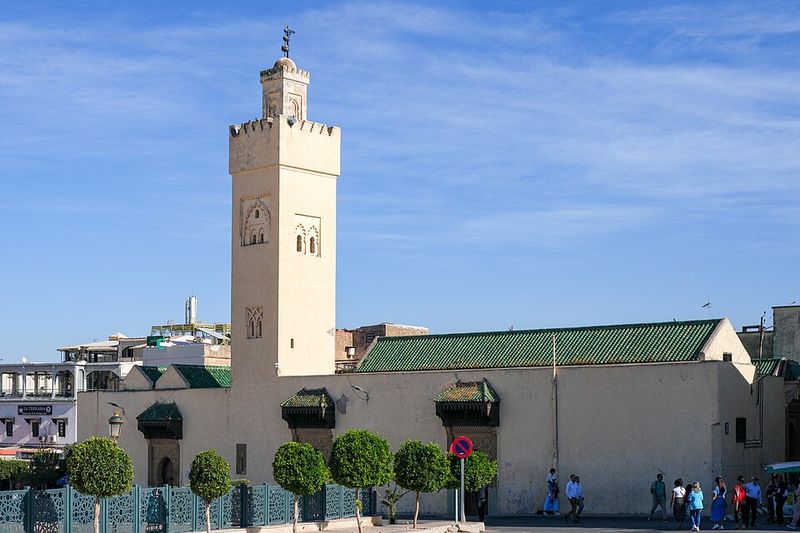
Few places show the scale of a Moroccan medina as clearly as Fez. Founded in the ninth century, its old city grew into a major political, religious, and cultural center, especially under the Marinids in the 13th and 14th centuries.
UNESCO describes it as an outstanding example of a medieval Islamic town.
Fez el-Bali is packed with narrow lanes, workshops, mosques, madrasas, fountains, fondouks, and traditional homes. The lanes branch in so many directions that a first visit can feel like stepping into a living puzzle.
Bab Boujloud, covered in decorative tilework, is one of the best-known entrances. Passing through it gives a clear sense of the transition from the outer city to the old quarter.
Artisans still carry on long-established trades here, including leatherwork, weaving, metalwork, and pottery. Watching these crafts in their working settings helps explain why the medina has remained a cultural anchor for centuries.
Give yourself plenty of time, because the density of the old city rewards slow exploring.
Marrakech
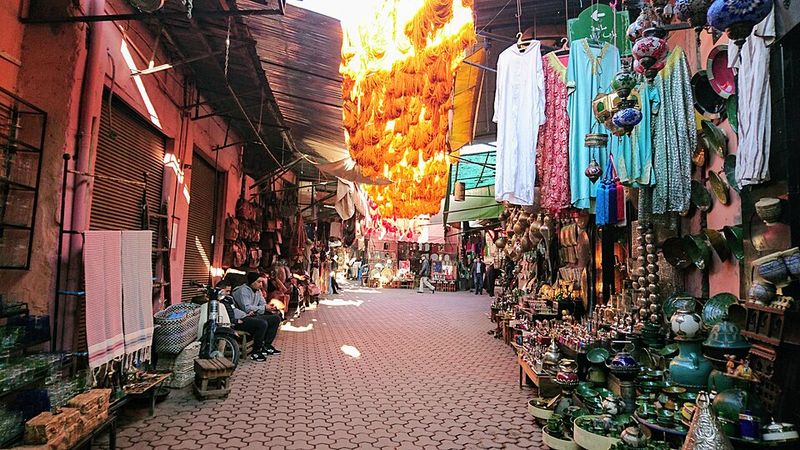
Walk toward Marrakech’s old city and the first thing you notice is the color. Warm ochre and rose tones run across its walls and buildings, giving the medina an instantly recognizable look.
The UNESCO-listed medina remains the historic heart of the former royal capital. Inside its walls are traditional souks, riads, monumental gates, religious buildings, and palaces, all fitted into a tightly woven urban fabric.
The Koutoubia Mosque stands among the city’s defining landmarks, and its minaret reaches 77 meters. Morocco’s tourism authority notes that this minaret became an influential model for later structures, including the Hassan Tower in Rabat and the Giralda in Seville.
That architectural link is a nice reminder that Marrakech’s skyline helped shape buildings far beyond the city. For visitors, the minaret also works as a handy landmark when navigating the old quarter.
Looking up now and then can help you keep your bearings among the lanes.
Meknes
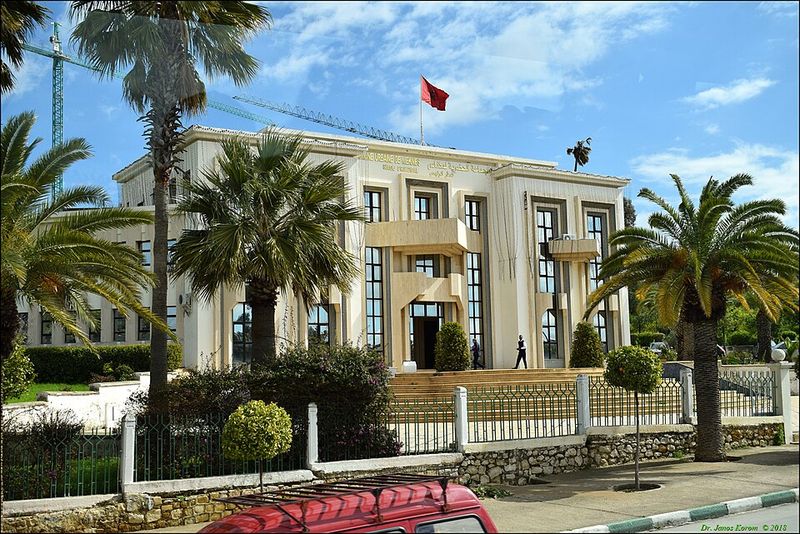
Meknes plays a different tune from Morocco’s other imperial cities. Its historic core is closely tied to Sultan Moulay Ismail, who turned the city into an important center of royal power during the late 17th and early 18th centuries.
High ramparts and monumental gates frame the old city. Inside and around them, palatial remains, granaries, stables, and religious buildings reflect the scale of that imperial vision.
UNESCO has recognized the historic city since 1996. The medina remains one of the principal places to experience its architectural heritage, with everyday streets sitting alongside structures from a royal past.
For travelers, Meknes can feel more measured than busier destinations, which makes it a good place for noticing details in stonework, gateways, and city walls. Pairing the medina with a look at the imperial monuments gives a fuller picture of how the city was designed to project authority and permanence.
Rabat
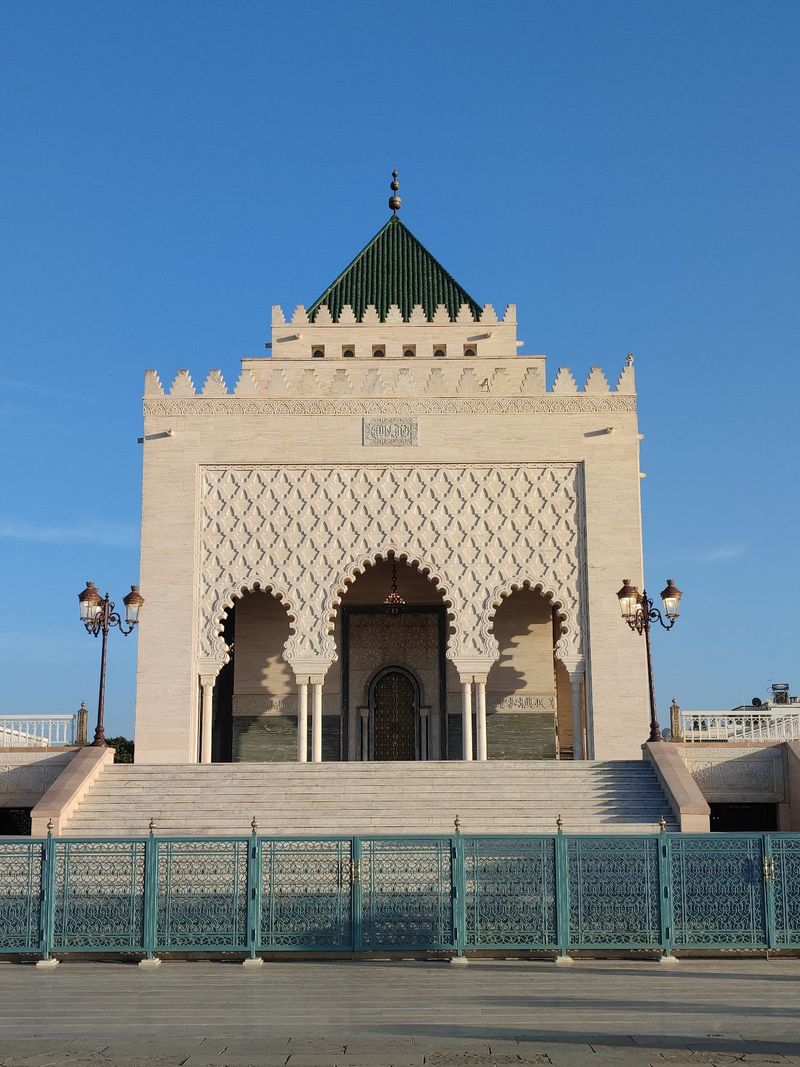
Rabat layers old and new more openly than most Moroccan cities. UNESCO recognized it as a historic city representing a shared heritage, in part because its traditional medina sits beside later urban development.
In the old quarter, fortified walls, souks, narrow streets, and craft workshops contrast with the broader modern avenues elsewhere in the capital. The change in street pattern is easy to notice as you cross from one area to the other.
The nearby Kasbah of the Udayas adds another architectural chapter. Its fortifications, gardens, Andalusian associations, and blue-and-white streets give it a look that feels distinct from the medina next door.
That mix makes Rabat a useful stop for anyone curious about how a capital can preserve its traditional core while continuing to grow. Walking between the medina and the kasbah is a simple way to compare the textures of different eras in a single day.
Tetouan
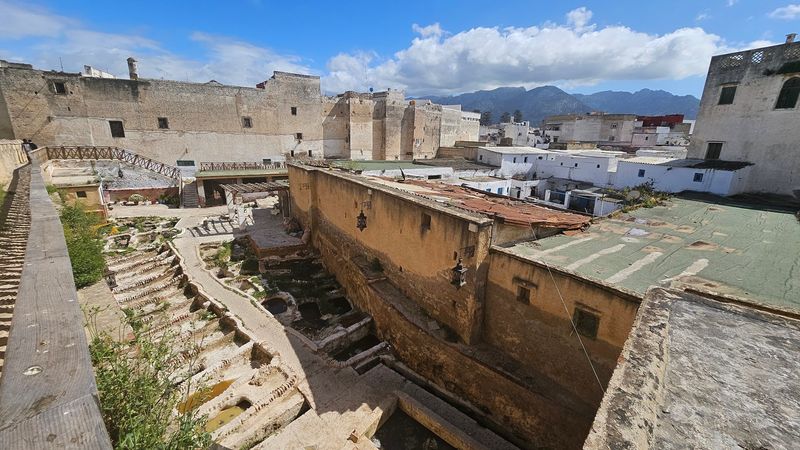
Andalusia left a strong mark on Tetouan, and the medina is where that link is easiest to see. UNESCO-listed since 1997, the old city developed under strong Andalusian influence after waves of migration from the Iberian Peninsula.
White and pale green houses, carved gateways, shaded squares, and traditional workshops fill the streets. Hispano-Moorish decorative details add to the medina’s distinctive appearance.
Its historic defensive walls stretch for several kilometers. Traditionally, people entered through seven gates, so the walls and gateways still help explain how the town was organized and protected.
For visitors who like architecture, Tetouan offers a calm study in how migration shapes a city. Look closely at doorways and decorative patterns, since many of the clearest clues to the town’s Andalusian ties appear in small details rather than grand monuments.
Essaouira
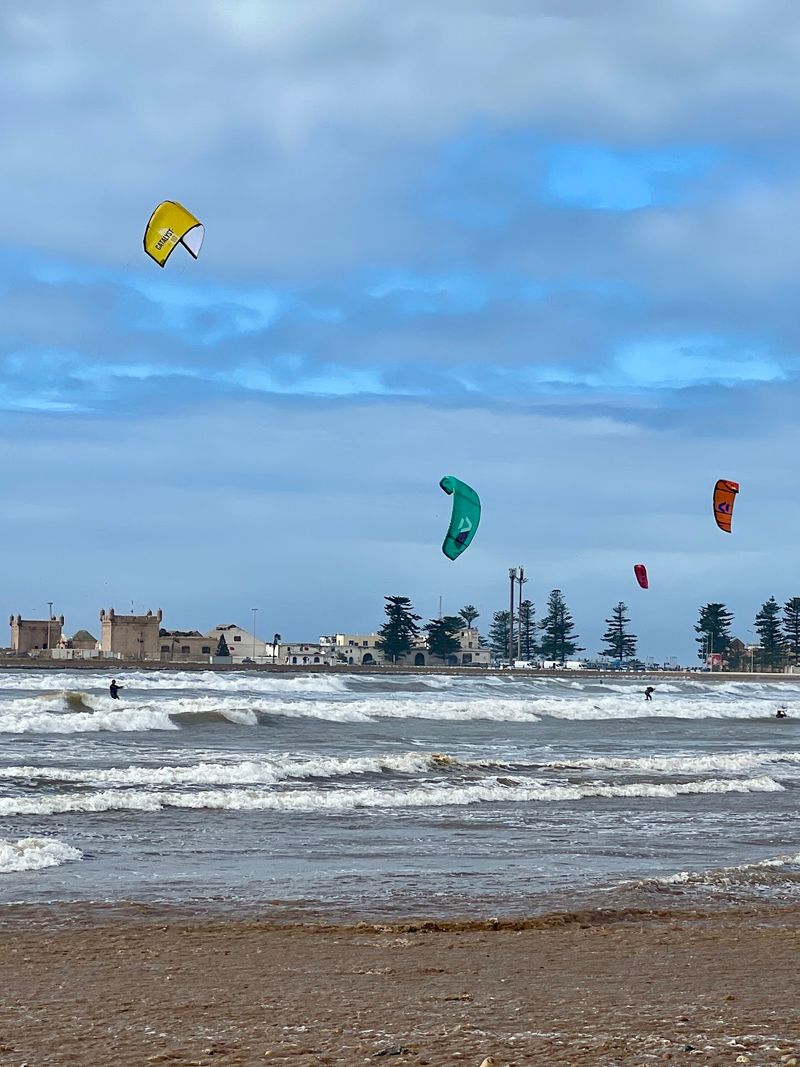
Essaouira feels like a medina that grew up facing the sea. Formerly known as Mogador, it was developed as a fortified Atlantic port, and its layout combines Moroccan and European planning and defensive ideas in an unusual way.
The UNESCO-listed medina is surrounded by substantial ramparts and fortified structures, including the Skala. These defenses show how important the town was as a coastal trading point.
Inside, the streets contain mosques, former consular buildings, traditional houses, galleries, and remnants of the city’s multicultural commercial past. Together they tell a story of exchange that differs from the inland imperial cities.
A good way to read Essaouira is to follow the walls first, then step into the lanes and notice how the planning feels more orderly than in some older medinas. That contrast is a big part of what makes the town architecturally interesting.
Chefchaouen
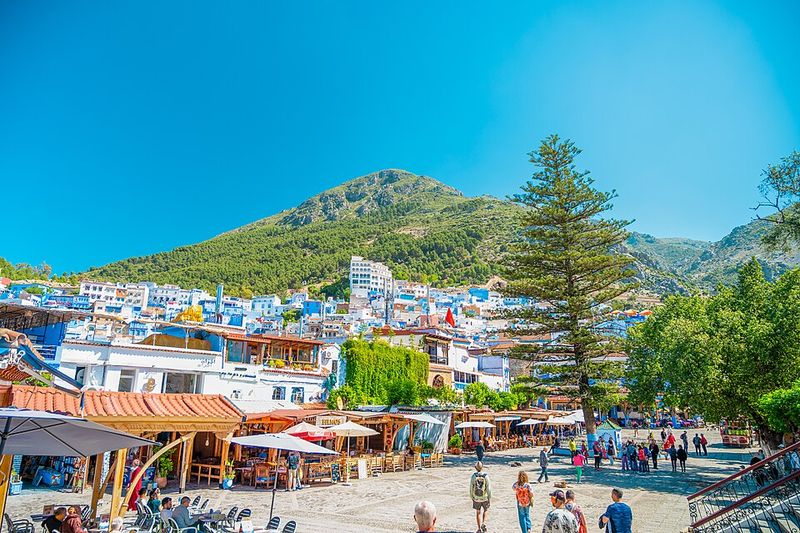
Blue walls have made Chefchaouen one of Morocco’s most photographed towns, yet the color is only part of the story. The medina sits against the slopes of the Rif Mountains, and its layout follows the land.
Narrow, winding lanes lead past traditional houses, small squares, and workshops. A historic kasbah stands within the old quarter, adding a fortified element to the otherwise intimate streets.
Morocco’s tourism authority highlights the town’s architectural heritage and the relationship between the blue streets and the kasbah. That pairing shows how everyday housing and defensive architecture share the same space.
Early in the day, the lanes tend to be easier for slow walking and photography, simply because there is more room to pause. Taking time to look at doorways, steps, and small squares will show you the craftsmanship that goes beyond the famous paint color.
El Jadida
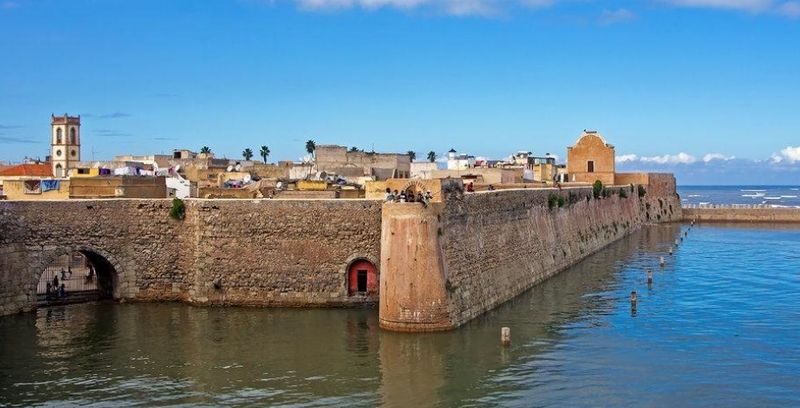
History in El Jadida looks quite different from the classic Islamic medinas inland. Its old quarter began as the Portuguese fortified settlement of Mazagan on the Atlantic coast, and it is now a UNESCO World Heritage Site.
Surviving ramparts and bastions still define the outline of the old city. Narrow streets run inside them, giving the quarter a compact feel that reflects its defensive purpose.
A vaulted Portuguese cistern is among the notable features, and the mix of Moroccan and European influences makes the architecture distinctive. You can see the two traditions side by side rather than blended into one style.
The fortified quarter remains one of El Jadida’s principal historic areas. Walking the ramparts is a straightforward way to understand the layout and the coastal setting, and it offers a different kind of Moroccan history than the imperial cities do.
Taroudant
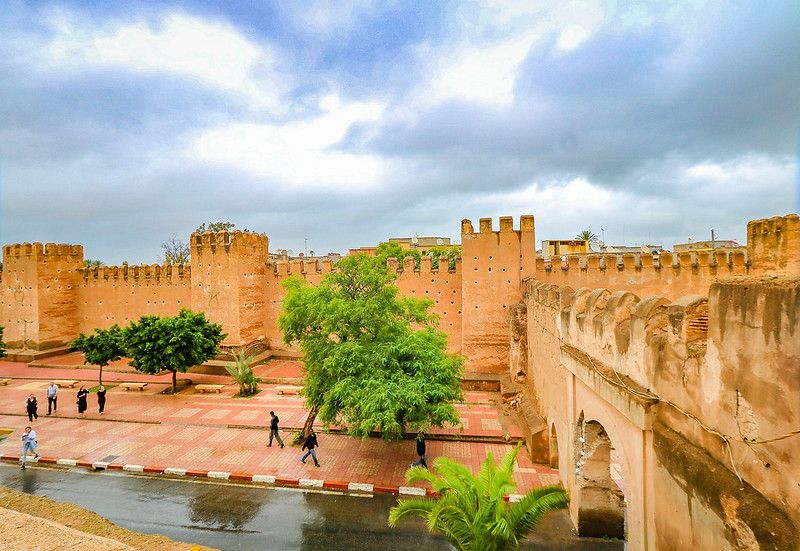
Walls come first in Taroudant. Its crenellated ramparts extend for more than six kilometers and are reinforced by numerous towers and monumental gates, making them some of the most impressive historic defenses in southern Morocco.
Inside, the medina keeps narrow streets, traditional souks, and high-walled buildings. Leather workshops and Amazigh craft traditions add to the working character of the old town.
The town was once associated with the Saadian dynasty, and its reddish walls give it a look that is sometimes compared with Marrakech. Even so, its atmosphere and history are distinctly its own.
A walk or ride along the outer wall is a practical way to grasp the town’s scale before heading into the souks. Seeing the ramparts first makes the interior feel like a protected world, which is exactly how the town was designed to function.
Safi
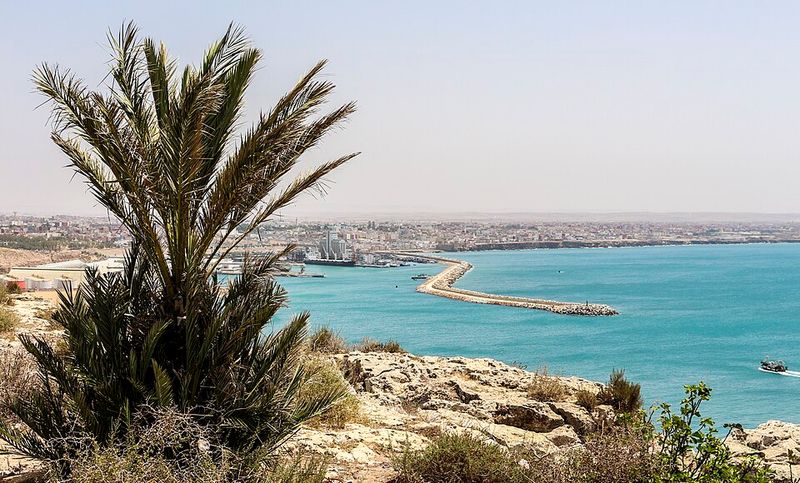
Clay and stone tell Safi’s story together. The medina blends Moroccan urban traditions with visible traces of Portuguese presence on the Atlantic coast, and its long-standing ceramics tradition remains closely tied to the city.
Narrow lanes and fortified architecture define the old quarter. Historic structures include the Kechla fortifications, towers, and remnants of a Portuguese cathedral.
Ksar El-Bahr overlooks the ocean, giving the town a strong coastal landmark. Its position helps explain why Safi mattered as a port and defensive site.
The pottery quarter adds another architectural and cultural layer. Workshops there continue a craft that has become one of the city’s defining traditions, so a visit can combine historic architecture with a close look at how ceramics are still made and shown.
Tangier
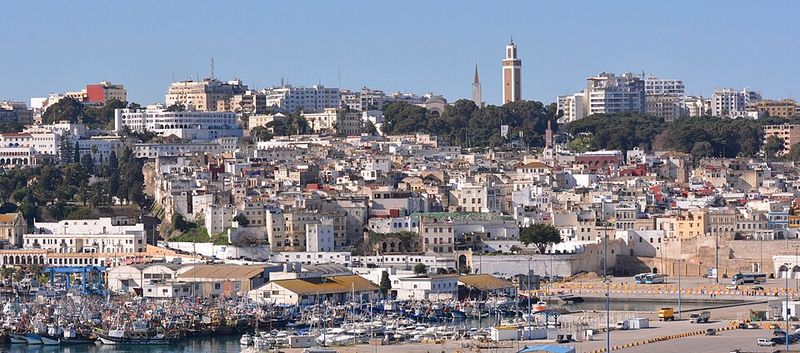
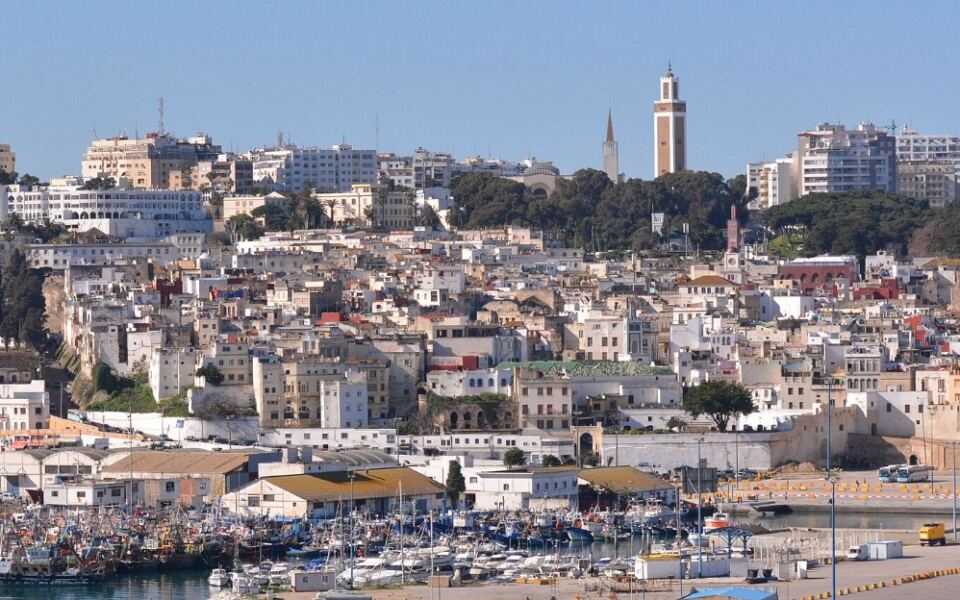
Sitting between the Mediterranean and the Atlantic, and between Africa and Europe, Tangier has long been a meeting point. Its medina reflects that position in the way it mixes Moroccan and Hispano-Moorish architectural influences shaped by centuries of international contact.
The old quarter and kasbah remain an active historic district. Winding streets, traditional buildings, markets, and craft businesses all share the space.
Morocco’s tourism authority describes the medina as well preserved and highlights the city’s Hispano-Moorish heritage as one of the defining elements of Tangier’s architecture.
Because the medina is still part of daily life, it can be a good place to see how a historic district functions today rather than only how it looked in the past. Pay attention to the kasbah area as well, since it adds a fortified perspective to the old city.
Oujda
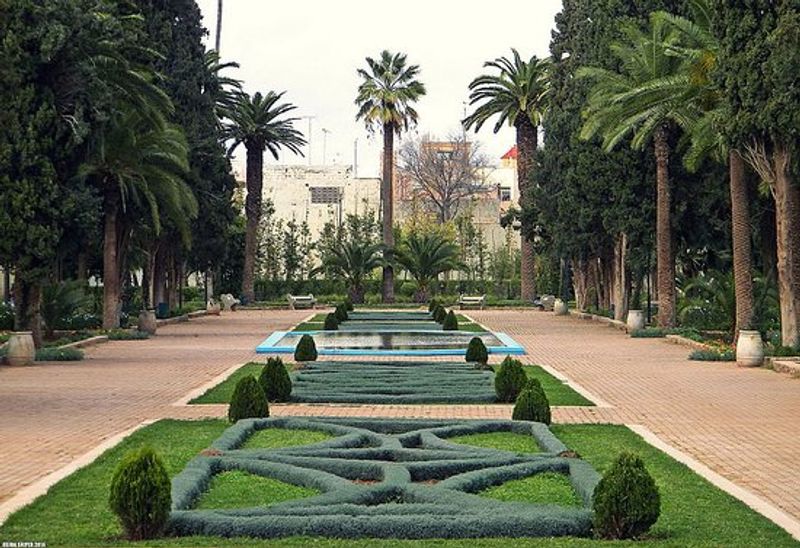
Far from the tourist circuits, Oujda sits near Morocco’s eastern border and receives much less international attention than Fez or Marrakech. Its old walled quarter preserves streets connected to a history stretching back roughly a millennium.
Traditional markets and monumental gateways remain part of the medina’s character. Parts of the original walls have disappeared, but the surviving gates still give a sense of the old city’s boundaries.
Bab Al Gharbi and Bab Sidi Abdelouahab are important elements of the old city. They work as visual anchors for anyone exploring on foot.
The wider center also contains architecture reflecting Arabo-Andalusian and later influences. For travelers who like places with a quieter profile, Oujda offers a chance to see how a medina develops in a region with its own history and trade connections.
Azemmour
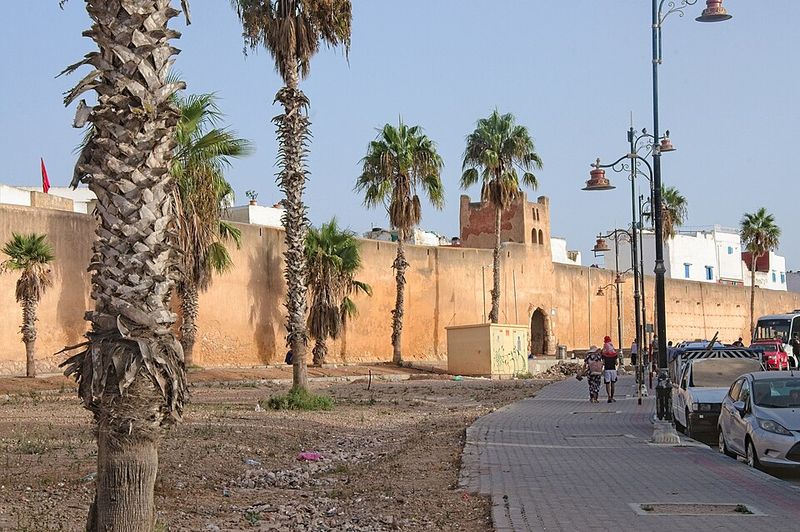
Azemmour is small, and that is part of its interest. Set beside the Oum Er-Rbia River near the Atlantic coast, this fortified town has a historic medina enclosed by old walls, and its scale is very different from Morocco’s major imperial cities.
Portuguese architectural influence can still be seen in details on houses within the medina. The fortified kasbah and remaining ramparts reinforce the town’s historic character.
Official Moroccan tourism material specifically notes the Portuguese legacy visible on house doors and the Gothic-style architectural elements of the old fortifications.
Because the medina is compact, it suits a relaxed visit focused on details such as doorways, wall lines, and views toward the river. It can also pair easily with other coastal stops, giving travelers a quieter contrast to the busier medinas elsewhere in the country.
Taza
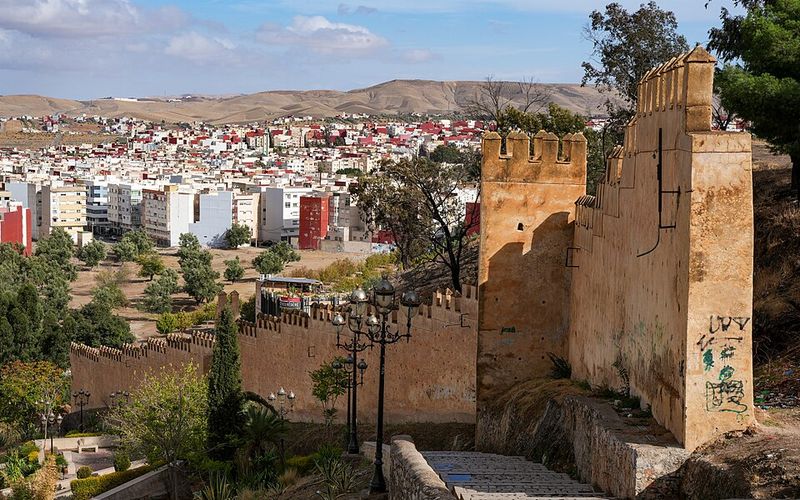
Taza occupies a strategically important position between northern and eastern Morocco, and its historic upper town preserves a traditional medina shaped by centuries of military and religious importance.
UNESCO’s tentative listing describes Taza as an ancient city with major development dating to the Almohad era. Defensive walls, bastions, and the Great Mosque were established or expanded during that time.
Moroccan heritage authorities also list the Great Mosque, the historic city walls, and the old medina among Taza’s protected heritage elements.
The elevated historic district, known as Taza-Haut, continues to preserve its medieval urban layout. That sets it apart from the newer parts of the city below, so the climb up to the old town is also a step back into an earlier pattern of streets and defenses.
Share this story