I pulled off a quiet country road in North Carolina expecting a quick leg stretch and maybe a snack, not a trip back through the centuries. Instead, I found an ancient earthen mound, a village rebuilt by hand, and a stillness that made me forget my growling stomach.
It costs nothing to walk in, yet it offers a rare look at the people who lived here long before European settlers arrived. If you love hidden gems that surprise you, this one belongs at the top of your list.
A Hidden Mound Along the Little River
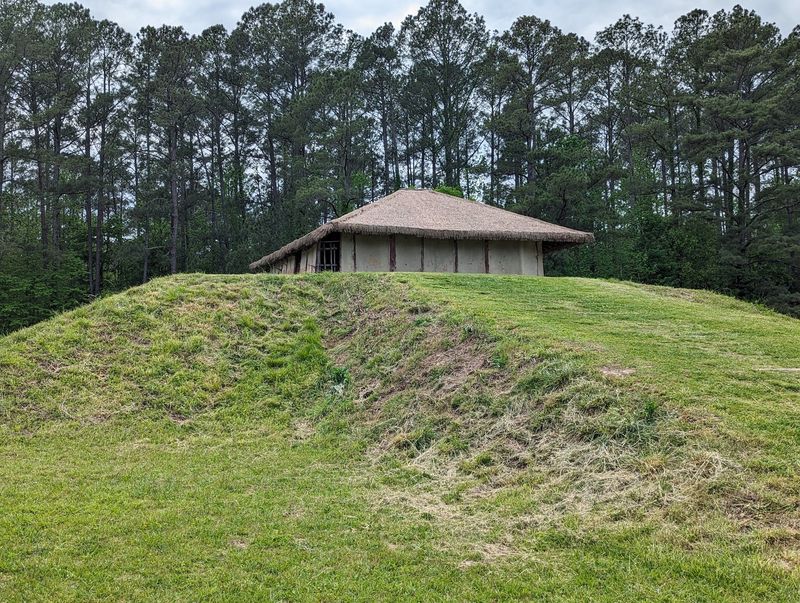
Tucked into the rolling countryside of Montgomery County, Town Creek Indian Mound State Historic Site sits at 509 Town Creek Mound Rd in Mt Gilead. It is not the kind of place you stumble into from a busy interstate.
Visitors often mention that the mounds are quite a ways from the highway, and one local admitted living just 30 minutes away without ever knowing it existed.
So what exactly is it? The site preserves a ceremonial mound and a reconstructed village from the indigenous people who lived here long before European settlers arrived.
It rests beside the Little River in the quiet Piedmont, surrounded by open fields and trees.
Officially, it is one of North Carolina’s state historic sites, cared for with plenty of pride. Think of it as a small, modest facility with a very big story.
That mix of humble looks and deep history is exactly what makes it worth the drive.
Echoes of the River Village and Its People
Picture a community gathering on this riverbank nearly a thousand years ago. Families cooked, worked, traded, and held ceremonies here, shaping a place that still carries their memory.
The raised earthen mound at the center was an important spot for the people who called this land home.
Much of what we know comes from archaeology. One visitor found it fascinating to see how archaeologists pieced together ideas about daily life based on the objects people left behind.
Pottery, tools, and other finds help fill in a story that was never written in books.
For many guests, the connection feels personal. A Tuscarora visitor returning after 26 years shared how deeply the history touched them, and a couple of American Indian heritage treasured their quiet time together on the grounds.
The site encourages respect, reflection, and curiosity about the first North Carolinians, giving every step here a little extra weight and meaning.
The 18-Minute Film That Sets the Scene
Here is a tip that regulars swear by: start with the video. Before you wander outside, the staff can play an introductory film of about 18 minutes, and they will usually start it whenever you arrive.
No waiting around for a scheduled showtime.
Guests describe the film as well done and genuinely interesting. It walks you through who lived here, how the village worked, and how researchers uncovered clues in the soil.
Once you have that background, the mound and buildings outside suddenly make a lot more sense.
Short on time? Some visitors skip the film and still enjoy an hour on the grounds, so it is optional.
Still, if you are bringing kids or anyone new to Native American history, those 18 minutes act like a friendly tour guide. Grab a seat, settle in, and let the story set the stage before you step back in time outdoors.
Artifacts and a Mini-Museum Worth Lingering In
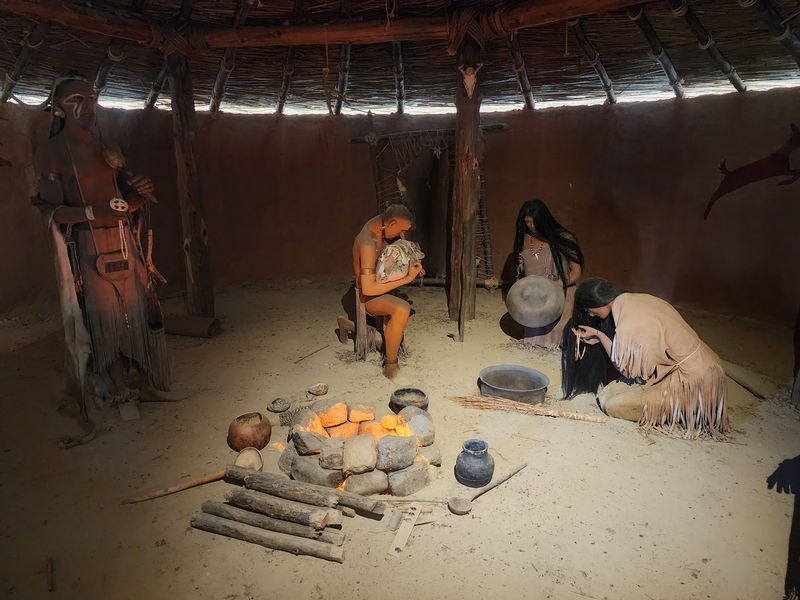
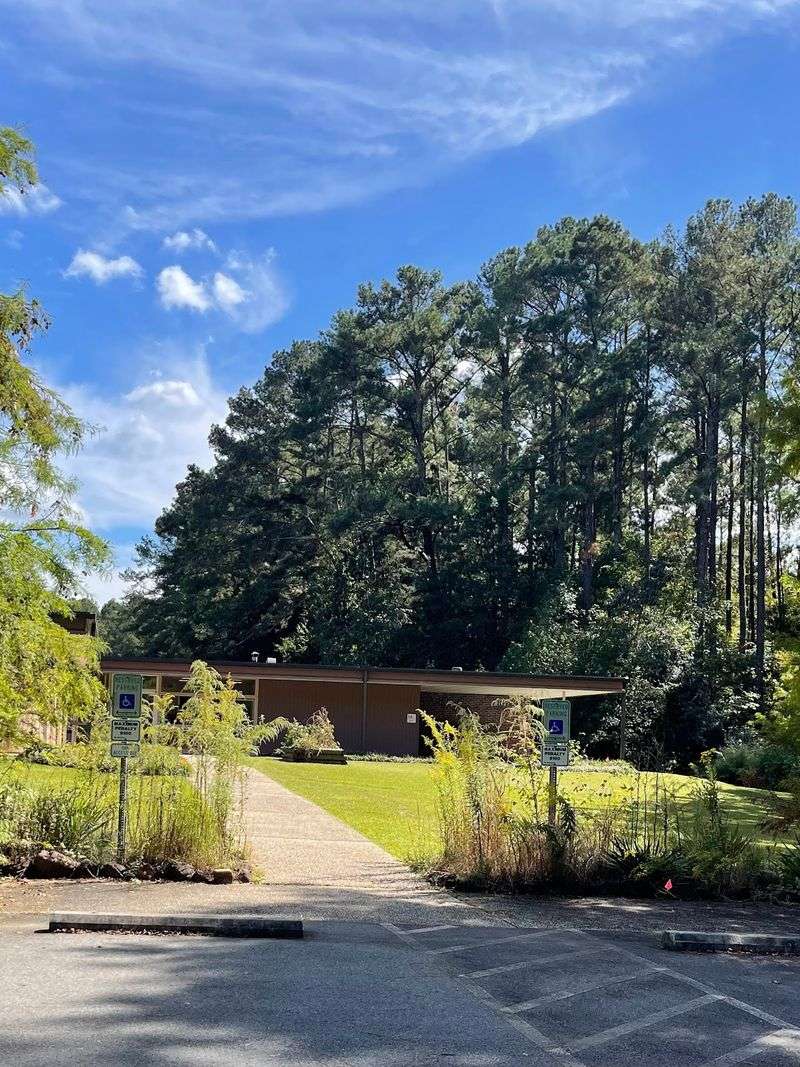
Glass cases hold small treasures that once passed through real hands along the Little River. Inside the visitor center, you will find displays of artifacts found right on the property, along with depictions of daily life for the Native people of the area.
It works like a mini-museum, compact but packed with context.
Visitors call it a great little museum that summarizes the historical and archaeological importance of the site. You can move through it at your own pace, reading panels and studying objects without feeling rushed.
Families with children often find it an easy way to connect with the past.
Before leaving, peek into the gift shop. It is small and sweet, with native products and souvenirs that make thoughtful keepsakes.
Clean restrooms sit on the right side of the building’s exterior, which is handy to know. There is also talk of a new, larger visitor center coming in the future, so expect changes ahead.
Reconstructed Buildings Crowning the Grounds
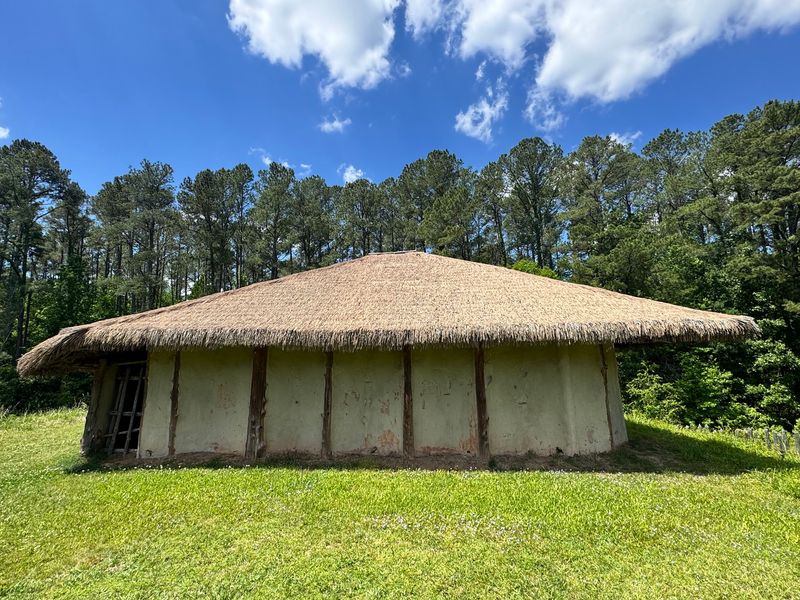
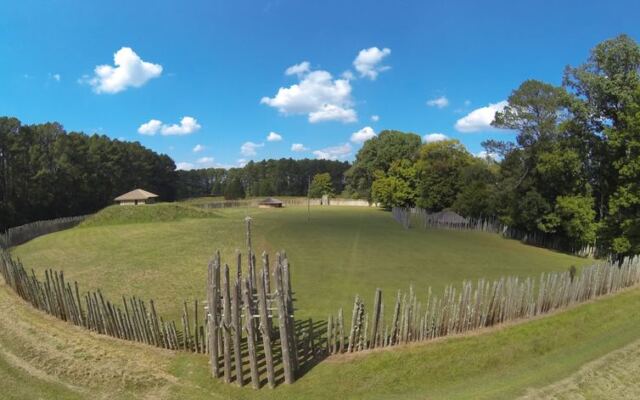
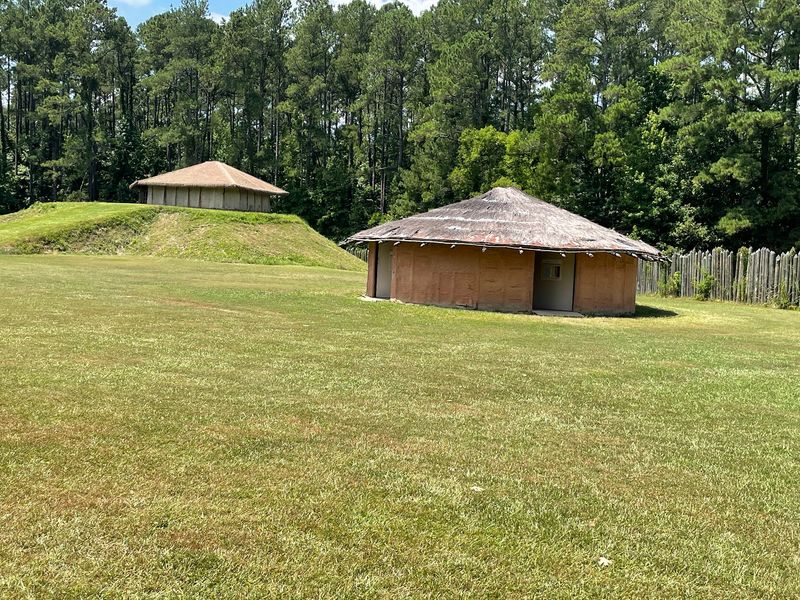
Step through the outdoor exhibit and three reconstructed buildings rise from the grass like a scene from another era. One of them sits right on top of the mound, a replica of a temple that gives the whole landscape its dramatic centerpiece.
The others help show how the community lived, gathered, and held its traditions.
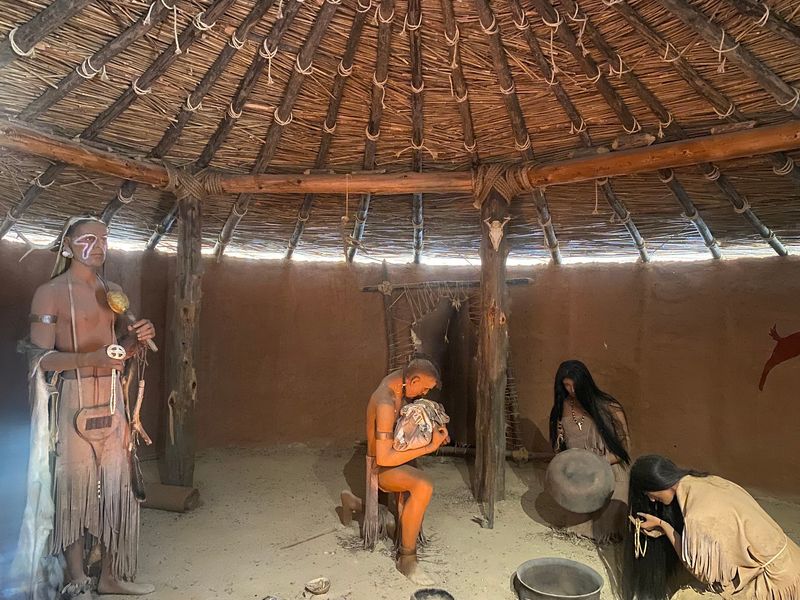
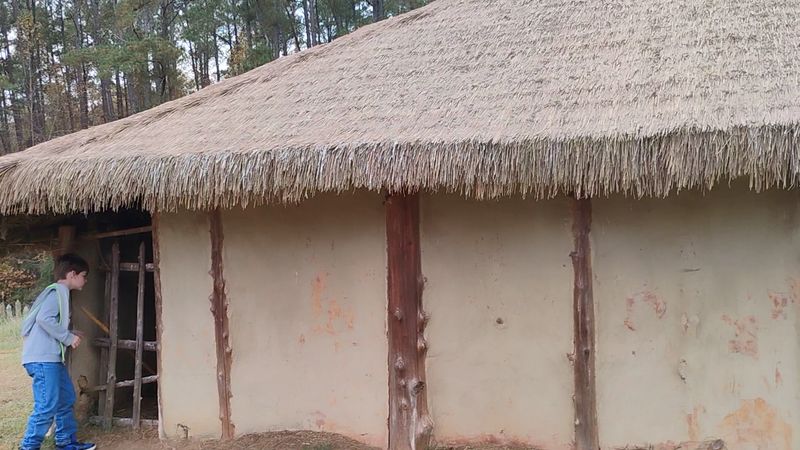
Most of the tour is self-guided, which means you can linger as long as you like. Guests are often able to walk inside the huts and look around, though one may occasionally be closed for repairs or renovation.
Recent work related to Hurricane Helene has affected a building and part of the trail, so availability can vary.
Standing inside a thatched replica, you get a real sense of scale and craftsmanship. The walls, roofs, and doorways feel simple yet thoughtful.
It is the moment many visitors say the history stops feeling like a textbook and starts feeling real.
Sharpened Posts and a Fort-Like Wall
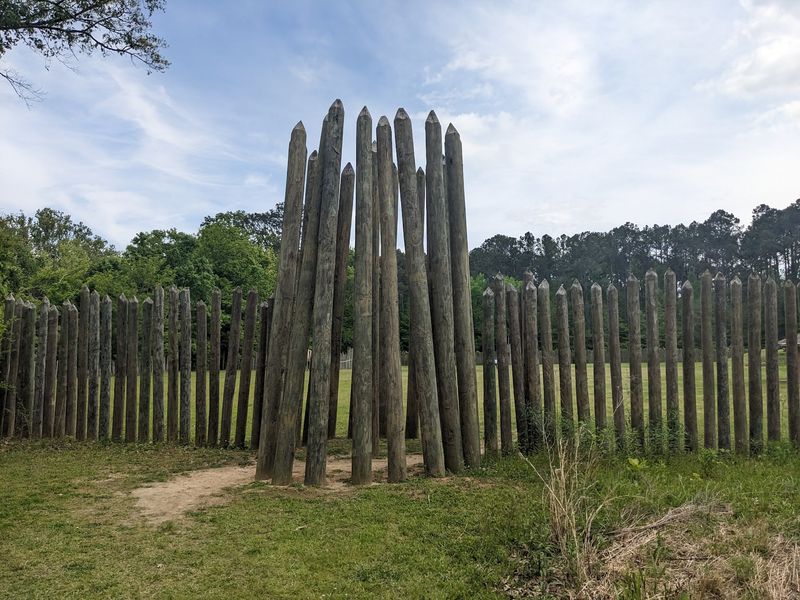
Sharp, tall, and surprisingly striking, the wooden wall around the village is one of the details visitors remember most. Guests point out the sharpened posts that form a fort-like barrier around the mound area.
It frames the reconstructed village and hints at how the community looked after its home.
Walking along the palisade, you notice how the posts stand shoulder to shoulder, creating a boundary between the ceremonial space and the fields beyond. One traveler who arrived near closing time loved seeing the mounds and the fort built around them.
It gives the whole scene a sense of enclosure, like stepping into a separate little world.
Photographers, take note. The rough texture of the posts against open sky makes for memorable pictures, especially in soft morning or late afternoon light.
Kids tend to love it too, since it looks like something straight out of an adventure story, only this one is rooted in real history.
A Short Woodland Loop for Little Legs
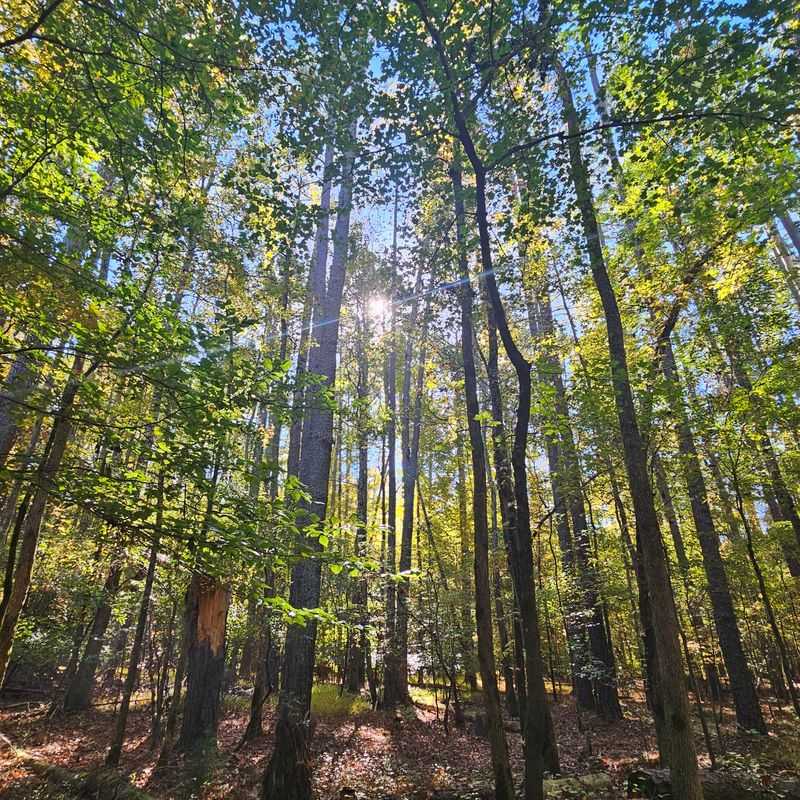
Little hikers, rejoice. After exploring the mound area, a short nature trail winds through the woods and brings you right back around to the visitor center.
Parents say it is easy to navigate and not too long for small legs, which makes it a welcome stretch after the exhibits.
The path feels relaxing, with trees, birdsong, and the calm that comes from being tucked far from traffic. One longtime fan described it as nice and restful, a soothing way to wrap up the visit.
It is a good spot to slow down and let the history you just learned sink in.
A few honest notes help, though. After heavy rain the ground can get soggy and muddy, and the trail has been closed at times due to downed trees and storm repairs.
Wear shoes with good grip, and consider asking the staff about trail conditions when you arrive so you know what to expect.
An Otherworldly Hush at Dusk
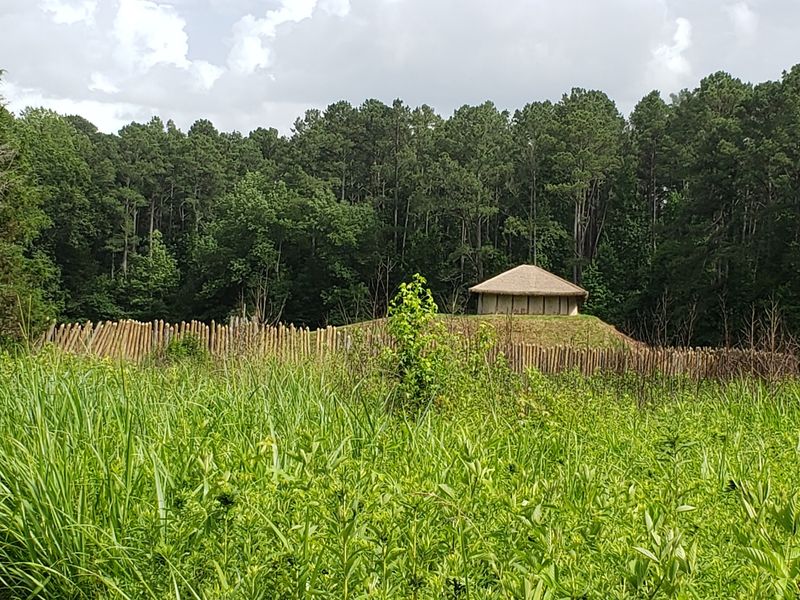
Silence has a way of settling over these grounds. Visitors again and again describe the site as peaceful, calm, and quietly beautiful, the kind of place where you naturally lower your voice.
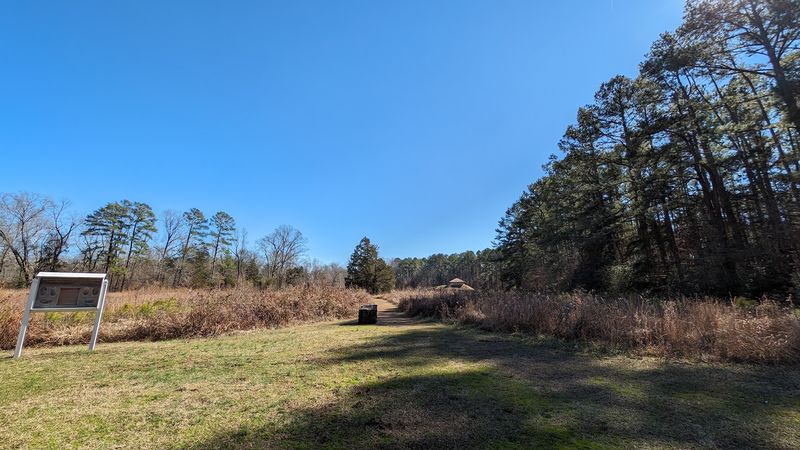
The fields are left natural, with the Little River nearby adding to the sense of stillness.
One family arrived late in the day, with a chill in the air and dusk rolling in, and said the whole area took on an ethereal feel. That otherworldly mood is exactly why the site seems to belong to another time.
Another guest urged visitors to stand still, breathe, and simply listen rather than hurry through.
Of course, nature brings its own company. On warm days, gnats, flies, and bumblebees can buzz around the huts and trail, and the open sun can feel unforgiving in midsummer.
Cooler seasons, like crisp fall afternoons or a mild spring morning, may offer the most comfortable and magical visit.
Warm Welcomes for Field Trips, Families, and County Collectors
Ask any returning guest what they remember, and the friendly staff usually tops the list. Workers here are described as warm, polite, and extremely knowledgeable, happy to answer questions and point you toward a self-guided tour.
One visitor even wished they had spent more time learning from them.
Kindness shows up in small moments. Staff once took time to chat with a curious little girl who had just turned 4, and on another day, when the center was closed, a staff member stepped outside to greet guests and explain the pamphlets.
Those gestures make a modest site feel welcoming.
So who will love it most? Families with young children, school field trips, history buffs, and couples seeking a quiet outing all fit right in.
Travelers on a mission to see every one of North Carolina’s 100 counties have made it their Montgomery County stop, too, which says plenty about its charm.
Hours, Free Admission, and a Smart Packing List
Good news for budget explorers: admission is free. As one visitor joked, the only cost is the gas it takes to get there.
That makes it one of the easiest low-cost day trips in the Piedmont.
The site is open Tuesday through Saturday from 9 AM to 5 PM, and it is closed on Sunday and Monday. Plan on roughly an hour to watch the video, browse the exhibits, and walk the grounds, a little longer if you add the trail.
You can call ahead at 910-439-6802 or check towncreekindianmound.com, especially since renovations and a planned new visitor center could lead to temporary closures.
A good-sized parking lot and picnic tables make arrival and lunch simple. Pack water, bug spray, sunscreen, and sturdy shoes for muddy spots.
Since the site sits well off the highway, map your route in advance and enjoy the scenic country drive.
A Worthwhile Detour Through Montgomery County
Honestly, this is not a flashy attraction, and that is part of its magic. Some guests note there is not a huge amount to do, yet they still call the history lesson well worth it.
Several visitors simply ask others to come and support it.
Round out the day with a few nearby favorites mentioned by travelers. The Rankin Museum is close by, and the Berry Patch is a sweet stop for ice cream afterward.
If you are hungry for a casual meal, one family grabbed lunch at the Burger Shack in Mt. Gilead, just a short drive away.
Put together, it makes an easy, affordable outing packed with heart and a sense of wonder. You arrive curious and leave with a deeper respect for the people who lived along this river centuries ago.
For a quiet adventure close to home, few places in North Carolina feel quite this special.
Share this story