More than 200 bird species, pronghorn, bald eagles, and a rare wildflower can all be found at one remote wildlife refuge in Nebraska. Crescent Lake National Wildlife Refuge protects roughly 46,000 acres of lakes, wetlands, and grass-covered sand dunes in the state’s Sandhills region.
The refuge is far from major highways, and reaching it requires driving miles of gravel roads. Visitors who make the trip can explore wildlife viewing areas, hike a nature trail, fish in designated lakes, or take a self-guided drive through the protected landscape.
One of its most unusual features is the water itself. The lakes are fed by groundwater from the Ogallala Aquifer, creating wetlands surrounded by sandy hills.
The refuge also protects the threatened blowout penstemon, a rare flower that grows in exposed sand.
There are no restaurants, gas stations, or stores inside the refuge, so planning ahead matters. Knowing which roads to take, when to visit, and where to look for wildlife can make a big difference.
Finding the Refuge at the End of the Gravel
My map app went quiet long before I reached the gate, which felt like a good sign. Crescent Lake National Wildlife Refuge sits at 10630 Road 181, Ellsworth, Nebraska 69340, in Garden County in the western Sandhills of the United States.
Headquarters is about 28 miles north of Oshkosh, and the refuge covers roughly 46,000 acres of dunes, lakes, and meadows. Roads shift from asphalt to washboard gravel to soft sand, and most are just one lane wide.
The south and northwest entrances tend to be kinder to vehicles. Coming in from the northeast can get very rough, and the stretch from Oshkosh can turn messy after rain.
A truck or a solid all-wheel-drive vehicle makes life easier. I would not tow a regular travel trailer through here.
The refuge office is open Monday through Friday, 8 AM to 4:30 PM, and you can call ahead at 308-762-4893 for road updates. Trust me, that phone call beats a surprise sand trap.
Once you arrive, the ground itself has a story to tell.
Sand Dunes Wearing a Green Coat
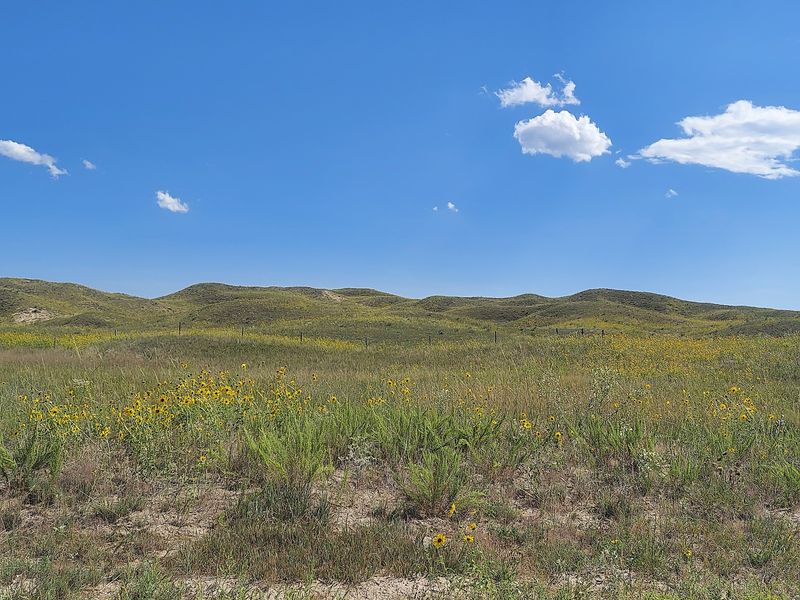
Picture a desert that decided to grow a lawn. The Sandhills are the largest grass-covered body of sand in the Western Hemisphere, and the refuge protects a big slice of it.
Wind shaped these dunes over thousands of years. Today, native grasses hold the sand in place, so the hills look soft and rolling instead of bare.
Between the dunes, the land dips into low valleys. That is where things get interesting, because water shows up where you least expect it.
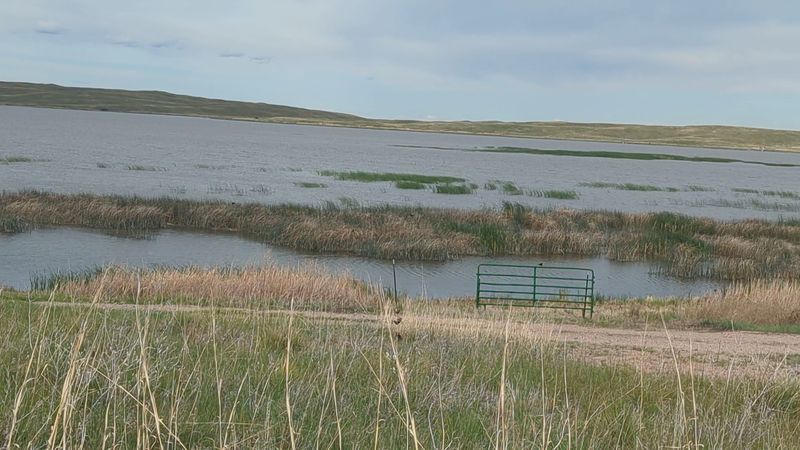
I climbed a small rise and counted at least five shimmering ponds in one view. Brown grass, green meadows, and blue water all sat side by side.
This mixed-grass prairie sits between the tallgrass country to the east and the shortgrass plains to the west. That blend gives the refuge an unusual variety of plants.
Bring good walking shoes, since sand slows every step. My calves filed a complaint by lunchtime.
And all that water in the valleys? It comes from somewhere surprising.
Lakes Fed From a Hidden Giant
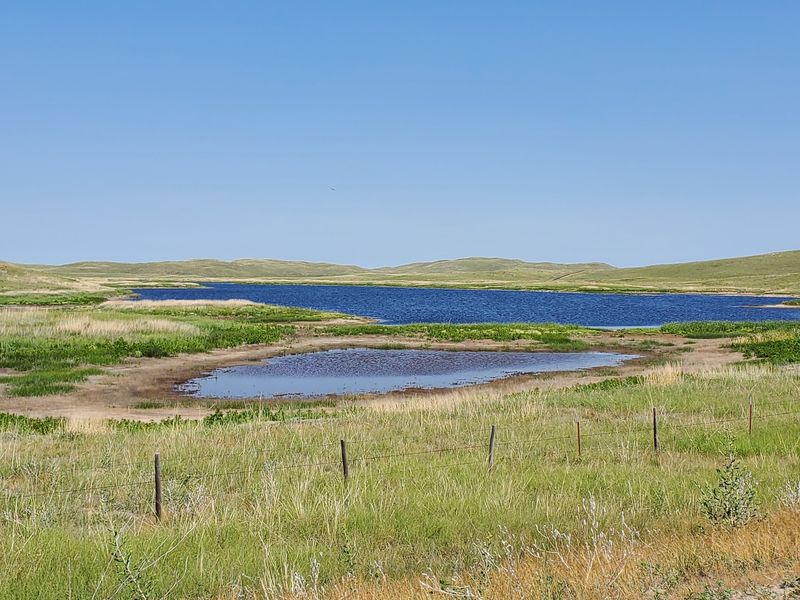
Here is a fun fact that surprised me. The lakes here are not filled mainly by rivers or streams but by groundwater from the Ogallala Aquifer, one of the largest underground water sources in the country.
In the low spots, the water table sits so close to the surface that it pops up as lakes, marshes, and wet meadows. Plant roots in these sub-irrigated meadows can reach water easily.
The refuge holds around a dozen lakes and many smaller ponds. Names like Crescent, Island, Smith, Crane, and Blue Lake dot the map.
Much of the water is naturally alkaline. Plants and animals here have adapted to it just fine, and the shallow edges stay crowded with life.
I sat by one lake for twenty minutes and watched ripples from ducks I could hear but not see. The reeds were doing a great job of keeping secrets.
Those reeds hide plenty of feathered residents. Speaking of which, the birdlife deserves a whole chapter of its own.
Over 200 Bird Species Call the Shots
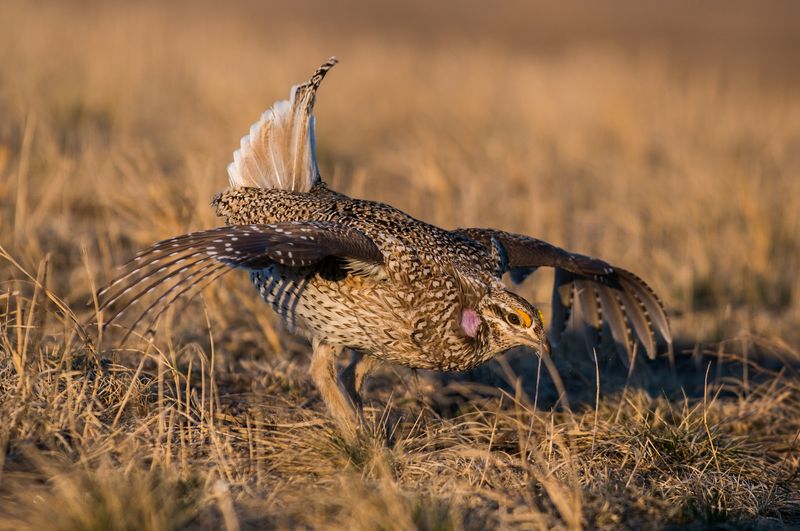
Binoculars barely left my face the whole day. More than 200 bird species have been recorded here, and some counts top 270.
The refuge lies along the Central Flyway, a major migration route. That makes it a busy rest stop for ducks, shorebirds, and songbirds heading north or south.
In spring, avocets, stilts, terns, and white-faced ibises crowd the shallow lakes. Many stay to nest, and roughly 150 species raise young here in early summer.
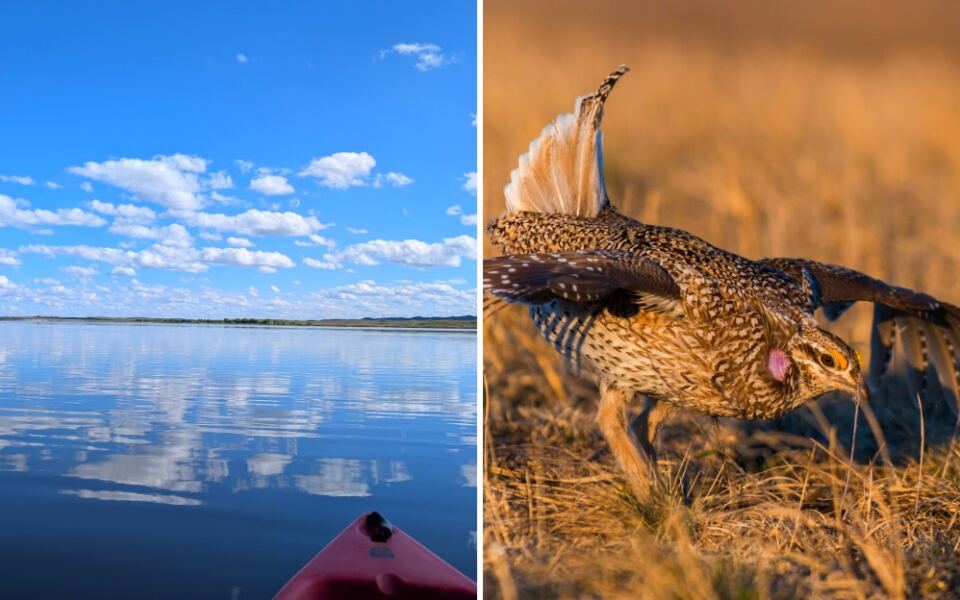
Bald eagles spend part of the year at the refuge. Trumpeter swans glide across the water, and sharp-tailed grouse and bobolinks hide in the grassy dunes.
My favorite moment came near a prairie dog town. A burrowing owl popped up, stared at me, and bobbed its head like it was judging my hat.
Pack a field guide or a birding app before you go, since cell signal is spotty. A spotting scope helps too.
Feathers are only half the show, though, because furry neighbors roam nearby.
A Prairie Safari Without the Zebras
Pronghorn beat me to every hilltop. These speedy animals, often called antelope, are the fastest land mammals in North America, and they love the open space here.
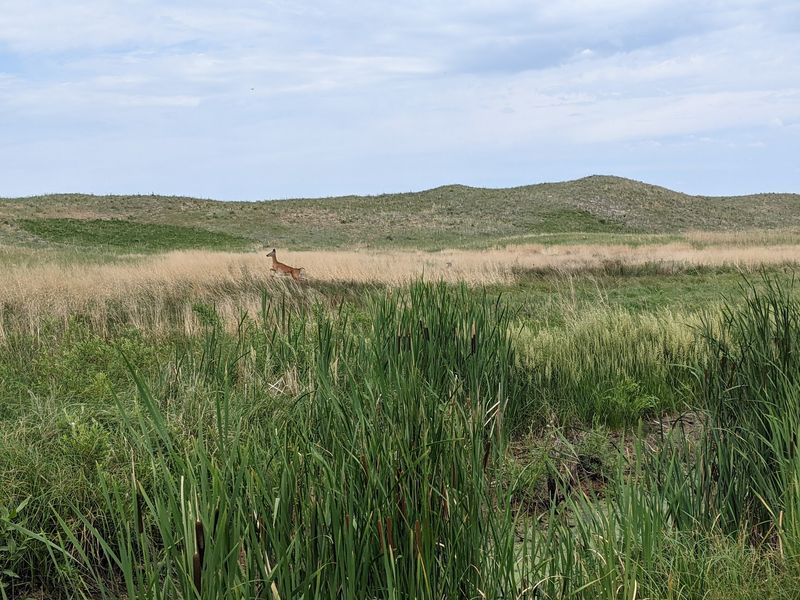
The refuge supports around 59 mammal species. Mule deer and white-tailed deer graze near the meadows, especially early and late in the day.
Coyotes trot along distant ridges with total confidence. Beavers work along the water, and bobcats stay mostly out of sight.
Smaller creatures steal attention too. Prairie dogs chatter from their burrows, and swift foxes and raccoons are part of the crew.
Drive slowly and scan the edges where grass meets water. Animals often appear right where two habitats meet.
I spotted a pair of deer standing so still I first mistook them for fence posts. Then one flicked an ear and ruined the illusion.
Keep a respectful distance and let wildlife go about its day. Your camera zoom is your best friend.
Ready for some water time instead? Grab a paddle.
Quiet Paddles and Patient Fishing
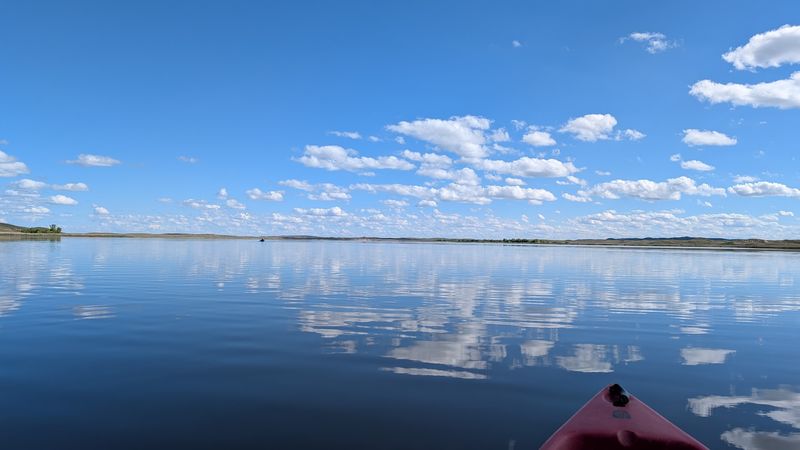
Nothing beats the soft dip of a paddle when the only other sound is a red-winged blackbird. Canoes and kayaks are allowed on the refuge’s open waters.
Boats with electric motors are permitted on Island, Smith, and Crane Lakes. Blue Lake even allows gas-powered motors, which is uncommon for refuge waters.
Anglers can try for yellow perch, walleye, and largemouth bass in the deeper lakes. Winter brings ice fishing for anyone brave enough to sit on a frozen lake.
Fishing hours are a little more generous than general visiting hours. Anglers may arrive one hour before sunrise and stay one hour after sunset.
Rules can change from season to season, so check with the refuge office before casting. A Nebraska fishing permit is also required.
I caught nothing but a sunburn and a great mood. The perch clearly had other plans that morning.
Prefer solid ground under your boots? The next stop is all about trails and viewpoints.
A Trail With a View and a Few Lizards
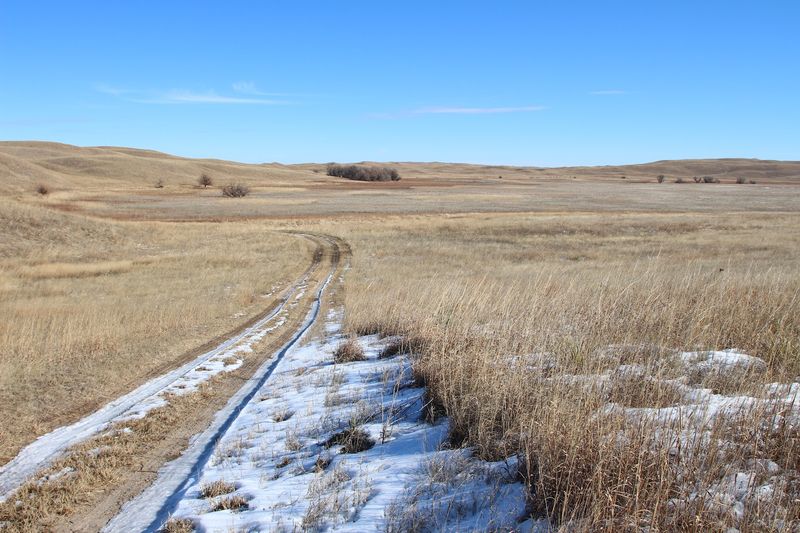
Stretching my legs after hours in the car felt wonderful. The refuge offers a nature trail of about 2.2 miles that makes an easy walk.
Along the way, an overlook gives you a wide view across the wetlands. A spotting scope there can help you zoom in on birds out on the water.
Two-track mowed trails also lead into the interior. These paths feel wilder and give you a better chance at true solitude.
Small details make hiking here fun. I saw a lizard dart across the sand, a dung beetle pushing its prize, and cattails swaying in a marshy dip.
Here is my practical tip. Wear long pants and check yourself for ticks afterward, because the tall grass near the visitor area can be full of them.
Carry plenty of water, since shade is scarce. A hat helps more than you think.
Hiking is great, but the refuge has another way to see miles of scenery from your seat.
Rolling Through on the Auto Tour
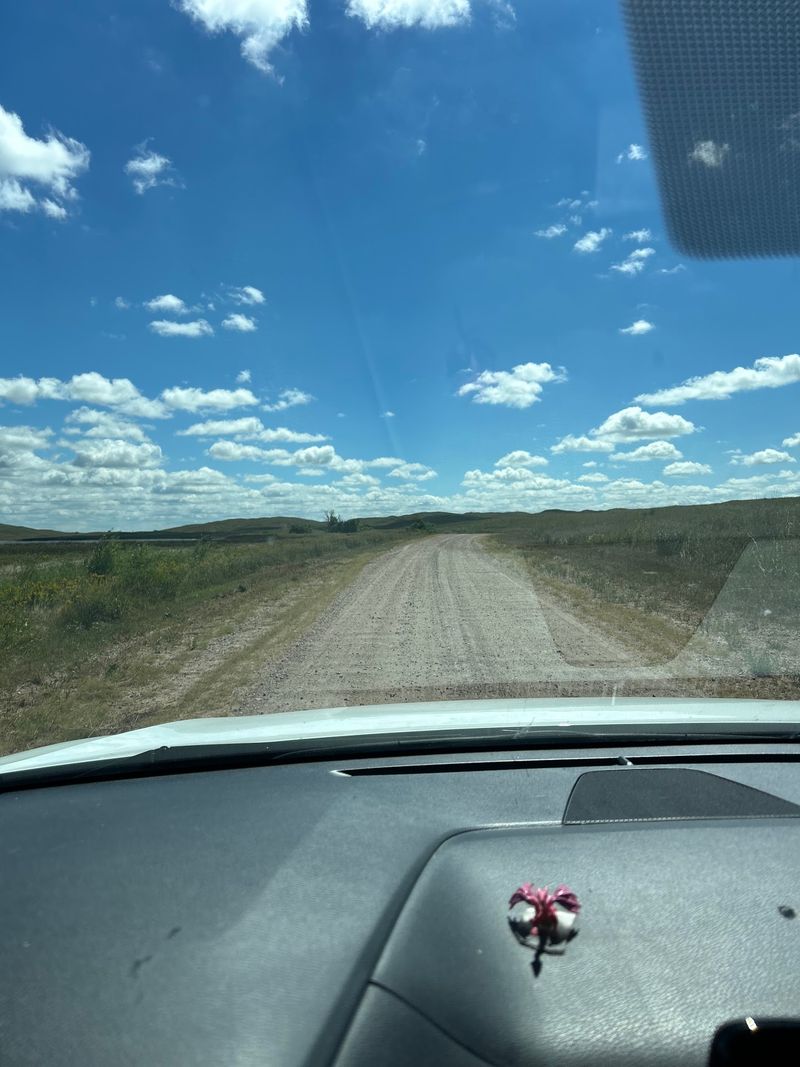
Windows down, binoculars on the passenger seat, and snacks within reach. That was my setup for the self-guided auto route.
Gravel and one-lane paved roads wind past lakes, meadows, and dunes. Many animals stay calmer around a slow car than a person on foot.
The posted speed limit is 35 miles per hour, but I often crawled much slower. Washboard sections and sandy patches make patience a smart choice.
Some travelers spend around three hours driving all the way through to Highway 2 near Antioch. You may go many miles without passing another vehicle.
Fill your gas tank before you leave town. Services inside the refuge are minimal, with restrooms on the northern end.
Pull over safely when you spot something, and keep the road clear. Ranch traffic may share these routes, since nearby land is open range.
I stopped so often for birds that my average speed was basically a gentle stroll. Timing matters too, and the seasons change everything here.
Picking Your Perfect Season
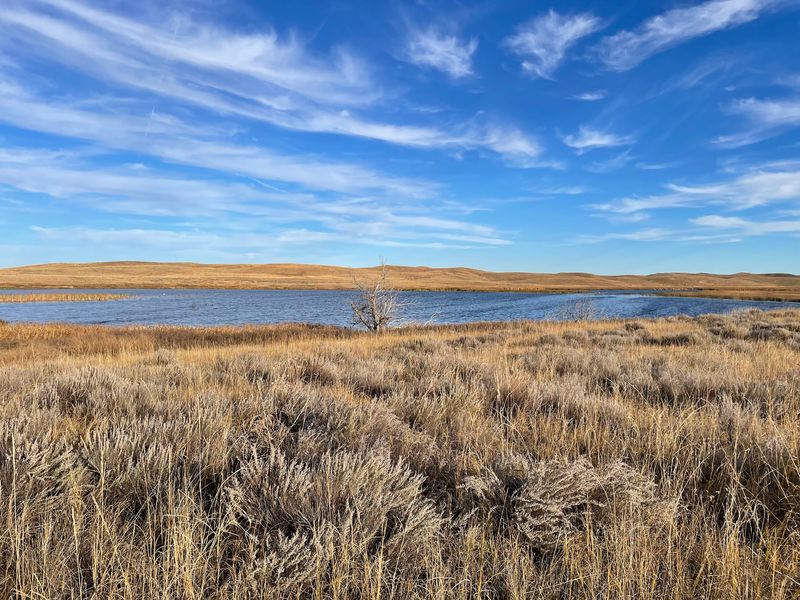
Spring and fall are the crowd favorites, and for good reason. Migration turns the lakes into busy bird hotels.
May brings large numbers of ducks, avocets, stilts, and terns. June becomes nesting season, with fresh green grass and chirping chicks everywhere.
Late September through October, sandhill cranes pass through on their way south. Waterfowl numbers often peak around November.
Summer can get hot, and ticks are active in the grass. Winter turns quiet and cold, with frozen lakes that sometimes groan as the ice shifts.
The refuge is open from sunrise to sunset for general visitors. Weekday visits make it easier to reach the office for maps and current conditions.
Check the forecast and road reports before heading out. Rain or snow can turn gravel into a slippery puzzle.
Autumn won my heart, with amber grass under bright blue skies. Every season protects something special, and one tiny bloom shows exactly why careful protection matters.
A Rare Flower Blooming in the Sand
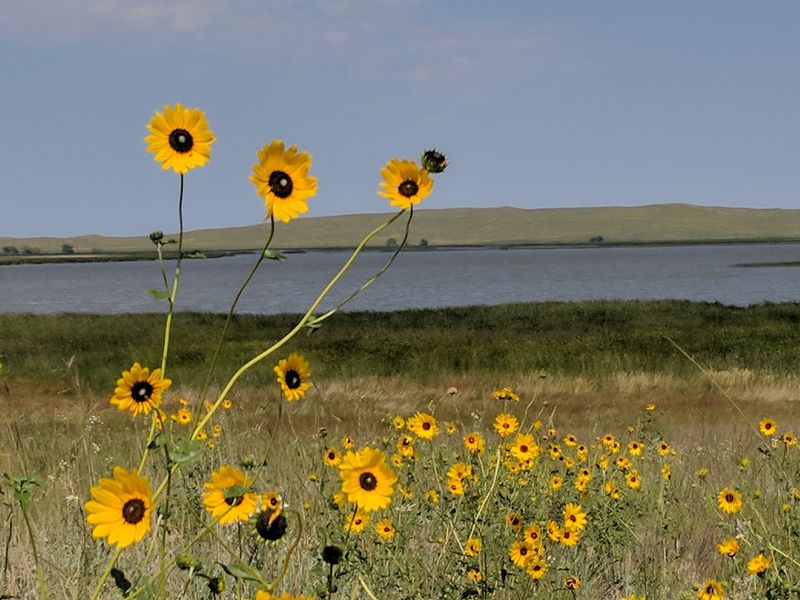
Some treasures are only a few inches tall. The blowout penstemon is a federally threatened plant, and it blooms in sandy blowouts north of Crescent Lake.
A blowout is a bare patch where wind has scooped out sand from a dune. Most plants struggle there, but this penstemon actually thrives in those open spots.
Its pale lavender flowers usually appear in late spring and early summer. Seeing one feels like finding a secret note left by the prairie.
Please admire it without picking or stepping close. Staying on trails and roads helps protect fragile spots like these.
The flower is a reminder that this refuge guards more than eagles and deer. Grasses, sedges, and wildflowers all hold the ecosystem together.
I knelt beside a patch with my camera and forgot about time completely. My knees, full of sand, remembered later.
Wondering who decided to protect all this in the first place? The answer goes back nearly a century.
Nearly a Century of Keeping It Wild
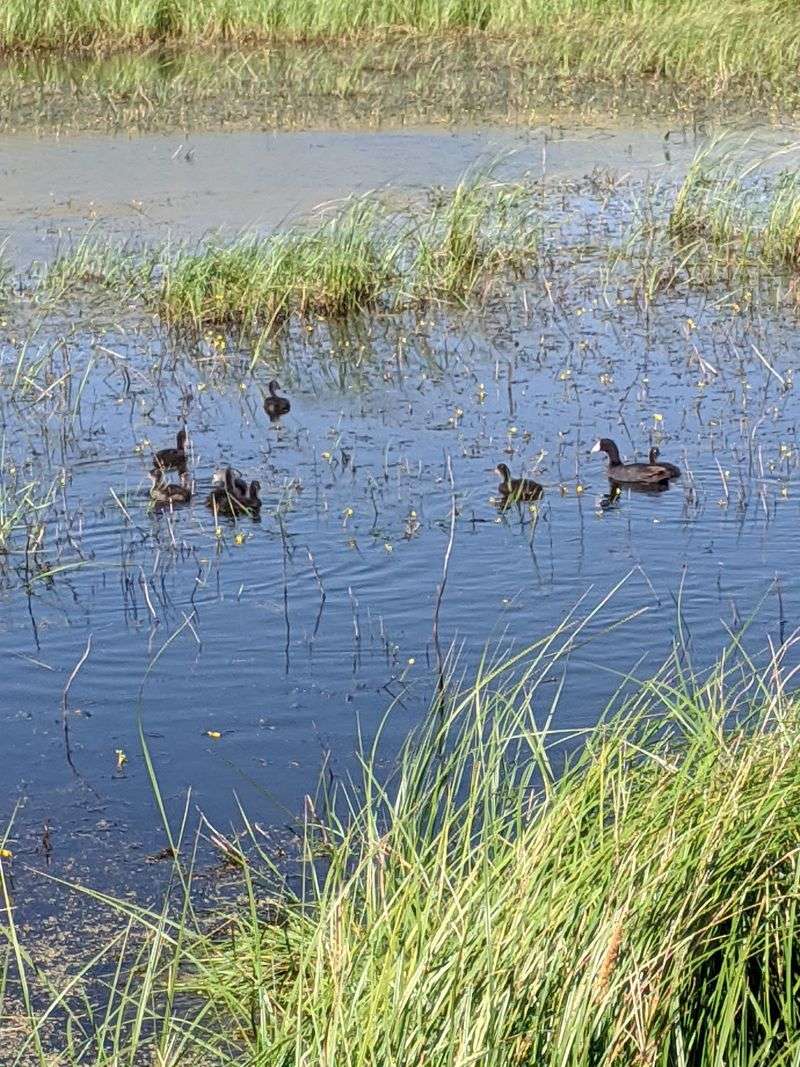
Back in 1931, an executive order created this refuge as a breeding ground for birds and wild animals. Congress added more support for it in 1935.
Today, the U.S. Fish and Wildlife Service manages it as part of the Sandhills National Wildlife Refuge Complex.
Wildlife conservation comes first here, by law.
Staff use tools like prescribed burns, grazing, and water control to keep habitats healthy. They also work to limit invasive plants.
Fire plays a natural role on the prairie. After a recent wildfire nearby, burned patches were already sprouting fresh green growth.
That steady care is why the land looks much like it did in historic times. It is a working refuge, not just a pretty view.
I left with real respect for the people who keep roads, restrooms, and habitat in shape. Their work is mostly quiet, which fits this place perfectly.
Before you pack the car, a few practical tips will make your own trip smoother.
Smart Packing for Sandhills Solitude
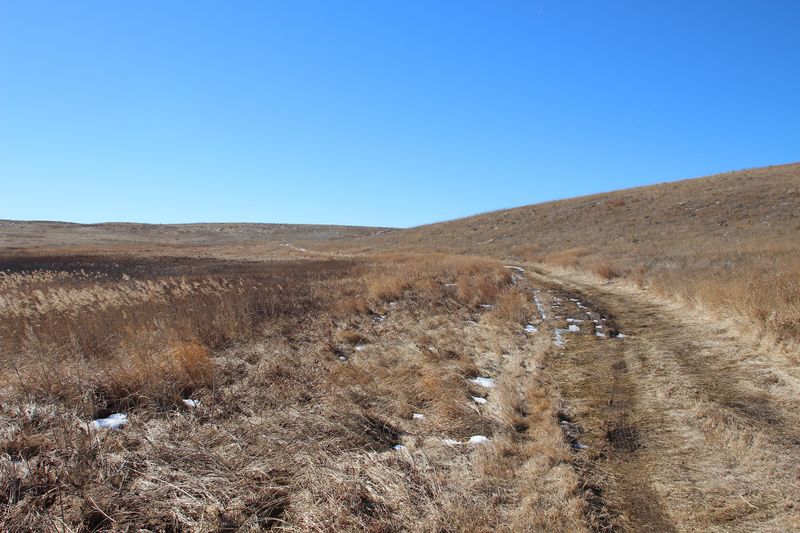
Overpacking is a virtue out here. There are no stores, restaurants, or gas stations inside the refuge.
Bring plenty of water, snacks, sunscreen, bug spray, and long pants. Binoculars and a paper map are must-haves, since cell coverage fades fast.
Camping, campfires, and off-road driving are not allowed. For overnight stays, look to Oshkosh or Alliance, which offer lodging and campgrounds.
Plan to arrive early and leave before dark. The refuge is open sunrise to sunset for most visitors.
Tell someone your route before heading out. On some drives, you may see only one other vehicle all day.
The quiet is the real reward. I stood beside a lake with nothing but wind, wings, and a huge open sky around me.
That kind of stillness is hard to find anywhere these days. Here, it stretches for miles across grassy dunes and sparkling water.
Crescent Lake proves that the best trips sometimes end at the far side of a long gravel road.
Share this story