There is a stretch of Nevada where wild horses roam freely along a shimmering lake, framed by mountain peaks that seem to glow at sunrise and sunset. Most people drive right past it on their way to Reno or Lake Tahoe without realizing what they are missing.
Once you stop, though, it is nearly impossible to leave quickly. Washoe Lake State Park is one of those rare places that rewards the curious traveler with scenery, wildlife, and a kind of quiet that feels increasingly hard to find.
Where the Wild Horses Come to Drink
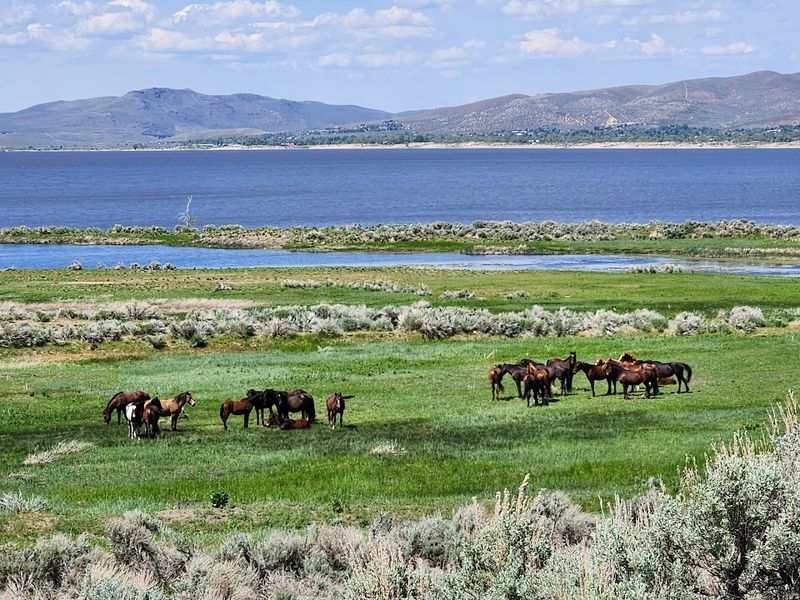
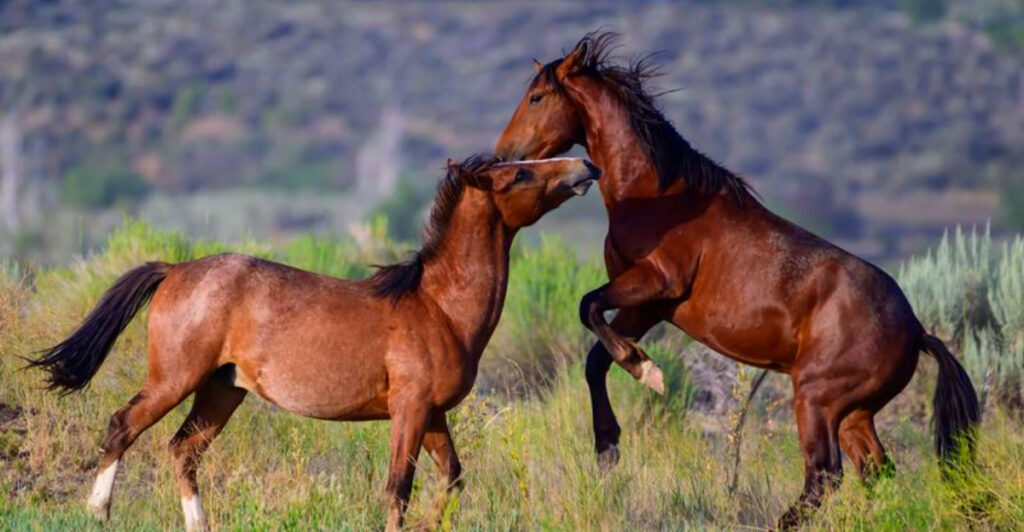
Few things in nature stop you cold the way a herd of wild mustangs does. At Washoe Lake State Park, located at 4855 Eastlake Blvd, New Washoe City, NV 89704, the horses come down from the surrounding hills to drink from the lake and graze on the green grass that edges the shoreline.
Watching them move together, unhurried and completely unbothered by the world, feels surreal. These are not tame animals, and that distinction matters.
They will spook and bolt if you move too fast or make sudden noise.
Experienced visitors recommend driving in slowly, parking quietly, and sitting still. Some have spotted two separate herds in a single visit.
The park even has a dedicated viewing area about a mile from the main campground where your chances of seeing a large group improve considerably.
The Mountain Views That Frame Every Moment
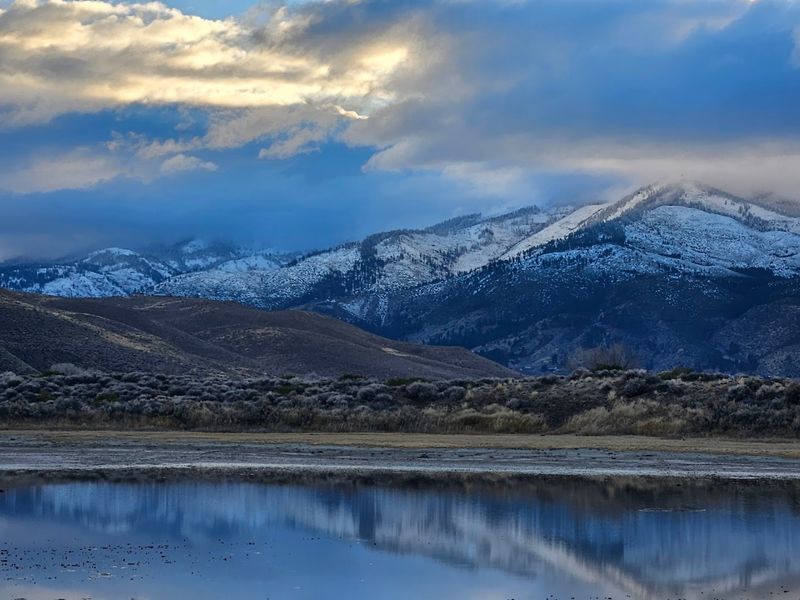
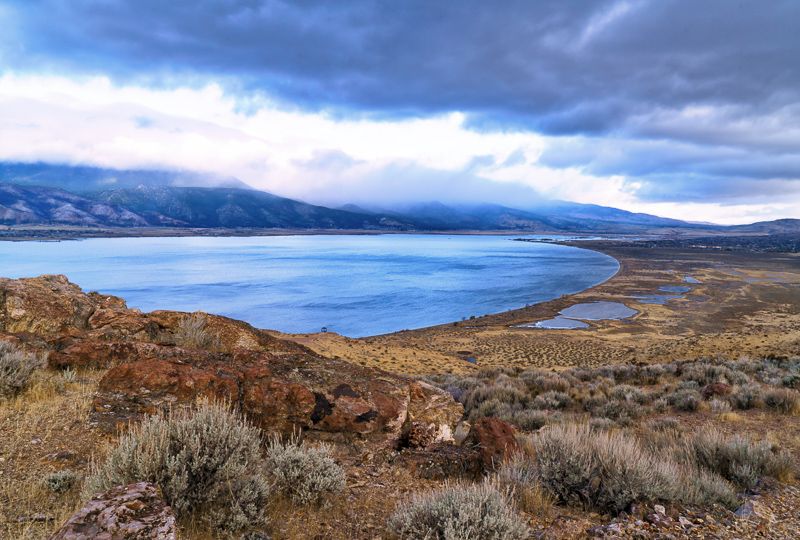
The Carson Range of the Sierra Nevada rises sharply to the west of the lake, and on a clear day the view from the park feels almost too good to be real. Morning light catches the ridgeline first, turning the peaks shades of amber and rose before the rest of the valley wakes up.
Sunset is equally dramatic. The mountains hold the color long after the sun drops, painting the sky in deep oranges and purples that reflect across the water.
Campers regularly mention staying up just to watch the stars appear over those same peaks once the light finally fades.
The open terrain of the park means there are very few obstructions between you and that view. Whether you are sitting at a picnic table, standing at the lake edge, or just leaning against your car, the scenery surrounds you completely.
A Lake Built for Quiet Adventure
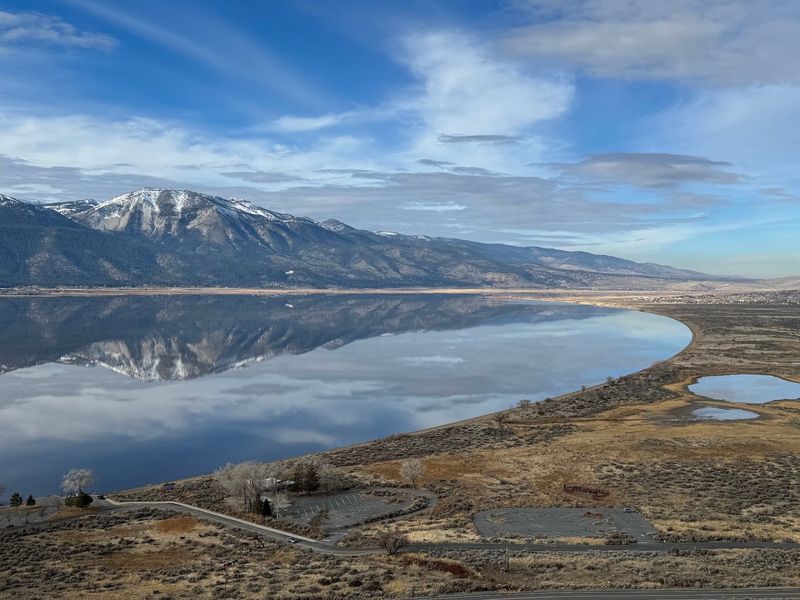
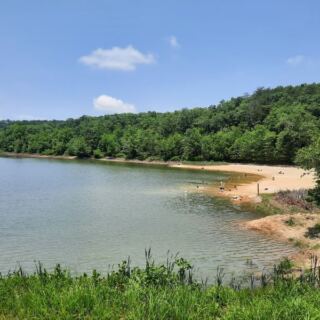
Washoe Lake is shallow compared to the deep alpine lakes nearby, and that quality gives it a character all its own. The water warms more quickly in summer, making it friendlier for casual swimming and wading.
A designated kids beach area offers families a safe, gentle spot to splash around without worrying about strong currents or sudden drop-offs.
The park has a boat ramp for those who want to get out on the water with something larger. Kayaking is particularly popular here because the lake stays calm on most mornings, and the reflections of the mountains on the glassy surface are worth the paddle alone.
Windsurfers also show up regularly, especially when the afternoon breeze picks up across the valley. The lake manages to serve multiple kinds of visitors without ever feeling crowded, which is a balance not every state park manages to strike.
Over 215 Bird Species and Counting
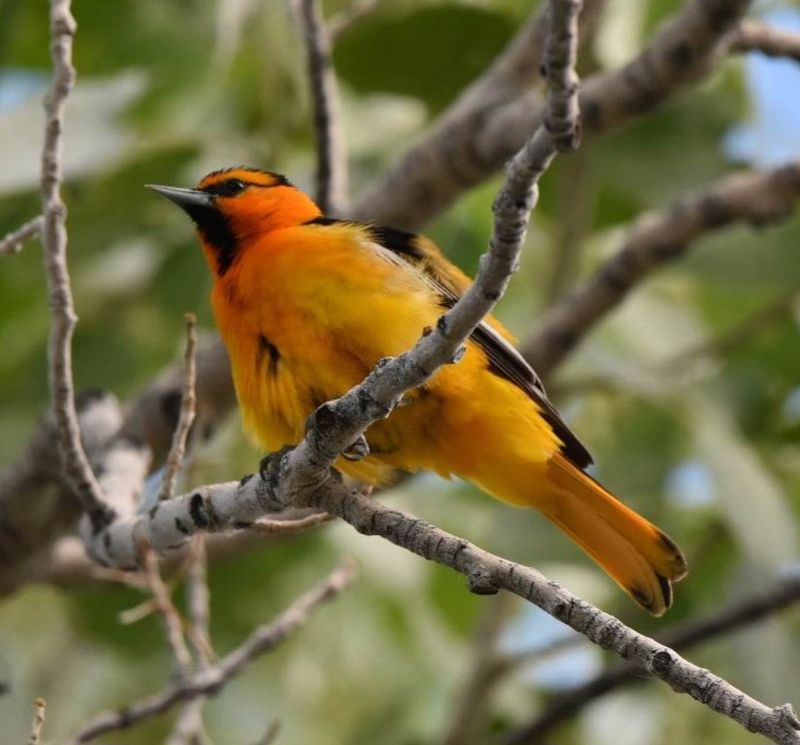
Birdwatchers tend to get quiet and wide-eyed the moment they arrive at Washoe Lake State Park. The park supports over 215 recorded bird species, a number that genuinely surprises first-time visitors who expected horses and mountains but not this.
Pelicans float along the lake surface with an almost comedic elegance. Quail dart through the sagebrush in small, quick groups.
Songbirds fill the campground with layered sound in the early morning hours, and magpies patrol the area with their bold black-and-white confidence. Butterflies drift through in warmer months, adding an unexpected softness to the landscape.
The combination of open water, wetland edges, sagebrush scrub, and meadow makes the park a genuinely productive birding spot across multiple seasons. Bringing binoculars is strongly recommended, not just for the horses but for the remarkable variety of winged life that calls this valley home year-round.
Camping With a View That Does Not Quit
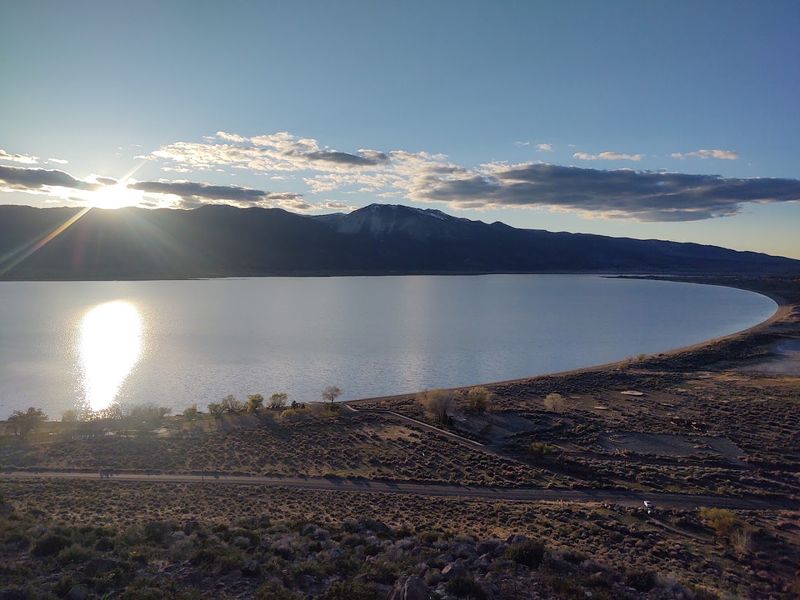
The campground at Washoe Lake State Park is divided into two loops, each offering a different experience. Loop A has electric and water hookups, making it well-suited for RVs and those who prefer a few more comforts.
Loop B is a dry camping area with tent spots for those who want something closer to a traditional outdoor experience.
Both loops feature covered picnic tables, fire rings, flush toilets, and pay showers. The sites are spaced generously apart, which means you actually get some breathing room between you and your neighbors.
That kind of space is harder to find than it should be at popular campgrounds.
One loop stays open year-round, even through the colder months, giving winter campers access to water at the dump station when the main campground has been winterized. The stars above the campground on a clear night are, by multiple accounts, genuinely stunning.
The Smell of Sagebrush in the Morning Air
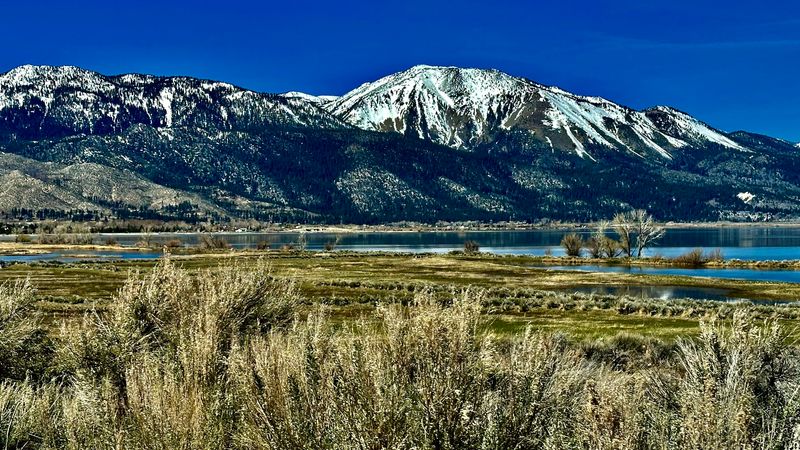
There is a smell that belongs specifically to the Great Basin desert, and Washoe Lake State Park is full of it. The sagebrush that covers much of the park releases a sharp, clean, almost medicinal scent that intensifies after rain or in the cool of early morning.
It is the kind of smell that makes the air feel alive.
The wide meadow terrain of the park is largely defined by this silver-green shrub, which stretches across the open ground between the campground and the lake. Walking through it, you get the full sensory experience of the Nevada high desert in a way that no photograph can quite capture.
For visitors coming from urban areas, that scent alone can feel like a reset. The openness of the landscape, the low scrub, the wide sky above, and that unmistakable sagebrush fragrance combine into something quietly powerful and genuinely restorative.
Hiking Trails Across Sand Dunes and Foothills
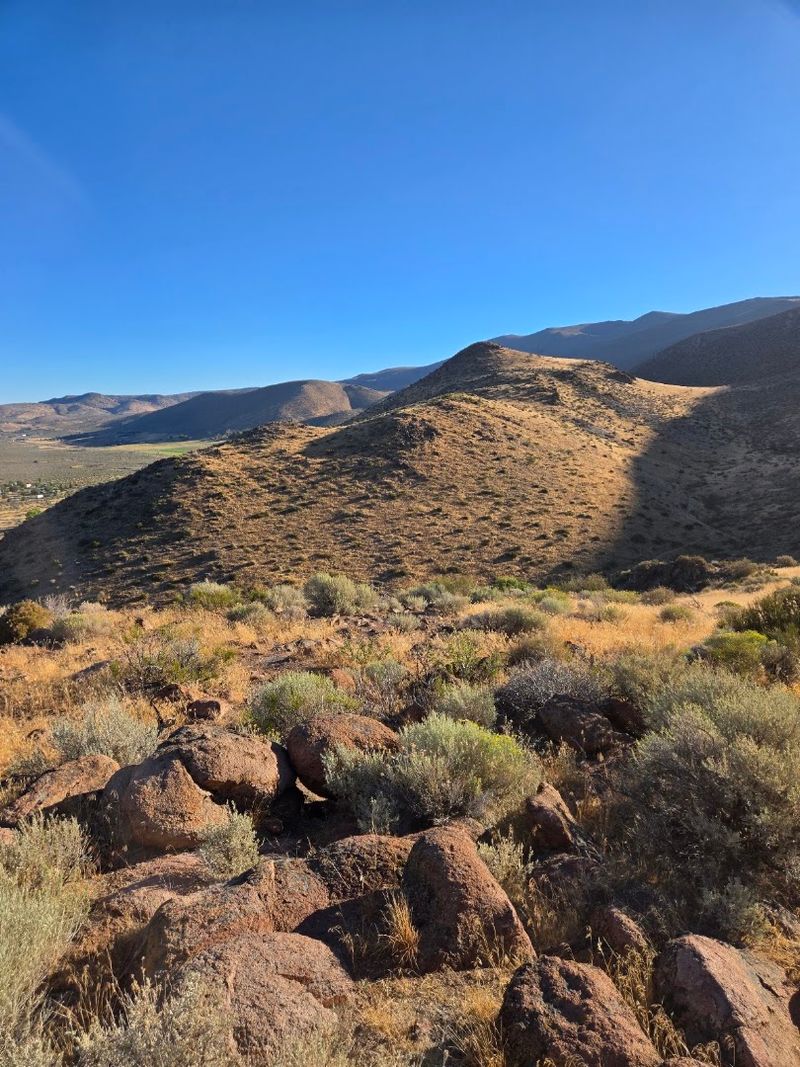
The hiking at Washoe Lake State Park covers more varied terrain than most visitors expect. Trails lead toward the lake, out across open sand dunes, and up into the nearby foothills, offering genuinely different experiences depending on which direction you head.
The sand dune trails have an almost meditative quality. The ground shifts underfoot, the wind moves across the open surface, and the surrounding mountains stay visible the entire time.
It is a unique combination of landscape elements that you do not typically find packed into a single park.
The foothill trails climb higher and reward the effort with broader views of the valley and the lake below. None of the trails are technically demanding, making them accessible to a wide range of fitness levels.
Families with older kids and casual hikers both find plenty to explore without needing specialized gear or trail experience to enjoy the outing.
An Equestrian Center Unlike Most State Parks
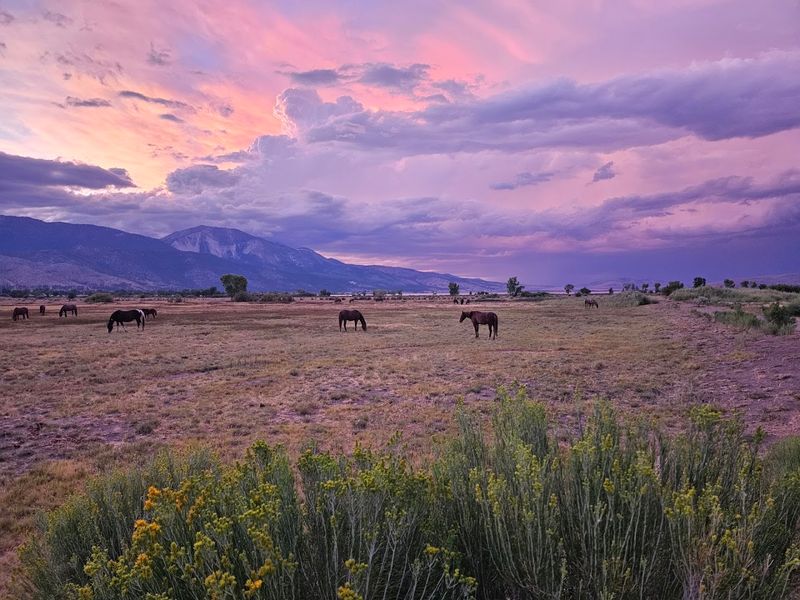
Most state parks accommodate hikers and campers. Washoe Lake State Park goes a step further by offering a dedicated equestrian center, a feature that genuinely sets it apart from the majority of parks in the region.
Riders can bring their own horses and camp alongside them, which creates a wonderfully old-west atmosphere in the evenings.
Watching equestrian campers come in for the night on their saddle horses while the wild mustangs graze somewhere out beyond the fence line is a layered experience that feels both timeless and completely specific to this part of Nevada.
The equestrian facilities make the park a destination for a community of riders who might otherwise have limited options for overnight trips with their animals. That inclusivity adds a dimension to the park that casual day visitors often overlook entirely, but which contributes significantly to the overall character of the place.
Sunrises Worth Setting an Alarm For
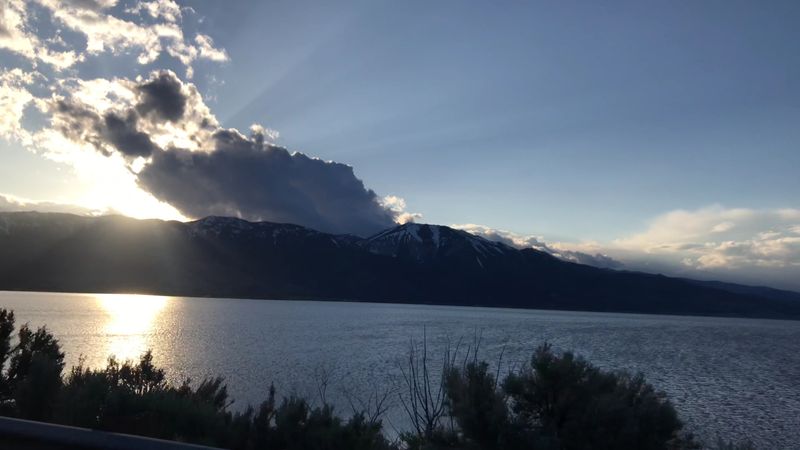
Early risers at Washoe Lake State Park get something that late sleepers simply miss. The sunrise here hits the Carson Range first, lighting the peaks while the valley below is still in shadow.
That contrast between the glowing mountain tops and the dark, quiet land below creates a visual moment that feels almost theatrical.
The lake catches the color next. On calm mornings, the reflection on the water doubles the effect, turning the surface into a mirror of orange, pink, and gold.
It is the kind of scene that makes you reach for your phone and then put it down because no image quite captures the scale of it.
Campers who mentioned staying up for the stars often found themselves still awake when the sky began to lighten on the eastern horizon. The transition from starfield to sunrise at this park is, by most accounts, well worth losing a little sleep over.
A Central Base for Exploring the Region
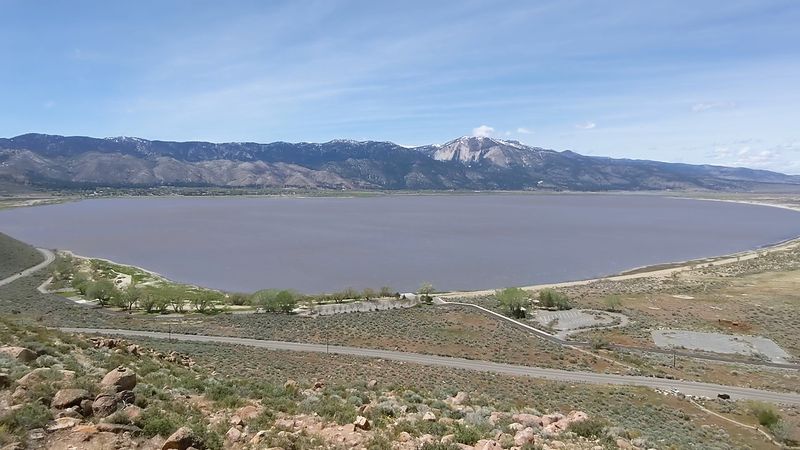
One of the most practical things about Washoe Lake State Park is its location. Sitting between Reno and Carson City, it puts visitors within easy reach of several major regional attractions.
Virginia City, with its preserved mining-era architecture and history, is a short drive away. Lake Tahoe is close enough for a day trip.
Carson City offers museums, including a railroad museum that draws repeat visitors.
The park sits right off the highway, making it easy to come and go without complicated navigation. That accessibility makes it a smart base camp for anyone exploring the Eastern Sierra corridor over several days.
Genoa, Nevada’s oldest settlement, is also nearby for those interested in the area’s early history. Having so many different options within reach means that even a four or five-day stay at the park never runs out of things to see and do beyond the park boundaries.
Winter Camping in the High Desert
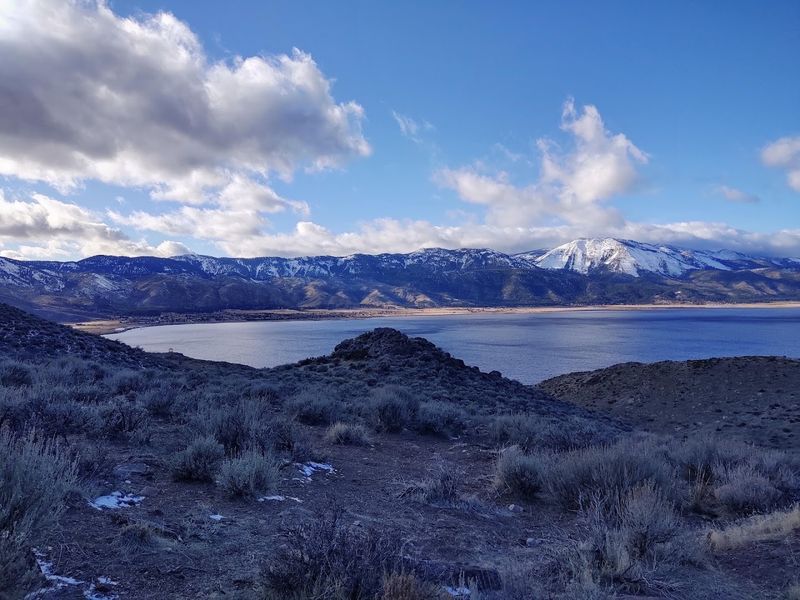
Winter camping at Washoe Lake State Park has a devoted following for good reason. The crowds thin dramatically once temperatures drop, leaving the park with a stillness that summer visitors never quite experience.
The mountains take on a different character with snow on the upper elevations, and the lake reflects a cooler, more muted palette of blues and grays.
One loop of the campground stays open through winter. Restrooms remain accessible with water available, and the dump station provides potable water even after the campground water lines have been drained for the cold season.
That level of functionality during the off-season is genuinely appreciated by campers who prefer the quiet months.
Wild horses are often easier to spot in winter because the vegetation is lower and the animals range more openly across the valley floor. A winter morning at this park, with frost on the sagebrush and snow on the peaks, is its own kind of reward.
Paragliders, Road Cyclists, and Open Sky
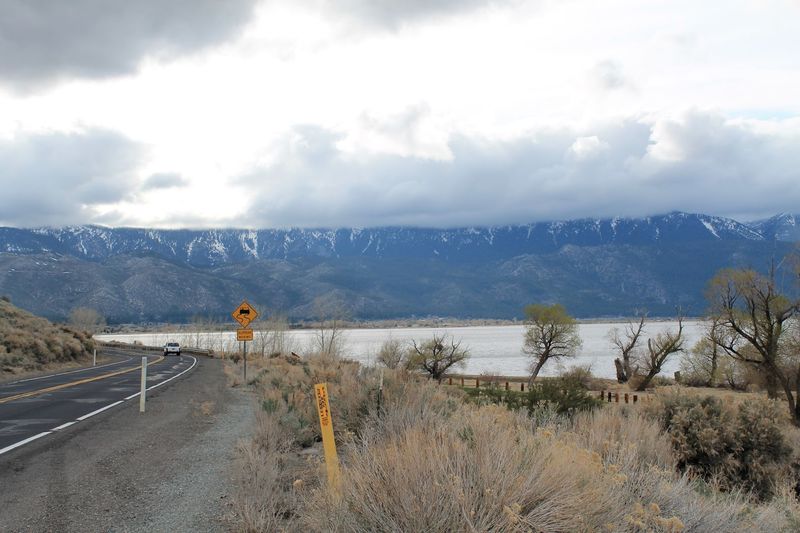
The wide-open terrain around Washoe Lake attracts more than hikers and campers. Paragliders launch from the hills across the road from the park, riding thermals above the valley with the Sierra Nevada as their backdrop.
Watching them drift overhead while you sit at a picnic table adds an unexpected element of spectacle to an afternoon at the lake.
Road cyclists also use the area regularly, taking advantage of the relatively flat terrain and the scenic route along the lake edge. The combination of open road, mountain views, and minimal traffic makes it a popular stretch for those who prefer their exercise with a view.
The park manages to attract multiple outdoor communities without any single group overwhelming the experience for others. That balance feels natural here rather than managed, which is part of what makes Washoe Lake State Park genuinely worth visiting for people with very different ideas of what a perfect outdoor day looks like.
Picnic Areas With Shade Structures and Fireplace Rings
The day-use areas at Washoe Lake State Park are set up thoughtfully for visitors who are not staying overnight. Picnic tables come equipped with solid steel shade structures, which matter enormously in a Nevada summer when the sun is direct and the temperatures climb.
The fire rings at campsites give evenings a warm focal point, though wind can make campfire management a real consideration, especially during breezy afternoons.
The grounds are consistently described as clean and well-maintained. Trash pickup is prompt, restrooms stay in good condition, and the overall impression is of a park that takes its maintenance seriously.
That kind of upkeep reflects well on the Nevada State Park system as a whole.
Visitors who stop just for a picnic and a walk tend to stay longer than they planned. The combination of shade, mountain views, bird activity, and the possibility of spotting horses keeps people rooted to the spot well past their intended departure time.
Tips for Spotting Wild Mustangs Up Close
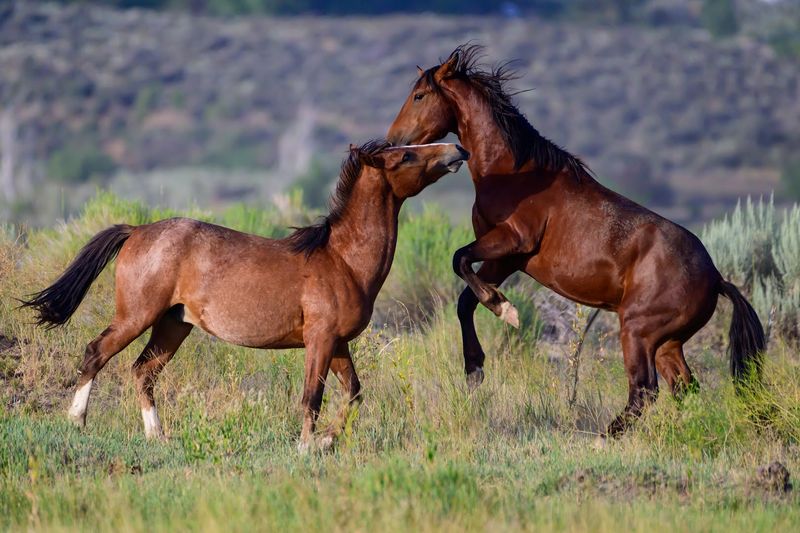
Getting a good look at the wild mustangs at Washoe Lake takes patience and a willingness to move slowly. The horses are genuinely wild and respond to noise, fast movement, and the smell of humans at close range.
Experienced horse-watchers recommend arriving early in the morning or in the late afternoon when the animals tend to come down toward the water.
Driving in slowly and cutting the engine once you spot a herd gives you the best chance of a sustained sighting. Sitting still inside the vehicle rather than stepping out reduces the chance of startling them.
Keeping windows down lets you hear the sounds of the herd, which adds considerably to the experience.
The dedicated viewing area about a mile from the main campground is the most reliable spot. Patience is genuinely rewarded here.
Visitors who have waited quietly for twenty minutes or more have reported watching entire herds move freely across the open ground without any sign of alarm.
Planning Your Visit Before You Arrive
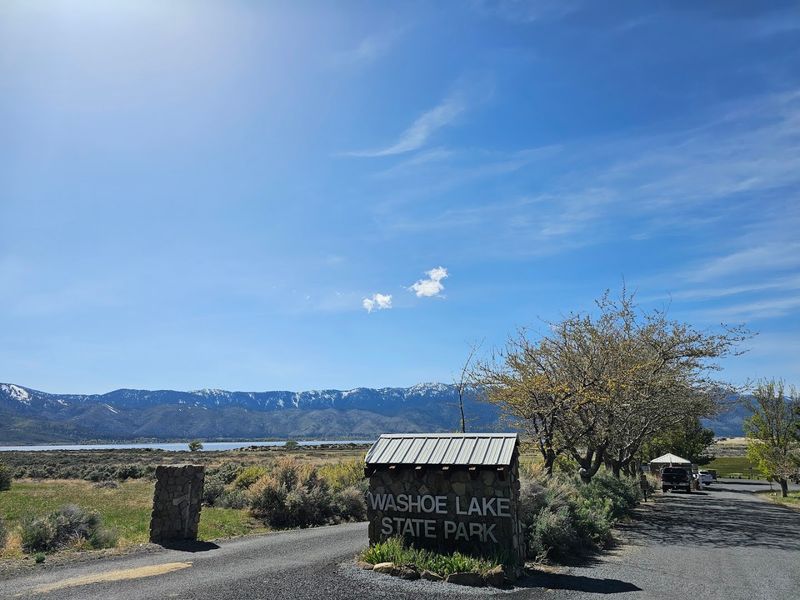
A few practical details can make a significant difference in how smoothly a visit to Washoe Lake State Park goes. Reservations are strongly recommended, especially for weekend visits and during the warmer months.
The park does accept walk-in campers, but available sites fill quickly, and arriving without a reservation in the afternoon is a gamble that does not always pay off.
The park requires at least 72 hours advance notice for reservations, so last-minute planning needs to happen at least three days out. Loop A offers full hookups and stays open year-round, while Loop B is the dry camping option for those who want a simpler setup.
Bringing your own soap for the showers is a small but useful detail that frequent campers mention. Wind can be a factor on storm days, so securing loose items at your campsite before settling in for the evening is a habit worth developing quickly at this park.
Share this story