There is a place in Nevada where the sidewalks are still made of weathered wood, the buildings look exactly as they did over 150 years ago, and the stories people tell there sound too wild to be real. A massive silver strike in 1859 turned a quiet mountain slope into one of the most famous boomtowns in American history, drawing fortune seekers, outlaws, journalists, and entertainers from across the country.
Mark Twain himself once worked as a reporter here, and the town he wrote about has barely changed since he left. Virginia City, Nevada sits at an elevation of about 6,200 feet in the Virginia Range, and every street, building, and mine shaft tells a story that refuses to stay in the past.
The Silver Strike That Built a Legend
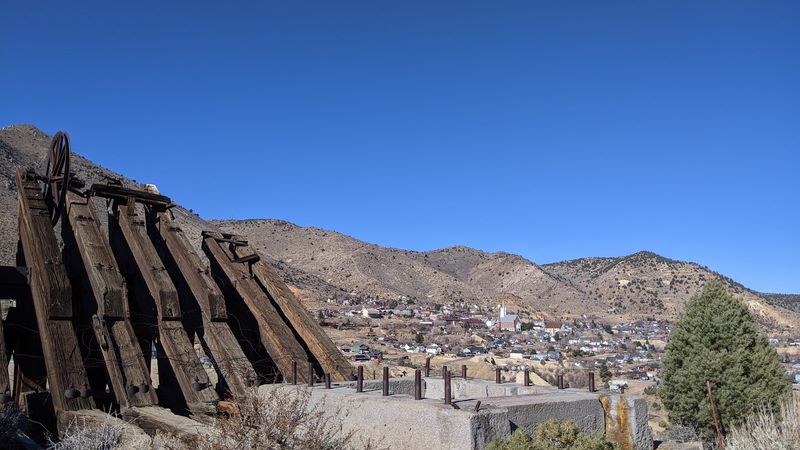
Most towns are built gradually over decades. Virginia City, Nevada, located in Storey County along the Virginia Range, essentially exploded into existence almost overnight after the discovery of the Comstock Lode in 1859.
That single silver strike became one of the richest ore deposits ever found in the United States, and within just a few years, the population swelled into the tens of thousands. Miners, merchants, gamblers, and journalists flooded the mountain town at an elevation of roughly 6,200 feet.
The wealth pulled from the earth here helped fund the Union during the Civil War and played a major role in Nevada achieving statehood in 1864. Walking the main street today, you can still feel the weight of that history pressing through the old brick and timber buildings.
The silver may be gone, but the story it left behind is anything but quiet.
C Street and the Victorian Storefronts
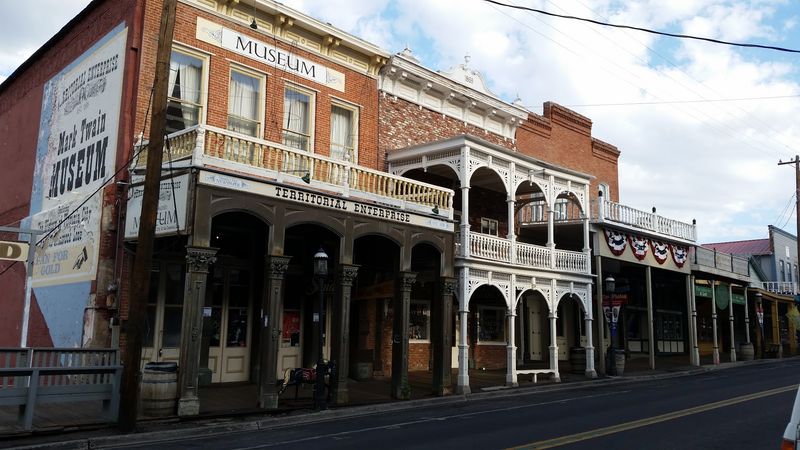
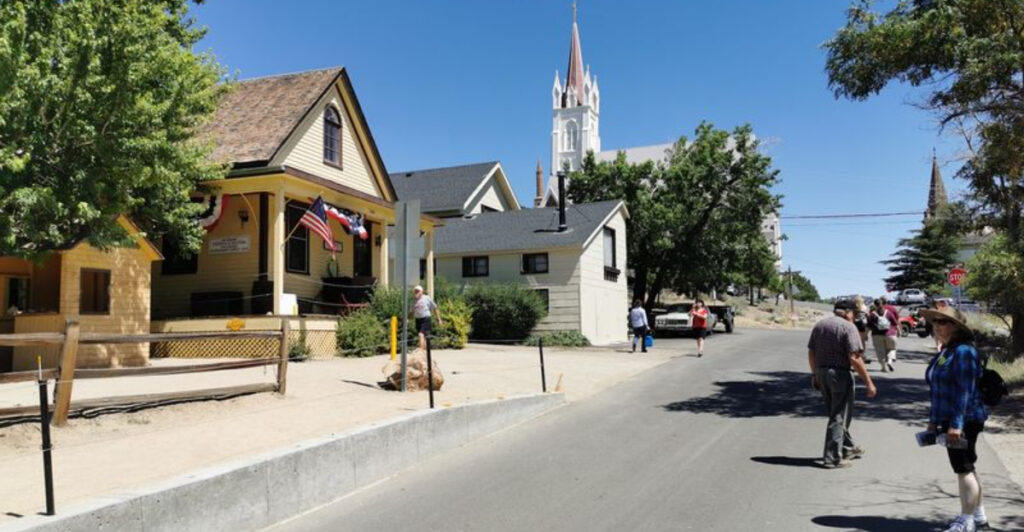
C Street is the beating heart of Virginia City, and the first time you walk it, you genuinely feel like time took a detour somewhere around 1875. The wooden boardwalks creak underfoot, the storefronts are narrow and tall, and the painted signs look like they belong on a movie set, except none of this is a set.
These buildings are the real thing. Many were constructed during the height of the silver boom and have stood through fires, earthquakes, and more than a century of Nevada winters.
Shops, museums, and small attractions line both sides of the street, making it easy to spend an entire afternoon just wandering from one doorway to the next.
What surprises most first-time visitors is how compact it all feels. Everything is within easy walking distance, and the mountain air gives the whole experience a crisp, almost theatrical quality that is hard to describe until you feel it yourself.
Piper’s Opera House and Its Storied Stage
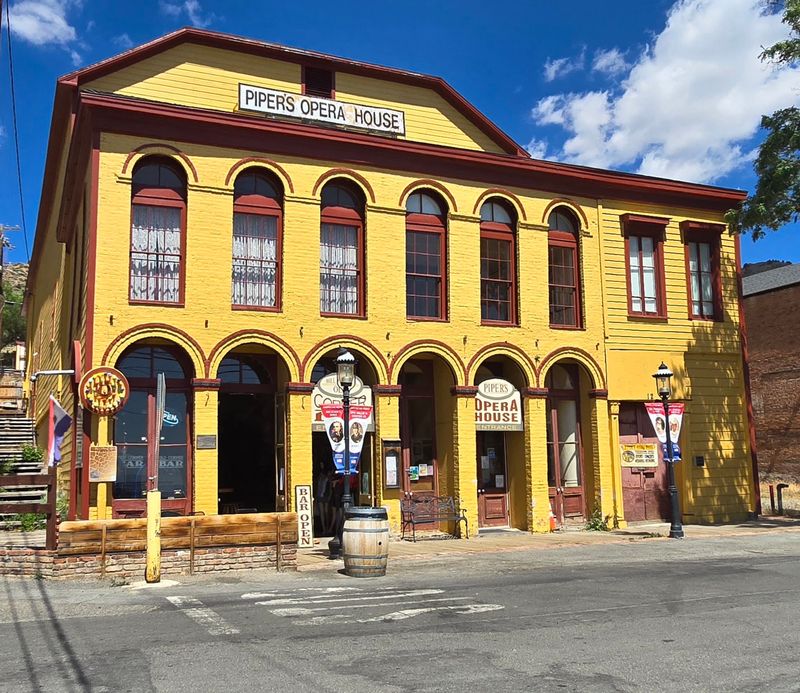
Some buildings carry a certain gravity, and Piper’s Opera House is one of them. Built in 1885, it is the third opera house to stand on this site after two earlier versions were destroyed by fire, which was a frustratingly common problem in 19th-century Nevada boomtowns.
The performers who graced this stage read like a who’s-who of 19th-century entertainment. John Philip Sousa, Harry Houdini, and Edwin Booth all performed here, drawing audiences who traveled significant distances through mountain terrain just to watch a show.
The interior has been carefully preserved, and the sloped wooden floor, designed so audiences in the back could see over the heads of those in front, still exists today. Guided tours let visitors explore the stage and seating area up close.
Standing on that stage and looking out at the empty wooden seats, it is not hard to picture a full house on a cold Nevada night, waiting for the curtain to rise.
The Washoe Club and Its Reputation for the Unexplained
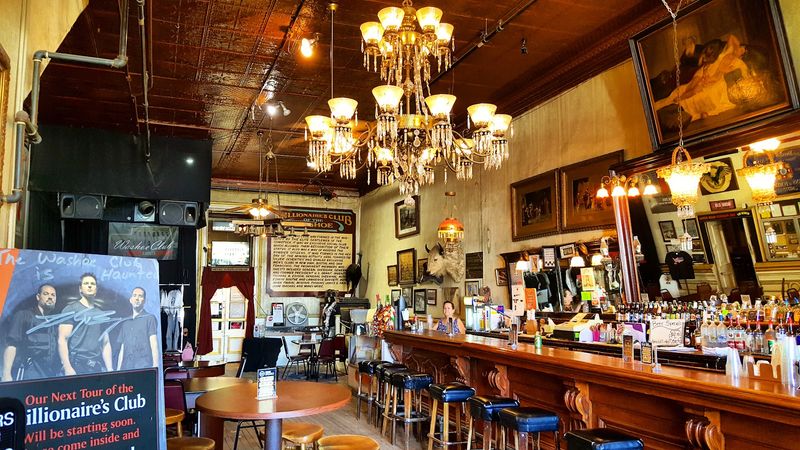
Not every attraction in Virginia City is about silver or history books. The Washoe Club, originally opened in the 1870s as a private social club for wealthy mine owners and businessmen, now carries a reputation that draws a very different kind of visitor.
The building has been featured on numerous paranormal investigation television programs, and its spiral staircase and crypt-like lower level have become the focal points of countless ghost tours that run through Virginia City. Whether or not you believe in the supernatural, the atmosphere inside is undeniably eerie in the best possible way.
The architecture alone is worth the visit. The ornate Victorian woodwork, the worn floorboards, and the heavy silence of the upper floors create an environment that feels genuinely frozen in time.
Ghost tour operators run evening events through the building regularly, and the experience tends to leave a lasting impression on visitors regardless of their level of skepticism.
Fourth Ward School Museum
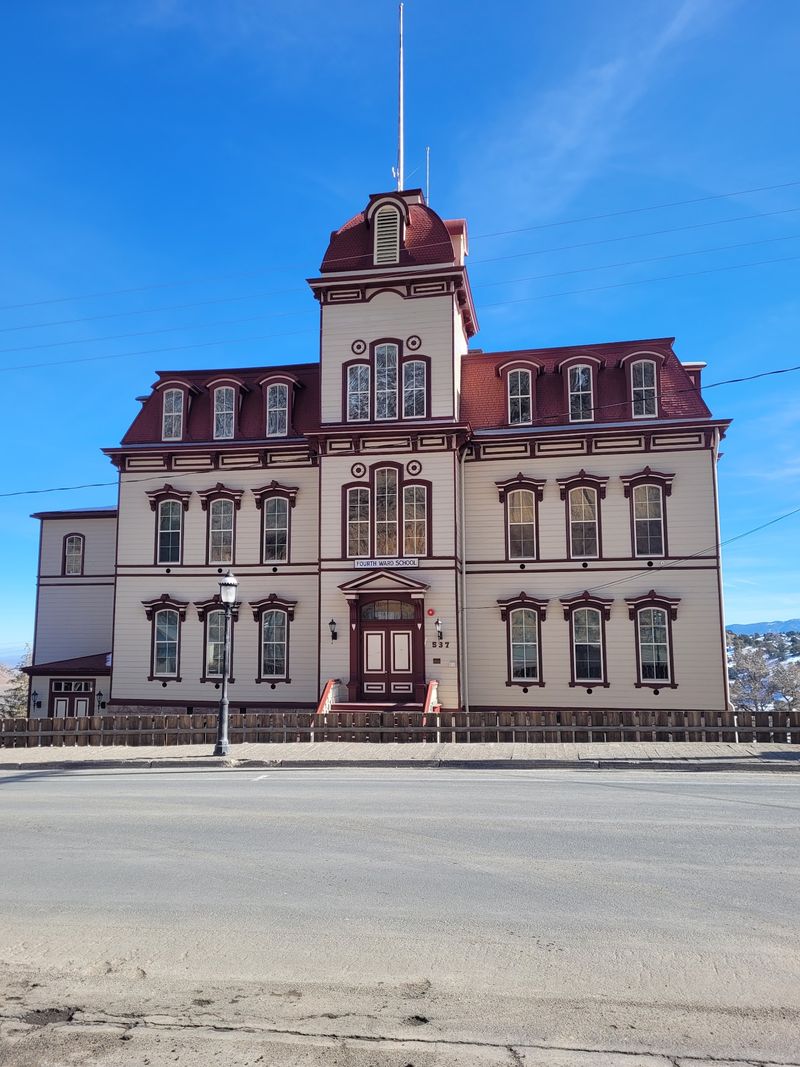
Few buildings in Virginia City command a hillside quite like the Fourth Ward School. Built in 1876 during the height of the silver boom, this four-story Victorian structure once served as the primary school for hundreds of children whose families had come to the mountain town chasing fortune.
Today it operates as a museum, and the restored 1876 classroom on the upper floor is genuinely one of the most striking rooms in all of Nevada. Wooden desks, a chalkboard, and period-accurate details make it feel less like a museum exhibit and more like the students simply stepped out for recess and never came back.
The lower floors feature exhibits about Virginia City’s history, its mining economy, and the daily lives of residents during the boom years. The views from the building’s upper windows stretch across the valley below, and that alone makes the climb up the hill completely worthwhile for any visitor.
Chollar Mine and Going Underground
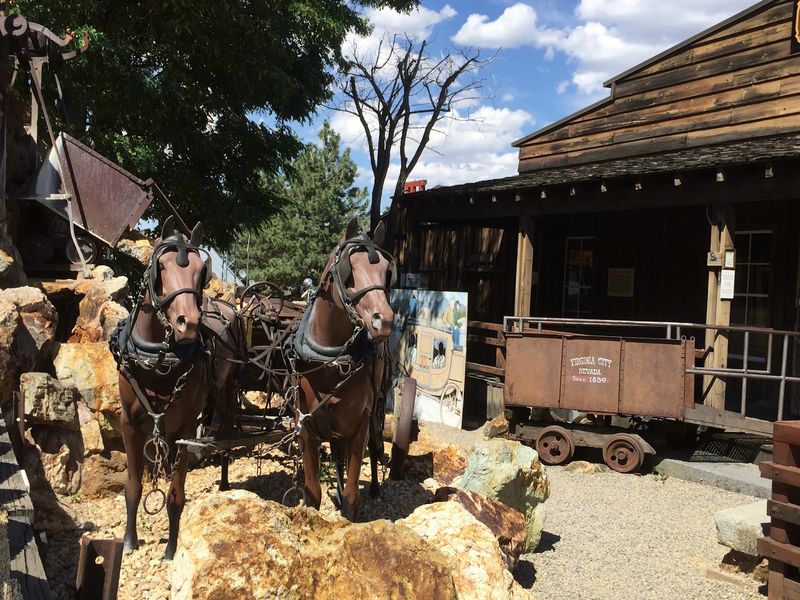
Reading about silver mining is one thing. Actually walking into the earth where miners spent their days is something else entirely.
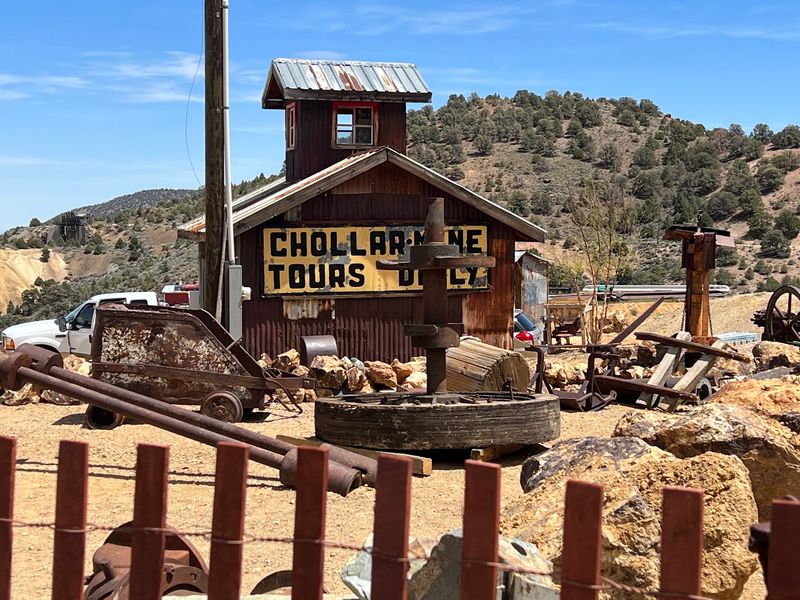
The Chollar Mine offers guided underground tours that take visitors into real mine tunnels carved out during the Comstock era, and the experience is unlike anything you can get at a surface-level museum.
The guides explain how miners worked in tight, dark conditions using hand drills, black powder, and sheer physical endurance. Silver ore samples and antique rock drills are displayed throughout the tunnels, giving a tangible sense of the tools and techniques that built Virginia City’s fortune.
The temperature inside drops noticeably compared to the Nevada sun outside, and the timber-lined walls and narrow passages create a quiet intensity that is hard to shake. Even visitors who consider themselves casual history fans tend to come out of the Chollar Mine with a much deeper appreciation for what was actually accomplished here.
The Way It Was Museum
There is a particular kind of museum that does not try to impress you with flashy technology or oversized installations. The Way It Was Museum in Virginia City is exactly that kind of place, and it is more effective for it.
The collection focuses on the Comstock Lode era through a carefully assembled mix of mining artifacts, historical maps, ore samples, and period photographs. Each display tells a specific part of the larger story, from the geology that made the silver deposits possible to the human drama that played out once the ore was discovered.
The museum is compact enough to move through in a focused hour but detailed enough that you could easily spend twice that time if you read everything carefully. It works particularly well as a first stop before exploring the rest of town, because the context it provides makes every other building and landmark feel more meaningful once you step back outside.
Mark Twain’s Virginia City Connection
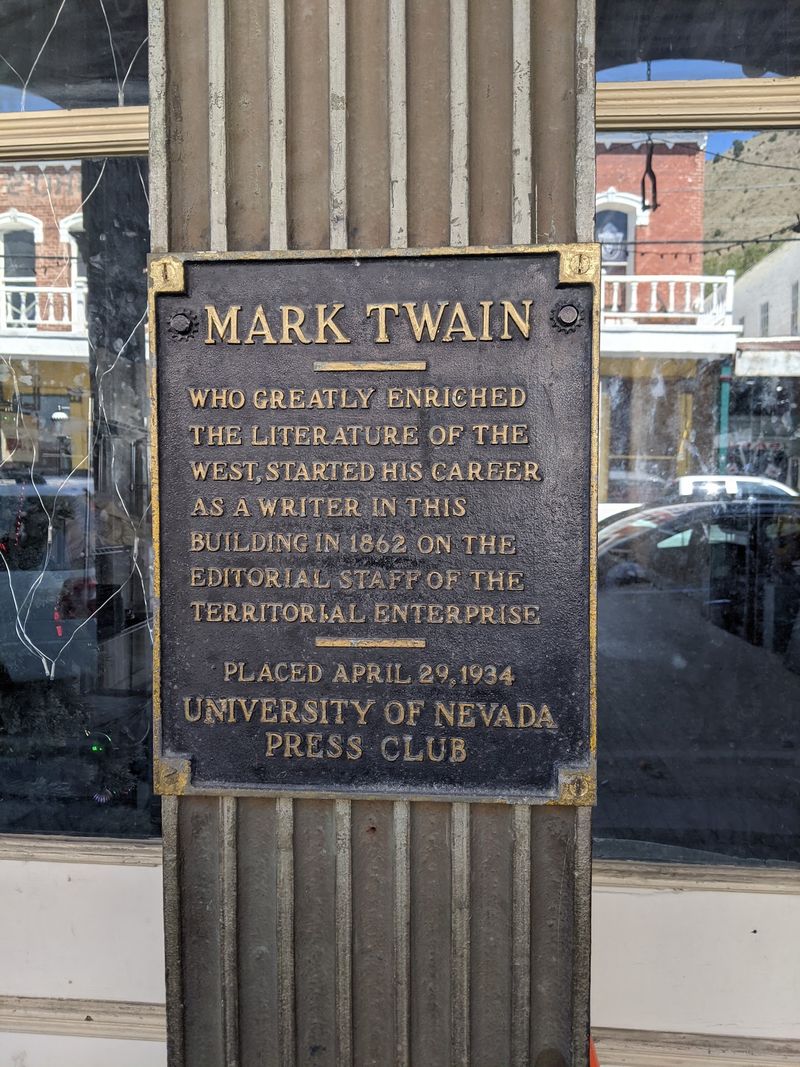
Before Samuel Clemens became Mark Twain, he spent time in Virginia City working as a reporter for the Territorial Enterprise, one of the most influential newspapers in the American West during the 1860s. It was here, writing colorful and often satirical dispatches about mining life and local characters, that he first began using the pen name that the entire world would eventually come to know.
The Territorial Enterprise building on C Street commemorates that connection, and for anyone who has ever read Twain’s work, standing in the town that helped shape his voice carries a genuine emotional weight. He wrote about Virginia City with a sharp, affectionate humor that still feels alive when you read it today.
The town did not just inspire Twain. It gave him the raw material for some of his earliest published writing and introduced him to the kind of larger-than-life characters that would populate his stories for the rest of his career.
Virginia and Truckee Railroad History
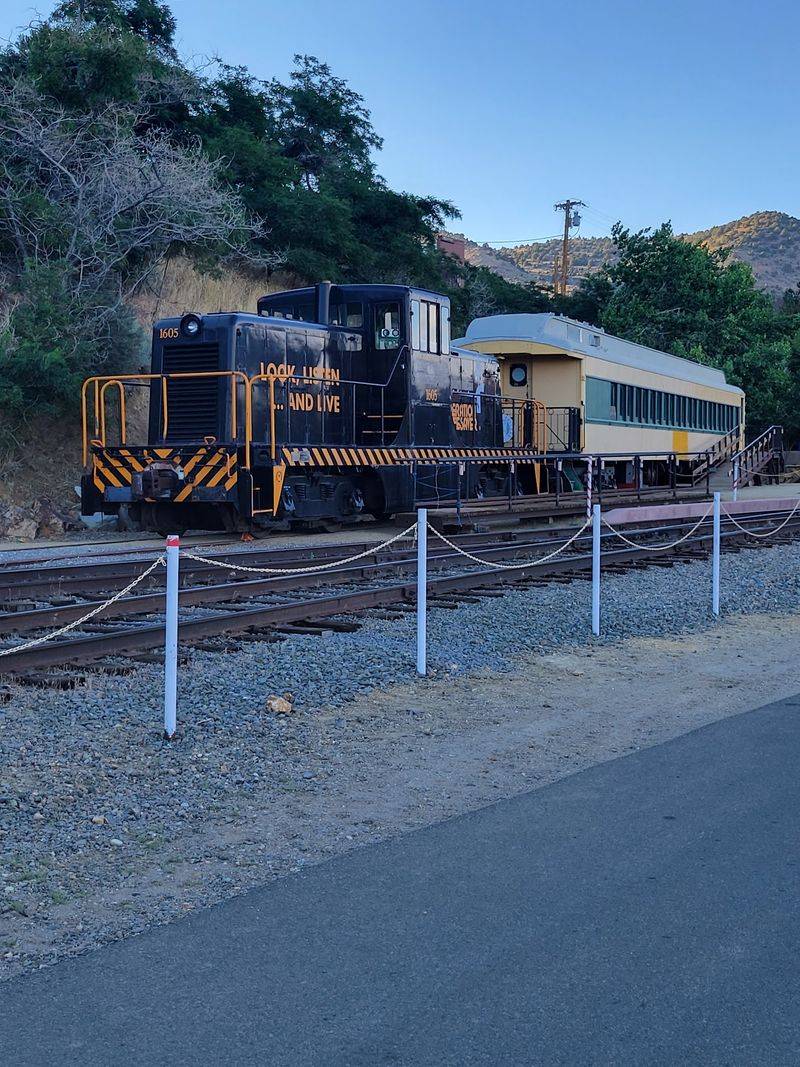
Getting silver ore out of the mountains required more than strong backs and mule teams. The Virginia and Truckee Railroad, completed in 1869, became the critical link between the mines of Virginia City and the mills and markets below in the Carson Valley.
At its peak, the line was considered one of the most profitable short-line railroads in the country, hauling enormous quantities of ore, timber, and supplies across some genuinely challenging terrain. The engineering required to build it through the steep Virginia Range was remarkable for its time.
Today, a heritage railroad operation offers seasonal excursion rides that follow portions of the original route, giving visitors a chance to experience the landscape the way freight passengers once did. The views from the train cars looking out over the Nevada high desert are striking, and the ride itself provides a completely different perspective on why this railroad mattered so much to the town’s survival and prosperity.
St. Mary’s in the Mountains Catholic Church
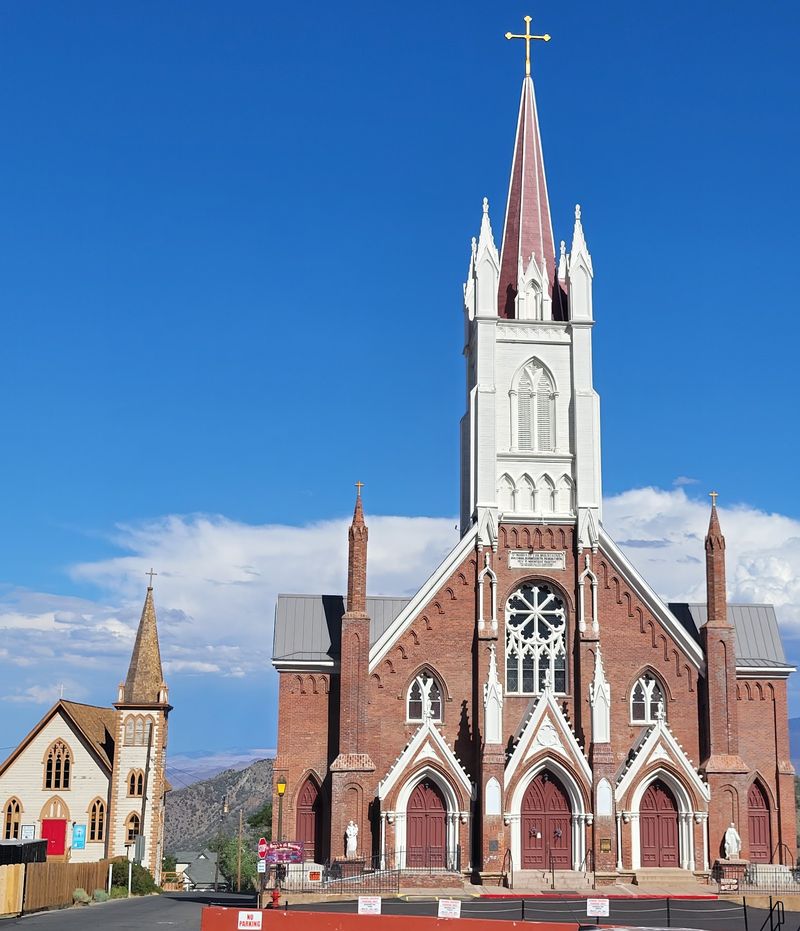
Among all the buildings that survived Virginia City’s turbulent 19th century, St. Mary’s in the Mountains stands as one of the most visually striking. The current structure, completed in 1877, replaced an earlier church that was lost to fire, a recurring theme in a town that was largely built from timber during a period before modern fire prevention.
The interior features stained glass windows and a high wooden ceiling that create an unexpectedly peaceful atmosphere given the wild history surrounding it on all sides. The church is still an active parish, which adds a layer of living history that purely preserved structures cannot replicate.
The bell tower is visible from much of the town, and it has served as a visual anchor for Virginia City for nearly 150 years. Visitors are generally welcome to look inside during appropriate hours, and the quiet inside the church offers a meaningful contrast to the lively street scene just a short walk away.
The Annual Camel and Ostrich Races
Virginia City has never been a town that takes itself too seriously, and nothing proves that better than its annual camel and ostrich races. The event traces its roots back to a real 19th-century tradition when camels were actually imported into Nevada to carry supplies across the desert, an experiment that was eventually abandoned but never quite forgotten.
The modern races, held each September, bring enormous crowds to Virginia City for a weekend of genuinely chaotic and entertaining competition. Watching a camel sprint down a dirt track while a determined rider holds on for the ride is not something most people expect to experience in their lifetime, and yet here it is, happening every year in the Nevada mountains.
The event has become one of the most distinctive annual gatherings in the state, drawing visitors from well beyond Nevada who come specifically for the spectacle. It is the kind of tradition that could only belong to a place like this.
Planning Your Visit to Virginia City
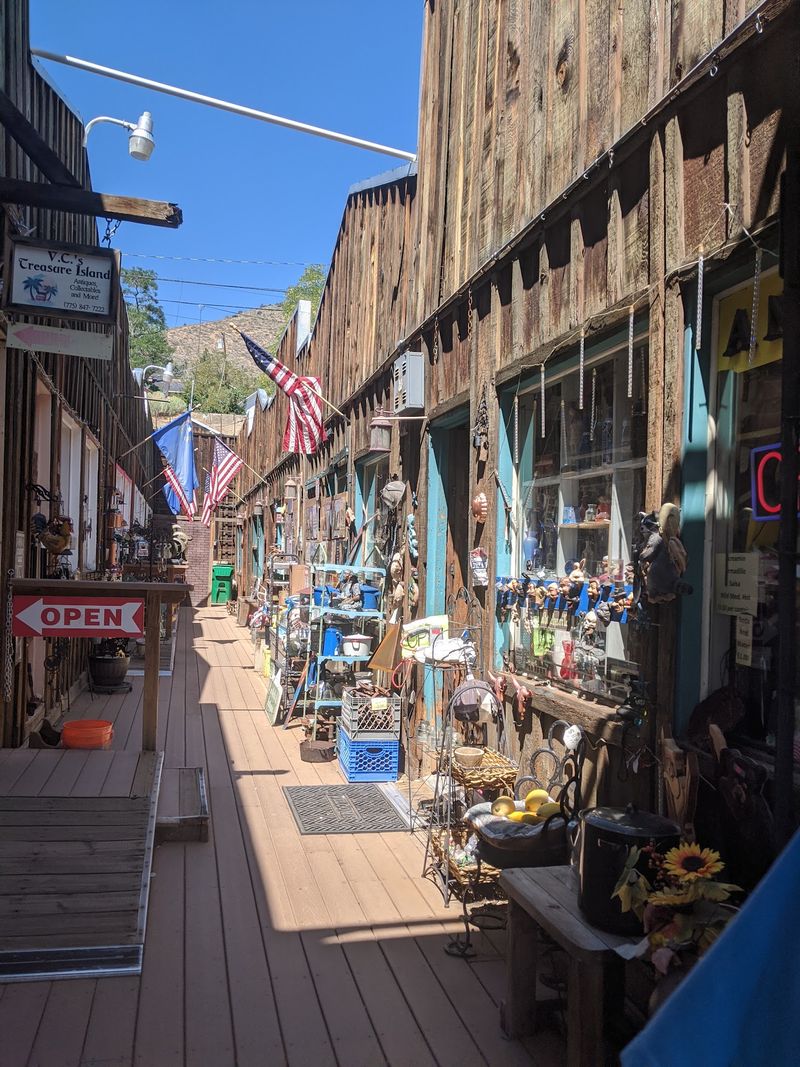
Virginia City sits about 23 miles southeast of Reno, Nevada, making it an easy day trip from the city or a natural stop on a longer Nevada road journey. The town is accessible year-round, though the weather at 6,200 feet can shift quickly, especially in winter, so checking conditions before you go is always smart.
Most of the main attractions are clustered tightly along C Street and the surrounding blocks, so comfortable walking shoes are more important than any detailed map. Many of the museums charge modest entry fees, and a few historic sites offer free access during regular hours.
The busiest season runs from late spring through early fall, when the weather is most cooperative and events like the camel races draw larger crowds. Visiting on a weekday gives you a quieter, more personal experience of the town.
Either way, arriving with no particular agenda and simply letting the streets guide you tends to work out remarkably well.
Share this story