A room built to feel like a real spaceflight control center sits inside an education building in New Jersey, and kids get to run the mission. Fourth graders take the consoles, and high schoolers launch rockets.
The missions here come with real plots, like a trip to Mars to relieve a crew already stationed there. Back in 2003, one Girl Scout troop chased Halley’s Comet through a simulated flight.
I like how the whole setup hands the controls to young people instead of parking them behind glass. Teams split between mission control and a ship, and every single seat shapes the outcome.
I can’t imagine a livelier way to make science feel truly urgent for a curious kid. So who in your family grabs the headset first, and who ends up running the whole show?
A Weekday Launchpad Hiding in Plain Sight in Paramus
Paramus has plenty of reasons for New Jersey families to drive over, but a space mission usually isn’t on the list. Buehler Challenger & Science Center quietly changes that.
Listed as an education center, it focuses on hands-on science learning built around simulated space missions. Students don’t just hear about spaceflight here, since they actually take on jobs during a mission.
Picture the difference between reading a chapter about rockets and being the person calling the next move. That shift is the whole point of the place.
School groups make up a big share of the action during the week. Field trips for elementary and middle school classes bring kids through for space-themed activities and simulations.
Summer brings a different crowd, with camps that stretch the experience across several days. Younger kids and high schoolers both have options, which keeps the center relevant as children grow.
Families who never had a school trip here might not realize it exists at all. Honestly, that makes discovering it even more fun.
Consider this your heads-up that a working space classroom sits right in Bergen County. The next sections show what actually happens once the doors open.
Consoles and Screens That Echo a Famous Florida Control Room
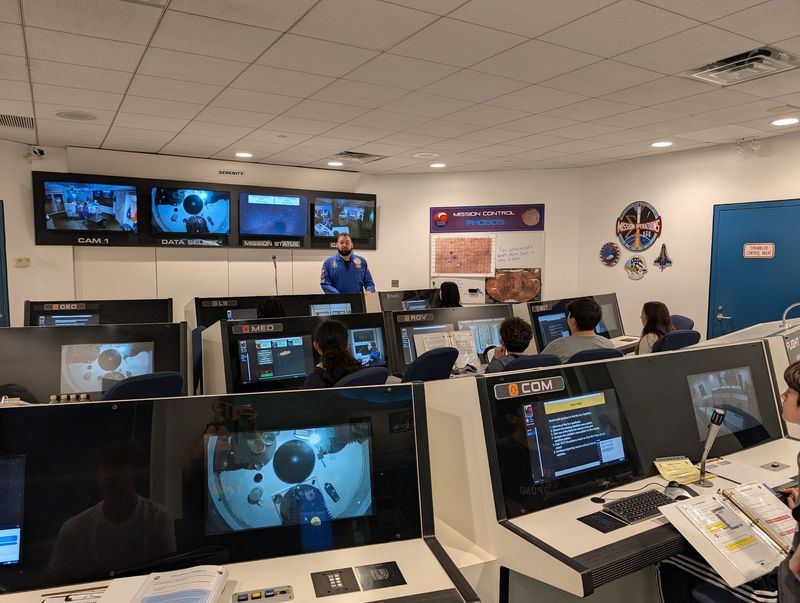
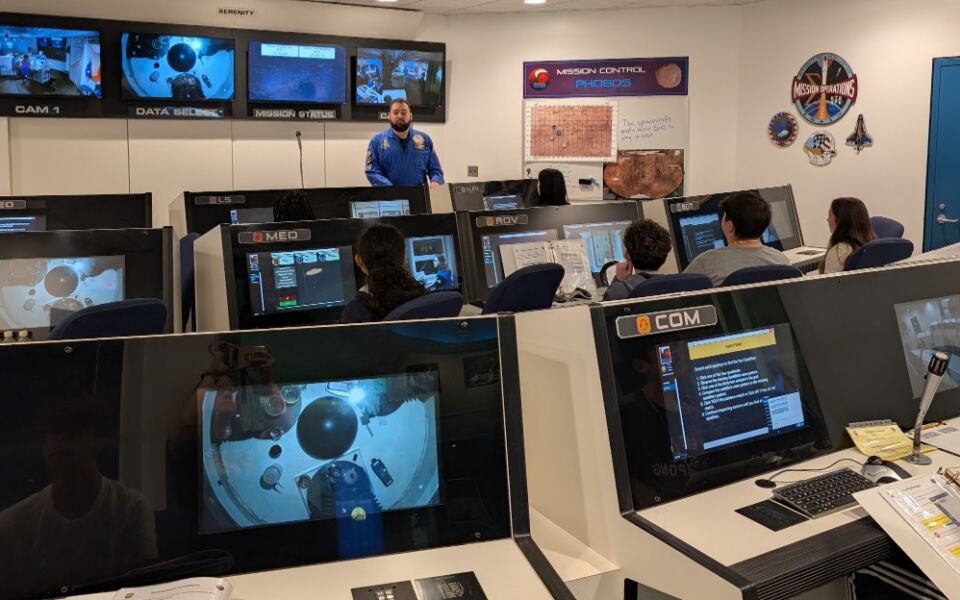
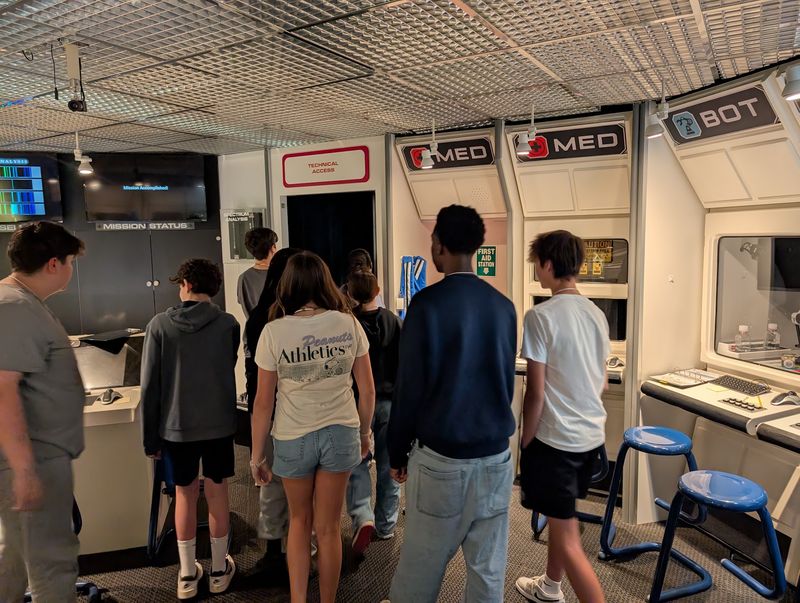
Rows of consoles, glowing screens, and a room arranged for teamwork set the tone the moment a mission begins. One parent compared the center to the control room at Kennedy Space Center.
That comparison tells you a lot about the design goal. Everything here aims to feel like a real operation instead of a classroom with space posters.
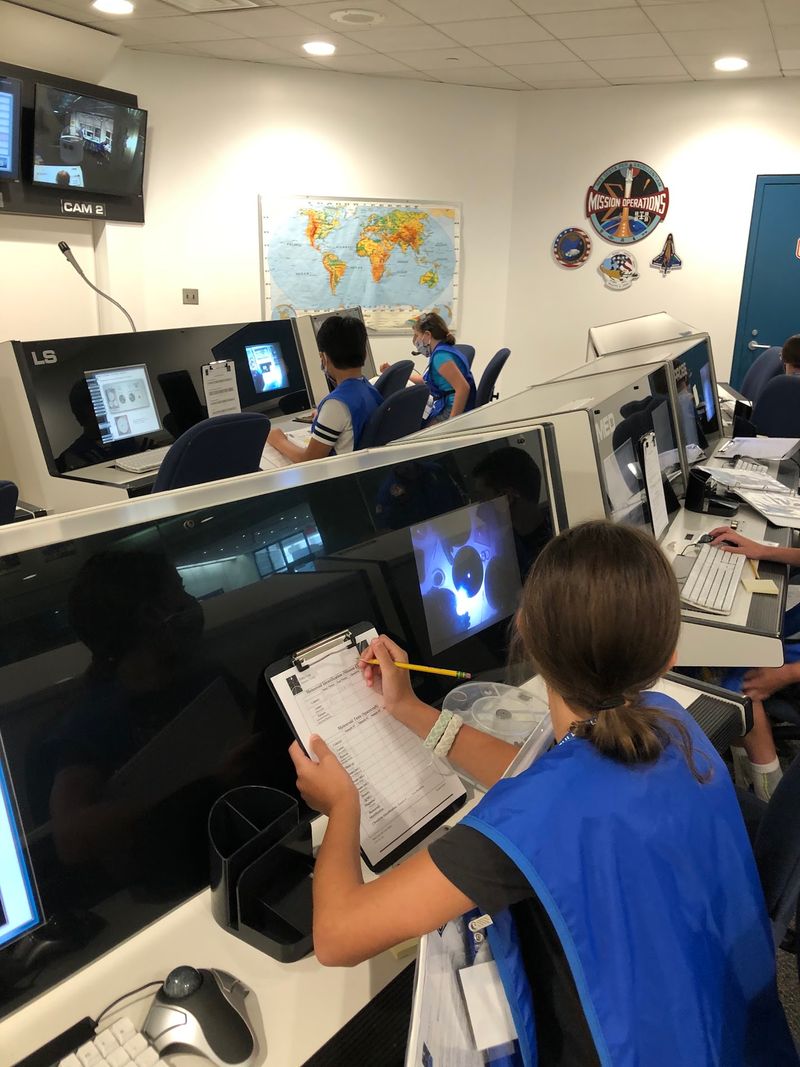
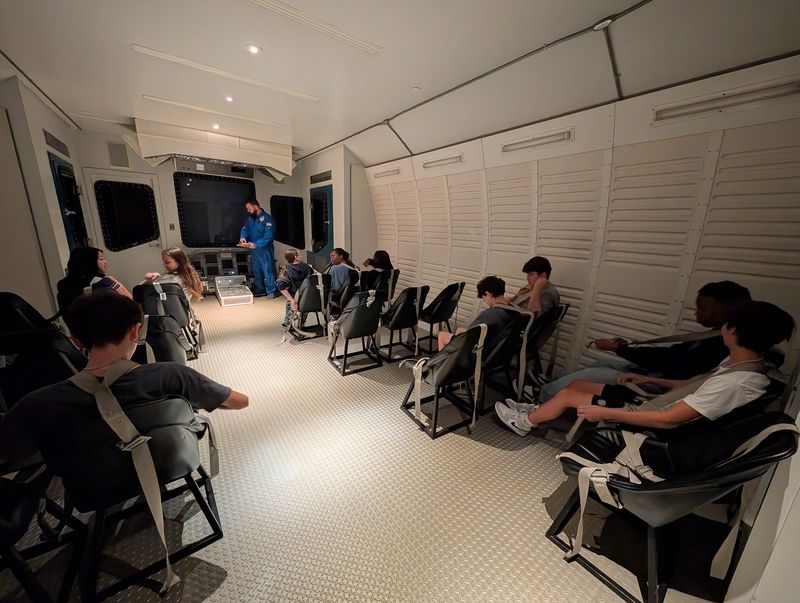
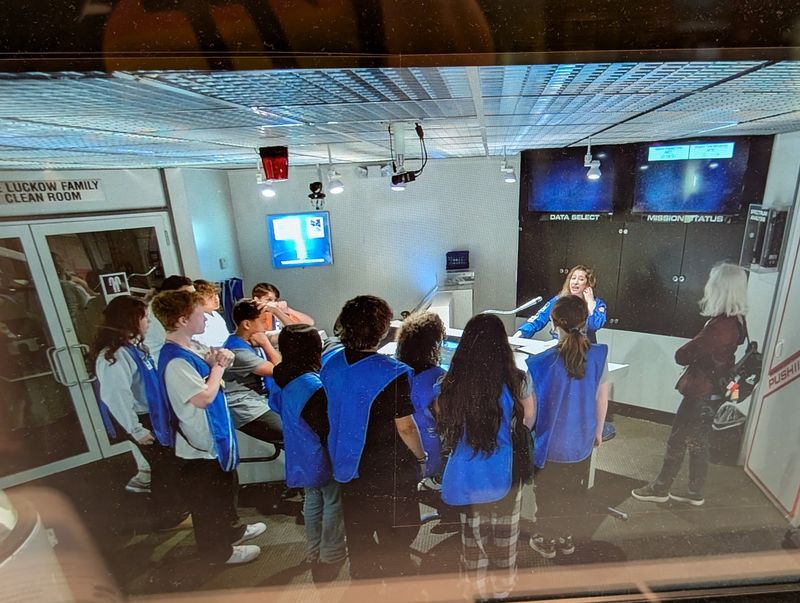
The experience splits into two settings. Some participants work in mission control, while others serve aboard a simulated ship.
Both groups depend on each other to keep the mission moving. Messages pass back and forth, problems pop up, and decisions need to happen quickly.
Kids who have been through it often describe how real everything feels. That sense of realism is exactly what turns a lesson into an adventure.
I like that nobody gets stuck as a spectator in this setup. Each station carries a job, and every job connects to the bigger goal.
For a child who loves gadgets, the room alone might be worth the trip. For a child who loves stories, the mission plot adds even more pull.
Put both together, and you get a space that feels purpose-built for curiosity.
Missions With Plot Twists, From Mars Relief Crews to Halley’s Comet
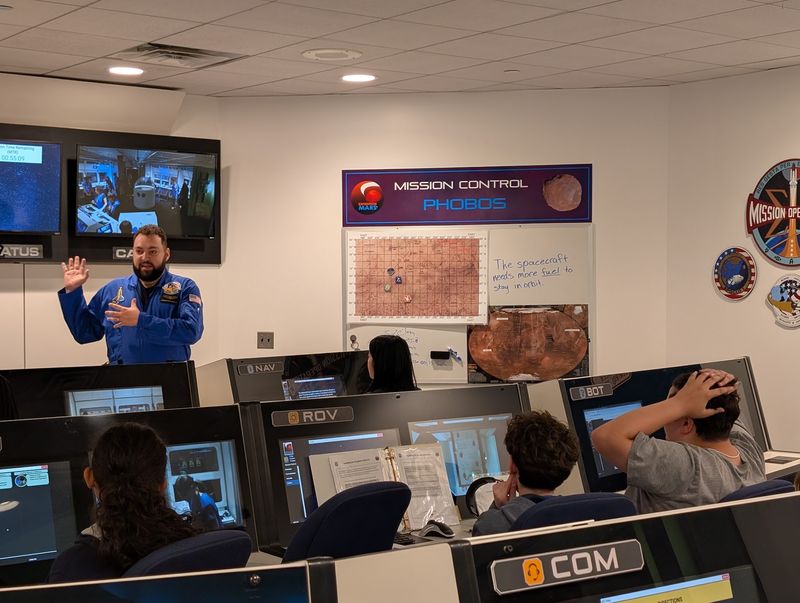
Mars needs a new crew, and your class just got the assignment. One eighth grade group took on exactly that, traveling in simulation to replace astronauts already working on the red planet.
Missions like that give students a clear objective from the start. They know where they’re headed, why it matters, and who’s counting on them.
Comets have starred in the storyline too. A mission called Rendezvous with Halley’s Comet ran at the center, and one Girl Scout troop experienced it back in 2003.
Years later, that trip still ranked as a favorite memory for one participant. Few field trips manage to stick around that long.
Story-driven missions do something worksheets rarely pull off. They make science feel like a problem worth solving right now.
A student checking data isn’t just practicing a skill in this setting. That student is helping a crew reach its destination safely.
Simulated or not, the stakes feel real when your team is working together under a mission clock. I believe that urgency is what makes the lessons land.
Not bad for a building in Paramus.
The Field Trip That Fourth Graders Keep Calling Their Favorite
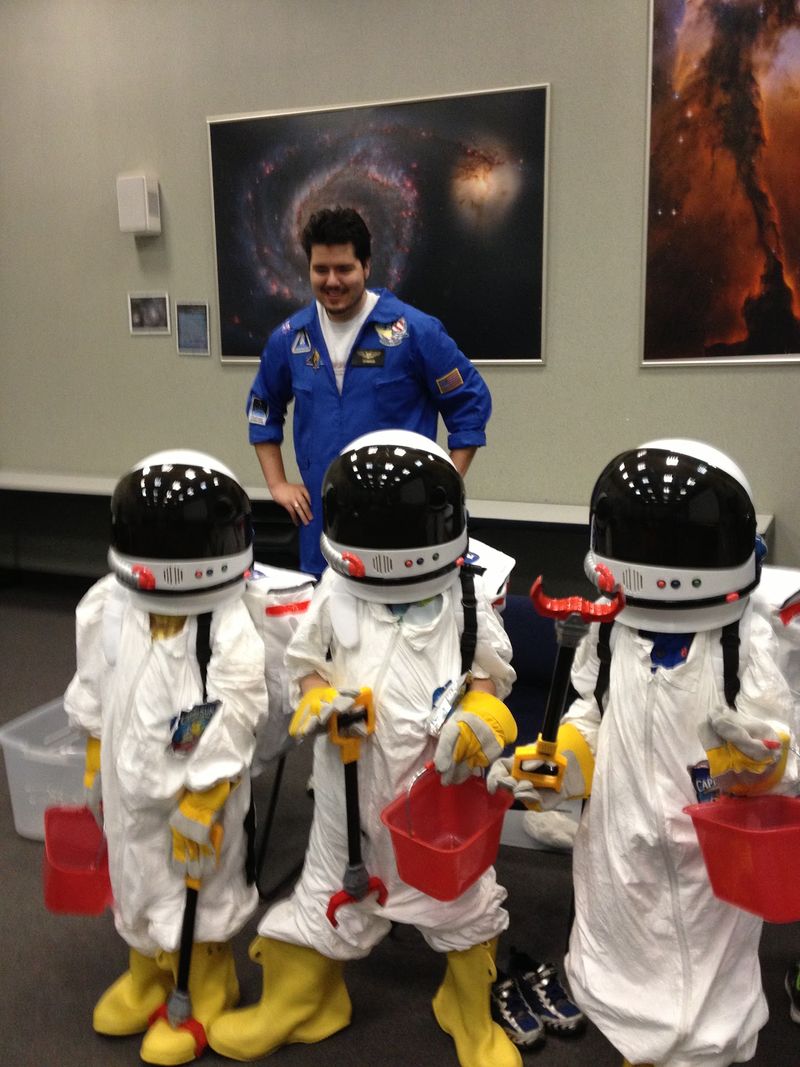
Teachers know a field trip has worked when the bus ride home gets noisy for the right reasons. Buehler Challenger & Science Center seems to deliver that kind of trip often.
Fourth grade groups show up frequently, along with fifth and eighth grade classes. One teacher’s class called it their favorite trip ever, which is a big claim from nine-year-olds.
Hands-on activities drive much of the day. Several different stations and challenges keep students moving instead of sitting still for long stretches.
Younger kids especially need that kind of active learning. A room full of buttons, tasks, and teammates gives them a reason to stay focused.
Staff members get plenty of credit for setting the tone. Groups have described the team as friendly, professional, and ready with extra surprises.
Science and environmental clubs have visited as well, not just full grade levels. That flexibility makes the center useful for different kinds of school groups across New Jersey.
Parents rarely get to see these trips firsthand, so the details come home secondhand. Expect excited retellings at dinner, possibly with sound effects included.
Summer Weeks Built for Rocket Girls and Young Space Fans
Day one of camp ended with one girl announcing it was the best camp she had ever attended. That’s the Rocket Girl camp, one of the summer programs at the center.
She also asked to sign up for more weeks right away. Any parent knows that request says more than any brochure could.
Space camp weeks bring the same energy to other kids. Families have described these weeks as a strong mix of real learning and plenty of fun.
One child summed it up by saying it’s impossible not to have fun there. That’s quite a review from someone who probably resists most educational activities in July.
Staff warmth comes up often in camp feedback. A friendly, caring team makes a big difference when kids spend a full week somewhere new.
Several campers want to return the following summer. That kind of repeat interest suggests the camps build real excitement, not just one good afternoon.
Camp offerings can change from year to year, so check the current lineup before planning. Summer schedules in New Jersey fill fast, and space themes tend to draw curious kids quickly.
High Schoolers Get Their Own Engineering Countdown
Teenagers are tough to impress, which makes the Product Engineering camp worth a closer look. It’s aimed at high school students, and it leans hard into space-related challenges.
Each day brings different activities and problems to solve. One highlight on the schedule is a real rocket launch.
Older kids often outgrow the programs they loved in elementary school. Having an engineering track keeps space-obsessed teens connected to the center as their skills grow.
The week wraps up with a graduation event. Parents can see the projects their kids built and take a tour of the facility.
That ending matters more than it might seem. Teens get to show their work, and families finally see the mission spaces they’ve heard about all week.
One parent noted the camp was a blast, pun fully intended. Hard to argue with a rocket launch as proof.
For a high schooler weighing engineering or science paths, a week like this offers a practical test drive. It’s hands-on, team-based, and focused on building something real.
Plus, nobody minds adding a launched rocket to their list of summer accomplishments.
Weekday Hours, Weekend Quiet, and How to Plan a Visit
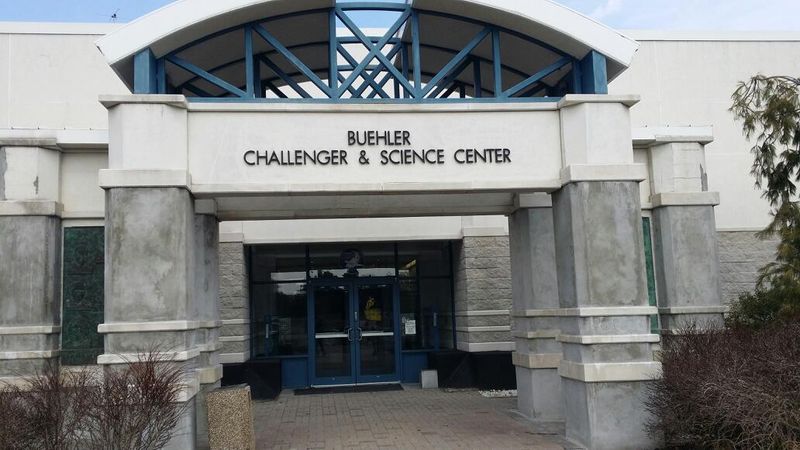
Monday through Friday is when the action happens. Buehler Challenger & Science Center keeps hours from 7:45 AM to 3:45 PM on weekdays.
Saturdays and Sundays are closed. That schedule fits the center’s focus on school groups and structured programs.
You’ll find it at 400 Paramus Rd, Paramus, NJ 07652. The location is easy to reach for families across North Jersey.
Because programs revolve around field trips and camps, casual drop-ins aren’t really the model here. Plan through a school, a scout troop, or a camp registration instead.
Teachers interested in a class trip should reach out to the center directly about mission options. Parents can ask their school whether a visit is already part of the year.
A gift shop sits on site too. Space-themed souvenirs make tempting add-ons, so budget a little extra if your kid loves keepsakes.
Camp details, dates, and age ranges may shift each season. Checking current offerings early helps you avoid missing the week your child wanted most.
Arrive ready for a full, structured day. Missions run on a schedule, much like the real thing.
Why This Mission Deserves a Spot on Your Family Radar
Some outings fade from memory by the following week. Missions at Buehler Challenger & Science Center seem to stick around much longer, sometimes for decades.
That Halley’s Comet memory from 2003 still shines for one former Girl Scout. Lasting impressions like that come from doing, not just watching.
The appeal stretches across ages in a way few places manage. Fourth graders, eighth graders, and high school engineers all find something that fits.
I love that every child gets a role during a mission. Shy kids, chatty kids, and natural leaders all have a seat that matters.
New Jersey has no shortage of museums, yet a working mission simulation is a different kind of stop. Kids walk out having solved something together.
It does take some planning, since weekdays and organized programs are the norm. A school trip request or a summer camp signup is the easiest route in.
For space-curious kids, it might become the highlight of their year. For parents, it’s a chance to watch curiosity turn into confidence.
So, ready to hand over the headset? Mission control is waiting in Paramus.
Share this story