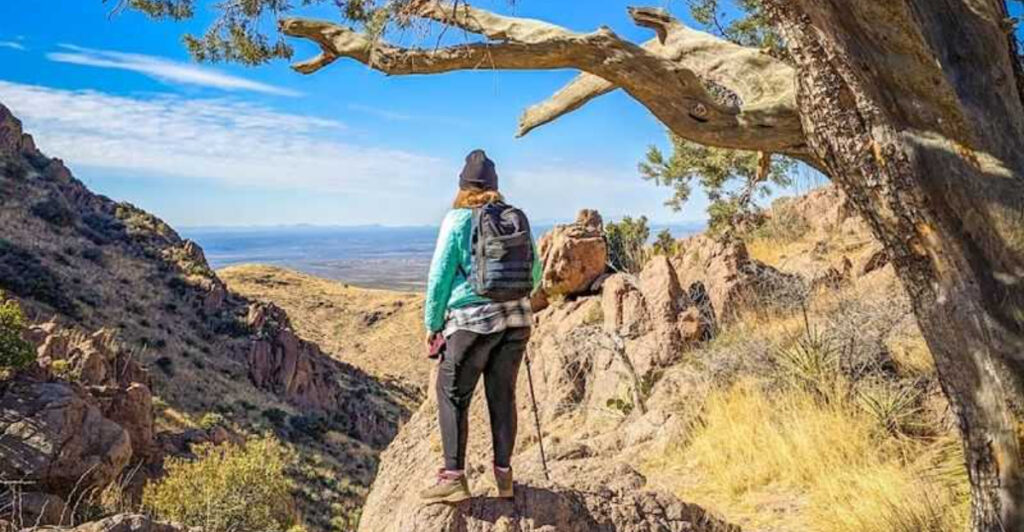
There is a trail outside Las Cruces, New Mexico, that does not announce itself with signage or crowds. It sits quietly off a rough gravel road, tucked into the Organ Mountains, waiting for the kind of hiker who is willing to work a little harder for something worth finding.
The payoff at the end is a shallow shelter cave perched above layers of desert rock, with canyon views that stretch out in every direction. This trail is rugged, honest, and completely unlike anything you will find at a trailhead with a paved parking lot.
If rocky climbs, wildlife encounters, and a cave at the finish sound like a good Saturday plan, keep reading.
The Organ Mountains Setting That Surrounds You
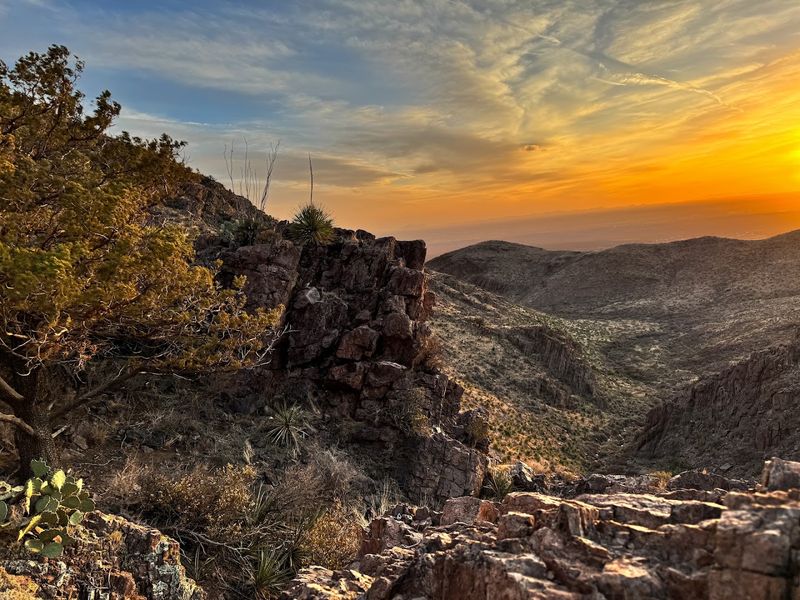
The Organ Mountains are one of southern New Mexico’s most striking natural features, and Achenbach Canyon cuts right through their rugged interior. The mountain range gets its name from the tall, pipe-like rock formations that jut upward from the desert floor, creating a dramatic backdrop that hikers get to walk directly into.
The canyon itself is deep and rocky, surrounded by walls of stone that rise sharply on either side of the trail. It is the kind of landscape that makes you feel small in the best possible way.
Wildlife is a real presence here. Deer, birds, scorpions, and rattlesnakes have all been spotted along the trail, so staying alert is part of the experience rather than just a safety tip.
The area is isolated enough that wildlife encounters happen regularly, which is part of what makes this trail feel genuinely wild rather than manufactured for casual foot traffic.
What Makes the First Mile So Demanding
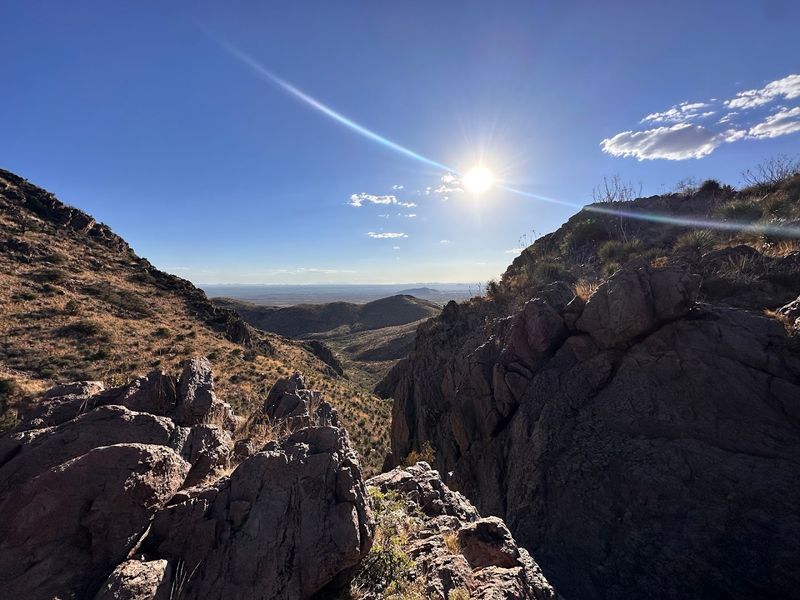
The first mile of Achenbach Canyon trail does not ease you in gently. It starts with a rocky, uphill climb that has caught more than a few hikers off guard.
The footing requires attention because loose gravel and uneven stone surfaces make each step something you need to think about, especially on the way back down when gravity works against you.
Trekking poles are genuinely useful here, not just a nice accessory. The descent on loose rock scree can be trickier than the climb up, so having that extra stability matters.
Once you push through that first challenging stretch, the trail opens into wider canyon terrain that rewards the effort. The rocky beginning is essentially a filter that keeps the trail quieter than most, since casual walkers tend to turn around early.
Pushing through that first section is exactly what separates an ordinary hike from the kind of trail story worth telling later.
The Shelter Cave That Waits at the Top
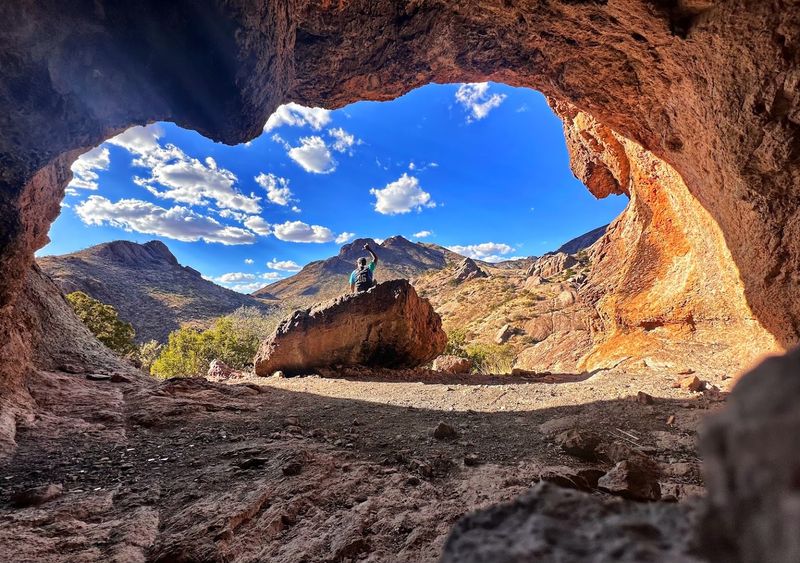
The shelter cave at the end of the Achenbach Canyon trail is the main destination, and it earns that title. Positioned at the upper end of the trail, the cave is shallow rather than deep, more of a natural rock overhang carved into the canyon wall than a dark underground chamber.
It sits at a high enough elevation that the views from that point stretch across the canyon in a way that makes the climb feel completely worth it. Families with kids have found the cave to be a genuinely exciting finish to the hike, the kind of natural feature that sparks curiosity rather than just serving as a photo backdrop.
The trail branches near the upper section, so paying attention to your route helps. Some hikers use AllTrails for navigation since the Google Maps pin for the cave has been noted to be slightly off from the actual location.
Elevation Gain and Trail Distance Breakdown
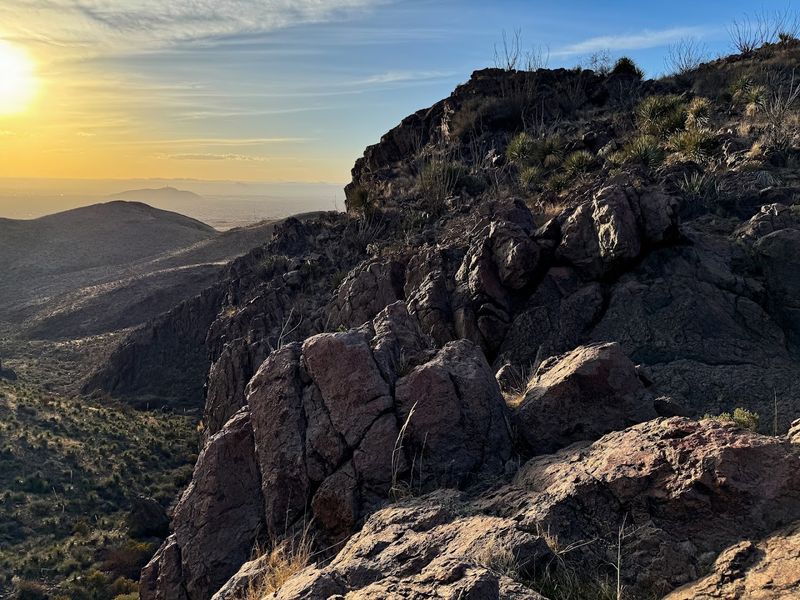
The Achenbach Canyon trail covers roughly five miles round trip, depending on which route or branch you take near the upper section. The elevation gain sits around 1,000 feet, which puts it firmly in the moderate to moderately challenging category rather than a casual stroll.
That combination of distance and elevation gain means you are working your cardiovascular system and your leg muscles at the same time, particularly during that rocky first stretch. The trail is well marked and easy to follow for the most part, which helps when you are focused on your footing rather than navigation.
The upper section opens into a grassy valley area surrounded by hill-size boulders, which provides a natural resting point before the final push toward the cave. The total experience, from parking to cave and back, typically takes a few hours depending on pace and how often you stop to take in the canyon views around you.
Hiking Here With Kids: What Families Should Know
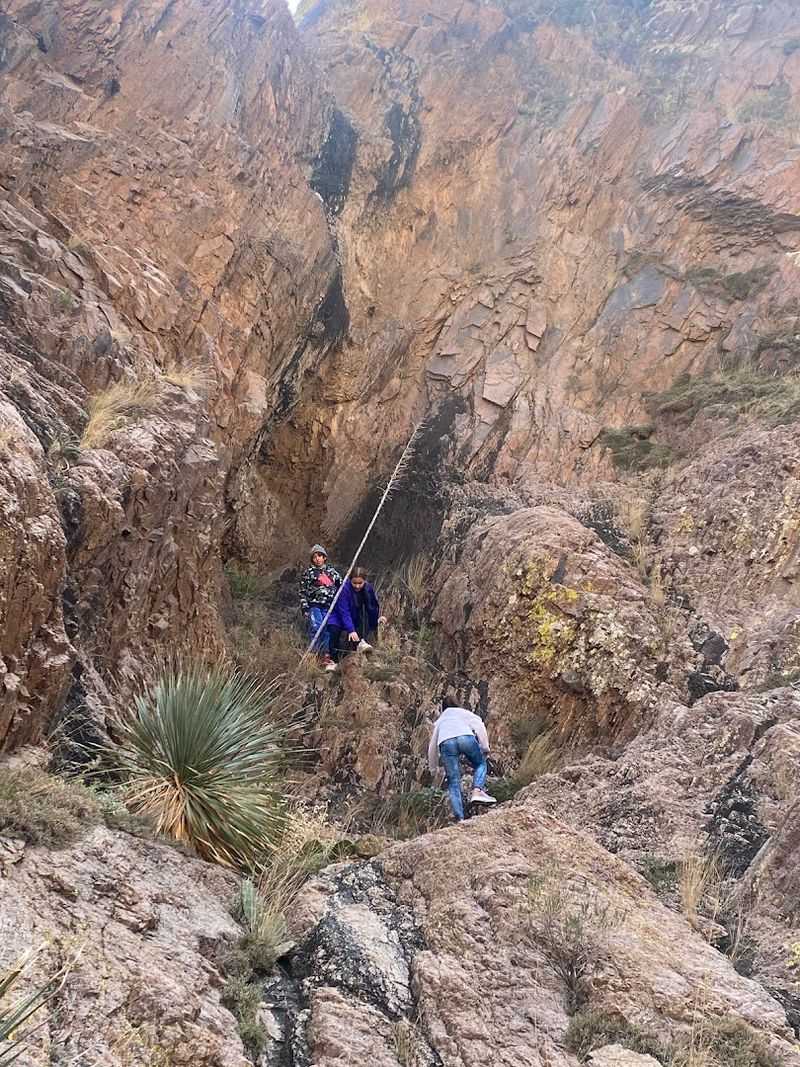
Families have brought young children on this trail with good results, including an eight-year-old spotted on the trail who reportedly loved every step of it. That said, the rocky and uneven terrain means kids need to be comfortable on their feet and old enough to handle loose stone without much assistance.
The shelter cave at the end serves as a natural motivator for younger hikers who might otherwise lose steam on the uphill sections. Having a clear and exciting goal at the finish line makes a noticeable difference in keeping kids engaged through the harder stretches.
Sunscreen is non-negotiable since there is almost no shade along the trail until you reach the upper canyon area near the cave. Hats, plenty of water, and snacks are practical essentials for any family attempting this hike.
The trail is quiet enough that children can move at their own pace without feeling crowded by other hikers passing through constantly.
Wildlife Encounters on the Trail
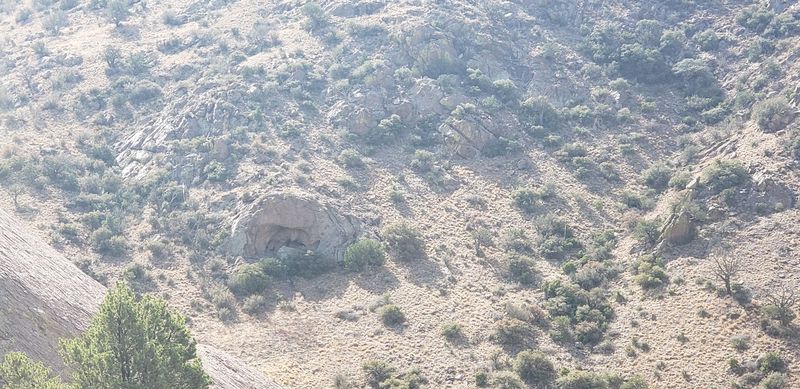
Wildlife activity along Achenbach Canyon trail is not just a possibility but something hikers should genuinely prepare for. Rattlesnakes and scorpions have been spotted within the first hour of hiking, particularly in warmer months when reptiles are most active on rocky surfaces warmed by the sun.
Deer have also been seen across the canyon ridges, and the area supports a healthy bird population that adds movement and life to the otherwise quiet terrain. The isolation of the canyon means that wildlife has not been pushed out by heavy foot traffic, so the trail feels genuinely alive in that regard.
A mountain lion was reportedly found on the trail at one point, which underlines the importance of staying alert and hiking prepared rather than treating this as a groomed park path. Awareness of your surroundings is the best tool you have, and it costs nothing extra to simply pay attention as you move through the canyon.
The Old Dam Structure Hidden Along the Route
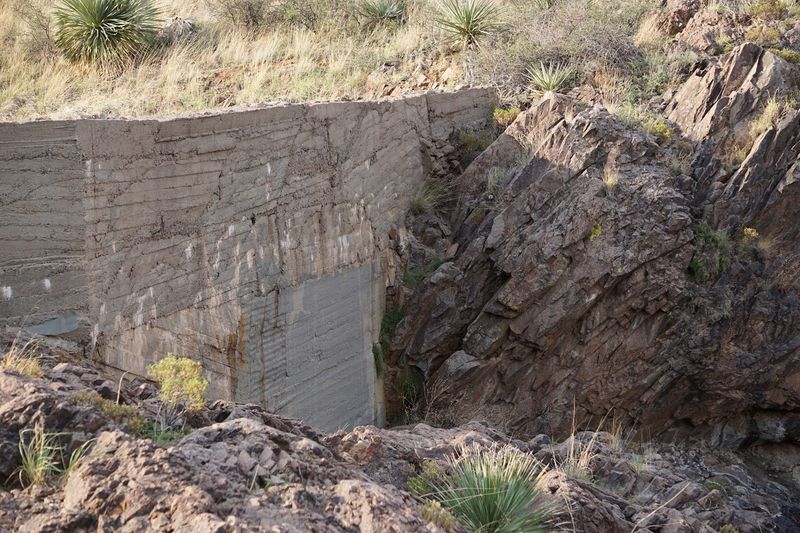
Not far into the trail, hikers come across an old dam structure that sits quietly in the canyon like a forgotten piece of infrastructure. The dam appears to have failed at some point, since no water pools behind it even after monsoon rains, leaving just the structure itself as a curiosity along the route.
It is the kind of detail that makes a trail feel layered, where the landscape tells a story beyond just rocks and plants. The dam does not appear on most trail maps or descriptions, which means first-time hikers often stumble across it unexpectedly.
Its presence raises natural questions about what this canyon was used for historically and who built it, though the answers are not easy to find through casual research. Whether it was built for water management or some other purpose, the structure adds a brief moment of historical texture to an otherwise purely natural experience.
What to Pack Before You Hit the Trail
Preparation matters more on Achenbach Canyon trail than it would on a well-shaded, maintained park path. There is almost no shade along the trail until the upper section near the cave, which means sun protection is the first priority on any packing list.
A wide-brimmed hat and sunscreen are not optional extras here.
Water is equally critical, and the amount you bring should account for the full round-trip distance plus extra for hot weather. Bug repellent has been recommended by multiple hikers, particularly during summer months when insects are more active in the canyon environment.
Trekking poles earn their weight on the rocky descent, where loose stone can make footing unpredictable without that extra support. Sturdy hiking boots with good ankle support and grip are strongly preferred over trail runners or casual sneakers.
Bringing a snack for the turnaround point near the cave makes the experience more enjoyable and gives you energy for the return trip down.
Trail Traffic: Just How Quiet Is It Out There
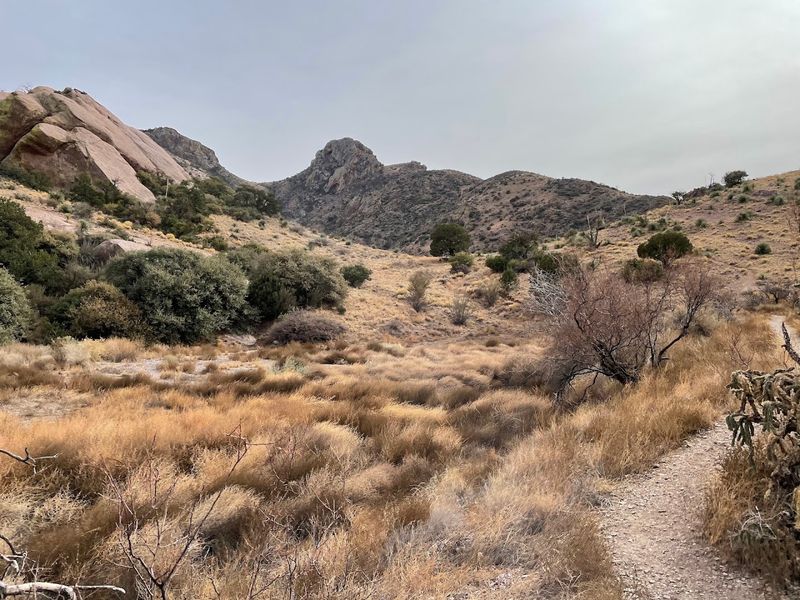
One of the most consistent things hikers mention about Achenbach Canyon is how few people are out there. On any given day, you might pass only one or two other groups, and on some trips, none at all.
The rough access road acts as a natural filter, discouraging casual hikers who are not prepared for the terrain.
That quietness is a feature rather than a flaw. The canyon feels genuinely remote even though it sits about 20 minutes outside of Las Cruces, which makes it an unusually accessible escape from city noise without requiring a long drive into the backcountry.
The trail is not listed on every major hiking platform, which keeps discovery slow and the crowd level low. AllTrails has it, but some other apps do not, meaning the hiker community here tends to be made up of people who sought it out deliberately rather than stumbling across it through a casual search.
Best Time of Year to Visit Achenbach Canyon
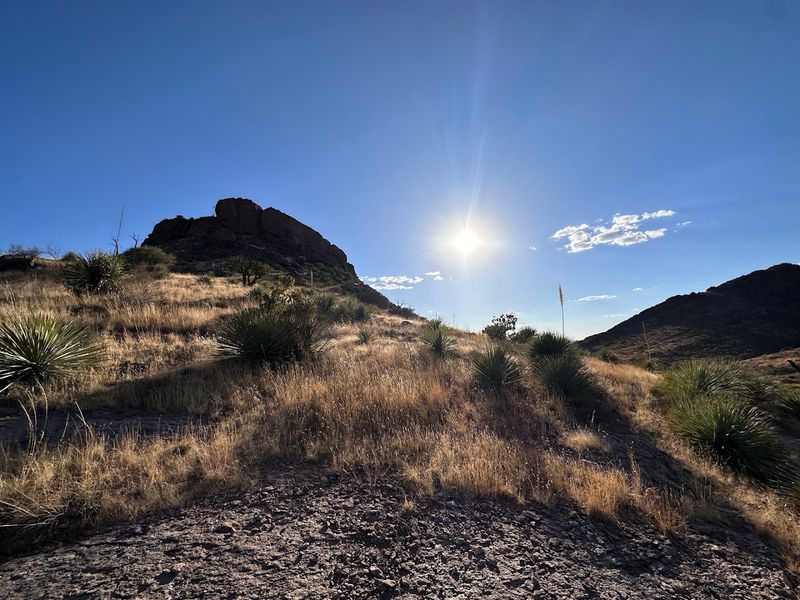
Timing a visit to Achenbach Canyon makes a meaningful difference in the overall experience. Spring and fall are widely considered the most comfortable seasons, when temperatures are moderate and the desert shows off seasonal wildflowers and active wildlife without the punishing heat of summer.
Summer hiking is possible but demands an early start, ideally before 8 a.m., to avoid the hottest part of the day on a trail with almost no shade. Monsoon season, which typically runs from July through September in southern New Mexico, can bring afternoon storms that make the already rocky trail slippery and more hazardous.
Winter visits are also an option since the trail is open year-round, and cooler temperatures can make the climb more manageable for hikers who struggle in heat. One review noted that a winter hike kept the group warm through the exertion alone, which says something about the trail’s steady uphill demand across all seasons.
Bouldering and Free Climbing at the Top
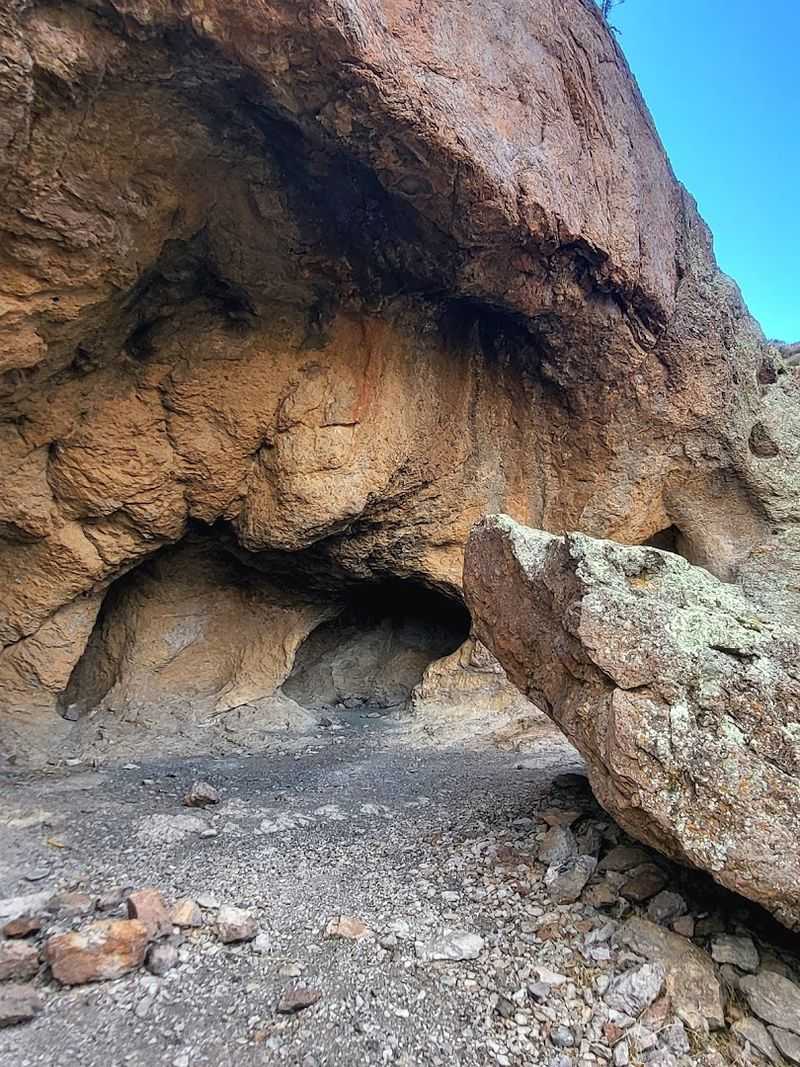
Near the upper section of the trail, the canyon opens into a grassy valley filled with boulders that range from knee-high to genuinely massive. This area is a natural playground for anyone who enjoys scrambling, bouldering, or light free climbing on real rock rather than an indoor wall.
The boulders are not polished or marked, so climbers need to assess each surface themselves and choose lines that match their actual skill level. The setting is completely open, with canyon views on multiple sides and no ropes, guides, or equipment rentals anywhere nearby.
From this boulder field, the trail branches in several directions, with one route continuing east all the way to Soledad Canyon Road. That road is unpaved and not open to civilian motorized traffic, but it connects to the Soledad Canyon Day Use Area for those who want to extend the adventure beyond the cave destination.
Navigation Tips and Trail Marking Notes
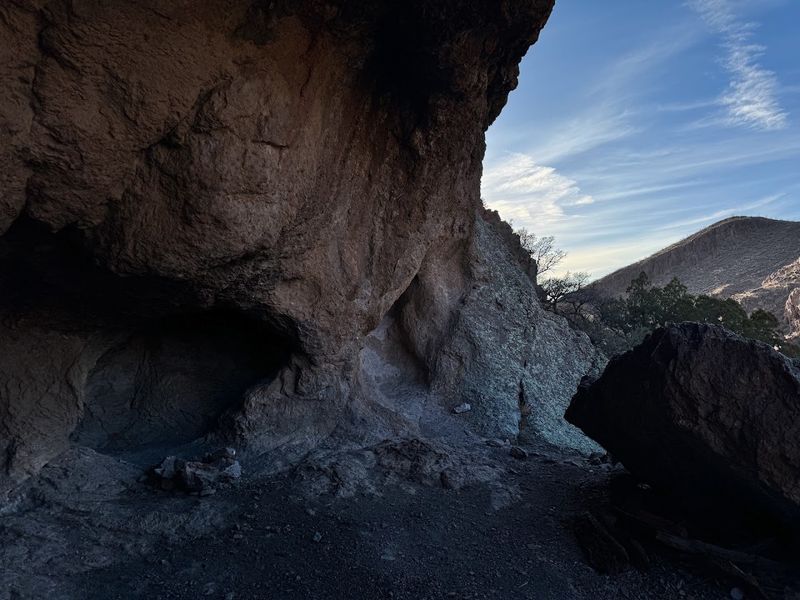
The trail is described as well marked and easy to follow along the main route, but the upper section where the trail branches requires a bit more attention. The Google Maps pin for the shelter cave has been noted to be slightly off from the actual cave location, which can cause confusion for first-time hikers relying solely on that platform.
AllTrails is the recommended navigation tool for this hike, and downloading the route offline before you go is a smart move since cell service in the canyon can be unreliable. The Hiking Project app does not currently list this trail, so checking multiple platforms before your visit helps ensure you have accurate information.
The trailhead itself starts at what is labeled a parking lot, though calling it that is generous given the rocky, rutted surface. Knowing where to start and how to read the upper trail branches makes the difference between finding the cave and wandering past it.
Dogs on the Trail: What Pet Owners Should Consider
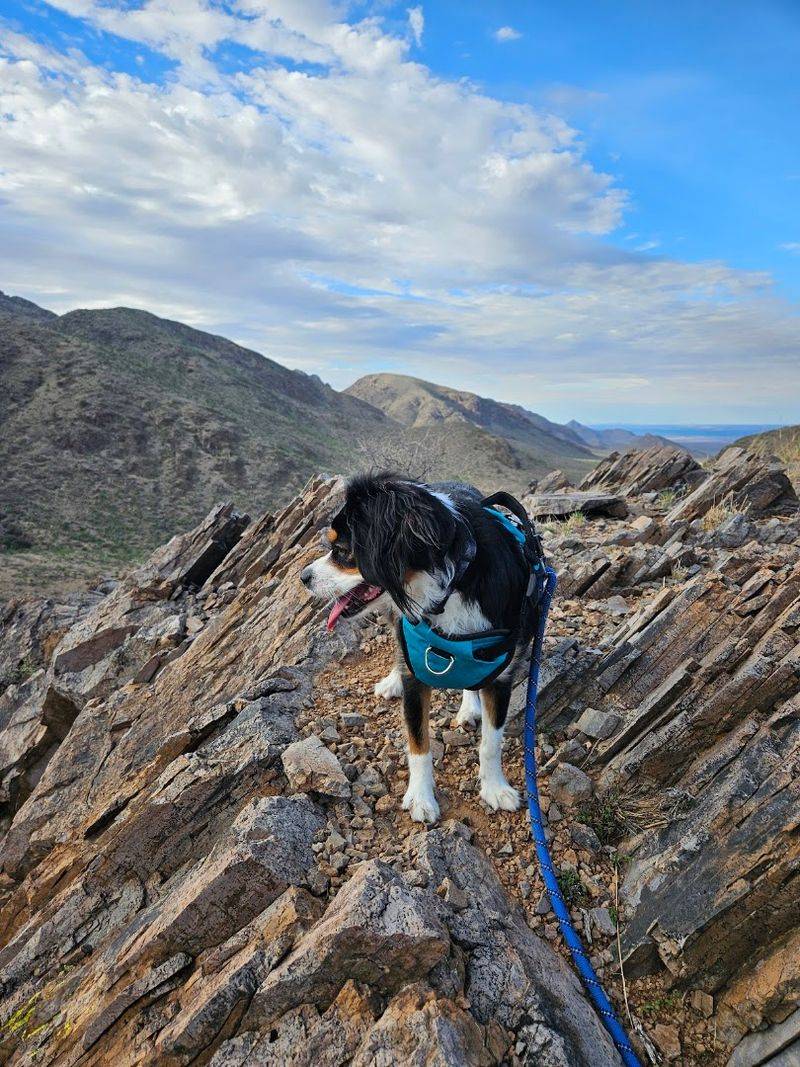
Dogs have made the trip up Achenbach Canyon trail and had a great time doing it, with the open rocky terrain and canyon smells providing plenty of stimulation for an energetic dog. The trail is wide enough in most sections that a dog on a leash does not create problems for other hikers passing by.
That said, the wildlife presence on this trail is not trivial. Rattlesnakes and scorpions are real hazards for dogs who investigate rocky crevices or brush piles without caution, and keeping your dog close and under control is a genuine safety matter rather than just trail etiquette.
The rough terrain is also physically demanding for smaller breeds or older dogs, so honest assessment of your pet’s fitness level matters before committing to the full round trip. Water for your dog is just as important as water for yourself, since there is no natural water source along the trail that is reliable or safe.
Why This Trail Stands Out in Southern New Mexico
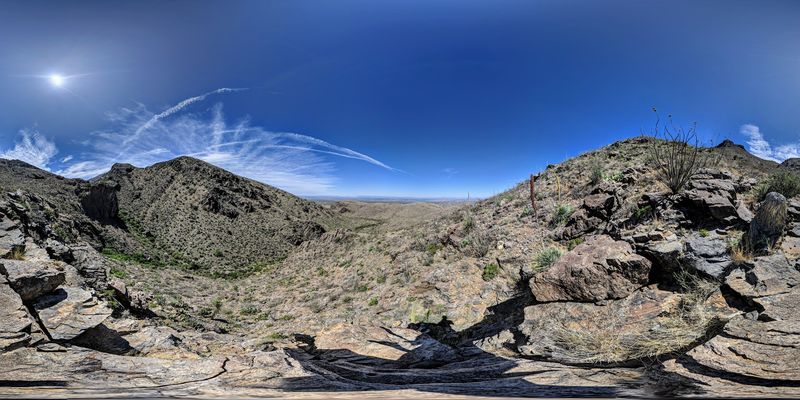
Southern New Mexico has no shortage of hiking options, but Achenbach Canyon trail occupies a specific category that is harder to find than it looks. It is close to a city, moderately challenging, genuinely scenic, historically textured with that old dam structure, and ends at an actual cave rather than just a viewpoint or a turnaround marker.
That combination of features in one trail, within 20 minutes of Las Cruces, makes it stand out from the more commonly recommended hikes in the region. The low foot traffic keeps the experience feeling personal rather than crowded, and the wildlife activity adds a layer of unpredictability that more groomed trails simply cannot offer.
The trail carries a 4.8-star rating across 40 reviews, which reflects consistent satisfaction from a range of hikers including families, solo adventurers, and dog owners. For anyone in the Las Cruces area looking for a trail that actually delivers on its promise, this canyon is worth the rough road to reach it.
Where the Trail Begins: Address and Access
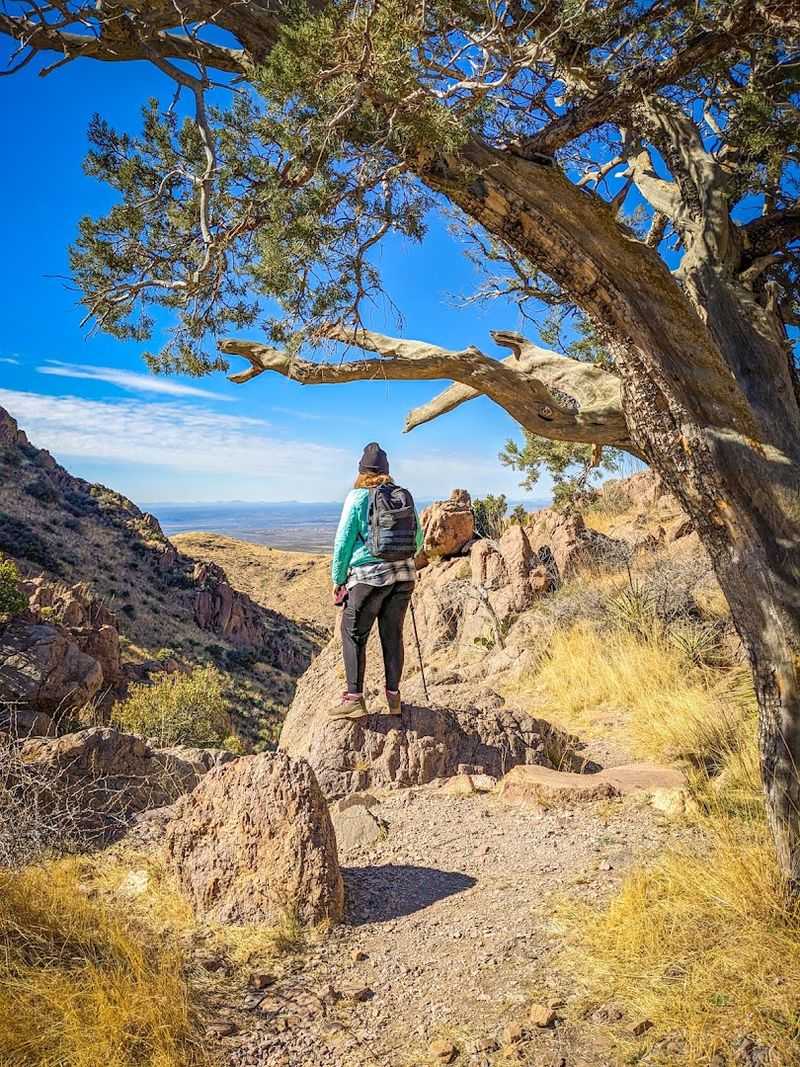
Getting to Achenbach Canyon Hiking Trail is half the adventure, and knowing what to expect before you arrive makes the whole trip smoother. The trail is located off Cuates Canyon Road, Las Cruces, NM 88011, and getting there requires driving through a gravel road that cuts through a residential area first.
Keep your speed low out of respect for the neighborhood. The road back toward the parking area is rough, rocky, and rutted enough that a 4WD vehicle with decent clearance is strongly recommended.
If your vehicle is not built for that kind of terrain, park near the main gravel road without blocking it, then walk the extra five minutes to the actual trailhead. The trail is open 24 hours a day, every day of the week, so there is flexibility in timing your visit.
Starting early in the morning tends to be the smartest call, especially in warmer months when the sun hits hard and fast.
Share this story