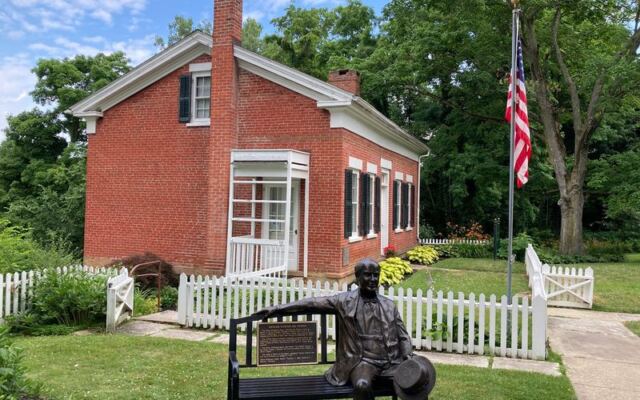
Ohio has a quiet habit of hiding remarkable things in small towns you might otherwise blow right past. Somewhere between a Cedar Point trip and a long drive home, a little red brick house in a charming village has been stopping travelers cold for over a century.
The kind of place that makes you think, wait, this is really here, in Ohio, and I almost missed it. If you have even a passing curiosity about one of history’s greatest inventors, this stop will stick with you long after you leave.
The Town of Milan and Its Famous Address
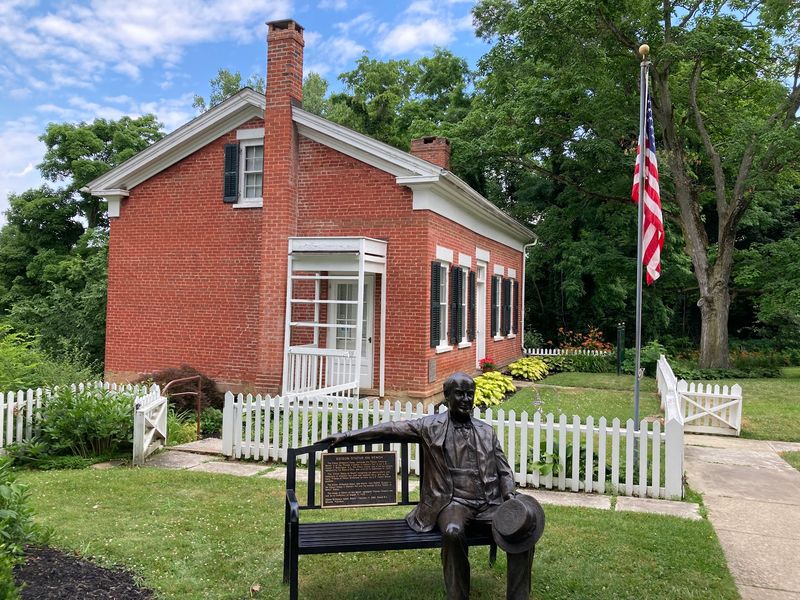
Milan, Ohio does not announce itself loudly. Tucked just south of Sandusky and not far from the Lake Erie shoreline, this quiet village carries its history with a kind of modest dignity that feels increasingly rare.
The streets are lined with 19th-century storefronts, and the whole downtown area gives off an old-town atmosphere that visitors consistently describe as genuinely enjoyable to walk through.
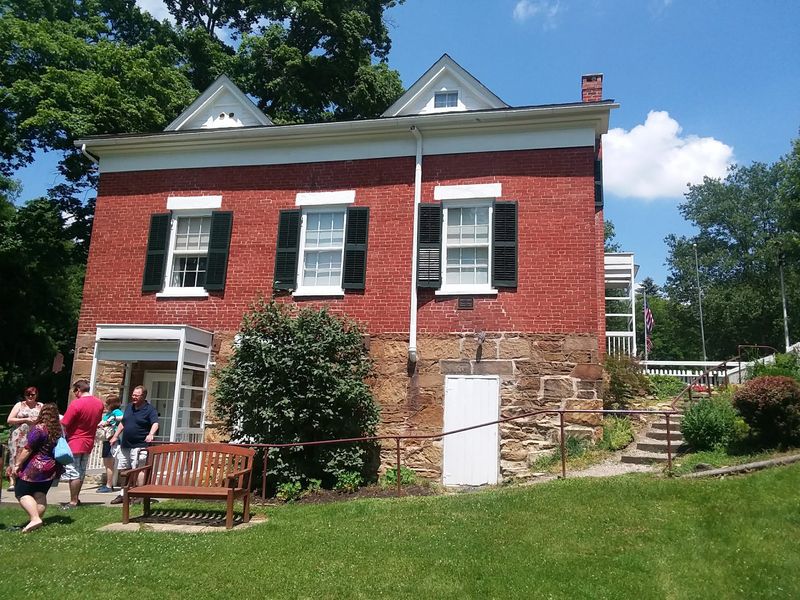
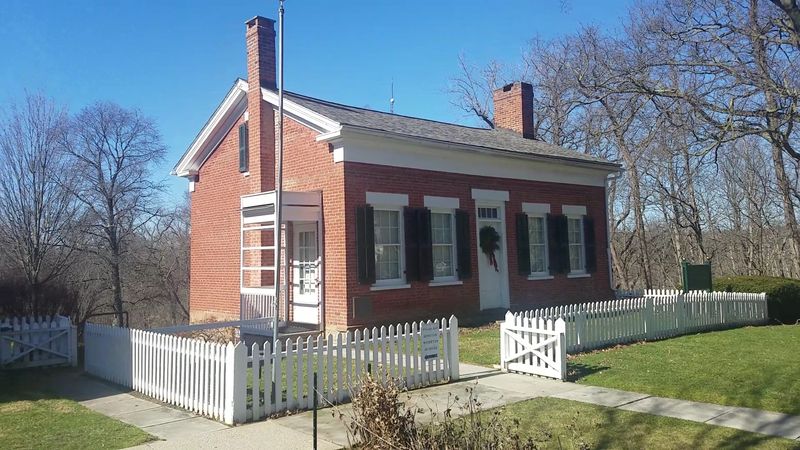
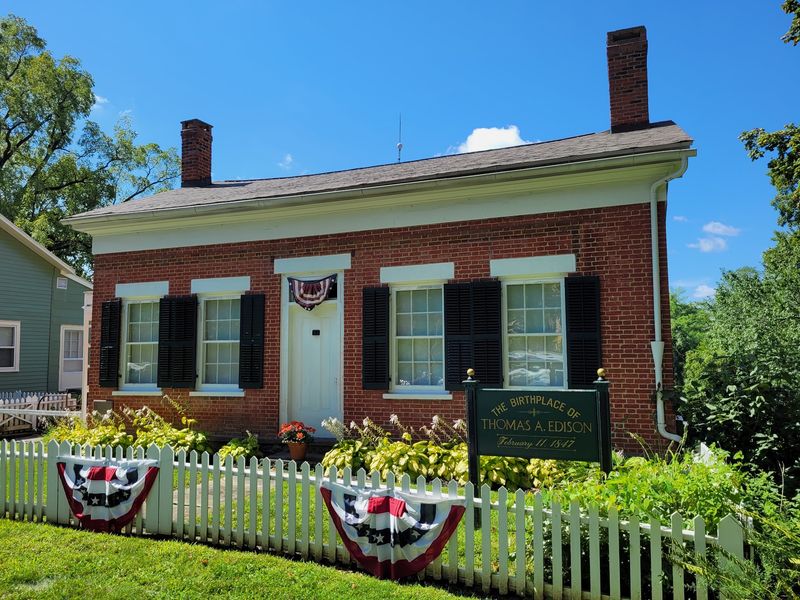
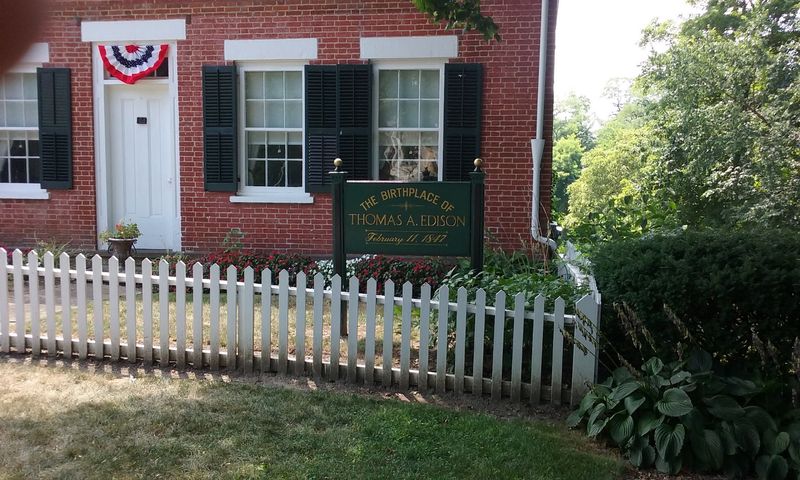
At 9 N Edison Dr sits a modest but meticulously preserved red brick house. That address belongs to the Edison Birthplace Association Inc., the organization that has protected and shared the childhood home of Thomas Alva Edison for generations.
Many visitors discover this spot almost by accident, catching a highway sign on their way somewhere else. Those who stop rarely regret it.
The town itself feels like a reward, offering a peaceful, historic backdrop that perfectly frames the story waiting inside.
A Birthplace Still Owned by Edison’s Own Family
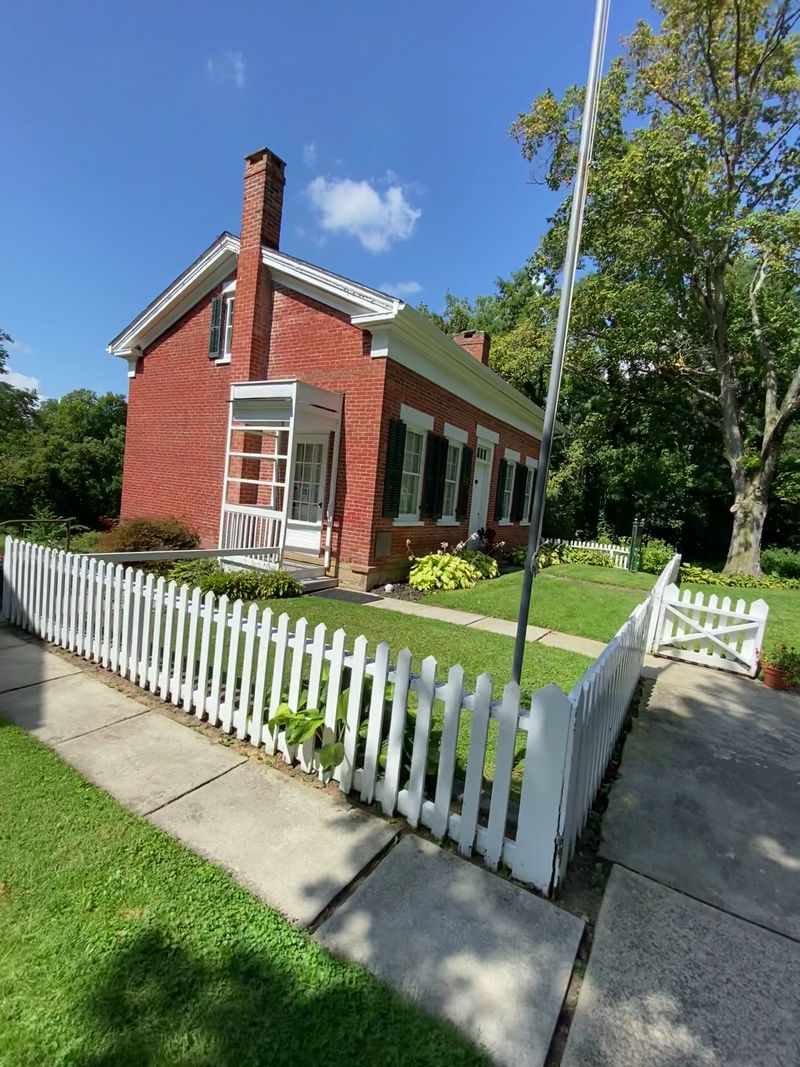
One fact about this museum tends to catch visitors completely off guard. Unlike most historical sites absorbed into government agencies or large nonprofit chains, the Edison Birthplace is reportedly still owned by a descendant of Thomas Edison himself.
That single detail transforms the experience from a standard museum visit into something far more personal.
Knowing that the people behind this place have a direct family connection to the man born here adds a layer of authenticity you simply cannot manufacture. The house has been preserved with that kind of care, the sort that comes from genuine pride rather than institutional obligation.
Visitors who pick up on this detail often say it reframes everything they see inside. Every piece of furniture, every photograph, every artifact carries a different weight when you understand the lineage of stewardship protecting it.
Few historical homes in Ohio can claim anything quite like it.
Original Furnishings Inside the Edison Home
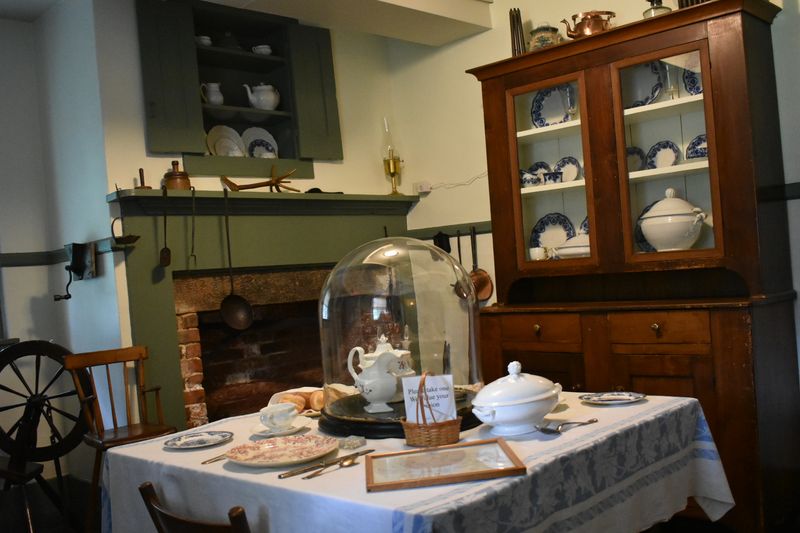
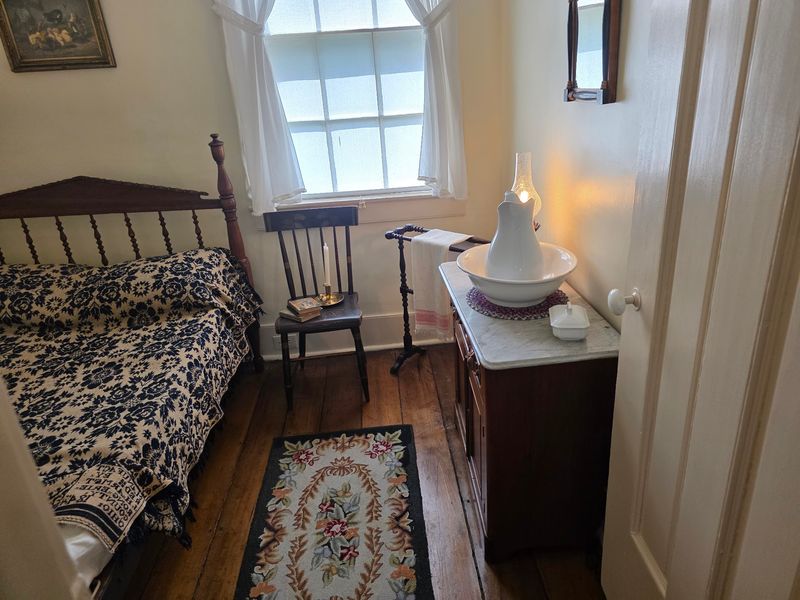
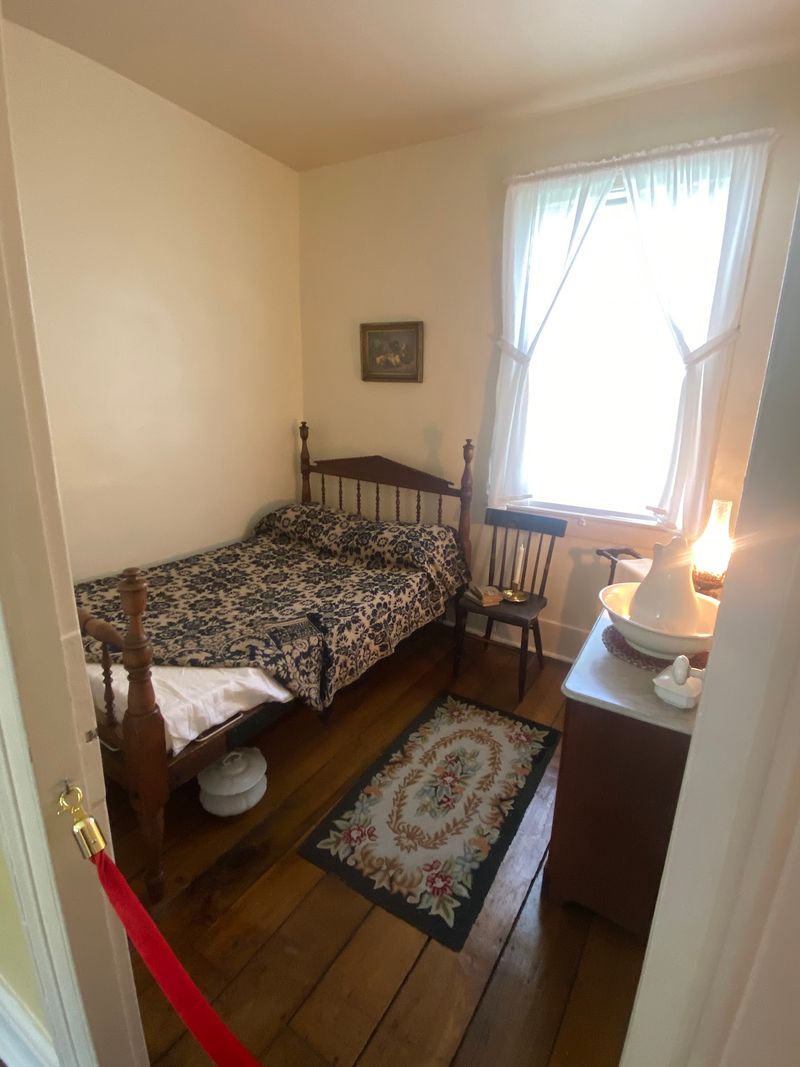
Stepping through the front door of the Edison home feels less like entering a museum and more like walking into a photograph from another century. The original furnishings are still in place, arranged as they would have been when a young Thomas Edison was growing up here in the mid-1800s.
Period chairs, tables, and household objects fill the rooms with a tangible sense of daily life from that era. Nothing feels staged or artificially reconstructed.
Visitors frequently mention how striking it is to stand in a space where so little has changed, where the objects around you were genuinely part of a remarkable family’s everyday world.
The preserved home quality here is not just about aesthetics. Seeing the actual physical environment that shaped one of history’s most prolific inventors gives the whole experience an emotional dimension that photographs and textbooks simply cannot replicate.
This is the real thing.
The Museum Building Next to the Birth Home
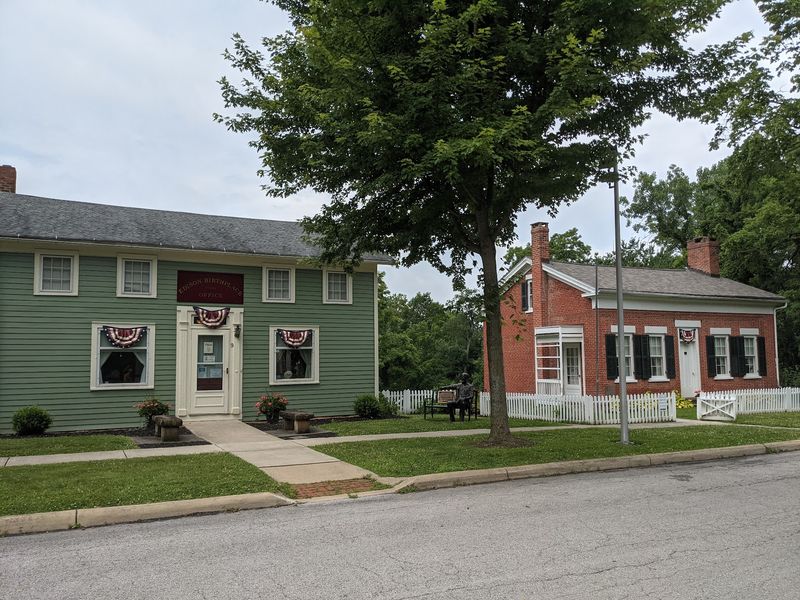
Right next door to the birth home itself stands a separate museum building, and together the two structures create a surprisingly complete portrait of Edison’s life and legacy. The museum is compact but densely packed with meaningful content, the kind of place where every square foot earns its keep.
Inside, visitors find letters, documents, and objects connected to Edison’s career and personal history. The collection covers multiple chapters of his life, moving from his Milan childhood outward into the decades of invention and industry that followed.
Several buildings are part of the experience, with guides leading visitors through each one individually.
The museum’s small footprint is actually part of its charm. Nothing feels overwhelming or rushed.
You move through it at a human pace, absorbing each piece of history before the next one arrives. For a site of this significance, the intimacy of the layout makes a genuine difference in how much visitors actually retain and appreciate.
Guided Tours That Bring the Story to Life
What separates a great historical site from a forgettable one is almost always the people who tell the story. At the Edison Birthplace, the guided tour experience is consistently one of the most praised aspects of a visit.
Guides here are not just reciting memorized scripts. They engage, answer questions, and clearly love what they do.
Visitors describe tours led by staff who seemed to know everything, not just the rehearsed highlights but the smaller details too. Ask about any object in the room and a good guide here will tell you its story.
That depth of knowledge turns a simple walk-through into a genuine conversation with history.
Some staff even dress in 19th-century garb, adding a visual layer to the immersive experience. Plan on spending somewhere between one hour and ninety minutes to do the tour justice.
Rushing through would mean missing the best parts of what these knowledgeable guides have to share.
Phonographs You Can Actually Hear
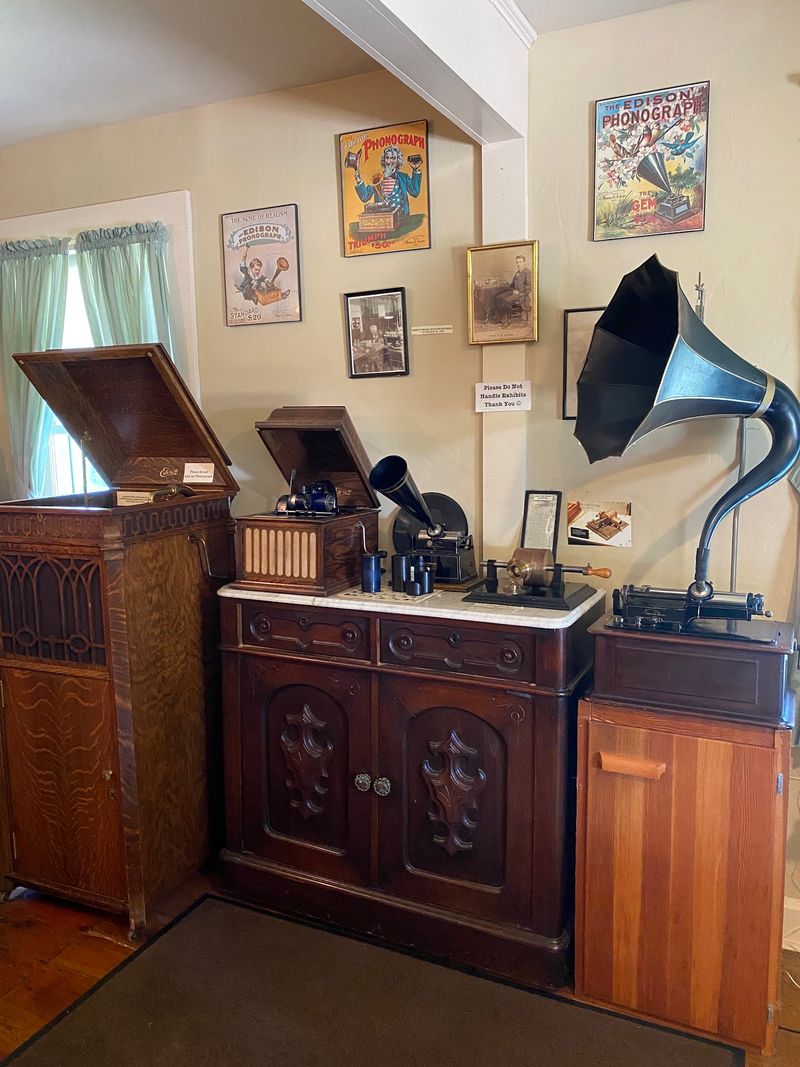
Reading about the phonograph in a textbook is one thing. Hearing one actually play music inside the house connected to the man who invented it is something else entirely.
The Edison Birthplace offers visitors the chance to experience real phonograph music, and it tends to be a highlight that people talk about long after the tour ends.
There is a particular magic to hearing that tinny, warm, slightly crackling sound fill a room that predates electricity in most American homes. It collapses time in a way that no exhibit panel or video screen can replicate.
Visitors who catch a phonograph demonstration often describe it as the moment the tour shifted from interesting to genuinely moving.
For families with younger kids, this is also the kind of hands-on sensory moment that holds attention and sparks real curiosity. Sound is a powerful teacher, and the museum uses it well to connect visitors to Edison’s most beloved early invention.
Inventions and Artifacts from Edison’s Career
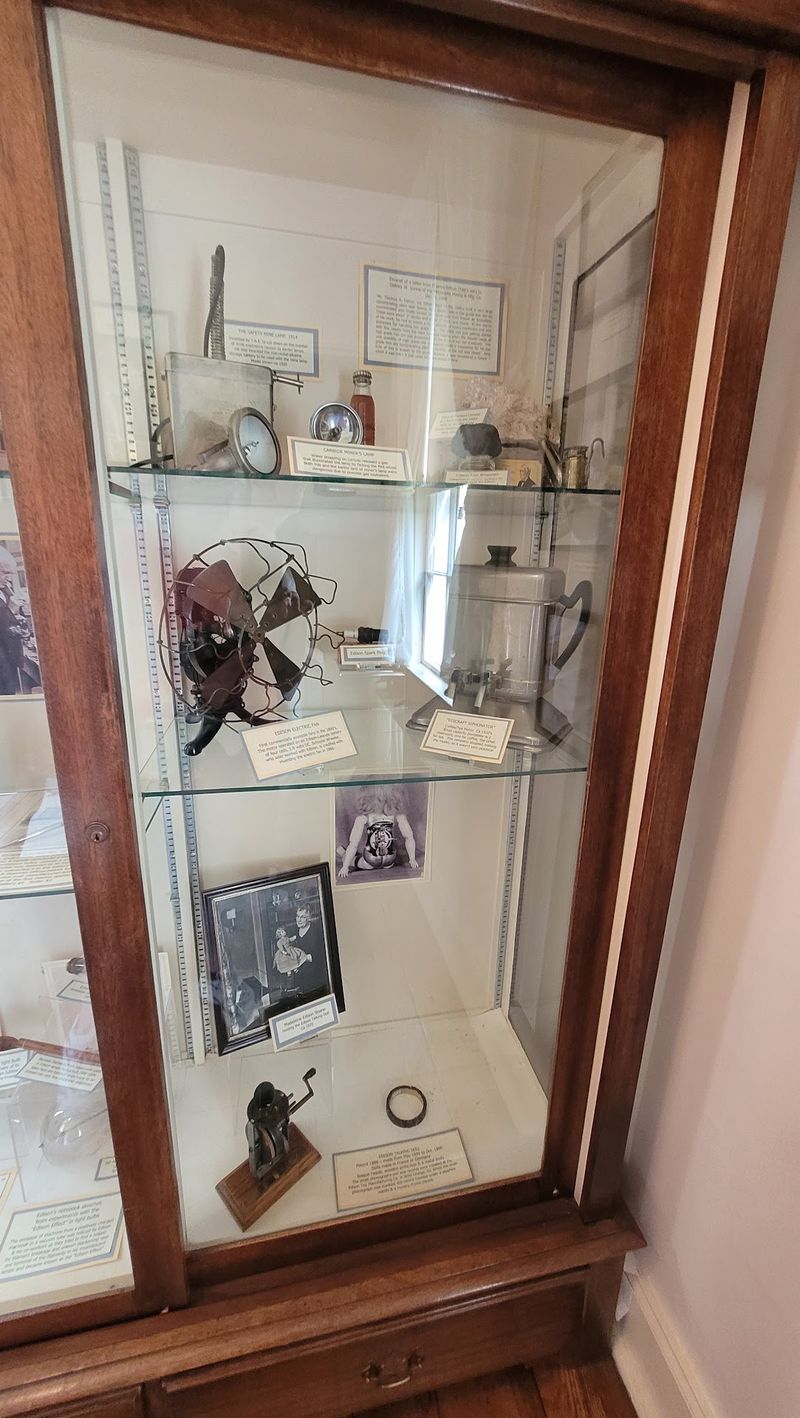
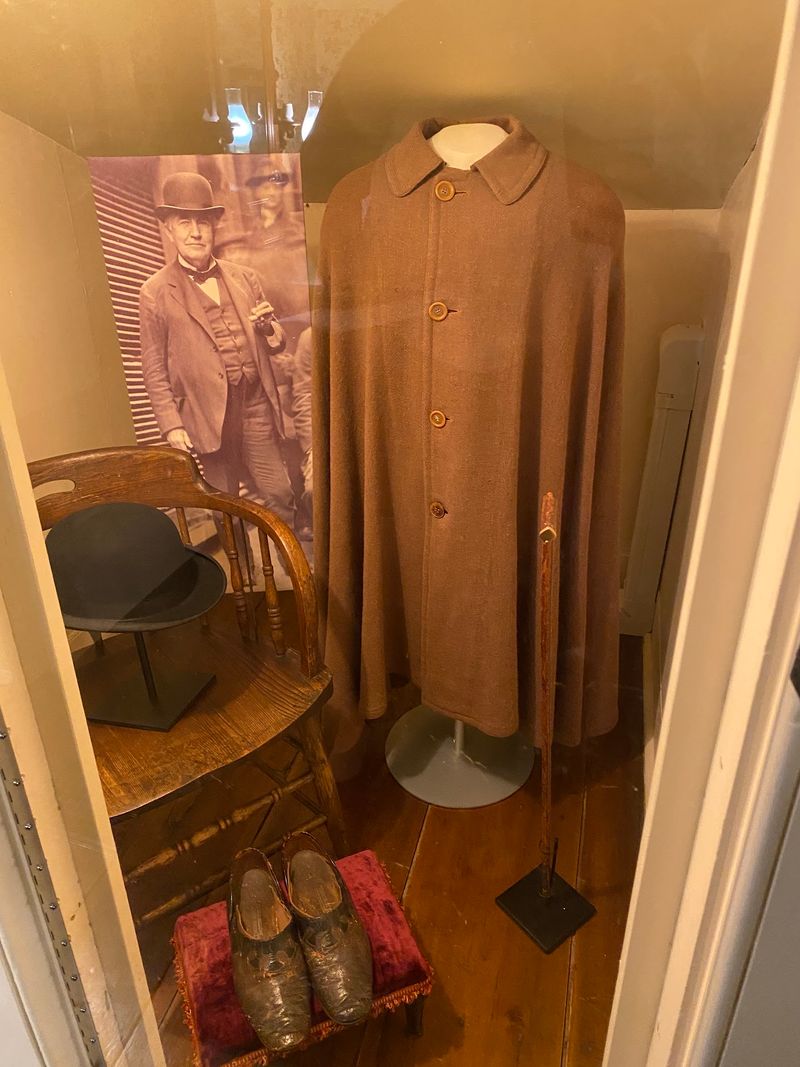
Beyond the birth home itself, the museum holds a collection of artifacts tied directly to Edison’s working life and career. Letters, early inventions, and objects from across his professional years fill the exhibit spaces with a sense of the sheer scale of what one person accomplished over a lifetime.
Visitors frequently express surprise at how much content is packed into a site that looks so modest from the outside. The collection covers both the personal and the professional, moving between family history and technological achievement in a way that keeps the narrative feeling human rather than encyclopedic.
For history enthusiasts, the artifacts offer genuine research-level depth. For casual visitors, they provide enough context to make Edison feel like a real, complicated, fascinating person rather than just a name on a lightbulb.
The balance between accessibility and substance is one of the museum’s quiet strengths, and it shows in how engaged visitors remain throughout the experience.
Percy the Peacock, Milan’s Unofficial Mascot

Not every museum comes with a free-roaming peacock, but Milan does. Percy the peacock has become something of a local celebrity, occasionally making appearances near the Edison Birthplace grounds and delighting visitors who happen to be in the right place at the right time.
Peacock sightings come up repeatedly in visitor accounts, always accompanied by a kind of giddy surprise. You come for Thomas Edison and leave with a story about an unexpected encounter with one of the most visually dramatic birds on the planet.
The museum staff clearly enjoy Percy’s cameos too, referencing him warmly when visitors mention the sighting.
It is a small, quirky detail, but it perfectly captures the spirit of this place. Milan rewards the curious and the spontaneous.
Percy is just one more reason that stopping here on a whim tends to feel less like a detour and more like the best part of the whole trip.
A Stop That Works for the Whole Family
Bringing kids to a history museum can feel like a gamble, but the Edison Birthplace tends to win that bet. Families with children as young as seven and nine have reported that the tour held their attention throughout, with enough variety and interactive storytelling to keep young minds from wandering.
The guides are experienced at reading their audience, shifting tone and focus to match whoever is in the room. When kids are present, the tour naturally leans toward the more dramatic and surprising facts, the kind of details that make a child’s eyes go wide and prompt a dozen follow-up questions.
Parents appreciate that the experience does not feel dumbed down for adults while remaining genuinely accessible for younger visitors. Finding that balance is harder than it looks, and the staff here manages it consistently.
For Ohio families looking for a road trip stop with real educational value, this one earns its place on the list without much argument.
The Atmosphere of Stepping Back in Time
Some places have a feeling that hits you before you can articulate it. The Edison Birthplace has that quality.
The combination of the preserved home, the period furnishings, and the unhurried pace of a guided tour creates an atmosphere that multiple visitors have described simply as going back in time.
That sensation is not accidental. The museum’s approach to preservation prioritizes authenticity over spectacle.
There are no flashy digital installations competing for your attention. Instead, the focus stays on the objects, the stories, and the space itself, letting the history breathe rather than packaging it for maximum stimulation.
On a quiet weekday afternoon, with just a handful of other visitors and a passionate guide leading the way through each room, the experience can feel surprisingly intimate. For anyone who finds modern life a bit relentless, spending ninety minutes in a place this carefully preserved offers something genuinely restorative alongside the education.
Milan as a Half-Day Destination
The Edison Birthplace is worth the drive on its own, but Milan as a whole makes a compelling case for building a longer visit around it. The town’s historic downtown area is genuinely pleasant to explore on foot, with the kind of quiet, unhurried character that has become hard to find in busier Ohio destinations.
Visitors frequently mention grabbing a meal in town after the tour, with the local restaurant scene offering a relaxed, small-town dining experience that fits the overall vibe of the afternoon. The Milan Museum, located just a few doors away, provides an additional stop for those who want to dig deeper into the region’s broader history.
Pairing the Edison Birthplace with a walk around town and a meal makes for a genuinely satisfying half-day outing. It is the kind of itinerary that costs very little, requires no special planning, and tends to leave people wondering why they waited so long to come.
Admission Prices and What You Get for Them
Adult admission runs around seventeen dollars, a price that visitors consistently describe as fair for what the experience delivers. The tour covers the birth home, multiple museum buildings, and the full guided experience, all included in that single entry fee.
For a site with this level of historical significance, the pricing feels reasonable rather than steep.
Families and small groups tend to find the value especially strong. A couple spending an afternoon here gets a full guided tour, access to the artifact collection, and the kind of unhurried, personal attention from staff that larger attractions rarely manage to provide at any price point.
For solo travelers or spontaneous stoppers who caught a highway sign on a whim, the admission cost is low enough that there is very little risk in pulling over to check it out. Most people who do end up staying longer than they planned, which is usually the clearest sign that something is worth every dollar.
Hours, Location, and Planning Your Visit
Planning ahead matters here because the Edison Birthplace keeps limited hours. Currently, tours are available on Fridays and Thursdays from 1 to 5 PM.
Saturday, Sunday, Monday, Tuesday, and Wednesday are closed, so checking the schedule before making the drive is genuinely important. The museum’s website at tomedison.org has the most current information, and calling ahead at 419-499-2135 is always a smart move.
The address is 9 N Edison Dr, Milan, OH 44846, and the location sits conveniently close to the Ohio Turnpike, making it an easy add-on for travelers already moving through that corridor. Cedar Point visitors heading home often find it a natural detour that adds less than an hour to their return trip.
Arriving early in the afternoon window gives you the most time to enjoy both the tour and the town itself. Budget at least ninety minutes for the full experience and a bit of wandering afterward.
Why This Ohio Stop Deserves a Spot on Your List
Some places justify themselves through scale, through spectacle, or through sheer novelty. The Edison Birthplace justifies itself through something quieter and more lasting: genuine historical weight delivered with personal care.
Few Ohio attractions manage to feel this authentic without trying to oversell themselves.
Visitors who stop here almost universally leave glad they did, whether they came as dedicated history enthusiasts or accidental tourists who caught a sign at the right moment. The combination of a beautifully preserved home, passionate guides, remarkable artifacts, and a charming surrounding town creates an experience that adds up to more than the sum of its parts.
For Ohioans who love discovering that their state holds more history than most people realize, this is exactly the kind of find that makes a road trip memorable. The drive to Milan is easy, the admission is modest, and the experience is the sort that stays with you.
Put it on the list before you talk yourself out of it.
Share this story