Tucked into the rolling landscape of eastern Oklahoma, there is a place where centuries of human history sit quietly beneath grass-covered hills. A powerful Native American culture once called this stretch of land home, building massive earthen mounds that served as ceremonial centers, burial grounds, and symbols of political authority.
Their story stretched from around 850 to 1450 CE, and the evidence they left behind stunned archaeologists when it was first uncovered in the 20th century. Today, visitors can walk among 12 preserved prehistoric mounds, explore a thoughtful museum, and connect with one of the most significant archaeological sites in all of North America.
What makes this place so compelling is not just its age, but the sheer ambition of the people who built it.
Where to Find It: Address, Location, and Setting
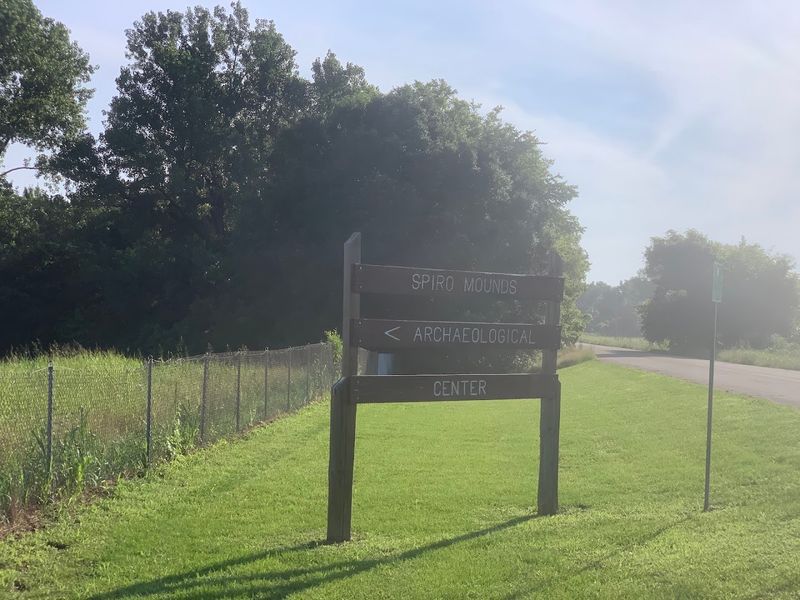
Right at 18154 1st St, Spiro, OK 74959, this state-operated archaeological park sits along the Arkansas River valley in LeFlore County, eastern Oklahoma. The center is managed by the Oklahoma Historical Society and sits just outside the small town of Spiro, roughly 15 miles west of Fort Smith, Arkansas.
The surrounding landscape feels genuinely peaceful, with flat bottomland giving way to wooded hillsides and open sky. Getting there is straightforward if you are driving from Tulsa or Oklahoma City, though the final stretch of road winds through quiet rural countryside that feels a world away from urban noise.
The site is open Tuesday through Saturday from 9 AM to 4 PM and is closed Sunday and Monday. The phone number is +1 918-962-2062, and more information is available at the Oklahoma Historical Society website.
The entrance fee has been waived during ongoing renovations, making this an especially accessible stop for curious travelers on a budget.
The Civilization Behind the Mounds: Who Were the Spiro People
Between roughly 850 and 1450 CE, a sophisticated culture flourished along the Arkansas River in what is now eastern Oklahoma. Archaeologists often refer to them as the Spiro people, and they were part of the broader Mississippian cultural tradition that stretched across much of the southeastern and central United States.
These were not small, scattered bands of hunter-gatherers. The Spiro people built a hierarchical society with clear social classes, long-distance trade networks, and skilled artisans who produced some of the most intricate shell carvings and copper engravings found anywhere in prehistoric North America.
Their leaders, sometimes called chiefs or paramount chiefs, lived on elevated platform mounds and commanded considerable authority over surrounding communities.
Trade connections linked Spiro to communities as far away as the Gulf Coast, the Great Lakes, and the Rocky Mountain region. Exotic materials like marine shells, copper, and ceremonial objects moved along these routes, turning Spiro into a regional hub of cultural and spiritual influence.
Understanding who these people were makes every hill at the park feel far more significant than it first appears.
The 12 Mounds: What Each One Meant to the People Who Built Them
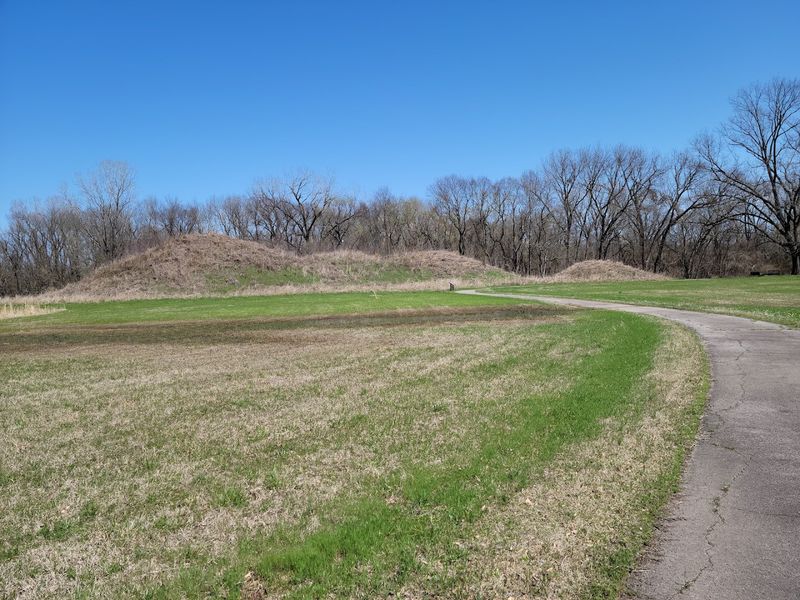
Not every mound at this site served the same purpose, and that distinction matters enormously. The 12 preserved mounds fall into several categories, including platform mounds where elite residents and leaders lived, burial mounds where the honored were interred with elaborate grave goods, and ridge mounds whose exact function is still being studied.
Craig Mound is the most famous of the group and the one that drew the most attention from early 20th-century diggers. It served as the primary burial mound for the site and contained an extraordinary concentration of ceremonial objects.
Brown Mound, by contrast, functioned as a temple mound, and the area surrounding it is believed to have housed the homes of the community’s most privileged members.
Each mound was built up over generations by adding layer upon layer of carefully placed earth. The effort required to construct them was enormous, reflecting how deeply the Spiro people valued their ceremonial and social structures.
Visitors who take time to read about each mound’s role before walking the trail tend to find the experience far more rewarding than those who simply stroll past without context.
Craig Mound: The Burial Site That Shocked the Archaeological World
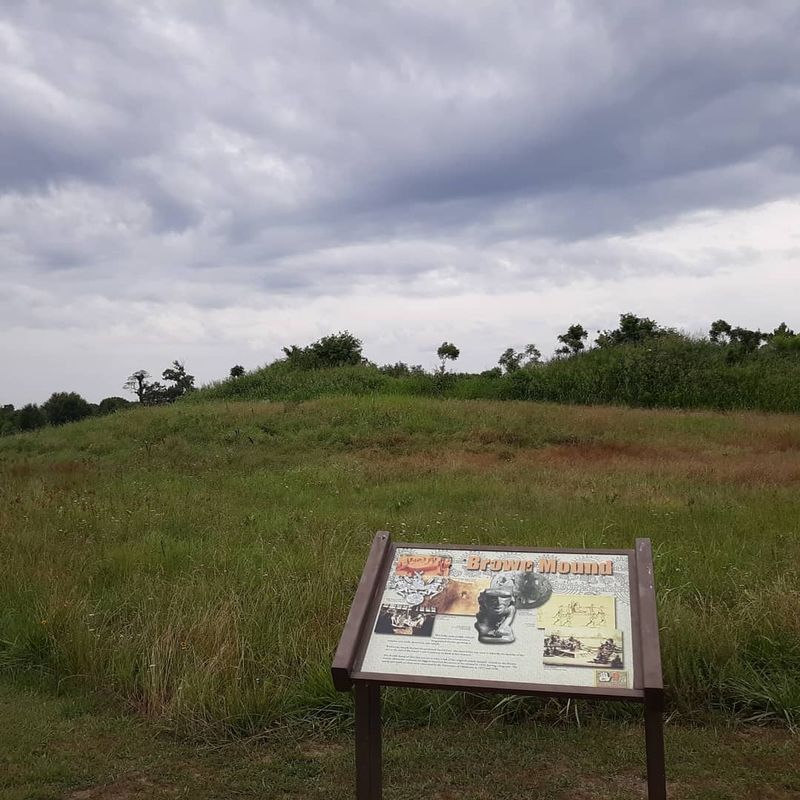
Few archaeological discoveries in American history caused as much excitement, and as much damage, as the excavation of Craig Mound. In the early 1930s, a group of commercial diggers leased the land and tore into the mound with little regard for scientific methods, pulling out thousands of artifacts and selling them to private collectors across the country.
What they found inside was astonishing: a hollow chamber, later called the Great Mortuary, packed with copper plates, engraved marine shells, carved wooden figures, feathered textiles, and other ceremonial objects. The sheer quantity and quality of these items revealed that Spiro was not a minor regional site but a major ceremonial center of continental importance.
Oklahoma eventually passed legislation to halt the commercial digging, and professional archaeologists stepped in to document what remained. Craig Mound today looks deceptively quiet, a long, flat-topped earthen ridge covered in grass.
But its story is one of both tremendous cultural richness and painful loss, a reminder of how much can vanish when history is treated as a commodity rather than a shared inheritance worth protecting.
The Museum and Visitor Center: A Surprisingly Rich Indoor Experience
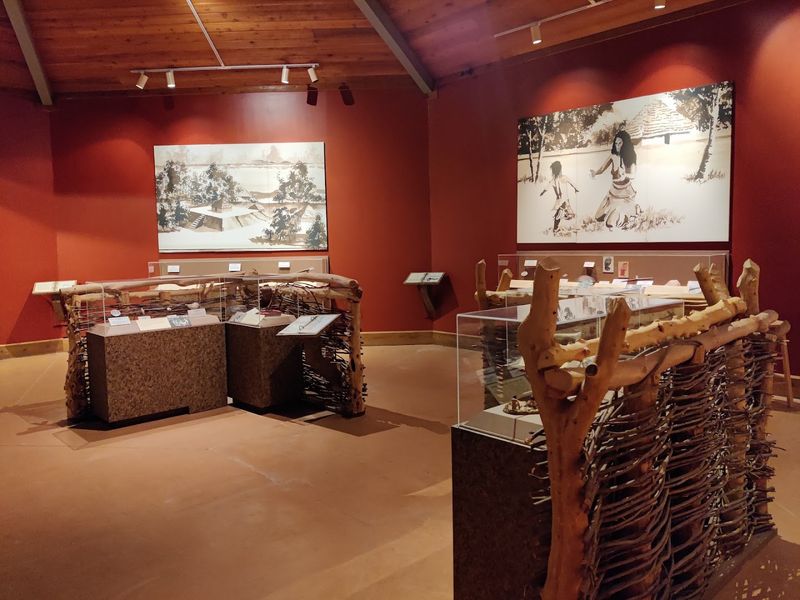
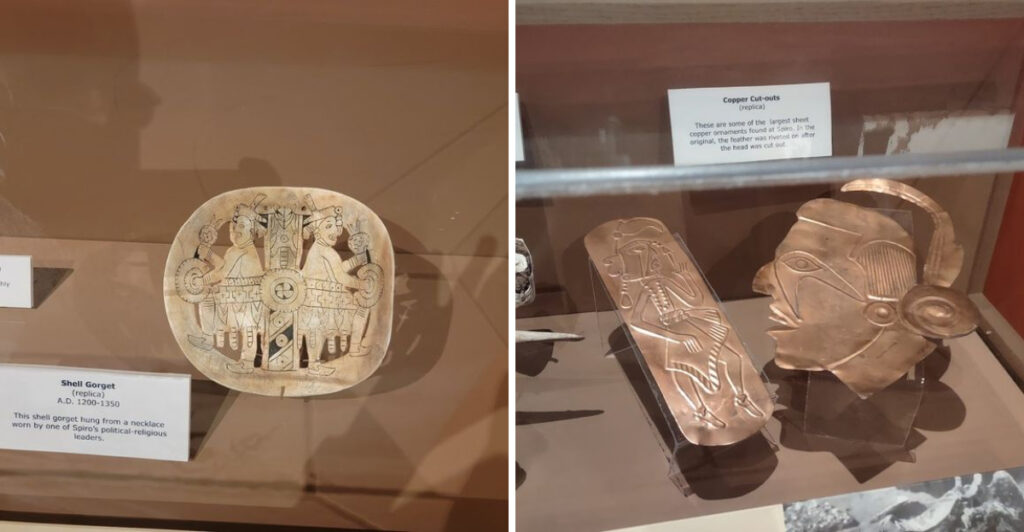
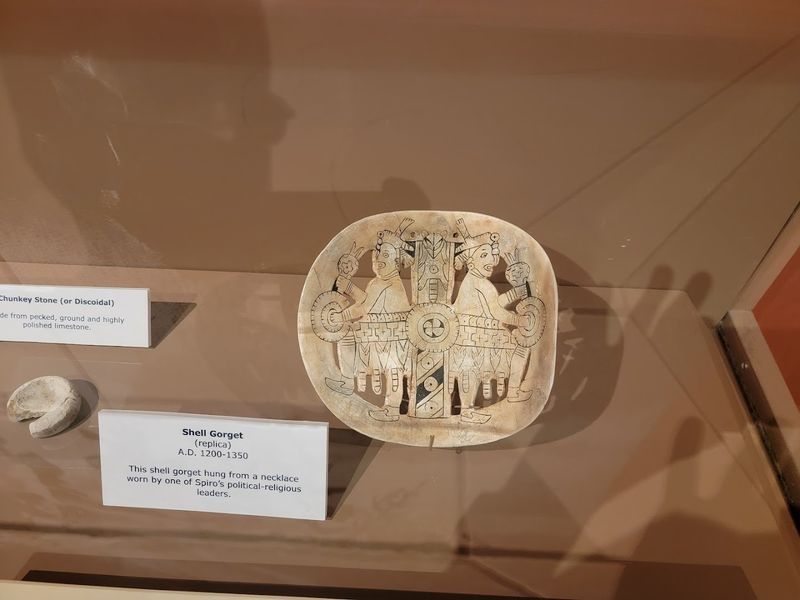
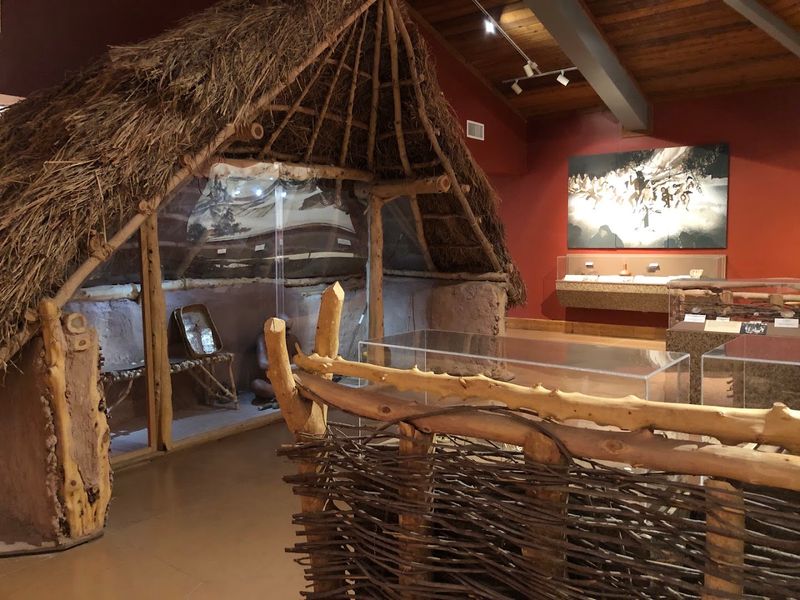
The visitor center at this park is compact, but what it lacks in size it largely makes up for in substance. The museum area contains detailed exhibits on the Spiro culture, including reproductions of the famous shell engravings that made the site internationally known among archaeologists and collectors alike.
Because of the Native American Graves Protection and Repatriation Act, actual human remains and certain sacred objects are no longer on public display. Some visitors find this frustrating, but the law exists to respect the cultural and spiritual rights of descendant communities, and that context is worth keeping in mind.
The reproductions on display are still highly detailed and give a clear sense of the artistry involved in the originals.
The staff at the visitor center tend to be knowledgeable and genuinely enthusiastic about sharing what they know. Director Anna Vincent, who has led guided tours including a popular winter solstice sunset walk, has earned particular praise for her depth of knowledge and willingness to answer detailed questions.
The climate-controlled building also provides a welcome break from the Oklahoma heat during summer visits, and clean restrooms are available on-site.
Walking the Trails: What to Expect on the Grounds
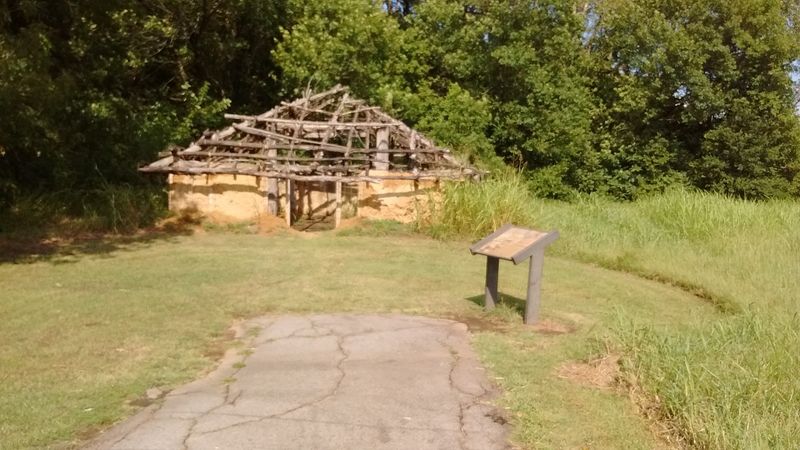
The trail system at this site offers two main options: a longer route of approximately two miles and a shorter loop of about one mile. Both are relatively flat and easy to walk, making them accessible to most visitors regardless of fitness level.
The paved portion of the trail is the most maintained, while the dirt trail adds a more natural feel to the experience.
Along the way, informational signs explain each mound and its significance. Many of the existing signs are sun-faded and difficult to read, though the center is in the process of replacing them as part of a broader renovation effort funded by a 1.5 million dollar investment in improvements.
New signage, updated trail markers, and improved parking are all part of the planned upgrades.
The walk itself has a quiet, meditative quality that many visitors describe as one of the highlights of the trip. The landscape around the mounds is open and green, with the Arkansas River valley stretching out beyond the tree line.
Even on a cold or overcast day, the walk feels worthwhile, and the sense of standing on ground where a thriving community once lived is genuinely moving in a way that no indoor exhibit can fully replicate.
The Shell Carvings: Art That Traveled Across a Continent
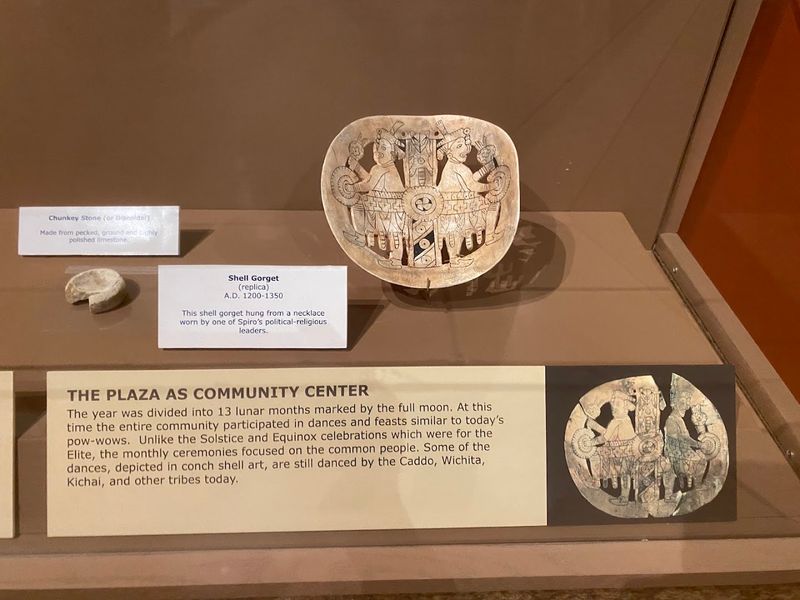
Among all the objects recovered from Spiro, the engraved marine shell pieces stand out as the most celebrated. Craftspeople at the site carved elaborate scenes onto large conch shells, depicting warriors, supernatural figures, falcon motifs, and ceremonial rituals with a level of detail that rivals any artistic tradition of the ancient world.
These shells did not come from Oklahoma. They were traded up from the Gulf Coast, sometimes traveling hundreds of miles before arriving at Spiro, where skilled artisans transformed them into objects of spiritual and social significance.
The finished pieces were then buried with high-status individuals or used in ceremonies that reinforced the authority of the site’s leaders.
Many of the original shell pieces ended up scattered across private collections and museums in the United States and abroad after the commercial looting of the 1930s. Some have since been repatriated or documented, and reproductions in the visitor center give modern visitors a chance to appreciate the craft even without seeing the originals.
The intricacy of the designs, visible even in reproduction, makes it easy to understand why archaeologists were so stunned when these objects first came to light.
The Copper Trade: How Spiro Connected to a Vast Network
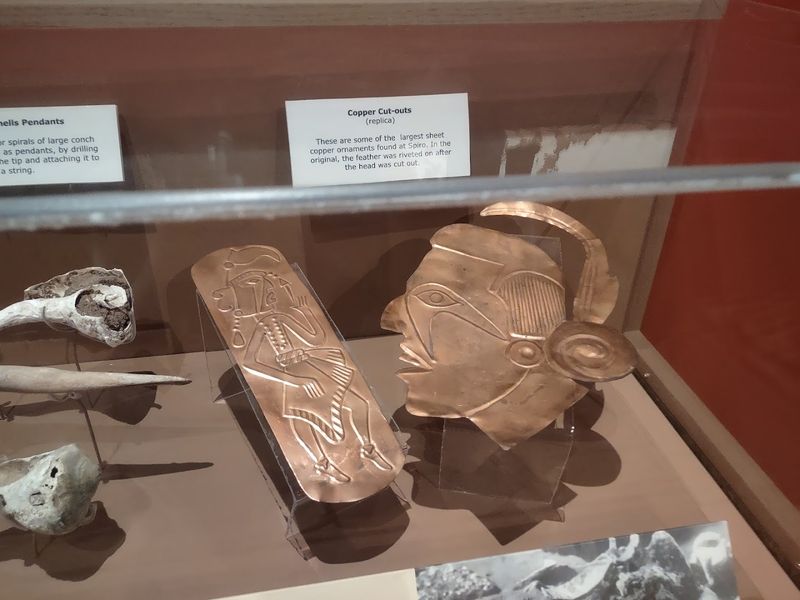
Copper was one of the most prized materials in the ancient Mississippian world, and Spiro was a major player in its distribution across the continent. Objects made from copper, including embossed plates, headdress ornaments, and ritual tools, have been found at the site in significant numbers, most of them originating from copper deposits far to the north and east.
The presence of so much copper at Spiro tells archaeologists something important: this was not an isolated community. Spiro functioned as a node in a sprawling trade network sometimes called the Mississippian Interaction Sphere, through which raw materials, finished goods, and cultural ideas moved across vast distances.
Communities from the Great Lakes to the Gulf Coast participated in this exchange, and Spiro’s leaders used their position within it to accumulate wealth and influence.
Copper objects at Spiro were not decorative in the everyday sense. They carried deep ceremonial meaning and were closely associated with chiefly authority and spiritual power.
Owning or displaying a copper piece signaled your status within the community’s hierarchy. The sheer variety of copper items recovered from the site speaks to just how central this material was to the Spiro people’s worldview and social structure.
The Looting Crisis of the 1930s and What It Cost American History
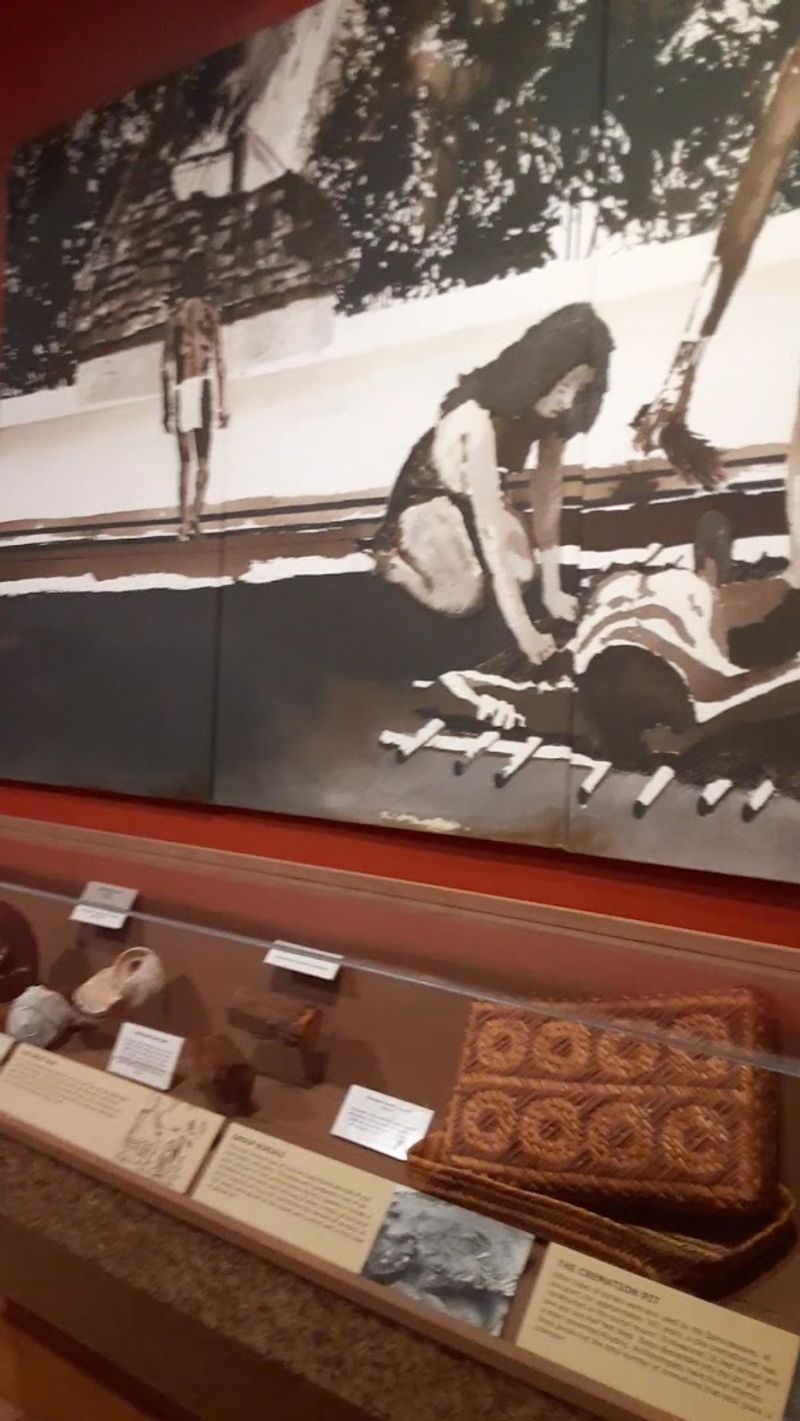
The story of what happened at Spiro in the early 1930s is one of the most painful chapters in American archaeological history. A group of men who called themselves the Pocola Mining Company leased the land containing the mounds and began digging with commercial intent, pulling out artifacts by the cartload and selling them to dealers and collectors across the country and abroad.
The hollow chamber inside Craig Mound, which archaeologists later estimated had been sealed for centuries, was broken open and ransacked. Fragile textiles, wooden carvings, and other organic materials that had survived intact for hundreds of years were exposed to air and destroyed within days.
Objects that could have provided irreplaceable scientific information about Spiro’s culture were lost forever.
Oklahoma lawmakers responded by passing the first state law in the United States specifically designed to protect archaeological sites, a significant legal milestone prompted directly by the Spiro crisis. Professional archaeologists from the University of Oklahoma arrived to document what remained, but the damage was severe.
The looting of Spiro stands as a cautionary tale about what happens when cultural heritage is treated as a commercial resource, and it shaped how the United States approaches archaeological site protection to this day.
Special Events and Guided Tours Worth Planning Around
One of the most memorable ways to experience this site is through a guided event rather than a standard self-guided visit. The winter solstice sunset tour, led by director Anna Vincent, has become a standout offering that draws visitors from well beyond the immediate area.
The tour takes advantage of the way sunlight interacts with the mounds at specific times of year, a phenomenon that may have held ceremonial significance for the Spiro people themselves.
The guided format allows visitors to ask questions and receive context that the trail signage alone cannot provide. Participants on past tours have consistently praised the depth of knowledge shared during these events, noting that they learned far more than they expected about Spiro’s role in prehistoric North America.
The atmosphere during a solstice tour, with fading light casting long shadows across the mound surfaces, adds a layer of atmosphere that daylight visits simply cannot match.
Calling ahead at +1 918-962-2062 or checking the Oklahoma Historical Society website is the best way to find out about upcoming events. The site operates on a modest budget, so special programs are not always guaranteed, but when they are available, they tend to be genuinely exceptional experiences worth building a trip around.
Ongoing Renovations: What Is Being Fixed and What to Expect Now

A major renovation effort is currently underway at this site, backed by a 1.5 million dollar investment from the state. The improvements target several areas that have needed attention for years, including faded and illegible trail signage, deteriorating parking facilities, and worn walking paths.
Some of this work is already visible, with new infrastructure beginning to replace older, weather-beaten elements throughout the grounds.
The renovation has created a mixed experience for visitors in the short term. Some exhibits inside the museum are mid-update, and certain outdoor elements are still in the process of being replaced.
A few mounds remain overgrown or partially inaccessible depending on the season and the current stage of work. The entrance fee has been waived during the renovation period as a goodwill gesture to visitors who may find the experience less polished than usual.
The long-term vision for the site is encouraging. New signage will make the self-guided trail far more informative and legible, updated parking will handle larger visitor volumes, and a potential gift shop is part of the future plans.
Visitors who come now are essentially catching the site mid-transformation, which has its own kind of interest, but those who wait until the work is complete will likely find a significantly more polished destination waiting for them.
Planning Your Visit: Practical Tips for Getting the Most Out of the Trip

A few practical details can make the difference between a frustrating visit and a genuinely rewarding one. The site is open Tuesday through Saturday from 9 AM to 4 PM, and it is closed on Sunday and Monday, so planning around those hours is essential.
Arriving closer to opening time on a weekday tends to mean fewer crowds and more opportunity for unhurried conversation with staff members.
Comfortable walking shoes are a must, especially if you plan to take the longer two-mile trail. The terrain is mostly flat, but parts of the dirt path can become muddy after rain.
Bringing water is also a smart move, particularly in the warmer months when Oklahoma temperatures climb quickly. There is no on-site food service, so packing a snack is worth considering if you plan to spend a few hours exploring.
The visitor center is climate-controlled and provides a good starting point before heading out to the mounds. Reading through the exhibits first gives the outdoor walk much more meaning.
Children generally find the site engaging when adults take time to explain the scale of what the Spiro people accomplished. A visit here pairs naturally with a stop in nearby Fort Smith, Arkansas, making it an easy addition to a longer road trip through the region.
Share this story