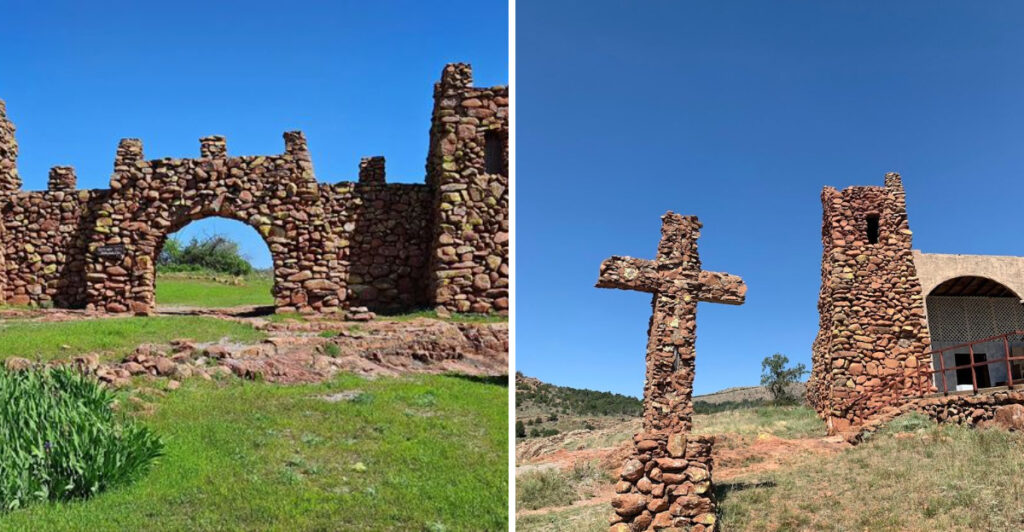
Tucked inside the rugged granite hills of southwestern Oklahoma, there is a place that has been stopping road-trippers dead in their tracks since the 1920s. Stone buildings that echo ancient Jerusalem rise up against the rocky Wichita Mountains, and wild bison occasionally wander past like they own the place.
Free to visit and open most days of the week, this 66-acre outdoor attraction blends faith, history, and jaw-dropping scenery in a way that is hard to find anywhere else in the country. By the time you finish reading, you will want to add it to your travel list immediately.
Where the Holy City Stands: Address and Setting
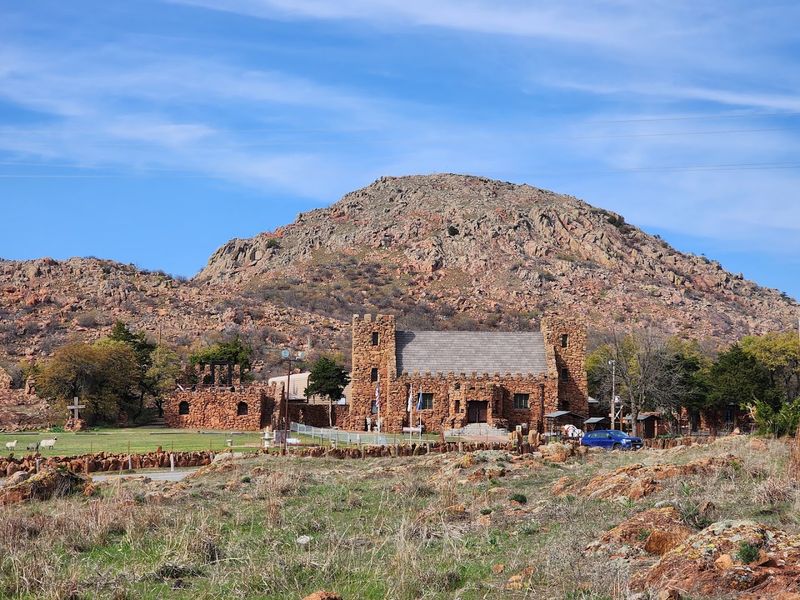
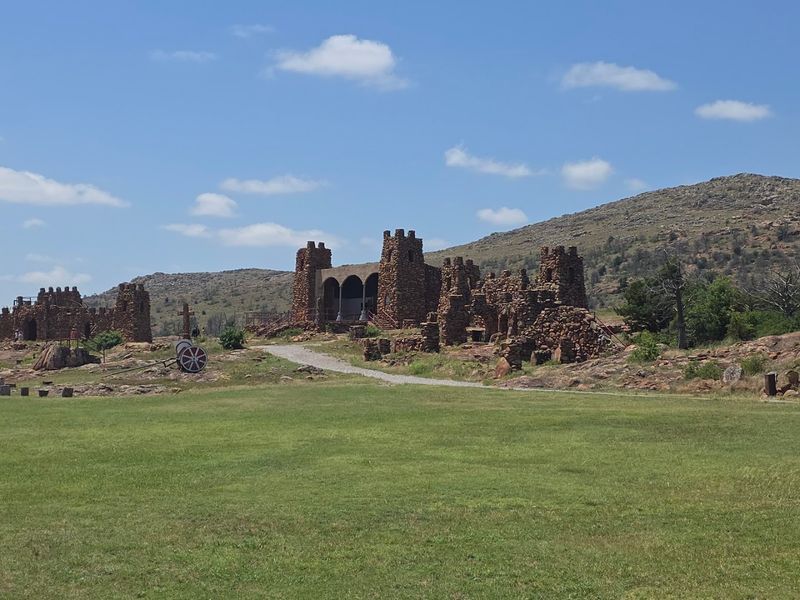
Right at 262 Holy City Rd, Lawton, OK 73507, inside the Wichita Mountains Wildlife Refuge, the Holy City of the Wichitas sits on one of the most dramatic natural stages in the entire state. The granite peaks rise sharply around the property, giving the stone structures a backdrop that feels almost cinematic.
The site covers 66 acres, and the moment you pull up and see those hand-built stone walls framed against the mountain ridgeline, it becomes clear why so many visitors call this place breathtaking. The landscape does a lot of the storytelling on its own.
Getting there is straightforward. From downtown Lawton, the drive takes roughly 30 minutes northwest along State Highway 49.
The refuge itself is a federally managed wildlife area, so the surroundings stay wild, quiet, and beautifully undeveloped, making the Holy City feel genuinely removed from everyday life.
A Century of History Built in Stone
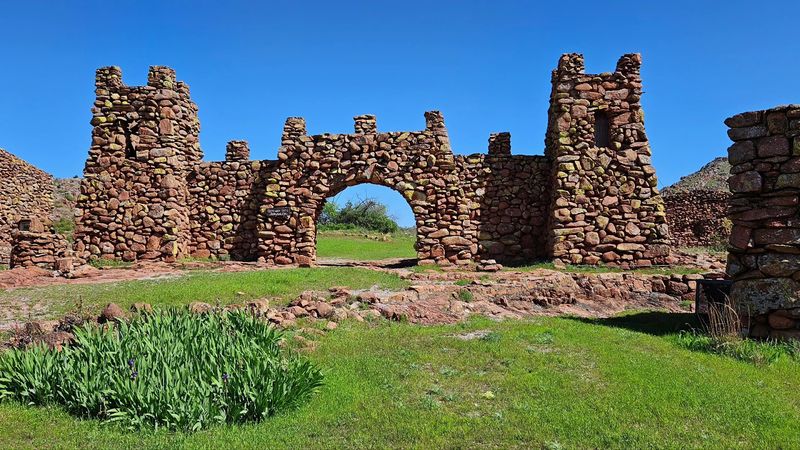
The Holy City of the Wichitas was founded in 1926 by Reverend Anthony Mark Wallock, a minister who dreamed of creating a full-scale outdoor representation of ancient Jerusalem right here in Oklahoma. What started as a humble Easter pageant site grew into a sprawling stone village that has been welcoming visitors for nearly a hundred years.
Every building on the property was constructed using granite pulled directly from the surrounding Wichita Mountains. Local volunteers and community members contributed their labor across decades, which gives the entire site a deeply personal, handcrafted quality that no modern theme park could replicate.
The Easter Pageant, which began in the 1930s, became one of the largest outdoor religious dramas in the United States, drawing audiences of tens of thousands at its peak. That long tradition of community involvement is woven into every stone wall and archway on the property, and knowing that history makes a walk through the grounds feel even more meaningful.
The Easter Pageant: A Living Drama
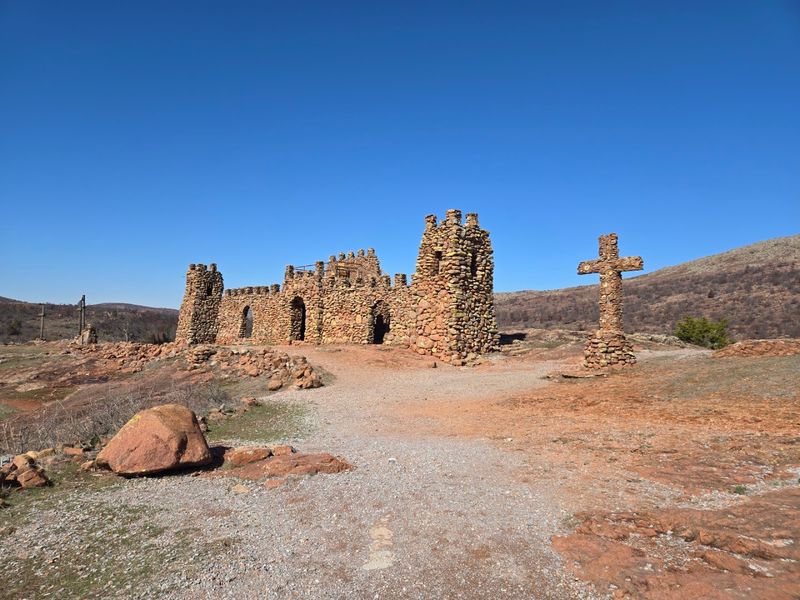
Few outdoor events in America carry the kind of weight that the Holy City Easter Pageant does. Held annually on the weekend before Easter, this live reenactment of the final days of Jesus Christ draws thousands of visitors from across the country to watch a cast of local volunteers bring the story to life on a natural granite rock stage.
The production uses the actual stone structures of the Holy City as its set, which means the audience watches scenes unfold against real Jerusalem-style buildings and rugged mountain terrain. There are no green screens or painted backdrops here, just raw Oklahoma landscape doing what it does best.
Attendance at the pageant has historically reached well into the tens of thousands over a single weekend, and the event has been running for decades without losing its power. If your travel schedule allows even a little flexibility around the Easter holiday, timing your visit to catch the pageant is absolutely worth the extra planning effort.
The Stone Architecture Up Close
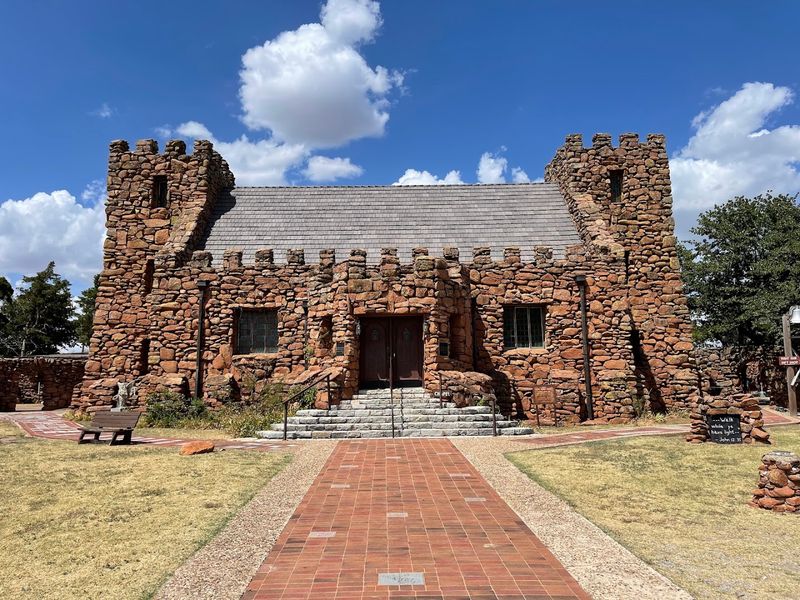
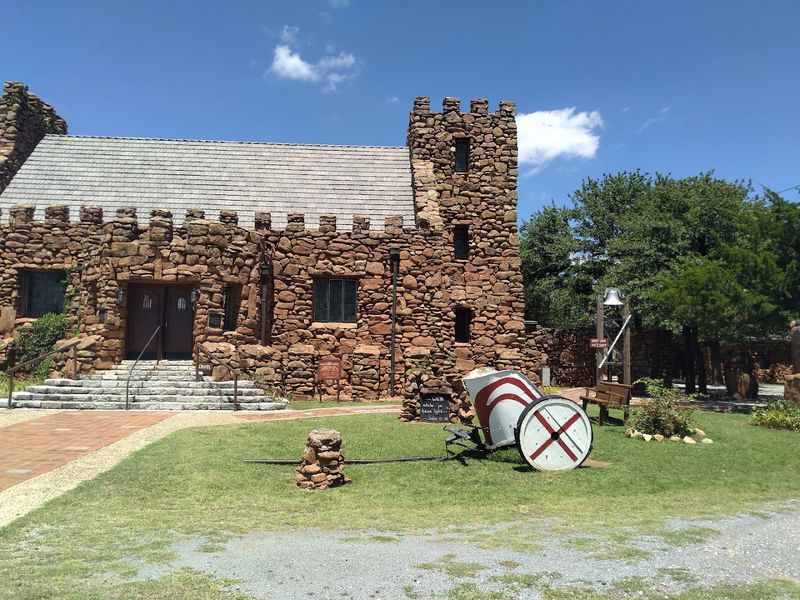
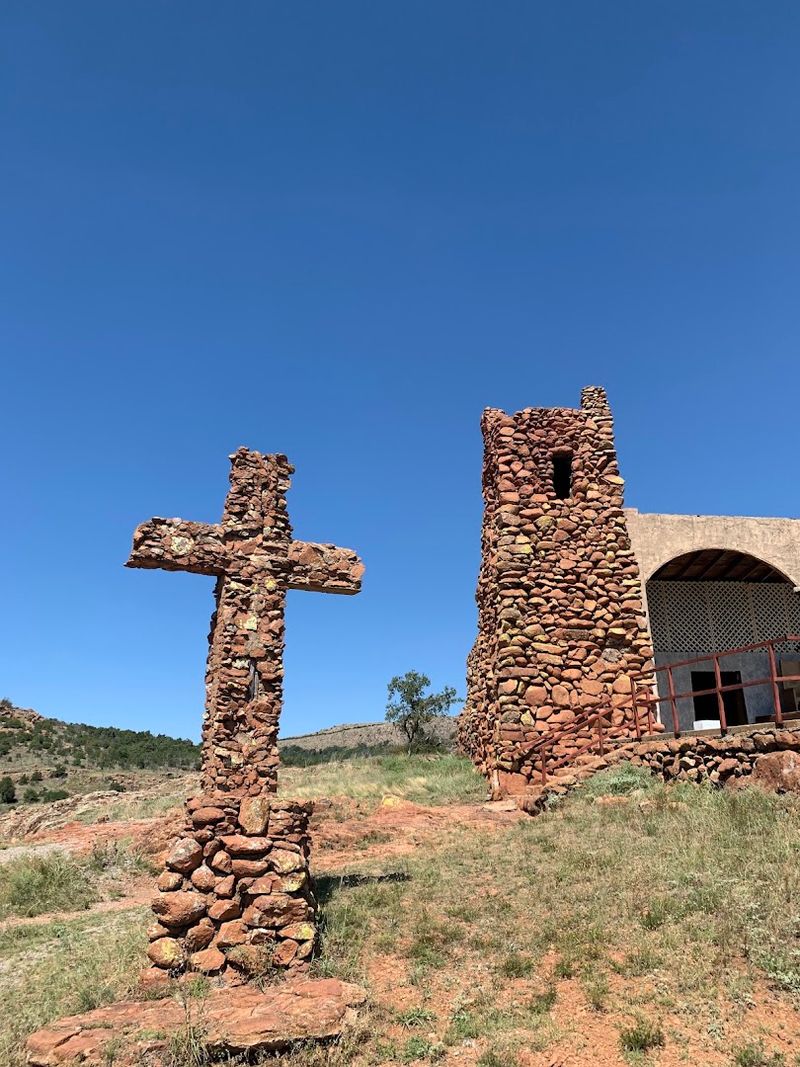
There is something quietly remarkable about the craftsmanship on display throughout the Holy City. Each structure was built using rough-cut granite sourced from the Wichita Mountains themselves, and the result is a collection of buildings that look like they genuinely belong in the Middle East rather than the middle of Oklahoma.
The chapel, in particular, draws a lot of attention. Its thick stone walls, arched windows, and simple interior create an atmosphere of calm that visitors consistently describe as grounding.
The architecture does not try to be flashy, and that restraint is exactly what makes it so effective.
Walking between the buildings, you notice details like uneven stonework, hand-carved accents, and narrow passageways that suggest the builders were aiming for authenticity over perfection. That rough, honest quality gives the Holy City a character that polished modern attractions rarely manage to capture.
Running your hand along one of those century-old granite walls, you can almost feel the decades of community effort pressed into every joint and mortar line.
Wildlife Encounters You Did Not Expect
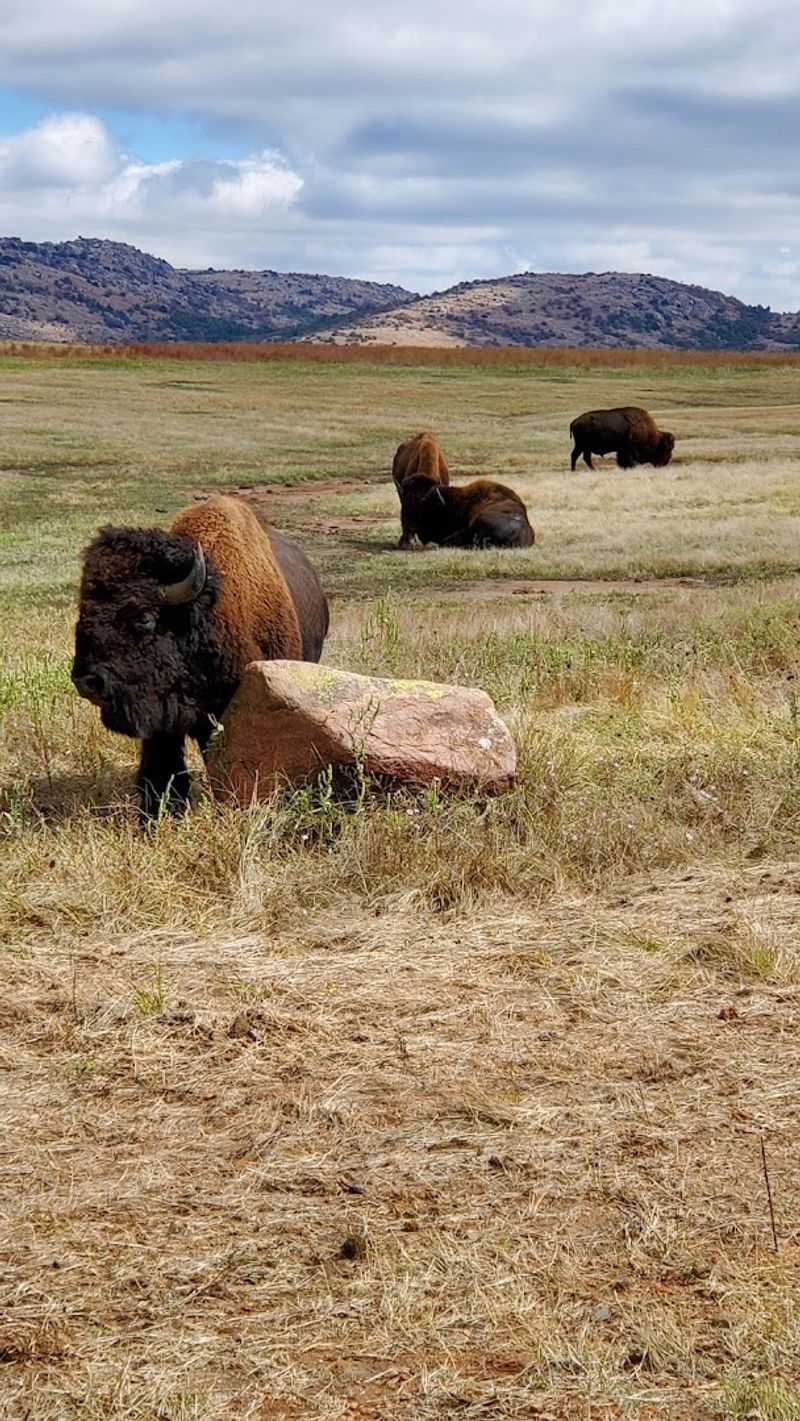
One of the most surprising parts of visiting the Holy City is that you are technically inside a federally managed wildlife refuge the entire time. The Wichita Mountains Wildlife Refuge is home to free-roaming American bison, longhorn cattle, white-tailed deer, and wild turkeys, and any of them might wander past during your visit.
Bison sightings near the Holy City grounds are not unusual at all. There are documented accounts of the massive animals napping just off the road while visitors slow their cars to watch, which is both charming and a good reminder to keep a respectful distance from wildlife that weighs over a thousand pounds.
The combination of biblical architecture and roaming bison creates one of the more surreal visual experiences you can have in Oklahoma. It is the kind of scene that makes you reach for your camera instinctively, and the kind of story that gets funnier every time you retell it to someone who has never been there.
The Chapel and Its Peaceful Interior
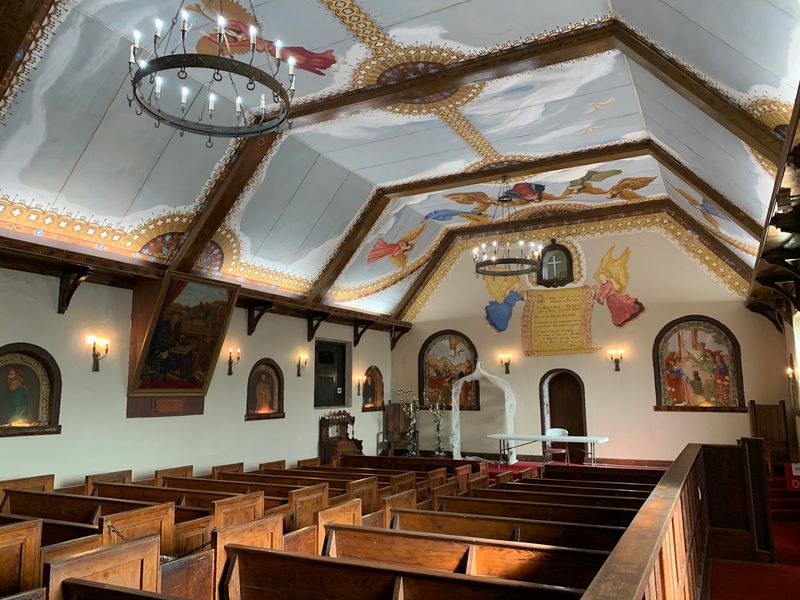
The chapel at the Holy City is one of those rare spaces that earns its reputation for quiet without trying too hard. The interior is simple, with wooden pews, minimal decoration, and thick granite walls that muffle outside noise so completely that the silence inside feels almost physical.
Visitors are welcome to enter the chapel free of charge, and many people spend time sitting quietly inside even if they are not there for religious reasons. The architecture alone, with its honest stonework and soft natural light filtering through the windows, creates a contemplative mood that is easy to settle into.
The chapel has hosted real weddings and private ceremonies over the years, and it is easy to understand why couples choose it. There is a timelessness to the space that feels earned rather than manufactured, and on a slow weekday morning when few other visitors are around, the experience of sitting inside those old stone walls with the mountains just outside the windows is genuinely hard to forget.
The Christ Statue and Surrounding Grounds
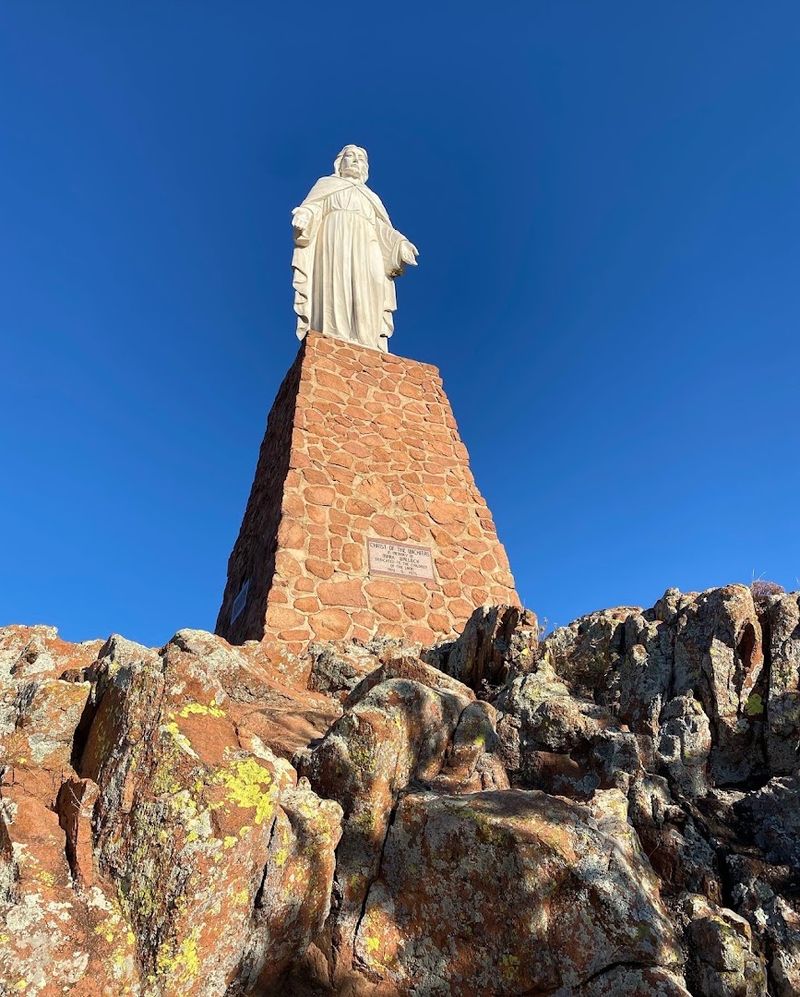
Among the most photographed features of the Holy City is the statue of Christ that stands on the grounds, framed by the granite boulders and mountain ridges of the Wichita range. The statue carries a quiet authority in that setting, and the natural backdrop amplifies its presence in a way that an indoor display never could.
The surrounding grounds are well maintained and easy to walk, with paths connecting the various stone structures, the chapel, and the open areas used for the Easter pageant. Even outside of the pageant season, the layout gives visitors a clear sense of how the space was designed to tell a story as you move through it.
Benches and open areas throughout the property invite visitors to slow down and take it all in rather than rushing from one spot to the next. The combination of the statue, the stone buildings, and the mountain scenery creates a visual coherence that makes the Holy City feel like a complete place rather than a collection of disconnected attractions.
The Gift Shop and Visitor Experience
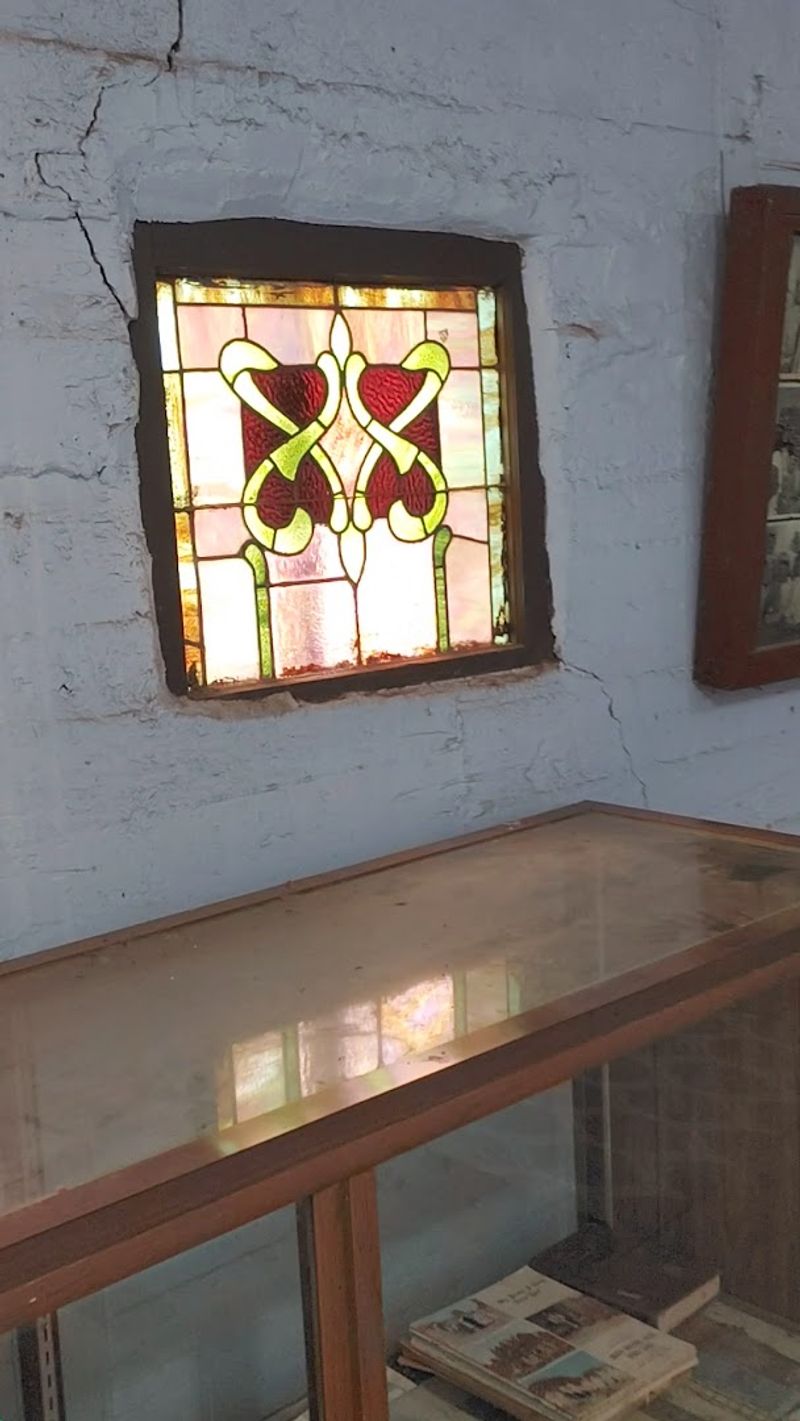
For a site that charges no admission, the Holy City of the Wichitas offers a surprisingly well-rounded visitor experience from the moment you arrive. The gift shop on the property carries a selection of religious souvenirs, books, keepsakes, and refreshments, and the staff there have a reputation for being warm and genuinely knowledgeable about the site’s history.
The shop is a good first stop if you want context before exploring the grounds. The staff can point you toward the most interesting structures, let you know which areas are open on any given day, and fill you in on upcoming events like the Easter pageant preparation schedule.
Small details like a well-stocked gift shop and helpful on-site staff make a real difference at a free attraction. The Holy City relies on donations and community support to keep operating, so picking up a souvenir is a genuinely meaningful way to contribute to the preservation of a place that has been serving visitors for close to a hundred years and counting.
Hours, Access, and Planning Your Visit
The Holy City of the Wichitas is open Tuesday through Saturday from 8 AM to 5 PM, Friday from 8 AM to 5 PM, and Sunday from 1 PM to 5 PM. Monday hours also run 8 AM to 5 PM, making it accessible on most days of the week.
The phone number on file is +1 580-429-3361, and the official website at theholycityofthewichitas.org carries updated event and closure information.
One important planning note: in the weeks leading up to Easter, portions of the grounds are closed off as the crew prepares for the annual pageant. Visiting during that preparation window means some areas will be off-limits, so checking ahead of time saves frustration.
Admission to walk the grounds is free, which makes the Holy City one of the best-value stops in all of Oklahoma. Donations are appreciated and go directly toward maintenance and programming.
The site is also a natural complement to a day spent exploring the broader Wichita Mountains Wildlife Refuge, so building a full day around both is a very practical and rewarding option.
The Wichita Mountains as the Perfect Backdrop
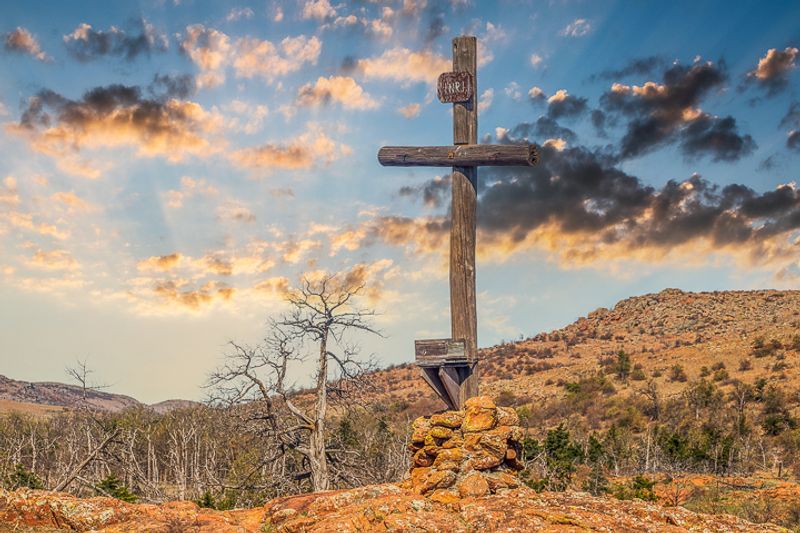
The Wichita Mountains are among the oldest mountain ranges in North America, with some of the exposed granite estimated to be around 540 million years old. That geological context adds a layer of meaning to the Holy City that is easy to overlook on a casual visit but hard to shake once you think about it.
The founders chose this location deliberately. The rocky, arid terrain of the Wichita Mountains genuinely resembles the landscape of the ancient Middle East, with exposed granite outcroppings, sparse vegetation, and dramatic elevation changes that give the setting a natural authenticity no flat-land construction site could replicate.
On a clear day, the views from the Holy City grounds stretch across miles of rolling refuge land, with the jagged mountain profile cutting against the sky in every direction. The scenery is not just a backdrop; it is an active participant in the experience, and photographers who visit for the first time often find themselves burning through memory cards faster than they expected.
The mountains earn their place in the story.
A Place That Resonates Across Generations
One of the quieter but more powerful things about the Holy City is how consistently it resonates with visitors of completely different ages and backgrounds. Longtime Oklahoma residents who visited as children bring their own kids and grandkids, and the place looks and feels much the same as it did decades ago, which is a quality that is genuinely rare.
For younger visitors, the wild landscape, roaming bison, and dramatic stone buildings create a sense of adventure that no indoor museum can match. For older visitors, the site carries layers of personal memory and spiritual significance that deepen with each return trip.
The Holy City also draws people with no religious background at all, visitors who come purely for the history, the architecture, or the novelty of finding a Jerusalem replica tucked into the Oklahoma mountains. That broad appeal, across faith traditions, age groups, and travel styles, is what keeps the site relevant nearly a century after its founding.
Few places manage to mean so many different things to so many different people without losing their identity in the process.
Why This Place Deserves a Spot on Your Oklahoma Itinerary
There are plenty of roadside attractions across the United States that promise something extraordinary and deliver something ordinary. The Holy City of the Wichitas is the opposite.
It is a free, historically significant, architecturally fascinating outdoor site that consistently earns a 4.7-star rating across thousands of visitor reviews, and the praise is well deserved.
The combination of hand-built granite architecture, wild refuge scenery, a century of community history, and an annual Easter pageant that draws crowds from multiple states gives the Holy City a depth that most attractions never achieve. It is the kind of place that rewards slow, curious visitors who take time to read the details and sit with the atmosphere.
Whether you are passing through Lawton on a road trip, spending a day at the Wichita Mountains Wildlife Refuge, or making a dedicated trip out from the Oklahoma City area, the Holy City belongs on the list. A hundred years of community love went into those stone walls, and that kind of investment shows in every corner of the property.
Some places are worth the detour, and this is firmly one of them.
Share this story