Oklahoma might not be the first place you think of when Civil War history comes to mind, but there is a patch of land in eastern Oklahoma that tells one of the most remarkable and overlooked stories of that entire conflict. On July 17, 1863, more than 9,000 soldiers clashed in what became the largest Civil War battle ever fought in what is now Oklahoma.
The fight was short, fierce, and genuinely pivotal, and the ground where it happened has been preserved so that visitors can still walk it today. I made the drive out to see it for myself, and I came back with a whole new appreciation for a chapter of American history that deserves far more attention than it gets.
Finding the Battlefield: Location and Getting There
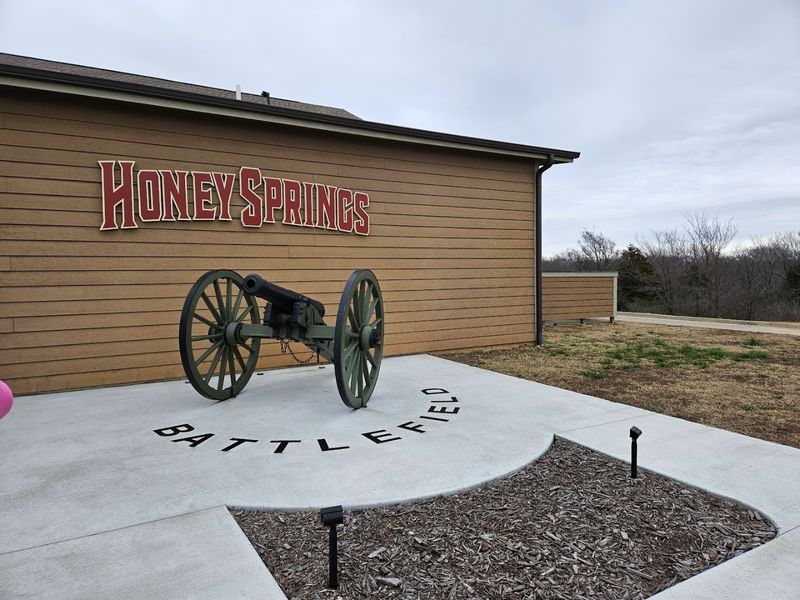
The address for the visitor center is 423159 E 1030 Rd, Checotah, OK 74426, and getting there requires a little patience with rural navigation. The site sits in McIntosh County in eastern Oklahoma, roughly between Muskogee and McAlester, and the surrounding landscape is exactly the kind of quiet, wide-open countryside that makes you feel like you have genuinely stepped away from modern life.
One practical tip worth knowing before you go: use Highway 69 as your main approach route. Several GPS systems will route you down unpaved dirt roads instead, which can be rough depending on the season.
The paved route via Highway 69 adds only a few minutes but saves your car a workout.
The visitor center phone number is +1 918-617-7125, and the website at okhistory.org/honeysprings has updated directions. The site is managed by the Oklahoma Historical Society, which means the information available is thorough and well-sourced.
First-time visitors often say the drive itself sets the mood perfectly for what they are about to experience.
The Battle That Changed the Course of the Civil War in Indian Territory
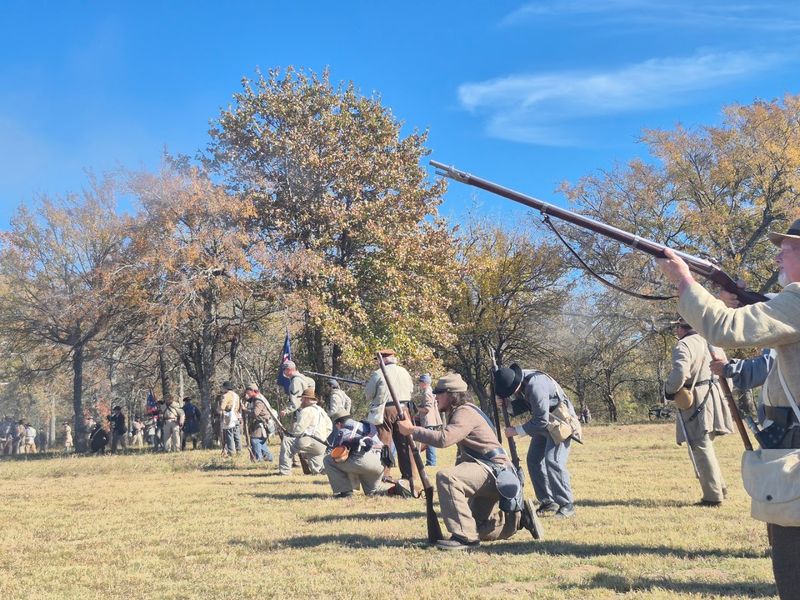
July 17, 1863 was a turning point that most American history textbooks have largely skipped over. Confederate General Douglas Cooper led a force that included Native American soldiers from the Five Civilized Tribes, while Union General James Blunt commanded a diverse army that included African American troops from the First Kansas Colored Infantry and Native American regiments loyal to the Union cause.
The battle lasted only about two hours, but the Union victory was decisive. It effectively ended Confederate control over Indian Territory and prevented the South from using the region as a base to threaten Kansas and the rest of the western frontier.
The strategic consequences rippled outward in ways that shaped the postwar geography of what would eventually become the state of Oklahoma.
What makes this battle especially significant is the sheer diversity of the forces involved. Soldiers of African American, Native American, and European American descent all fought on the same field, making Honey Springs one of the most ethnically complex engagements of the entire Civil War.
That context alone makes visiting the site feel like uncovering a genuinely important story.
The Visitor Center Experience
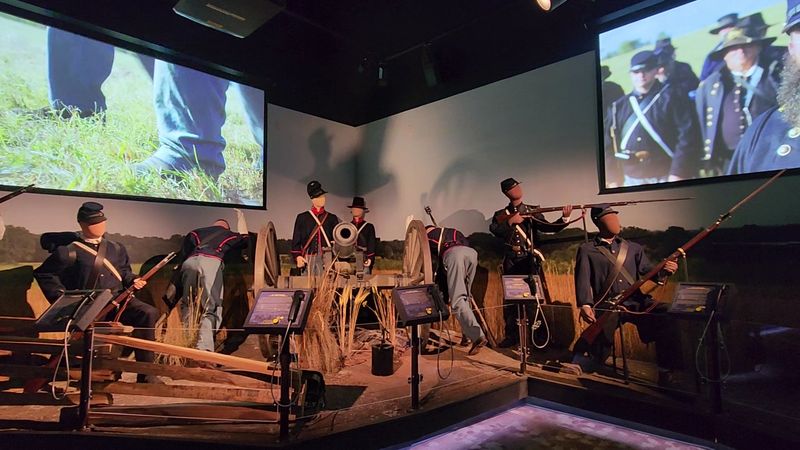
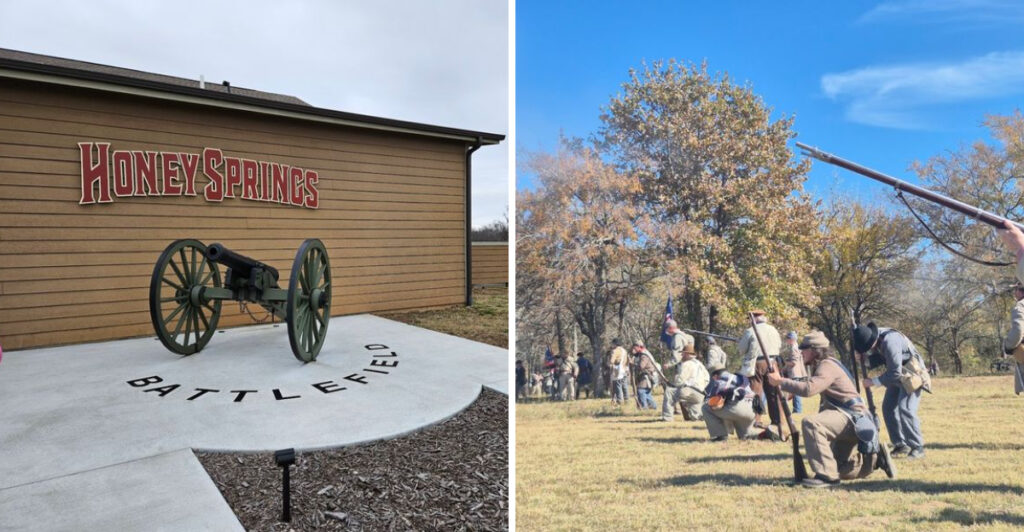
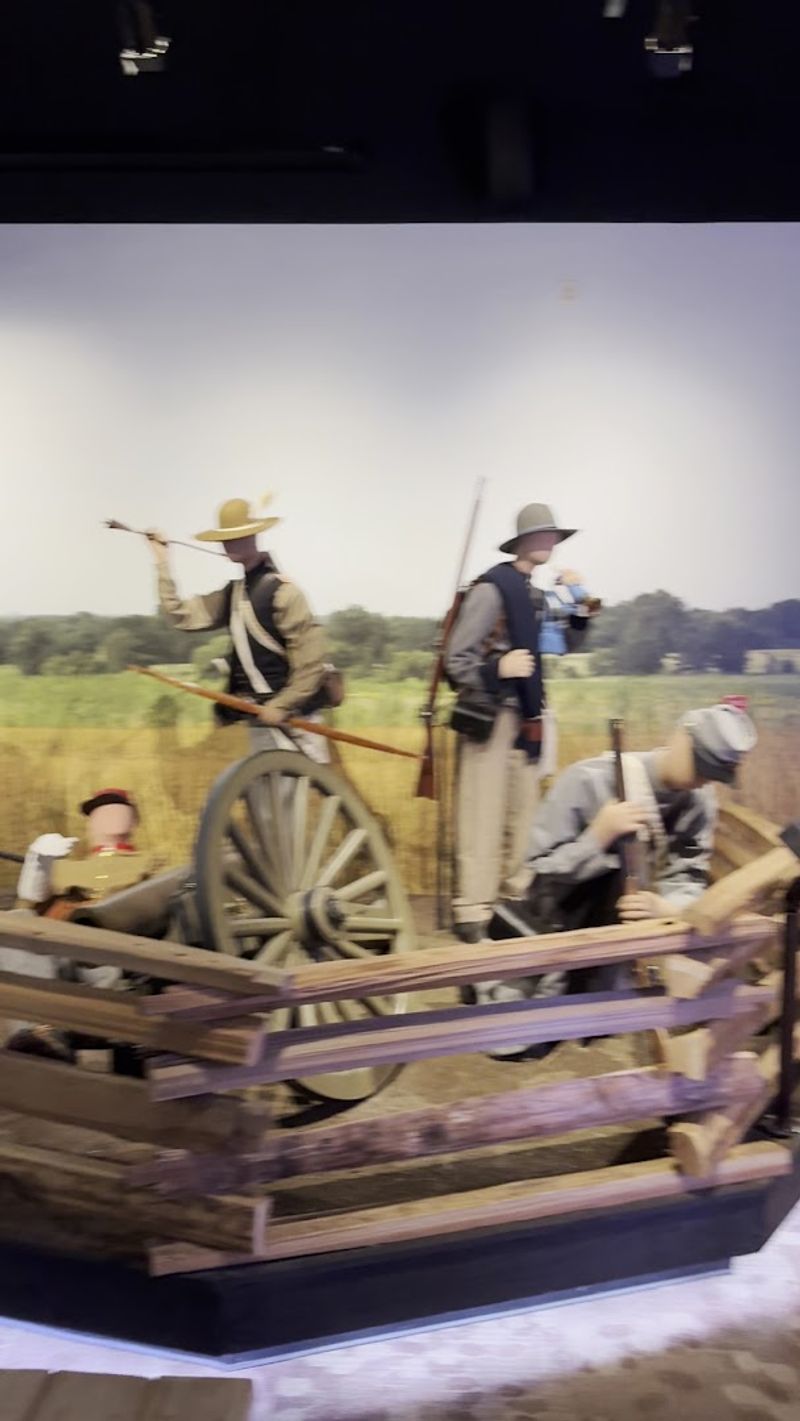
The visitor center is the kind of place that surprises you with how much it packs into a relatively compact space. Life-sized mannequins dressed in authentic Union and Confederate uniforms stand alongside actual artillery pieces, creating displays that feel immediate and tangible rather than dusty and distant.
The exhibits are organized to walk you through the lead-up to the battle, the engagement itself, and the aftermath. Multiple rooms cover different aspects of the conflict, and there is enough detail to satisfy history enthusiasts without overwhelming casual visitors.
A well-stocked research library is also on-site for anyone who wants to go deeper into the primary sources.
Admission for a regular adult is $7, which is genuinely reasonable for the quality of what is on offer. The staff members are knowledgeable, approachable, and clearly enthusiastic about the history they are sharing.
They welcome questions openly and will often point out details in the exhibits that you might otherwise walk right past. The whole experience feels personal rather than impersonal, which makes a real difference when you are trying to connect with history that happened over 160 years ago.
The 12-Minute Film That Tells Three Stories at Once
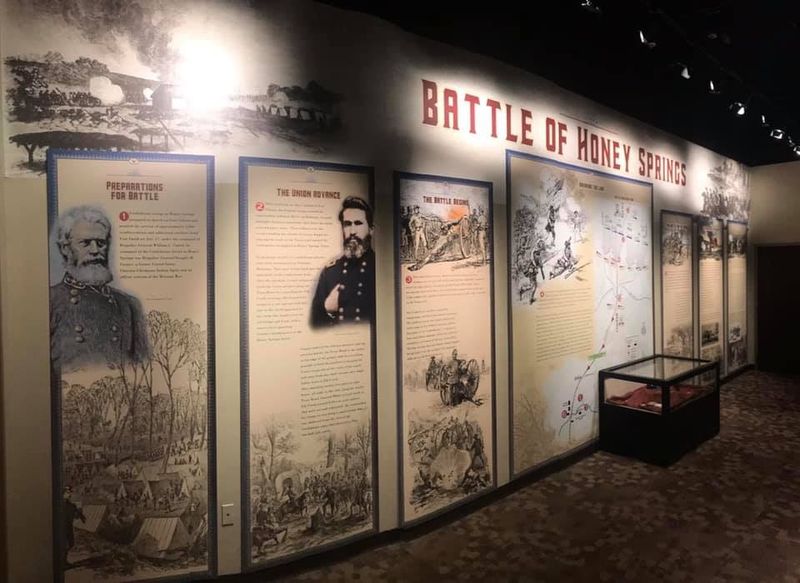
One of the most memorable parts of my visit was the short film shown in the visitor center theater. Running about 12 to 15 minutes, the documentary is narrated from three distinct perspectives: the Union general, the Confederate general, and importantly, representatives of both the Black soldiers and the Native American soldiers who fought in the battle.
That multi-perspective approach is what makes the film genuinely thought-provoking rather than just informative. Most Civil War narratives default to the Union versus Confederate framing and leave out the complexity of who was actually fighting and why.
This film refuses to do that, and the result is something that stays with you long after the lights come back on.
The film is coordinated directly with the surrounding exhibits, so details mentioned on screen connect to artifacts and displays you can examine immediately afterward. It is a smart design choice that reinforces what you have just seen rather than leaving you to piece things together on your own.
Even visitors who consider themselves well-read on Civil War history tend to walk out of that theater having learned something genuinely new.
The African American Soldiers Who Made History Here
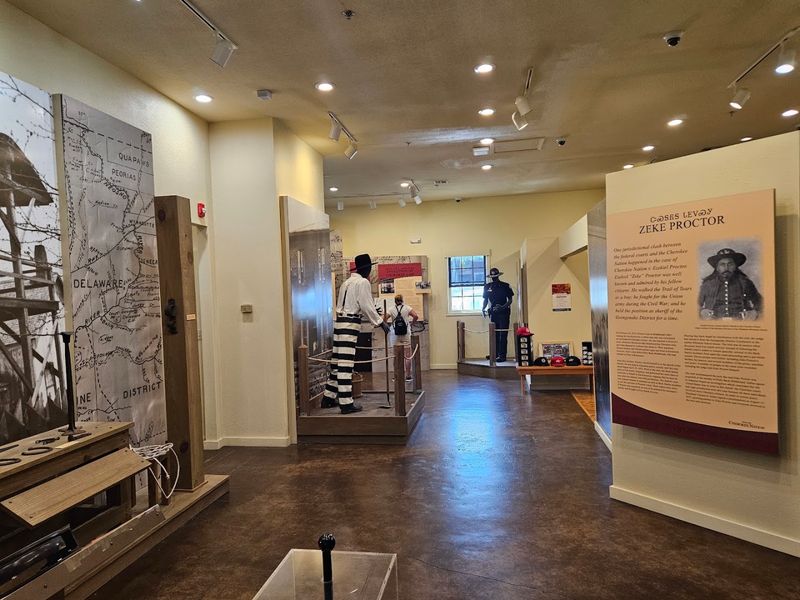
The First Kansas Colored Infantry fought at Honey Springs in larger numbers than any previous engagement involving African American troops in the Civil War, including those in South Carolina. That fact alone gives the battlefield an outsized historical importance that extends well beyond the borders of Oklahoma or even the western theater of the war.
These soldiers fought with documented courage and effectiveness, and their performance at Honey Springs directly influenced Union Army policy regarding the broader use of African American troops in combat roles. The battle served as concrete proof that Black soldiers could and would stand their ground under fire, a reality that contributed to the expansion of the United States Colored Troops program throughout the rest of the war.
The visitor center gives this part of the story the attention it deserves, with dedicated exhibit space that covers the experience of the First Kansas Colored Infantry specifically. Standing in that exhibit room and then walking out onto the actual ground where those soldiers fought creates a connection to that history that no book can quite replicate.
The granite memorials on the battlefield itself also honor their contribution in a permanent and visible way.
Native American Soldiers on Both Sides of the Conflict
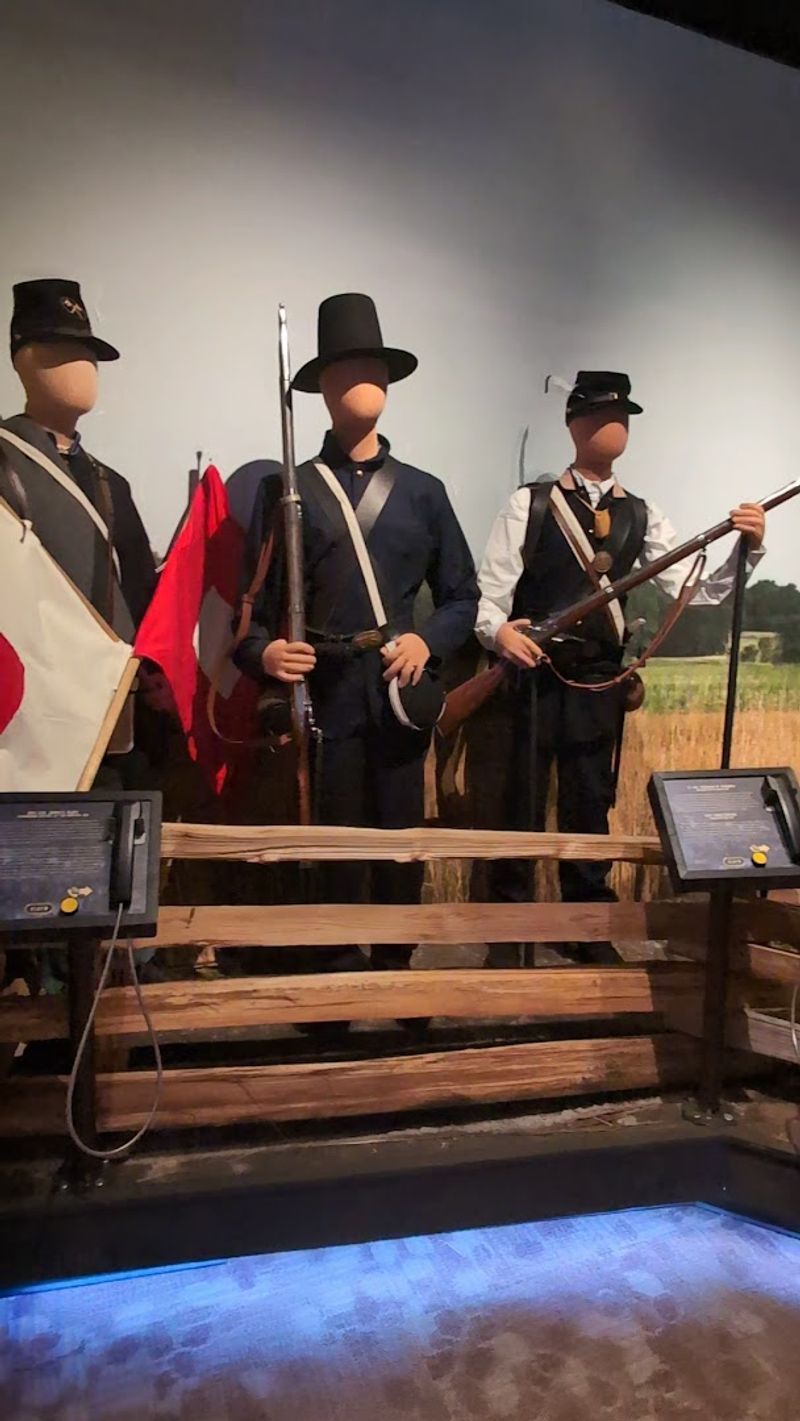
Few Civil War battlefields can claim what Honey Springs can: soldiers from the Five Civilized Tribes fought on both sides of the engagement. Cherokee, Creek, Choctaw, Chickasaw, and Seminole soldiers were present in the Confederate ranks, while other Native American regiments fought under the Union banner.
The division was not random but reflected deep internal political fractures within each tribal nation over the question of slavery and alliances.
Many Native American nations in Indian Territory had adopted plantation-style agriculture and, in some cases, enslaved African Americans before the war. The Confederate government actively courted these nations with treaty promises, while the Union offered its own competing assurances.
The result was that Native American communities found themselves split in ways that caused lasting damage to tribal cohesion for generations after the war ended.
The battlefield and visitor center take this complexity seriously rather than glossing over it. Walking the trails while knowing that the land beneath your feet was contested by people with such layered and painful histories gives the experience a weight that standard battlefield tourism rarely carries.
It is genuinely one of the more intellectually rich Civil War sites I have visited anywhere in the country.
Walking the Battlefield Trails
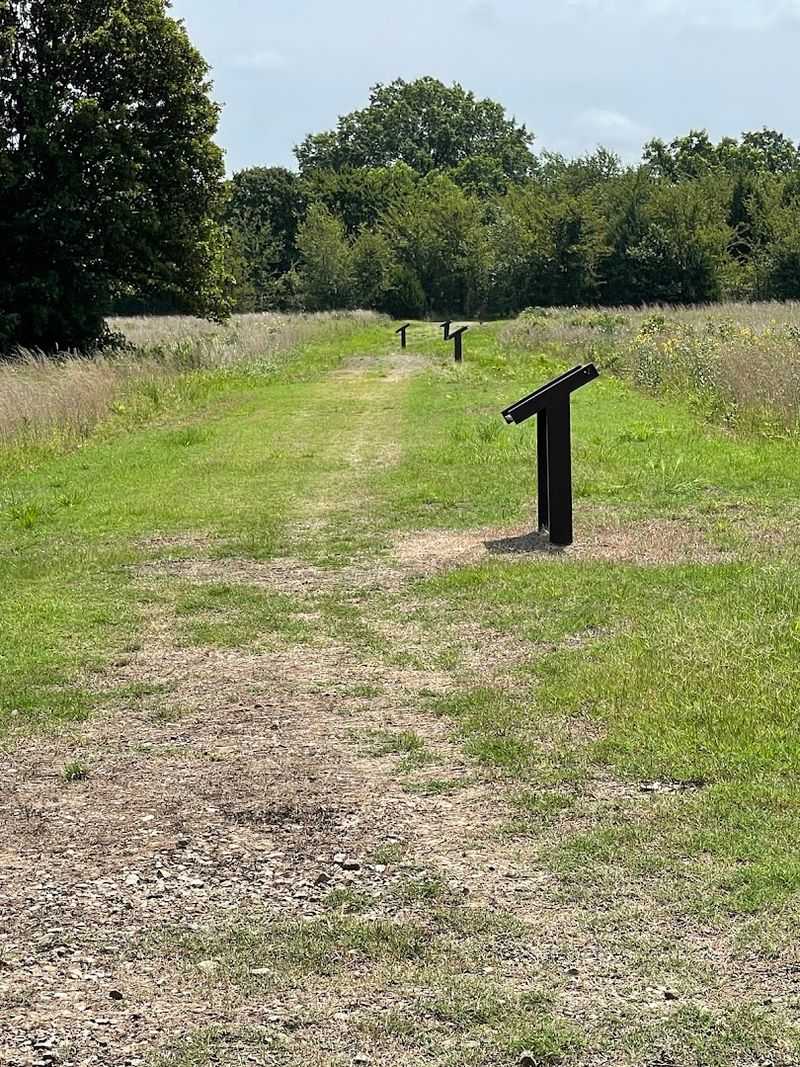
The battlefield trails are where the visit shifts from informational to genuinely atmospheric. The land has remained largely undeveloped, and in some stretches you can look out across open ground and get a real sense of the scale of the terrain where roughly 9,000 soldiers maneuvered and fought on that July day in 1863.
Elk Creek runs through the site and adds a natural focal point to the landscape. The creek played a tactical role in the battle, and seeing it in person gives you a clearer mental picture of the geographic constraints both commanders were working with.
The Oklahoma Historical Society has also been clearing underbrush north of the visitor center to restore sightlines closer to what they would have looked like in 1863, which is a meaningful improvement.
Practical advice for the trails: bring insect repellent and tick spray, especially in warmer months. Ticks are a real presence in the tall grass, and a few minutes of preparation before you head out makes the whole walk far more enjoyable.
Comfortable walking shoes are also a must, since the paths are unpaved and uneven in places. The trails reward the effort with a sense of stillness that is hard to find at more heavily visited battlefields.
The Biennial Reenactment Event
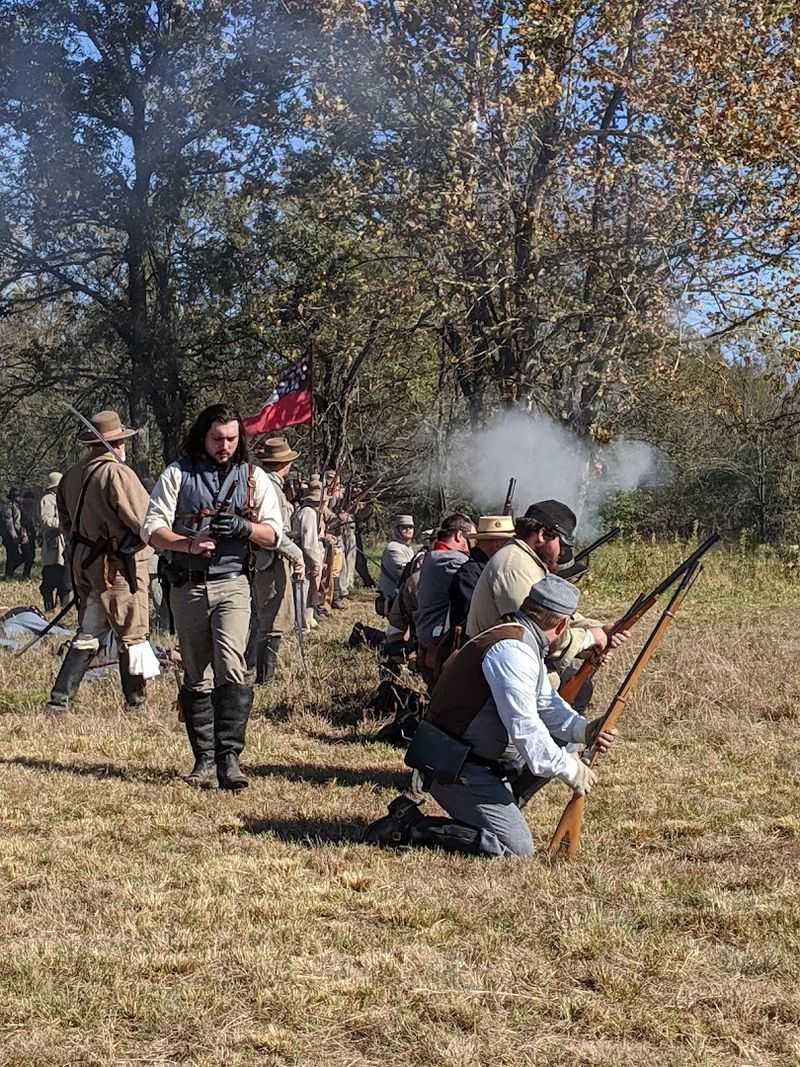
Every odd-numbered year, Honey Springs hosts a full-scale battle reenactment that draws participants and spectators from across the region and beyond. Reenactor groups representing Union infantry, Confederate forces, African American regiments, and Native American units all take part, making it one of the more historically complete reenactments you will find at any Civil War site in the country.
The event includes a campsite that visitors can walk through after the reenactment, where participants stay in period-accurate setups and answer questions about their equipment, uniforms, and daily life during the war. The cannon fire is genuinely loud, so bringing ear protection for younger visitors is a smart move.
Arriving at least 30 minutes early is also recommended, since good viewing spots fill up quickly and you will want to be settled before things get started.
Food vendors are typically present at the event, though the lines can run long during peak attendance. Bringing your own seating is strongly advised, since the reenactment runs long enough that standing the whole time gets uncomfortable.
The root beer served at the event has developed something of a fan following among regular attendees, and that reputation is apparently well-earned.
Hours, Admission, and Planning Your Visit
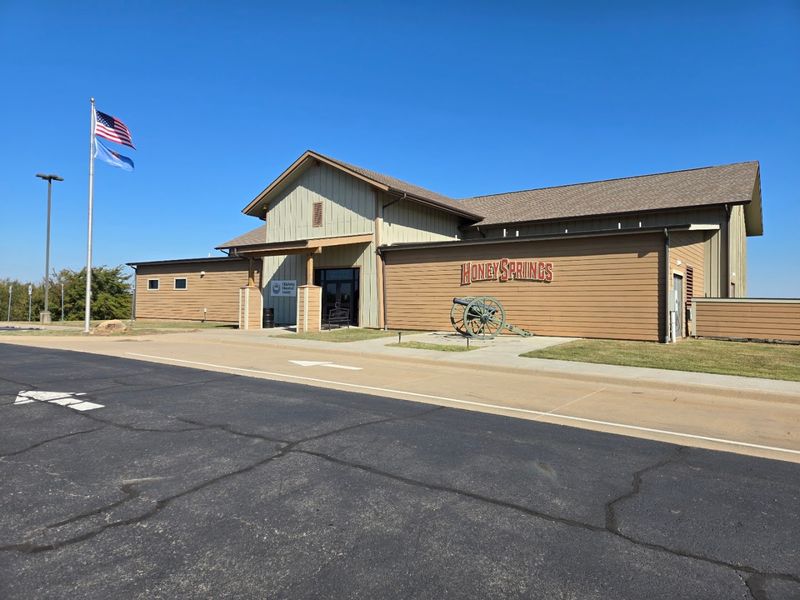
The visitor center is open Tuesday through Saturday from 9 AM to 4:30 PM. The site is closed on Sundays and Mondays, so timing your visit around those days is essential.
Arriving earlier in the day gives you enough time to tour the exhibits, watch the film, and still have a comfortable stretch of time to walk the battlefield trails before closing.
Adult admission is $7, which covers both the museum and the film. The price point is refreshingly accessible for a site of this historical significance, and it reflects the Oklahoma Historical Society’s commitment to keeping the history available to as broad an audience as possible.
Group rates and school trip accommodations are available by contacting the site directly at +1 918-617-7125.
If you are planning a longer road trip through eastern Oklahoma, Honey Springs pairs well with other regional historical sites to create a full day of exploration. Packing a lunch is a good idea since food options near the battlefield are limited.
The official website at okhistory.org/honeysprings carries the most current information on special events, closures, and any updates to trail conditions or exhibit rotations.
Why This Battlefield Deserves a Spot on Your Oklahoma Travel List
Eastern Oklahoma is not a region that typically shows up on national travel radar, but Honey Springs makes a compelling case for changing that. The battlefield preserves a story that touches on race, sovereignty, strategy, and the complicated loyalties of a nation at war with itself, all on ground that has remained largely intact for over 160 years.
The combination of a well-curated visitor center, an emotionally resonant film, and open battlefield trails gives the site multiple layers that reward different kinds of visitors. History enthusiasts will find depth in the research library and exhibits.
Families with younger students will connect with the life-sized displays and the accessible storytelling in the film. Outdoor walkers will appreciate the quiet and the natural setting around Elk Creek.
There is something quietly powerful about standing on ground where history actually happened rather than simply reading about it in a textbook. Honey Springs Battlefield offers that experience with honesty, care, and a level of historical nuance that is genuinely rare.
Whether you are a dedicated Civil War scholar or simply someone curious about the stories hiding in plain sight across Oklahoma, this is a place worth making the trip for.
Share this story