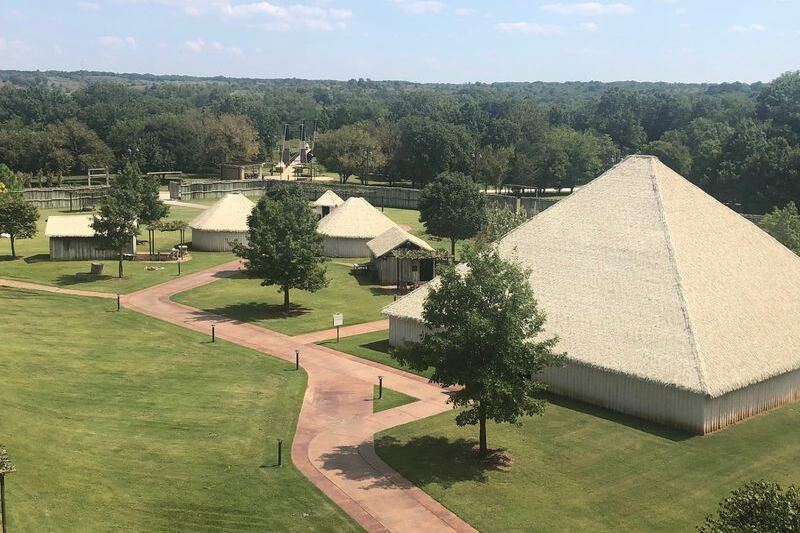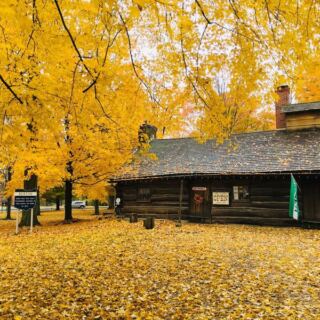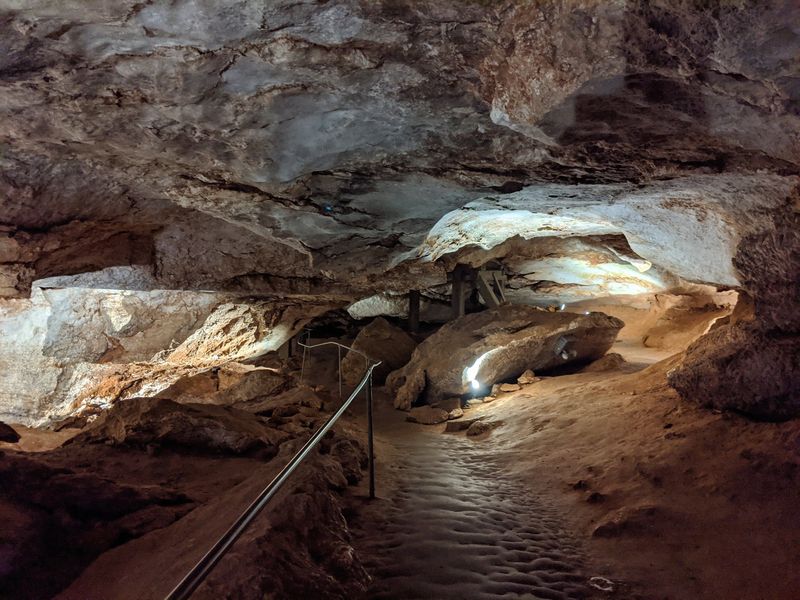
Tucked into a quiet canyon in northwestern Oklahoma, Alabaster Caverns State Park is the kind of place that makes you wonder how you never heard of it before. The park sits near the small town of Freedom and draws visitors with something truly rare: a cluster of gypsum caves where gentle bat colonies share the darkness with some of the only black alabaster formations found anywhere in the United States.
Guided tours run on the hour, spelunking permits open up more adventurous options, and camping is available both outside and, remarkably, inside one of the caves. Whether you are a curious day-tripper or a seasoned cave enthusiast, this hidden gem delivers a genuinely one-of-a-kind Oklahoma experience.
A Canyon Hidden in Plain Sight
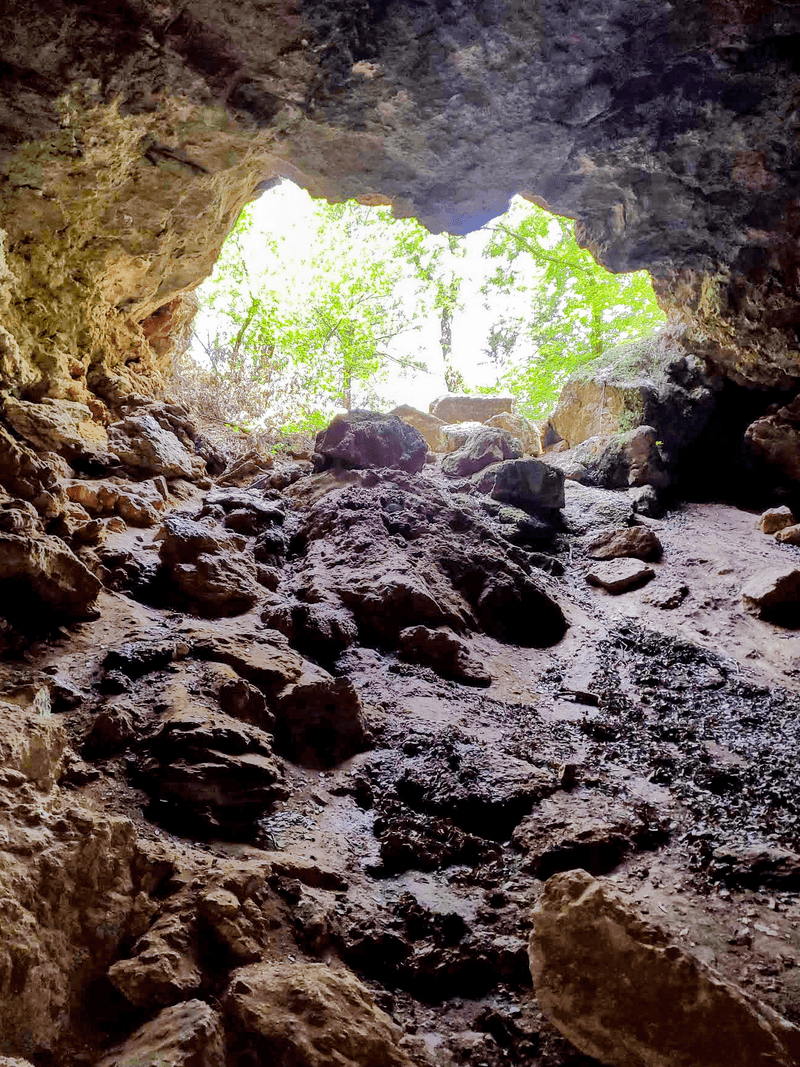
Most people drive right past Alabaster Caverns State Park without ever knowing it is there. The park is built into a low canyon near Freedom, Oklahoma, and the terrain drops away so gradually from the surrounding plains that the whole place stays invisible until you are practically at the entrance.
Alabaster Caverns State Park sits at 217036 State Hwy 50A, Freedom, OK 73842, in the northwestern corner of the state. The setting is surprisingly lush given the dry Oklahoma landscape above.
Cedar trees crowd the canyon walls, and a small stream threads through the cave interior, adding a cool, earthy smell to the air before you even step underground.
The park is managed by the Oklahoma State Parks system and holds a 4.5-star rating across more than 1,200 Google reviews, which is a strong signal that the drive out here pays off. Freedom is roughly two and a half hours from Oklahoma City, making it a very doable weekend road trip.
The remoteness is part of the appeal, and the canyon setting gives the whole park an atmosphere that feels genuinely separate from the flat, open plains surrounding it on every side.
Gypsum, Alabaster, and What Makes These Caves Unusual
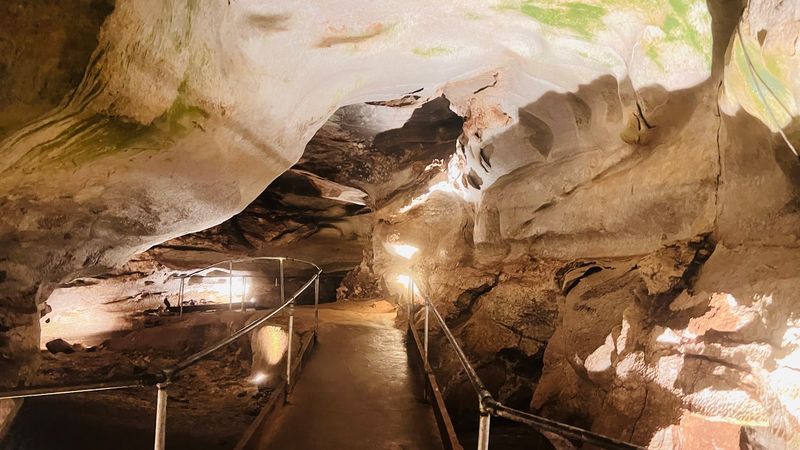
Not every cave earns the label “rare,” but Alabaster Caverns has a legitimate claim to it. The caves here are gypsum formations, which is already less common than the limestone caverns most people have visited, and they contain deposits of black alabaster that are found in very few places across the entire United States.
Gypsum is a soft mineral, and the cave walls here show off a range of colors and textures that catch the light in unexpected ways. The black alabaster is the showstopper, with a deep, almost glassy appearance that looks more like polished stone than raw cave rock.
Guides point it out during the main tour, and it tends to be one of the details visitors remember most vividly afterward.
There are four gypsum caverns within the park boundaries. Each one has its own character, and while the largest cave is the focus of the standard guided tour, others are open for independent exploration or can be accessed with spelunking permits.
A stream runs through the main cave, which adds both visual interest and a pleasant drop in temperature that feels especially welcome on a sweltering Oklahoma afternoon.
The Bat Colonies That Steal the Show
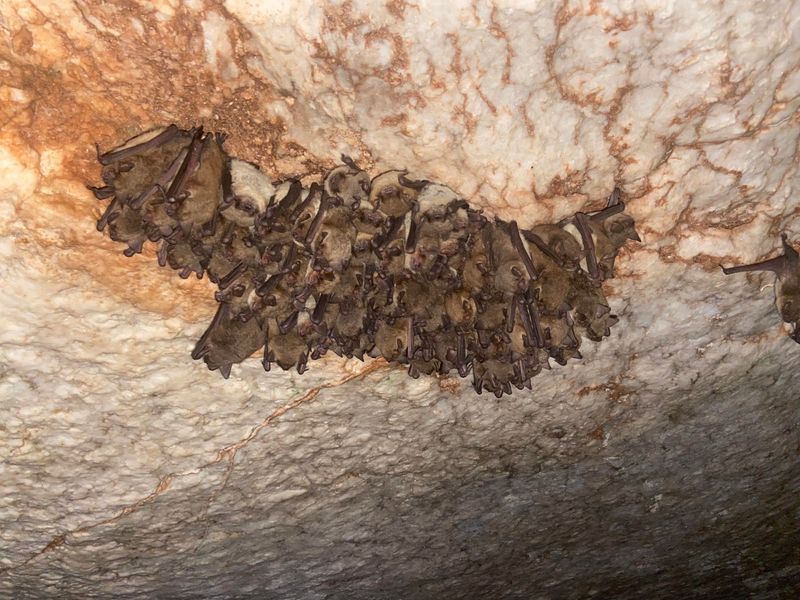
Bats are the undisputed stars of Alabaster Caverns, and they show up in nearly 100 mentions across visitor reviews, which tells you how much of an impression they leave. Multiple species live in the caves, and the guides describe them with genuine affection, often referring to them as gentle residents rather than something to be nervous about.
Seeing bats up close in a cave setting is rarer than most people realize. Many well-known cave destinations have bat populations that stay out of sight or roost in sections closed to visitors.
Here, the bats share the same passages that tour groups walk through, and the occasional low flyby is part of the experience rather than an interruption to it.
The best time to spot bats inside the cave is between November and March, when they are most consistently present in the main passages. During warmer months, early mornings offer a different kind of spectacle: hundreds of bats returning to the cavern at sunrise after a night of feeding.
Campers who stay overnight have described watching that return flight as genuinely magical, with wave after wave of small wings cutting through the morning light just above their heads.
How the Guided Tour Actually Works
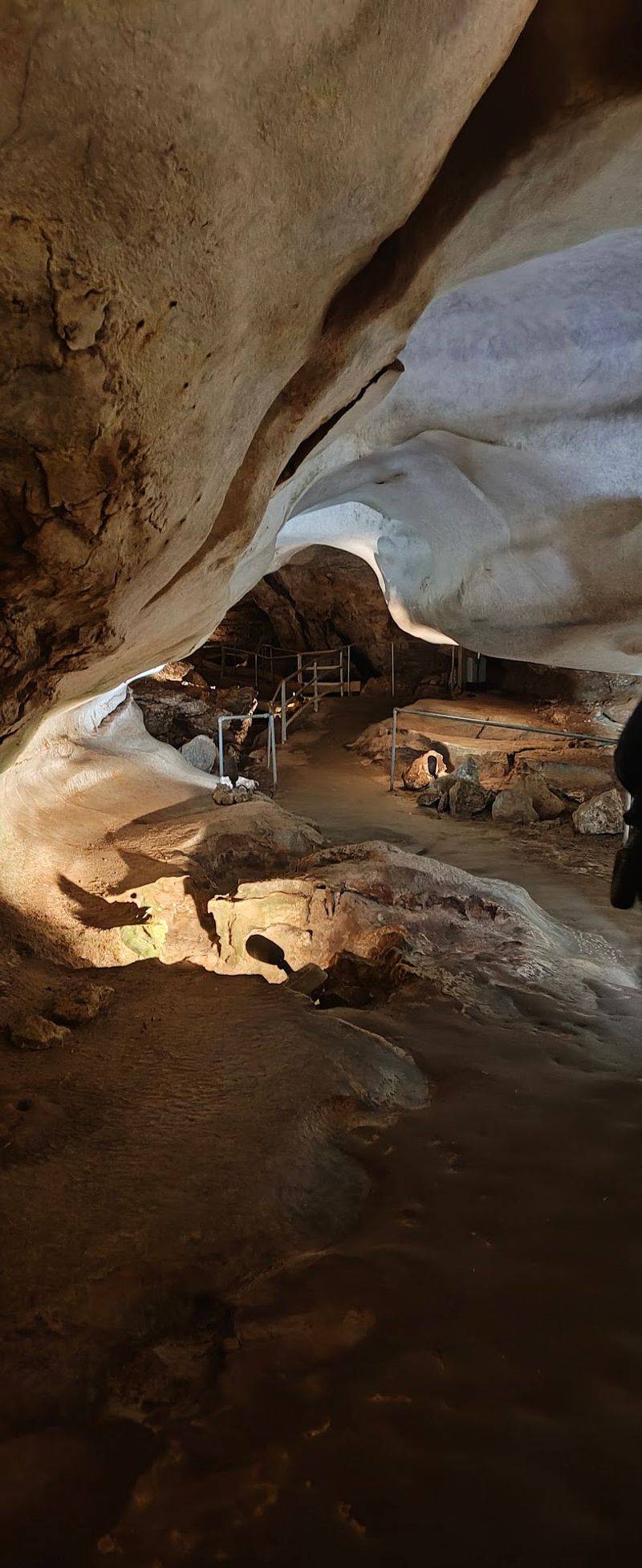
The guided tour at Alabaster Caverns runs at the top of every hour during park operating hours, which gives visitors a fair amount of flexibility when planning their arrival. Groups board a travel trailer pulled by a tractor for part of the journey, which adds a charmingly low-key, rural quality to the whole outing before the cave experience even begins.
Once inside, the walk is described as manageable for most fitness levels, including visitors with limited mobility. The path is well-lit and the cave is illuminated throughout, though low ceiling clearance in certain spots means taller visitors will want to pay attention.
The tour runs approximately 25 minutes and covers the main passage of the largest cavern.
Guides lead the tour with a conversational style and field questions throughout, covering the geology, the bat species, the cave’s history, and the 2018 events that reshaped part of the route. One section of the cave remains closed following a collapse caused by heavy rainfall and a 3.4-magnitude earthquake that year, so tours currently enter from the back of the cave and retrace the path rather than passing through.
The guides handle this change smoothly, and the tour still covers plenty of ground worth seeing.
The 2018 Collapse and What Changed
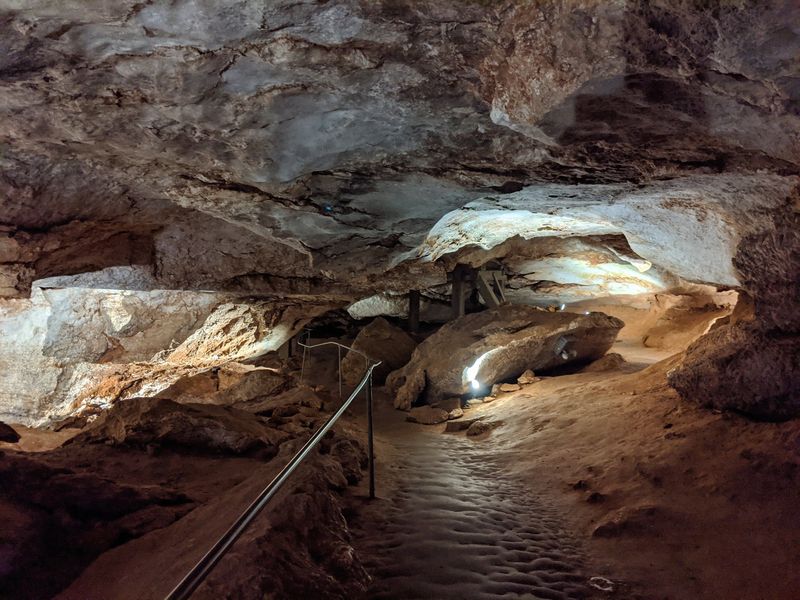
In 2018, Alabaster Caverns experienced two significant events in close succession. Eleven inches of rain fell in a short period, and a 3.4-magnitude earthquake struck the area.
Together, they caused a substantial collapse inside the main cave, blocking one of the primary entrance points and closing off a section of the passage that had been part of the standard tour route for decades.
The affected section remains closed while the park awaits funding to clear the debris and restore access. State park funding cuts have slowed that process, and visitors should expect the shorter tour route to remain in place for the foreseeable future.
That said, the guides are upfront about the situation, and most visitors find the modified tour genuinely satisfying despite the shortened path.
The collapse did not diminish the cave’s appeal so much as it changed its shape. The remaining open sections still showcase the black alabaster, the bat colonies, the underground stream, and the gypsum formations that make this place worth the drive.
A few visitors note that the route feels slightly rushed on busier days, but the overall experience holds up well. The cave’s resilience after a dramatic geological event is, in its own way, part of the story now.
Spelunking Permits and Independent Exploration
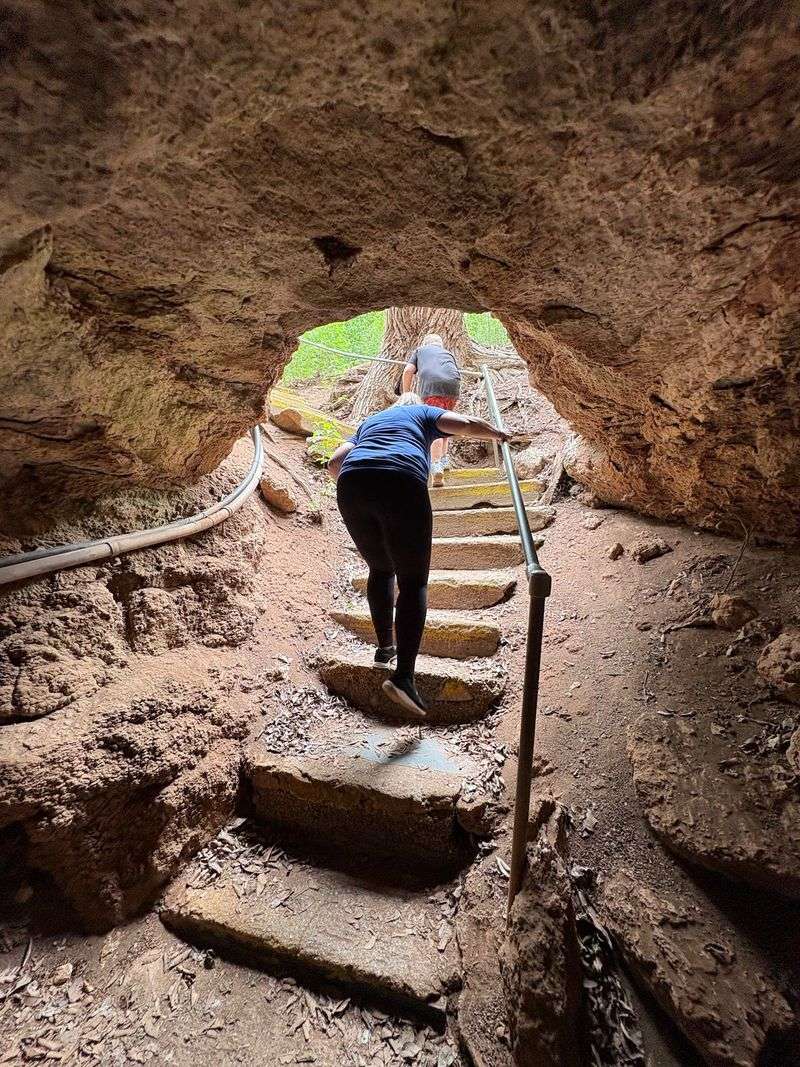
For visitors who want more than a 25-minute guided walk, Alabaster Caverns offers a genuinely adventurous alternative. The park issues spelunking permits that allow more independent exploration of the cave system, putting visitors in direct contact with the rock, the tight passages, and the quieter corners of the caverns that a standard tour does not reach.
Permit-based caving here is not a polished, handrail-lined experience. It rewards people who are comfortable getting low, moving carefully, and accepting a bit of physical challenge in exchange for a more immersive look at the underground environment.
The staff at the park office can walk visitors through the permit process and provide guidance on what to expect before heading in.
There are also caves within the park that allow for independent exploration without a permit, giving casual visitors a way to poke around on their own terms. The range of options, from the structured guided tour to fully permitted spelunking, means the park serves a wide spectrum of cave enthusiasm.
Whether someone’s idea of adventure is a comfortable walk with a knowledgeable guide or squeezing through a narrow gypsum passage, Alabaster Caverns has a version of that experience available and ready.
Hiking Trails and the Canyon Landscape Above Ground
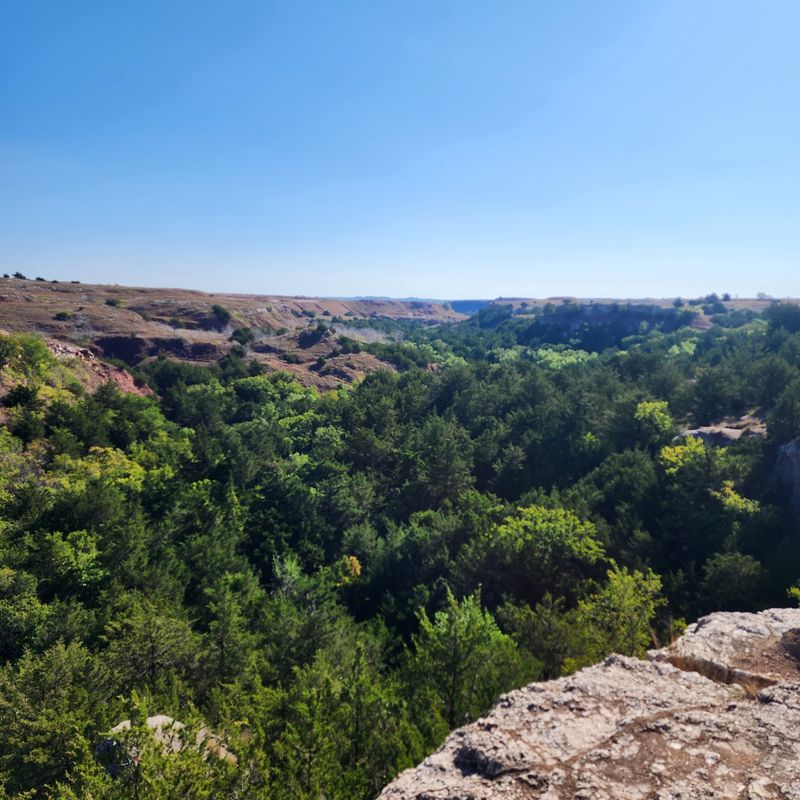
The cave gets most of the attention, but the trails at Alabaster Caverns deserve equal billing. Hiking trails wind through the canyon and along the forested walls, offering a surface-level counterpart to the underground experience that feels equally removed from everyday Oklahoma scenery.
The canyon vegetation is denser than you might expect this far into the northwestern part of the state. Cedar trees line the trail edges, and the rock walls rise on either side in shades of tan, grey, and rust.
The trails are popular with visitors who want to extend their time at the park after the cave tour, and the combination of underground and above-ground exploration gives the day a satisfying variety.
Wildlife is part of the trail experience too. Visitors have spotted salamanders near the cave entrances, and at least one reviewer mentioned encountering a western diamondback rattlesnake a few feet off the road, so staying alert and watching where you step is genuinely good advice here.
The trails are not especially long or strenuous, making them accessible for families with kids, but they offer enough canyon scenery and natural texture to hold the interest of more experienced hikers as well. Picnic pavilions and tables are scattered through the park for a relaxed midday break.
Camping Options Including One Inside a Cave
Camping at Alabaster Caverns covers a wider range than most state parks. The standard campground offers semi-modern RV and tent sites with water and electric hookups on level concrete slabs, a dump station near the park entrance, and modern restrooms with showers.
A small camp store rounds out the amenities, and the whole setup is described as clean and well-maintained by the majority of visitors who have stayed overnight.
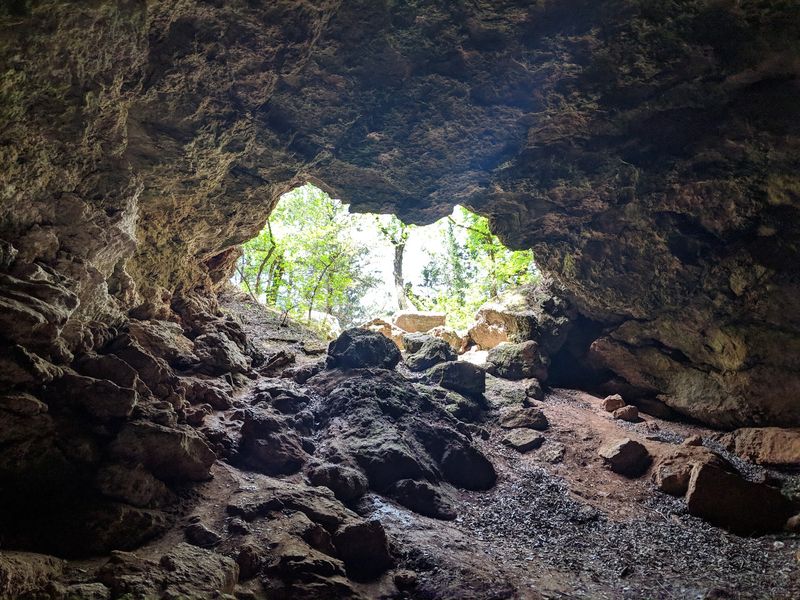
The more unusual option is cave camping. One of the four gypsum caverns at the park is specifically designated for overnight stays, allowing campers to sleep inside an actual cave.
The experience is as singular as it sounds, and it puts visitors in a position to witness the bat activity at its most dramatic, particularly the sunrise return flight when hundreds of bats stream back toward the cavern after a night of feeding.
The campground is close to three other state parks in the region, making it a useful base for a longer northwestern Oklahoma road trip. Rates are reasonable, and the combination of modern site amenities with the extraordinary option of cave camping makes this one of the more memorable overnight destinations in the state.
Reservations are a smart move, especially on summer weekends when the park draws more visitors than the canyon might suggest.
Practical Details Before You Go
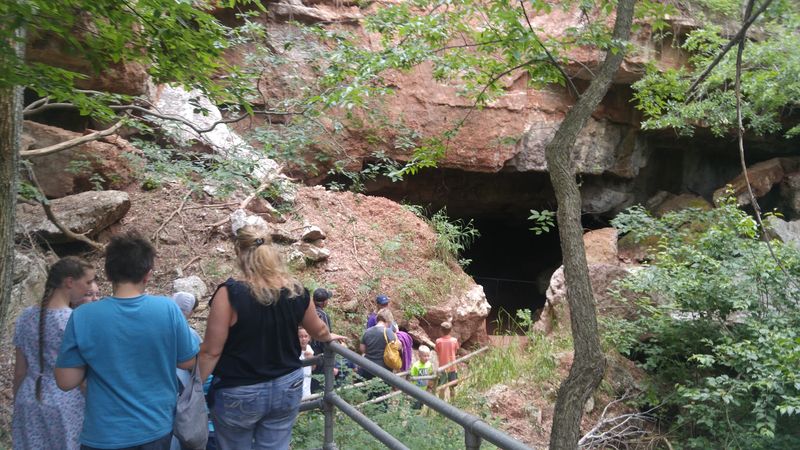
Alabaster Caverns State Park is open every day of the week from 8 AM to 4:30 PM, which gives visitors a solid window to arrive, take the cave tour, hike the trails, and still have time to settle into a campsite before evening. Tours run at the top of each hour, so timing your arrival with that schedule makes the day run smoothly.
Pricing is modest. One family of three reported paying around $26 total for the guided cave tour, which works out to a very reasonable cost per person for the experience.
The park can be reached at 580-254-6085, and additional information is available through the Oklahoma state parks website. Visitors should note that no personal items, including water bottles, are permitted inside the cave during the tour, so hydrating beforehand and having water ready immediately after is worth planning for, especially in summer.
The cave maintains a temperature of around 60 to 62 degrees Fahrenheit year-round, which is a genuine relief on a hot Oklahoma day but can feel chilly if you are not prepared. A light jacket or layer is worth tossing in the bag.
Footwear with grip is also a practical choice, since the cave floor includes hardened mud and loose alabaster rock that can be slippery in spots.
Share this story