Oklahoma has a way of hiding its best surprises in plain sight, and this one is worth every mile of the drive. Tucked inside a mid-sized city in the northern part of the state, a children’s museum has quietly built a reputation as one of the most engaging family destinations in the region.
With over 100 hands-on exhibits inside and a massive castle playground waiting just beyond the doors, it delivers far more than the building’s modest exterior might suggest. Families who make the trip tend to leave already planning their return visit.
Leonardo’s Children’s Museum and Adventure Quest in Enid, Oklahoma
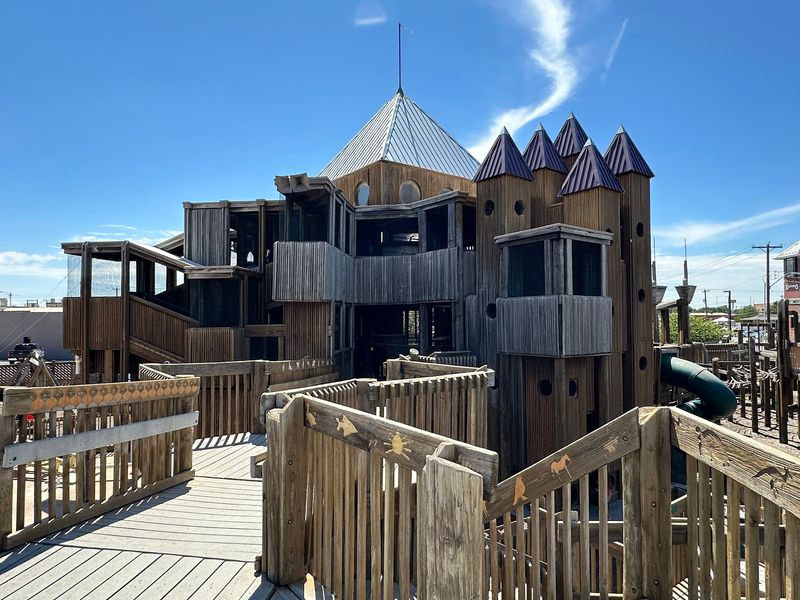
Situated at 200 E Maple Ave in Enid, Oklahoma, Leonardo’s Children’s Museum and Adventure Quest has carved out a well-earned spot as one of the state’s most beloved family destinations. The museum sits in the heart of Enid, a city of roughly 50,000 people located about 90 miles northwest of Oklahoma City, making it a natural stopping point for road-trippers and day-trippers alike.
What started as a community-focused learning space has grown into a two-story interactive museum paired with an expansive outdoor adventure zone. The combination is genuinely rare for a city of this size, and families regularly drive hours to experience it.
Visitors have described it as one of the coolest children’s museums they have ever encountered anywhere in the state.
The museum’s name, Leonardo’s, nods to a spirit of curiosity and invention, and that philosophy shows up in every corner of the building. From the layout to the staffing to the thoughtful exhibit design, the place feels built with intention.
You get the sense that every square foot was considered with a child’s sense of wonder in mind.
A Museum Built on the Philosophy of Learning Through Play
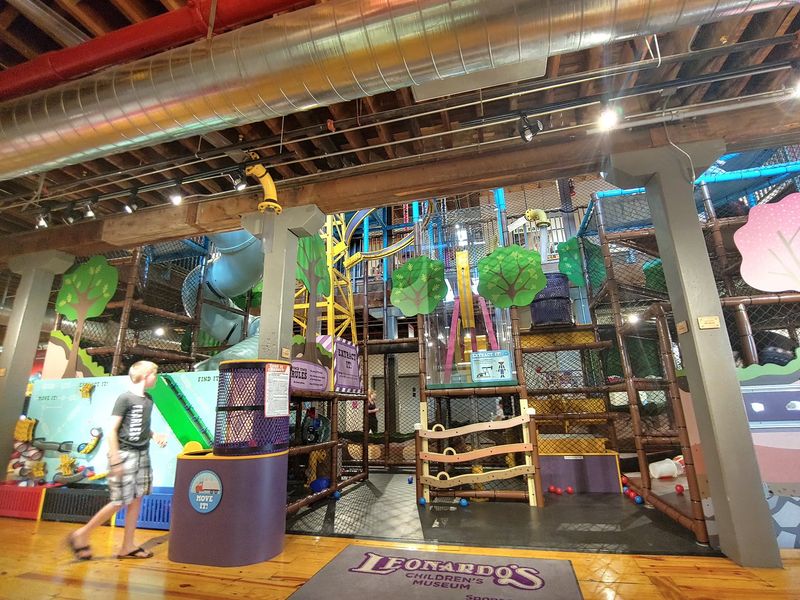
More than 100 hands-on activities fill the two floors of this museum, and the variety is genuinely impressive. Science, creative play, pretend scenarios, and sensory exploration all share space without any one area feeling crowded or rushed.
Families with children of different ages rarely struggle to find something that holds everyone’s attention at the same time.
Exhibits are designed to teach critical skills while keeping the experience fun rather than academic. One reviewer mentioned watching their kids get completely absorbed in a ball system that runs throughout the museum, while others highlighted the market area, a painting station, and a section styled after a home improvement store where kids can experiment with building concepts.
The variety keeps children cycling through new ideas without realizing they are learning.
A scavenger hunt and bingo card activity adds another layer of engagement, giving older kids a structured challenge to work through between exhibits. Parents appreciate that the layout includes plenty of seating positioned so adults can keep an eye on their children without hovering.
The museum manages to feel welcoming to grown-ups too, not just the little ones tugging at their sleeves.
Adventure Quest – The Castle Playground That Steals the Show
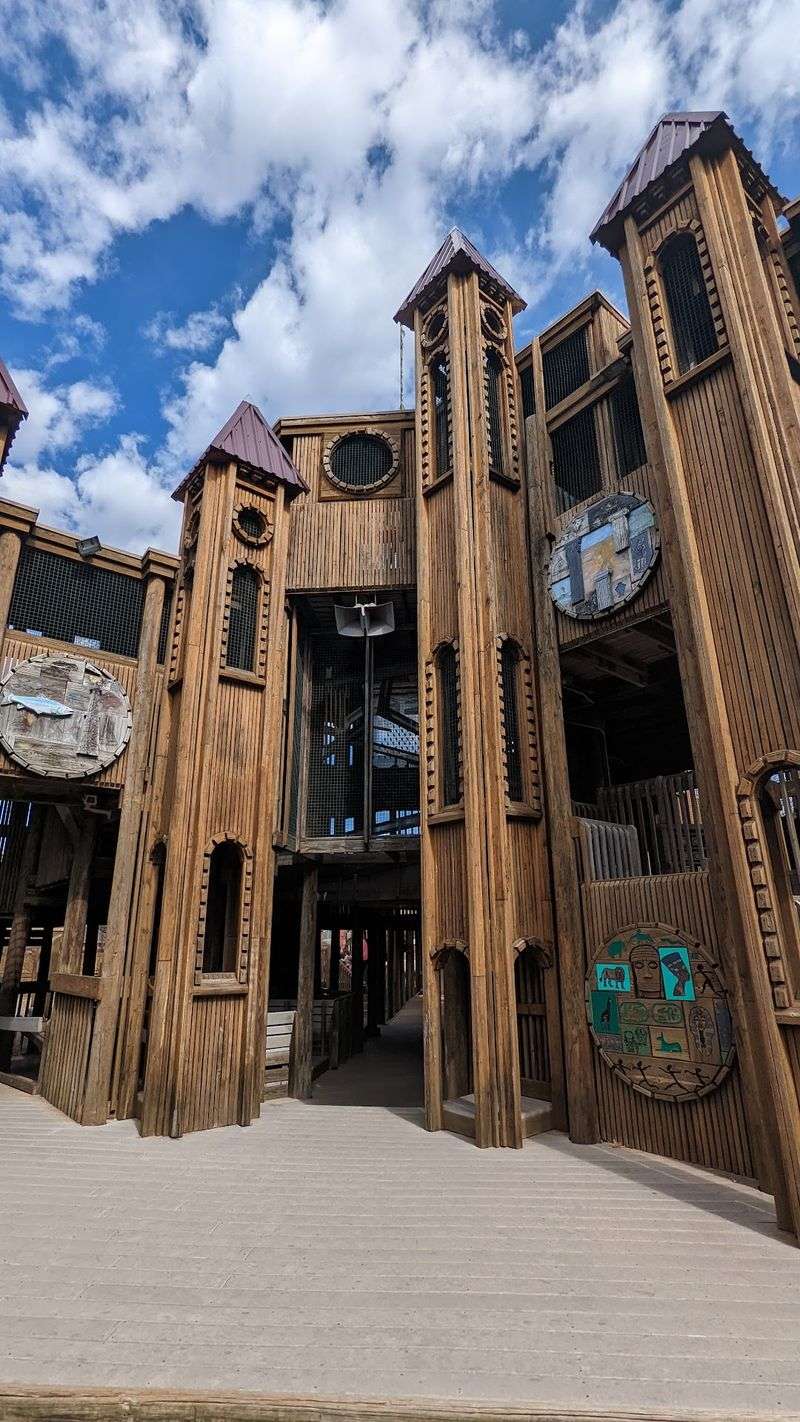
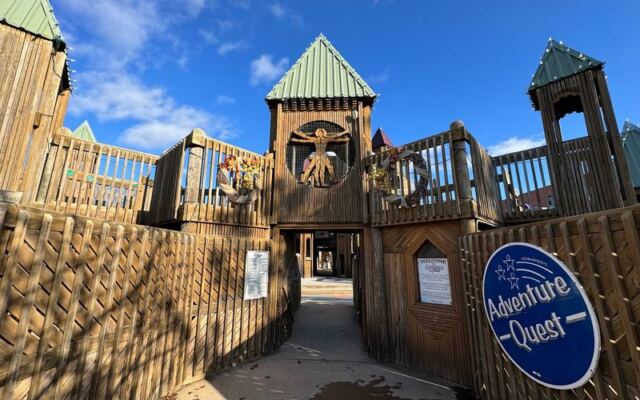
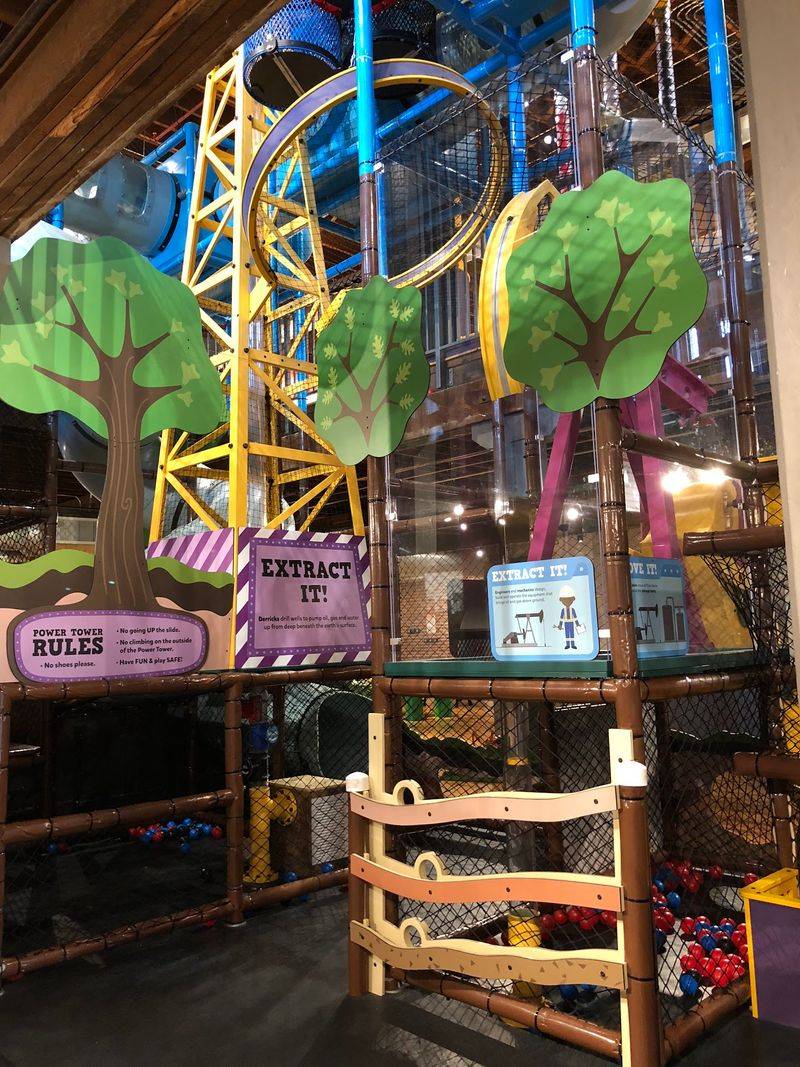
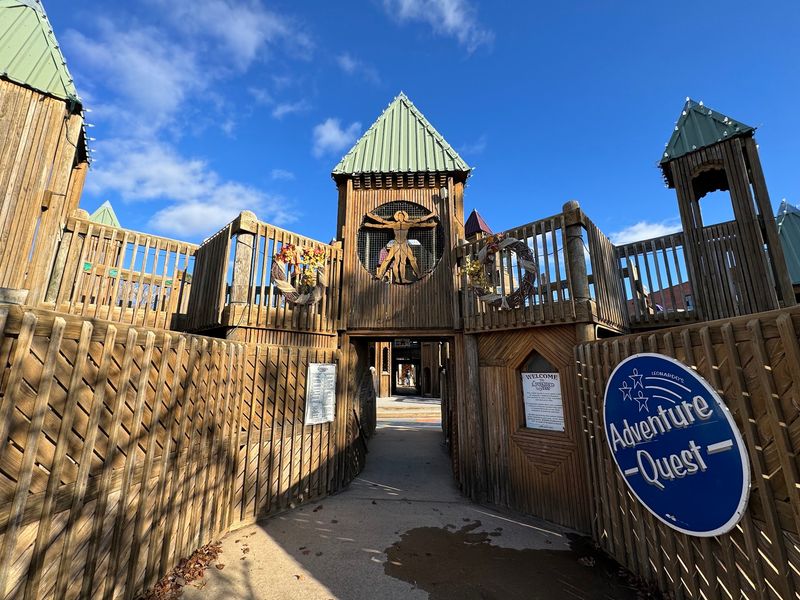
Step outside the museum building and the landscape shifts into something that genuinely stops kids mid-stride. Adventure Quest is the outdoor playground component of the museum, and its centerpiece is a giant castle structure that children can climb, explore, and conquer from multiple levels.
Reviewers consistently describe it as unlike anything they have seen at other children’s attractions in Oklahoma.
The wooden castle design encourages imaginative play in a way that standard plastic playgrounds simply cannot match. Towers, bridges, and climbing sections give kids dozens of routes to explore, and the sheer scale of the structure means even repeat visitors tend to discover something new.
One family noted their girls spent more time outside at the castle than they did inside the museum itself, which says quite a lot about how compelling the space is.
Water features are also part of Adventure Quest, though they may occasionally be out of service for maintenance. Even without the water elements running, visitors consistently report that the outdoor area alone justifies the trip.
The castle playground is included in the regular admission price, so there are no surprise add-on fees waiting at the door.
The Critter Corner – Live Animals Kids Can Actually Touch
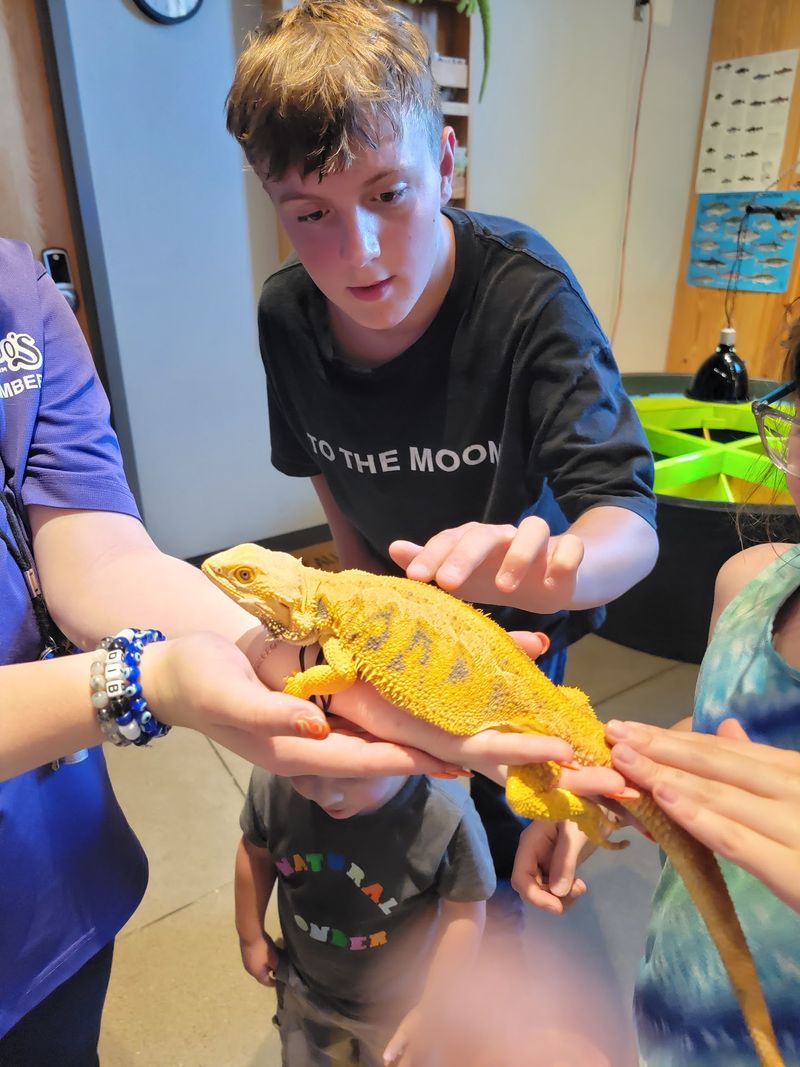
Somewhere between the science exhibits and the pretend play zones, Leonardo’s keeps a live animal area that has become one of the most talked-about parts of the entire visit. The critter section gives children the chance to interact with real animals up close, including reptiles and other creatures that staff members handle with patience and genuine enthusiasm.
One reviewer specifically called out a staff member who spent considerable time with their daughter, letting her pet reptiles while explaining facts in language a child could actually understand. That kind of personalized attention is not something you find at every museum, and it leaves an impression.
The petting zoo element has earned three dedicated mentions in visitor feedback, suggesting it consistently delivers a memorable moment for families.
For kids who have never held or touched a reptile before, the experience can be genuinely transformative. Staff members walk children through the basics, answer questions, and make the whole interaction feel safe and exciting rather than intimidating.
Parents of hesitant kids often find that a knowledgeable, calm staff member makes all the difference between a child who hangs back and one who reaches out with confidence.
Science Exhibits That Make Abstract Concepts Click
Mechanical advantage, sensory exploration, and basic physics show up throughout the museum in forms that make abstract ideas suddenly feel very real. One visitor described the delight of showing their child how pulleys and levers work to lift objects, a concept that textbooks struggle to convey but a hands-on exhibit nails in about thirty seconds.
That kind of immediate understanding is exactly what the museum is built to deliver.
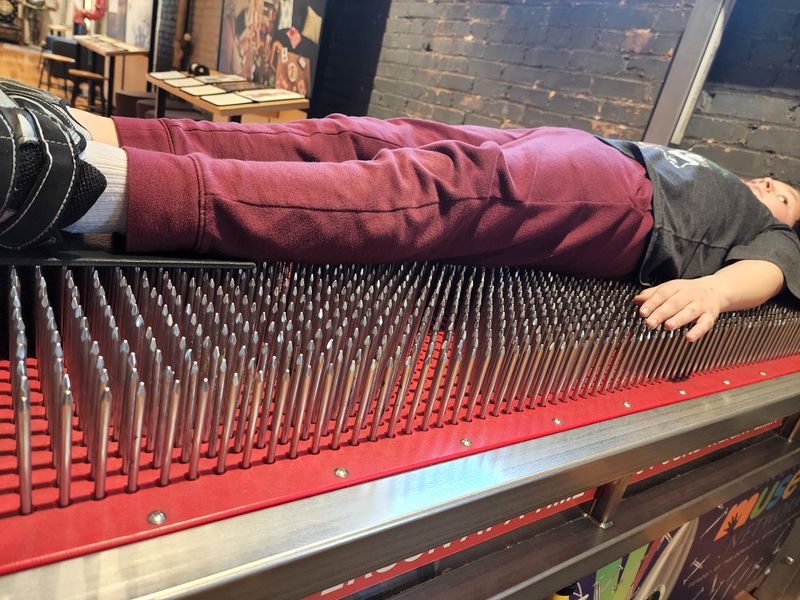
Among the more memorable science installations is a bed of nails exhibit, which sounds alarming but operates safely and never fails to generate wide eyes from kids and adults alike. The exhibit demonstrates principles of pressure distribution in a way that is both educational and genuinely thrilling.
Moments like that tend to stick with children long after the drive home.
Building a stethoscope to listen to your own heartbeat is another activity that has come up in visitor accounts, and it represents the broader approach the museum takes to science education. Rather than displaying information on plaques and hoping children absorb it, Leonardo’s puts tools directly in kids’ hands and lets curiosity do the rest.
The result is learning that feels less like school and more like discovery.
Pretend Play Zones Where Imagination Runs the Show
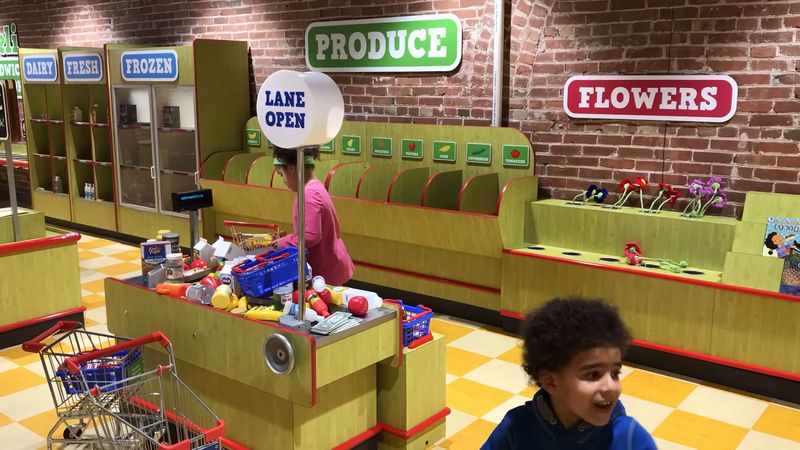
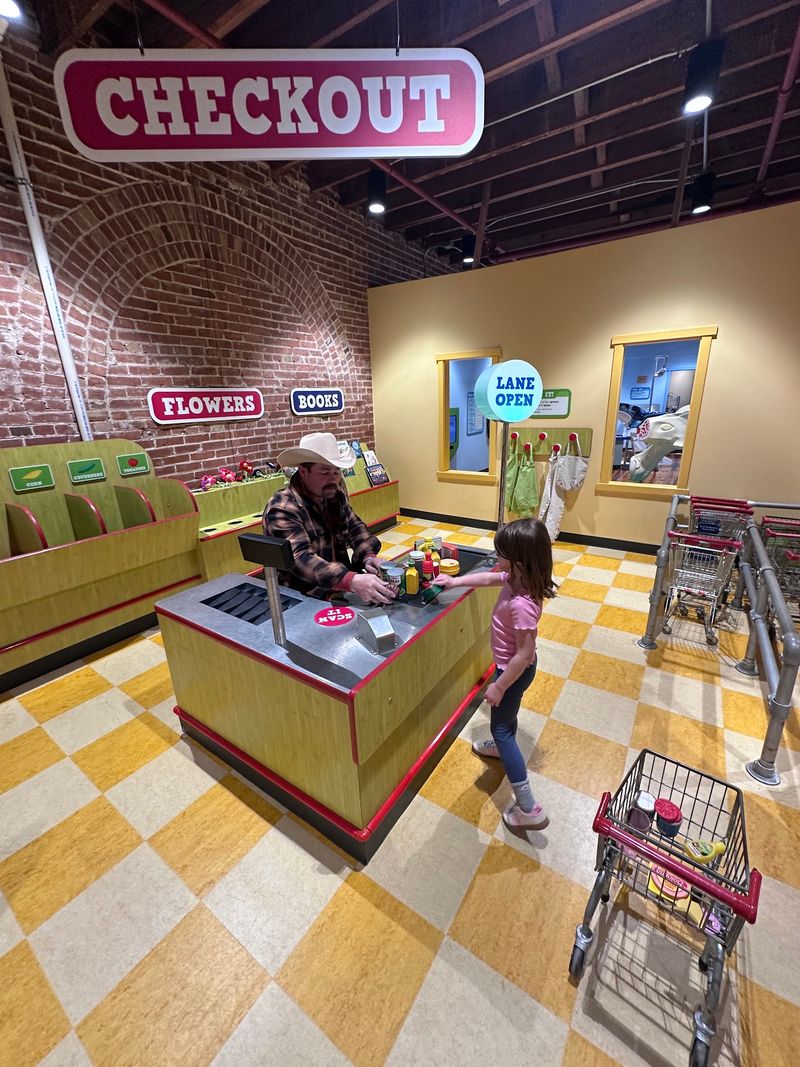
Upstairs in the museum, pretend play areas give younger children the chance to step into roles that feel genuinely grown-up. A miniature market lets kids practice the rhythms of shopping and organizing, while a section inspired by home improvement and building trades puts small tools and materials in little hands.
These spaces are designed with the kind of detail that keeps children absorbed rather than moving on after two minutes.
Families with toddlers and preschoolers tend to gravitate toward these zones, and for good reason. Role-playing scenarios help children develop language, social skills, and creative thinking without any of it feeling structured or forced.
Parents often find themselves pulled into the play too, which is a sign that the space is doing its job well.
A soft play area rounds out the indoor options for the youngest visitors, giving babies and toddlers a safe space to explore without the intensity of the larger exhibits. The museum clearly thought through the full age range rather than designing primarily for one group.
Whether a child is two or ten, there is a corner of Leonardo’s that feels like it was made specifically for them.
Who Leonardo’s Is Really Built For
Children under ten get the most out of a visit to Leonardo’s, and the museum is transparent about that sweet spot. Exhibits, climbing structures, and interactive stations are scaled and designed with younger kids in mind, and the whole environment reinforces that focus.
Families with kids in that age range consistently describe feeling like the museum was built exactly for their crew.
That said, older children and adults have found plenty to enjoy here too. Reviewers in their teens and adult children have noted having a genuinely good time alongside younger siblings or cousins.
The bed of nails exhibit, the animal interactions, and the castle playground tend to hold appeal across a wider age range than you might expect from a children’s museum.
Parents and grandparents are not left to simply stand and watch. Seating is placed thoughtfully throughout the museum so adults can stay comfortable while keeping their kids in view.
The museum also allows visitors to leave and return on the same day with their admission ticket, which takes pressure off families who need a midday break, a meal, or a rest before coming back for more. That kind of flexibility is a quiet but meaningful touch.
Staff That Genuinely Elevate the Experience
Across dozens of visitor accounts, one theme surfaces more consistently than almost any other: the staff at Leonardo’s are exceptionally good at their jobs. Friendly, helpful, and genuinely engaged with visitors, the team here does more than answer questions and direct foot traffic.
They reset play areas throughout the day, interact with children at exhibits, and bring a level of enthusiasm that sets the tone for the entire visit.
The reptile handling experience is a perfect example of staff going above and beyond. Rather than simply supervising, team members take time to educate children about the animals in language that is accessible and age-appropriate.
That kind of extra effort transforms a standard museum exhibit into a memory a child carries home and talks about for weeks.
Staff members also walk the floor regularly to ensure exhibits are in working order and that every child has a fair chance to engage. One reviewer specifically appreciated seeing staff reset activity areas so that later arrivals could enjoy the same experience as those who came first.
Small operational details like that reflect a culture of care that starts at the top and shows up in every interaction families have during their visit.
Hours, Admission, and Everything You Need Before You Go

Planning a visit requires a little attention to the schedule, since Leonardo’s keeps a focused operating calendar. The museum is closed on Mondays and Tuesdays, then opens Wednesday through Friday from 10 AM to 6 PM and Saturday from 10 AM to 6 PM.
Sunday hours are shorter, running from 1 PM to 5 PM, so weekend families should plan accordingly to make the most of the day.
Admission pricing reflects the museum’s commitment to remaining accessible for families. One visitor noted paying around 53 dollars for two adults and two children, and mentioned the option to upgrade to an annual membership that deducts the day’s admission cost from the total.
Monthly memberships have also been available, historically priced at around 12 dollars and covering multiple visits per week. Checking the museum’s website at leonardos.org before visiting is the best way to confirm current pricing.
No food is sold on site, but the museum allows families to bring their own meals and use a designated room for eating. Visitors can also leave and return on the same day with their admission ticket.
Parking is available outside the building and nearby, and the museum’s phone number is 580-233-2787 for any questions before you make the drive.
Why the Drive to Enid Is Worth Every Mile
Families who make the trip to Enid often arrive with modest expectations and leave genuinely surprised by the scope of what Leonardo’s delivers. The combination of over 100 indoor exhibits, live animals, science installations, and a castle-scale outdoor playground creates a full-day experience that is hard to replicate anywhere else in the state at a comparable price point.
Weekday visits tend to offer a quieter atmosphere, with some families arriving right at opening and having the space largely to themselves for the first hour or two. That kind of unhurried access lets kids linger at their favorite exhibits without feeling rushed by crowds.
Visitors who have come on quieter days consistently describe it as the ideal way to experience everything the museum has to offer.
Whether you are planning a birthday trip, a last-day-of-school tradition, or simply a way to break up a long Oklahoma weekend, Leonardo’s has the depth to make it worthwhile. The museum is not just a checkbox on a road trip itinerary.
It is the kind of place families return to year after year, watching their children grow through different exhibits as they age. That kind of staying power is rare, and it is exactly what makes Leonardo’s worth the drive from anywhere in Oklahoma.
Share this story