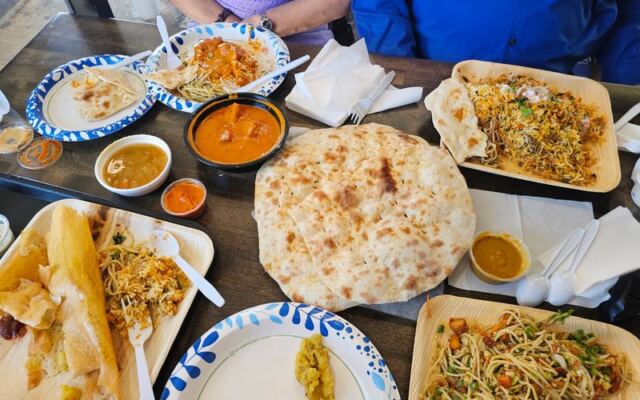
Tucked into a quiet stretch of North Portland Avenue, Saffron Cuisine of India has quietly built a loyal following in Oklahoma City by doing something most restaurants in the area simply do not attempt. The menu stretches far beyond the usual tikka masala and naan, pulling in street-food staples like chaat, bhel puri, samosas, and dosas that feel genuinely rooted in South Asian culinary tradition.
What makes the place even more interesting is the grocery store attached to the restaurant, turning a single stop into a full cultural experience. Whether you are new to Indian food or grew up eating it, Saffron has a way of pulling you back in.
Where Saffron Sits on the Oklahoma City Map
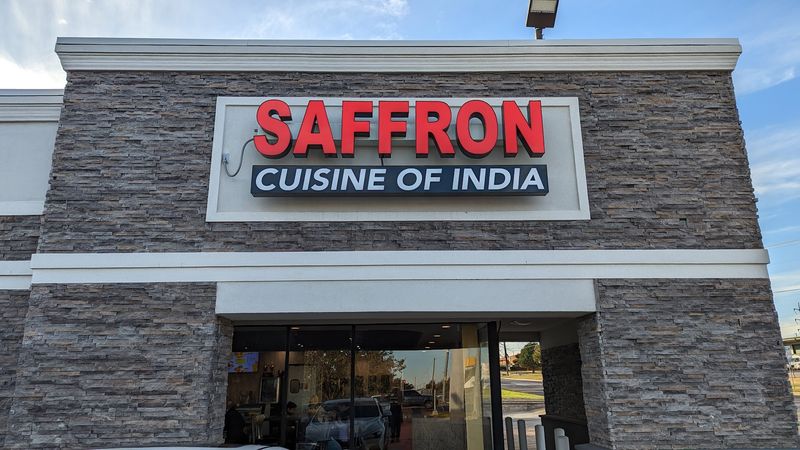
A strip of North Portland Avenue in Oklahoma City is not exactly where most food lovers expect to stumble upon one of the city’s most talked-about Indian kitchens. Yet Saffron Cuisine of India, at 3627 N Portland Ave, Oklahoma City, OK 73112, occupies a modest storefront that blends almost invisibly into its surroundings.
The address puts it squarely in a mid-city commercial corridor, the kind of neighborhood where practical businesses outnumber flashy ones.
The building itself does not announce its ambitions. There is no dramatic signage, no elaborate facade, and no valet stand out front.
What you get instead is a straightforward shop that doubles as both a restaurant and an Indian grocery, which tells you something important about what this place prioritizes.
Parking exists in a small lot outside, though regulars note it gets tight during busy hours. The phone number for the restaurant is 405-563-5555, and the website is saffronokc.com for anyone wanting to browse the menu before arriving.
For a city the size of Oklahoma City, finding this kind of authentic, community-rooted Indian food in such an unassuming package genuinely feels like a small discovery worth sharing.
The Grocery Store Connection That Changes Everything
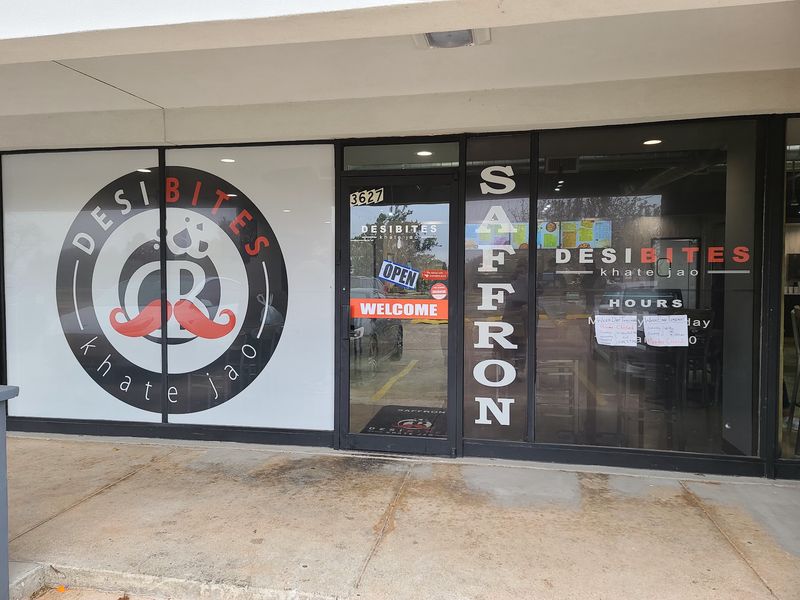
One of the first things that catches your attention at Saffron is that the restaurant and an Indian grocery store share the same space. You walk in, and before you even reach the ordering kiosk, you pass shelves lined with spices, lentils, snacks, and pantry staples imported from India.
For anyone who has spent time hunting for specific Indian ingredients in Oklahoma City, this setup is genuinely useful.
The grocery section earned real affection from students and families who rely on it for everything from basmati rice to specialty sweets. For people far from home, finding familiar products on those shelves carries a comfort that goes well beyond convenience.
The store functions as a kind of cultural anchor for Oklahoma City’s South Asian community.
After finishing a meal, browsing the grocery aisles becomes a natural extension of the visit. You might pick up a bag of chakli, a tin of ghee, or a packet of the exact chai blend used in the restaurant’s famously well-reviewed tea.
The combination of restaurant and grocery under one roof is rare in Oklahoma City, and it gives Saffron a dual identity that most dining spots simply cannot replicate.
Chaat, Bhel Puri, and the Street-Food Lineup
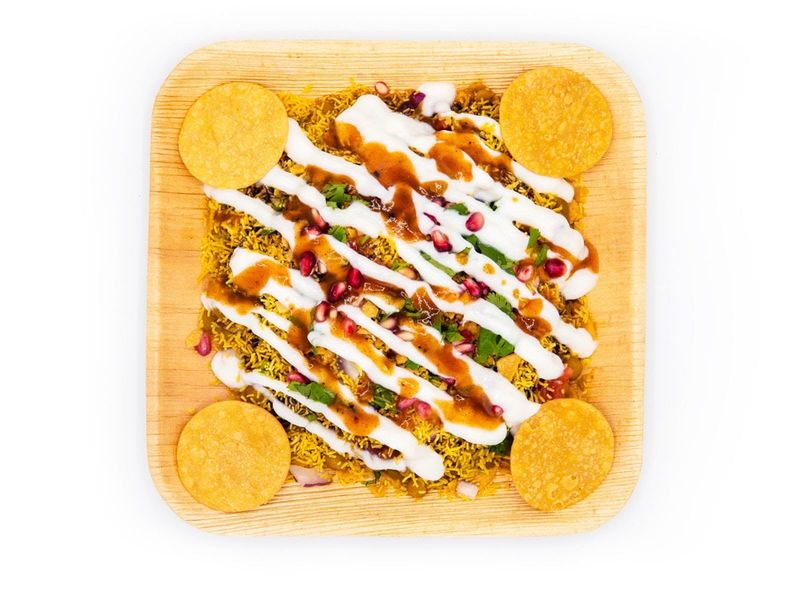
Street food is where Saffron really separates itself from the broader Indian restaurant scene in Oklahoma City. The chaat options, particularly samosa masala chaat and bhel puri, have become the items most closely associated with the restaurant’s identity.
These are not simplified, Americanized versions either. The flavors hit the way they should: tangy tamarind, sharp green chutney, crispy sev, and soft chickpeas all layered together with confidence.
Bhel puri, a beloved Mumbai street snack made from puffed rice, vegetables, and chutneys, is the kind of dish that rarely appears on menus this far from a major coastal city. Finding it in Oklahoma City, made with care, is a legitimate reason to make the trip.
The samosa chaat takes a classic fried pastry and transforms it into something more complex by drowning it in spiced chickpea curry and bright chutneys.
Samosas themselves rank among the most frequently mentioned items across customer feedback, with over thirty mentions in reviews. They arrive crisp and well-seasoned, holding up as a standalone snack or as part of a chaat preparation.
For anyone curious about Indian street food beyond the familiar restaurant staples, the chaat counter at Saffron is the right place to start.
Garlic Naan That Earns Its Reputation
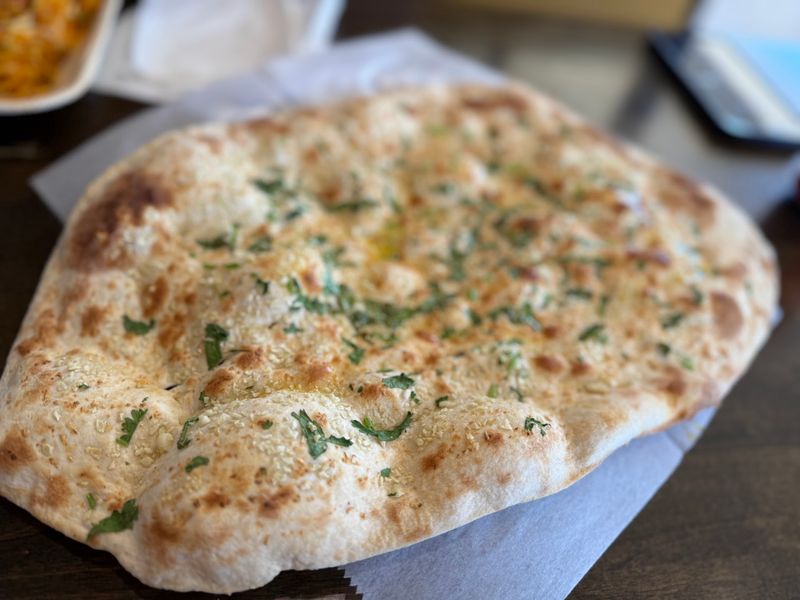
Garlic naan at Saffron comes up more often in conversation than almost anything else on the menu, appearing in over twenty-six separate mentions from people who have eaten there. The size alone gets attention.
These are not the polite, modest rounds you find at chain Indian restaurants. They arrive large, pillowy, and properly charred from the tandoor, with garlic worked into the dough rather than simply brushed on top as an afterthought.
The cheese and garlic naan variation adds another layer of richness that pairs well with the saucier curries on the menu. Regulars tend to order it as a default rather than a treat, which says something about how consistently it delivers.
A few reviews note that the naan can occasionally come out harder than expected, so ordering it fresh during peak hours tends to produce the best results.
Pairing the naan with palak paneer or tikka masala is a combination that appears repeatedly in positive feedback. The bread soaks up sauce without falling apart, which is the basic test any good naan needs to pass.
At the price point Saffron operates within, getting naan of this quality alongside a full curry for under twenty dollars makes the value feel genuinely hard to beat in Oklahoma City.
Mutton Biryani and the Mandi That People Drive For
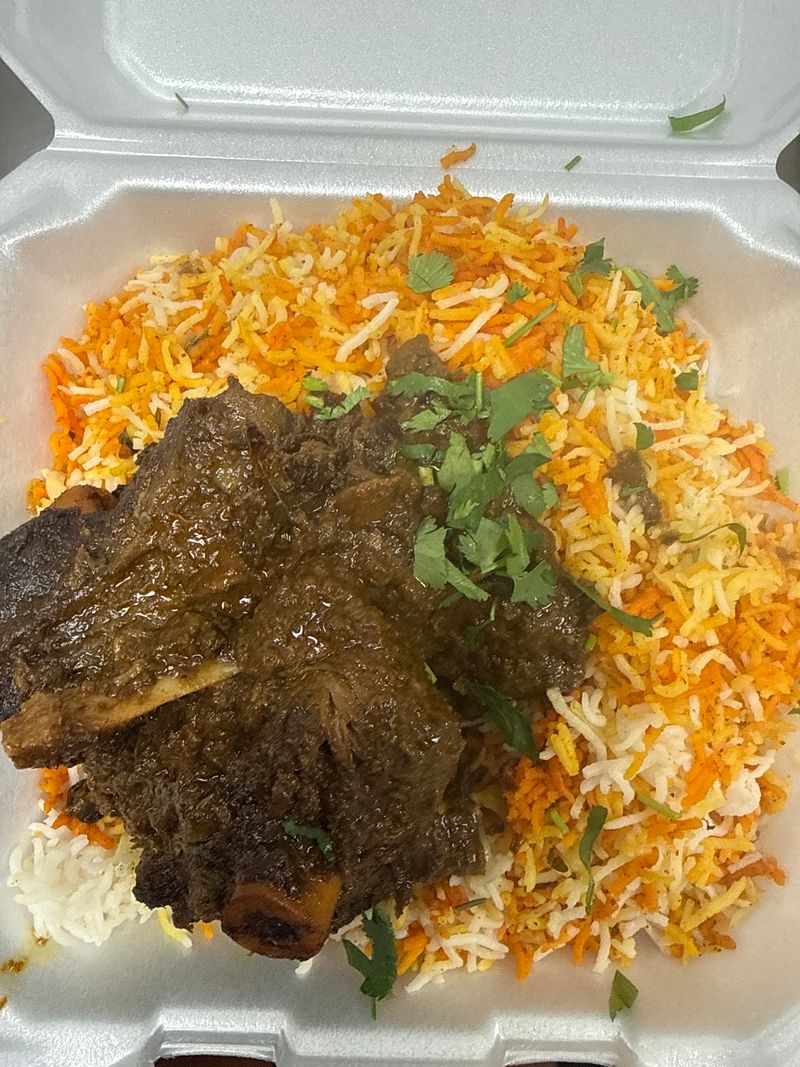
Mutton biryani is one of those dishes that divides people cleanly into two camps: those who treat it as a benchmark for any Indian restaurant, and those who have never tried it but probably should. At Saffron, the mutton biryani draws fifteen separate mentions in customer feedback, which puts it among the top dishes by volume of discussion.
The fragrant basmati, the spice blend, and the tenderness of the meat are the qualities that come up most often.
The Nalli Gosht Mutton Mandi is a more specialized item that has developed its own following. Mandi is a slow-cooked preparation with roots in Middle Eastern cuisine that has become deeply embedded in South Asian cooking, particularly in Hyderabadi and Pakistani traditions.
The version at Saffron features meat that reportedly melts without resistance and aromatic rice that carries the flavor of the cooking broth throughout every grain.
Biryani quality can vary depending on timing and volume, and a handful of reviews note inconsistency in the rice. Ordering during lunch service on a weekday, when the kitchen is working through fresh batches, tends to produce more reliable results.
When it lands right, the mutton biryani at Saffron is the kind of dish that justifies the entire trip on its own.
Dosas, Hakka Noodles, and the Menu’s Unexpected Range
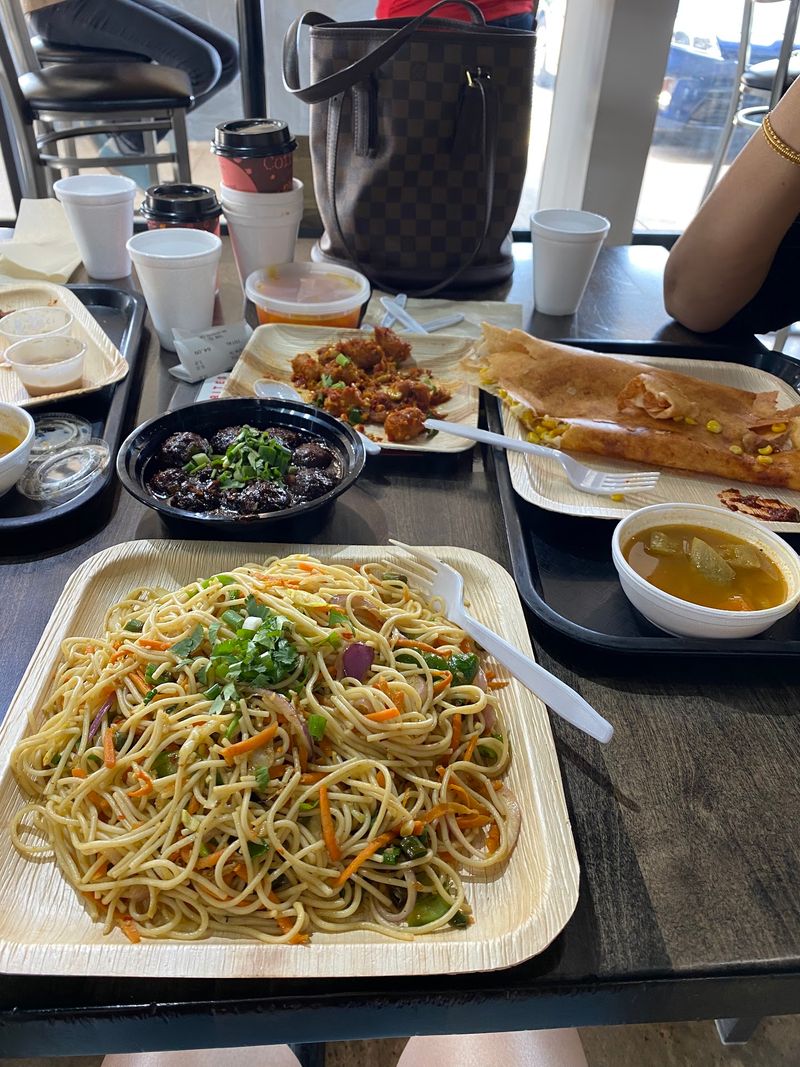
Mysore masala dosa earns ten mentions in customer feedback, which is notable for a South Indian specialty that often gets overlooked in restaurants that lean heavily toward North Indian cooking. At Saffron, the dosa arrives large enough to draw genuine surprise from first-time visitors.
The crispy crepe wraps around a spiced potato filling and comes with sambar and chutney on the side, hitting the tart and savory notes that make dosas so satisfying.
Hakka noodles appear on the menu as a nod to Indo-Chinese cooking, a culinary tradition that developed in Kolkata and has since spread across the South Asian diaspora. The dish draws seven mentions and tends to appeal to diners who want something familiar alongside more traditional Indian preparations.
It is a useful option for groups where not everyone is equally adventurous.
The sheer range of the menu at Saffron is one of its most striking qualities. One reviewer mentioned needing to search online to identify dishes because the selection was broader than anything they had encountered before.
From South Indian crepes to biryani to street-food chaat to Indo-Chinese noodles, the kitchen covers territory that most single Indian restaurants in Oklahoma City would not attempt to span.
Chai, Haleem, and the Comfort Food Corner
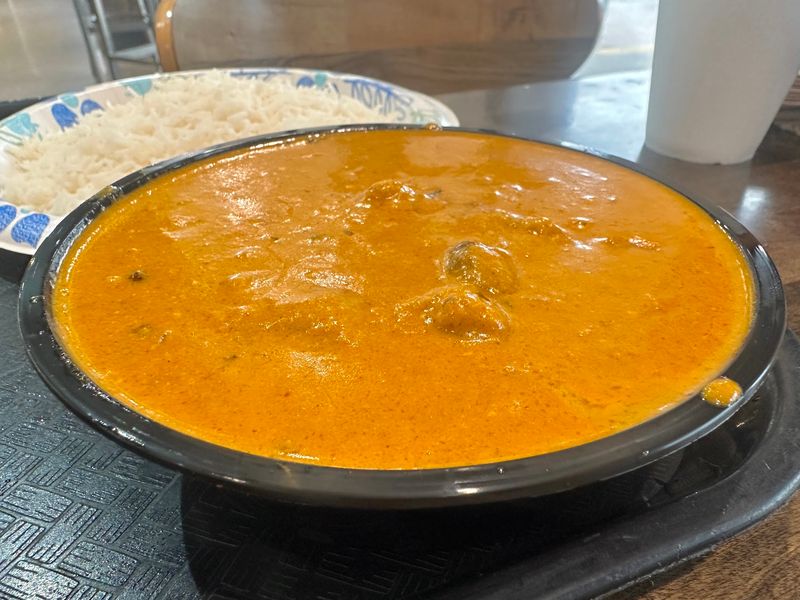
Chai at Saffron has developed a reputation that extends well beyond what most people expect from a restaurant tea. Multiple reviewers describe it as excellent, refreshing, and genuinely flavorful, which suggests the kitchen is using a proper spice blend rather than a premixed powder.
For anyone who grew up drinking chai made at home, a well-executed cup in a restaurant setting carries a specific kind of satisfaction that is hard to replicate.
Haleem, a slow-cooked stew of meat and lentils that requires hours of preparation to achieve the right texture, appears on the menu and draws five mentions. It is a dish that signals something about a kitchen’s patience and commitment to technique.
Shortcuts are immediately obvious in haleem, so its presence at Saffron, and the positive reception it receives, reflects well on the preparation process behind the scenes.
Chole bhature rounds out the comfort food section of the menu, with eight mentions pointing to its popularity. The combination of spiced chickpea curry with deep-fried bread is the kind of hearty, filling dish that people return to when they want something that genuinely satisfies.
Together, chai, haleem, and chole bhature form a comfort food trio that speaks to Saffron’s depth beyond its street-food offerings.
How Ordering Works at Saffron
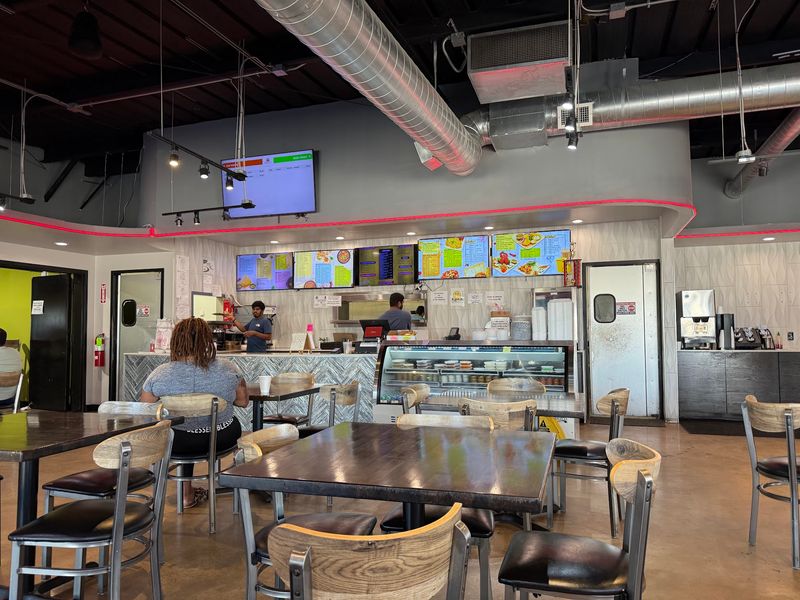
Saffron operates on a self-service model that catches some first-time visitors off guard. Orders go through a tablet kiosk at the counter rather than through table service.
A TV monitor displays estimated wait times, so there is no guessing about when food will arrive. The system moves quickly during moderate traffic and keeps the operation lean, which partly explains how the kitchen manages to keep prices in the ten to twenty dollar range.
Food comes out in polypropylene containers rather than ceramic or stainless-steel dishes, which has generated mixed reactions. The restaurant has noted in responses to feedback that these containers are FDA-approved for food contact, BPA-free, and heat-resistant.
For a casual, counter-service setup, this is a common enough approach, though diners expecting a traditional plated dining experience should factor it into their expectations before arriving.
Staff are generally described as helpful when approached, and the kitchen has been noted for willingness to adjust spice levels on request. The kiosk ordering system means tipping expectations are minimal, which aligns with the casual, self-service format.
Going in with the right frame of mind, treating it like a fast-casual spot rather than a full-service restaurant, makes the entire experience feel smooth and well-suited to the price point.
Spice Levels and What to Actually Expect
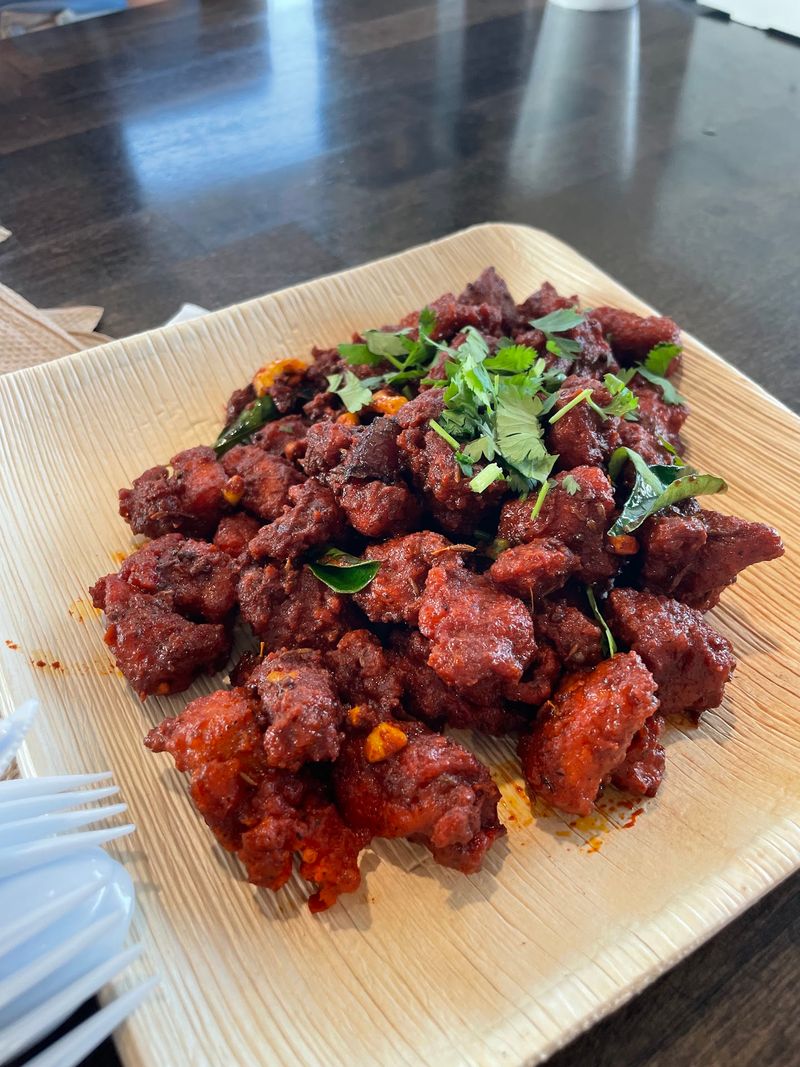
One of the more useful pieces of information for anyone new to Saffron is that the spice levels run milder than the menu labels might suggest. A reviewer who ordered the highest available spice setting noted that the food was still not particularly hot by South Asian standards.
This is not necessarily a drawback, especially for diners who prefer flavor complexity over heat, but it is worth knowing before you order expecting fire.
Chicken korma and tikka masala sit at the gentler end of the flavor spectrum, rich with cream and aromatic spice but not sharp with heat. Goat curry, which draws ten mentions, runs deeper and more savory, with a slow-cooked quality that builds flavor without relying on chili heat alone.
The kitchen seems to prioritize layered spicing over raw heat across most of its dishes.
Staff have been noted for offering to adjust spice levels for guests who want something lighter, which is a practical courtesy for groups that include children or people new to Indian food. The overall approach to spicing at Saffron feels calibrated for a broad audience, which likely explains part of its appeal in a mid-size American city where Indian food is not yet an everyday staple for most residents.
The Atmosphere Inside and Who Feels at Home Here
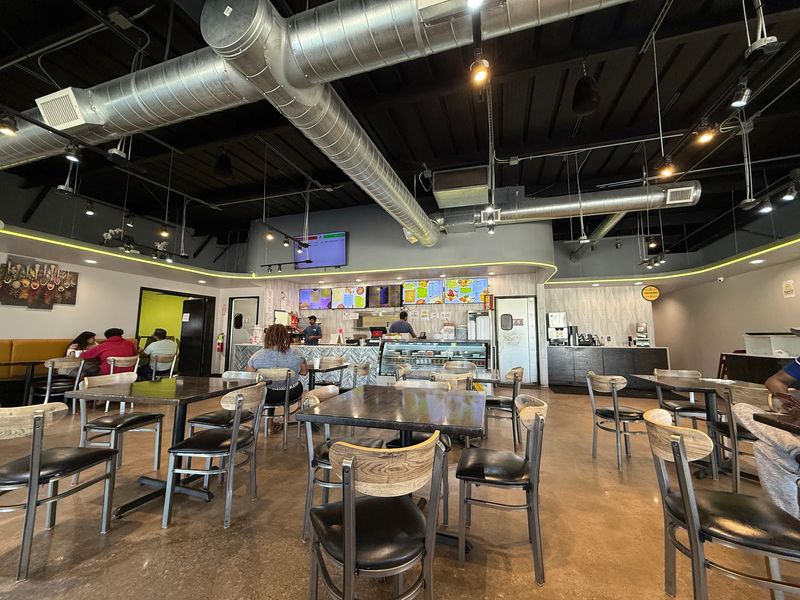
Saffron does not try to be an upscale dining destination, and that honesty about its own identity is one of its quiet strengths. The interior is clean and functional, with simple tables and enough space for families to spread out.
During busy periods, the energy picks up noticeably, and the dining room fills with a mix of South Asian families, curious locals, and regulars who have been coming for years.
The community atmosphere is genuine rather than performed. For students and families from India, Pakistan, and other parts of South Asia living in Oklahoma City, Saffron functions as something closer to a social hub than a mere restaurant.
The grocery store connection reinforces this, turning a meal into an errand and a gathering point at the same time.
First-time visitors from outside the South Asian community tend to describe the experience as welcoming and accessible, particularly because the menu is broad enough to include familiar dishes alongside more adventurous ones. Families with children are a common sight, and the casual format means nobody feels out of place arriving without a reservation or a dress code in mind.
The overall atmosphere rewards people who show up curious and leave their formality at the door.
Goat Curry, Chicken Korma, and the Main Plate Options
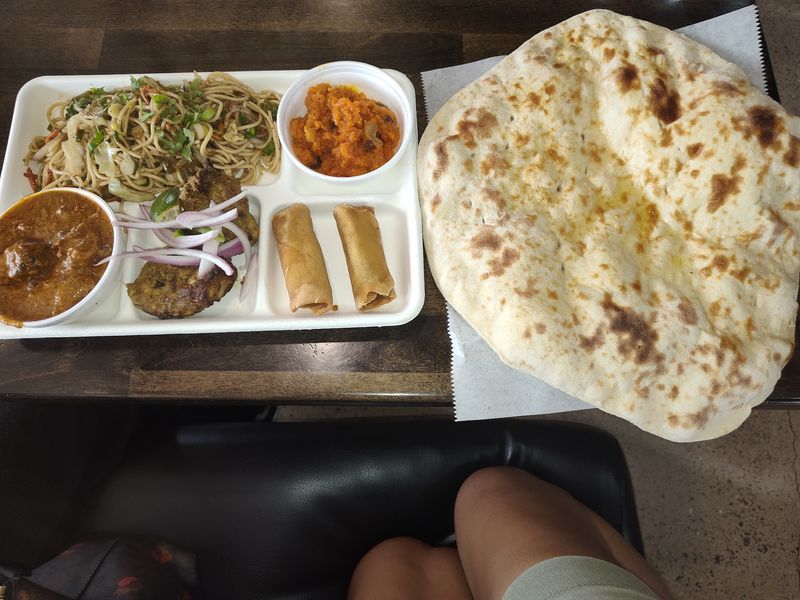
Beyond the street-food section of the menu, Saffron runs a solid lineup of main-course curries that anchor the more substantial part of the meal. Goat curry draws ten mentions and tends to appeal to diners who want something with depth and character.
The meat requires slow cooking to become tender, and when it works, the result is a gravy-rich dish that pairs naturally with rice or the oversized naan.
Chicken korma, with thirteen mentions, occupies the creamy, mild end of the curry spectrum. It is a reliable choice for anyone eating Indian food for the first time or for diners who prefer richness over intensity.
Tikka masala and palak paneer round out the familiar end of the menu, and both have been consistently praised for their balance of spice and sauce.
Wet lollipop chicken is one of the more unexpected items, a preparation that falls somewhere between a starter and a main course. It has drawn positive feedback from diners with Pakistani food backgrounds, which speaks to the kitchen’s ability to move between culinary traditions with some fluency.
The main plate options at Saffron are broad enough that a table of four could order entirely different dishes and all leave satisfied.
Prices, Portions, and the Value Calculation
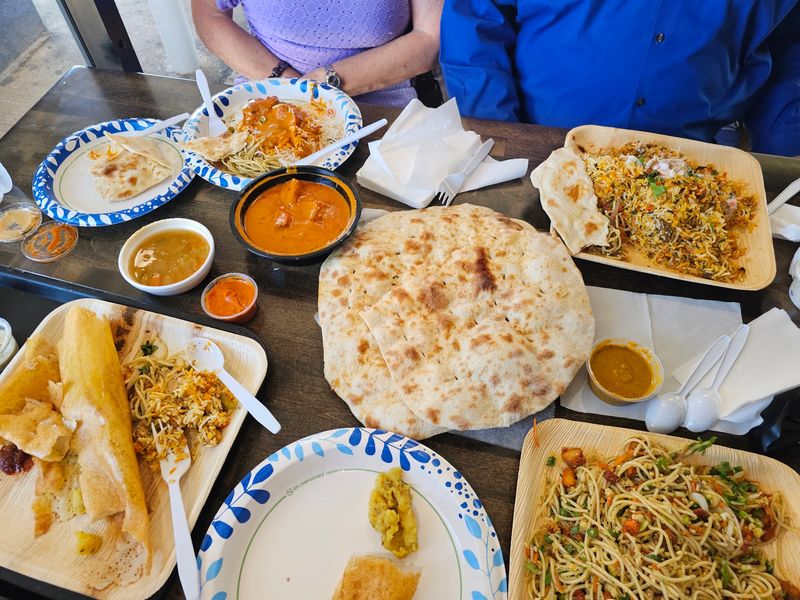
Saffron operates in the ten to twenty dollar price range per person, which positions it as an affordable option in Oklahoma City’s dining landscape. For the amount of food that arrives, the value calculation tends to work in the diner’s favor.
Portions are consistently described as generous, with one reviewer noting that the serving sizes were a pleasant surprise. Getting a full curry, rice, and naan for under twenty dollars is not common, even at casual Indian restaurants.
The self-service format keeps overhead low, which flows directly into the pricing. There is no table service markup, no elaborate plating, and no sommelier, just well-cooked food at a price that makes repeat visits easy to justify.
A full family-style meal for a group, which is how many regulars prefer to eat here, can cover a wide range of dishes without the bill becoming uncomfortable.
A small number of reviewers have flagged that the prices feel slightly high relative to the casual setup, particularly when individual dishes do not meet expectations. The honest answer is that consistency matters, and ordering strategically based on the most frequently praised items tends to produce better value.
Sticking to the samosas, naan, biryani, and chaat options is a reliable way to ensure the meal feels worth every dollar spent.
Hours, Getting There, and Planning Your Visit
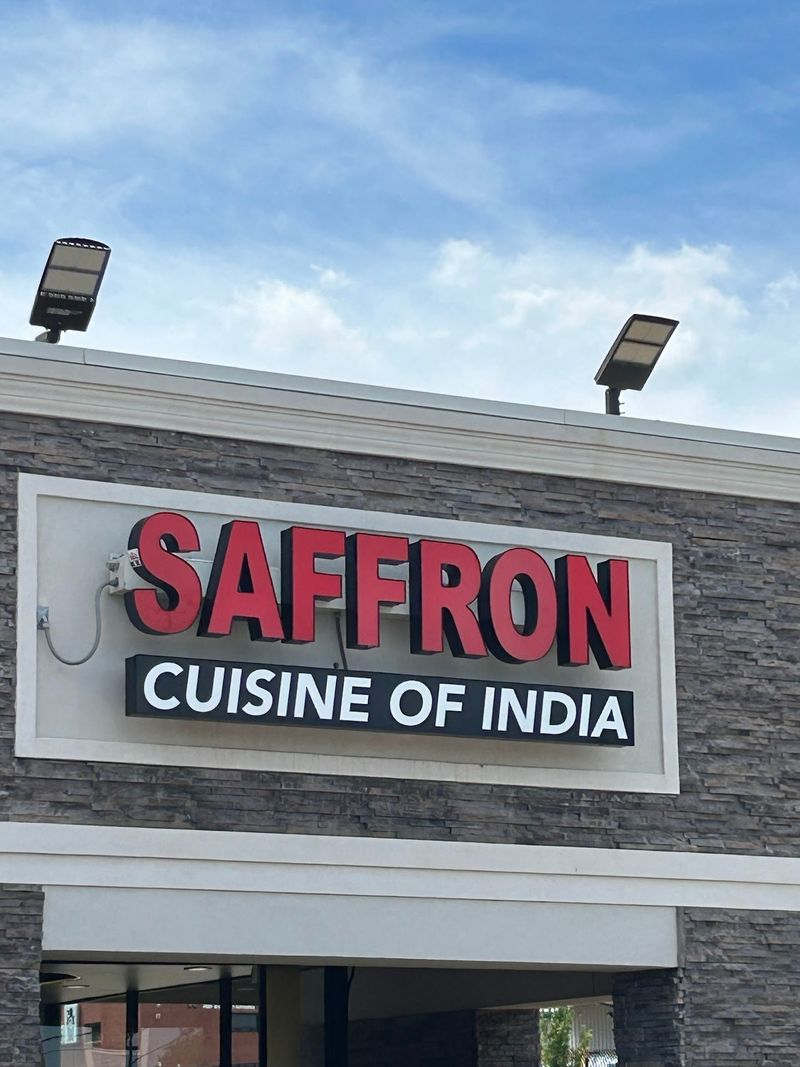
Planning a visit to Saffron requires a bit of attention to the schedule, because the hours shift depending on the day of the week. Monday through Thursday, the restaurant opens at 11 AM and closes at 2 PM, making it a lunch-only destination on weekdays.
Friday and Saturday hours extend to 9 PM, and Sunday runs from noon to 9 PM, giving the weekend more flexibility for anyone who prefers an evening meal.
The address at 3627 N Portland Ave sits in a part of Oklahoma City that is straightforward to reach by car. Parking is available on-site, though the lot gets cramped during peak hours on weekends.
Arriving slightly before the lunch rush on a weekday or early in the evening on a Friday or Saturday tends to make the experience smoother and the food fresher.
The phone number is 405-563-5555 for anyone who wants to call ahead, and the website at saffronokc.com carries the full menu. Saffron holds a 4-star rating across nearly 1,000 Google reviews, which gives a reasonable sense of what the consistent experience looks like.
Going in with realistic expectations about the casual format and the self-service setup ensures the visit delivers what the kitchen actually does best.
A Soft Verdict on What Saffron Gets Right
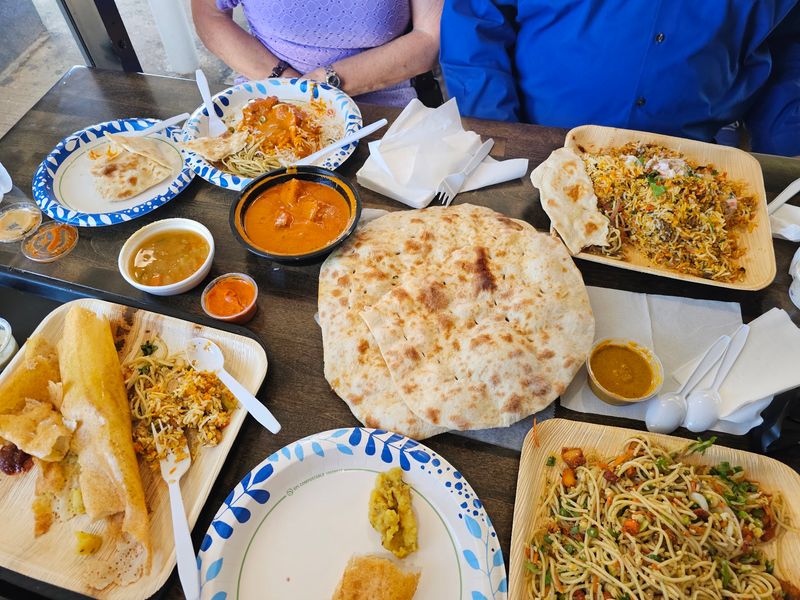
Saffron Cuisine of India is the kind of place that rewards the right expectations. Come here looking for a refined dining experience with table service and ceramic plates, and the setup will feel mismatched.
Come here looking for honest, well-seasoned Indian food at a fair price, with a grocery store attached and a street-food menu that most Oklahoma City restaurants would not dare attempt, and the place delivers consistently.
The chaat and bhel puri alone make it worth the visit for anyone curious about Indian street food beyond the tikka masala standard. The garlic naan is legitimately impressive, the mutton biryani earns its reputation when it lands well, and the chai is the kind that lingers in memory.
For Oklahoma City’s South Asian community, Saffron is already a fixture. For everyone else, it is one of those spots that tends to convert first-timers into regulars.
A 4-star rating across nearly 1,000 reviews reflects the reality that no restaurant pleases everyone, and Saffron has its inconsistencies. But the core of what it does, bringing South Asian street food and home-style cooking to a mid-city Oklahoma storefront with genuine flavor and community warmth, is something worth supporting.
That combination is rarer than it should be, and finding it on North Portland Avenue is a small but real discovery.
Share this story