Most people chasing affordable living end up scrolling through endless lists of cities they’ve never heard of, wondering if cheap rent means sacrificing everything else. Shawnee, Oklahoma flips that script entirely.
Tucked about 35 miles east of Oklahoma City, this small but spirited city offers housing costs that feel almost too good to be true, without asking you to give up community, convenience, or character. With a population of just over 31,000, Shawnee punches well above its weight when it comes to livability, and once you see what your dollar can actually buy here, it’s hard to look anywhere else.
Where Shawnee Sits and What It Actually Is
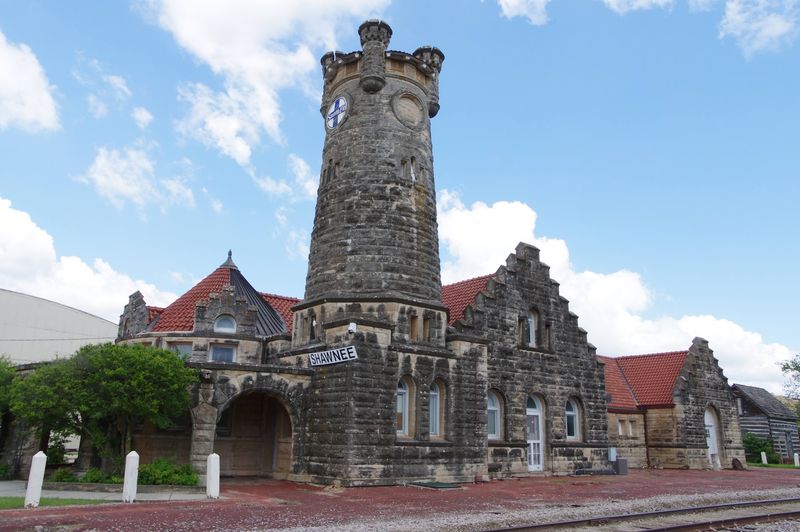
Shawnee is the county seat of Pottawatomie County, Oklahoma, positioned at roughly 35.33 degrees north latitude and 96.93 degrees west longitude. That puts it comfortably within the Oklahoma City-Shawnee Combined Statistical Area, meaning residents enjoy small-city calm while staying well within reach of a major metro.
The city anchors its own Shawnee Micropolitan Statistical Area, which is a formal designation recognizing it as a regional economic and population hub. That matters for renters and buyers alike, because micropolitan areas tend to offer genuine local infrastructure without the inflated housing prices that tag along with larger metros.
As of the 2020 census, Shawnee had a population of 31,377 people. That number keeps it intimate enough to feel like a real community, where neighbors actually know each other and local businesses recognize your face.
It sits along US Route 270 and Interstate 40, giving residents solid road access in multiple directions without needing to fight big-city traffic every single day.
The Cost of Renting Here Compared to the Rest of Oklahoma
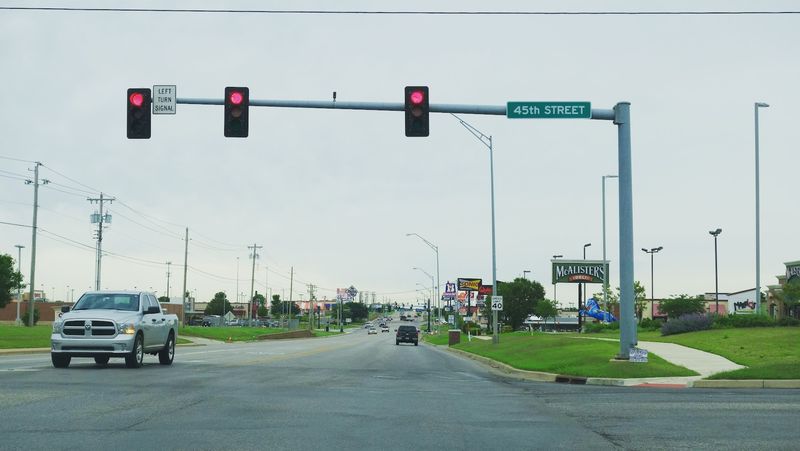
Rent in Shawnee consistently ranks among the most wallet-friendly in the entire state. One-bedroom apartments in the city routinely list well below the Oklahoma state average, and two-bedroom units that would cost significantly more in Tulsa or Oklahoma City are genuinely accessible here on a modest income.
The median rent across Shawnee hovers in a range that allows people working average-wage jobs to avoid the financial squeeze that defines life in so many American cities right now. That breathing room changes everything.
When rent is not consuming 40 or 50 percent of your monthly take-home pay, you can actually save money, build an emergency fund, or enjoy your weekends without counting every dollar.
Housing options span the full spectrum too. There are older brick homes with wide front porches, newer apartment complexes near the commercial corridors, and modest rental houses scattered through quiet residential neighborhoods.
The variety means you are not locked into one type of living situation just because your budget is limited. Shawnee makes renting feel like a reasonable adult decision rather than a financial trap.
A Brief Look at How Shawnee Got Here

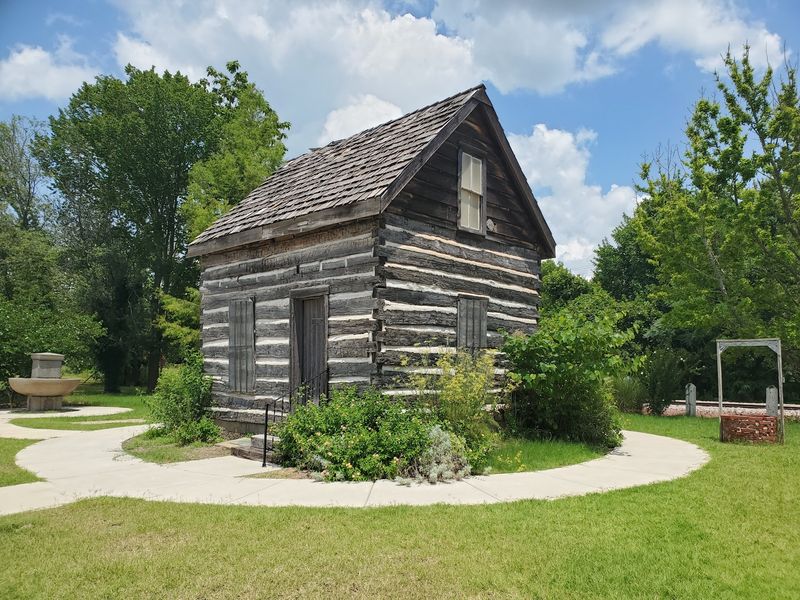
Shawnee has roots that run deep into Oklahoma’s territorial era. The city was established following the Land Run of 1891, when settlers flooded into the Potawatomi lands that had been opened for homesteading.
Growth came fast, fueled by the arrival of the railroad, and Shawnee quickly became one of the most significant commercial centers in the region.
At its early peak, Shawnee was actually larger than Oklahoma City, which is a fact that surprises most people who hear it for the first time. The railroad lines that converged here made it a natural hub for trade, banking, and commerce across the central Oklahoma plains.
Several national companies and financial institutions had offices in Shawnee during those early decades.
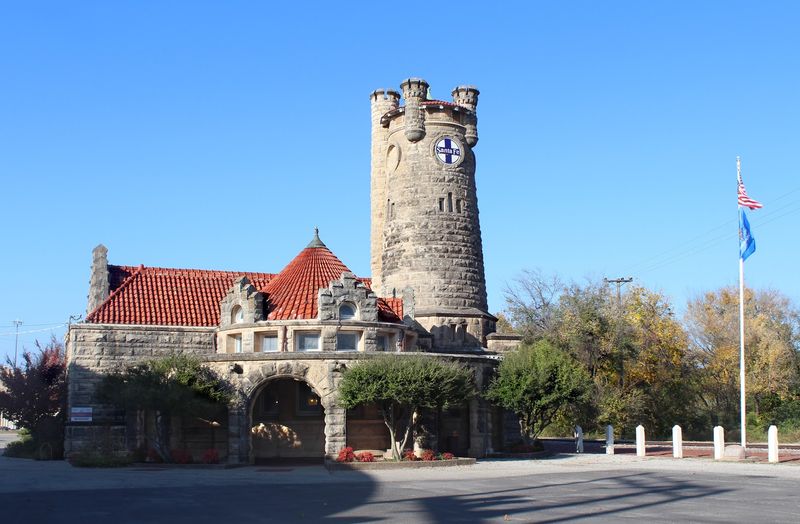
Over time, Oklahoma City’s growth outpaced Shawnee’s, but the city never lost its sense of purpose or identity. The historic downtown district still carries architectural echoes of that prosperous early era, with brick facades and building proportions that speak to a time when Shawnee was genuinely competing to be the state’s defining city.
Downtown Shawnee and Its Walkable Core

Downtown Shawnee has the kind of compact, walkable energy that urban planners spend decades trying to engineer into larger cities. The historic commercial blocks along Main Street and surrounding avenues feature locally owned shops, casual dining spots, and professional services all within easy walking distance of each other.
The area has benefited from preservation efforts that kept many of the original early-twentieth-century buildings intact. Walking through downtown, you get a genuine sense of architectural continuity that feels rare in smaller Oklahoma cities, where strip-mall sprawl often replaced older commercial cores entirely.
Here, the bones of the original city are still very much visible.
For residents, a functioning downtown matters because it creates a social anchor. Having a place to walk to, grab a coffee, browse a local shop, or simply sit outside and watch the street gives a city texture that pure suburban living cannot replicate.
Shawnee’s downtown is not a tourist destination so much as a working neighborhood center that happens to have real character, and that distinction makes it genuinely valuable to the people who live here year-round.
Grocery, Utilities, and the Full Cost Picture
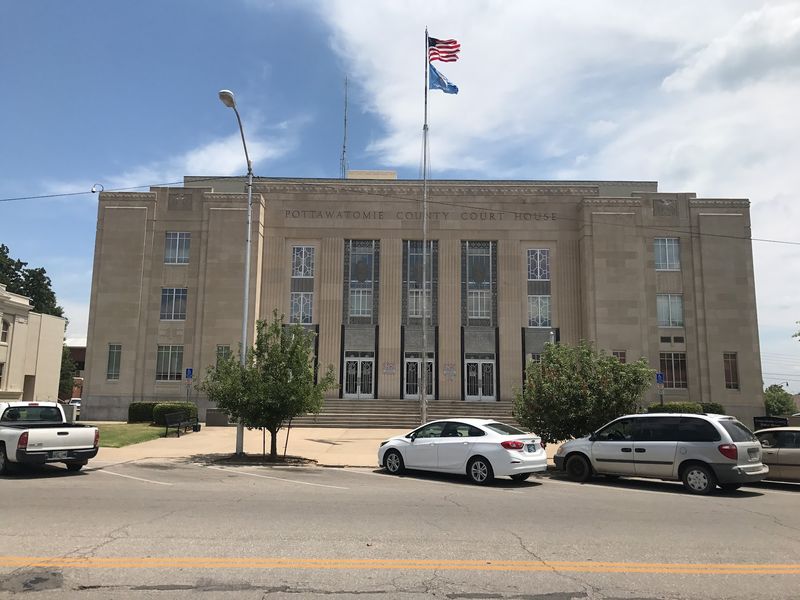
Rent gets most of the attention in affordability conversations, but the true cost of living includes groceries, utilities, transportation, and healthcare. Shawnee holds its own across nearly all of those categories.
Grocery prices in the city track closely with rural and small-town Oklahoma averages, which run noticeably below the national median.
Utility costs in central Oklahoma benefit from the state’s relatively mild shoulder seasons, though summer cooling bills can climb during the hottest stretches of July and August. Overall, the utility burden for a typical Shawnee household remains manageable compared to what residents of coastal cities or even northern metros deal with during extreme weather months.
Transportation costs also work in Shawnee’s favor. The city is compact enough that many errands involve short drives, and fuel costs in Oklahoma consistently rank among the lowest in the country.
When you add it all up, a household in Shawnee can realistically cover rent, food, utilities, and transportation on an income that would leave someone in a major metro perpetually stressed. The math here actually makes sense.
The Oklahoma Baptist University Influence on the City
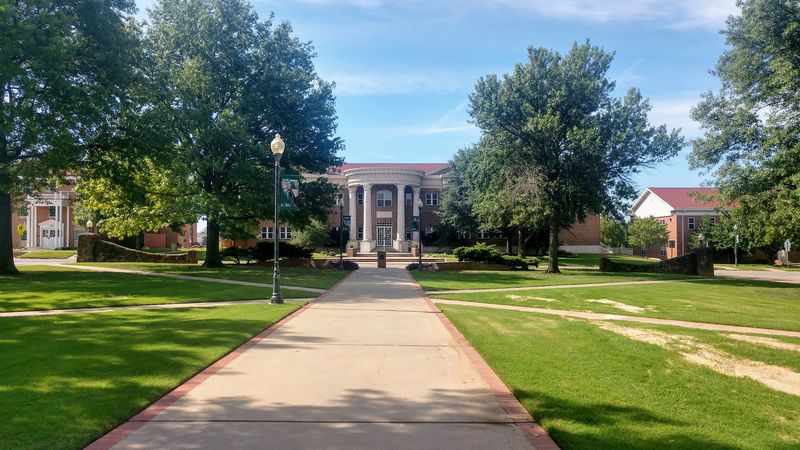
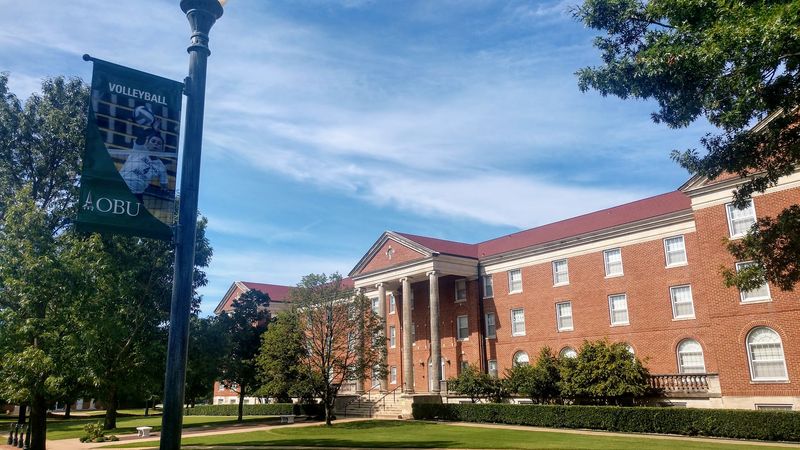
Oklahoma Baptist University sits right in the heart of Shawnee and has shaped the city’s character for over a century. Founded in 1910, OBU brings a steady stream of students, faculty, and academic energy into a community that might otherwise feel purely residential or commercial.
Universities have a way of keeping cities young and intellectually curious, and Shawnee benefits from that dynamic in tangible ways.
The campus itself is attractive, with mature trees and classic brick architecture spread across a well-maintained grounds. Events, performances, athletic competitions, and public lectures hosted by the university give residents access to programming that smaller cities without a college presence simply cannot offer.
That adds real value to life in Shawnee beyond what any cost-of-living calculator can quantify.
For renters specifically, a university town dynamic can cut both ways, but in Shawnee’s case, the student population is small enough that it does not distort the rental market the way it does in college towns built around flagship state universities. Instead, OBU adds cultural texture without pricing out working families or long-term residents looking for stable, affordable housing options.
Parks, Outdoor Spaces, and Room to Breathe
Outdoor space is one of those quality-of-life factors that rarely shows up in affordability rankings but matters enormously to people who actually live somewhere. Shawnee has it covered with Shawnee Twin Lakes, a pair of reservoirs that sit just outside the city proper and serve as a popular destination for fishing, boating, and shoreline recreation.
The lakes draw residents looking to unwind without driving an hour to reach nature. Anglers find decent bass and catfish populations, and the surrounding green space offers room to walk, picnic, or simply sit near the water on a quiet afternoon.
For a city of Shawnee’s size, having accessible water recreation this close to town is a genuine asset.
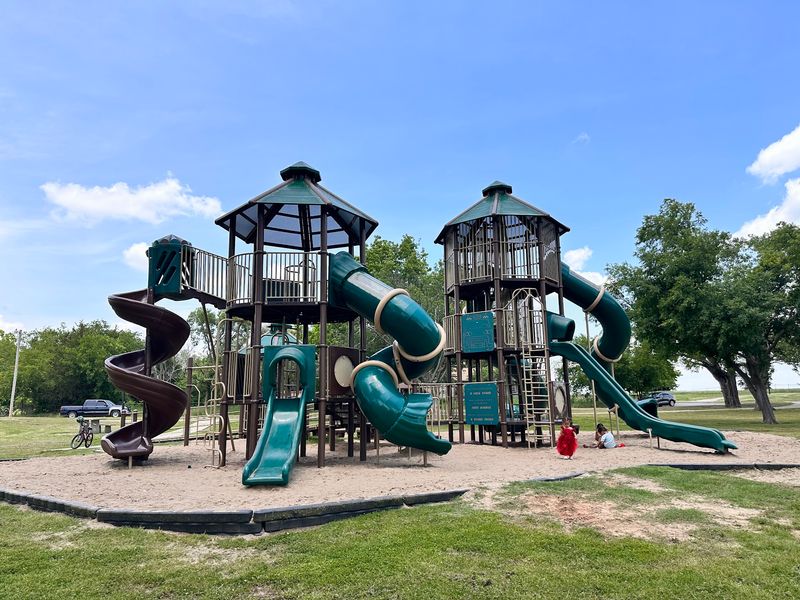
Within the city limits, municipal parks provide playgrounds, sports fields, and open green space that serve families across the community. The combination of urban parks and nearby lake access means residents are not starved for fresh air or outdoor activity, which matters especially for families with kids or anyone who needs a reliable way to decompress after work.
Affordable living with outdoor access is a combination that is genuinely hard to beat.
Who Actually Thrives in a City Like Shawnee
Not every affordable city suits every kind of person, and Shawnee is no exception. The city rewards people who value stability, community connection, and financial breathing room over the pace and spectacle of urban life.
Young families tend to do particularly well here, because low housing costs free up income for things that actually matter to parents, like childcare, school supplies, and the occasional family trip.
Remote workers have also discovered Shawnee as a genuinely practical base. With reliable internet access available throughout the city and housing costs a fraction of what remote-friendly metros charge, working from home in Shawnee means your salary goes much further without any meaningful sacrifice in comfort or connectivity.
Retirees on fixed incomes find the city’s cost structure especially forgiving. When every dollar needs to stretch, living somewhere that does not punish you for basic expenses makes an enormous difference in day-to-day stress levels.
And people who simply want to build savings, pay off debt, or start a small business without the crushing overhead of a major city will find that Shawnee gives them the margin to actually make progress. The city works best for people who want their money to work for them.
Getting Around and Staying Connected to Oklahoma City
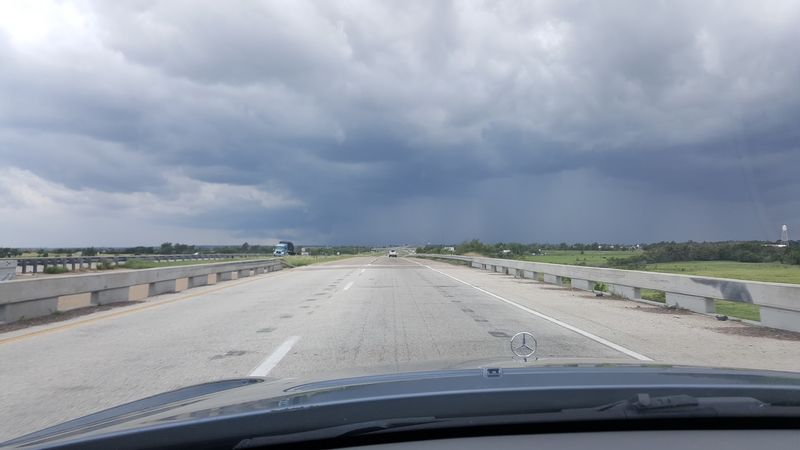
One of Shawnee’s most practical advantages is its position along Interstate 40, one of the most important east-west corridors in the entire country. That highway connection makes commuting to Oklahoma City a real option for residents who want city-level employment without city-level rent eating their paycheck every month.
The drive from Shawnee to downtown Oklahoma City typically runs between 35 and 45 minutes depending on traffic, which is comparable to what many suburban residents of major metros already accept as a normal commute. The difference is that Shawnee residents are not paying suburban-metro prices for that access.
They are paying small-city prices while enjoying metro-adjacent convenience.
US Route 270 also connects Shawnee to communities in multiple directions, making day trips to other parts of central and eastern Oklahoma straightforward. For residents who do not need daily access to Oklahoma City, the local road network is more than sufficient for everyday life.
Shawnee is not isolated, it is simply at a comfortable remove from the noise, and that distance is a feature rather than a flaw for most people who choose to plant roots here.
Why Shawnee Deserves a Serious Look from Anyone Rethinking Where They Live
The case for Shawnee is not built on hype or viral real estate trends. It rests on something more durable: the city simply makes financial sense for a wide range of people at different life stages.
When housing costs are low, utilities are manageable, groceries are reasonable, and a major city is under an hour away, the argument for paying more somewhere else starts to feel pretty thin.
Shawnee also has something that purely cheap cities sometimes lack, which is an actual sense of place. The historic downtown, the university campus, the nearby lakes, and the community institutions give the city texture and identity.
You are not just saving money, you are living somewhere with a real story and a functioning social fabric.
For anyone reconsidering where they spend their working years, their retirement savings, or their early-career income, Shawnee, Oklahoma belongs on the shortlist. It will not dazzle you with glittering skylines or celebrity restaurant openings.
What it offers instead is something rarer in today’s housing market: a genuinely affordable, livable city that lets you keep more of what you earn while still feeling like you are somewhere worth being.
Share this story