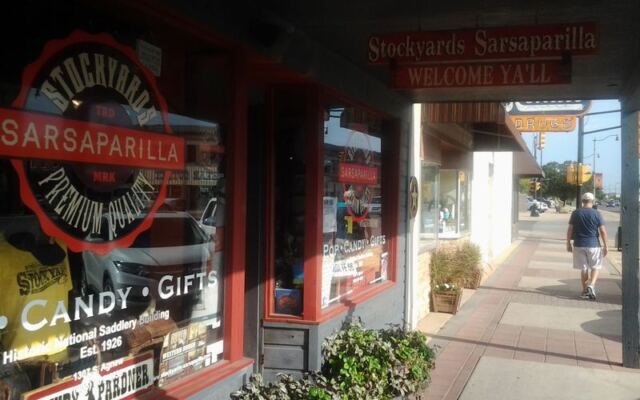
Somewhere in Oklahoma, tucked just outside the usual tourist trail, a single street has refused to let the modern world fully move in. The smell hits you before the sights do, a mix of worn leather, sawdust, and something unmistakably Western that no candle company has ever quite captured.
Wander far enough down this stretch and you start to wonder if you have stepped sideways through time rather than simply around a corner. What waits here is stranger, richer, and more alive than almost anywhere else in the state.
Where Stockyards City Sits on the Oklahoma City Map
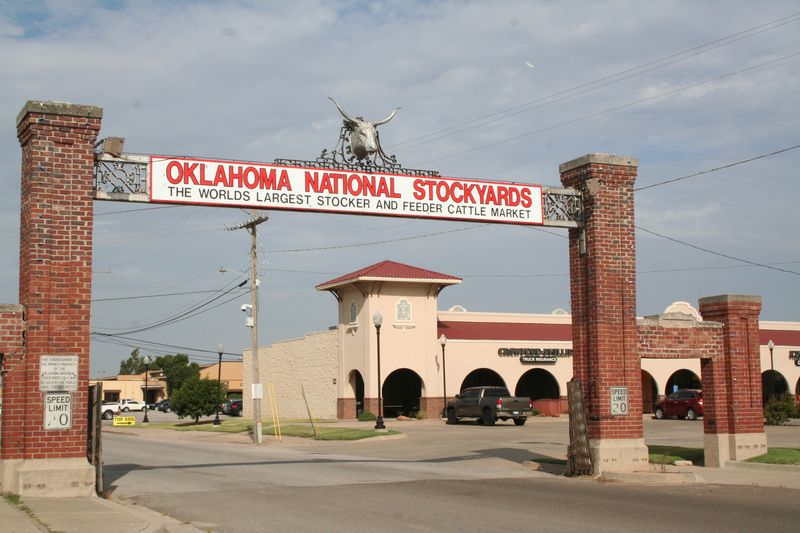
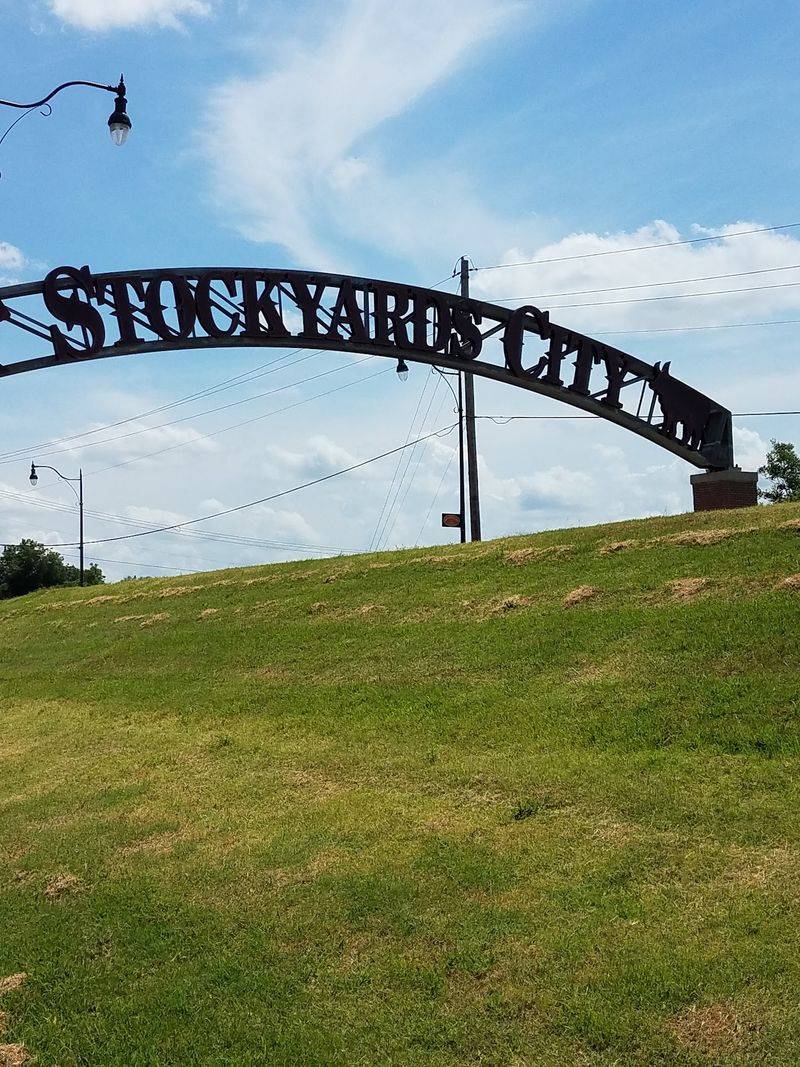
Just a few miles southwest of downtown Oklahoma City, a neighborhood exists that most GPS apps treat as an afterthought. Stockyards City Main Street occupies a compact but surprisingly dense stretch of Oklahoma City at the 73108 zip code, close enough to the city center to reach in minutes but far enough in spirit to feel like a separate world entirely.
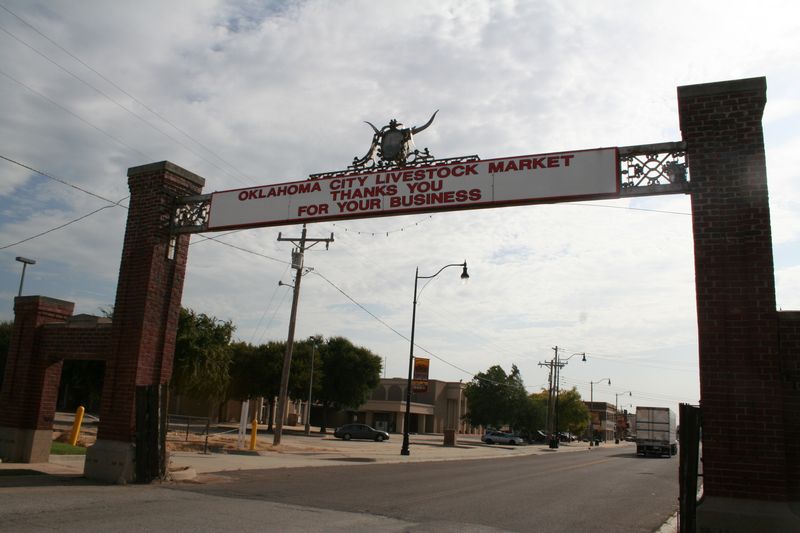
The street runs alongside the Oklahoma National Stockyards, one of the busiest cattle markets in the country. That proximity is not incidental.
The whole neighborhood grew up around the livestock trade, and the layout still reflects that origin, with wide lanes sized for livestock trucks and loading areas that see real working use on auction days.
Getting oriented is easy. The main commercial strip is compact and walkable, with most of the shops, eateries, and historic landmarks clustered within a few blocks of each other.
Visitors who arrive expecting a theme park replica of the Old West leave surprised to find an actual working district that just happens to look like one.
The Oklahoma National Stockyards and Its Living Legacy
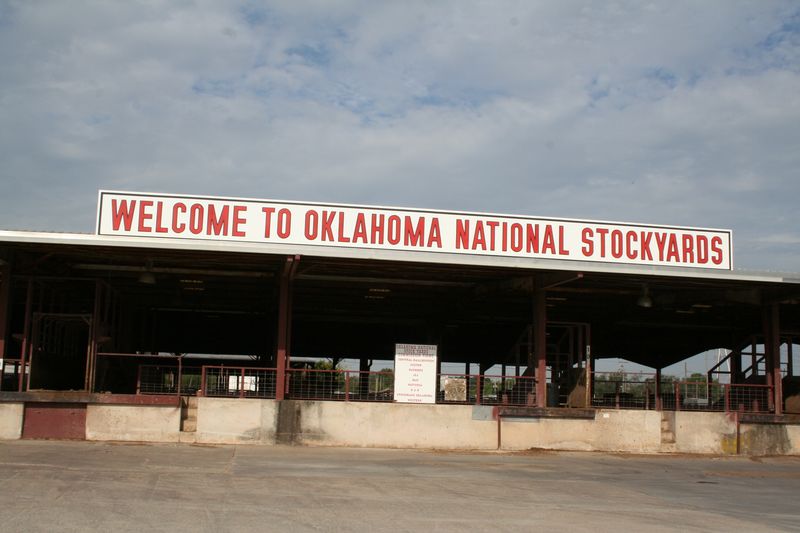
Monday and Tuesday mornings at the Oklahoma National Stockyards carry a particular energy that no amount of tourism polish could replicate. The auction barn fills with ranchers, buyers, and cattle hands who have been doing this work for generations, and the auctioneer’s rapid-fire cadence bounces off metal railings and wooden catwalks with a rhythm that feels almost musical.
Founded in 1910, the stockyards grew into one of the largest cattle markets in the world, a title it held for much of the twentieth century. Today it still ranks as one of the premier feeder cattle markets in the United States, processing hundreds of thousands of head of cattle annually.
The scale of the operation is hard to grasp until you walk the catwalks above the pens and look down at the sheer number of animals moving through.
Visitors are welcome to observe the auction process, which is a genuinely rare opportunity to watch a major agricultural market in real time. The smell, the noise, and the organized chaos of the pens make this one of the most unexpectedly gripping free experiences in all of Oklahoma.
Cowboy Boot Shops That Actually Know Their Craft
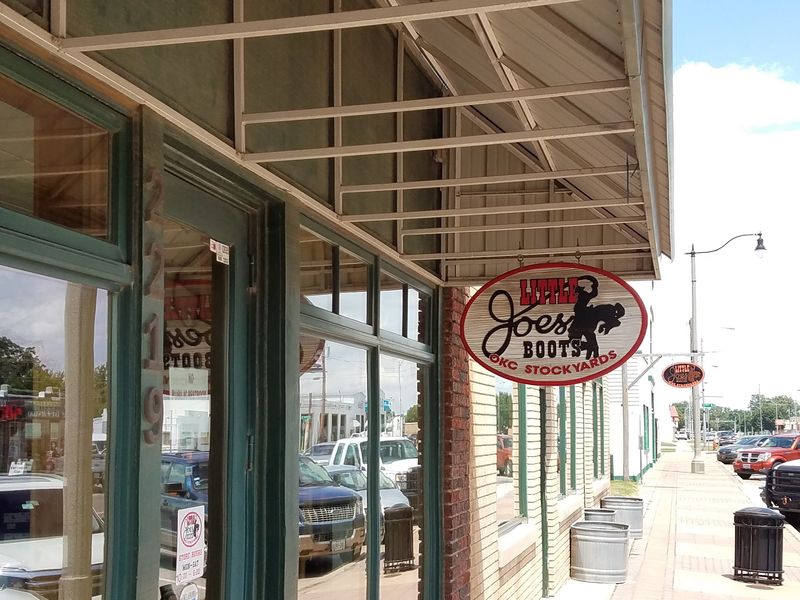
Boot shopping in most American cities means picking a size off a shelf and calling it done. Along Stockyards City Main Street, the experience runs considerably deeper.
Several shops here specialize in handcrafted Western boots, and a few offer custom fittings where the leather is measured and shaped to your specific foot rather than a factory standard.
Retailers like Langston’s and Ranch Mart Western Wear have built reputations over decades by stocking boots made from materials that most shoppers have never considered, from water buffalo and caiman to ostrich and elephant hide. The craftsmanship on display in the cases is genuinely impressive, and the staff tend to speak about leatherwork with the kind of quiet authority that only comes from years of hands-on experience.
Prices range from affordable everyday working boots to high-end custom pieces that represent a serious investment. Even visitors who have no intention of buying find it worth spending time in these shops simply to handle the merchandise and ask questions.
The staff rarely rush anyone, which says something about the culture of the street as a whole.
Native American Jewelry and the Artisans Behind It
Alongside the leather goods and Western wear, Stockyards City Main Street carries a strong current of Native American artistry that reflects Oklahoma’s deep Indigenous history. Several shops along the strip stock handcrafted jewelry made by Native artists, with silver and turquoise pieces being the most prominent, though beadwork, pottery, and woven textiles also appear in many displays.
The quality varies by shop, so it pays to look carefully and ask questions about the makers. The best pieces are signed or come with documentation connecting them to specific artists and nations.
Regulars to the area know which shops maintain those higher standards, and word of mouth among repeat visitors tends to steer newcomers toward the most authentic selections.
What makes browsing here feel different from a typical tourist gift shop is the context. Surrounded by working ranchers and cattle industry professionals, the jewelry trade feels like part of a living culture rather than a curated souvenir experience.
Oklahoma’s Native nations have traded and crafted along this corridor for generations, and the presence of their work on this street is not decorative. It is historical.
Cattleman’s Steakhouse and the Homestyle Dining Culture
Long before farm-to-table became a marketing phrase, Cattleman’s Steakhouse was simply serving beef that had literally walked through the stockyards next door. Open since 1910, it is one of the oldest continuously operating restaurants in Oklahoma, and the menu reflects a no-frills philosophy that has never needed updating because it was right from the start.
The dining room has the comfortable shabbiness of a place that stopped worrying about decor sometime in the 1970s and never felt the need to revisit the question. Mounted horns, vintage photographs, and well-worn wooden booths create an atmosphere that feels genuinely earned rather than staged.
Regulars mention that sitting down here feels like being welcomed into someone’s working ranch house rather than a restaurant designed to look like one.
The menu leans heavily on beef, with cuts ranging from breakfast steaks served early in the morning to full dinner portions that draw ranchers straight from the auction floor. Lamb fries, a regional specialty, appear on the menu for the adventurous.
The portions are generous and the prices remain reasonable by any standard, which explains why the parking lot fills up fast on auction days.
The General Store Atmosphere Frozen in Another Era
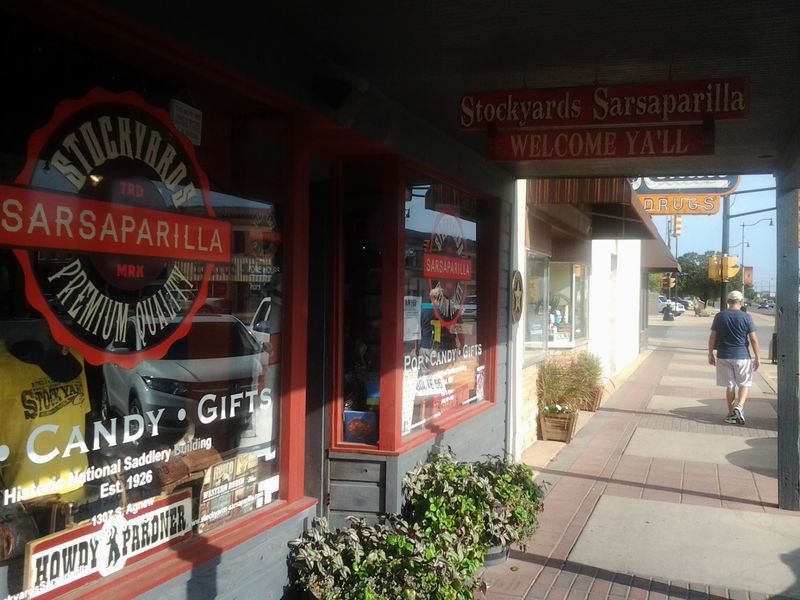
A few storefronts along the strip seem to have reached a kind of temporal agreement with the 1880s and simply refused to leave. The general store aesthetic here is not manufactured nostalgia.
The wooden floors are genuinely worn. The glass cases hold goods that look like they arrived on a freight wagon and never quite made it to a more modern setting.
Tin signs, cast iron tools, hand-stitched leather goods, and shelves of dry goods packaged in designs that predate plastic packaging all contribute to an interior that stops visitors mid-step. The effect is compounded by the absence of the usual retail soundtrack, no pop music, no promotional announcements, just the creak of floorboards and the occasional sound of a screen door closing.
Shopkeepers in these spaces tend to be knowledgeable about what they sell in a way that feels rare. Ask about a particular piece of hardware or a style of leather stitching and you are likely to get a five-minute answer that covers history, regional variation, and practical use.
It is the kind of retail experience that reminds you what shopping felt like before everything became a transaction.
Rodeo Opry and the Live Country Music Scene
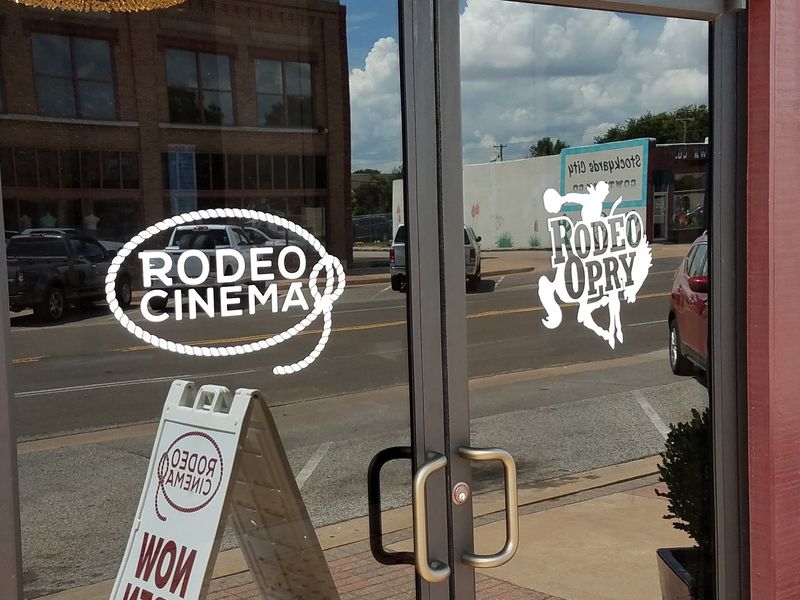
Country music in Oklahoma has always carried a different weight than what gets played on mainstream radio, and the Rodeo Opry at Stockyards City gives that regional tradition a proper home. Concerts here feature live country and Western swing performances in a setting that suits the music far better than a standard concert hall ever could.
The venue itself reflects the character of the neighborhood, relaxed, unpretentious, and built for people who actually grew up listening to this music rather than discovering it as a lifestyle trend. Regulars mention that the crowd on any given night is a genuine mix of longtime locals, ranching families, and visitors who stumbled in and stayed far longer than planned.
Performance schedules vary by season, so checking ahead before a visit is worthwhile. The shows skew toward traditional styles rather than the polished pop-country sound that dominates larger venues, which is precisely the appeal for anyone who has felt that mainstream country lost something important along the way.
Sitting inside the Rodeo Opry on a good night, surrounded by people who know every lyric, the music feels less like entertainment and more like a community gathering that happens to have a stage.
Horseback Riding at River Park and the Outdoor Connection
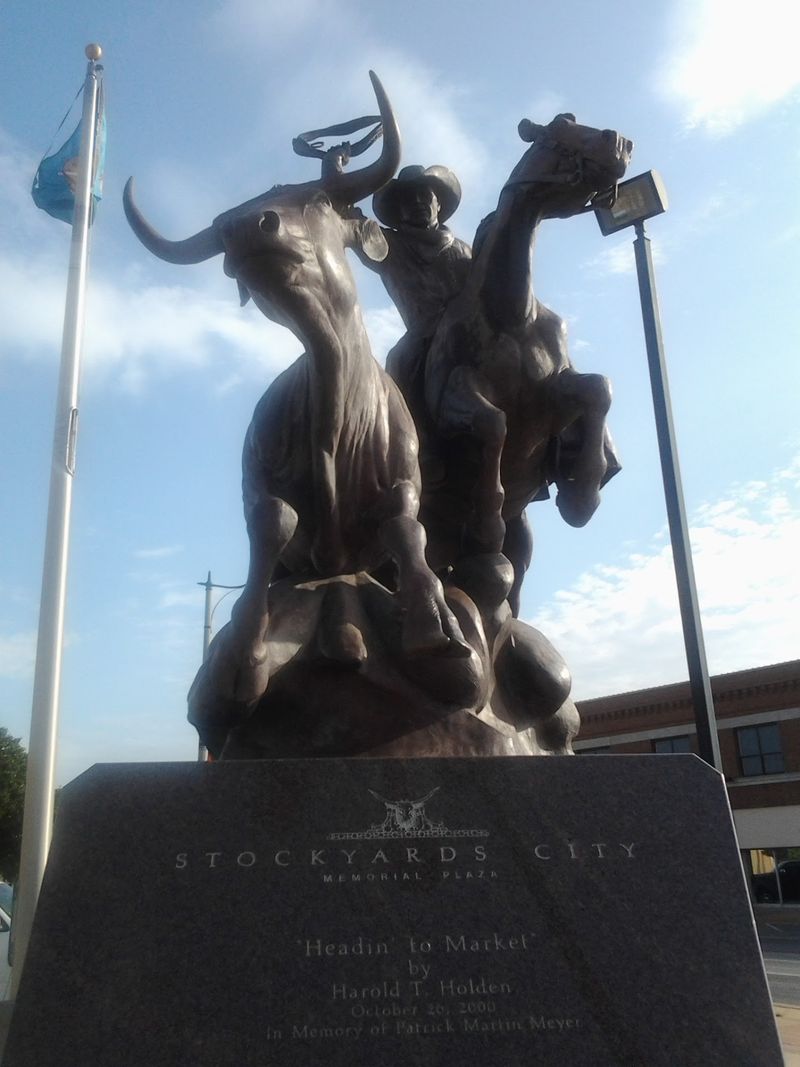
River Park, located near Stockyards City, offers something that completes the Western experience in a way that no amount of shopping or dining can fully replicate. Horseback riding here puts visitors on trails along the North Canadian River, moving through open landscape that still carries the feel of the territory it once was before the city grew up around it.
The connection between the stockyards and the riding trails is not accidental. Horses have always been central to this part of Oklahoma City, and the riding culture around River Park is an extension of the same ranching tradition that built Stockyards City in the first place.
Families with children find this a natural follow-up to a morning spent watching the cattle auction, giving younger visitors a hands-on experience rather than just an observational one.
Trail conditions vary by season, with spring and fall generally offering the most comfortable riding weather. The river corridor provides enough shade and scenery to make even a short ride feel like genuine exploration.
For visitors who arrive expecting a purely urban experience and instead find themselves on horseback along a river trail, the surprise tends to be one of the most memorable parts of the whole trip.
The Western Atmosphere That Defines the Street’s Personality
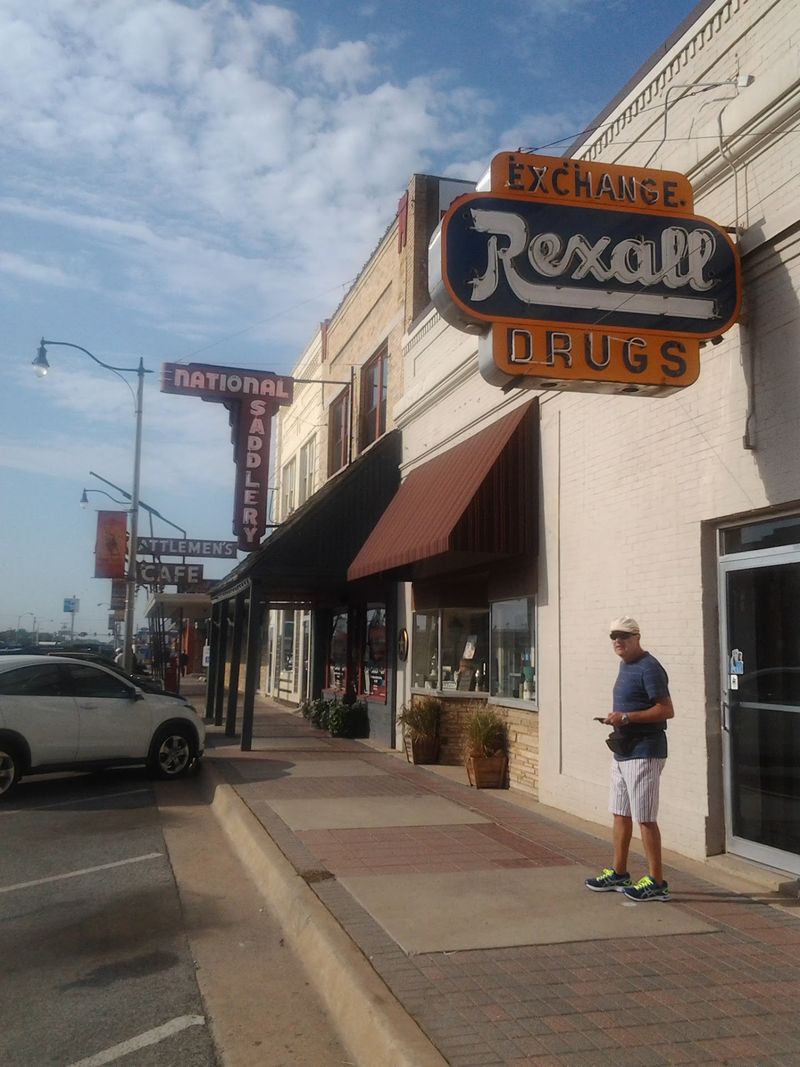
Atmosphere is the hardest thing to manufacture and the easiest to destroy, which is why Stockyards City’s persistent Western character feels so remarkable. Nothing here was built to impress tourists.
The hitching posts along the sidewalk are functional. The men in boots and wide-brimmed hats are dressed that way because it is practical work attire, not costume.
That authenticity radiates through every interaction on the street. Conversations between shopkeepers and customers carry the easy familiarity of people who see each other regularly.
The rhythm of the neighborhood slows noticeably compared to the rest of the city, not from disinterest but from a cultural preference for doing things properly rather than quickly.
Visitors who slow down enough to match that pace tend to find the street reveals itself gradually. A second look at a storefront reveals hand-lettered signage that has been there for forty years.
A conversation started over a boot fitting turns into a fifteen-minute local history lesson. The smell of leather and cattle that hangs over the whole district is not a marketing choice.
It is the honest residue of a century of commerce, and it signals immediately that this is a place where the past is not archived but still in active use.
Who Belongs Here and Who Will Be Pleasantly Surprised
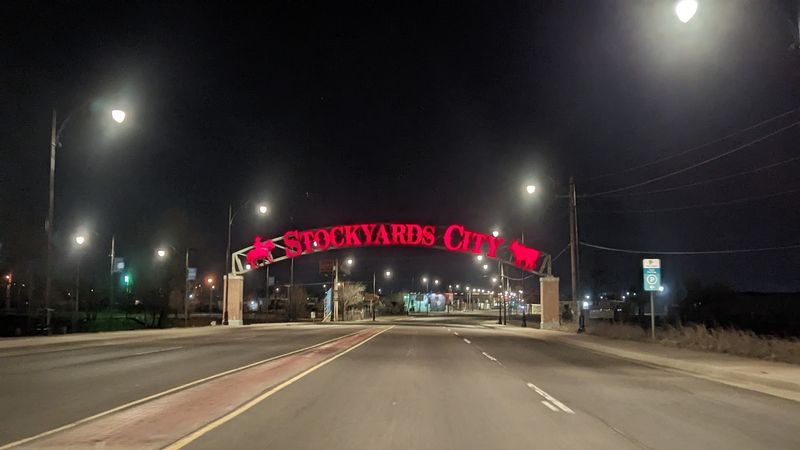
History enthusiasts, Western culture fans, and anyone who grew up around ranching will feel immediately at home on Stockyards City Main Street. The combination of working livestock infrastructure, authentic craft retail, and genuinely old buildings gives history buffs more to examine than a single visit can cover comfortably.
Families with children often find the experience more engaging than expected. Watching a real cattle auction, handling leather goods, and ending the day with horseback riding creates a layered outing that holds attention across different age groups.
Parents report that explaining what they are seeing requires less effort here than at a museum because the activity is happening live and at full scale.
The bigger surprise, though, tends to be the visitors who arrive skeptical. City dwellers with no particular connection to Western culture, travelers passing through on unrelated itineraries, and international visitors who have never seen a working stockyards all consistently describe Stockyards City as one of the most unexpectedly memorable stops of their Oklahoma trip.
The street has a way of converting the indifferent into the enthusiastic, simply by being exactly what it claims to be, without apology or embellishment.
Planning a Visit – Hours, Timing, and What to Know First
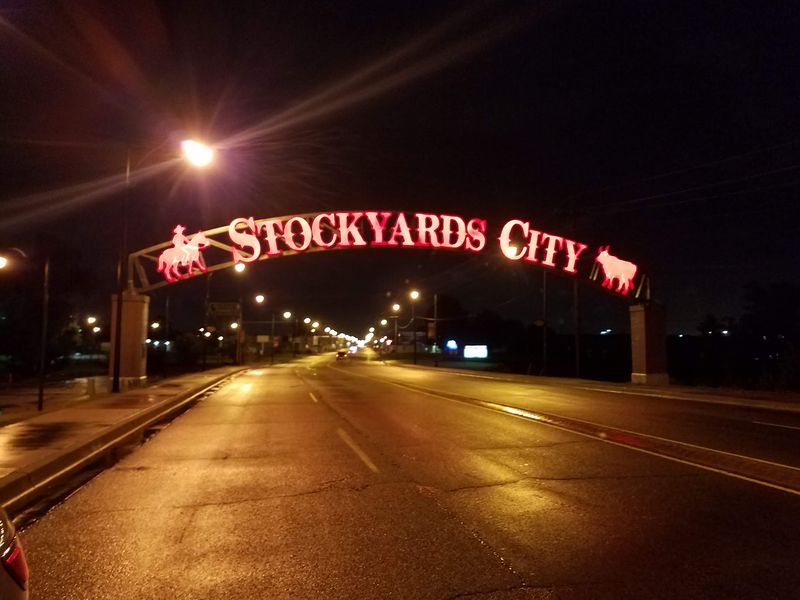
Timing a visit to Stockyards City takes a little planning if you want to catch the full experience. The cattle auction runs on Monday and Tuesday mornings, and those are the days the neighborhood comes most fully alive.
Arriving early gives you time to watch the auction before the shops open fully, and the contrast between the working livestock market and the retail street makes for a genuinely full morning.
Most shops along the main street open by mid-morning and stay open through the afternoon. Hours can vary by season and by individual business, so checking directly with specific shops before a long drive is a practical step.
Cattleman’s Steakhouse opens early for breakfast, which is worth knowing if you want to eat before the auction crowds arrive.
Parking is generally straightforward, with lots and street parking available throughout the district. Weekday visits during auction season are busier than weekends, which runs counter to most tourist destinations but reflects the working nature of the neighborhood.
Comfortable walking shoes are recommended, and if you plan to spend time near the pens, clothing you do not mind getting dusty will serve you better than anything you would wear to a standard shopping district. The experience rewards preparation.
Share this story