Oklahoma has a way of surprising you when you least expect it. Tucked somewhere beyond the city noise, there are places that stop you mid-step and make you wonder how you never knew they existed.
One such place sits quietly in Oklahoma City, drawing visitors with its towering craftsmanship, its fragrant air, and a sense of stillness that feels almost impossible to find in a modern city. Once you see it, it tends to stay with you.
Location and First Impressions
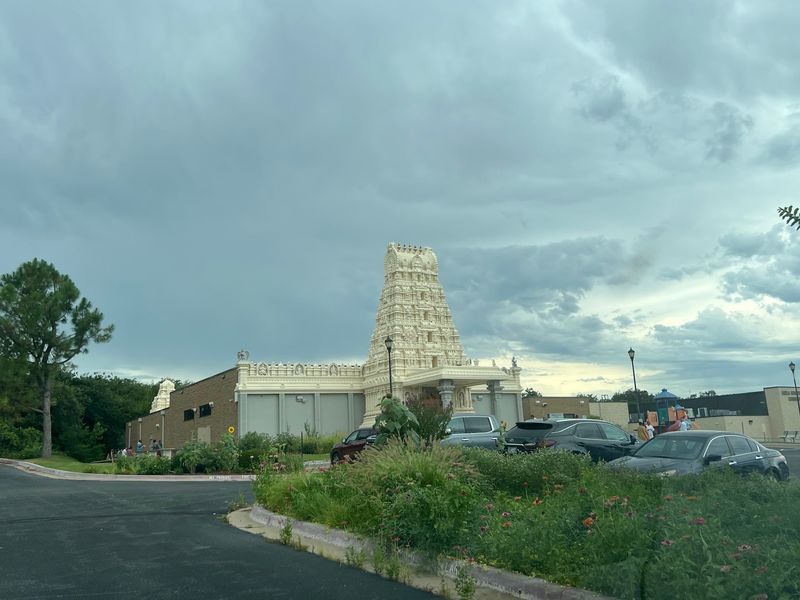
Pulling up to 7200 N Coltrane Rd on the northeast edge of Oklahoma City, you might not expect what greets you. The surrounding area is quiet, almost rural, with patches of greenery framing the road and a calm that feels a world apart from the city’s busier corridors.
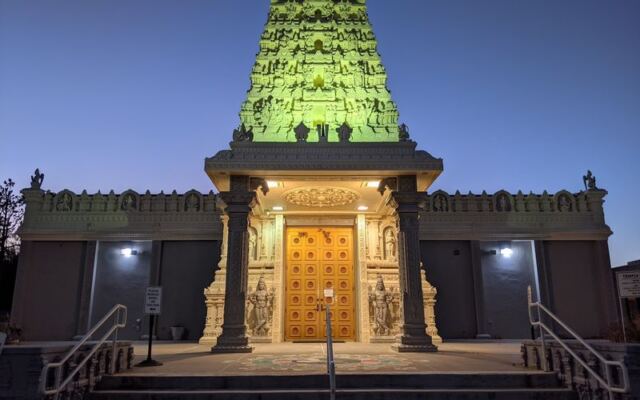
Then the Gopuram comes into view. That towering, intricately carved gateway tower, instantly recognizable to anyone familiar with South Indian temple architecture, rises above the treeline with a kind of quiet authority that catches you off guard.
Visitors consistently mention how the transition from ordinary Oklahoma street to sacred space happens almost the moment you turn into the grounds.
The temple sits at coordinates that place it comfortably away from dense urban sprawl, giving it a sense of seclusion that only adds to the experience. Plenty of parking is available on site, so arriving is stress-free.
Whether you are visiting for the first time or returning after years away, that first glimpse of the structure never quite loses its power to impress.
The Story Behind the Temple
Oklahoma is not a state most people associate with ancient Vedic traditions, which makes the existence of this temple all the more remarkable. The Hindu Temple of Oklahoma was established to serve the growing South Asian community in the region, offering a spiritual home for those who carried the heritage of India with them to the American plains.
Built according to Agama Shastras, the traditional guidelines governing South Indian temple construction, every element of the structure follows centuries-old principles. These rules govern everything from the orientation of the building to the placement of each deity, ensuring the space functions as a genuine sacred environment rather than a decorative replica.
Over the years, the temple has grown into a true community anchor. Festivals are celebrated throughout the calendar, classes are offered for younger generations, and the temple has become a gathering point for people across Oklahoma and beyond.
For many visitors, especially those with roots in India, stepping onto these grounds is less like visiting an attraction and more like returning somewhere deeply familiar. The temple’s history is still being written, and each visiting year adds another chapter.
The Gopuram – A Tower That Commands Attention
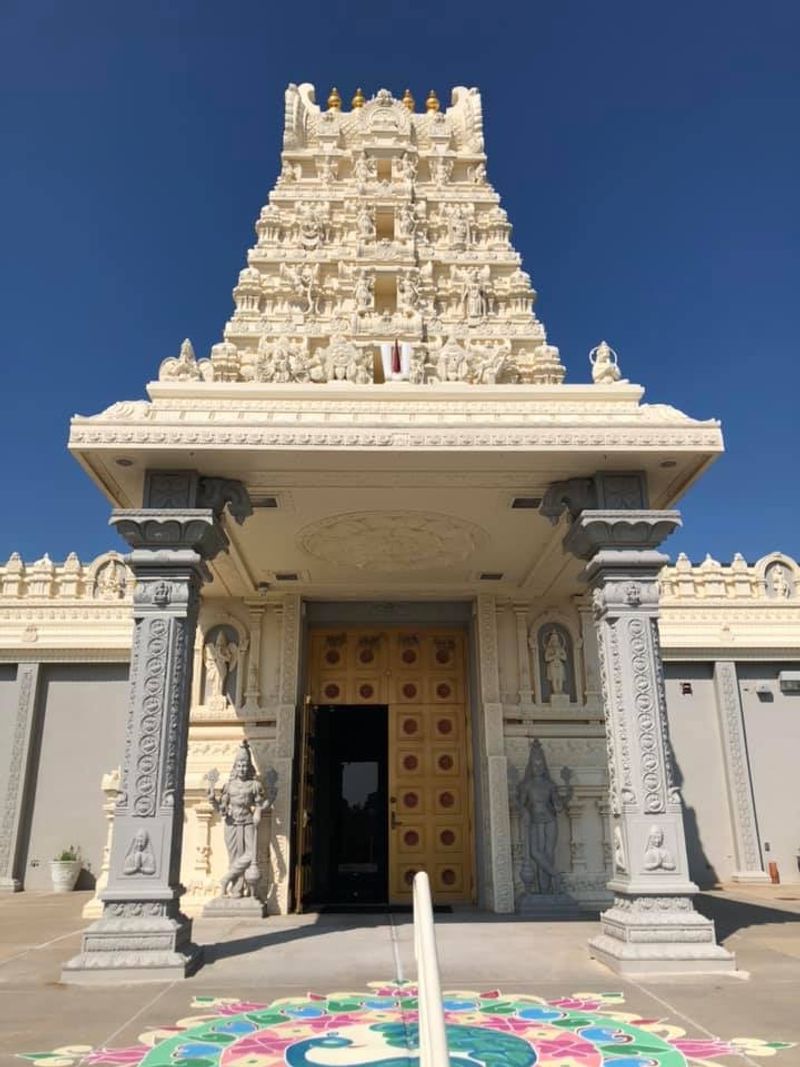
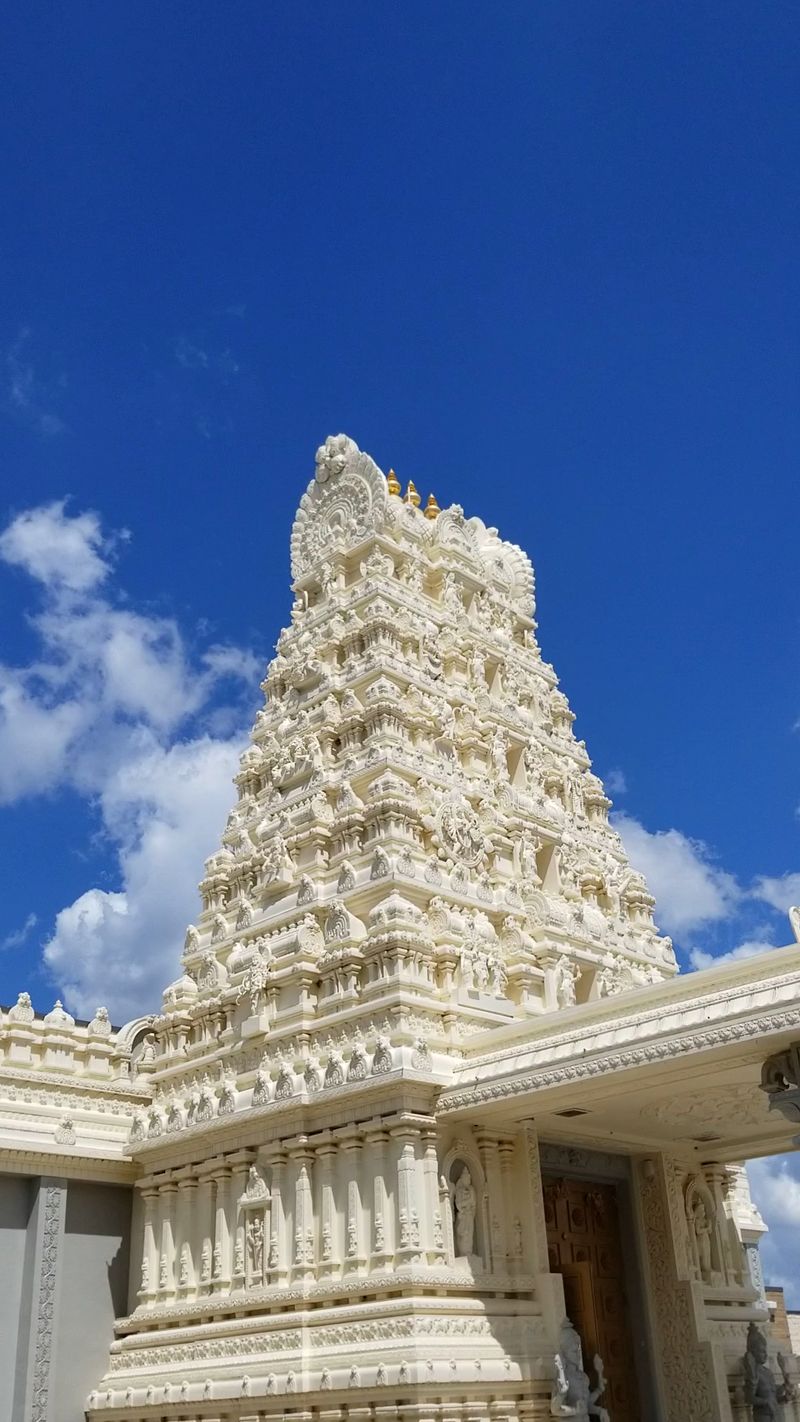
Few architectural features in all of Oklahoma stop traffic quite like this one. The Gopuram, a traditional South Indian tower that marks the entrance to a sacred complex, is the visual centerpiece of the entire property.
Layered with carved figures, painted in vivid detail, and rising several stories above the surrounding landscape, it is genuinely breathtaking up close.
Each tier of the tower tells a story. Figures from Hindu mythology populate every surface, and visitors who take the time to look carefully will notice that no two sections are identical.
The craftsmanship involved in producing these carvings is extraordinary, representing a level of artisanal skill that is rarely seen outside of India’s major temple cities.
Against an Oklahoma sky, especially at golden hour when the light catches the painted surfaces, the Gopuram creates a visual contrast that feels almost surreal. Regulars mention that photographing it never gets old because the light changes the entire mood of the structure throughout the day.
For anyone with even a passing interest in architecture or world cultures, spending time studying this tower alone makes the drive out worthwhile. It is the kind of detail that rewards slow, attentive looking.
Intricate Stone and Wood Carvings Throughout
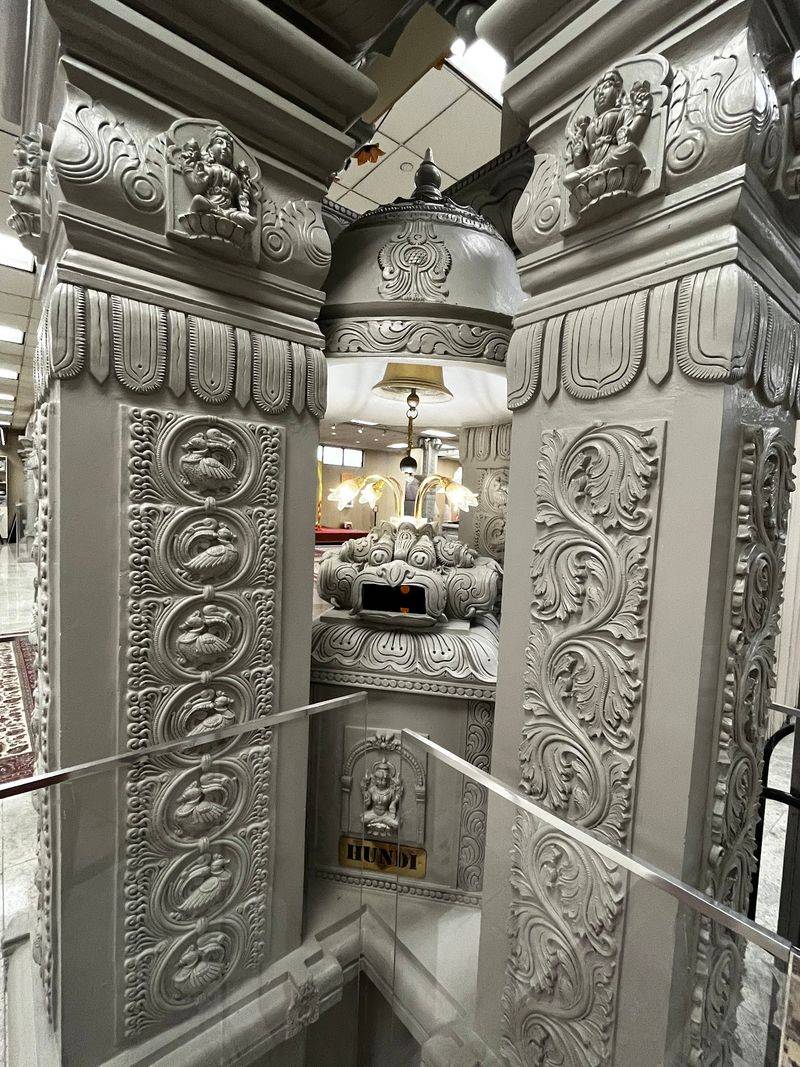
Step past the entrance and the craftsmanship continues at every turn. The pillars inside the main hall are covered in carved stone work, each one featuring scenes and figures drawn from Hindu scripture and mythology.
Visitors who have taken informal tours of the space note that every pillar carries its own story, and understanding even a fraction of the symbolism deepens the experience considerably.
Smaller engraved statues of gods and goddesses line the walls of the interior spaces, adding layers of detail that reveal themselves gradually the longer you spend inside. The work done in both stone and wood has been described by visitors as genuinely impressive, comparable in quality to what you might encounter in a well-preserved temple complex in Tamil Nadu or Andhra Pradesh.
What makes these carvings particularly meaningful is that they were not produced as decorative afterthoughts. Each element follows scriptural guidance, making the entire interior a kind of visual text that devotees can read through prayer and contemplation.
For curious visitors without a religious background, the sheer density of imagery offers a fascinating window into a tradition that spans thousands of years. Guided tours, when available through the temple community, bring these details to vivid life.
The Divine Pantheon Under One Roof
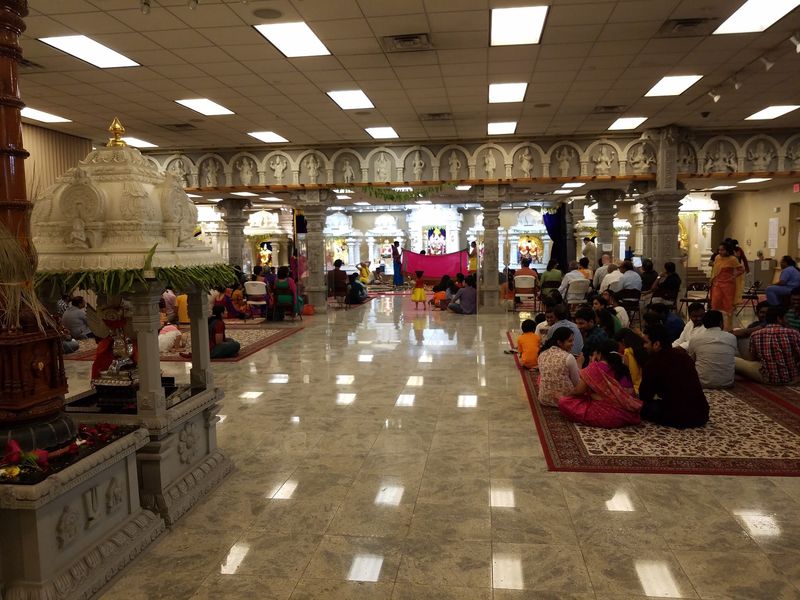
One of the most unusual aspects of this temple is the sheer breadth of its spiritual offerings. Rather than dedicating the space to a single deity or tradition, the temple brings together what visitors describe as nearly the entire Hindu divine pantheon, creating a comprehensive sacred environment that is rare even by Indian standards.
Devotees can offer prayers at the Shiva Lingam, seek blessings from Goddess Parvati, and pay respects to Lord Ganesha and Lord Kartikeya, all within the same complex. Moving through the space, the Vaishnava tradition is equally well represented, with shrines dedicated to Lord Venkateshwara, Goddess Lakshmi, and various avatars of Lord Vishnu available for Darshan.
For families visiting from across Oklahoma and neighboring states, this inclusivity is a significant draw. Rather than needing to travel to multiple temples to honor different members of the divine family, everything is gathered here under one beautifully maintained roof.
Visitors with roots in both Shaiva and Vaishnava traditions have noted how welcoming it feels to find their respective traditions honored side by side. The result is a spiritual space that feels generous in scope and genuinely communal in spirit.
Sensory Experience – Scent, Sound, and Stillness
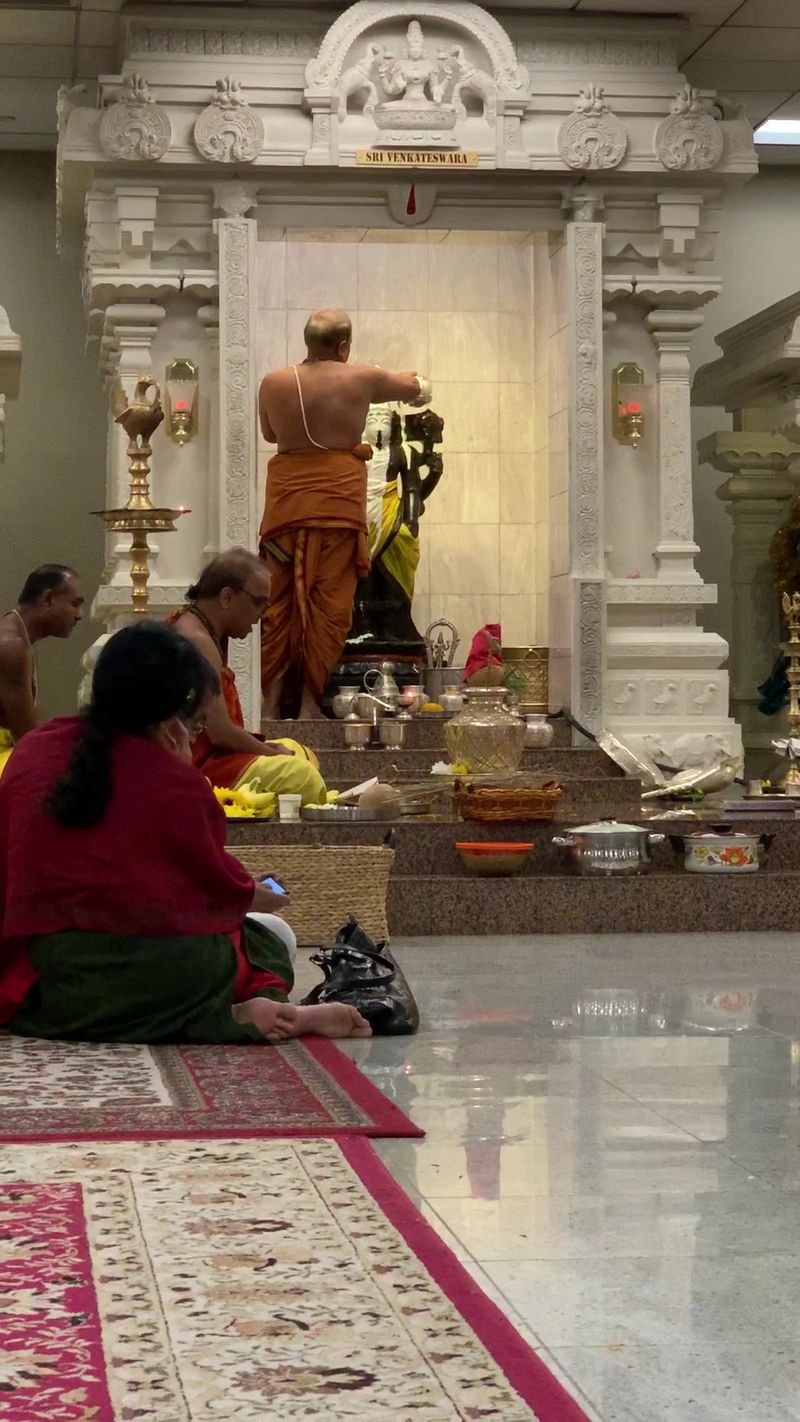
Architecture alone does not fully explain why people keep returning to this place. The experience of being inside the temple engages every sense in a way that is difficult to replicate elsewhere in Oklahoma.
Fresh flowers arranged near the shrines release a fragrance that mingles with burning incense, creating a scent that many visitors describe as immediately calming.
Add to that the sound environment: the rhythmic chanting of ancient Sanskrit shlokas by the temple priests, the resonant ring of temple bells during puja ceremonies, and the low hum of devotion that fills the main hall during active worship hours. Together, these elements create an atmosphere that feels genuinely immersive rather than simply decorative.
Even visitors who arrive without any prior connection to Hindu traditions frequently mention feeling a sense of quiet and peace that surprised them. The stillness between sounds is as meaningful as the sounds themselves, and the overall sensory composition of the space invites a kind of slow, attentive presence that is increasingly rare in everyday life.
Multiple visitors have pointed to this quality as the reason they return again and again, not just for religious observance but simply to reset and breathe. The temple offers something genuinely restorative.
Festival Celebrations That Bring India to Oklahoma
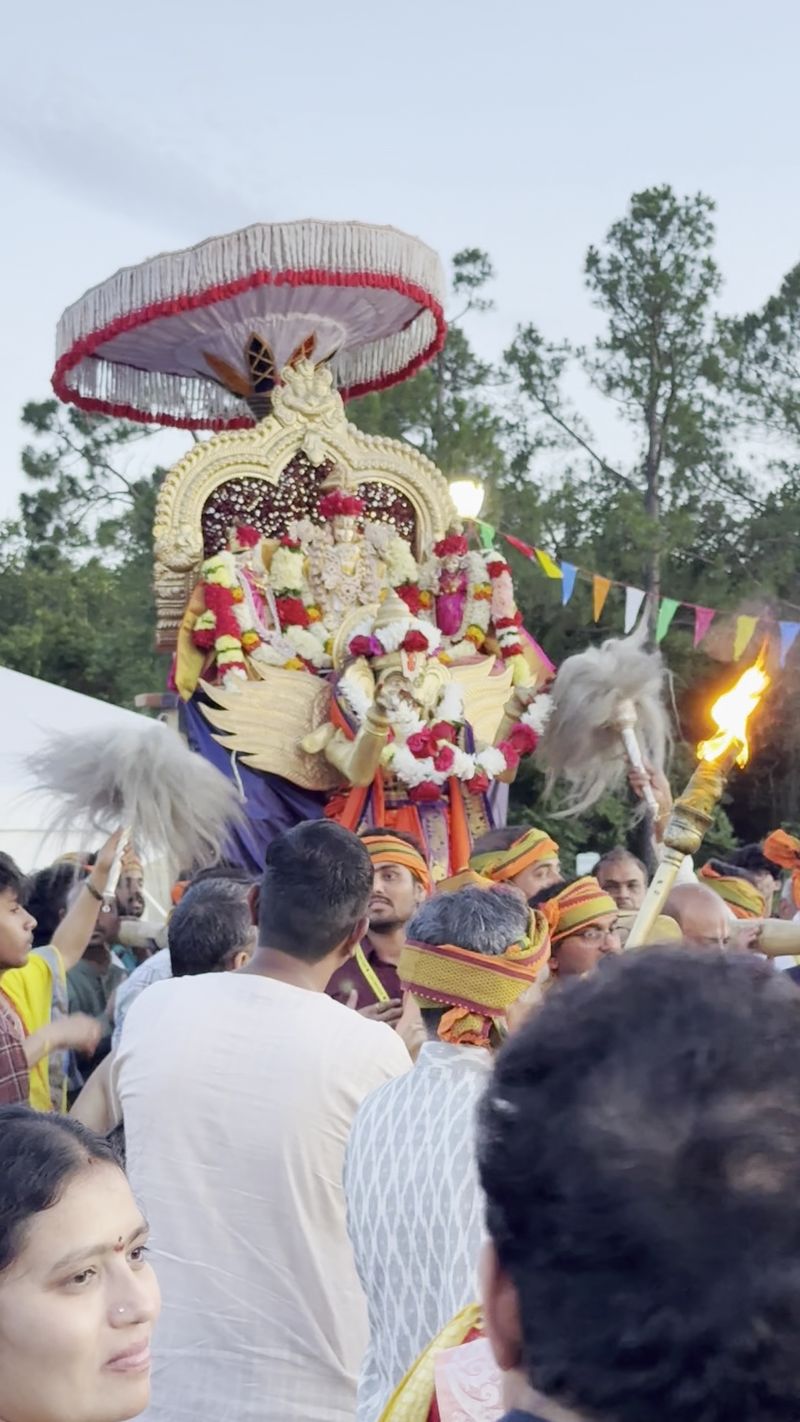
Among the many reasons people make the drive out to this temple, the festival calendar stands as one of the most compelling. Throughout the year, the temple hosts celebrations that bring the full color and energy of Indian religious tradition to the Oklahoma plains, drawing attendees from across the region.
Diwali at the temple has been described by visitors as genuinely transporting, creating an atmosphere so faithful to the original that it triggers deep feelings of nostalgia for those with Indian heritage. Shivaratri is another major event, observed with Veda chanting, Abhisheka, and Shiva Puja performed according to traditional guidelines.
The priests who lead these ceremonies bring both expertise and warmth to the proceedings.
Beyond the major festivals, smaller observances happen regularly throughout the month, keeping the temple calendar lively and giving the community frequent opportunities to gather. Visitors who have attended multiple events note how consistently well-organized each celebration is, with the temple managing large crowds while maintaining the reverent atmosphere that makes these occasions meaningful.
For families raising children far from India, these festivals serve a purpose beyond celebration: they are living lessons in heritage, language, and community identity, offered freely within a beautiful and dedicated space.
The Surrounding Landscape and Serene Setting
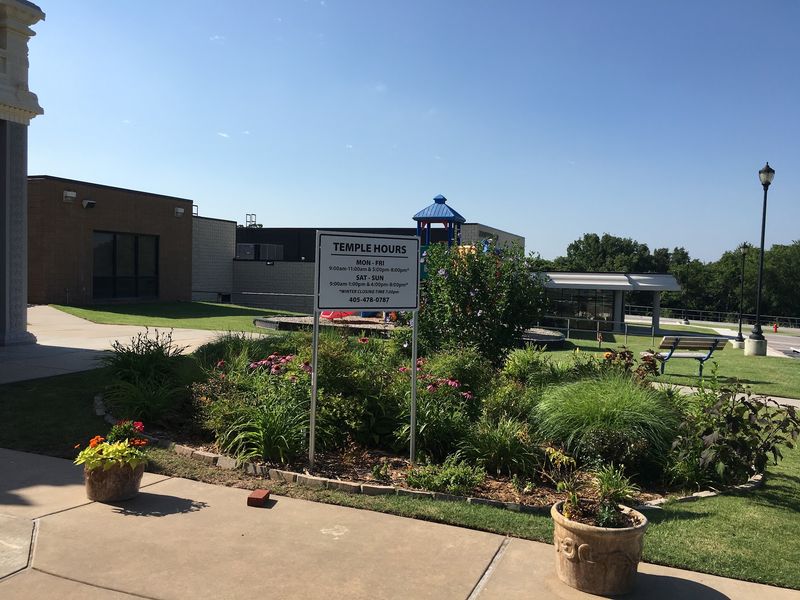
Part of what makes the experience here so distinctive is what surrounds the temple itself. Located away from the congested center of Oklahoma City, the grounds sit in an area characterized by open space, patches of mature greenery, and a quiet that feels genuinely restorative.
The neighborhood around the temple is calm and residential, which only amplifies the sense of sanctuary once you arrive.
Visitors frequently comment on how the natural setting complements the architecture. The contrast between the lush green surroundings and the ornate carved stone of the temple creates a visual harmony that photographs beautifully and feels even better in person.
On weekday mornings especially, the grounds carry an almost meditative stillness that is hard to find anywhere closer to the city center.
The parking lot is generously sized, making arrival straightforward even during well-attended events. The property feels well-maintained overall, with the landscaping kept in a condition that respects the sacred nature of the space.
Whether you arrive on a bright summer morning or during a cooler autumn afternoon, the setting has a quality that slows you down almost involuntarily. Oklahoma’s landscape can be dramatic, and here it frames a truly unexpected architectural treasure with understated grace.
The Priests and the Welcome Extended to Visitors
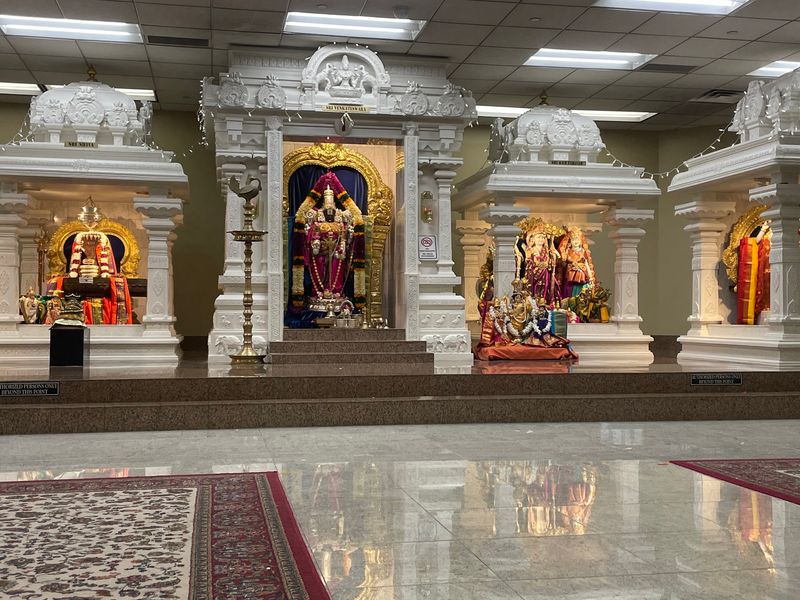
Walking into a temple for the first time can feel intimidating if you are unfamiliar with the customs and protocols. At the Hindu Temple of Oklahoma, many visitors have noted that the priests on duty work to make newcomers feel genuinely welcome rather than out of place.
The head priest has been described by multiple visitors as a kind and knowledgeable presence who takes time to explain the significance of what is happening during worship.
Informal tours have been offered on occasion, with community members walking visitors through the meaning of the carvings, the stories behind specific deities, and the structure of the ceremonies being performed. These conversations tend to be remembered fondly long after the visit itself, adding a human warmth to what might otherwise feel like a purely visual experience.
The priests follow traditional training and conduct ceremonies with evident care and precision. During major festivals, additional priests are brought in from other communities to ensure that observances meet the highest standards.
For devotees, this level of authenticity is deeply meaningful. For curious outsiders, it provides a rare opportunity to witness living religious tradition practiced with genuine dedication rather than performance.
The welcome extended here is one of the temple’s most quietly impressive qualities.
Classes, Community Programs, and Cultural Education
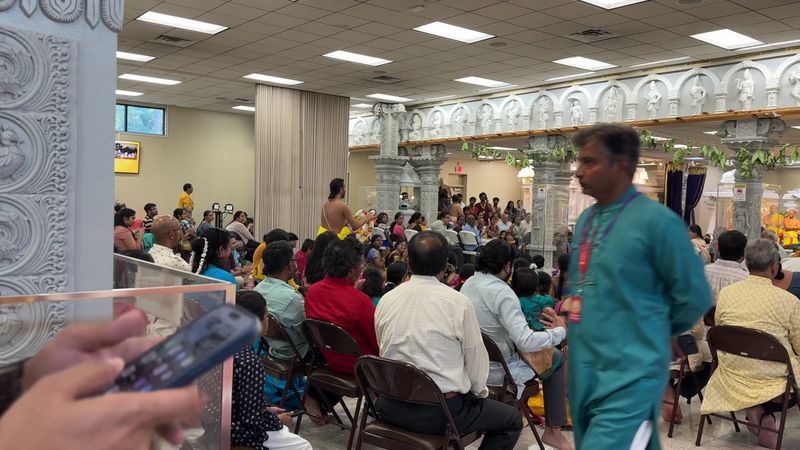
Beyond its role as a place of worship, the temple functions as a genuine community hub for Oklahoma’s South Asian population. Classes for children cover a range of subjects including Indian languages and Hindu mythology, giving younger generations access to cultural education that might otherwise be difficult to find in the region.
These programs reflect a broader mission that goes beyond religious observance. The temple serves as a living connection to heritage for families who have built their lives far from India, offering a space where cultural identity can be explored, celebrated, and passed on.
Parents who bring their children regularly speak about the value of having a local institution dedicated to preserving these traditions in an accessible and welcoming way.
Community gatherings happen throughout the year beyond the major festival calendar, and the temple’s event programming keeps the space active and relevant across generations. Weekend visits often coincide with these programs, making the temple a natural destination for families looking to spend meaningful time together while staying connected to their roots.
For visitors from outside the community, witnessing this aspect of the temple’s life offers a window into the richness of Oklahoma’s cultural diversity that rarely makes it into mainstream conversation about the state’s identity.
Food Served on Weekends
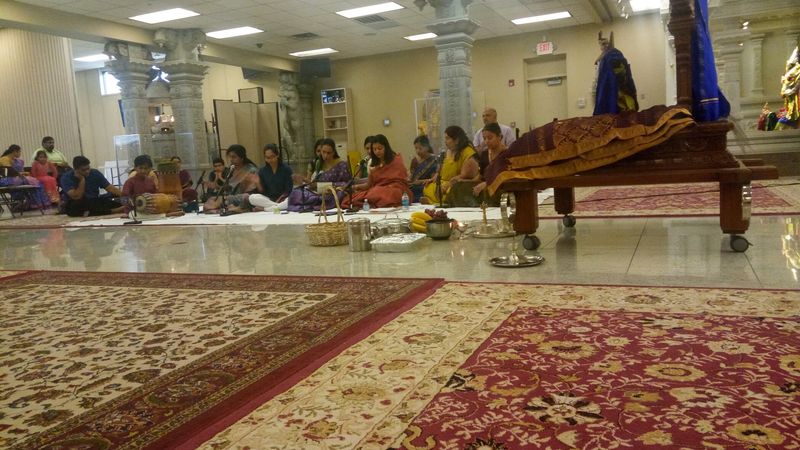
Weekend visits to the temple come with an added bonus that regulars know well. Food is served on weekends, prepared by community members and offered at remarkably modest prices.
Reports mention a full plate of home-cooked food available for around three dollars, with all proceeds going directly back to the temple.
The meals are described as home-style Indian cooking rather than restaurant fare, which is precisely the point. The food carries the kind of comfort and familiarity that commercial kitchens rarely replicate.
For visitors with Indian heritage, a plate of temple food can feel as spiritually nourishing as the prayers themselves. For first-time visitors, it offers an approachable and affordable introduction to South Indian cuisine in an authentic setting.
Timing your visit to coincide with a weekend morning session gives you the best chance of experiencing this aspect of temple life. The food is not guaranteed on every visit, so checking in advance with the temple is a good idea.
But when it is available, sharing a simple meal in the community space after Darshan adds a layer of warmth to the visit that lingers well beyond the drive home. It is a small detail that turns a sightseeing trip into something that feels genuinely participatory.
Who Will Enjoy Visiting Most
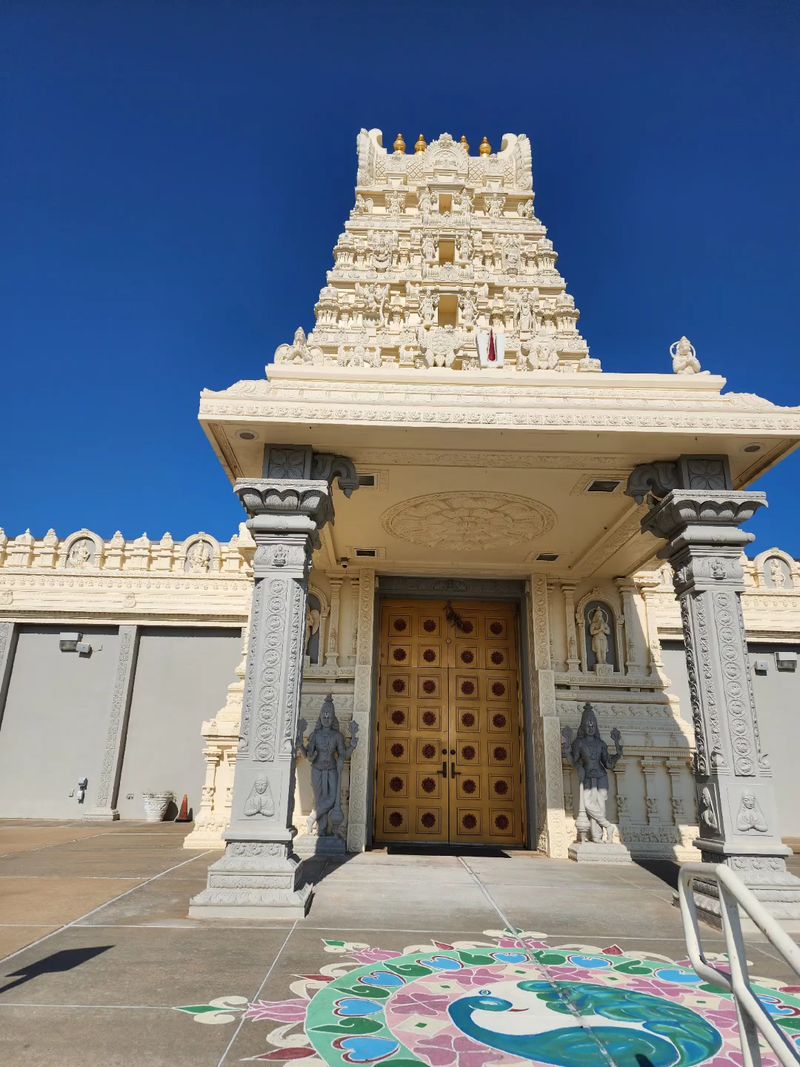
Architecture enthusiasts will find plenty to study here, from the structural logic of the Gopuram to the layered symbolism carved into every pillar and wall surface. The level of craftsmanship on display is genuinely world-class, and for anyone who appreciates traditional building arts, this temple delivers an experience that few places in Oklahoma can match.
Travelers with Indian heritage visiting or living in Oklahoma will likely feel an immediate and powerful connection to the space. The combination of familiar deities, traditional ceremony, and the sensory environment of incense and chanting creates something that multiple visitors have described simply as feeling like home.
That emotional resonance is not easy to manufacture, and it speaks to how faithfully the temple has been built and maintained.
Curious visitors without any prior connection to Hinduism are also warmly accommodated. The temple’s openness to respectful visitors from all backgrounds means that anyone genuinely interested in world cultures, religious traditions, or simply beautiful spaces will find the experience rewarding.
Families with children benefit from the educational dimension, both through the temple’s formal programs and through the simple experience of encountering a tradition so different from the mainstream Oklahoma landscape. Open-minded curiosity is really the only prerequisite for a meaningful visit here.
Hours, Access, and Practical Visiting Tips
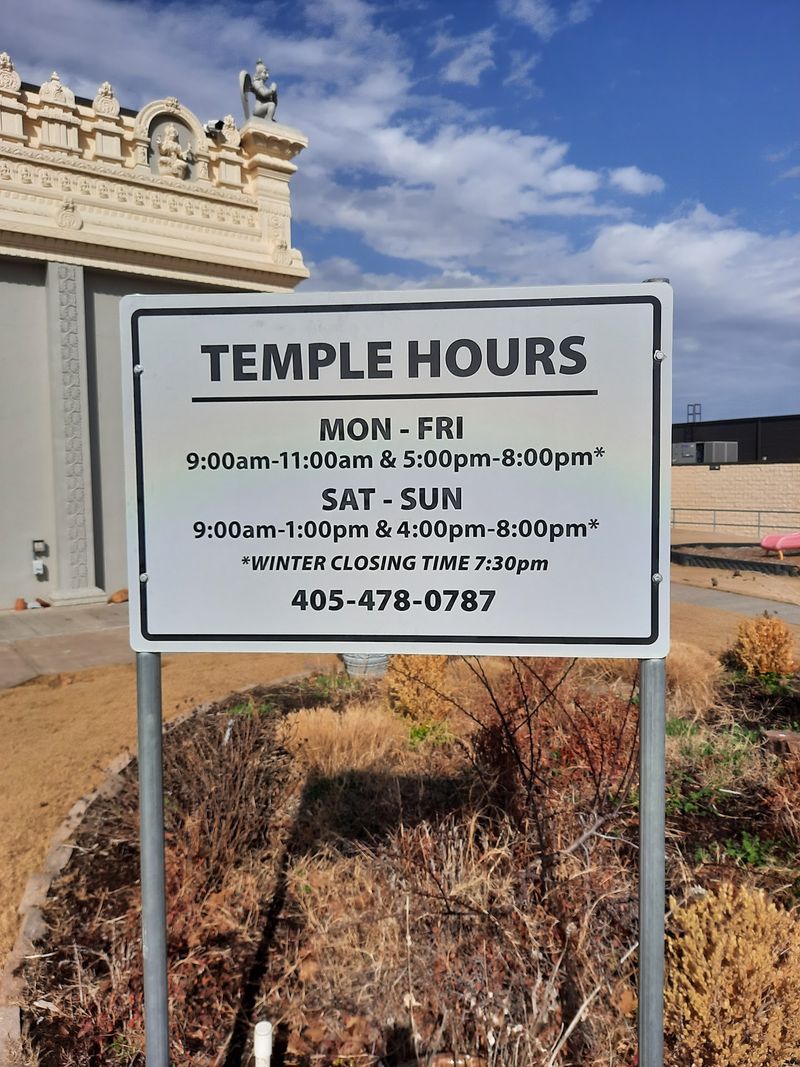
Planning your visit takes a little attention to the schedule, which varies by day of the week. On weekdays, Monday through Friday, the temple is open from 9 to 11 in the morning.
On weekends, Saturday and Sunday, hours extend from 9 in the morning until 1 in the afternoon, making weekend visits the more flexible option for most travelers.
The temple is located at 7200 N Coltrane Rd in Oklahoma City, positioned comfortably away from the busier downtown corridors. The drive out is straightforward, and the large parking lot means you will not spend time circling for a space even during busier weekend mornings.
Visitors recommend arriving a few minutes before closing to allow yourself adequate time inside without feeling rushed.
Dress modestly and be prepared to remove your shoes before entering the main sanctum, as is standard practice in Hindu temples. The temple’s website at hindutempleokc.org provides current information on festival dates, special events, and any schedule changes.
You can also reach the temple by phone at 405-478-0787 to confirm hours before making the drive. Checking ahead is especially worthwhile if you are traveling from outside Oklahoma City, since occasional private ceremonies may affect general visitor access on specific days.
Why This Temple Deserves a Place on Your Oklahoma List
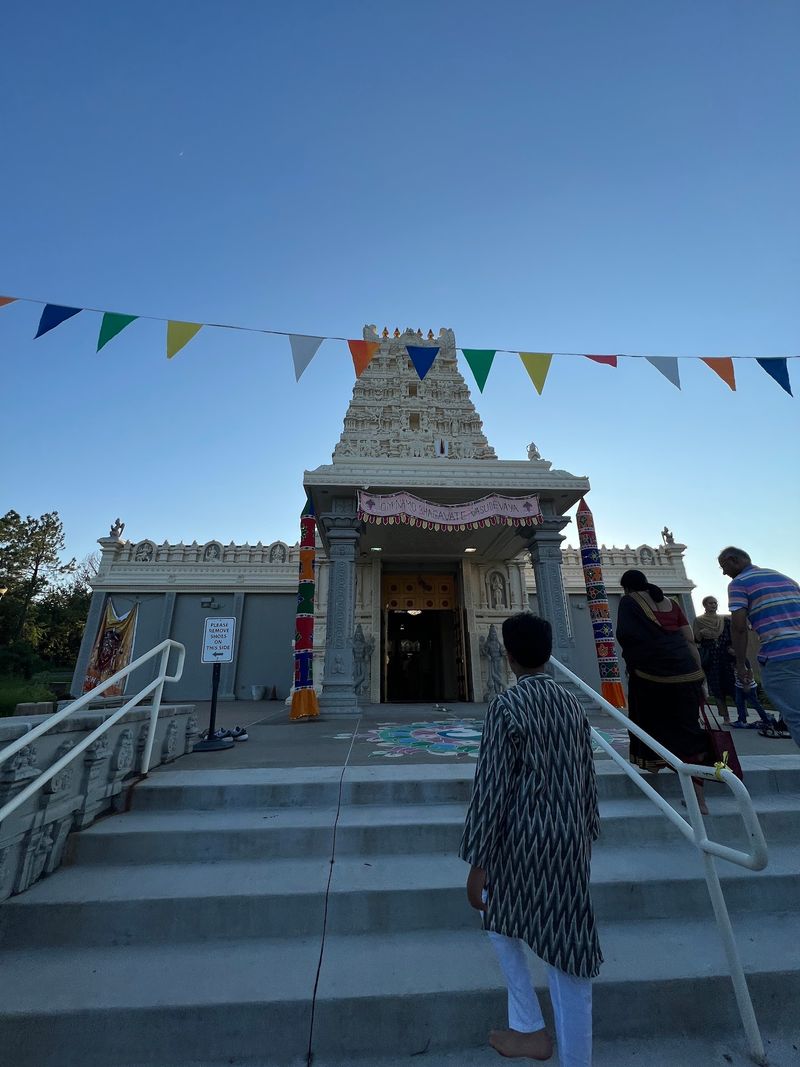
Oklahoma’s landscape is full of surprises, and this temple ranks among the most genuinely unexpected. Finding a structure of this architectural complexity and spiritual depth on the northeastern edge of Oklahoma City challenges every assumption about what the state has to offer beyond its more familiar landmarks.
The combination of factors here is hard to replicate elsewhere in the region. Traditional Vedic architecture built according to ancient guidelines, a comprehensive collection of deity shrines, an active festival calendar, community education programs, and a setting of quiet natural beauty all converge in one place.
Each element reinforces the others, creating a visit that feels layered and memorable rather than one-dimensional.
Visitors who make the trip tend to leave with a sense that they have encountered something genuinely rare. The temple earns its reputation not through novelty alone but through the sustained care and dedication that keeps it functioning as a living sacred space rather than a static exhibit.
Whether your motivation is architectural curiosity, cultural exploration, spiritual practice, or simply the pleasure of discovering something extraordinary in an unexpected place, the Hindu Temple of Oklahoma delivers. Putting it on your Oklahoma itinerary is one of the easier decisions you will make as a traveler in this state.
Share this story