Some rivers earn their reputation by being loud, crowded, and overrun with rental tubes stacked five deep. The Illinois River in northeastern Oklahoma takes a different approach, offering stretches that feel genuinely wild and unhurried.
Riverbend Floats, based just outside Tahlequah, taps into one of those quieter corridors, giving paddlers a nine-mile journey through clear water and tree-lined banks that feels nothing like a theme park. Whether you show up with a group of eighteen or just two, the experience has a way of resetting whatever noise followed you from the city.
Where Riverbend Floats Lives on the Map
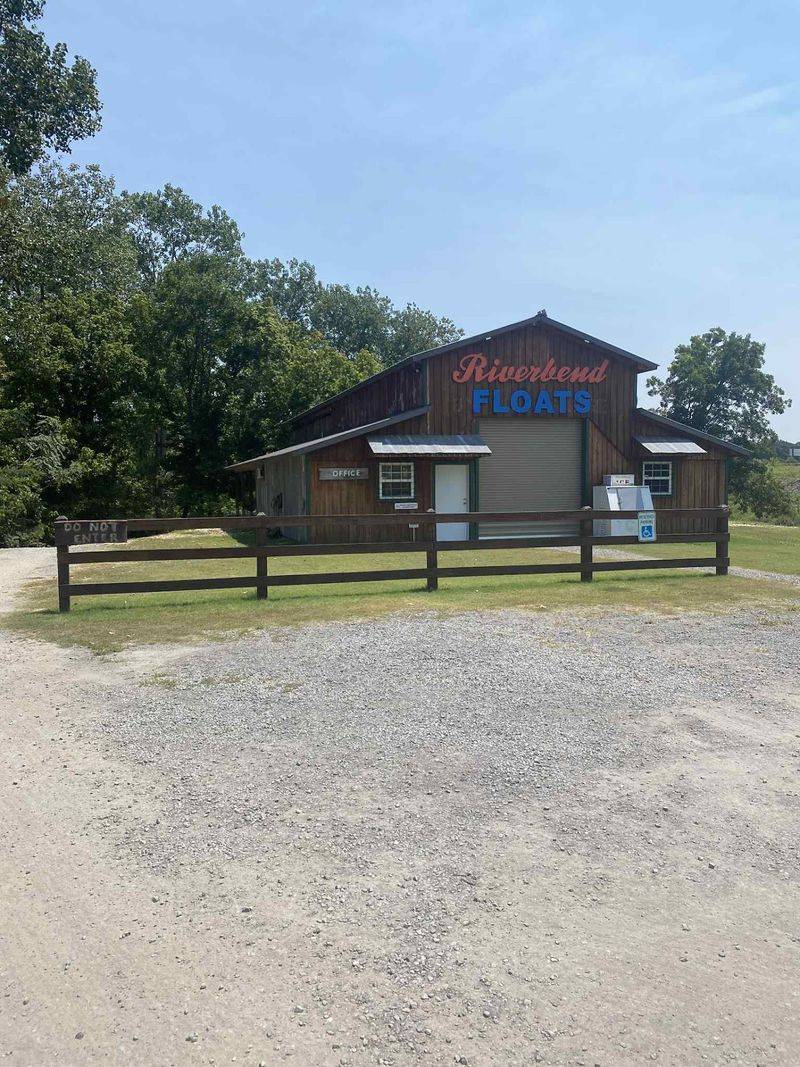
Riverbend Floats sits at 17252 OK-10, Tahlequah, Oklahoma 74464, tucked along the scenic Highway 10 corridor that follows the Illinois River through Cherokee County. Tahlequah, the capital of the Cherokee Nation, anchors this part of northeastern Oklahoma and gives the region a cultural depth that goes well beyond river recreation.
The property operates as both a float outfitter and a lodging destination, so guests can arrive the night before, sleep on-site, and wake up steps away from their launch day. That combination of convenience and setting is part of what makes Riverbend feel like more than just a put-in point.
Highway 10 itself is worth noting. The drive from Tahlequah toward the outfitter winds through dense Ozark-influenced forest, offering a preview of the scenery waiting on the water.
First-time visitors often remark that the landscape surprises them, expecting flat Oklahoma and finding rolling green hills instead. The GPS coordinates land you at 35.927532, -94.925563, which places the operation right against the river corridor.
You can reach the team by phone at 918-207-5373 or book online at riverbendfloats.com.
The Illinois River and What Makes It Different
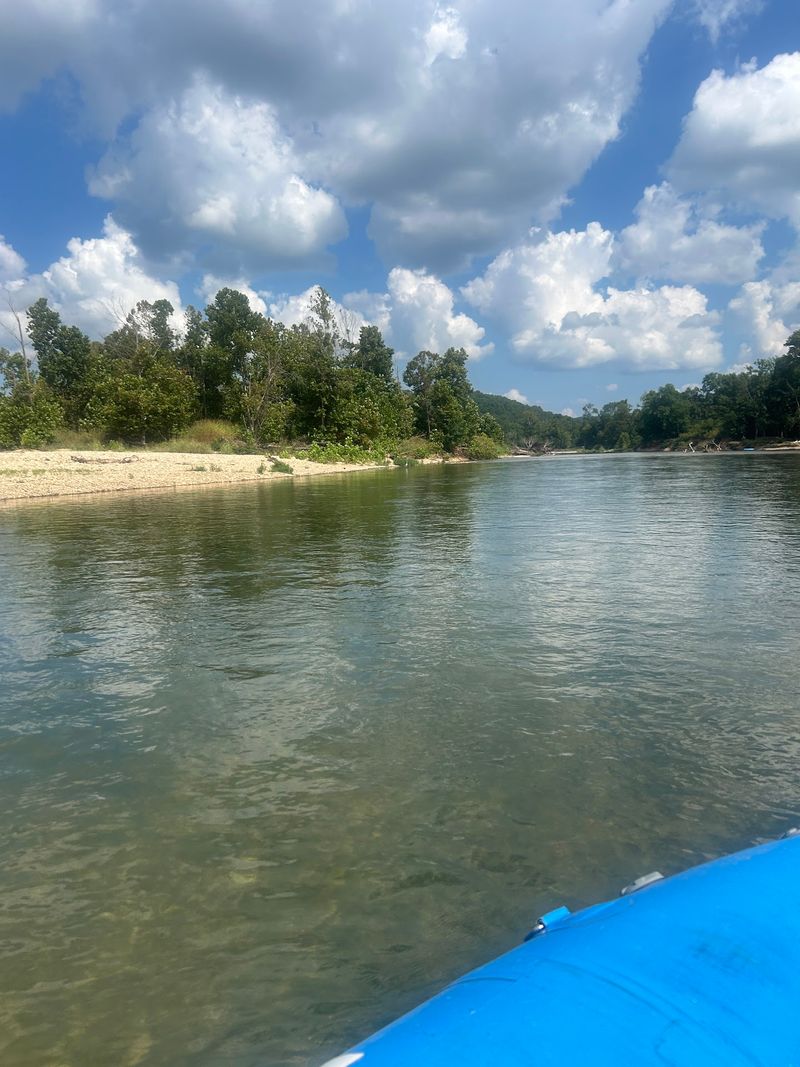
Not every river in Oklahoma runs clear enough to see the bottom at four feet deep, but the Illinois does. Fed by springs and shaded by dense canopy, it maintains water temperatures and clarity levels that set it apart from many Midwest float destinations.
Most of the nine-mile stretch paddled through Riverbend sits between three and four feet deep, with occasional shallows and a few deeper pools that keep the float interesting.
The river moves at a pace that suits first-timers without boring experienced paddlers. Current exists, but it is not aggressive.
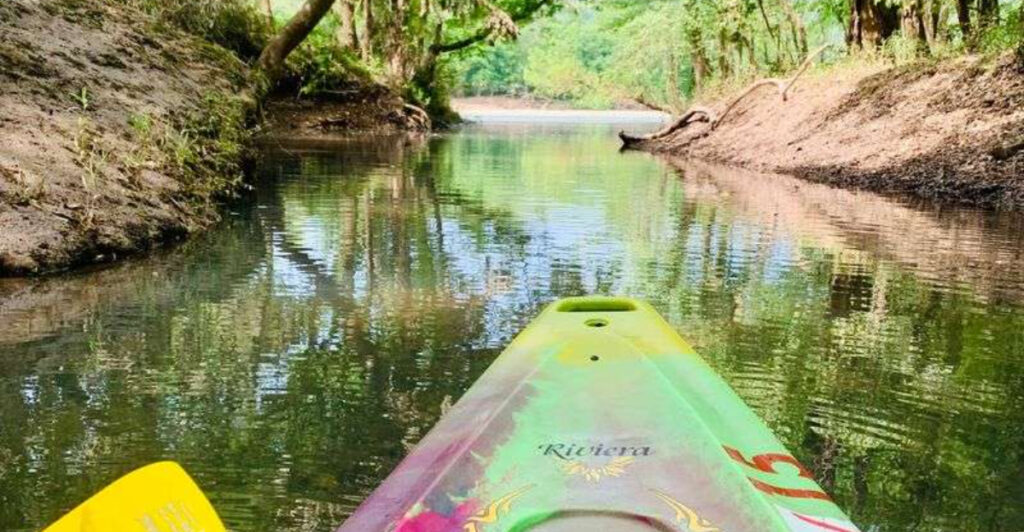
On calm days, the water surface reflects the surrounding forest so cleanly that it can be hard to tell where the treeline ends and the river begins.
One honest note from people who have done the full nine miles: the float is more physical than the word “float” suggests. Arms and shoulders get a genuine workout, and the full trip typically runs four to six hours.
Bringing plenty of water and snacks is genuinely important, not just a polite suggestion. The river rewards preparation, and those who come ready tend to leave with wide smiles and pleasantly tired arms.
The Float Options Available
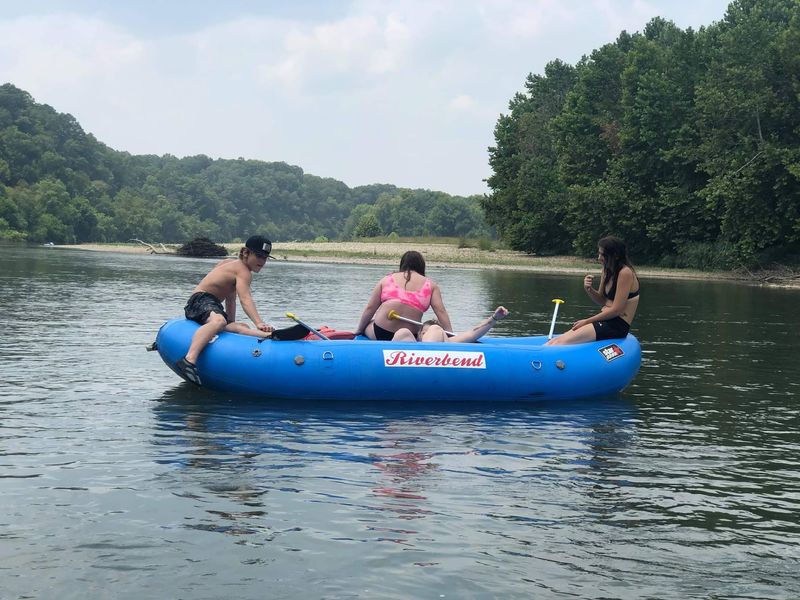
Riverbend offers two primary float lengths, commonly referred to as the long float and the short float. Both routes move through the scenic corridor the outfitter is known for, but the nine-mile long float is the one that tends to leave the strongest impression.
It commits you to a half-day on the water and delivers the kind of sustained river experience that a shorter trip cannot fully replicate.
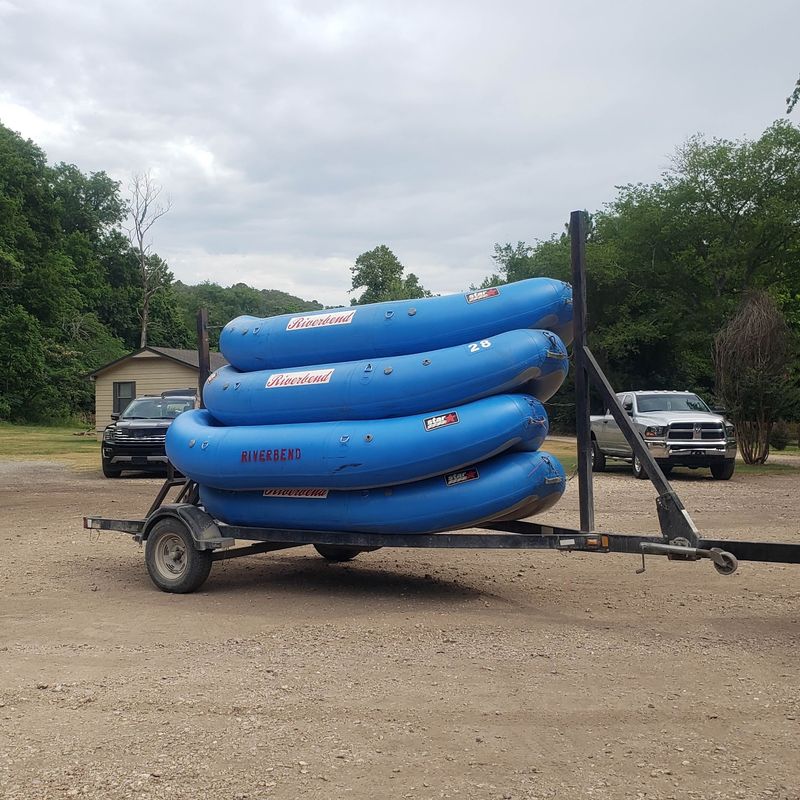
Craft options include rafts and kayaks. Rafts are priced per vessel rather than per person, which makes them an economical choice for groups.
A raft that officially seats up to six adults runs around $118, though paddlers who have done the trip note that four adults is a more comfortable fit when you factor in a cooler and gear.
Kayaks are available for those who prefer a solo or tandem experience with more maneuverability. Some regulars find kayaks easier to steer through the shallower sections where rafts occasionally require a brief walk-through.
An add-on cooler raft is available for an additional fee, and groups of five or more are strongly encouraged to consider it for comfort and convenience on the longer route.
How the Booking and Check-In Process Works
Getting on the water with Riverbend starts online at riverbendfloats.com, where reservations can be made in advance. The booking process is straightforward, and the team is reachable by phone at 918-207-5373 for anyone who prefers to talk through options before committing.
Groups with unusual logistics, like a party of eighteen that needed a time adjustment, have found the staff genuinely responsive and willing to work things out.
Check-in on the day of the float runs efficiently. Most visitors move through the process quickly and without confusion.
Keys can be stored at the front desk, which is a practical detail worth knowing before you load up a raft with valuables.
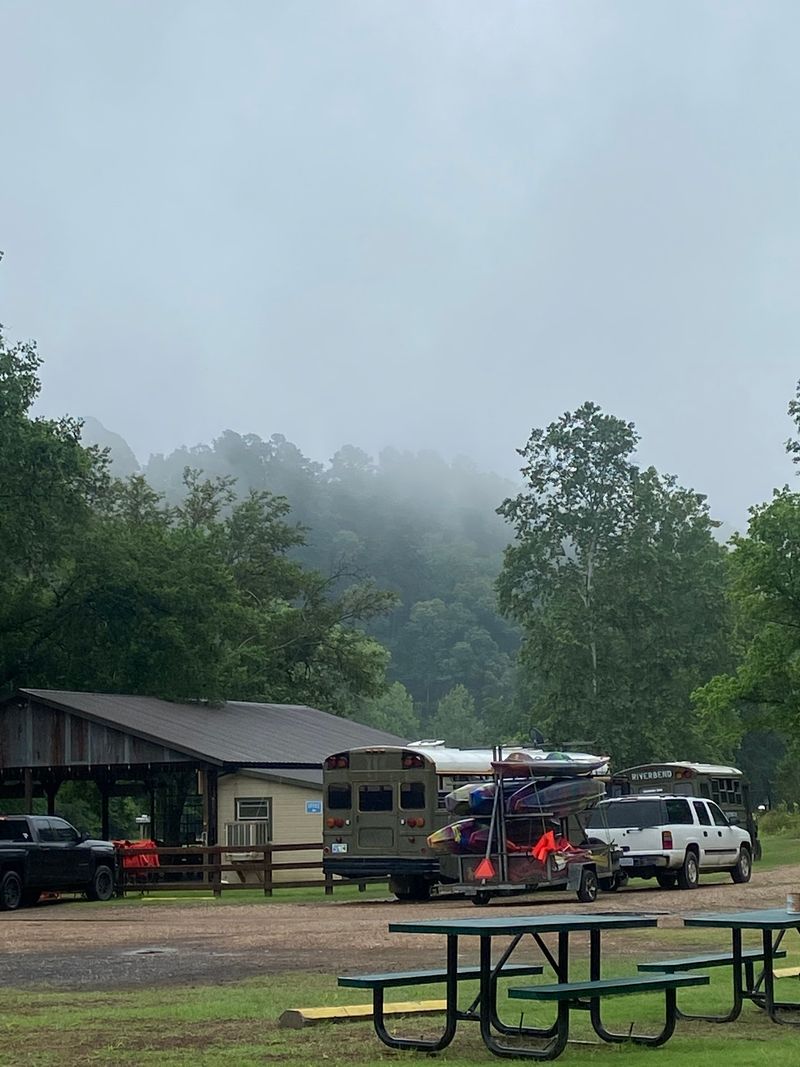
Once checked in, guests board a bus that transports them to the drop-off point upstream. The ride down the dirt road to the river is notoriously bumpy, and at least one visitor’s back has strong opinions about the ruts.
It is a minor inconvenience in the context of an otherwise smooth operation, but bringing a small cushion or bracing yourself for the ride is genuinely useful advice. The staff handles the logistics so paddlers can focus on enjoying the day ahead.
What the Staff Actually Brings to the Experience
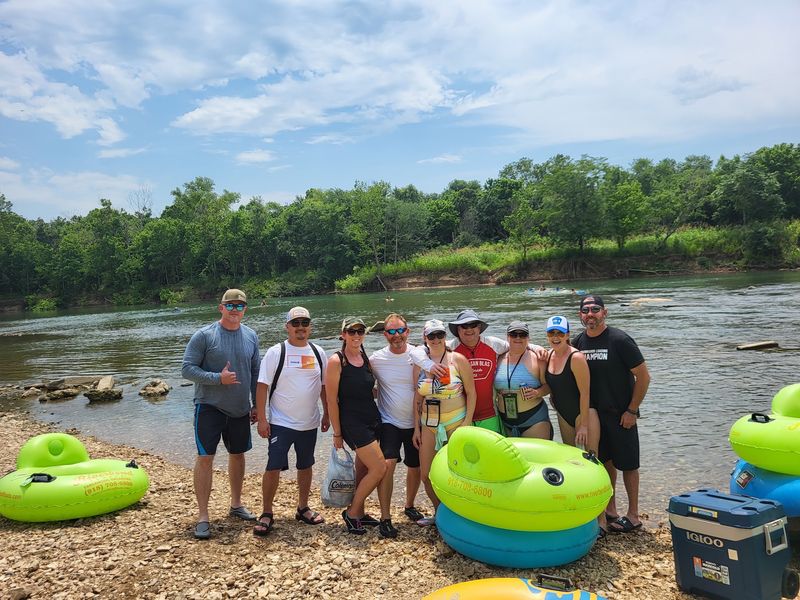
A float trip lives or falls on the people running it, and Riverbend’s team earns consistent recognition for being genuinely helpful rather than just technically present. From the initial phone call through the shuttle ride and the pull-out at the end of the float, the crew stays engaged and responsive in a way that makes the whole day feel supported.
When water levels rise unexpectedly, the staff communicates proactively through text, email, and phone rather than leaving guests guessing. On days when kayaking becomes unsafe due to high water, Riverbend has upgraded guests to rafts at no extra charge rather than simply canceling.
That kind of flexibility, especially for people who have driven three hours to get there, reflects an operation that takes its guests seriously.
At the end of the nine-mile float, staff members help guests up the riverbank, a detail that sounds small until your arms have been paddling for five hours and the bank is steeper than expected. One group that finished past their scheduled time found the owner waiting to speak with each of them personally.
That level of follow-through is not something every outfitter bothers with, and it sticks with people long after the trip is over.
Weather Policies and the Safety-First Approach
River conditions change fast in northeastern Oklahoma, and Riverbend has built its weather communication around that reality. When storms roll in or water levels spike, the team sends updates by text, email, and phone call throughout the day so guests are never left wondering what is happening.
For families who have planned a trip weeks in advance, that transparency removes a significant layer of stress.
Safety drives the decision-making when conditions turn questionable. Guests with young children have been offered future-date options rather than being pushed onto a river running too high for safe passage.
The staff is direct about risk without being alarmist, which helps guests make informed choices rather than feeling pressured either way.
When a reservation does get interrupted by weather, Riverbend’s standard approach involves promotional codes that carry the original payment forward rather than issuing refunds that disappear into processing queues. It is a practical solution that keeps guests connected to a future visit.
The overall philosophy seems to be that a safe, well-timed float is worth waiting for, and the team communicates that without making guests feel like an inconvenience for asking questions or needing to reschedule.
The Nine-Mile Float as a Physical Experience
Calling the nine-mile route a “float” sets a relaxed expectation that the river occasionally challenges. The current helps, but it does not do all the work.
Paddlers cover the distance in roughly four to six hours depending on pace, breaks, and water levels. Arms and shoulders feel the effort by mile six, and the final stretch tends to reveal which members of a group packed enough water and which ones did not.
Eight twenty-ounce bottles of water for two people turned out to be not quite enough on one summer trip, which gives a useful reference point for planning. Snacks that do not require refrigeration and can be eaten one-handed are practical choices.
The river has shaded sections, but direct sun exposure is real on open stretches, and sunscreen deserves a spot on the packing list alongside the paddles.
There are three or four shallow sections on the nine-mile route where water drops below eighteen inches and paddlers need to step out and pull their craft through. These moments are brief and add a sense of adventure rather than frustration.
The reward for pushing through the full distance is a genuine feeling of accomplishment that a two-hour float simply cannot match.
Group Trips and What Makes Them Work Here
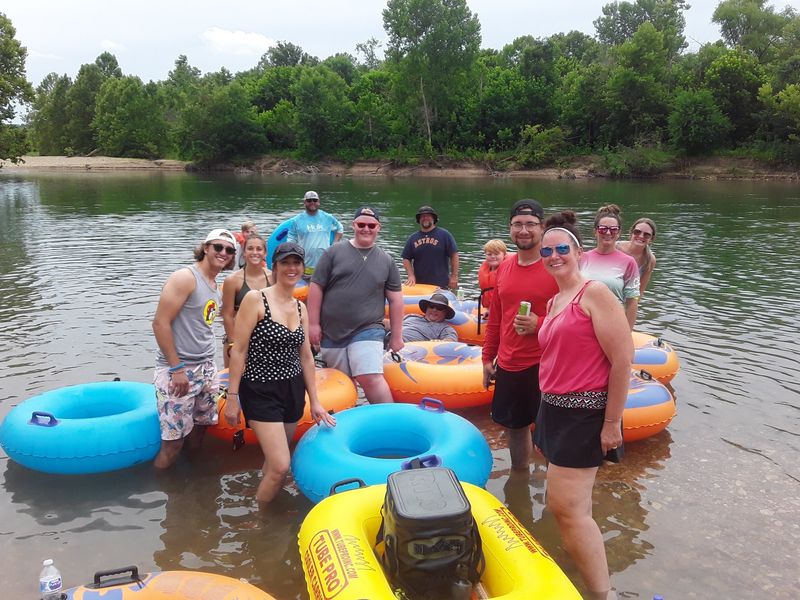
Large groups have a way of turning a float trip into something entirely different from a solo outing, and Riverbend seems built with that dynamic in mind. A group of eighteen once needed a last-minute time adjustment, and the staff handled the logistics without making the guests feel like a burden.
That responsiveness matters when coordinating multiple vehicles, schedules, and personalities on a single day.
The pricing structure helps groups, too. Paying per raft rather than per person means that filling a vessel to a comfortable capacity of four adults brings the per-person cost down considerably.
Families and friend groups who spread across two or three rafts tend to stay loosely together on the river, creating a natural convoy that lets people drift apart and reconnect throughout the day.
Dogs are welcome for a $15 fee, which opens the trip to a segment of the traveling public that often gets turned away at outdoor recreation companies. A cooler raft is available as an add-on, and groups with five or more people on a single vessel will likely find it worth the extra cost.
The combination of pet-friendly policies, flexible craft options, and accommodating staff makes Riverbend a strong choice for anyone organizing a multi-person outing.
Weekday Floats and the Quiet River Advantage
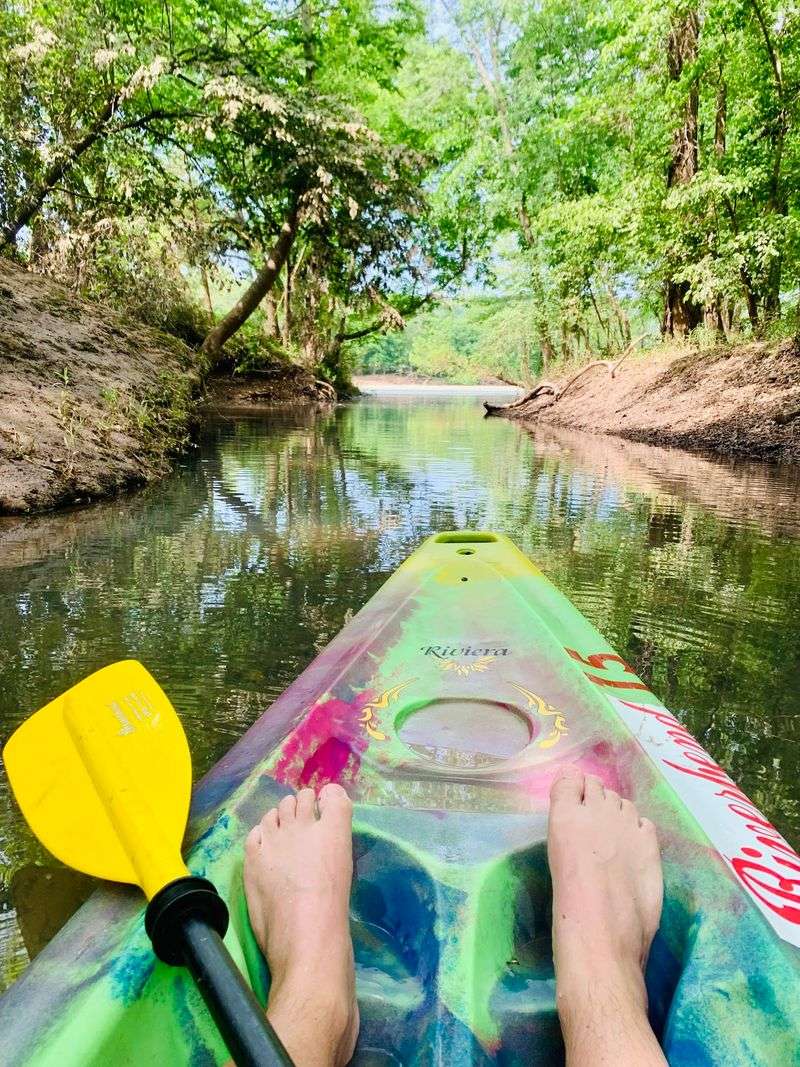
One of the more compelling reasons to plan a weekday visit rather than a weekend trip is the sheer absence of other people on the water. Several regular visitors specifically mention going during the week because the river feels entirely their own.
No competing music, no crowded put-ins, no navigating around strangers’ rafts in the shallows. Just the river, the trees, and whoever came with you.
Weekend floats on the Illinois River corridor can draw significant traffic from Tulsa and surrounding areas, particularly during summer. Riverbend’s location on a quieter stretch helps, but a Tuesday or Wednesday visit takes the solitude factor to another level entirely.
The check-in process moves faster with fewer people in line, and the shuttle to the launch point feels less chaotic.
For families with school-age children, a summer weekday trip requires some schedule flexibility but pays off in a calmer, more focused experience. Retirees, remote workers, and anyone with a flexible schedule tend to rank the midweek float among their best outdoor decisions of the year.
The river does not change between Monday and Saturday, but the experience of being on it absolutely does, and Riverbend’s midweek crowd is a fraction of what shows up on a holiday weekend.
Lodging at Riverbend Resort
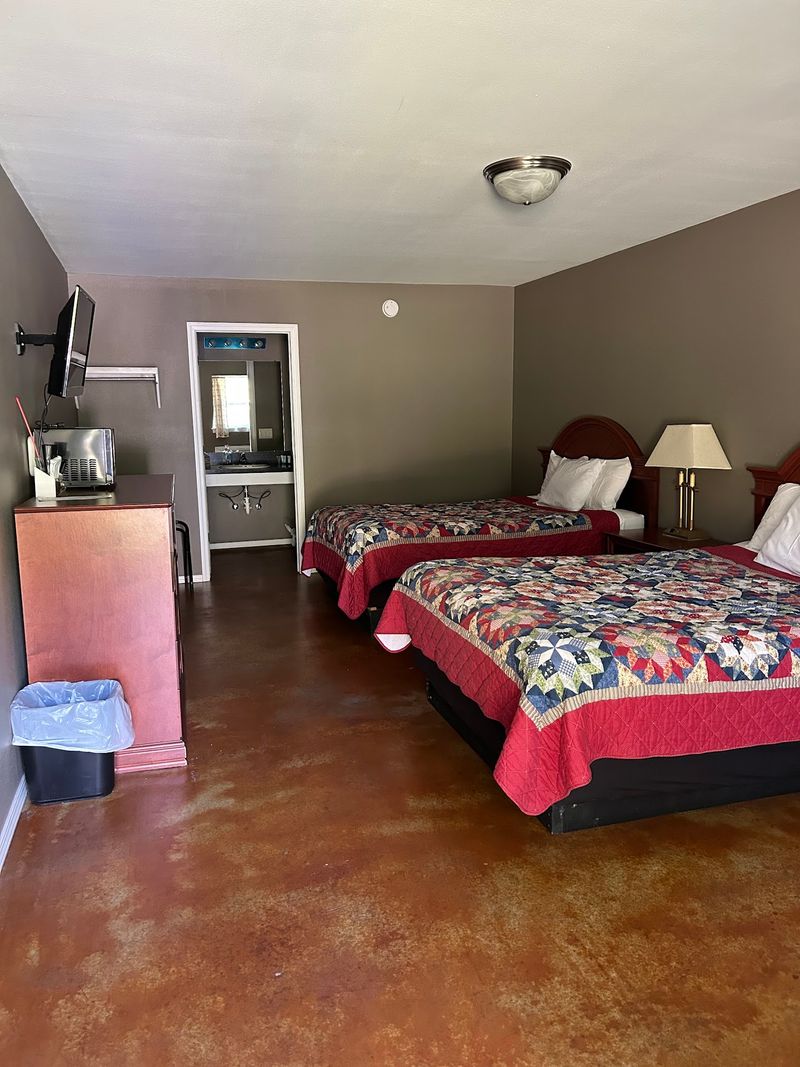
Beyond the float itself, Riverbend operates lodging on the property under the Riverbend Resort and Inn umbrella. Guests who stay overnight arrive at a property where the rooms come equipped with microwaves, mini fridges with freezers, televisions with streaming access, coffee makers, and air conditioning that actually works.
Soap, towels, and comfortable beds round out the basics without requiring guests to haul supplies from home.
The Big House is a larger accommodation option that has drawn return visits from groups who appreciate having actual bedrooms rather than bunk arrangements. A fully stocked kitchen, fire pit, patio furniture, and outdoor grill area make it well-suited to groups who want to extend the river experience into the evening.
Hot water held up even after an entire group cycled through the showers, which is the kind of detail that matters after five hours on the water.
Staying on-site removes the logistics of finding a nearby hotel and driving back to the river in the morning. Guests who combine a night at the inn with a float day tend to describe the experience as a complete weekend getaway rather than just a recreational outing.
The combination of comfort and proximity to the river is a genuine differentiator for Riverbend compared to outfitters that only handle the water portion of the trip.
The Scenery Along the Float Route
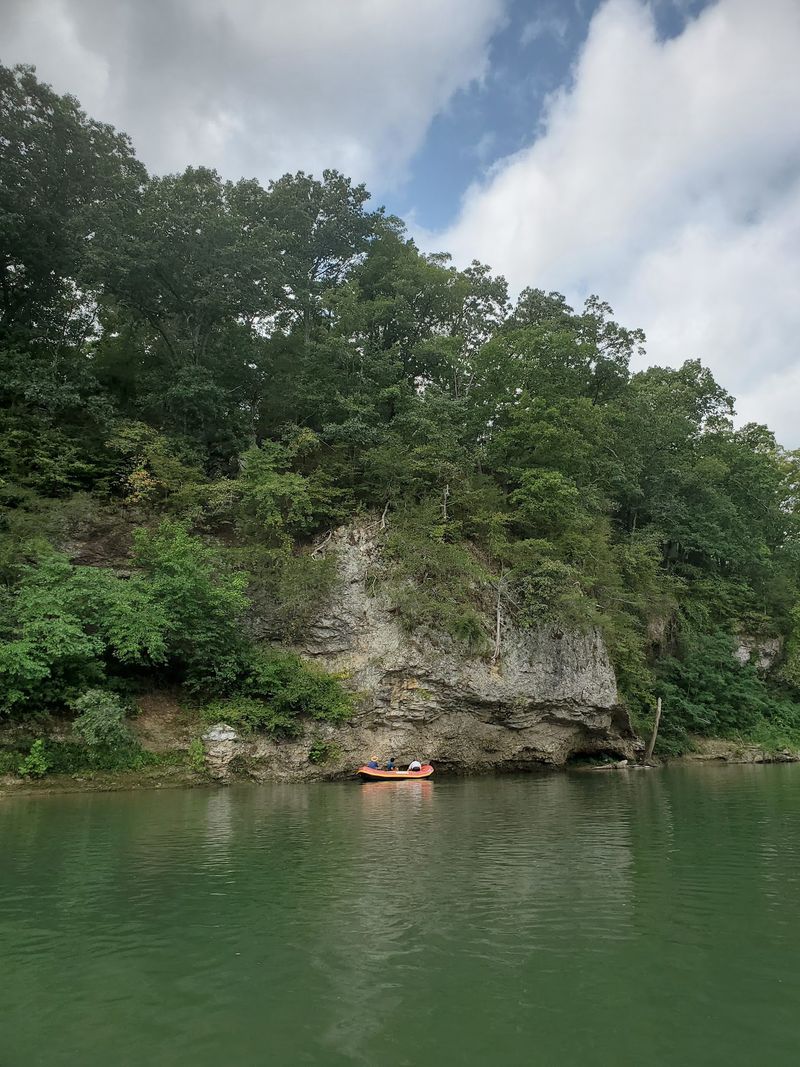
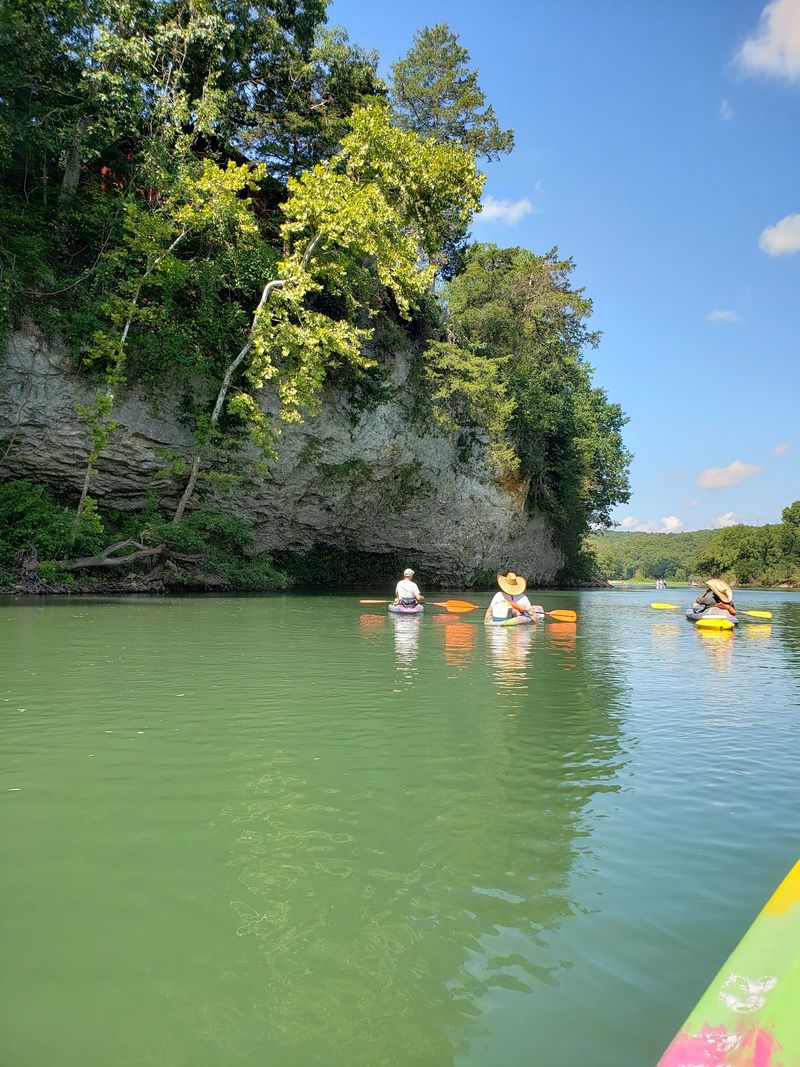
Northeastern Oklahoma does not always get credit for its natural beauty, but the Illinois River corridor around Tahlequah makes a strong argument for a second look. The banks along Riverbend’s float route stay heavily forested, with hardwoods leaning over the water and creating canopy coverage that keeps sections of the river cool even on warm summer days.
Rocky outcroppings appear at intervals, and the riverbed alternates between sandy flats and gravelly shallows that catch the light in interesting ways. The water clarity on a calm day is striking.
Watching the bottom pass beneath a raft at four feet down with full visibility is the kind of sensory detail that gets mentioned repeatedly by people describing the trip to friends back home.
Wildlife sightings are a quiet bonus of the route. Great blue herons, kingfishers, and turtles on sun-warmed rocks are common companions on the float.
The absence of development along the banks for most of the route reinforces the sense of being genuinely away from the ordinary. One visitor noted that their group had the entire river to themselves on a perfect-weather day, which captures exactly the kind of experience Riverbend’s location makes possible.
Practical Details Worth Knowing Before You Go
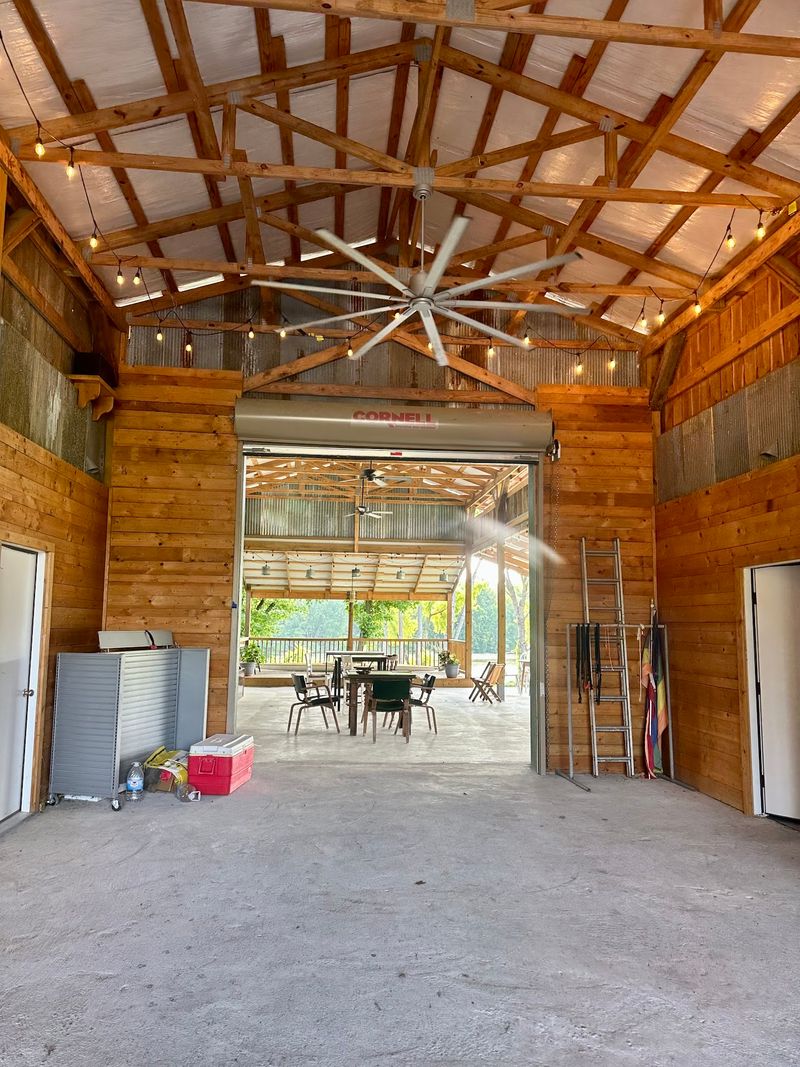
A few logistical notes can make the difference between a smooth day and a frustrating one. Parking at Riverbend can be tight, particularly on busy weekends, so arriving with extra time before your scheduled check-in is worth doing.
Keys should be stored at the front desk rather than carried on the water, and anything that cannot get wet should stay in a dry bag or be left behind entirely.
The shuttle ride to the launch point travels a dirt road with notable ruts, so bracing for a bumpy few minutes is genuinely useful preparation. Board shorts with a mid-thigh or longer inseam are recommended for raft paddlers who straddle the side of the vessel during the float.
Shorter inseams can cause chafing and bruising from extended contact with the raft material, which is the kind of gear note that sounds minor until it isn’t.
Guests must be off the river by approximately 6:00 or 7:00 p.m., so starting early in the day gives the most comfortable margin for the nine-mile route. Bringing a cooler with food and plenty of water is strongly encouraged.
The outfitter handles the transportation and equipment; guests handle their own comfort supplies, and the day goes considerably better when that preparation happens before leaving home.
Ratings, Reputation, and What Keeps People Returning
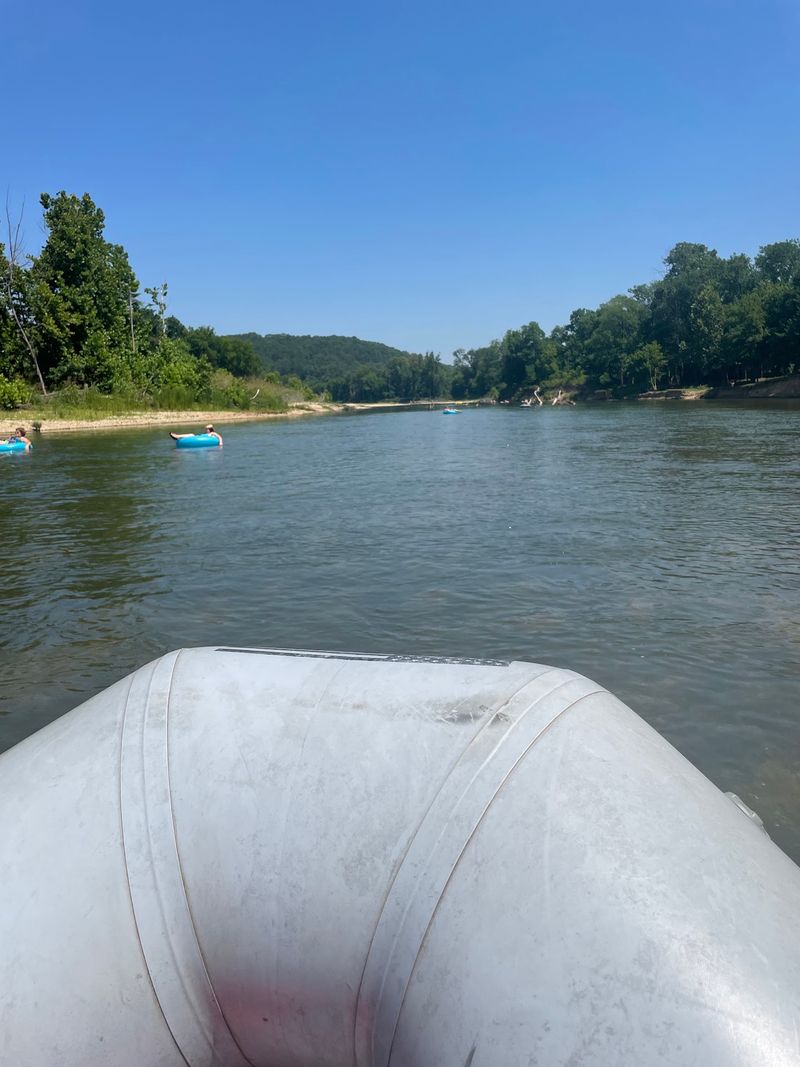
Riverbend Floats carries a 4.7-star rating across 596 reviews on Google Maps, a number that reflects consistent performance over multiple seasons rather than a single viral moment. The volume of reviews suggests a steady, returning customer base rather than a flash-in-the-pan popularity spike.
The patterns in guest feedback point to a few consistent strengths: responsive communication, flexible handling of weather disruptions, equipment that holds up, and staff who stay present from check-in through the final pull-out at the end of the float. Repeat visitors show up in the reviews with notable regularity, with some families and friend groups returning annually and treating the trip as a standing tradition.
The one area of consistent feedback worth noting involves the dirt road shuttle ride, which earns its own mention in multiple reviews as the bumpiest part of an otherwise smooth experience. The operation clearly knows about it.
Beyond that, the complaints are sparse and the resolutions tend to be handled directly and generously. A 4.7 across nearly 600 reviews is not accidental.
It reflects an outfitter that has figured out what its guests actually need and delivers it with enough consistency to earn a return trip almost every time.
Why Riverbend Floats Earns a Spot on the Oklahoma Bucket List
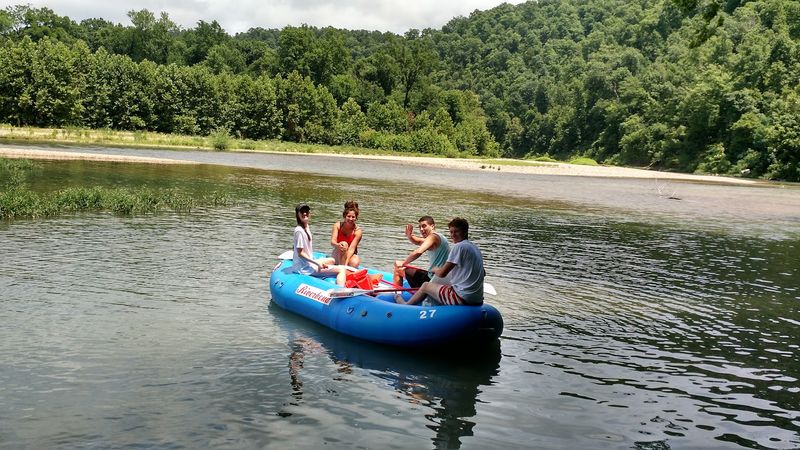
There is a particular kind of outdoor experience that combines physical effort, natural beauty, and genuine human hospitality in a way that makes the whole thing greater than the sum of its parts. Riverbend Floats hits that combination more reliably than most operations of its kind.
The Illinois River provides the setting, the staff handles the logistics, and the nine miles in between belong entirely to whoever is on the water.
The property suits a wide range of visitors. Families with young children can opt for the shorter float and keep the day manageable.
Adults looking for a half-day physical challenge find the nine-mile route genuinely rewarding. Groups celebrating occasions or just escaping the city for a weekend find the combination of on-site lodging and river access hard to replicate elsewhere in the region.
Tahlequah sits within driving distance of Tulsa, Fayetteville, and Oklahoma City, making Riverbend a realistic destination for a large portion of the southern Midwest. The river does not require prior experience, the equipment is solid, and the staff makes first-timers feel capable from the start.
For anyone who has been meaning to float the Illinois River and hasn’t found quite the right entry point, Riverbend is a very good place to start.
Share this story