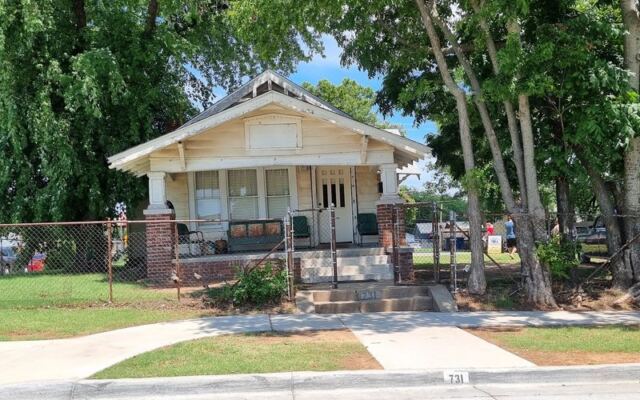
Somewhere in Oklahoma, a modest two-story house sits on a quiet street looking almost too ordinary to stop for – until you realize you have seen it before, on screen, decades ago. Fans have driven from as far as Alabama, eleven hours one way, just to stand on its front porch.
The Outsiders House Museum in Tulsa is one of those rare places that turns a childhood memory into something you can actually touch, walk through, and feel all over again. If you grew up with S.E.
Hinton’s story, or discovered it through the musical, this stop will hit harder than you expect.
The Address That Started It All
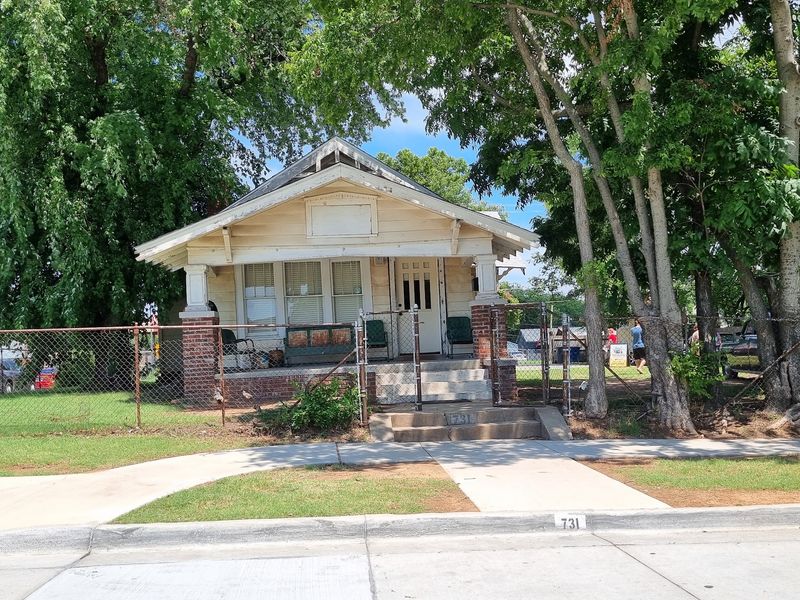
Tucked into a north Tulsa neighborhood at 731 N St Louis Ave, this unassuming house looks like hundreds of others on Oklahoma streets. Nothing about the block screams landmark.
There is no flashing marquee, no giant billboard, and no tourist corridor surrounding it. Just a house, a porch, and a whole lot of history baked into the wood and walls.
Francis Ford Coppola chose this location in 1982 to film the screen adaptation of S.E. Hinton’s beloved novel.
The house stood in for the Curtis brothers’ home, and every room visible in the film was shot right here in Tulsa. Decades later, fans still make pilgrimages from across the country to stand exactly where their favorite characters once stood.
The surrounding neighborhood adds to the atmosphere in a way no studio set ever could. Visitors mention feeling an immediate shift when they turn onto the block, like stepping into a slightly older version of the world.
That sense of place is part of what makes the museum feel so different from a typical film exhibit housed in a sterile building somewhere far from where the story actually happened.
A Movie, A Book, and One Woman’s Vision
S.E. Hinton wrote The Outsiders as a teenager growing up in Tulsa, and the story has never really left this city.
The novel follows the Curtis brothers and their friends, a group of working-class kids called the Greasers, navigating rivalry, loyalty, and identity in 1960s Oklahoma. When Coppola brought the story to film in 1983, he kept the production close to its roots and shot much of it right in Tulsa.
The cast that assembled here reads like a who’s-who of early Hollywood royalty – Tom Cruise, Patrick Swayze, Emilio Estevez, Rob Lowe, C. Thomas Howell, and Diane Lane among them.
Many were unknowns at the time, and the film helped launch careers that would define a generation of cinema. That backstory gives the house a cultural weight that goes well beyond a single movie.
The museum was brought to life through the determination of Danny Boy O’Connor, a dedicated fan who purchased and restored the property so that future generations could experience the story in its original setting. Visitors frequently mention that learning this history during the tour makes the whole experience feel even more meaningful than just seeing props and costumes on display.
The Front Porch Every Fan Photographs First
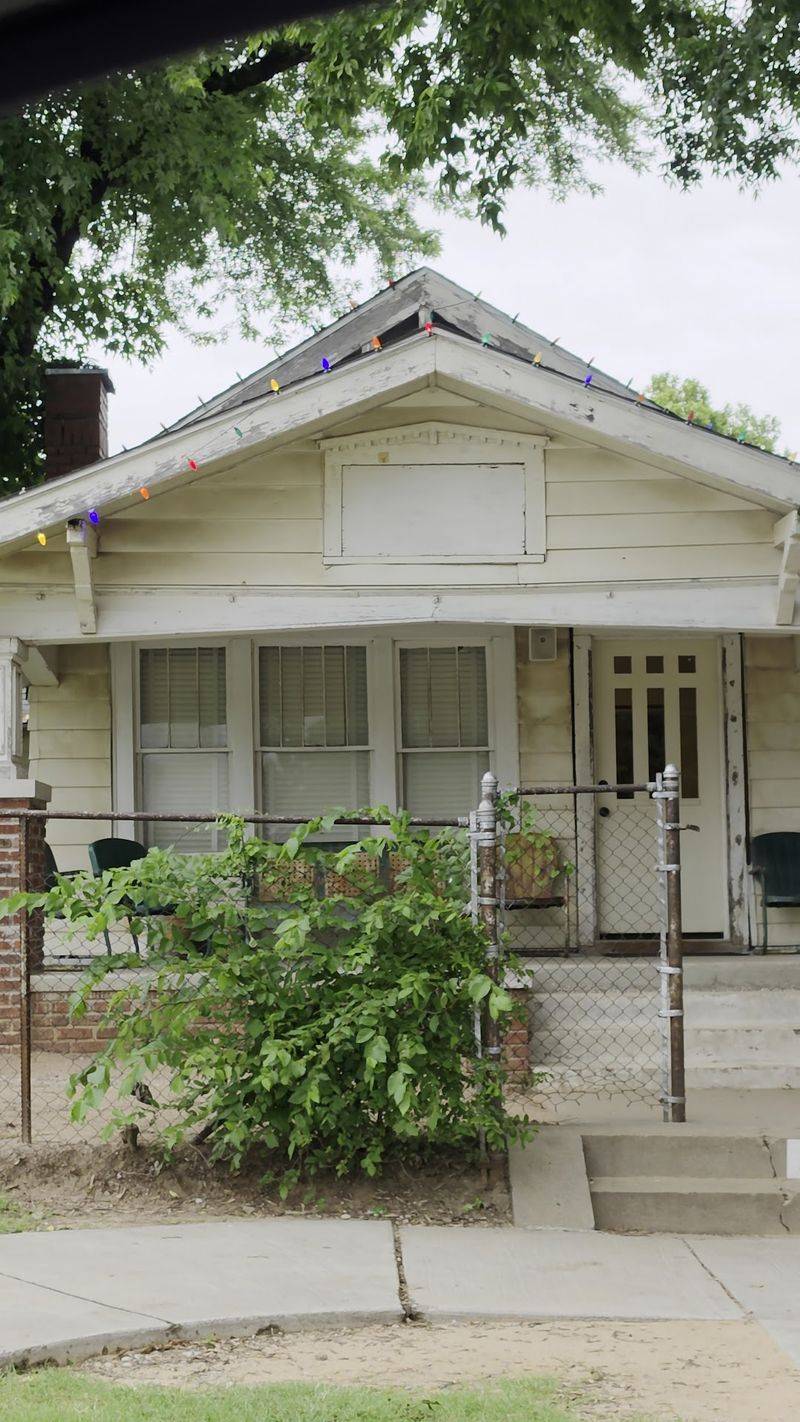
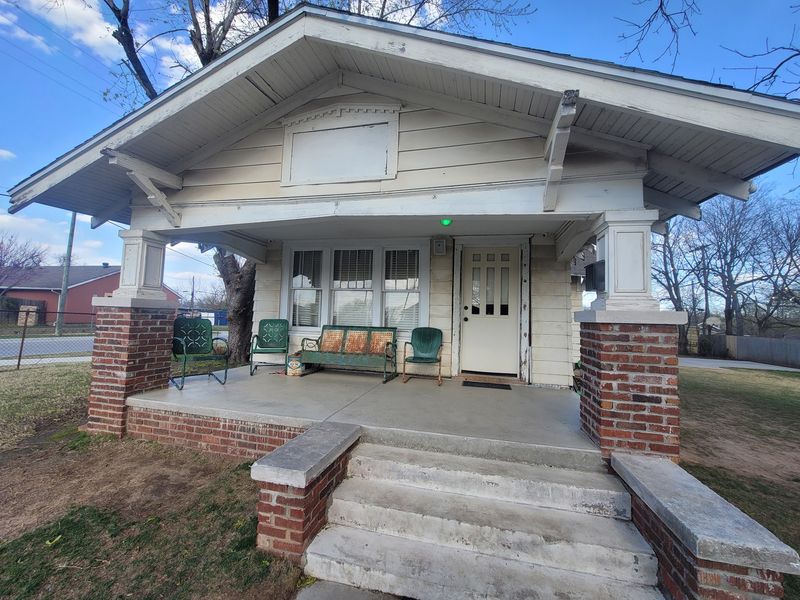
Before visitors even buy a ticket, the front porch pulls them in. Almost everyone who arrives at the house heads straight for it, and for good reason – that weathered wooden porch is the one seen in the film, unchanged and preserved exactly as it appeared on screen.
Reviewers consistently mention snapping photos there first, before they even realize the full tour experience begins around back at the gift shop.
A staff member stationed near the front will often offer to take photos for visitors, and regulars note that he goes above and beyond, shooting from multiple angles and suggesting poses that recreate specific moments from the film. That small gesture sets the tone for the kind of hospitality the whole museum delivers.
Nothing here feels rushed or transactional.
Standing on that porch carries a particular weight for fans who grew up reading the novel or watching the film at an impressionable age. One visitor described arriving with their child, both of them fans, and feeling something shift the moment they stepped onto the boards.
The porch is not a replica or a reconstruction – it is the actual structure, and that authenticity is something visitors say no amount of photographs can fully prepare you for.
The Gift Shop as Gateway
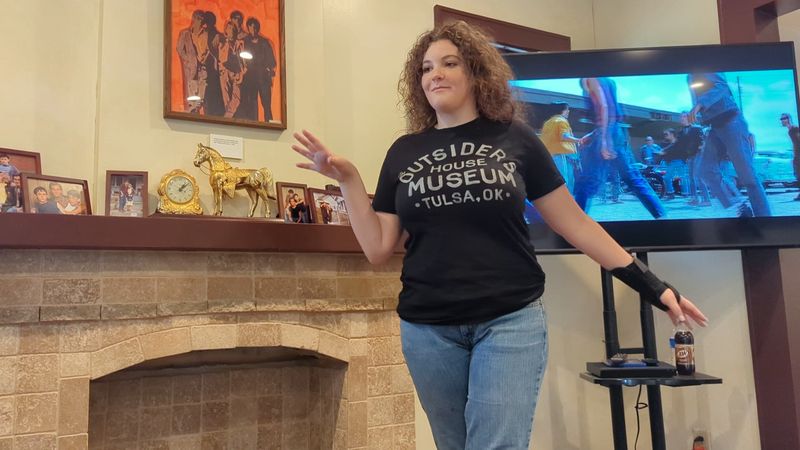
Most museums save the gift shop for the exit. Here, it is where the experience actually begins.
The correct sequence, as friendly staff are happy to explain, is to head around to the back of the house first and start your visit inside the shop. Tickets for the house tour are purchased here at $10 per person, a price that visitors across the board describe as more than reasonable given what comes next.
The shop itself is stocked with an impressive range of Outsiders-themed merchandise. Shirts are a popular pick, and the selection covers a variety of designs that go beyond the generic.
Some items lean toward the collectible end of the price range, and a few visitors mention that the merchandise runs a little steep. Still, most agree the unique nature of the items makes them hard to resist.
Getting your hand stamped at the counter feels almost ceremonial, a small ritual that signals the tour is about to begin. The shop also has clean restrooms and a water fountain where visitors can refill bottles, a practical detail that regulars appreciate, especially on warm Oklahoma afternoons.
Weekend visits tend to offer the fullest experience, as additional special guests are typically present on Saturdays and Sundays.
The Living Room Frozen in 1983
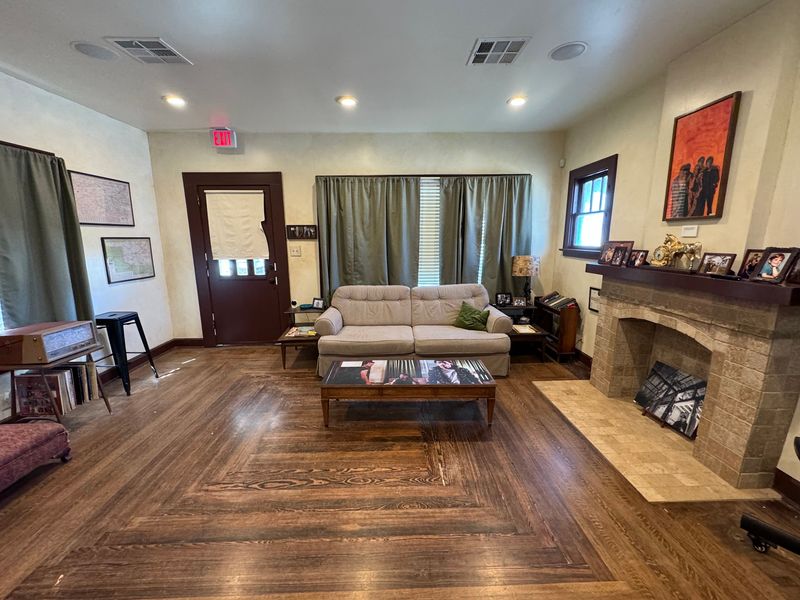
Stepping into the living room is the moment most visitors say the visit becomes real. The space has been carefully decorated to reflect how it appeared during filming, right down to the furniture arrangement and the details that sharp-eyed fans will immediately recognize.
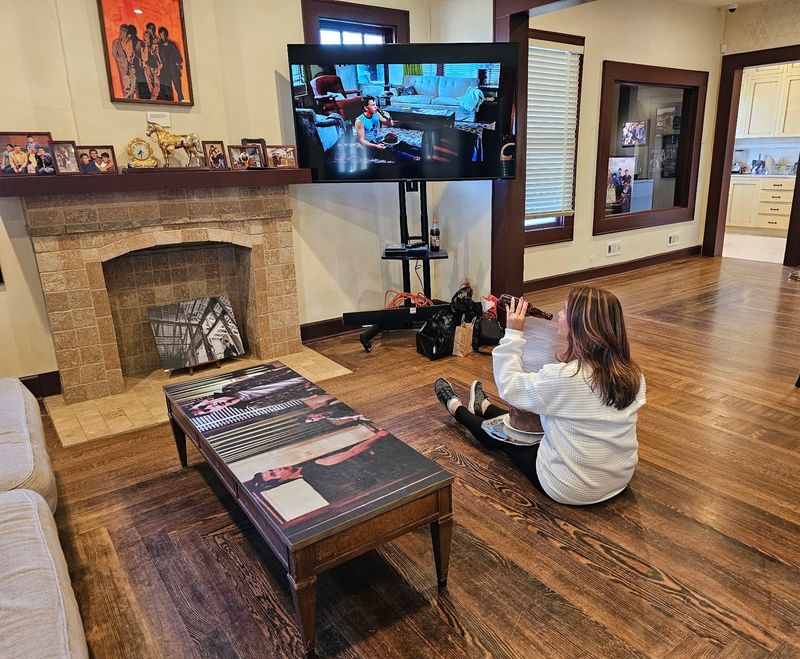
A large screen television plays the film on a continuous loop, so you can look from the screen to the room and see the match in real time.
One of the most popular photo spots in the entire museum sits in this room. The setup recreates the scene where Two-Bit Mathews, played by Emilio Estevez, eats chocolate cake and watches cartoons first thing in the morning.
Props are arranged so visitors can pose in that exact moment, and the tour guides are enthusiastic about helping guests get the angle just right. The cake and bottle on display are props, of course, but the couch is genuine to the production.
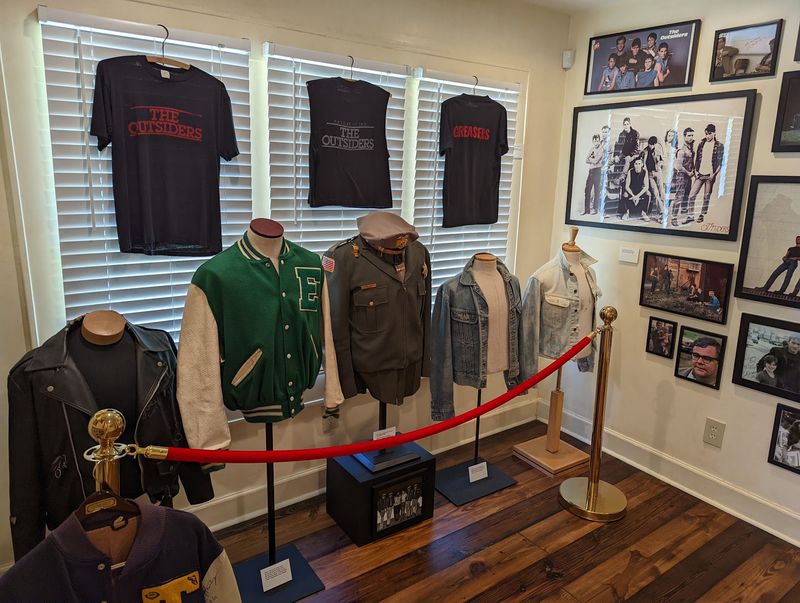
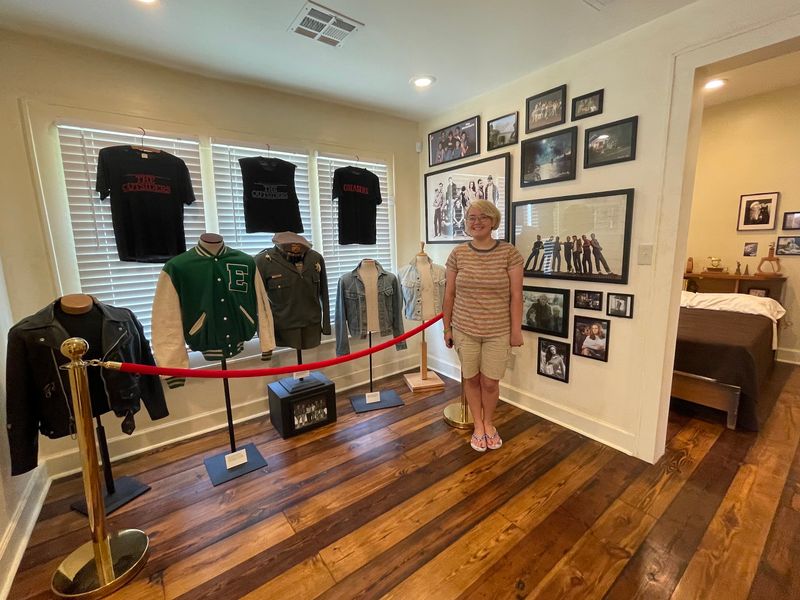
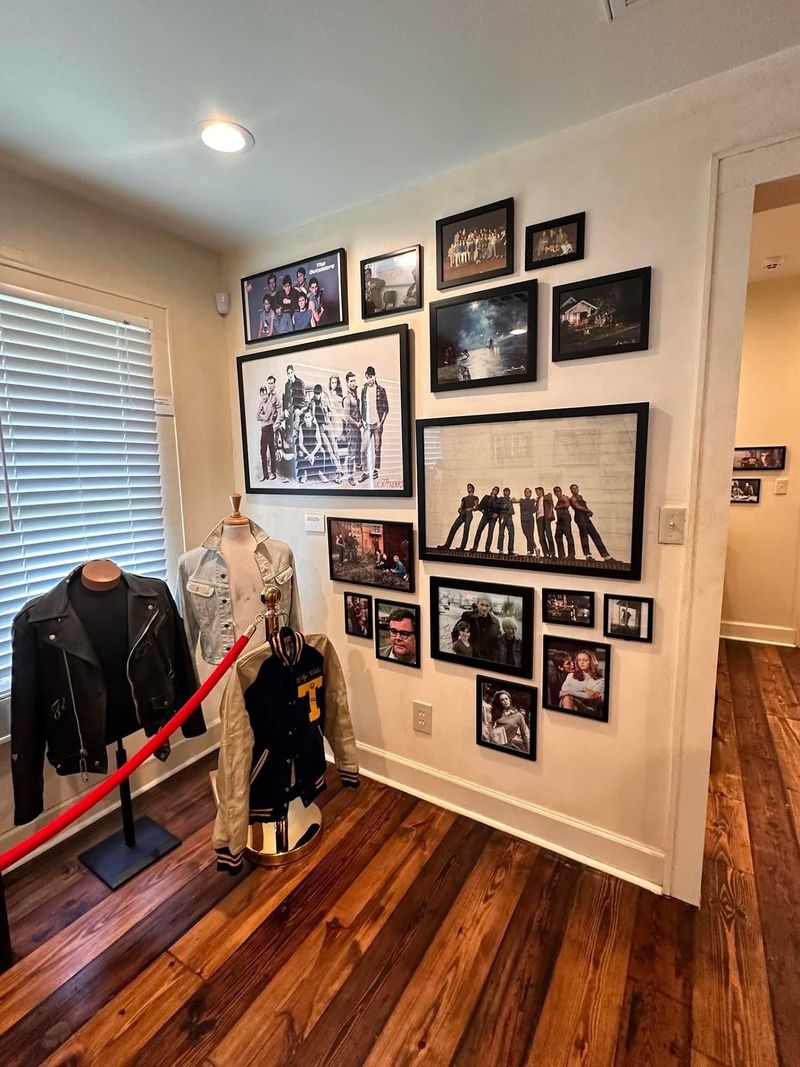
Actual wardrobe pieces from the film are scattered throughout the house, and the living room holds some of the most recognizable ones. Seeing the clothing in person, rather than behind glass in a conventional exhibit, makes the space feel lived-in rather than preserved.
The room breathes, and visitors tend to linger longer here than anywhere else on the tour.
Ponyboy’s Room and the Kitchen Details
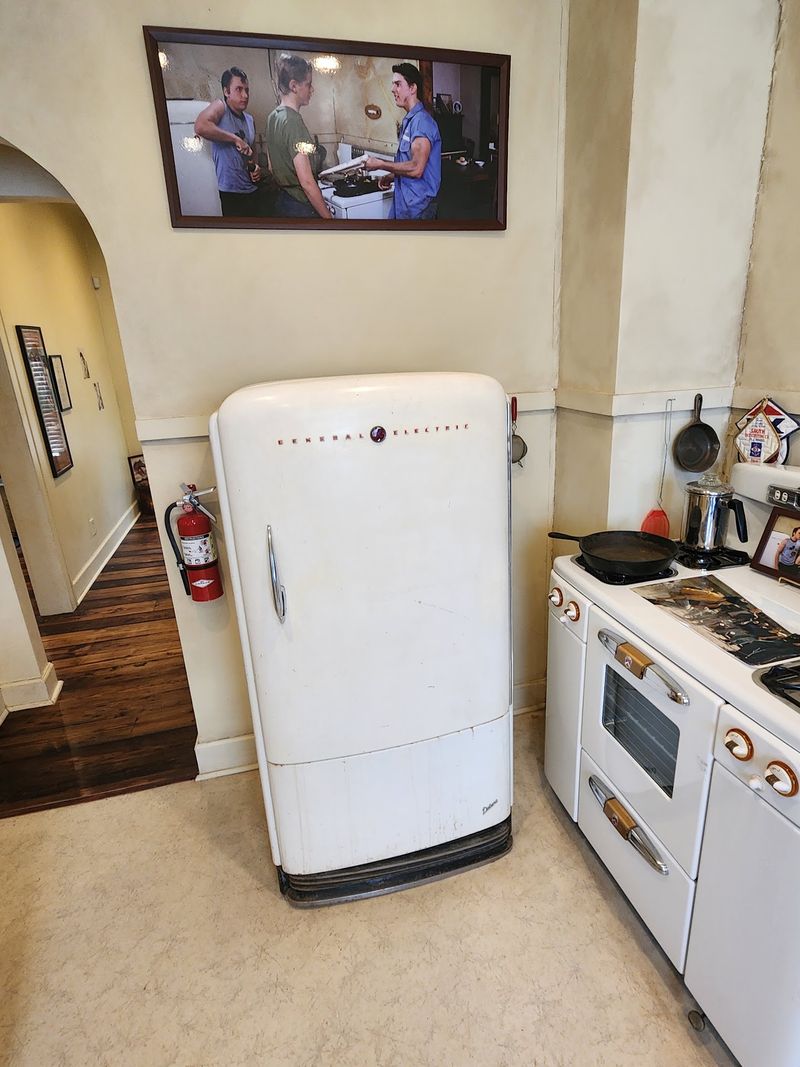
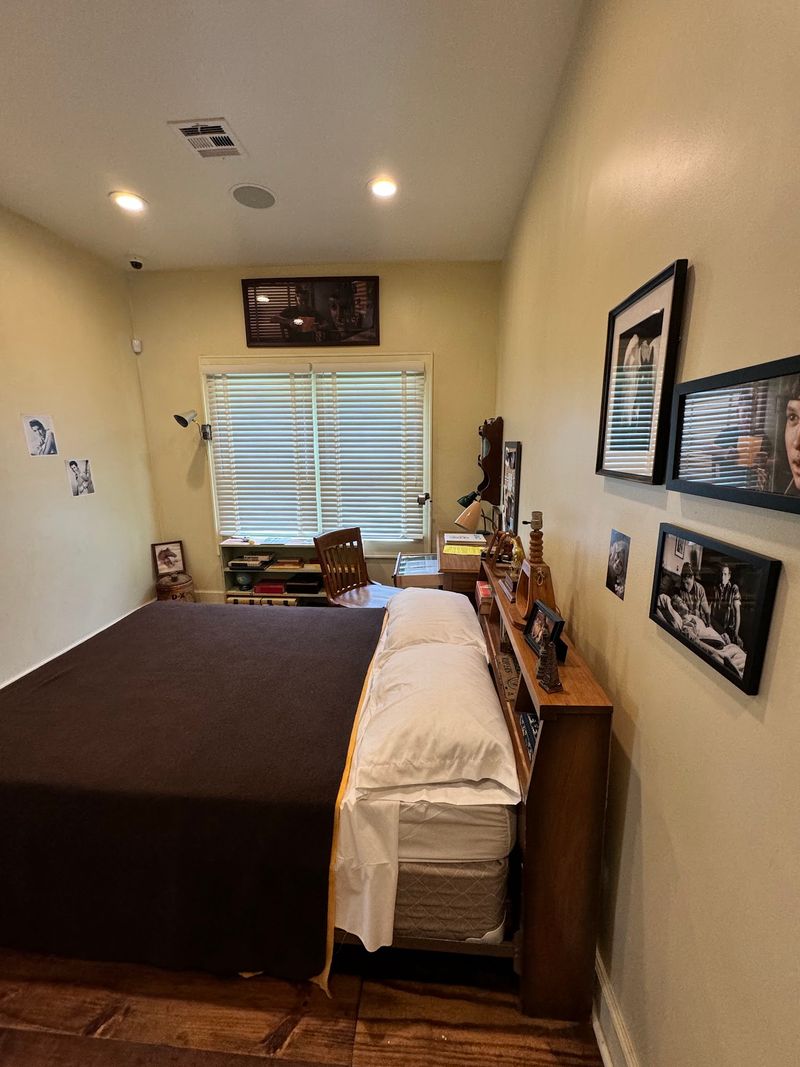
Beyond the living room, the tour moves through the spaces that shaped the film’s quieter, more personal moments. Ponyboy’s room has been restored to reflect its on-screen appearance, and visitors who know the story well will find themselves pausing at details that confirm just how faithful the restoration is.
The room is small, which somehow makes it feel more honest than a polished movie set would.
The kitchen carries its own layer of significance. Photos from the actual filming are mounted in the rooms where those scenes were recorded, so visitors can stand in the exact spot and hold up the image to compare.
That side-by-side experience is one of the most commented-on features of the tour, and it gives even casual fans a new appreciation for how precisely the house was used during production.
A green towel hanging in the bathroom carries a story worth asking about. According to museum lore, it is signed by Rob Lowe, who contributed it during a fundraising effort for the museum.
He signed several, and the museum kept one, choosing a towel similar to the one his character used in the film. Small details like this, tucked into corners and easy to miss if you rush, reward visitors who take their time and ask questions along the way.
Actual Wardrobe Worn on Screen
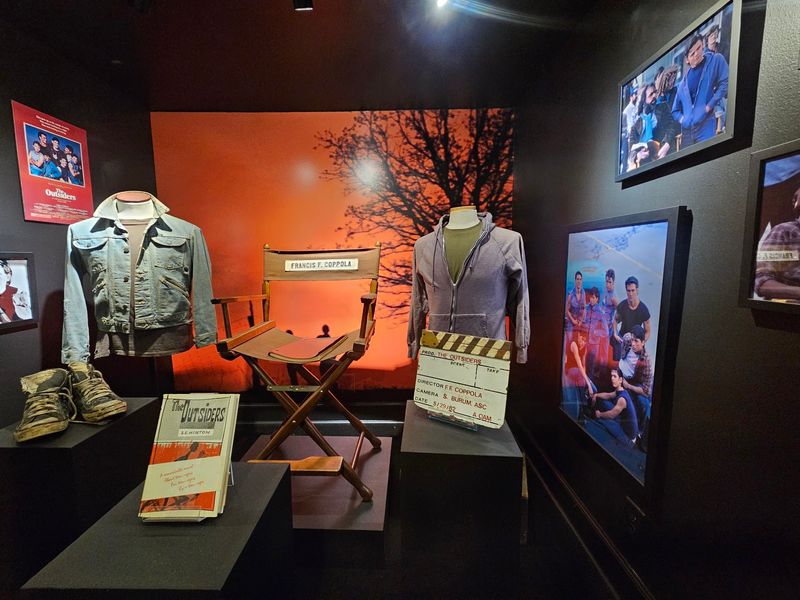
Scattered through the rooms are pieces of actual clothing worn by cast members during production, and for fans of the film, seeing them in person is a genuinely striking experience. Among the items documented by visitors are C.
Thomas Howell’s purplish sleeveless shirt, Emilio Estevez’s Mickey Mouse shirt, and Tom Cruise’s rumble denim outfit. Each piece is displayed in context rather than locked in a case, which makes the house feel inhabited rather than archived.
Knowing that real actors wore these garments on these floors, in front of cameras pointed at these same walls, creates a loop between the film you have watched and the space you are standing in. Visitors describe a kind of double vision, where the room exists simultaneously as a real place and as a scene they have seen play out on screen.
Few film museums manage that effect so naturally.
The wardrobe pieces are one of the most frequently photographed elements of the tour. Guides encourage visitors to look closely and take their time, pointing out details that are easy to overlook at a glance.
Some guests arrive knowing exactly which items are on display, having researched ahead of time, while others discover them room by room and find the surprises just as satisfying. Either approach works perfectly here.
Joe Cervantez – The Extra Who Became the Heart of the Tour
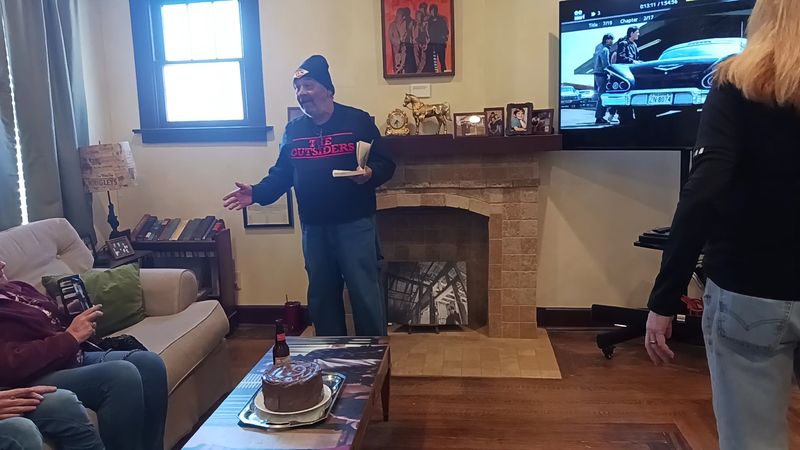
Ask almost any visitor what stood out most about their time at the museum, and a name comes up again and again: Joe Cervantez. Joe was an extra in the film, appearing on screen twice during production in 1982.
Decades later, he works at the museum on weekends and brings something no exhibit case ever could – actual memories of being there when it all happened.
Joe carries a collection of personal photographs he took of the cast during filming, candid behind-the-scenes shots that exist nowhere else. He sells prints for a modest fee, but the real value is in the stories he tells while showing them.
Visitors say he speaks about the cast with the kind of warmth and detail that only comes from genuine experience, not from reading a Wikipedia article about a film.
One story in particular gets requested often: ask Joe about Tom Cruise, and be prepared to stay awhile. The anecdote he shares is something visitors consistently describe as a highlight of the entire trip.
Multiple reviewers have mentioned that they wished they had budgeted more time to sit and listen. Weekend visits are the best window to catch Joe in person, along with another cast member named Joey who brings his own brand of humor to the experience.
Photo Opportunities Built Into Every Corner
Photography is not just allowed here – it is actively encouraged, and the staff helps make it happen. Tour guides will position visitors for scene recreations, suggest angles, and take the photos themselves when asked.
The whole house functions as an interactive set rather than a hands-off display, which gives the visit an energy that traditional museums rarely achieve.
The Two-Bit breakfast scene setup in the living room draws the longest lines for photos, but the front porch remains the most universally photographed spot. The staff member out front has developed a real skill for capturing the porch from angles visitors would never think to try on their own.
Regulars mention walking away with images that look like they belong in a fan magazine rather than a phone camera roll.
Throughout the house, movie stills are mounted near the locations where each scene was filmed. Visitors can hold up the image and compare it to the room they are standing in, creating a layered photo opportunity that connects the 1983 film directly to the present moment.
Fans who have seen the movie dozens of times describe this as a completely different kind of experience, one that feels participatory rather than passive. Bring a fully charged phone.
The Staff That Makes It Memorable
Friendly staff is mentioned in nearly every visitor account, and the consistency of that feedback says something real about the culture of the place. Museums with knowledgeable and genuinely enthusiastic guides create a fundamentally different experience than those where staff simply point at displays and move groups along.
Everyone who works here seems to actually care about the story and about the people who come to see it.
Tour guides field questions with patience and depth, covering not just the facts of the film but the texture of what it was like when the production came to Tulsa. They know which cast members have stayed connected to the museum, which details in each room are easiest to miss, and how to pace a group so that everyone gets enough time without feeling rushed.
Several visitors have called out specific staff members by name in their reviews, something that rarely happens unless someone genuinely went above and beyond.
The warmth extends to the gift shop staff as well. Visitors describe interactions that feel personal rather than commercial, with staff willing to share recommendations, answer questions about the collection, and treat walk-in guests with the same attentiveness as those who booked in advance.
The consistent send-off as guests leave – “Stay Gold” – has become a small tradition that visitors find unexpectedly touching.
Who Will Love This Place Most
Fans of the novel will find something almost sacred about walking through a house that Hinton’s story made famous. Readers who connected with Ponyboy, Johnny, or any of the Greasers as teenagers describe the museum as a kind of reunion with a version of themselves they had nearly forgotten.
The emotional response that visitors report goes well beyond nostalgia – it feels more like recognition.
The film’s resurgence in popularity, partly driven by the stage musical adaptation, has brought a younger wave of visitors alongside the original fans. Parents who grew up with the 1983 movie are now bringing children who discovered the story through the musical, and the museum accommodates both generations with equal enthusiasm.
Multi-generational visits have become one of the most common trip formats reported in visitor feedback.
Casual moviegoers who watched the film without deep attachment to the book also report having a surprisingly good time. The museum is accessible enough to enjoy without being a dedicated superfan, though guides do recommend watching the film before visiting to get the most out of the room-by-room comparisons.
Solo travelers, couples, families, and school-age kids who are assigned the novel in class all find something worth the stop. The $10 admission makes the decision easy regardless of how deep your Outsiders knowledge runs.
Hours, Tickets, and How to Plan Your Visit
Planning ahead makes a real difference here. The museum is open Wednesday through Sunday from 11 AM to 4 PM and is closed on Mondays and Tuesdays.
Arriving earlier in the day gives visitors more time to explore at a relaxed pace, since the 4 PM closing comes faster than expected once you are inside and engaged with the collection.
Admission is $10 per person, paid at the gift shop when you arrive. Tickets can be purchased in advance through the museum’s website at theoutsidershouse.com, but walk-up visitors report no issues getting in without a reservation, and buying on site avoids any service fees.
The phone number for the museum is 918-949-1345 if you want to confirm hours or ask about special events before making the drive.
Weekend visits are strongly recommended for the fullest experience. Joe Cervantez and fellow cast member Joey are present on Saturdays and Sundays, and their presence adds a layer to the tour that simply cannot be replicated on weekday visits.
Parking is limited in the immediate area, so plan to walk a short distance from wherever you find a spot nearby. The museum sits at 731 N St Louis Ave in Tulsa, and while it can be easy to drive past if you are not paying attention, it is absolutely worth the effort of finding it.
Getting There and What Surrounds It
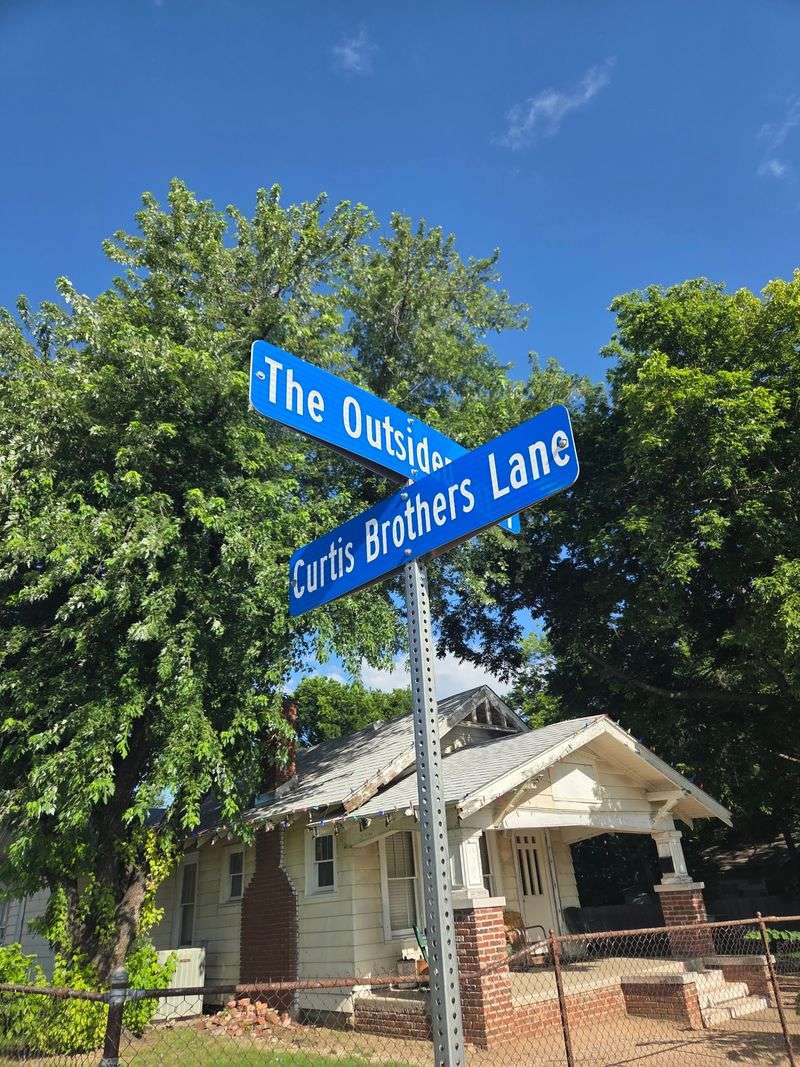
North Tulsa is the kind of neighborhood that rewards curious visitors willing to look past the surface. The streets around the museum are residential and quietly lived-in, which actually adds to the experience of finding the house.
There is nothing manufactured about the setting, and that authenticity is part of what makes standing outside the property feel so different from visiting a theme park attraction.
Tulsa itself offers plenty to pair with a museum visit. The city has a strong Route 66 heritage, a vibrant arts district, and a number of other film and history sites worth exploring on the same trip.
The Outsiders House works especially well as an anchor stop around which a broader Tulsa day can be built, particularly for visitors driving through on a longer Oklahoma road trip.
From downtown Tulsa, the drive to the museum is short and straightforward. GPS navigation using the address 731 N St Louis Ave will get you there reliably.
One reviewer noted that the house is easy to miss if you blink at the wrong moment, so slow down once you are on St Louis Ave and look for the signage. Street parking is available in the surrounding blocks, and the neighborhood is walkable enough that a short stroll to the front porch is no inconvenience at all.
A Verdict for Anyone Considering the Drive
Eleven hours from Alabama. Cross-country road trips with the museum as the only planned stop.
Families returning for second and third visits. The testimonials attached to this place carry a kind of weight that polished marketing rarely achieves, because they come from people who were genuinely moved by something they did not quite expect to feel.
At $10 per person, the admission price is one of the easier decisions a Tulsa visitor will make. The combination of a faithfully restored filming location, actual wardrobe and props from the production, knowledgeable and warm staff, and the rare opportunity to meet people who were actually present during filming adds up to something that punches well above its modest price point.
Private tours are also available for those who want a more focused experience.
The museum earns its reputation not through spectacle but through sincerity. Every room has been treated with care, every staff member seems to genuinely love what they do, and the house itself carries a presence that photographs cannot fully communicate.
Whether you have read the book a dozen times or just watched the film once on a rainy afternoon, a visit to this north Tulsa address will leave you with something worth carrying home. Stay gold.
Share this story