Somewhere beneath the calm surface of Lake Eucha in northeastern Oklahoma, an entire community lies waiting. When water levels drop low enough, the ghostly outlines of old foundations and forgotten structures rise back into view, offering a rare glimpse into a world that was deliberately flooded decades ago.
The lake sits in Delaware County, surrounded by undeveloped woodlands and layered with centuries of history that most Oklahomans have never heard about. Whether you come for the fishing, the scenery, or the stories buried underwater, Lake Eucha has a way of getting under your skin.
Lake Eucha and Its Place on the Oklahoma Map
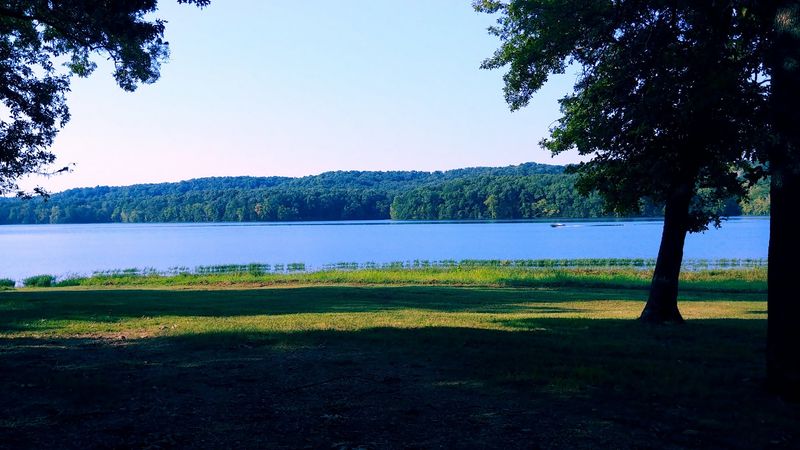
Tucked into the rolling hills of Delaware County in northeastern Oklahoma, Lake Eucha sits quietly at approximately 36.365 degrees north latitude, just a short drive from the town of Jay, Oklahoma. The lake is part of a two-reservoir system that also includes Spavinaw Lake downstream, and together they serve as a primary water supply for the city of Tulsa, roughly 70 miles to the southwest.
Created by the damming of Spavinaw Creek, Lake Eucha covers around 5,800 surface acres and holds a depth that can fluctuate significantly depending on seasonal rainfall and water management decisions. The surrounding landscape is notably undeveloped compared to many Oklahoma lakes, giving the shoreline a wild, almost untouched character that draws people who want quiet rather than crowds.
Getting there is straightforward. From Jay, the nearest town about 20 minutes away, state roads lead directly to the lake’s access points.
The lack of major commercial development nearby keeps the atmosphere genuinely rural, and that isolation is very much part of the appeal for those who seek it out.
The Town That Went Underwater
Before the dam was built and the waters rose, a real community called Eucha occupied this valley. Families lived here, ran businesses, attended school, and put down roots that stretched back generations.
When the City of Tulsa acquired the land and constructed the dam in the early 1940s, residents had to leave everything behind that could not be physically moved.
Structures were cleared, but foundations remained. The old general store, farmsteads, and community buildings that could not be relocated simply became part of the lakebed.
One reviewer whose family lived in the valley before the flooding shared that her grandfather operated the general store and farmed the land, with 11 children raised on that ground before it was claimed by rising water.
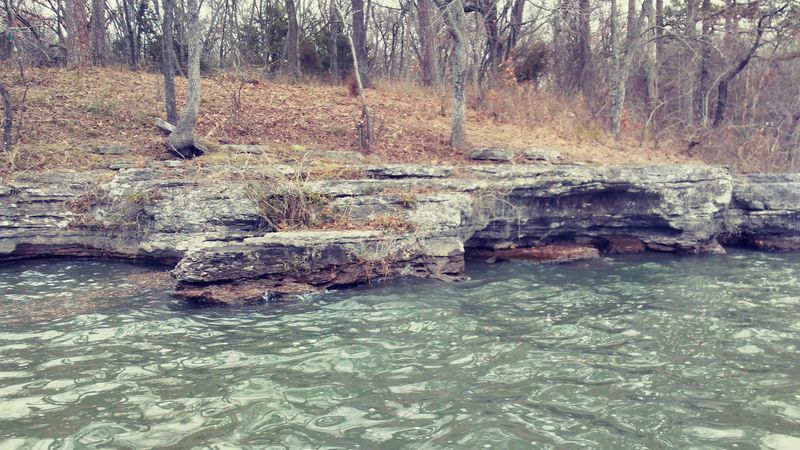
When drought conditions or managed drawdowns lower the lake significantly, those submerged foundations reappear above the waterline. Stone outlines, old road traces, and remnants of a community that once thrived become visible again, turning an ordinary Oklahoma lake into something far more haunting and historically layered than most visitors expect when they first arrive at the shore.
Layers of History Older Than the Town Itself
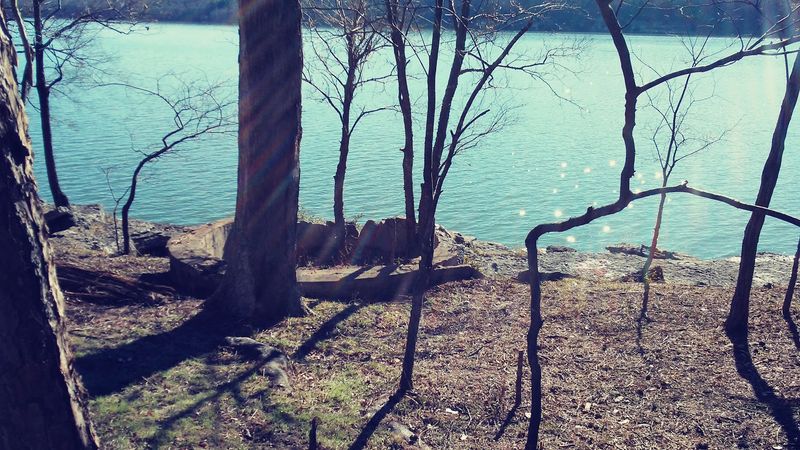
The story of this valley does not begin with the 20th century flooding, or even with European settlement. The exposed rock formations along Lake Eucha’s shoreline contain fossils estimated to date back approximately 450 million years, remnants of ancient marine life from a time when this part of North America sat beneath a shallow inland sea.
Beyond the geological record, the area carries deep Native American history. Neolithic artifacts and evidence of Mound Builder activity have been identified in the region, pointing to human presence across thousands of years before recorded history.
The Osage people also have significant ties to this land, and the valley sits along the broader corridor affected by the Trail of Tears, adding another profound layer to an already complex historical record.
One of the most specific historical figures connected to the area is Chief Utsaleta, who built his home in front of a cave he named the Powderhorn because of its distinctive shape. He lived there until his passing in 1891, and traces of that era remain part of the cultural memory surrounding the lake today, preserved in local knowledge even when the physical evidence sits beneath the water.
The Powderhorn Garden and the WPA Pavilion
History at Lake Eucha did not stop with indigenous settlement or the Trail of Tears era. In 1930, a man named Big Jim Pilkington created the Powderhorn botanical garden in the valley, drawing on the natural beauty of the landscape and the cave that Chief Utsaleta had named decades earlier.
The garden represented a deliberate effort to cultivate and celebrate the area’s remarkable natural character.
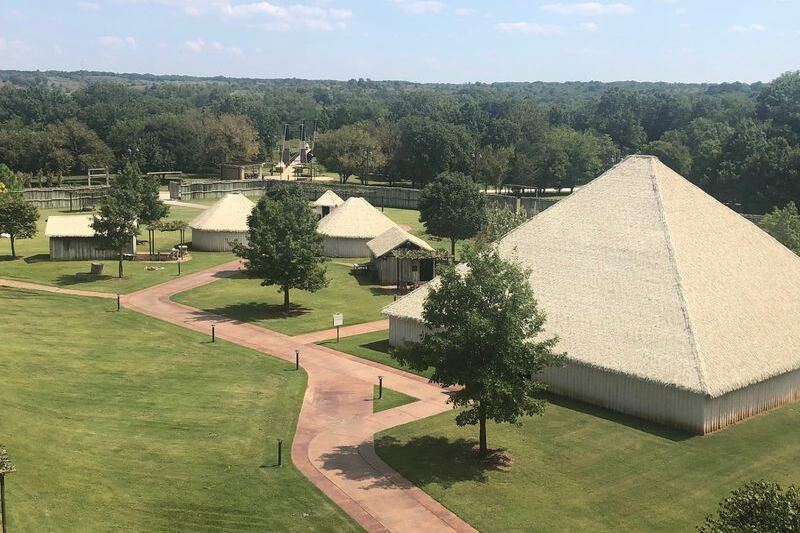
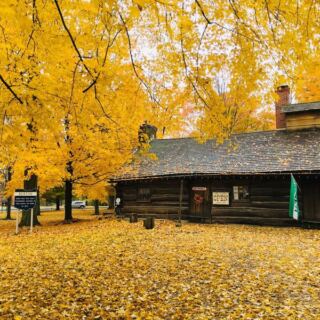
Then in 1935, workers from the Works Progress Administration constructed a schoolhouse in the valley as part of the broader New Deal effort to build infrastructure across rural America during the Great Depression. That schoolhouse still stands today, though it now functions as a pavilion rather than a place of formal education.
The WPA-era craftsmanship is visible in the structure’s bones, and it serves as a tangible connection to both the valley’s community life and the broader national history of that period.
Seeing a Depression-era schoolhouse repurposed as a lakeside gathering spot gives the area a sense of continuity that few Oklahoma recreation sites can match. The building survived the flooding because it sat at an elevation above the waterline, making it one of the few original structures still standing and accessible to visitors today.
What the Scenery Actually Looks Like
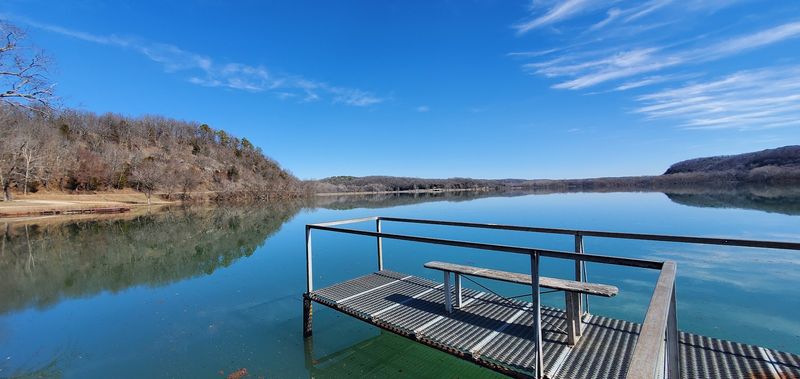
Photographs of Lake Eucha tend to underdeliver on what the place actually feels like in person. The lake is ringed almost entirely by natural woodland, with very little development breaking up the treeline.
That undeveloped character sets it apart from busier Oklahoma reservoirs where marinas, vacation homes, and commercial facilities crowd the banks.
The water itself shifts color depending on the season and sky conditions, ranging from a deep blue-green on clear days to a moody pewter gray when storms build to the west. Creeks feed into the lake from multiple directions, and those creek arms create sheltered coves that feel genuinely remote even when other visitors are nearby.
A traveler who visited from Colorado mentioned that the lake’s beauty caught her completely off guard, which says something given how much competition Colorado has in the scenery department.
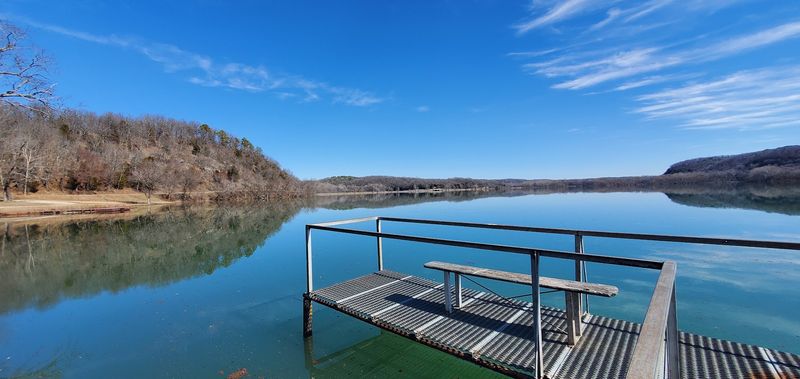
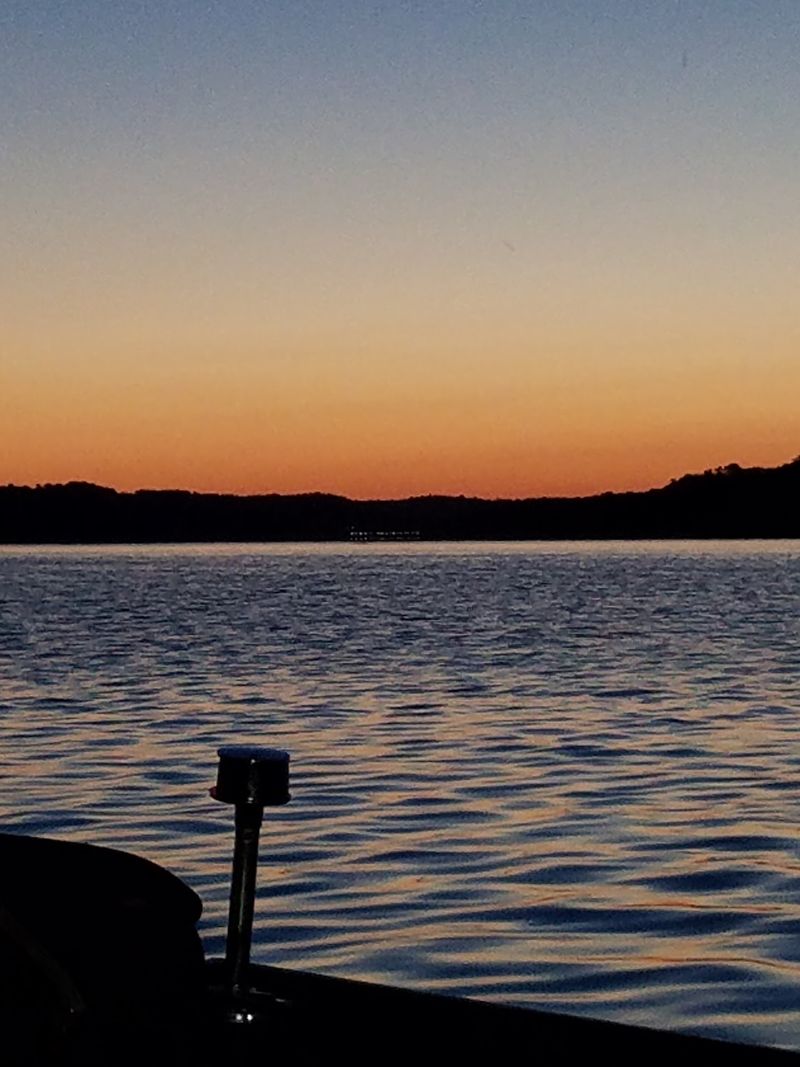
Morning light on Lake Eucha is particularly rewarding for photographers. The combination of still water, reflected forest, and the absence of motorboat traffic in the early hours creates mirror-like conditions that make the lake look almost fictional.
Birdsong carries across the water with very little competing noise, and that quietness is one of the qualities that regulars return for season after season.
Fishing at Lake Eucha
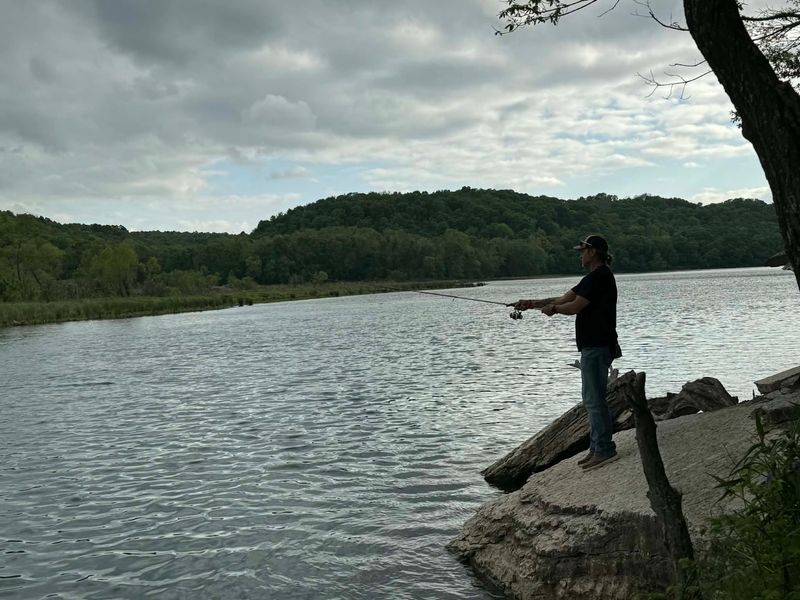
Fishing is one of the main reasons people make the drive to Lake Eucha, and the lake delivers across multiple species. Crappie, largemouth bass, and catfish are the most commonly targeted, and the lake has built a solid reputation among anglers in the northeastern Oklahoma region for producing quality catches rather than just numbers.
The gigging tradition is also alive and well here. A gigging tournament has been held at the lake, drawing participants who come specifically for that style of night fishing.
It is a distinctly Oklahoma and Ozark-region tradition, and Lake Eucha’s clear water and healthy fish population make it well suited for the practice.
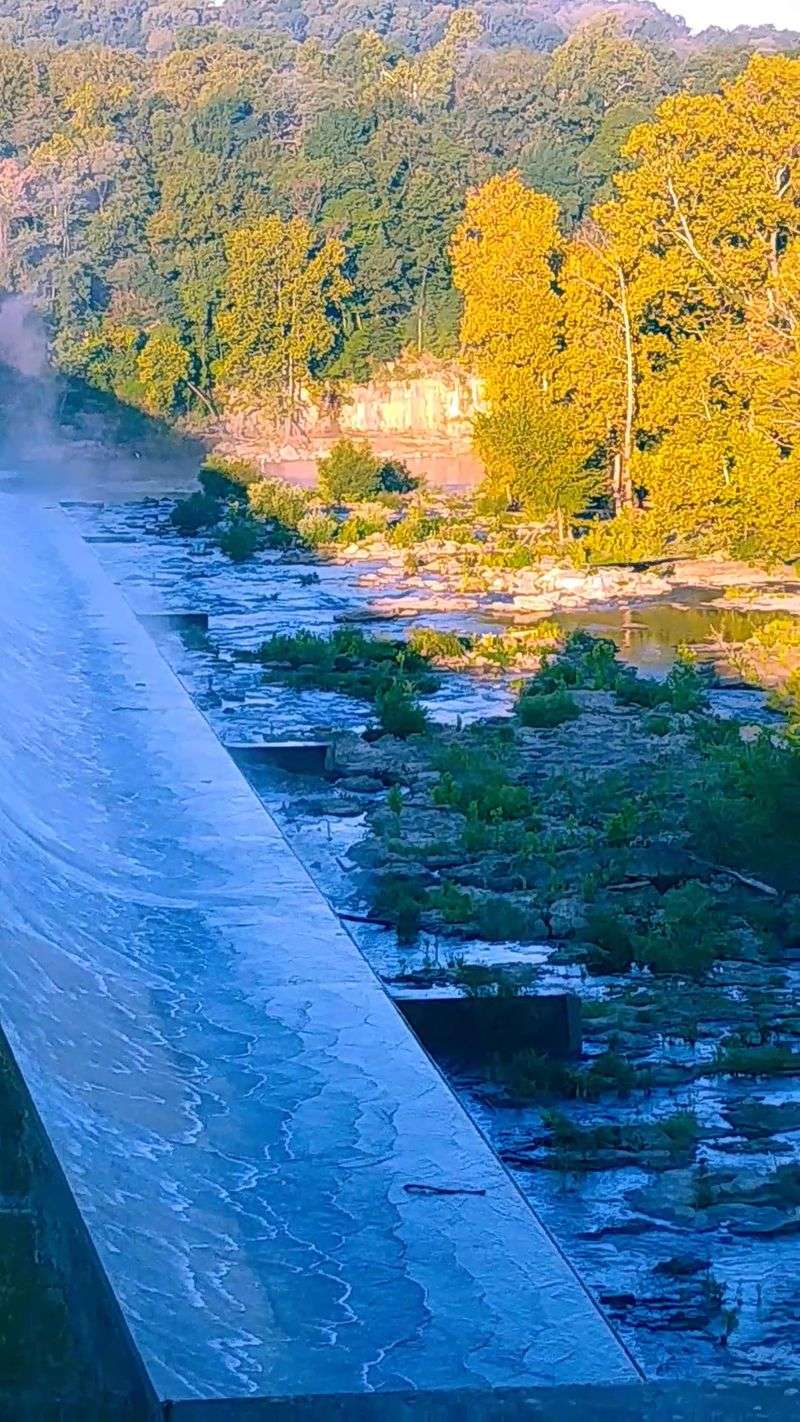
Multiple public boat ramps are accessible around the lake, which makes launching relatively easy regardless of which part of the shoreline you want to fish. Dock fishing is also available near the dam area, giving anglers without a boat a legitimate option for working the water.
The lake’s status as a Tulsa water supply means that swimming is prohibited and carries a significant fine, but fishing from a boat or the bank is very much part of the intended recreational use, and the rules help preserve the water quality that keeps fish populations healthy.
Camping Along the Shore
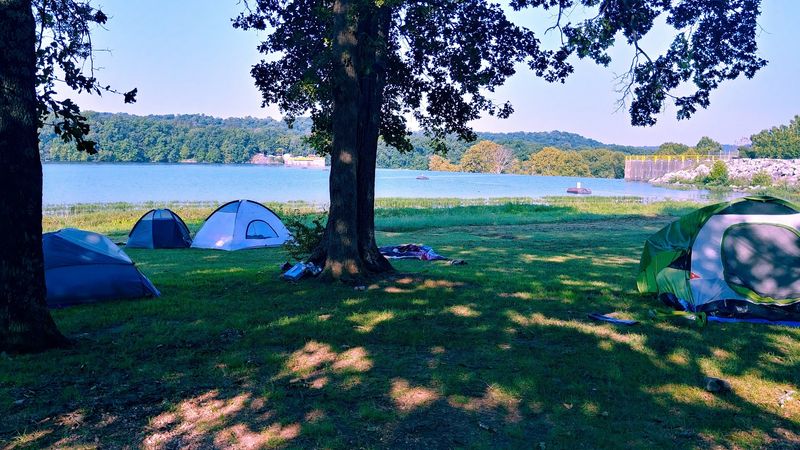
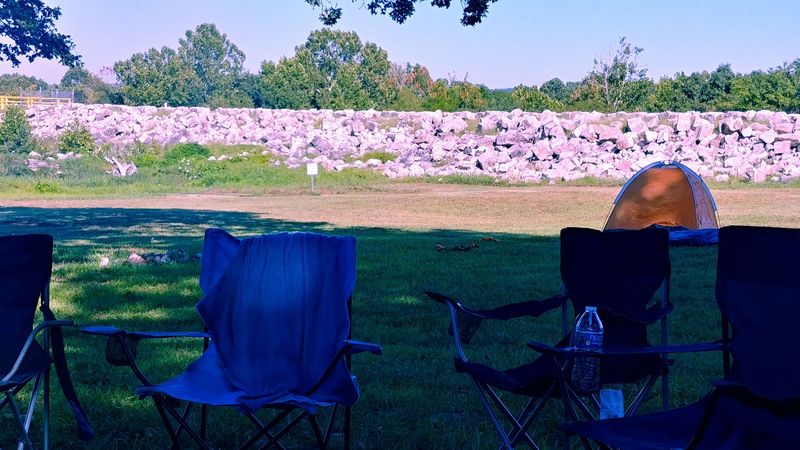
Camping at Lake Eucha leans toward the primitive end of the spectrum, and that is genuinely part of its charm for people who prefer their outdoor experiences without too much infrastructure in the way. The camping area near the dam offers dry camping with a basic toilet facility on-site, and the nightly rate has been reported at just four dollars, making it one of the more affordable overnight options in the state.
No hookups, no showers, no camp store. Campers bring what they need and pack out what they use, which keeps the site clean and the atmosphere relaxed.
The 20-minute drive to Jay covers most supply needs if something gets forgotten, but the spirit of the place rewards those who come prepared and self-sufficient.
The setting more than compensates for the lack of amenities. Waking up beside a quiet lake surrounded by undeveloped forest, with no highway noise carrying across the water, is the kind of experience that feels increasingly rare in a crowded state park system.
Regulars who have camped here for decades describe the lake as their go-to spot precisely because it never feels overrun, and the primitive setup keeps the casual crowd from overwhelming the place on weekends.
Kayaking and Paddleboarding on Calm Water
On calmer mornings before the motorboats get going, Lake Eucha turns into something close to a paddler’s paradise. The sheltered coves and creek arms that feed into the main lake body provide protected water that stays smooth even when a light breeze kicks up across the open surface.
Kayaks and paddleboards move through these areas with ease, and the wildlife tends to be far more visible from a quiet, low-profile craft than from anything with a motor.
One family reported letting their child paddleboard on the lake specifically because the water was not choppy from heavy boat traffic, which speaks to the kind of low-key atmosphere the lake maintains compared to more heavily visited Oklahoma reservoirs. Dogs also seem to take to the lake enthusiastically, and the accessible shoreline in several spots makes entry easy for both people and their animals.
Kayaking the creek arms during fall, when the surrounding hardwoods shift color, is a genuinely memorable experience. The reflected foliage doubles the visual impact, and the combination of autumn light, still water, and visible geological history along the banks gives the paddle a quality that goes well beyond simple recreation.
Bring a camera and plan to move slowly.
The Role of the Lake in Tulsa’s Water Supply
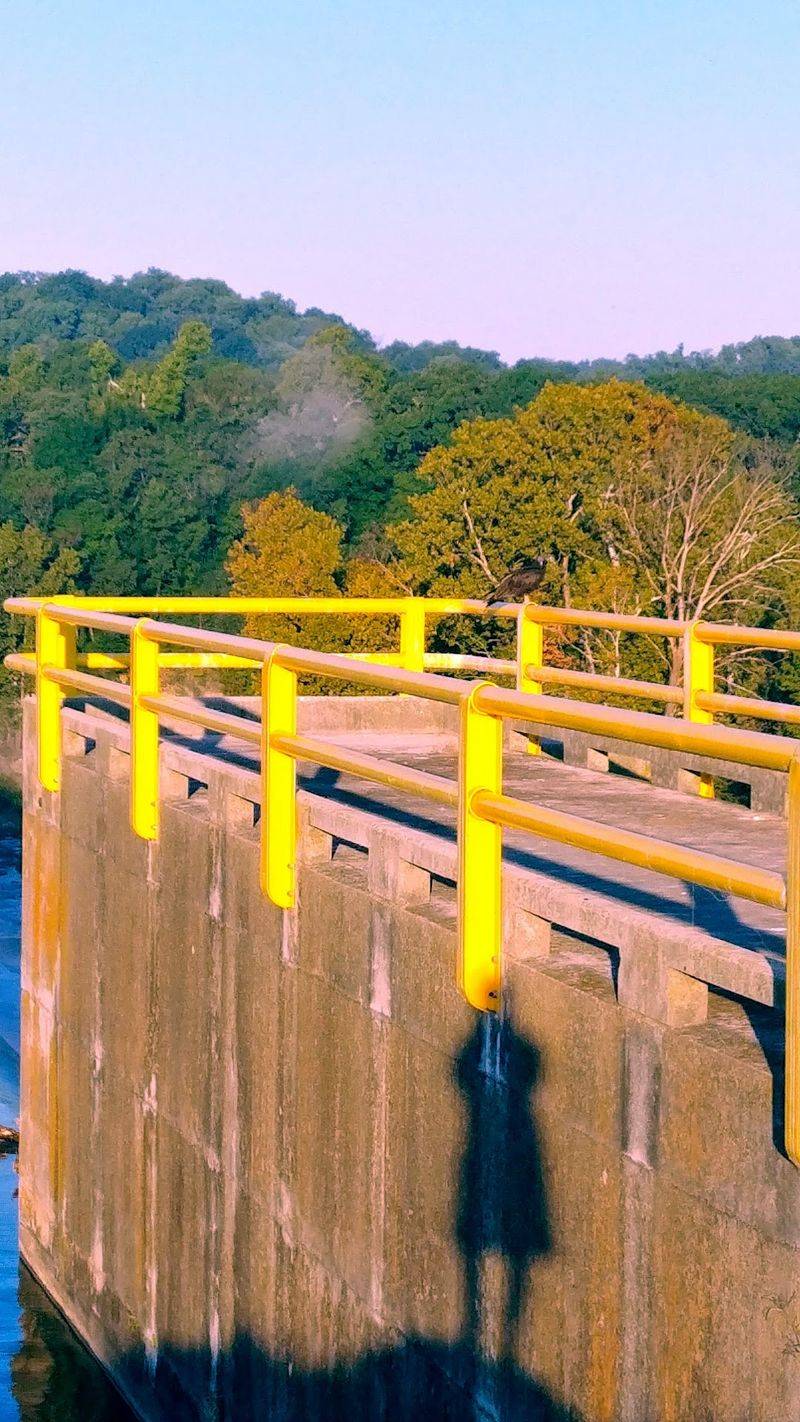
Lake Eucha is not just a recreational destination. It is an active water supply reservoir serving the city of Tulsa, which sits roughly 70 miles to the southwest in Tulsa County.
This dual function as both a working reservoir and a public recreation area shapes nearly every rule and policy that governs how visitors use the lake.
The most significant restriction tied to the water supply designation is the swimming prohibition. Entering the water for swimming carries a substantial fine, and the rule is enforced.
This can catch first-time visitors off guard, particularly those who arrive expecting the same open-water swimming access they might find at state park lakes. Understanding this before the trip saves frustration at the shore.
The upside of the water supply designation is significant, though. Because Tulsa has a direct interest in maintaining the lake’s water quality, the surrounding land has been kept largely undeveloped.
There are no lakefront subdivisions eating into the natural buffer zone, no heavy commercial activity clouding the water, and no industrial use degrading the watershed. The result is a lake that looks and functions more like a wilderness reservoir than a typical Oklahoma recreation lake, which is exactly what makes it so visually striking to first-time visitors.
Wildlife and Natural Surroundings
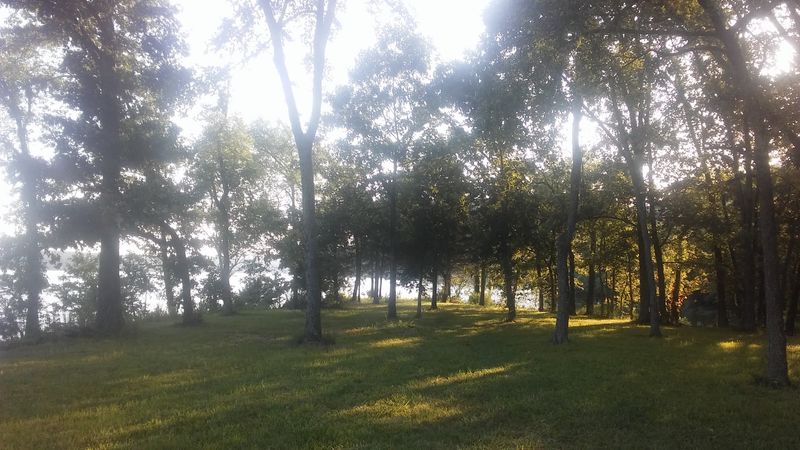
The undeveloped woodland surrounding Lake Eucha creates a habitat corridor that supports a genuinely diverse range of wildlife. White-tailed deer move through the tree line regularly, particularly in the early morning and evening hours when human activity is lowest.
Wild turkey are also common in the area, and the creek drainages that feed the lake attract wading birds and waterfowl depending on the season.
Birding at Lake Eucha rewards patience. The mix of open water, wooded shoreline, and creek habitat supports species that require different environments, so a single morning walk can turn up an unexpectedly varied list.
Osprey work the open water during warmer months, and bald eagles have been spotted along the lake during winter, drawn by the fish population and the relative quiet of the area.
The fossil-bearing limestone outcroppings along the shore also attract a specific kind of naturalist visitor, people who come to read the geology as much as enjoy the scenery. The exposed rock tells a story about ancient ocean environments, and finding a well-preserved marine fossil in a landlocked Oklahoma county delivers the kind of small, private thrill that keeps amateur naturalists coming back to places like this year after year.
The Creek Swimming Spots
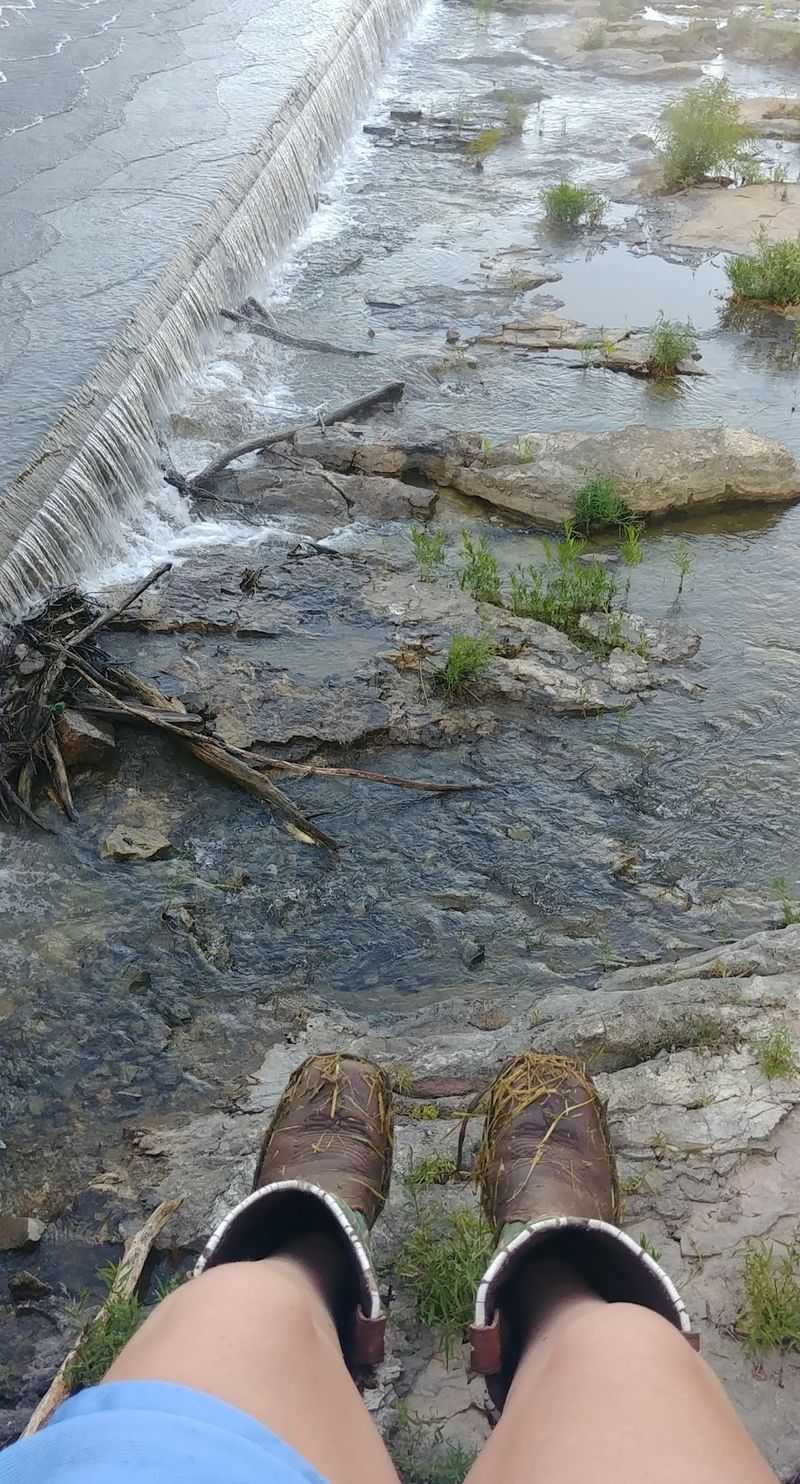
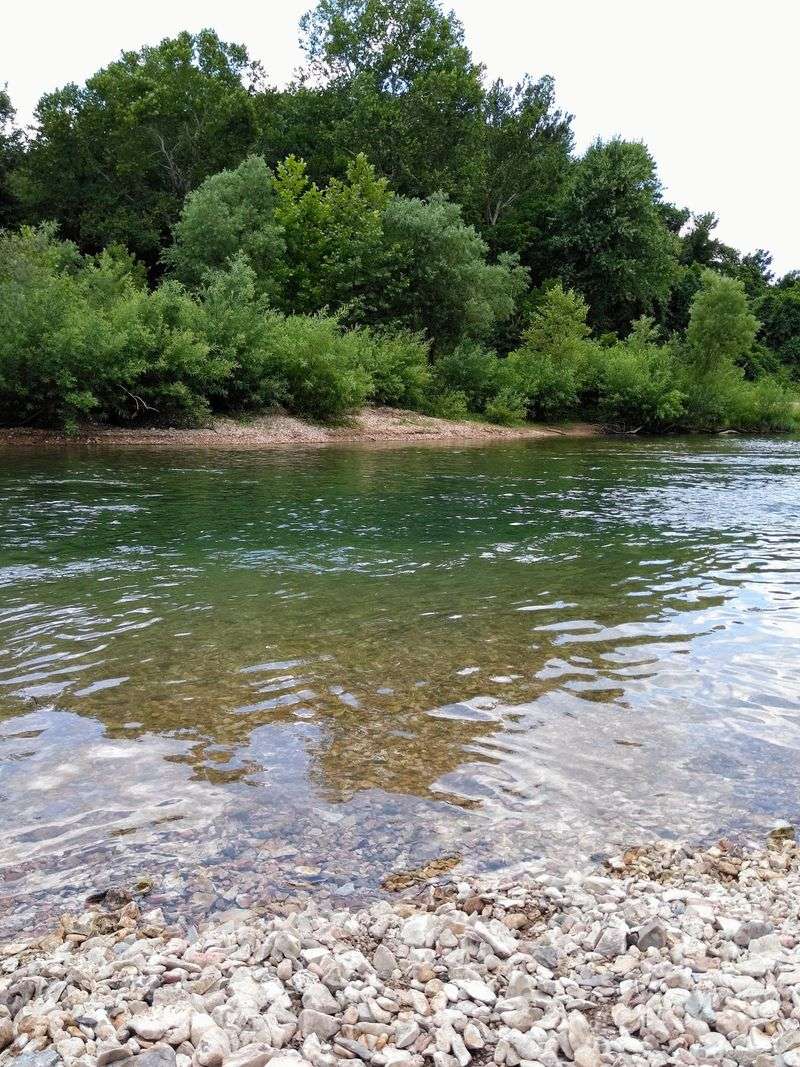
While swimming in the lake itself is prohibited due to its water supply status, the creeks that feed into Lake Eucha operate under different conditions. Several creek areas around the lake have historically served as swimming spots, and at least one area along a creek has been described by regulars as a great natural swimming location with clear water and accessible banks.
These creek spots have a completely different character from lake swimming. The water moves, which keeps it cool even in the height of summer.
Rocky banks and overhanging trees create the kind of shaded, natural swimming hole atmosphere that feels like something out of a childhood memory rather than a managed recreation facility.
It is worth noting that conditions at creek access points can change based on rainfall, season, and land management decisions, so checking current access status before making a dedicated trip specifically for creek swimming is a reasonable precaution. That said, the presence of active creek drainages around the lake adds recreational variety that makes the no-swimming-in-the-lake rule feel less limiting than it might initially sound.
Between fishing, paddling, camping, and creek exploration, the activity menu at Lake Eucha stays genuinely full without ever touching the main reservoir for swimming.
Atmosphere and Who the Lake Suits Best
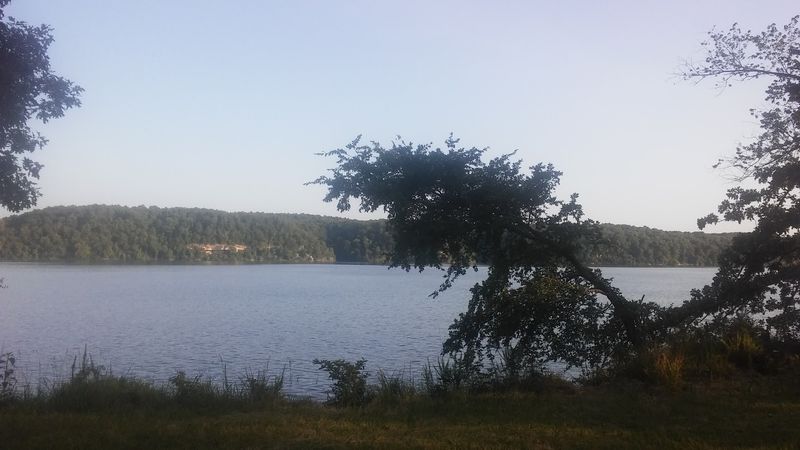
Lake Eucha does not put on a show. There are no waterslides, no rental jet skis, no lakeside restaurants with weekend bands.
What it offers instead is the kind of quiet that has become genuinely hard to find, a place where the main entertainment is the lake itself and the landscape around it.
Families with older children who appreciate outdoor exploration tend to thrive here. The lake rewards the curious, whether that curiosity is aimed at the fishing, the geology, the visible history, or simply the question of what the forest sounds like at 6 a.m. with no one else around.
Couples looking for a low-key overnight trip also find the primitive camping setup appealing precisely because it strips the experience down to something simple and restorative.
Photographers, both serious and casual, consistently respond to the lake’s visual qualities. The combination of undeveloped shoreline, fossil-bearing rock, and the ghostly possibility of submerged ruins appearing during low water gives the lake a photographic range that most Oklahoma destinations cannot match.
Solitude seekers, history enthusiasts, and anyone who has grown tired of crowded recreation areas will find Lake Eucha feels less like a compromise and more like exactly what they were looking for.
Practical Details for Planning a Visit
Planning a trip to Lake Eucha requires a little more preparation than showing up at a fully developed state park. The lake sits in Delaware County, with the town of Jay roughly 20 minutes away serving as the nearest hub for fuel, food, and supplies.
Arriving with a full tank and a cooler already stocked is the standard approach among regulars.
Camping near the dam area has been available at a very low nightly rate, with the only on-site facility being a basic toilet. No water hookups, electrical connections, or dump stations are available, so self-contained camping setups work best.
Restrooms and trash cans are present at some access points around the lake, which helps with basic sanitation during day visits.
Multiple public boat ramps are accessible around the lake, and dock fishing near the dam provides an option for anglers without a boat. The swimming prohibition in the main lake body is strictly enforced given the Tulsa water supply designation, so that boundary is worth understanding clearly before arrival.
There are no posted entrance fees for day use at the access points, though camping fees apply overnight. The lake is accessible year-round, with fishing activity peaking in spring and fall when crappie and bass are most active near the surface.
Why Lake Eucha Stays With You After You Leave
Most lakes are just lakes. You go, you fish or you swim, you drive home, and the memory fades into a general impression of water and sun.
Lake Eucha does something different, partly because of what lies beneath it and partly because of how much the surrounding landscape insists on being taken seriously.
Knowing that foundations and road traces from a flooded community might be sitting just below the surface changes how you look at the water. Every calm stretch becomes a potential window into something older, and that feeling of layered time, from 450-million-year-old fossils to a 1940s-era general store on the lakebed, gives the place a weight that purely recreational destinations rarely carry.
People who grew up around Lake Eucha describe it with the kind of affection that suggests the lake shaped them rather than the other way around. That is not a small thing.
A place that earns that kind of loyalty across generations, across families who remember the valley before the dam and families who discovered it decades later, is a place doing something right. If northeastern Oklahoma is not already on your road trip list, Lake Eucha is a persuasive reason to add it.
Share this story