Out on the Oklahoma plains, where oil once flowed as freely as the wind, one man built a palace so grand it still stops people cold nearly a century later. The E.
W. Marland Mansion in Ponca City is the kind of place that makes you question everything you thought you knew about the Midwest.
Equal parts museum, historic estate, and architectural marvel, it carries the weight of a remarkable and complicated life within its walls. Whether you come for the history, the artistry, or the lingering feeling that something unseen is watching from the top of the grand staircase, you will not leave disappointed.
The Palace on the Prairie and Where to Find It
Few buildings in Oklahoma command attention quite like the E. W.
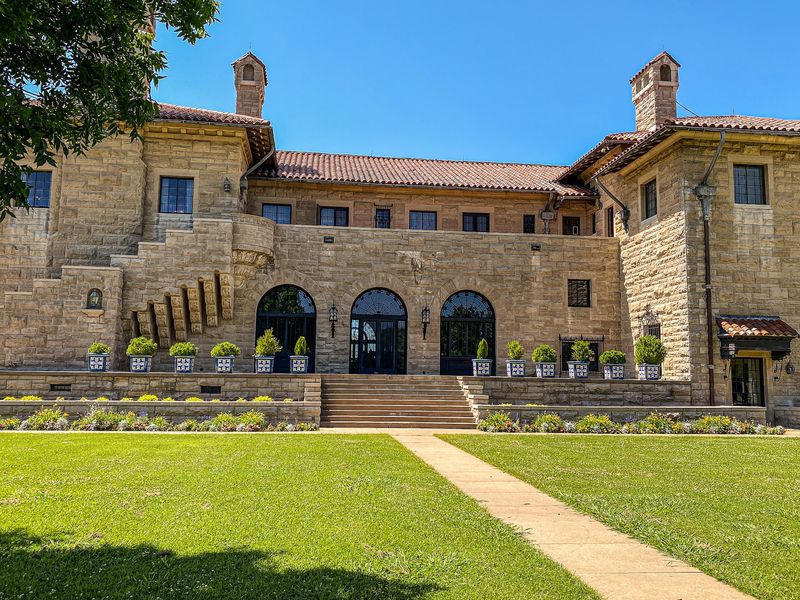
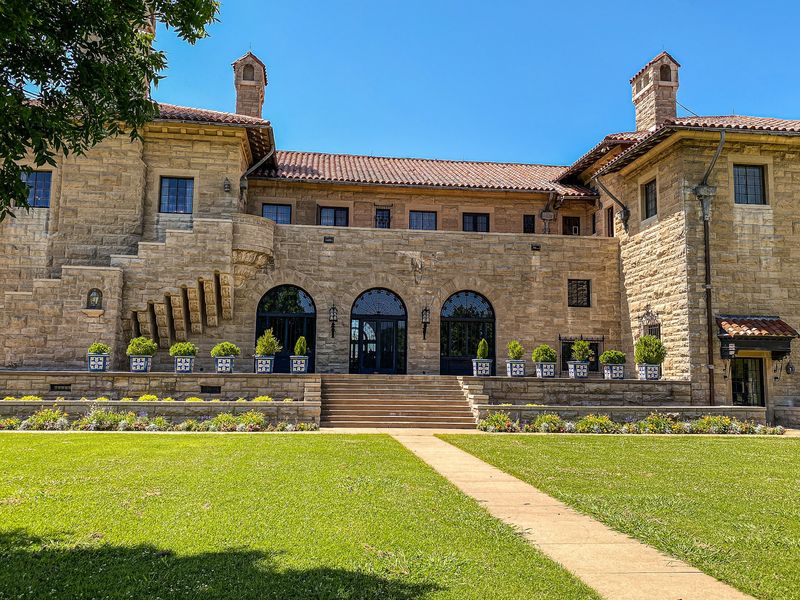
Marland Mansion, standing at 901 Monument Rd, Ponca City, OK 74604. Known widely as the “Palace on the Prairie,” this 43,561-square-foot estate was built during the roaring 1920s oil boom by one of America’s most powerful petroleum magnates.
From the moment you catch your first glimpse of its silhouette rising above the flat Oklahoma landscape, something shifts.
Ponca City itself sits in north-central Oklahoma, roughly 100 miles north of Oklahoma City, making it an easy road trip from the metro or a worthy detour off a Route 66 adventure. The mansion anchors the town’s identity in a way few historic buildings manage to do anywhere in the country.
Operated today as a museum with a rating of 4.8 stars across more than 800 reviews, the estate draws visitors from across the region and beyond. The grounds are open to the public, and the mansion’s scale surprises nearly everyone who arrives.
From the outside, it reads as impressive. Once you cross the threshold, impressive becomes something else entirely.
The Man Behind the Mansion: E. W. Marland’s Rise and Fall
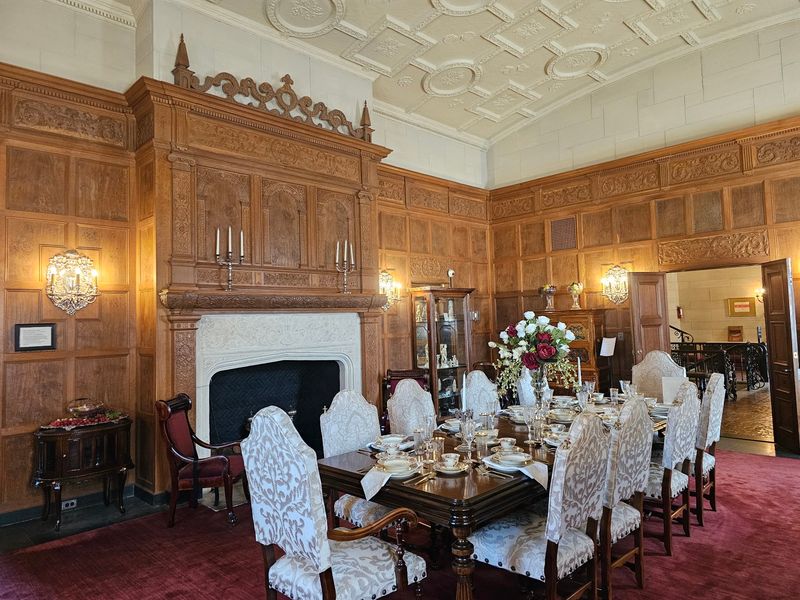
Ernest Whitworth Marland’s life reads like a novel someone might reject for being too dramatic. He arrived in Oklahoma during the early 1900s, struck oil in the Ponca City area, and built one of the largest oil empires in American history.
At his peak, Marland controlled roughly ten percent of the world’s oil supply. The fortune he accumulated was staggering by any era’s standards.
His generosity toward Ponca City was genuine and wide-reaching. He funded hospitals, supported local infrastructure, and treated his workers with a level of care unusual for the era.
The mansion itself was an expression of that ambition, designed to reflect both his wealth and his belief that art and beauty belonged in everyday life, not just in European capitals.
The story takes a darker turn when J. P.
Morgan’s banking interests engineered a corporate takeover that stripped Marland of his company. He lost control of Marland Oil, which eventually became Conoco.
Rather than disappear, he pivoted into politics and served as Oklahoma’s governor from 1935 to 1939. His life arc, from rags to riches to loss to public service, is exactly the kind of story that makes a building feel haunted by meaning.
Architecture That Belongs in Another Continent
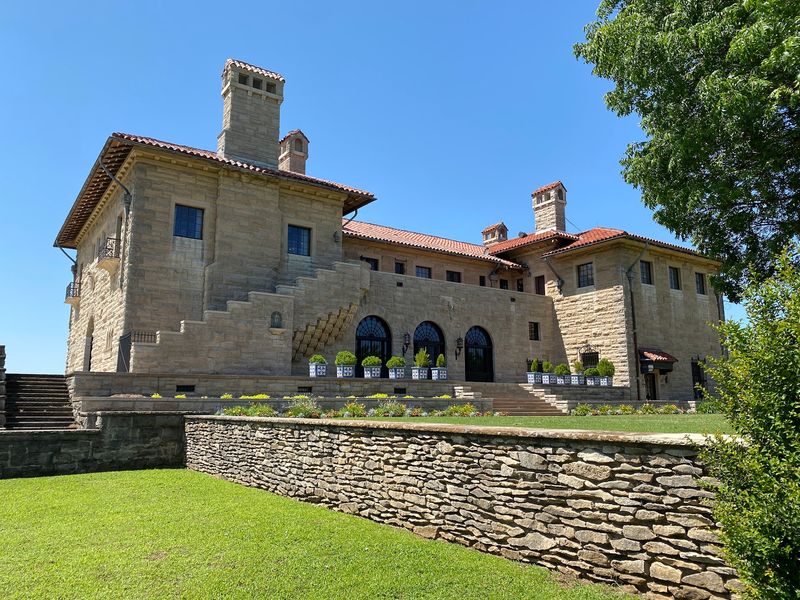
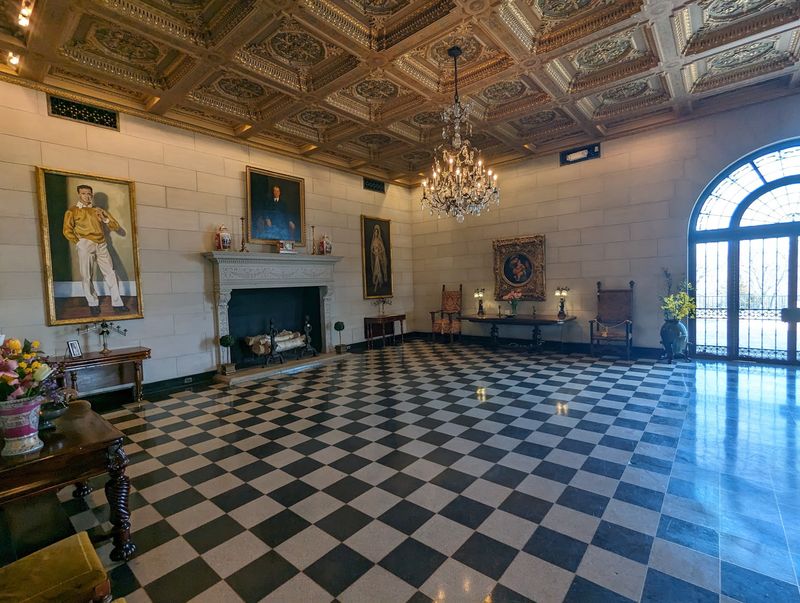
Calling the Marland Mansion architecturally impressive undersells it by a significant margin. The estate was designed to evoke the feel of a European palace, and Italian craftsmen were brought to Oklahoma specifically to execute the intricate stonework and hand-carved details that fill the interior.
That level of intentionality shows in every room.
The ceilings alone justify the visit. Ornate painted artwork stretches across multiple rooms, framed by carved moldings that required skilled hands and serious patience to complete.
Chandeliers hang at dramatic heights, casting light across formal dining rooms and grand entertaining spaces that once hosted the most influential figures of the oil boom era.
Dramatic staircases connect floors in a way that feels theatrical rather than purely functional. The mansion also featured technological innovations remarkable for its time, including early air conditioning systems, heating infrastructure, and even an elevator.
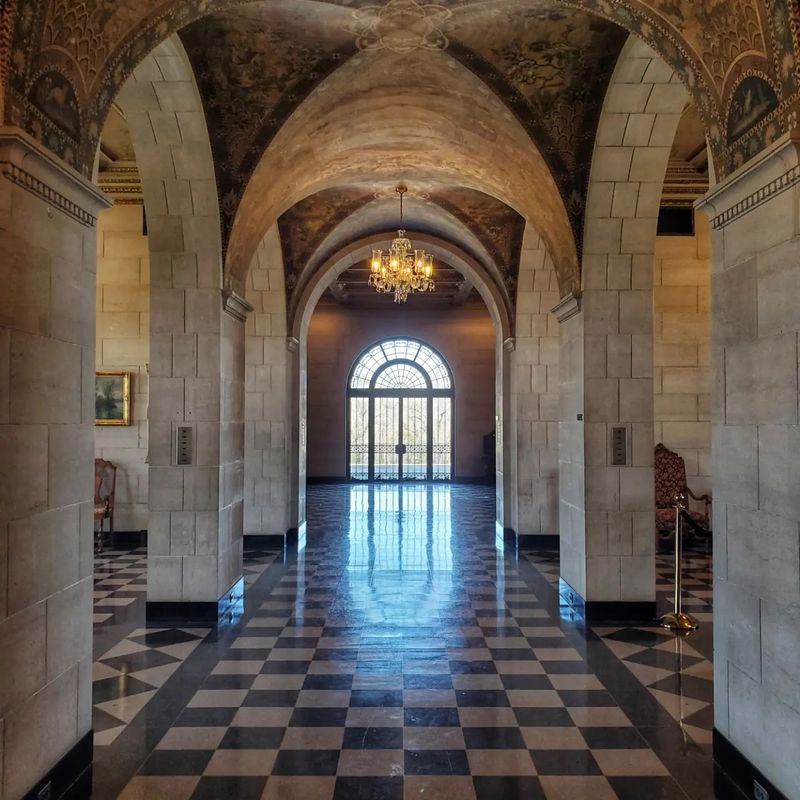
Italian marble, imported stonework, and custom fixtures appear throughout, giving the building an international character that feels genuinely surprising in the heart of north-central Oklahoma. Every corner holds a detail worth pausing over, and that density of craftsmanship is what keeps visitors moving slowly through every room.
The Art Collection Woven Into Every Room
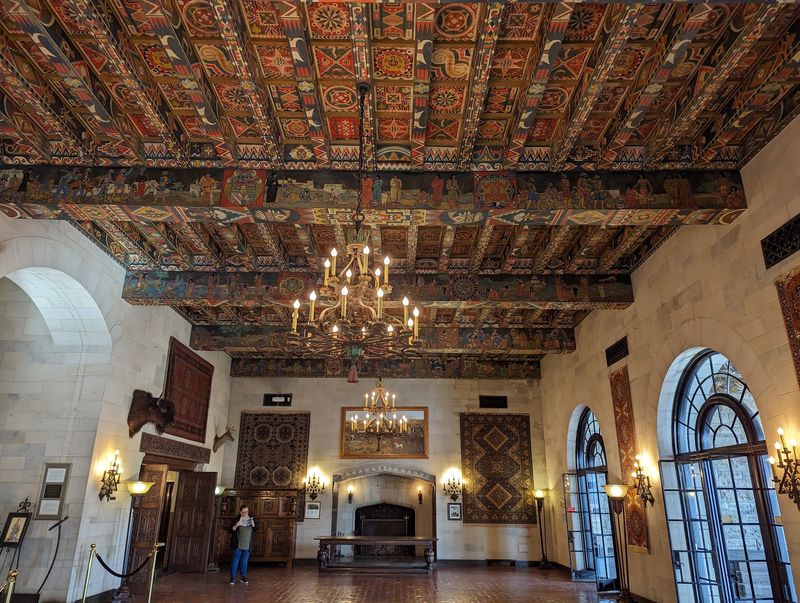
Art was not an afterthought for E. W.
Marland. Throughout the mansion, fine art appears in forms both grand and quietly tucked away.
Ceiling murals painted with remarkable skill stretch across multiple rooms. Portraits of the Marland family hang in spaces designed to display them properly, with natural light and proportional wall space working together to give each piece room to breathe.
One portrait, said to be of Lydie Marland, carries its own layer of intrigue. The story goes that the artist who painted her held a personal grudge, and careful observers can spot a small serpent worked subtly into the composition near her feet.
Whether that detail reflects artistic spite or something more symbolic, it adds a layer of texture to the viewing experience that purely decorative art rarely achieves.
The Petroleum Hall of Fame occupies the ground floor and offers a different kind of art: the commemorative kind. Portraits of industry pioneers line the walls, connecting the mansion’s personal history to the broader story of American oil development.
Small artful details appear almost anywhere you look, from carved door frames to decorative hardware, rewarding visitors who slow down and treat every surface as worth examining.
The Guided Tour Experience Worth Every Minute
A self-guided tour at the Marland Mansion comes with a booklet and the freedom to move at your own pace. The guided tour, however, operates on a different level entirely.
Knowledgeable docents lead groups through rooms that are roped off during self-guided visits, opening up parts of the mansion that most visitors never see on their own.
Guided tours run approximately 90 minutes to two hours, depending on the group’s curiosity level. The guides bring the building’s history to life in ways that printed materials simply cannot replicate.
Stories about the family, the architecture, the craftsmen who built the estate, and the social world that once revolved around these rooms give every space a sense of living history rather than static exhibition.
Many visitors who have taken the guided tour describe it as the highlight of their trip, and several have returned specifically to take it again with family members who missed it the first time. The staff earns consistent praise for their warmth, depth of knowledge, and willingness to answer questions that go well beyond the standard script.
Plan to spend at least two hours here if you want to absorb the full experience the mansion has to offer.
The Grounds, the Chapel, and the Secrets Outside the Main House
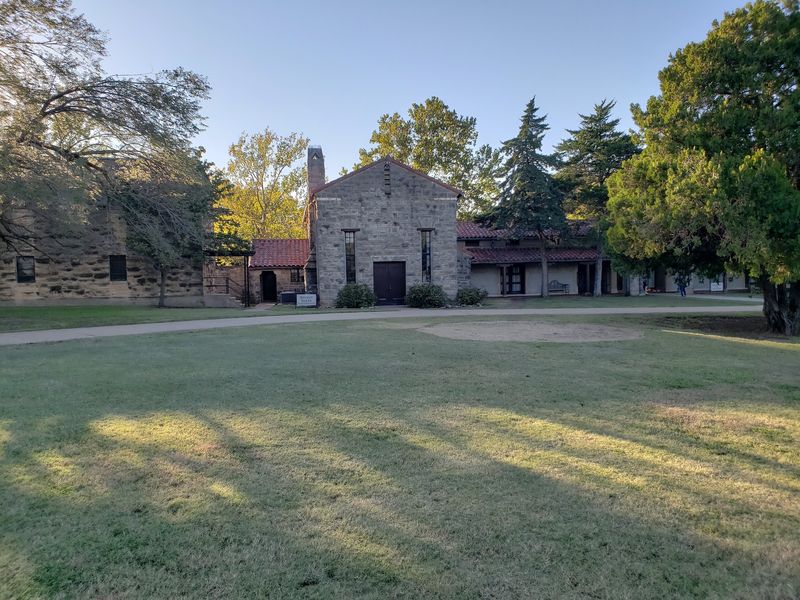
Beyond the mansion’s front doors, the estate spreads across grounds that reward a slow, unhurried walk. Statues punctuate the lawns, and the landscaping frames the mansion from multiple angles, each one offering a slightly different perspective on the building’s scale and design.
The grounds are open to the public, making them a popular spot for photography even on days when the mansion itself is closed.
A chapel sits on the property and can be accessed as part of the guided tour experience. Lydie Marland’s separate residence also stands on the grounds, adding another layer of complexity to the family’s story.
The relationship between E. W.
Marland and Lydie, who was his ward before becoming his second wife, is among the more complicated threads running through the mansion’s history.
There is also mention of a secret tunnel on the property, one of those details that tour guides drop into conversation and visitors never quite forget. The grounds once featured a swimming pool that has not been fully restored, though the space it occupies still carries a faded elegance.
Ducks wander portions of the property, adding an unexpectedly charming and unhurried quality to the outdoor experience.
The Family Story That Makes the Walls Feel Alive
The architecture draws you in, but the Marland family’s story is what stays with you long after you leave. E.
W. Marland’s first wife, Virginia, passed away after years of marriage.
He later adopted two children, George and Lydie Roberts, who had come to live with the family. Years after Virginia’s passing, Marland married Lydie, an arrangement that raised eyebrows across Oklahoma society at the time and has fueled speculation and storytelling ever since.
The family’s financial fall from grace adds another dimension to the narrative. Having lost his oil empire to outside banking interests, Marland watched much of the wealth that built this palace drain away.
The mansion itself was eventually sold, and the family’s later years were far removed from the opulence these rooms once represented.
That contrast between the grandeur of the architecture and the complicated human story behind it gives the Marland Mansion an emotional weight that purely decorative historic homes rarely achieve. Guides describe the story as remarkable, amazing, and in their words, a little scary and sad.
Visitors who read up on the history before arriving find that the mansion takes on an entirely different resonance once the full picture comes into focus.
The Ghost Stories and the Atmosphere That Feeds Them
No mansion with a history this layered escapes the ghost story tradition, and the Marland Mansion has cultivated its share of eerie lore over the decades. Ponca City residents have long traded stories about unexplained sounds, cold spots in certain rooms, and the persistent feeling that the mansion’s original owner never quite vacated the premises.
Whether you believe in such things or not, the atmosphere inside the building does little to discourage the imagination.
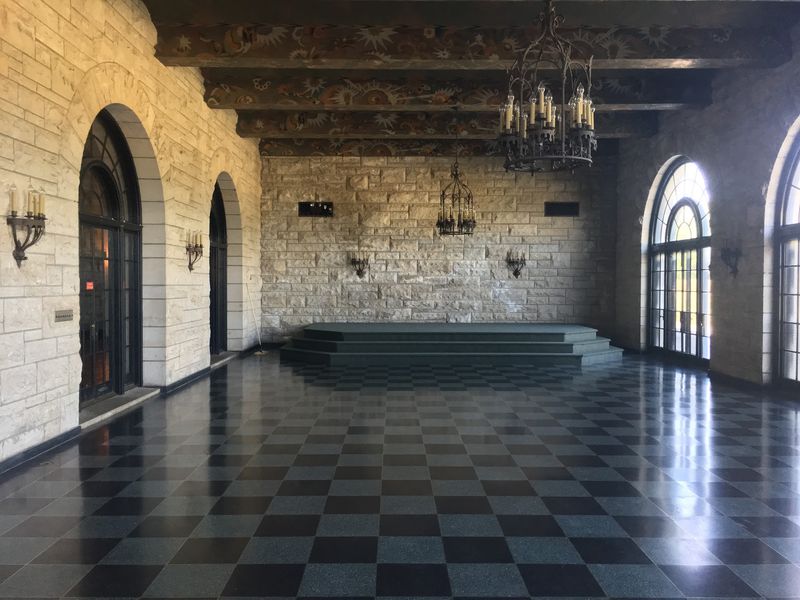
The sheer scale of the interior creates pockets of shadow that natural light never fully reaches. Rooms that once hosted lavish gatherings now sit quietly behind velvet ropes, their furnishings perfectly arranged as though waiting for guests who stopped coming generations ago.
That particular stillness, present even on busy tour days, carries a quality that feels less like silence and more like held breath.
The mansion’s complicated family history adds to the sense that the past has not entirely released its grip on the place. Guides tell the story with enough texture and detail that by the time you reach the upper floors, you find yourself listening differently, a little more attentive to the sounds the old building makes as it settles.
Oklahoma fall is the ideal season to visit if atmosphere is what you are after.
The Mansion as a Wedding and Event Venue
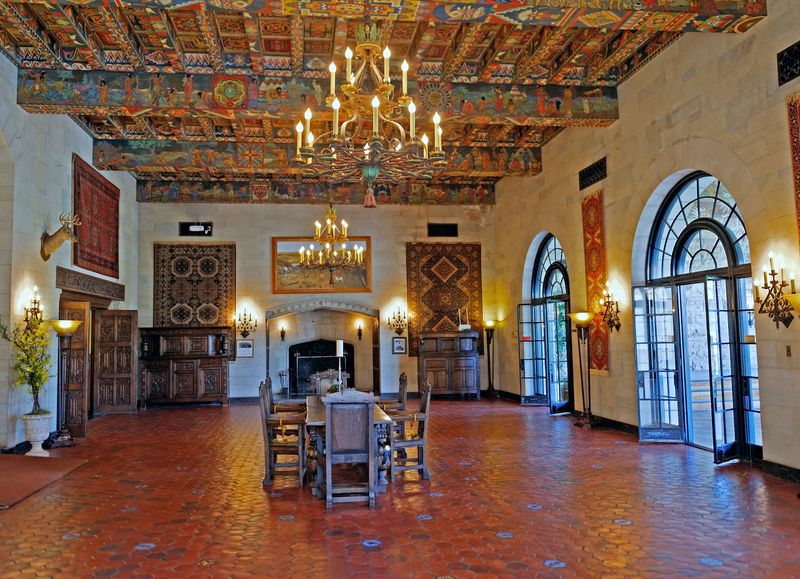
Beyond its role as a museum and historic landmark, the Marland Mansion has built a strong reputation as one of Oklahoma’s most distinctive event venues. Couples who want a setting that feels cinematic rather than conventional have discovered that this estate delivers something no modern banquet hall can replicate.
The combination of grand ballrooms, sweeping staircases, and European-influenced architecture creates a backdrop that photographs beautifully from nearly any angle.
Wedding photographers in particular have praised the property’s variety of settings. Indoor rooms with painted ceilings and ornate woodwork offer one kind of shot, while the manicured grounds and statuary provide entirely different compositions.
The mansion accommodates both intimate ceremonies and larger celebrations, with the historic bones of the building lending every event a sense of occasion.
The estate’s events team has earned consistent recognition for their attentiveness and organizational skill. Kelsey, mentioned by name in multiple reviews, has been credited with making the planning process smooth and the execution seamless.
Graduation season also brings steady traffic to the grounds, with families using the estate’s scenic outdoor spaces as a backdrop for milestone photography. The mansion’s ability to serve multiple functions without losing its historic character is a genuine achievement.
Practical Details: Hours, Admission, and Getting There
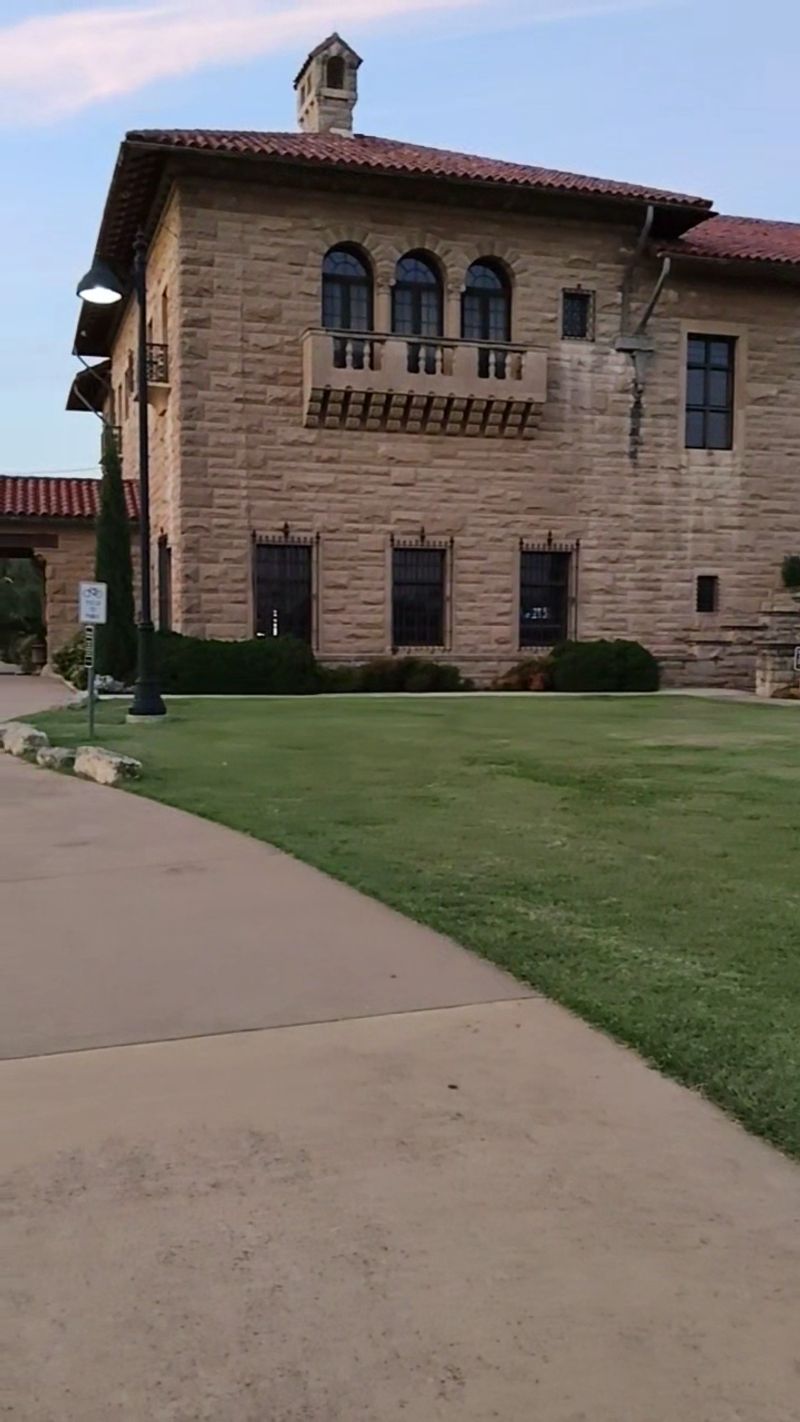
Planning a visit to the Marland Mansion requires only a little preparation. The estate is open Monday through Saturday from 10 AM to 5 PM and is closed on Sundays.
The phone number for the mansion is 580-767-0420, and additional information is available at marlandmansion.com. Arriving earlier in the day gives you the best chance of securing a spot on a guided tour and leaves enough time to walk the full grounds afterward.
Admission runs approximately ten dollars per adult, with reduced rates for children and visitors over 65. Ponca City residents enjoy free admission, a detail that reflects the mansion’s ongoing role as a community resource rather than purely a tourist attraction.
The price point is modest given the scale of what you receive in return, and most visitors describe it as one of the better values they have encountered at a historic site.
Ponca City is easily accessible from Oklahoma City via US-177 north, a drive of roughly 100 miles. From Tulsa, take US-412 west and then head north.
The mansion sits on Monument Road, and signage in town makes it straightforward to find. Summer visits can run warm inside the building, as the cooling system relies on fans rather than modern air conditioning, so lighter clothing is a practical choice during July and August.
Who Will Love This Place Most
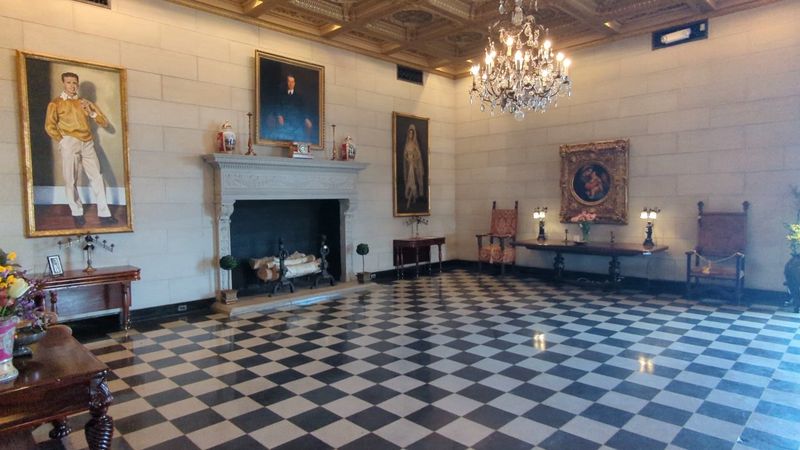
History enthusiasts will find the Marland Mansion almost unreasonably rewarding. The layers of American history compressed into this single property span the oil boom, the rise and fall of personal fortunes, early 20th century architecture, fine art collecting, and Oklahoma’s political history.
Any one of those threads would sustain a good museum visit. All of them together make for something genuinely exceptional.
Architecture lovers and photographers also tend to leave deeply satisfied. The mansion’s scale and detail provide more material than most visitors can fully absorb in a single trip, which is why a meaningful number of people have visited more than once.
The grounds offer outdoor photography opportunities that pair beautifully with interior shots, giving photographers a complete range of compositions within one property.
Families with older children who have some interest in history will find the guided tour engaging and age-appropriate. The stories are vivid enough to hold attention without requiring specialized knowledge.
Mystery and folklore buffs drawn by the ghost story angle will find the atmosphere more than cooperative. Honestly, the Marland Mansion is the kind of place that tends to exceed expectations regardless of what brings you through the door, and that quality of surprise is not something every historic site can claim.
Share this story