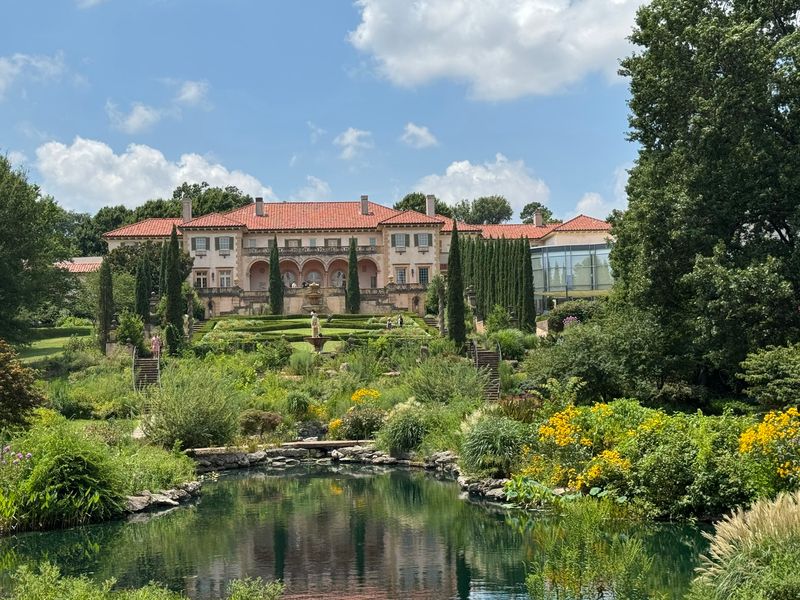
Tucked inside a quiet Tulsa neighborhood, there is a place that genuinely stops people in their tracks the moment they see it. The Philbrook Museum of Art looks and feels like something that belongs on the Italian countryside, not the Oklahoma plains.
From its ornate Renaissance-style architecture to its sweeping terraced gardens, every corner of this estate rewards slow, careful attention. Whether you are a lifelong art lover or someone who just stumbled across it on a road trip, Philbrook has a way of turning a casual afternoon into something you will talk about for years.
A Tulsa Treasure With an Italian Soul
Most people do not expect to find a grand Italian villa in the middle of Oklahoma, but that is exactly what awaits at the Philbrook Museum of Art, located at 2727 S Rockford Rd, Tulsa, OK 74114. The museum sits on a generous estate in the leafy Midtown neighborhood, far enough from the bustle of downtown to feel like a true retreat.
Originally built in 1927 as a private residence for oil magnate Waite Phillips and his wife Genevieve, the mansion was designed in the Italian Renaissance Revival style. The Phillips family donated the property to the city of Tulsa in 1938, and it opened as a public museum that same year.
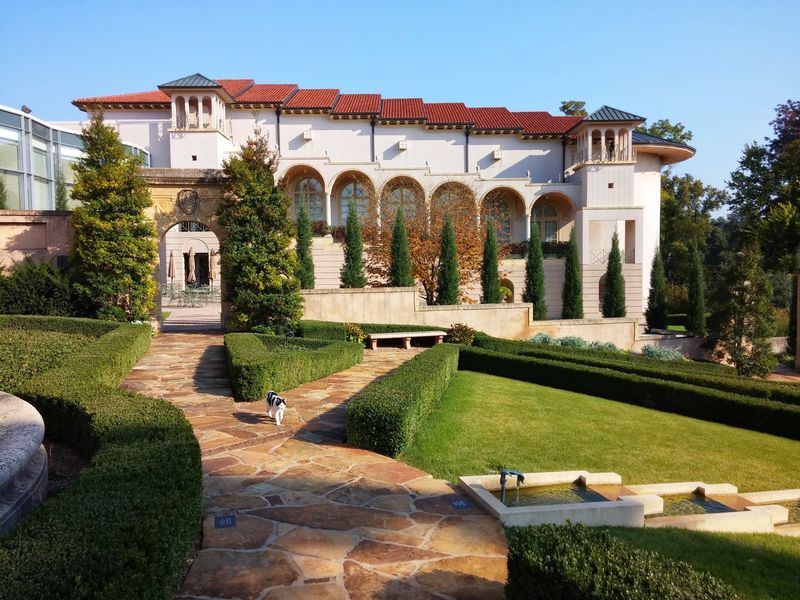
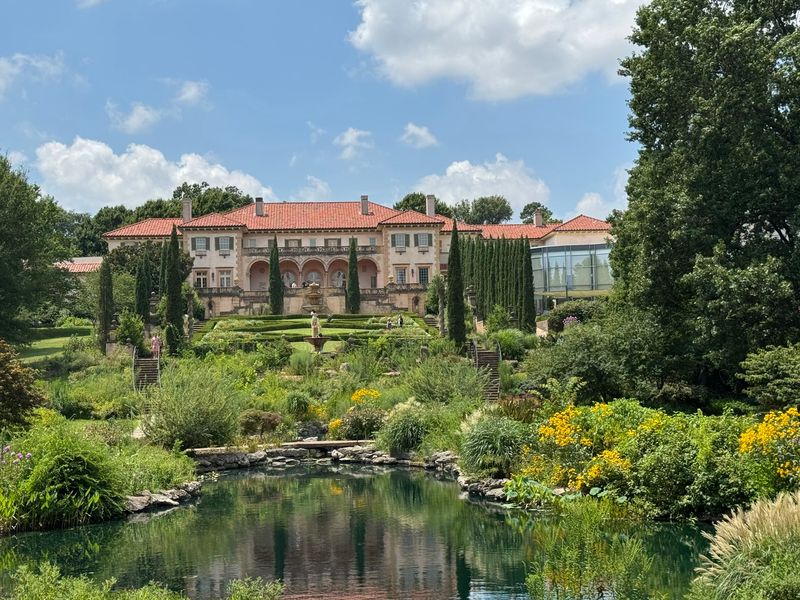
From the moment the building comes into view, it carries a quiet authority that is hard to shake. The stone facade, arched windows, and symmetrical proportions all suggest something far older and far more European than its Oklahoma address implies.
Philbrook holds a 4.8-star rating across nearly 4,600 reviews, which tells its own story about how powerfully this place resonates with the people who visit it.
The Villa That Oil Built
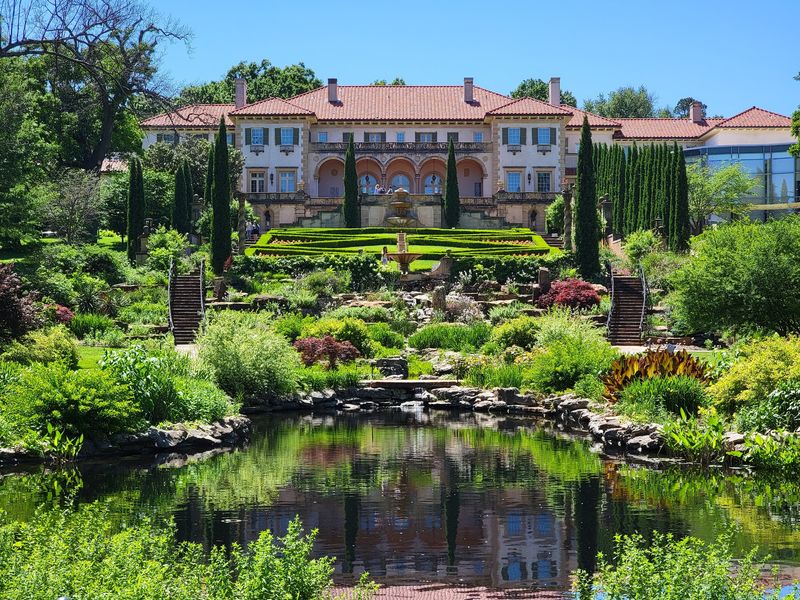
Few origin stories in American museum history are as cinematic as Philbrook’s. Waite Phillips commissioned architect Edward Buehler Delk to design Villa Philbrook as a private home, and Delk drew deeply from Italian Renaissance traditions to create something genuinely palatial.
The result was a 72-room mansion spread across 23 acres, complete with formal gardens, fountains, and a sense of scale that still impresses nearly a century later.
Phillips made his fortune in the Oklahoma oil boom of the early twentieth century, and he poured considerable resources into making the villa a showpiece. Decorative plasterwork, hand-painted ceilings, and intricate tilework were imported or crafted by skilled artisans, giving each room a distinct personality that still survives today.
When the Phillips family gifted the property to Tulsa in 1938, the city gained not just a building but a cultural institution that would grow steadily in both reputation and collection size. Understanding that backstory adds real weight to every room you walk through.
The mansion is not a replica of European grandeur; it is the genuine article, built with the ambition and resources of a man who wanted to bring something extraordinary to the American heartland.
Architecture Worth Every Slow Step
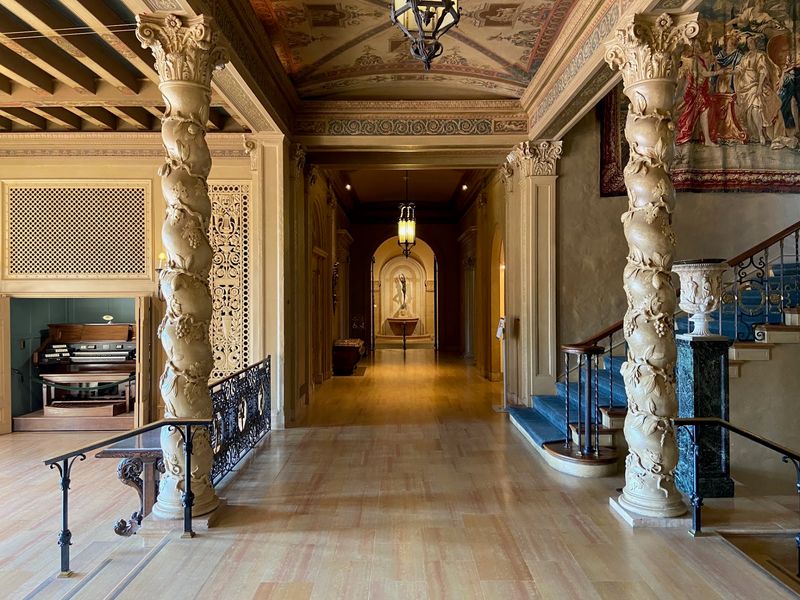
A lot of museums treat their buildings as neutral containers for art. Philbrook treats its architecture as a co-equal attraction, and rightly so.
The interior of the mansion unfolds room by room in a way that rewards unhurried exploration, with each space carrying its own decorative logic and visual personality.
Hand-painted ceilings draw the eye upward at unexpected moments. Carved stone details frame doorways with the kind of craft that modern construction simply does not attempt.
Stained glass windows catch the light at certain times of day and cast warm patterns across the floors, a detail that earns its own dedicated mention in hundreds of visitor conversations.
The architectural variety from room to room is part of what makes the mansion so engaging. One space might feel intimate and warmly lit, while the next opens into something grander and more formal.
That rhythm keeps the experience from ever feeling monotonous. The building has been thoughtfully adapted to serve as a gallery space without sacrificing the residential character that makes it unique.
Visitors frequently note that learning about the mansion’s history and architecture ranks among their favorite parts of the entire visit, sometimes surpassing the art itself.
Gardens That Earn Their Own Afternoon
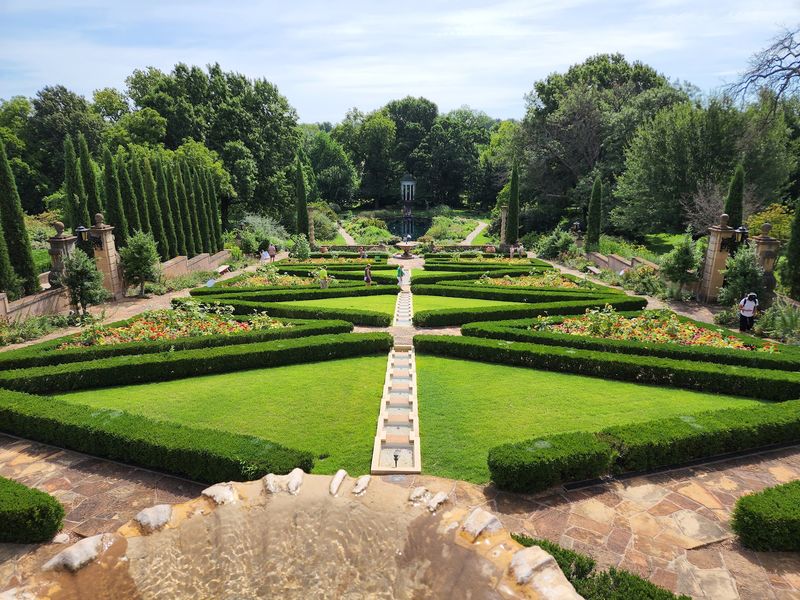
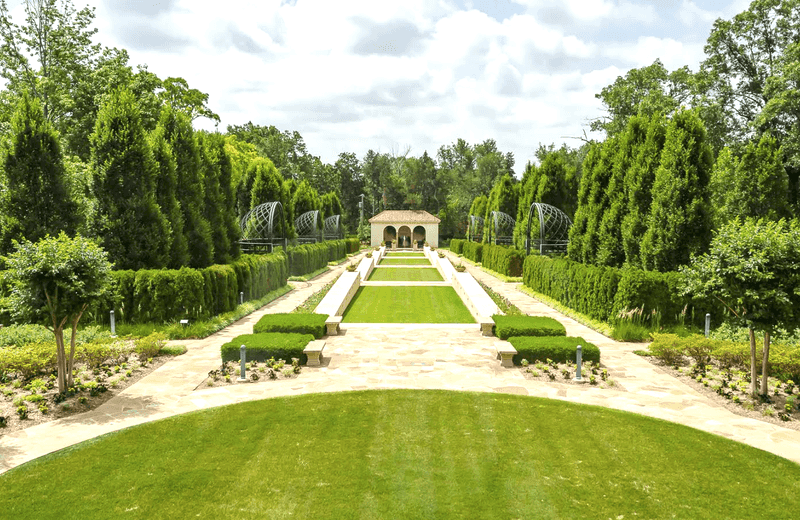
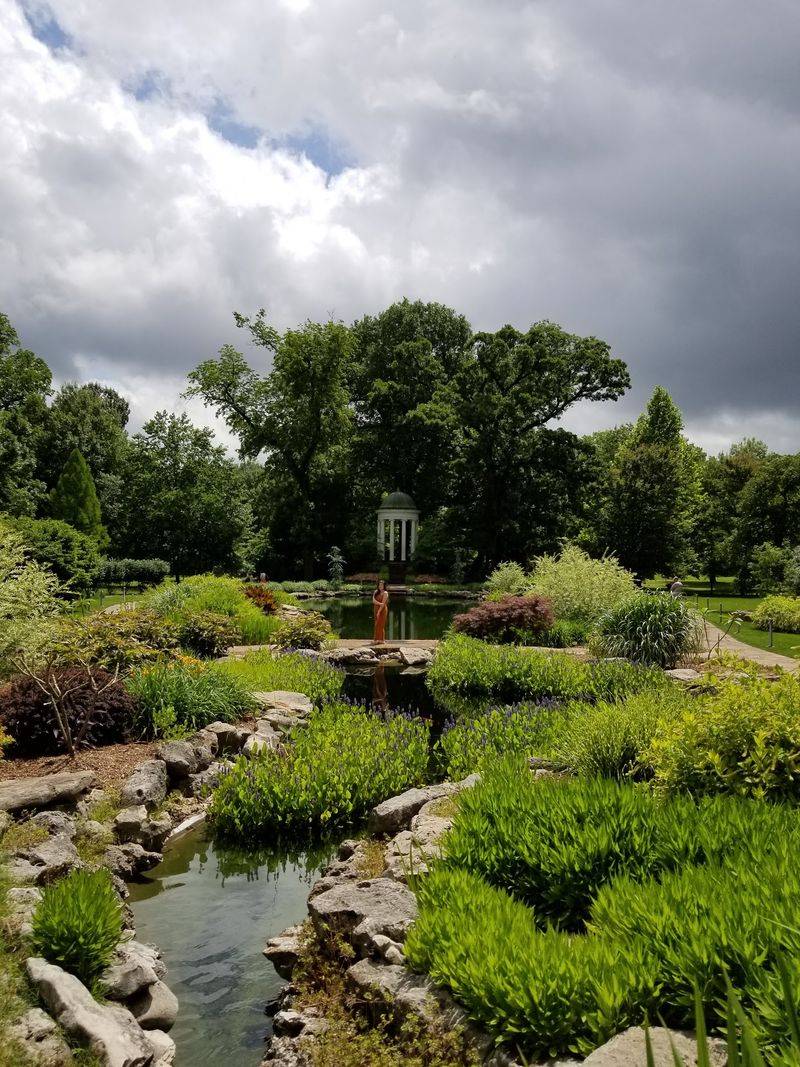
The gardens at Philbrook generate more conversation than almost any other feature of the estate, and a visit makes it obvious why. Spreading across several terraced acres behind the mansion, the grounds include formal flower beds, reflecting pools, fountains, sculptures, and shaded walking paths that invite a genuinely slow pace.
The design draws from classical Italian garden traditions, using geometry and symmetry to create a sense of order that still feels generous and welcoming rather than rigid. Seasonal plantings ensure the gardens shift character throughout the year, with different colors and textures marking each visit as its own distinct experience.
Wildlife adds a lively, unscripted layer to the whole scene, with goldfish in the pools, rabbits in the grass, and the occasional friendly cat making appearances that delight visitors of all ages.
At sunset, the gardens take on a quality that regular visitors describe as almost otherworldly. The light softens, the fountains catch a warm glow, and the formal plantings seem to lean into the hour in a way that invites lingering far longer than originally planned.
The outdoor grounds alone justify the trip for many people, and on a clear day they photograph beautifully from nearly every angle.
A Collection That Spans Centuries and Continents
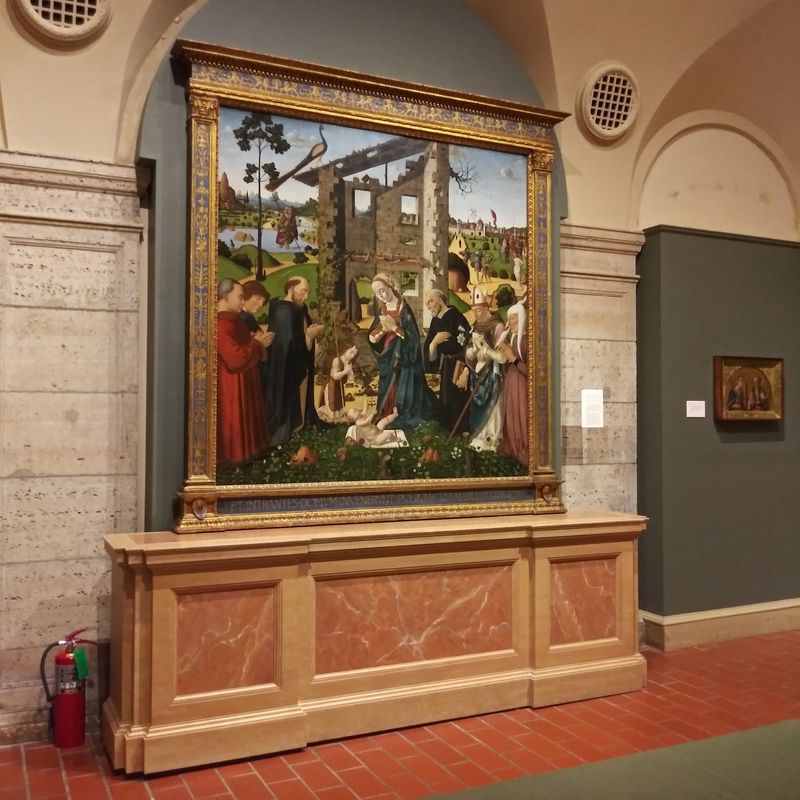
Beyond the building and the grounds, Philbrook holds a genuinely broad art collection that spans centuries, cultures, and media. The museum’s holdings include works from European masters, Native American art, Asian decorative arts, and contemporary pieces that ensure the experience never feels locked into a single era or aesthetic.
The Native American art collection carries particular significance given Oklahoma’s history and cultural landscape. Works representing tribal traditions from across the region are displayed with care and context, offering visitors a perspective that feels locally rooted even within a globally oriented institution.
Rotating and traveling exhibitions add a layer of ongoing discovery that keeps repeat visitors engaged. Past highlights have included a Samurai exhibition that generated enthusiastic response, a Frida Kahlo exhibit, and a powerful retrospective of Gordon Parks’ photography featuring more than 70 works that documented Black life, the Civil Rights Movement, and iconic portraits spanning his long career.
The museum also participates in accessibility programs like Museums for All, reflecting a genuine commitment to making the collection available to the widest possible audience. The third floor, in particular, draws consistent praise for the quality and variety of what is on display, with visitors frequently noting it as the strongest gallery experience in the building.
Holiday Lights and Seasonal Magic
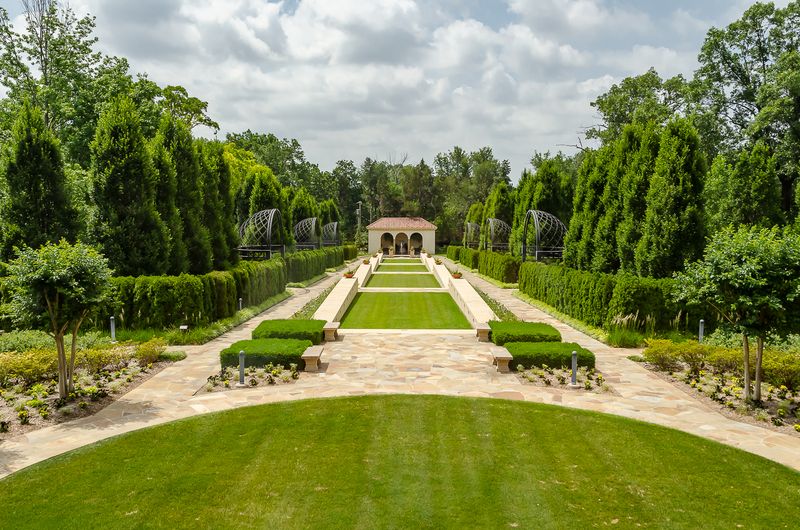
One of Philbrook’s most talked-about experiences happens after dark, when the gardens transform into an illuminated landscape during the holiday season. Strings of lights trace the pathways, wrap around trees, and reflect off the fountain pools in a way that turns the already-beautiful grounds into something closer to a storybook setting.
Visitors who grew up near major theme parks have compared the holiday lighting favorably to those large-scale productions, noting that the scale and atmosphere at Philbrook feel surprisingly competitive with much more famous light displays. The combination of music, moving light, and the formal garden structure creates an immersive experience that photographs struggle to fully capture.
The seasonal programming at Philbrook extends beyond the winter holidays, with the gardens and galleries hosting events and exhibitions that shift with the calendar. Spring brings fresh plantings and blooming flowers that change the color palette of the grounds entirely.
Summer evenings take on their own character, particularly on Fridays when the museum stays open until 9 PM, allowing visitors to experience the estate in a softer evening light. Each season offers a genuinely different version of the same place, which is part of what keeps people coming back year after year with real enthusiasm.
Family-Friendly in Ways That Actually Matter
Art museums can feel intimidating for families with young children, but Philbrook has put genuine thought into making the experience work across age groups. Certain gallery rooms include quiet seating areas where younger visitors can engage with hands-on activities like building blocks, giving adults a moment to absorb the art while kids stay occupied and content.
The gardens function as a natural pressure valve for families who need open space between gallery visits. Children respond immediately to the rabbits, goldfish, and open lawns, and the layout of the grounds gives kids room to move without disrupting the quieter museum atmosphere indoors.
Families with children as young as five have reported genuinely positive visits, with the outdoor spaces drawing as much enthusiasm as anything inside the galleries.
The museum’s accessibility programs and community-centered events also reflect a philosophy that art should be approachable rather than exclusive. The family-friendly designation in visitor conversations comes up organically and consistently, suggesting it reflects real design choices rather than just marketing language.
A membership makes particular sense for local families, given how much the experience shifts between seasons and how much there is to absorb across multiple visits. One afternoon is rarely enough to take it all in.
Coffee, the Gift Shop, and the Practical Details
A full visit to Philbrook benefits from a pace that allows time to rest and recharge, and the on-site coffee shop makes that easy. Tucked into the estate, it offers a natural midpoint break during longer visits, with coffee and a view of the gardens providing a genuinely pleasant pause between gallery rooms.
Visitors mention it as a satisfying stop that adds to the overall rhythm of the day rather than interrupting it.
The gift shop earns its own positive mentions, stocking souvenirs and items that feel thoughtfully curated rather than generic. It serves as a natural endpoint to the visit and offers a way to bring something of the Philbrook experience home.
On the practical side, general admission runs $20 for adults, a price point that initially gives some visitors pause but consistently earns approval once the full scope of the estate becomes clear. The museum is open Wednesday through Sunday, with hours running from 9 AM to 5 PM on most days and extended to 9 PM on Fridays.
Monday and Tuesday are closed. The phone number for visitor inquiries is 918-749-7941, and the website at philbrook.org carries current exhibition and event information.
Memberships are available and represent strong value for anyone planning more than one visit per year.
Why Philbrook Belongs on Every Oklahoma Itinerary
There are places that exceed expectations because they deliver exactly what they promise, and then there are places that exceed expectations because they deliver something you did not know you were looking for. Philbrook falls firmly into the second category.
Nothing about Oklahoma’s reputation quite prepares a first-time visitor for the scale, beauty, and cultural depth waiting on Rockford Road.
The combination of world-class architecture, rotating exhibitions, formal Italian gardens, and genuine community programming creates a layered experience that rewards both quick visits and long, unhurried afternoons. Solo travelers find the galleries meditative.
Couples find the gardens romantic. Families find the whole estate surprisingly accommodating.
That range of appeal is not accidental; it reflects decades of thoughtful stewardship by an institution that understands what makes a museum genuinely great.
Visitors from Southern California have compared it to the Huntington Library and Gardens, which is high praise from people accustomed to world-class cultural destinations. Whether you are a Tulsa local rediscovering something in your own backyard or a road-tripper passing through Oklahoma for the first time, Philbrook is the kind of place that earns a return visit before you have even finished the first one.
Share this story